Ever stood in the bedding aisle, staring at a tag that says "King," and wondered if it actually means anything? You are not alone. It is one of those shopping moments where confidence goes out the window. You buy what looks right, get it home, and suddenly realize it is either swimming in fabric or barely covering the corners. Frustrating, right? Especially when you just wanted a cozy, put-together look for your sanctuary.
The truth is, "King" is a label, not a universal law. A king mattress in New York might be slightly different from one in London, and the bedspread designed for it? That is a whole other ballgame. In 2026, with so many online options and custom makers, getting the measurements wrong is easier than ever. But it does not have to be. Let us clear up the confusion once and for all. We are going to talk about real numbers, real drops, and how to make sure your bed looks like it belongs in a magazine, not a clearance bin.
Breaking Down the Numbers: What Is a King Bedspread Anyway?
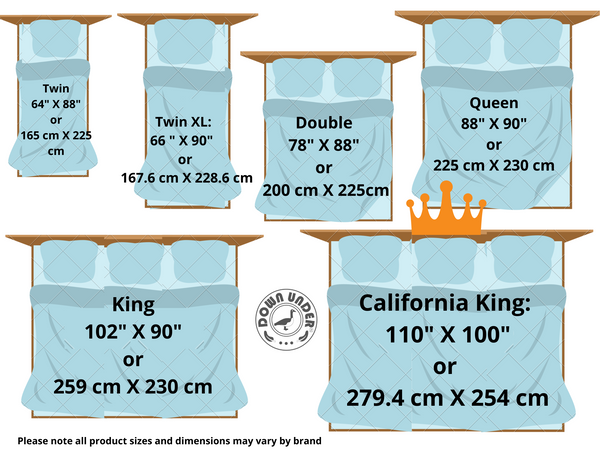
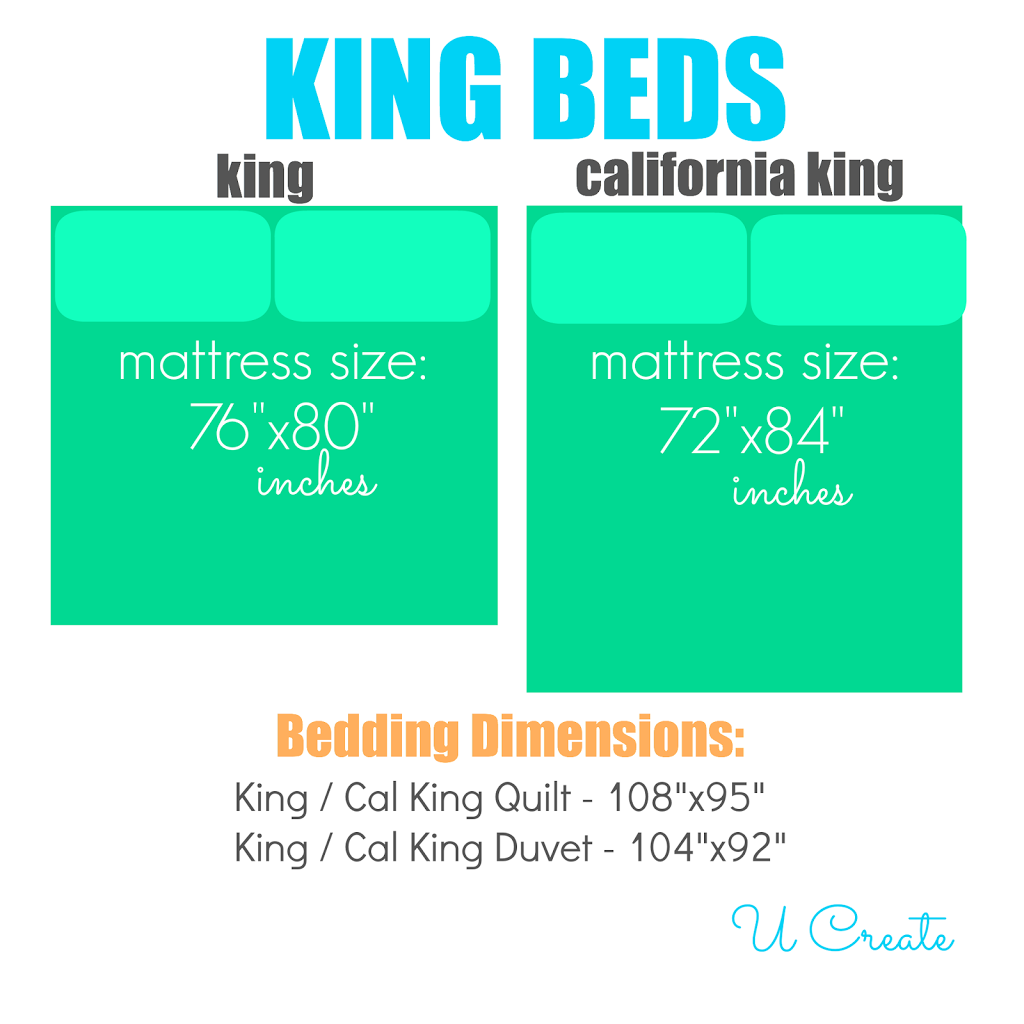
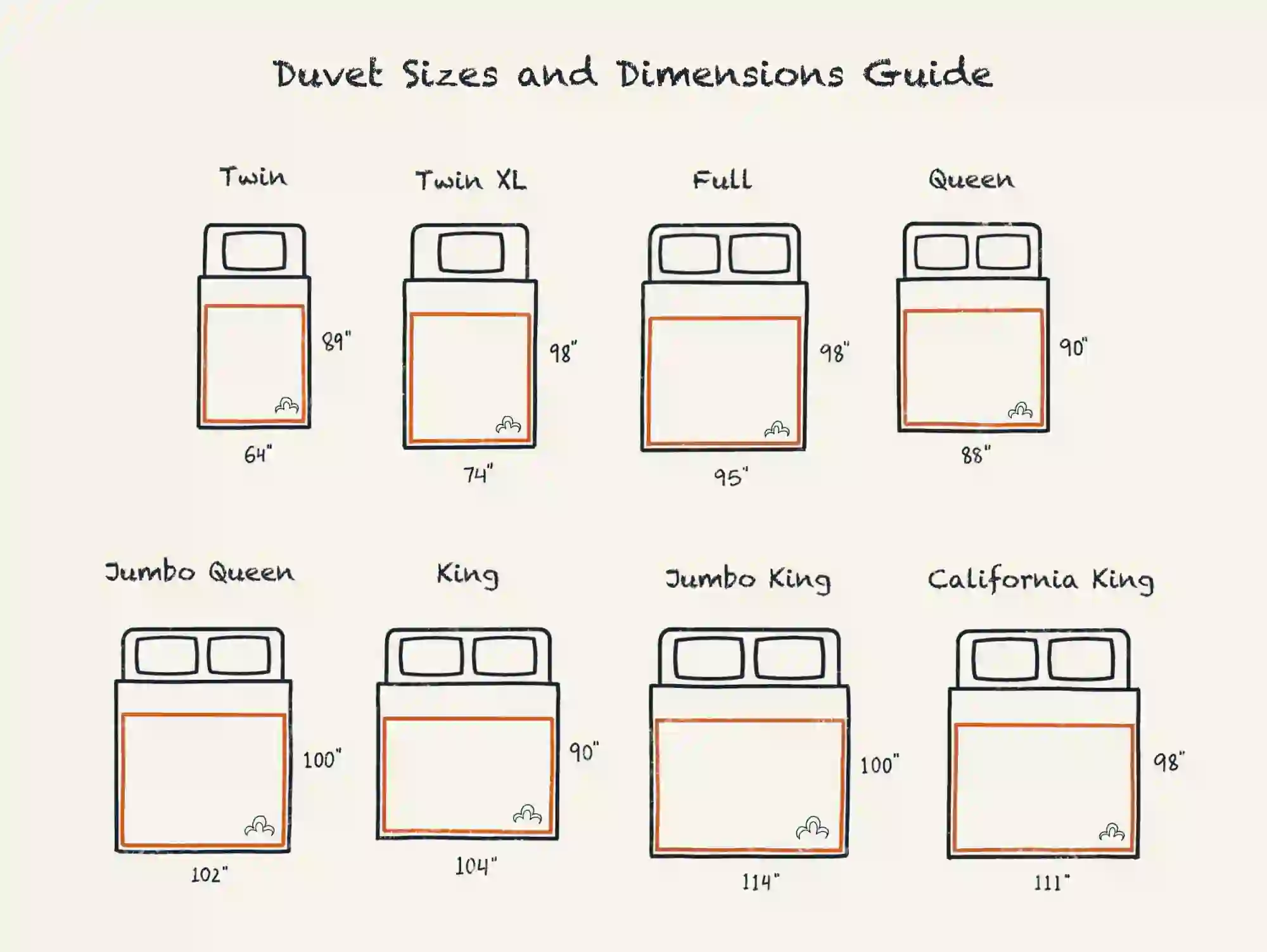
First things first, let us talk about the mattress itself because everything else hangs off that. A standard US King mattress is 76 inches wide by 80 inches long. That is your baseline. But a bedspread is not a fitted sheet. It is meant to drape. So, when you see a bedspread labeled as 110 inches by 96 inches, do not panic. That extra space is intentional. It is called the "drop."
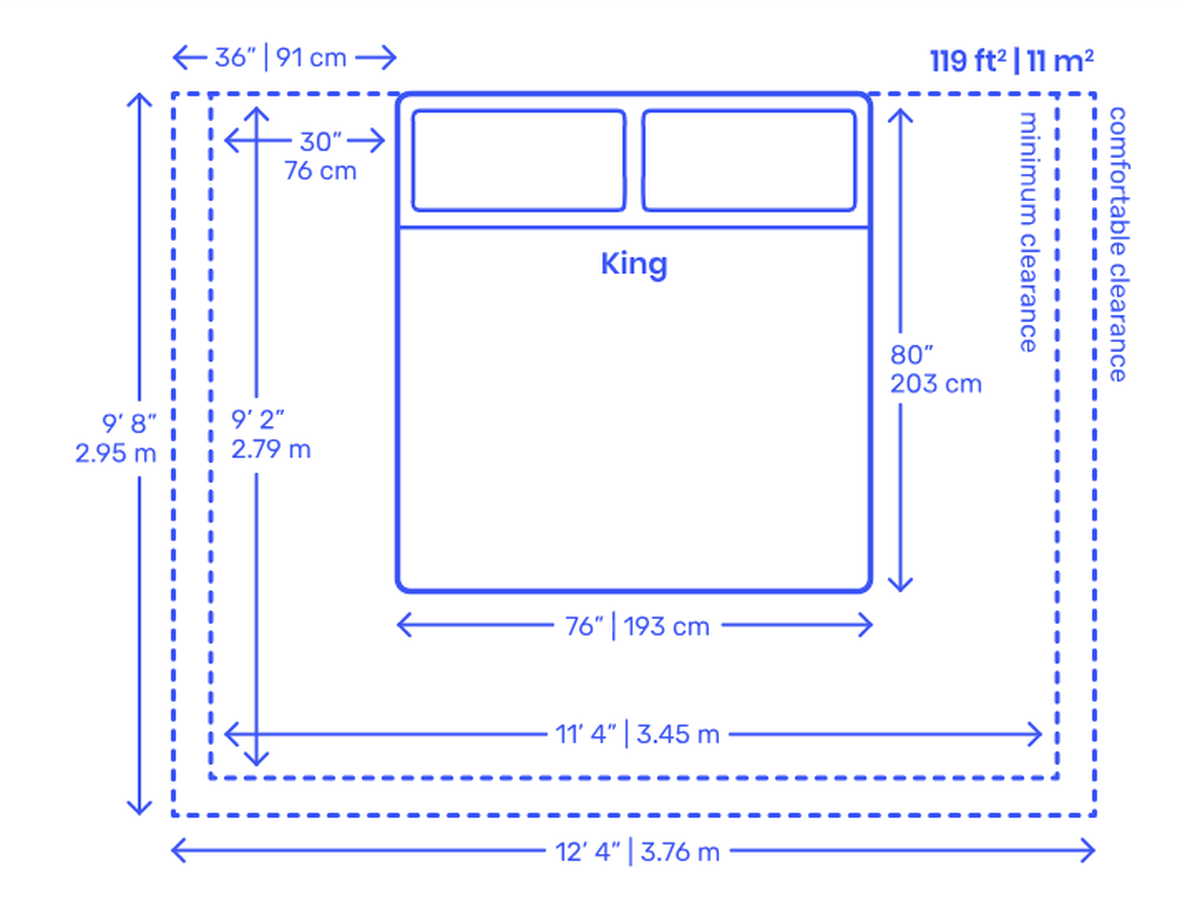
Think of the drop as the curtain around your bed. If you want a neat, tailored look that just kisses the top of the box spring, you need less fabric. If you want that luxurious, floor-sweeping vibe, you need way more. The typical 110x96 inch size gives you about a 17-inch drop on the sides and a 8-inch drop at the foot. Wait, the math seems off? That is because most people forget the pillows. The width covers the sides, but the length has to account for the pillows stacked at the headboard. If you ignore the pillow tuck, your bedspread will look short and awkward.
It is also worth noting that not all kings are created equal. There is the California King, which is longer and narrower (72x84 inches). If you put a standard king spread on a Cal King, it will be too wide and too short. Always check your specific mattress type before buying. In 2026, many retailers list both, but assuming they are interchangeable is a classic mistake. Measure twice, buy once. It sounds cliché, but it saves you the hassle of returns.
The Drop Debate: How Low Should You Go?
Now we get to the aesthetic part. How much fabric do you actually want hanging down? This is where personal style meets practicality. A 4-inch drop is minimal. It barely covers the edge of the mattress. This is rare for bedspreads but common for flat sheets. For a bedspread, you usually want at least 15 to 20 inches on the sides if you have a standard height bed frame. This covers the box spring and creates a clean line.
If you have a platform bed or a low-profile frame, you might want a longer drop to ground the visual weight of the bed. A 30-inch drop brings the fabric close to the floor. This looks elegant and expensive. However, beware of pets and vacuum cleaners. Floor-length fabrics collect dust, pet hair, and general life debris faster than you can imagine. If you have a golden retriever who loves to nap on the bed, maybe skip the floor-length drama. Go for a mid-calf length instead. It is easier to maintain and still looks polished.
Another thing to consider is the thickness of your mattress. Modern mattresses are thicker than they used to be. Many are 12 to 15 inches deep, compared to the 8-inch standards of the past. If you have a pillow-top monster, you need to add that height to your drop calculation. A bedspread that looked perfect on a 10-inch mattress will look skimpy on a 14-inch one. Always measure from the top of the mattress to where you want the fabric to end. Do not guess. Use a tape measure. It takes ten seconds and saves you weeks of regret.
Regional Differences: Not All Kings Are Global
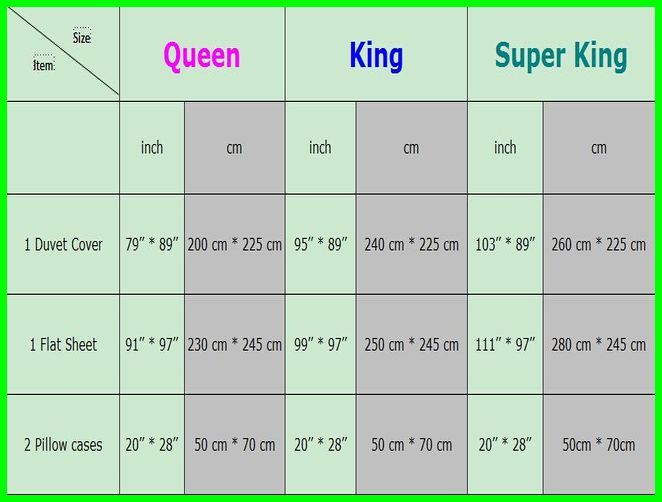
Here is a tricky bit that trips up many shoppers, especially those buying from international sites. The term "King" means different things in different places. In the US, we have the Standard King and the California King. In the UK and Europe, a "King" is often smaller, closer to what Americans call a Queen. Their "Super King" is closer to our Standard King. If you are ordering from a European brand in 2026, check the centimeter measurements, not just the name.
For example, a UK King might be 150cm x 200cm (about 59x79 inches), while a US King is 193cm x 203cm (76x80 inches). That is a huge difference in width. A European king bedspread on an American king bed will leave the sides hanging bare. It will look like you forgot to finish making the bed. Conversely, a US king spread on a UK king bed will pool on the floor like a wedding train. Neither is ideal.
Always look for the actual dimensions in inches or centimeters. Ignore the label if it does not match your region. Some global retailers are getting better at labeling this clearly, but many still rely on local terminology. If you are unsure, email the seller. Ask them specifically: "Will this fit a 76x80 inch mattress?" Their answer will tell you everything you need to know. Do not assume. Assumptions lead to ill-fitting linens and wasted money.
Material Matters: How Fabric Changes the Fit
You might think dimensions are just about numbers, but fabric type plays a huge role in how a bedspread fits. Heavy materials like chenille, quilted cotton, or wool blend tend to hang straighter. They have weight, so they pull down nicely. Lighter fabrics like linen, thin cotton, or synthetic blends can be trickier. They might billow out or look wispy if they are too large. Or they might cling statically if they are too small.
Consider the shrinkage factor. Natural fibers like cotton and linen shrink. Even pre-washed items can shrink another 3-5% after a few hot washes. If you buy a bedspread that fits perfectly out of the package, it might be too short after the first laundry cycle. Look for care labels that specify "pre-shrunk" or "sanforized." If it is not pre-shrunk, consider sizing up. It is better to have a little extra fabric than a bedspread that no longer covers the corners.
Also, think about the texture. A thick, chunky knit bedspread adds bulk. If you tuck it under pillows, it creates a big lump. You might need a slightly larger size to accommodate the bulk without pulling tight. On the flip side, a silky satin spread slides easily. It needs less extra room because it drapes fluidly. The material dictates how forgiving the fit is. Heavy fabrics hide minor measurement errors; light fabrics expose them. Choose wisely based on your lifestyle and laundry habits.
Styling Tips: Making It Look Intentional
So you have the right size. Now what? How do you make it look good? Layering is key. In 2026, the trend is moving away from single, heavy bedspreads toward layered looks. Use a lightweight bedspread as a top layer over a duvet or comforter. This allows you to change the look seasonally without replacing the whole setup. Fold the bedspread back at the foot of the bed to show off the layers underneath. It adds depth and texture to the room.
Pillow placement is crucial. Do not just throw pillows on top. Arrange them in descending order of size. Euro shams against the headboard, then standard shams, then decorative accents. Tuck the top edge of the bedspread under the bottom row of pillows. This anchors the look and prevents the spread from sliding down during the night. It also makes the bed look inviting and structured, like a hotel suite.
Color and pattern play a role too. If your bedspread is busy or patterned, keep the rest of the bedding neutral. If the spread is solid, you can play with patterned sheets or pillows. Balance is everything. And do not forget the throw blanket. Draping a contrasting throw across the foot of the bed adds a casual, lived-in feel. It breaks up the expanse of fabric and makes the bed look approachable, not just decorative. Remember, your bed is for sleeping, not just for showing off. Make it functional and beautiful.
Let us talk about the pitfalls. The biggest mistake? Measuring the bed frame instead of the mattress. The frame is irrelevant. The mattress is what matters. Measure the width and length of the mattress surface. Then decide your desired drop. Add the drop to the width (both sides) and the length (foot only, usually). Do not add drop to the head because pillows cover that area. Simple geometry, but easy to mess up if you rush.
Another error is ignoring the bed skirt. If you use a bed skirt, your bedspread does not need to drop as low. The skirt covers the box spring and frame. The spread just needs to cover the mattress top and hang slightly over the edge. This is a great option if you have storage under the bed or an ugly frame you want to hide. It simplifies the sizing equation significantly. Just ensure the skirt and spread colors coordinate. Clashing patterns look chaotic.
Finally, do not forget to account for movement. Beds move. People toss and turn. If your bedspread is cut exactly to size with no ease, it will pull off the corners every time someone sits on the edge. Always add a few inches of "ease" beyond the calculated drop. This buffer ensures the stay in place better. It is the difference between a bed that looks messy by noon and one that stays crisp all day. Small adjustments make a big impact. Take the time to get it right.
Getting the perfect king size bedspread is not rocket science, but it does require attention to detail. It is about knowing your mattress, understanding the drop, and considering the fabric. It is about realizing that "King" is just a starting point, not the final answer. By measuring carefully and thinking about how you live in your space, you can avoid the common traps that leave so many shoppers disappointed.
Remember, your bedroom is your retreat. The bed is the centerpiece. When the proportions are right, the whole room feels balanced. It feels calm. It feels like home. Do not settle for a bedspread that fights you every morning. Invest the time to find the right fit. Your future self, sipping coffee in a perfectly made bed, will thank you. And really, is there anything better than that feeling of everything just clicking into place?