Let’s be honest for a second. When was the last time you slept on a futon that felt like a cloud? Probably never. Most of us have that one memory of waking up with a sore back after a night on a lumpy, thin mattress that seemed to fold itself into our spine. It’s enough to make anyone swear off futons forever. But here’s the thing: the technology has changed. A lot. In 2026, a well-chosen queen futon isn’t just a backup plan for when your couch breaks. It’s a legitimate, stylish, and incredibly comfortable solution for small spaces, guest rooms, or anyone who loves versatility.
The problem isn’t the concept. It’s the execution. People buy the wrong frame for their lifestyle or skimp on the mattress thickness, thinking they’re saving money. Then, six months later, they’re staring at a sagging mess wondering where it all went wrong. You don’t have to be that person. Whether you’re living in a tiny studio in the city or just want a chic spot for guests to crash, getting this right is about knowing what to look for before you swipe that credit card. It’s about balance. Durability meets comfort. Style meets function. Let’s dive into how you can actually get it right.
The Heart of the Matter: Choosing the Right Mattress Fill
You might think the frame is the most important part, but honestly? The mattress is where you’ll feel the difference every single night. If you get this wrong, no amount of fancy woodwork on the frame will save you. The biggest mistake people make is buying a mattress that’s too thin or made of the wrong stuff for how they plan to use it. According to recent data from mattress experts, an 8-inch thick cotton/foam blend is basically the gold standard right now. Why? Because it hits that sweet spot between sleeping comfort and the ability to withstand daily folding.
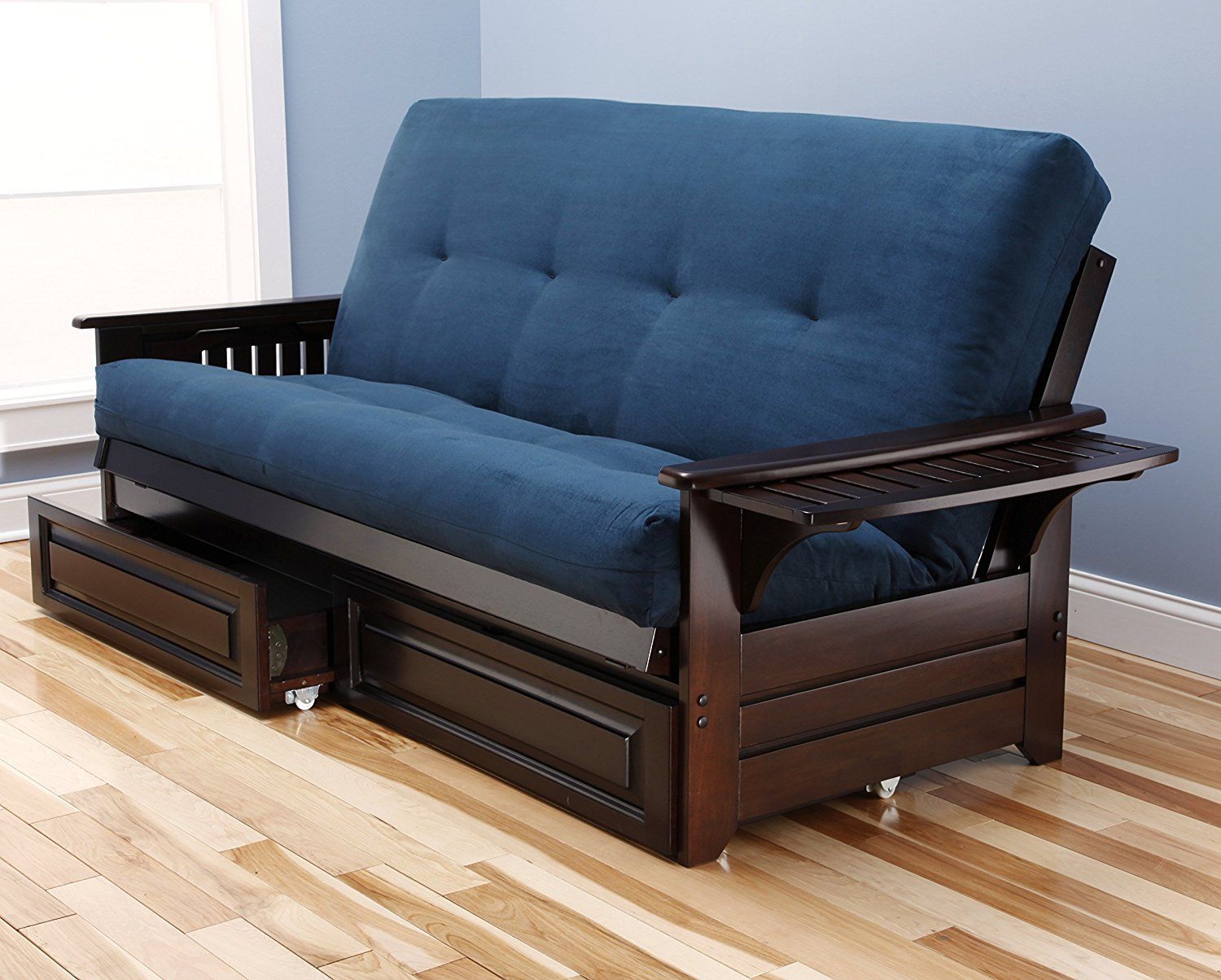
See, pure cotton mattresses are traditional and breathable, but they can get hard as a rock if you don’t fluff them constantly. Pure foam is comfy for sleeping but can crack or lose its shape when bent into a sofa position day after day. That’s why the hybrid approach works so well. The foam layer gives you that pressure relief and spinal support you need for a good night's sleep. Meanwhile, the cotton layers on the outside handle the stress of being folded up. It’s a team effort. If you’re planning to use this as your primary bed, don’t go thinner than 8 inches. If it’s just for occasional guests, you might get away with 6 inches, but you’re risking comfort.
Also, keep an eye out for innerspring options if you really hate the feeling of foam. They’re heavier, sure, and harder to fold, but they offer a more traditional bed feel. Just make sure the coils are designed for flexing. Regular bed springs will snap if you try to bend them into a chair. It’s a common oversight. So, ask yourself: how often will this thing be folded? If it’s staying flat most of the time, prioritize sleep comfort. If it’s becoming a sofa every morning, prioritize durability and flexibility. There’s no one-size-fits-all, but there is a right choice for your routine.
Frame Foundations: Wood, Metal, and What Actually Holds Up
Now let’s talk about the skeleton of your setup. The frame. This is what holds everything together, literally. In 2026, you’ve got two main contenders: hardwood and metal. Both have their place, but they serve different vibes and needs. Solid hardwood frames, like oak, maple, or cherry, are the heavy hitters. They’re durable, they look warm and inviting, and they tend to last for decades if treated right. They’re also heavier, which means they stay put. If you’re converting your futon from bed to sofa every single day, a sturdy hardwood frame with good joinery is worth the extra cash. It doesn’t wobble. It doesn’t creak. It just works.
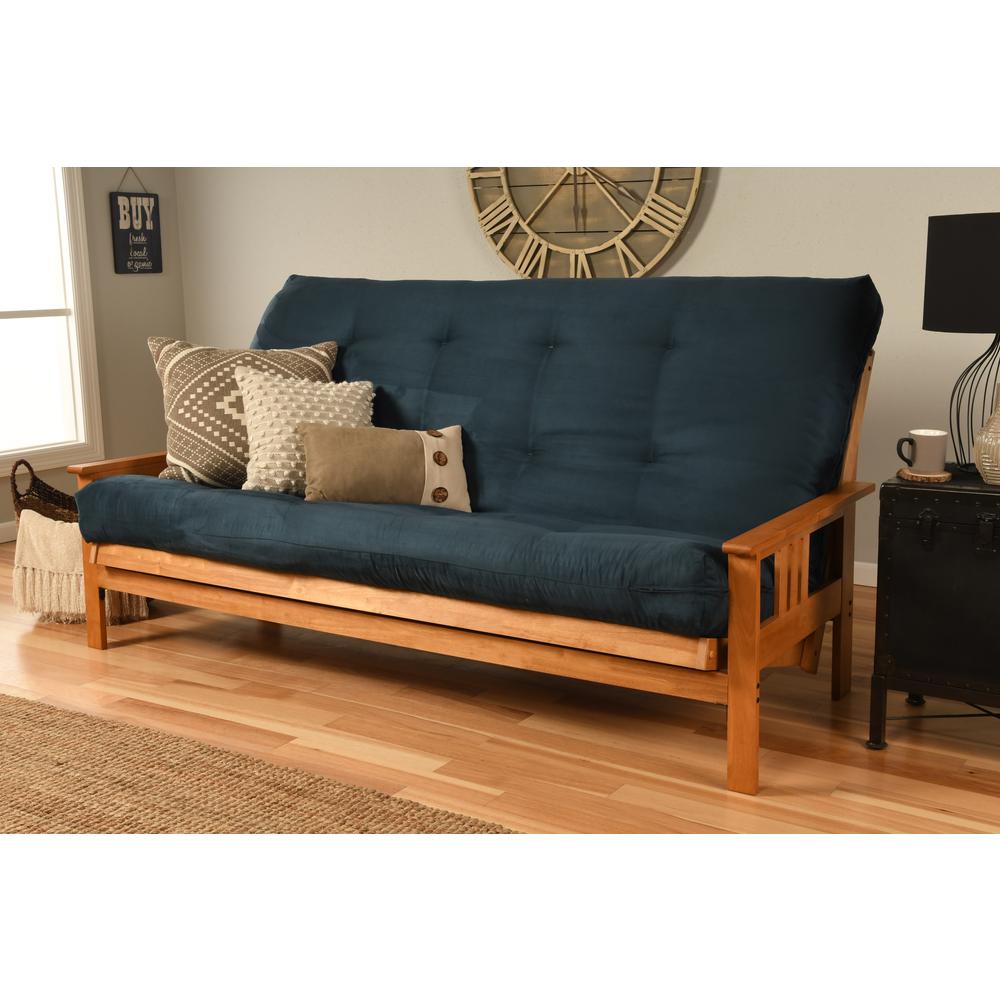
Metal frames, on the other hand, are sleek, modern, and usually lighter. They’re great for industrial-style apartments or if you need something you can move around easily. But here’s the catch: not all metal is created equal. Cheap, thin tubing will bend under the weight of a queen mattress plus two adults. Look for reinforced steel or aluminum with a powder-coated finish to prevent rust and scratches. Check the weight rating. If it says it holds 500 pounds, believe it, but maybe aim for something rated higher just to be safe. You want stability. Nobody wants their date night interrupted by a squeaky hinge.
Another thing to consider is the mechanism. How does it convert? Some frames click into place with a satisfying solid sound. Others require a bit of wrestling. Test it out if you can. Or, read reviews specifically about the ease of conversion. If you have back issues or limited strength, a smooth-gliding mechanism is non-negotiable. Also, look for frames that offer multiple positions. Sitting, lounging, and flat sleeping are the basics. Some even have a "deck" position that’s slightly elevated. Versatility is key here. Don’t just buy a frame because it looks nice in the picture. Buy it because it moves the way you need it to.
Size Matters: Navigating Queen Dimensions and Space Constraints
Queen futons are popular for a reason. They offer enough space for two people to sleep comfortably without taking up the entire footprint of a king-sized bed. But "queen" can be a tricky term. Standard queen mattresses are 60 inches wide by 80 inches long. However, futon mattresses can sometimes vary slightly in thickness and width depending on the manufacturer. Before you buy, measure your space. Not just the floor space, but the wall space. When a queen futon is in sofa mode, it sticks out further than a regular couch. You need clearance.
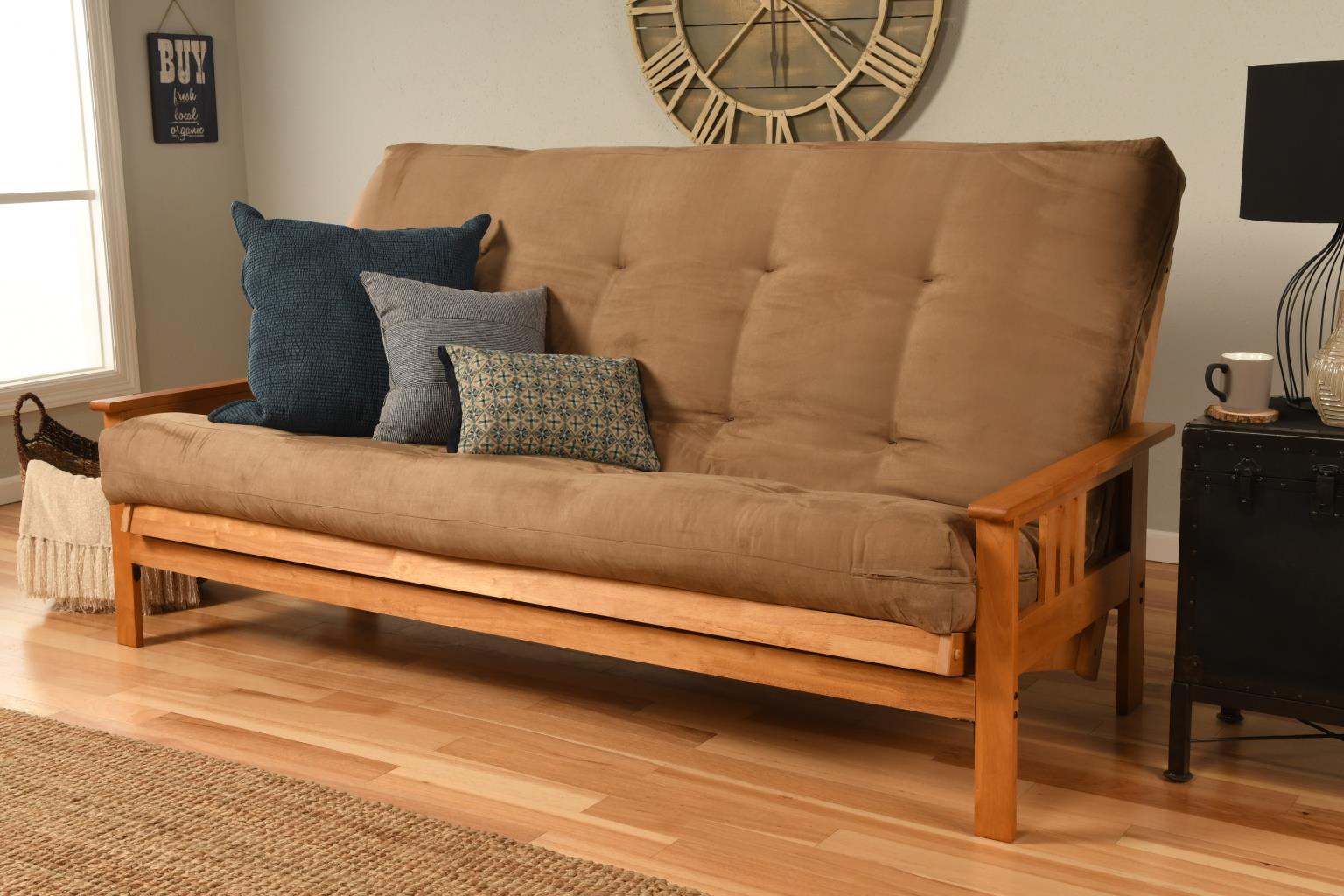
If you’re putting this in a small apartment, pay attention to the armrests. Some frames have wide, bulky arms that eat up valuable inches. Others are slim-line or even armless, which can make a huge difference in a tight room. Also, think about the height. Futon sofas sit lower than traditional couches. If you’re taller or have knee problems, getting up and down might be an issue. Look for frames with adjustable legs or higher seat heights. It’s a small detail that makes a big impact on daily life.
And don’t forget the bedding. Standard queen sheets fit most queen futon mattresses, but if you go with a thicker, custom-sized mattress, you might need deep-pocket sheets. It’s a hassle to realize your nice new sheets don’t fit after you’ve already unpacked them. Measure the mattress depth before you shop for linens. Also, consider the visual weight. A bulky queen futon can make a small room feel cramped. Opt for a frame with open legs or a lighter visual profile to keep the space feeling airy. It’s about balancing the physical size with the perceived size. Trick the eye, save the space.
Daily Use vs. Guest Duty: Matching the Setup to Your Lifestyle
How you use your futon dictates what you should buy. It’s that simple. If this is your primary bed, you need to invest in quality. You’re spending eight hours a night on this thing. You need a mattress that supports your spine and a frame that doesn’t shift while you’re dreaming. In this case, skip the cheap metal frames and go for solid wood. Pick a mattress with high-density foam and plenty of cushioning. You might even want to add a tatami mat or a slatted platform underneath to improve airflow and support, as suggested by comfort experts. This setup mimics a traditional bed more closely and prevents that "sleeping on the floor" feeling.
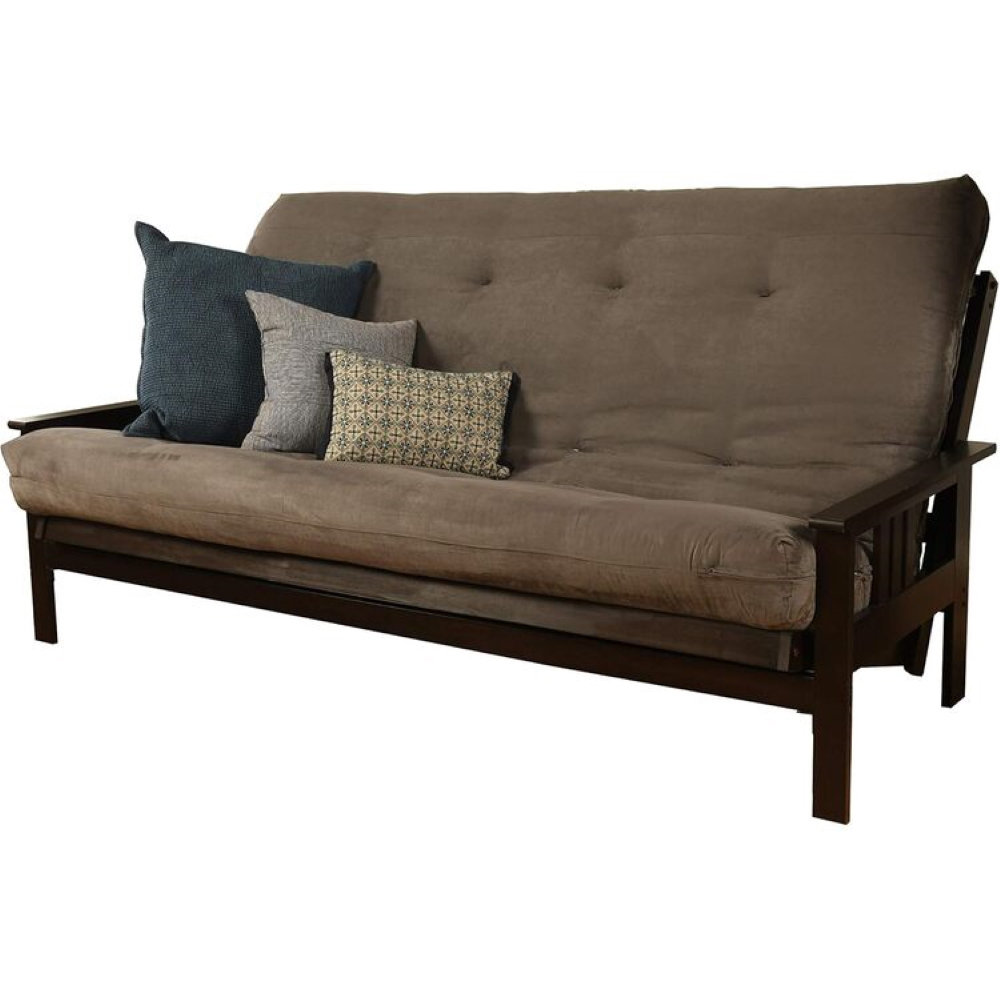
On the flip side, if this is strictly for guests who visit twice a year, you can compromise a bit. You don’t need the top-of-the-line durability because it won’t be folded daily. A mid-range cotton blend mattress might suffice. A simpler metal frame could work fine. The goal here is cost-effectiveness without sacrificing basic comfort. You still want your guests to sleep well, but you don’t need to over-engineer the solution. Just make sure the mattress isn’t so old or stiff that it feels like sleeping on a park bench. Even occasional use deserves a decent night's rest.
Then there’s the hybrid user. Maybe you use it as a sofa during the week for movie nights and a bed on weekends. This is the toughest gig for a futon. It gets constant wear and tear. For this crowd, the 8-inch cotton/foam blend is essential. The frame needs to be robust. Look for features like under-bed storage drawers if you’re in a small space, as recommended by many interior guides. It adds functionality without adding bulk. Think about how the fabric of the mattress cover will hold up to sitting. Cotton covers are durable and easy to wash, which is a huge plus if you’re eating popcorn on it every Friday night. Practicality wins here.
Maintenance Secrets: Keeping Your Futon Fresh and Functional
Here’s a truth nobody tells you: futons need love. They aren’t "set it and forget it" furniture. To keep them lasting longer than a few years, you have to maintain them. First rule: flip and rotate. Just like a regular mattress, futon mattresses develop body impressions over time. Flip yours head-to-foot and side-to-side every month or so. This distributes the wear evenly. If it’s a two-sided mattress, flip it over completely. This simple habit can double the lifespan of your mattress. It takes five minutes, but it saves you hundreds of dollars in the long run.

Second, air it out. Futons, especially cotton ones, can trap moisture and odors. If possible, take the mattress outside on a sunny, dry day once a season. Sunlight kills bacteria and freshens up the fibers. If you can’t take it outside, open the windows and let it air out in the room. Vacuum the surface regularly to remove dust and debris. Dust mites love cozy, fabric-filled spaces, so keeping it clean is crucial for allergy sufferers. Use a mattress protector, too. It’s an extra layer that catches spills and sweat, keeping the core of the mattress clean. Wash the protector regularly. It’s easier to wash a cover than to clean a whole mattress.
Finally, check the frame hardware. Screws and bolts can loosen over time, especially with frequent folding. Every few months, grab a screwdriver and tighten everything up. Listen for squeaks. If you hear one, find the source and tighten it or add a little lubricant to the moving parts. A well-maintained frame is a quiet frame. And if the mattress starts to feel lumpy no matter how much you fluff it, it might be time to replace the batting or the whole unit. Don’t wait until it’s completely flattened out. Recognize the signs of wear early. Your back will thank you.
Let’s address the elephant in the room: futons can look... well, like futons. But they don’t have to. With a few styling tricks, you can make your queen futon look like a deliberate, high-end design choice rather than a college dorm leftover. Start with the frame finish. If you have a wooden frame, consider staining or painting it to match your other furniture. A dark walnut stain looks sophisticated. A white wash feels airy and modern. If it’s metal, ensure the finish is clean and scratch-free. You can even use removable vinyl wraps to change the color if you’re feeling bold.
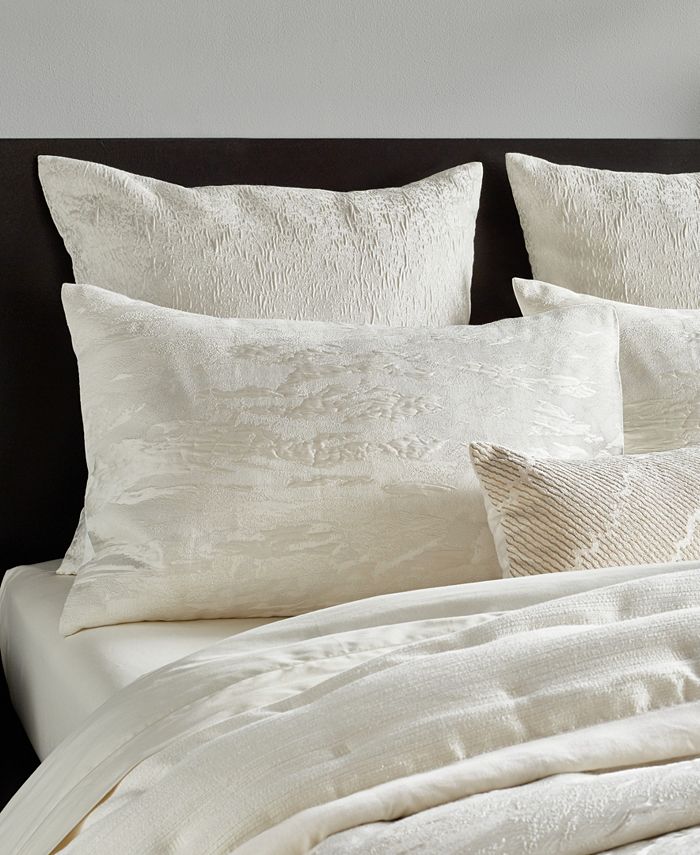
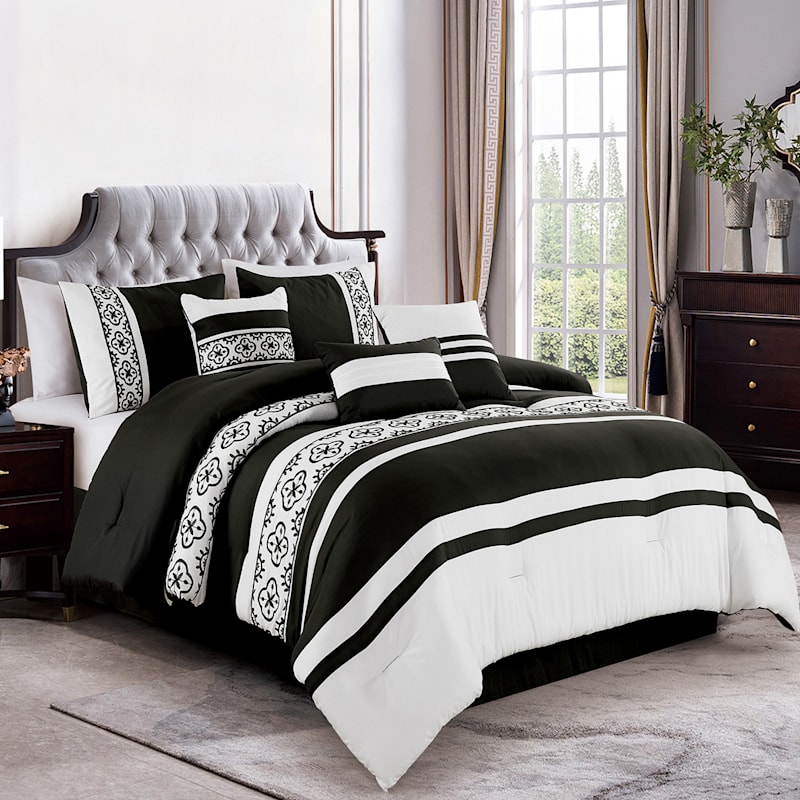
Next, layer your textiles. Don’t just throw a sheet over it. Use a fitted slipcover that fits snugly. Then, add throw pillows. Lots of them. Mix textures and sizes. A couple of large Euro shams against the back make it look like a plush sofa. Add smaller accent pillows in contrasting colors for pop. When it’s in bed mode, use a duvet or comforter that drapes nicely. Hide the folds. The goal is to disguise the fact that it’s a convertible piece. Make it look like a bed when it’s a bed, and a sofa when it’s a sofa. Visual continuity is key.
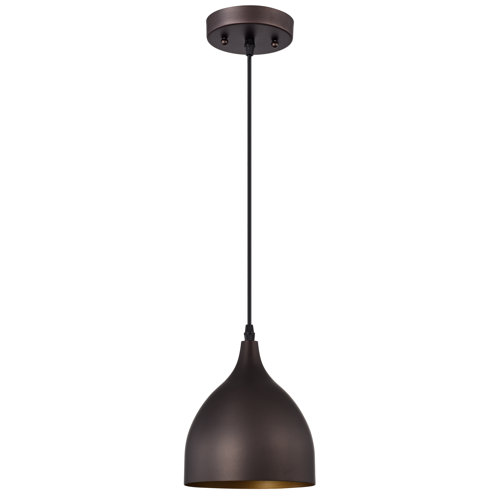
Lighting and placement matter too. Don’t shove the futon into a dark corner. Place it near a window or under a nice pendant light. Add a side table and a floor lamp to create a cozy reading nook vibe. Rug placement helps define the space. Put a rug under the front legs of the futon to anchor it in the room. This makes it feel like part of a curated living area, not just a piece of furniture dumped in a spare room. In 2026, minimalism and multifunctionality are huge trends. Embrace them. Show off the versatility. Make your futon the star of the room, not the secret you’re trying to hide. It’s all about confidence in your choices.
So, there you have it. The queen futon isn’t just a compromise. It’s a smart, stylish, and practical solution for modern living. But only if you choose wisely. Focus on that 8-inch cotton/foam blend mattress for the best balance of comfort and durability. Pick a frame that matches your usage habits—solid wood for daily use, sturdy metal for occasional. Measure your space carefully, considering both footprint and clearance. Maintain your investment with regular flipping and tightening. And style it with intention.
It’s easy to get overwhelmed by the options. But remember, the best futon is the one that fits your life. Not the one with the fanciest ads. Think about how you’ll use it. Who will sleep on it? How often will it move? Answer those questions, and the right choice becomes clear. Don’t settle for a saggy, squeaky mess. You deserve better. Your guests deserve better. With these tips, you’re equipped to build a setup that lasts, looks great, and actually lets you sleep well. Go forth and fold with confidence.