There is something undeniably magnetic about the way a well-made bed calls to you at the end of a long day. It isn’t just about piling on pillows or pulling up a duvet. It is about the feeling of slipping into a space that feels curated, calm, and distinctly yours. For decades, Donna Karan New York has been synonymous with this specific kind of urban serenity. The brand didn’t just sell sheets; they sold a mood. A vibe. That sophisticated, slightly gritty, yet incredibly polished energy of New York City itself.
But owning the pieces is only half the battle. Knowing how to live with them? That is where the real magic happens. Many people buy luxury linens and then treat them like everyday workhorses, wondering why the luster fades or the fabric loses its soul. Others keep them locked away for "special occasions," which defeats the purpose entirely. In 2026, the approach to high-end home textiles has shifted. It is no longer about preservation behind glass. It is about integration. It is about making that couture-level quality part of your daily ritual.
This guide isn’t a sales pitch. You can find the products anywhere from Bloomingdale’s to Nordstrom. Instead, this is a deep dive into the how. How do you layer these pieces so they look effortless rather than staged? How do you maintain that liquid-marble sheen without ruining the fibers? We are going to break down the proven strategies that interior designers and long-time collectors use to keep their Donna Karan bedding looking as vibrant in year five as it did on day one. Let’s get into the details.
Understanding the DNA of the Collection
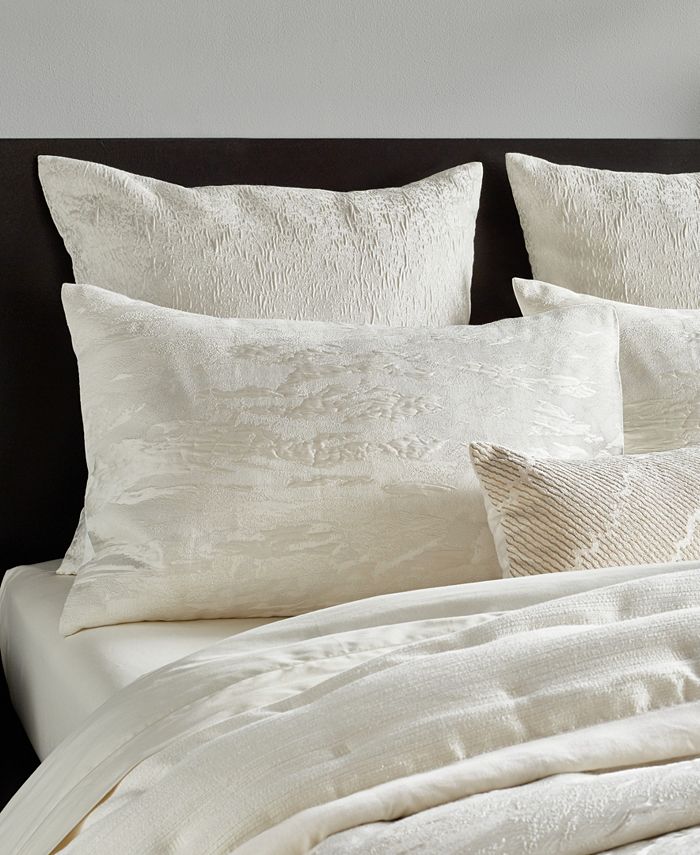
To truly master the look, you have to understand what you are working with. Donna Karan Home, launched in the early 2000s, was revolutionary because it brought runway sensibilities to the bedroom. Before this, bedding was often categorized strictly as either "traditional floral" or "basic solid." Karan introduced texture, architecture, and a monochromatic palette that felt modern. When you touch a piece from this collection, you are feeling that history. The fabrics are often blends—silk mixed with cotton, or linen woven with subtle metallic threads. This complexity is beautiful, but it demands respect.
The key characteristic to note is the weight and drape. Unlike crisp, starched hotel percale, Donna Karan bedding tends to have a softer, more fluid hand. It drapes over the mattress rather than standing stiffly at attention. This is intentional. It mimics the way clothing hangs on the body—effortless chic. If you try to force these materials into a rigid, military-corner style, you fight against their nature. The fabric wants to flow. Embrace that. In 2026, the trend has moved even further toward this organic, lived-in aesthetic. People are tired of perfect symmetry. They want beds that look inviting, not untouchable.
Another crucial element is the color story. While the brand does offer patterns, the core identity is built on neutrals: charcoal, slate, ivory, champagne, and deep espresso. These aren’t just colors; they are textures in visual form. A charcoal sheet set might look flat in a photo, but in person, the weave catches the light differently than a white one. Understanding this interplay between light and fiber is essential. If you are buying second-hand or vintage pieces, look for this depth. Faded luxury linens often lose that tonal variation, turning muddy. Authentic pieces retain that rich, multi-dimensional hue even after years of use.
Strategic Layering for Visual Depth
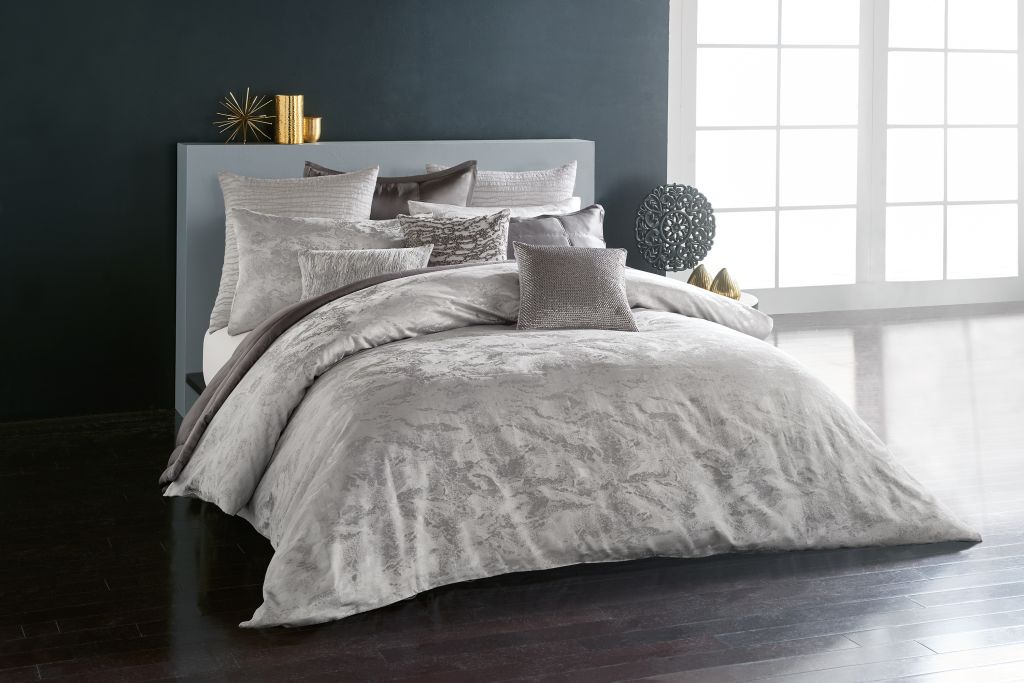
Layering is where most people go wrong. They think more is better. They pile on a fitted sheet, a flat sheet, a duvet, a comforter, three shams, and four decorative pillows. The result? A bed that looks like a storage unit exploded. With Donna Karan designs, less is actually more, but the "less" has to be high impact. Start with the base. If you are using a duvet cover, skip the top sheet if you can. It sounds radical to some, but it allows the primary textile to breathe and showcase its design. The friction of a top sheet can also cause pilling on delicate silk-blend duvets over time.
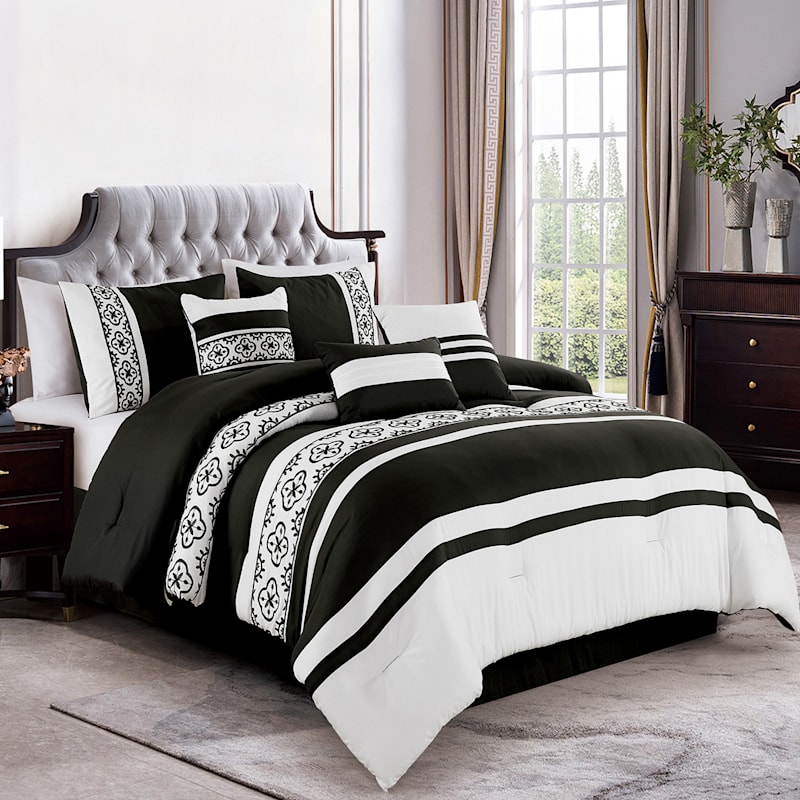
Next, consider the shams. The brand is famous for its ruched and quilted details. If your duvet is heavily textured, opt for simpler shams. If the duvet is smooth and satin-like, bring in the ruched shams for contrast. This balance is critical. You want the eye to travel across the bed without getting stuck on one busy spot. A pro tip from stylists is to mix sizes. Use standard Euro shams at the back for height, but lean smaller, decorative lumbar pillows in front. This creates a gradient effect that feels architectural. It mirrors the skyline inspiration of the brand itself.
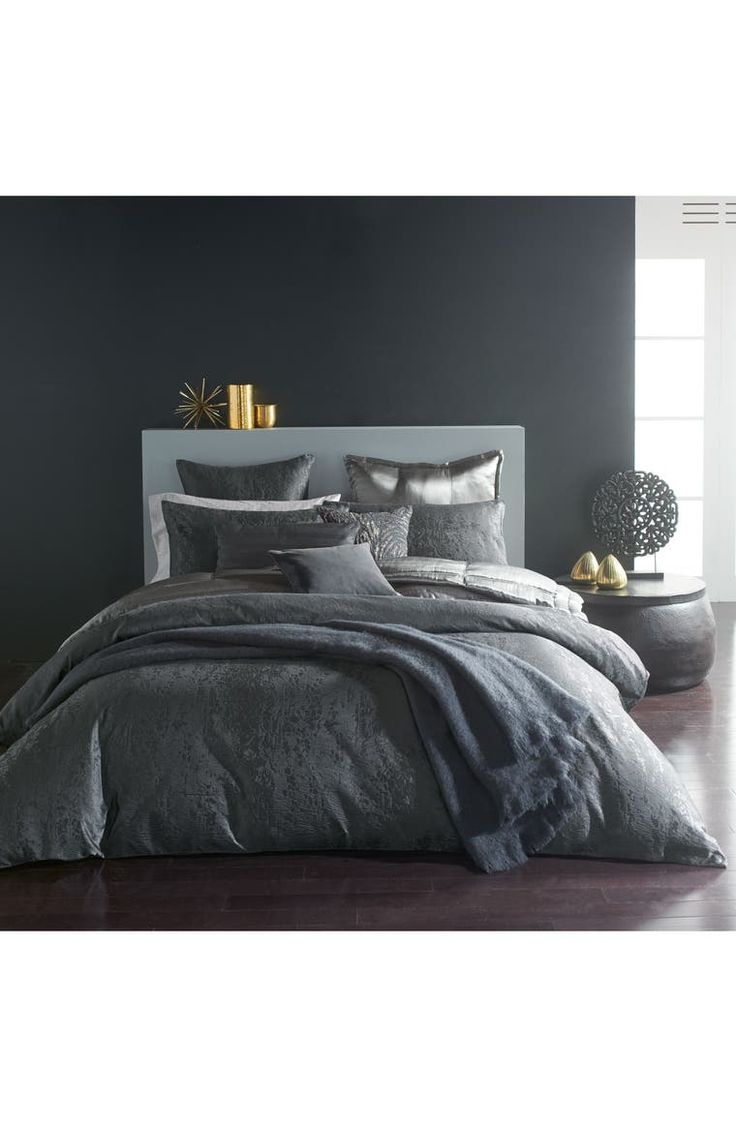
Don’t forget the throw. A folded cashmere or wool throw at the foot of the bed adds a final layer of tactile interest. It breaks up the expanse of the duvet and adds a pop of contrasting texture. In the cooler months of 2026, we are seeing a rise in heavier, chunkier knits paired with sleeker silk bedding. This juxtaposition of rough and smooth is very much in line with the Donna Karan ethos. It feels grounded. Real. Just make sure the throw color complements rather than competes. If your bedding is a cool gray, a warm oatmeal throw works beautifully. Avoid clashing tones that create visual noise.
Maintenance Secrets for Longevity
Let’s talk about washing. This is where the investment either pays off or falls apart. Many people toss their luxury bedding into the washer with their towels. Big mistake. The agitation and harsh detergents used for towels will destroy the delicate fibers of high-end linens. Always wash Donna Karan bedding separately. Use a gentle, pH-neutral detergent. Avoid bleach at all costs. Bleach doesn’t just whiten; it eats away at the structural integrity of silk and fine cotton blends. Over time, it causes yellowing and brittleness. Nobody wants brittle sheets.
Temperature matters too. Cold or lukewarm water is your friend. Hot water can shrink natural fibers and set stains rather than remove them. If you have a silk-blend piece, consider using a mesh laundry bag. This protects the fabric from snagging on the drum or other items if you accidentally wash two sets together (though you shouldn’t). For drying, skip the high heat. Tumble dry on low, or better yet, line dry. Sunlight is a natural disinfectant and gives linens a fresh scent, but prolonged direct sun can fade dark colors. So, dry them in the shade or indoors if you have deep charcoals or navys.
Ironing is another contentious topic. Do you need to iron? Ideally, yes, but realistically? Maybe not every time. The beauty of the Donna Karan aesthetic is that a few wrinkles add character. They signal that the bed has been slept in, loved, and lived in. However, if you do iron, do it while the fabric is still slightly damp. Use a medium heat setting and always iron on the reverse side. This prevents shine marks on the right side of the fabric, especially on sateen or silk finishes. If you hate ironing, invest in a steamer. It is faster, gentler, and removes odors without crushing the fibers.
Curating the Color Palette in Your Space
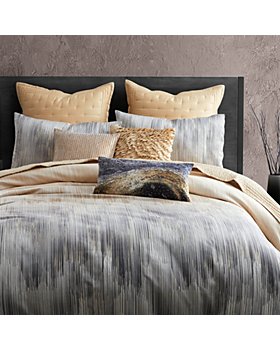
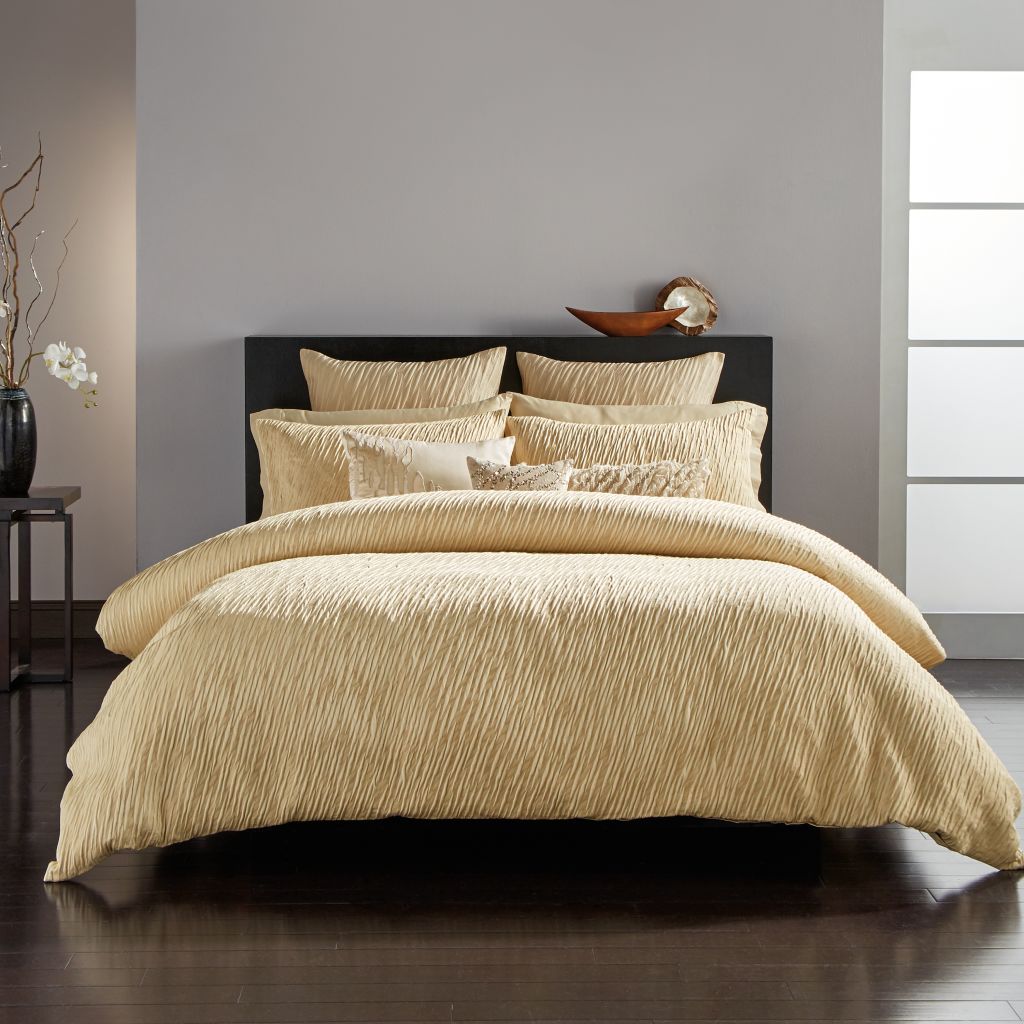
Your bedding does not exist in a vacuum. It interacts with the walls, the floor, the curtains, and the light in your room. In 2026, interior design is leaning heavily into biophilic elements and warm minimalism. This pairs perfectly with the Donna Karan palette. If you have cool-toned walls (grays, blues), stick to cool-toned bedding to create a seamless, expansive feel. If your room is warm (beiges, creams, terracottas), choose ivories, champagnes, or warm grays. Mixing cool and warm tones can work, but it requires a keen eye. It is easier to stay within one temperature family for a cohesive look.
Lighting plays a huge role in how your bedding appears. Natural light reveals the true color and texture. Artificial light can distort it. Warm bulbs make whites look yellow and grays look brown. Cool bulbs can make creams look sterile. Test your bedding under the lighting you use most in the evening. If you read in bed, make sure the fabric doesn’t glare under your lamp. Matte finishes like linen or matte cotton are easier on the eyes than high-shine satins in low light. This is a small detail, but it affects the overall ambiance of relaxation.
Accessories should support, not shout. If your bedding is the star, keep the surrounding decor quiet. A simple wooden nightstand, a single piece of art, a minimalist lamp. Let the texture of the bedding provide the visual interest. If you have a bold headboard, choose a more subdued bedding color. If the headboard is neutral, you can go bolder with the linens. The goal is harmony. Think of the bed as the anchor of the room. Everything else should revolve around it. This doesn’t mean everything must match perfectly. Contrast creates depth. A rough jute rug under a smooth silk duvet? That is interesting. That is design.
Sourcing and Authenticity in the Modern Market
With the rise of online marketplaces and resale platforms, finding authentic Donna Karan bedding requires a bit of detective work. In 2026, there are many "inspired by" items that mimic the look but lack the quality. When shopping, check the labels carefully. Authentic pieces will have clear care instructions and fabric content listed. Feel the weight. Real luxury fabrics have a substance to them. They don’t feel thin or flimsy. If you are buying vintage, look for signs of wear that are consistent with age, not damage. Small, even fading is normal. Stains, tears, or uneven discoloration are red flags.
Retailers like Neiman Marcus, Bloomingdale’s, and specialized boutiques like Decoratd often carry current collections. These are safe bets for authenticity. However, for discontinued patterns or better prices, resale sites can be goldmines. Just ask for close-up photos of the seams and hems. Poor stitching is a sign of a knockoff. Authentic Donna Karan home goods feature precise, tight stitching. The hems should be even. The zippers on duvet covers should be high quality, often hidden or covered by a flap. These details matter. They are what separate a designer piece from a generic imitation.
Also, consider the era. Early 2000s pieces have a different feel than 2026 releases. The older items might have heavier embroidery or more pronounced textures. Newer collections tend to be cleaner, more minimalist. Neither is better; it depends on your taste. But knowing the difference helps you set expectations. If you buy a vintage silk set, expect it to be more delicate than a modern cotton-linen blend. Adjust your care routine accordingly. Treat each piece according to its age and material. This respect for the item’s history extends its life and preserves its beauty.
Finally, let’s talk about the human element. Bedding is not just decor; it is the stage for rest, intimacy, and recovery. How you interact with your bed matters. Make your bed every morning. It doesn’t have to be perfect. Just pull up the duvet, fluff the pillows, and smooth the sheets. This simple act signals to your brain that the sleep cycle is over and the day has begun. It also ensures that when you return at night, the bed is inviting. It is a gift to your future self. In a chaotic world, this small ritual provides a sense of control and order.
Rotate your bedding seasonally. This isn’t just about temperature; it is about freshness. Even if you wash them regularly, fabrics benefit from a rest. Store off-season sets in breathable cotton bags, not plastic. Plastic traps moisture and leads to mildew. Add a sachet of lavender or cedar to keep pests away and impart a subtle scent. When you switch out the sets, take a moment to appreciate the change. Notice how the lighter linens of summer feel different from the weighted comfort of winter. This mindfulness enhances your connection to your space. It turns a chore into a practice.
Ultimately, the goal is to create a sanctuary. Your bedroom should be a place where the noise of the outside world fades away. Donna Karan bedding, with its understated elegance and tactile richness, supports this goal. But it only works if you engage with it. Don’t be afraid to use it. Spill coffee on it. Cry on it. Laugh on it. Then clean it and use it again. Luxury is not about fragility. It is about resilience. It is about choosing things that endure, that get better with time, that hold the memory of your life. That is the true professional secret. It isn’t about keeping it new. It is about letting it become yours.