So, you’ve decided it’s time. Time to upgrade. Time to bring that classic, curvy elegance of a sleigh bed into your master suite. It’s a bold move. A statement. But before you swipe that card or sign that delivery slip, there’s a nagging question lurking in the back of your mind. Will it actually fit? And more importantly, will it fit well?
We’ve all been there. You fall in love with a piece of furniture online. The photos are dreamy. The reviews are glowing. Then it arrives, and suddenly your bedroom feels like a shoebox. Or worse, you can’t even get it through the door. Choosing a king size sleigh bed isn't just about picking the prettiest headboard. It’s a geometry puzzle mixed with interior design dreams. And honestly? Most people get the measurements wrong. They focus on the mattress size and forget the frame. Big mistake.
This guide is here to stop that from happening to you. We’re diving deep into the nitty-gritty of king size sleigh bed dimensions. Not just the numbers, but what those numbers mean for your daily life. Your sleep. Your space. By the end of this, you’ll know exactly what to look for, how to measure like a pro, and how to avoid the common pitfalls that turn a luxury purchase into a regretful headache. Let’s get into it.
Understanding the True Footprint: It’s Bigger Than You Think
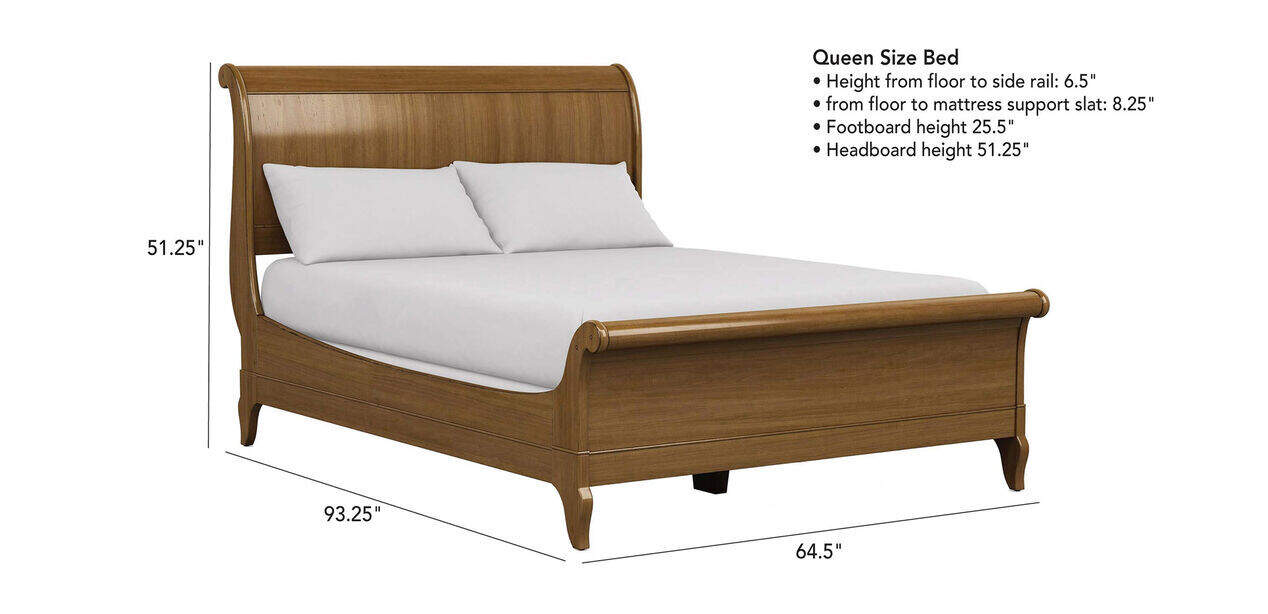
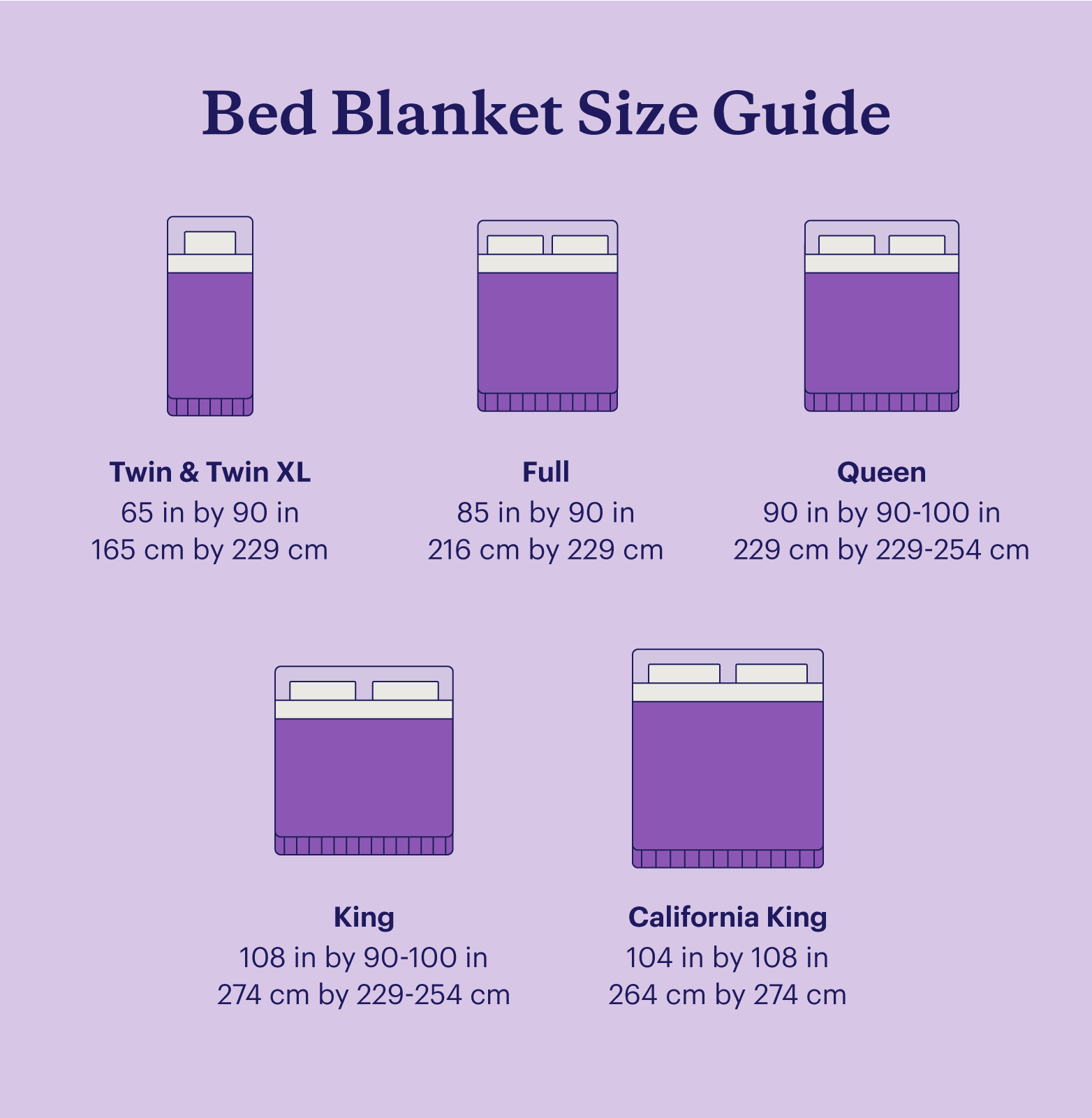
Let’s start with the basics. When we say "king size," most of us immediately think of the mattress. In the UK and Europe, a standard king mattress is typically 150cm wide by 200cm long (that’s about 5 feet by 6 feet 6 inches). In the US, a standard Eastern King is 76 inches wide by 80 inches long. Simple enough, right? Wrong. That’s just the sleeping surface. The bed frame? That’s a whole different beast.
Sleigh beds are notorious for their overhang. Those iconic curved headboards and footboards don’t just stop at the edge of the mattress. They sweep outward. Often significantly. A typical king size sleigh bed frame can add anywhere from 2 to 6 inches (5-15cm) to the width and length on each side. So, if your mattress is 150cm wide, the actual frame could easily be 160cm or even 170cm wide. That extra foot of width might not sound like much until you realize it’s eating into your walking space or blocking a closet door.
Take the Home Styles Lafayette King Sleigh Bed, for example. It measures roughly 78.75 inches wide. That’s nearly 6.5 feet. If your room is only 10 feet wide, you’re left with less than two feet of space on either side of the bed for nightstands and movement. Tight. Very tight. Always, and I mean always, check the overall dimensions of the frame, not just the mattress size it supports. Manufacturers list these specs, but they’re often buried in the fine print. Don’t skip that step. It’s the difference between a cozy retreat and a claustrophobic nightmare.
The Height Factor: Headboards, Ceilings, and Visual Weight
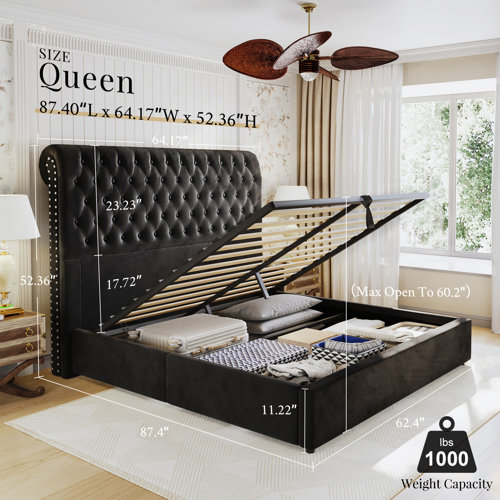
Width and length are obvious. But height? Height is the silent killer of bedroom aesthetics. Sleigh beds are tall. Dramatically so. The headboard often arcs up to 50, 60, or even 70 inches high. Some grander models push past that. Why does this matter? Two reasons. First, proportion. Second, practicality.
If you have standard 8-foot ceilings (96 inches), a 60-inch headboard leaves only 3 feet of wall space above it. That can feel top-heavy. Cramped. Especially if you’re planning to hang art or install sconces. You need breathing room. A good rule of thumb is to leave at least 12-18 inches of wall space between the top of the headboard and the ceiling. If your ceilings are lower, look for sleigh beds with slightly lower profiles, or consider a platform-style sleigh bed that sits closer to the ground.
Then there’s the visual weight. A tall, dark wood sleigh bed in a small room can feel overwhelming. It dominates the space. Conversely, in a large room with high ceilings, a low-profile bed might look lost. It’s about balance. Think about the other vertical elements in your room. Tall wardrobes? High windows? You want the bed to complement them, not compete. And don’t forget the footboard. It’s usually lower than the headboard, but it still adds bulk. Make sure it doesn’t block radiators, vents, or that beautiful view from your window.
Room Layout and Clearance: The Golden Rules of Space Planning
Okay, you’ve got the dimensions. Now, where does it go? This is where things get tricky. You can’t just shove a king sleigh bed into any old corner. You need clearance. Lots of it. The general recommendation is to have at least 24 inches (60cm) of walking space on each side of the bed and at the foot. This allows you to make the bed, change sheets, and move around without feeling like you’re navigating an obstacle course.
But let’s be real. Not everyone has a massive master suite. If you’re working with a smaller room, you might have to compromise. Maybe you push the bed against one wall (though this defeats the purpose of a symmetrical sleigh bed design). Or maybe you accept narrower pathways. Just know that less than 18 inches of clearance feels cramped. Less than 12 inches? Forget it. You won’t be able to open drawers or walk comfortably.
Also, think about door swings. Can you open your bedroom door fully without hitting the footboard? Can you access your closet? What about ensuite bathroom doors? These are easy to overlook when you’re focused on the bed itself. Map it out. Use painter’s tape on the floor to mark the exact footprint of the bed frame. Live with it for a few days. Walk around it. See how it feels. It’s a cheap, effective way to test the layout before you commit. Trust me, your future self will thank you.
Material Matters: How Construction Impacts Dimensions and Feel
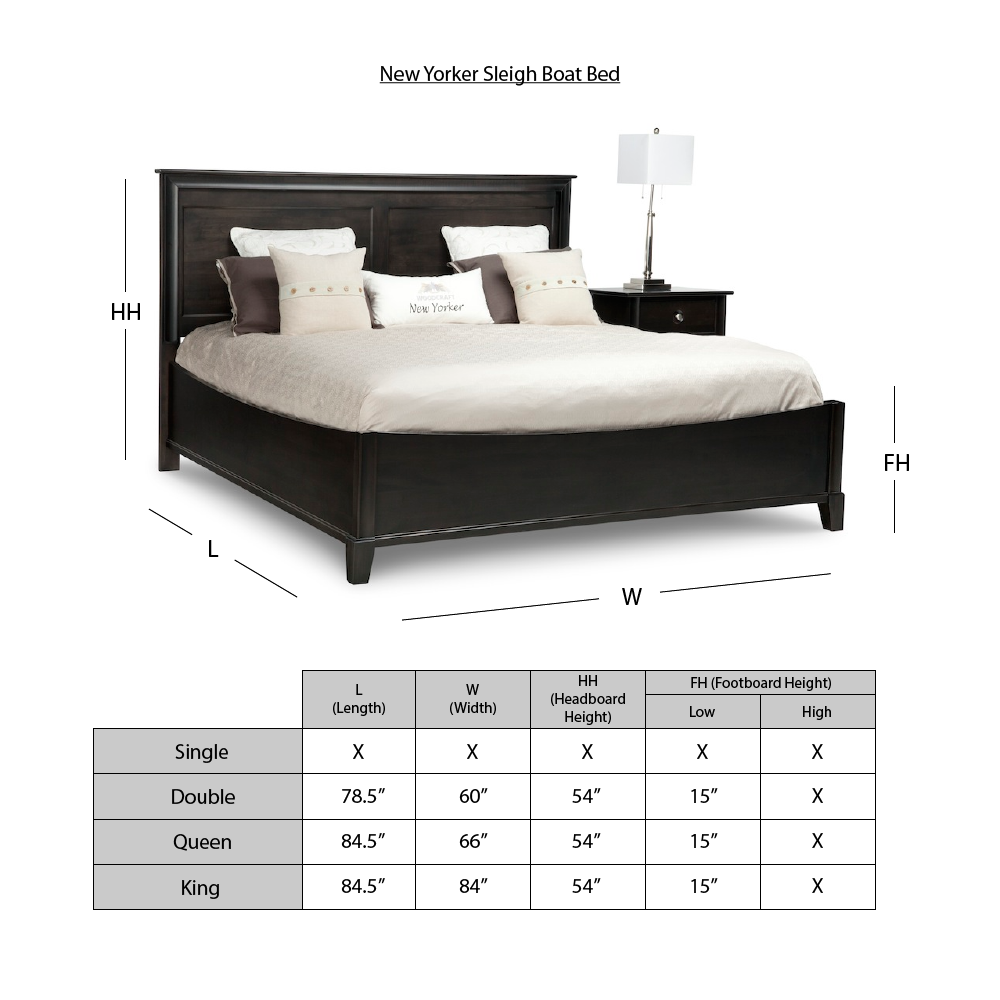
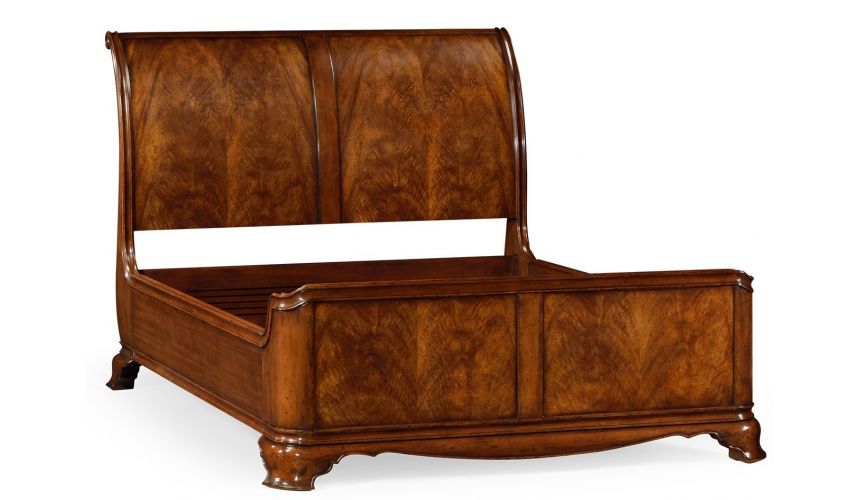
Not all sleigh beds are created equal. The material you choose affects not just the look, but the actual dimensions and the feel of the space. Solid wood frames, like oak or mahogany, are sturdy and timeless. But they’re also thick. The rails and posts can add significant bulk. A solid wood sleigh bed might have a 3-4 inch thick frame around the mattress. That adds up.
Upholstered sleigh beds, on the other hand, can be surprisingly slim. The padding is soft, so the edges aren’t as rigid. This can make the bed feel slightly smaller in a tight space, even if the overall dimensions are similar. Plus, the fabric absorbs light, making the bed feel less imposing visually. If you’re worried about space, an upholstered option in a light color might be your best bet.
Then there’s the issue of assembly. Solid wood beds often come in heavy, bulky pieces. Getting them up stairs and through narrow hallways can be a challenge. Check the packaged dimensions! Some manufacturers offer "white glove" delivery where they assemble it for you, but if you’re DIY-ing it, make sure you can actually get the parts into your room. Measure your stairwells, doorways, and elevators. It’s unglamorous, but essential. Nobody wants a bed stuck in the hallway.
Mattress Compatibility: Don’t Let Thickness Throw You Off
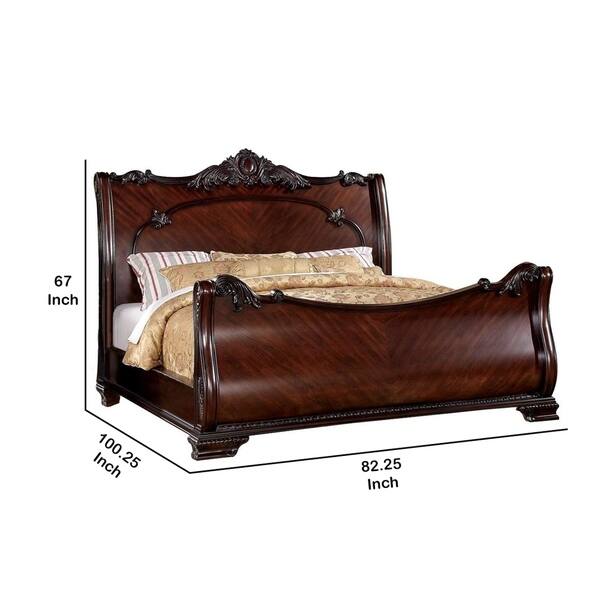
Here’s a curveball. The thickness of your mattress changes everything. Sleigh beds are designed with a specific mattress height in mind. If you buy a super-thick pillow-top mattress (14-16 inches), it might rise above the side rails or look awkward against the curved headboard. The sleek lines of the sleigh design get lost.
Conversely, a thin mattress (under 10 inches) might sit too low, making the headboard look disproportionately tall. It can also create a gap between the mattress and the footboard, which is annoying and unsafe. Most sleigh beds work best with mattresses in the 10-14 inch range. But check the manufacturer’s recommendations. Some frames have adjustable slats or support systems that can accommodate different heights.
Also, consider the type of mattress. Memory foam? Latex? Hybrid? Heavier mattresses need stronger support. Sleigh beds usually have a center support beam, but verify this. You don’t want your beautiful new bed sagging in the middle after six months. And if you’re using a split king (two twin XLs), make sure the frame is designed for it. Not all sleigh beds accommodate split setups, especially if they have a solid wooden base instead of slats.
Finally, let’s talk style. Sleigh beds are traditional. Curvy. Romantic. But we’re in 2026. Design trends have shifted. We’re seeing a mix of classic and modern. How do you make a sleigh bed feel fresh? It’s all about context. Pair a dark wood sleigh bed with crisp, white linens and minimalist decor. The contrast keeps it from feeling dated. Or, go monochromatic. Paint the walls a similar shade to the bed frame for a seamless, cocoon-like effect.
Lighting is key. Because sleigh beds are tall, they can cast shadows. Use layered lighting. Overhead fixtures, yes, but also bedside lamps and maybe even LED strips behind the headboard for a soft glow. This breaks up the visual mass of the bed. And don’t forget textiles. A chunky knit throw at the foot of the bed softens the hard lines of the footboard. Pillows in varying textures add depth.
Remember, a sleigh bed is a focal point. Let it shine. Keep the rest of the room relatively simple. Clutter competes. A clean, organized space allows the bed’s curves to take center stage. And if you’re still unsure, look at images of rooms with similar dimensions to yours. Seeing it in context helps. It’s not just about the bed. It’s about how the bed lives in your space.
Choosing a king size sleigh bed is an investment. In comfort. In style. In your daily well-being. But it requires homework. Measure twice. Buy once. Consider the full footprint, the height, the clearance, the material, and the mattress. It’s a lot to think about, sure. But getting it right means waking up every morning in a space that feels intentional. Balanced. Yours.
Don’t rush it. Take your time. Visit showrooms if you can. Sit on the beds. Feel the scale. Ask questions. And when you finally bring it home, stand back and admire it. You’ve earned it. After all, sleep is sacred. And your bed? It’s the throne where you recharge. Make sure it fits. Literally and figuratively. Sweet dreams.