Ever stared at a tiny bedroom and wondered where on earth two beds could possibly fit? It’s a puzzle that keeps parents up at night, especially when square footage is scarce but the need for sleep space is non-negotiable. You want your kids to have their own zones, maybe even a spot to study or play, but the room feels like it’s shrinking every time you walk in. Sound familiar?
Enter the L-shaped bunk bed. It’s not just a piece of furniture; it’s a spatial magician. By tucking one bed perpendicular to the other, you unlock corners that usually gather dust and turn them into functional, livable areas. In 2026, these designs are smarter, safer, and more versatile than ever before. This guide isn’t about selling you a bed. It’s about giving you the know-how to choose, place, and love an L-shaped setup that actually works for your life. Let’s dive in.
Why the L-Shape Wins in Tight Quarters
Traditional stacked bunks are great for height, but they can feel imposing in a small room. They block light, dominate the center of the space, and often leave awkward gaps around them. An L-shaped configuration flips the script. By spreading the footprint out rather than stacking it straight up, you create a sense of openness. The lower bed doesn’t feel like it’s buried under the top one, which reduces that "cage-like" feeling many kids dislike.
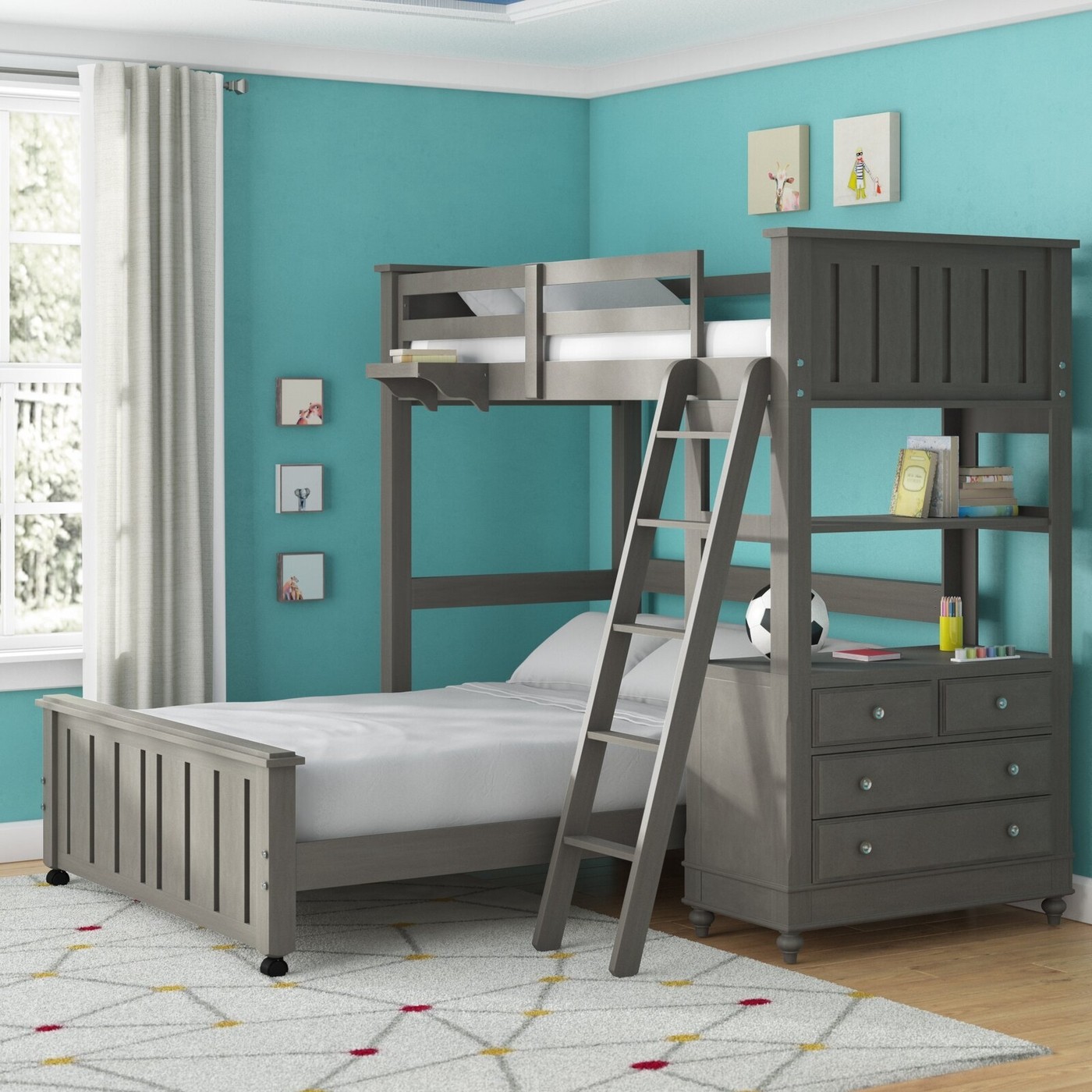
This layout also naturally divides the room. One leg of the "L" can hug a wall, while the other extends into the room, creating a subtle boundary between sleep zones and play or study areas. It’s perfect for shared bedrooms where siblings need a bit of visual privacy without needing full walls. Plus, because the beds aren’t directly on top of each other, air circulation improves, making the sleeping environment cooler and more comfortable during those warm summer nights.
Another huge win? Accessibility. Climbing a vertical ladder can be tricky for younger children or anyone with mobility issues. With an L-shape, you often have the option to use stairs instead of a ladder, especially if the design incorporates storage steps. This makes bedtime routines smoother and safer. It’s a small change that makes a big difference in daily life, turning a potential hazard into a sturdy, easy-to-use feature.
Measuring Up: Getting the Dimensions Right
Before you even look at styles, you need to know your numbers. And I don’t just mean the room size. You need to measure twice, maybe three times. Start with the overall length and width of the room, but don’t forget about the height. Ceiling fans, light fixtures, and sloped ceilings can all interfere with the top bunk. In 2026, standard ceiling heights are still around 8 to 9 feet, but older homes might have less. Ensure there’s at least 30 to 36 inches of clearance between the top mattress and the ceiling to prevent head bumps and allow for sitting up comfortably.
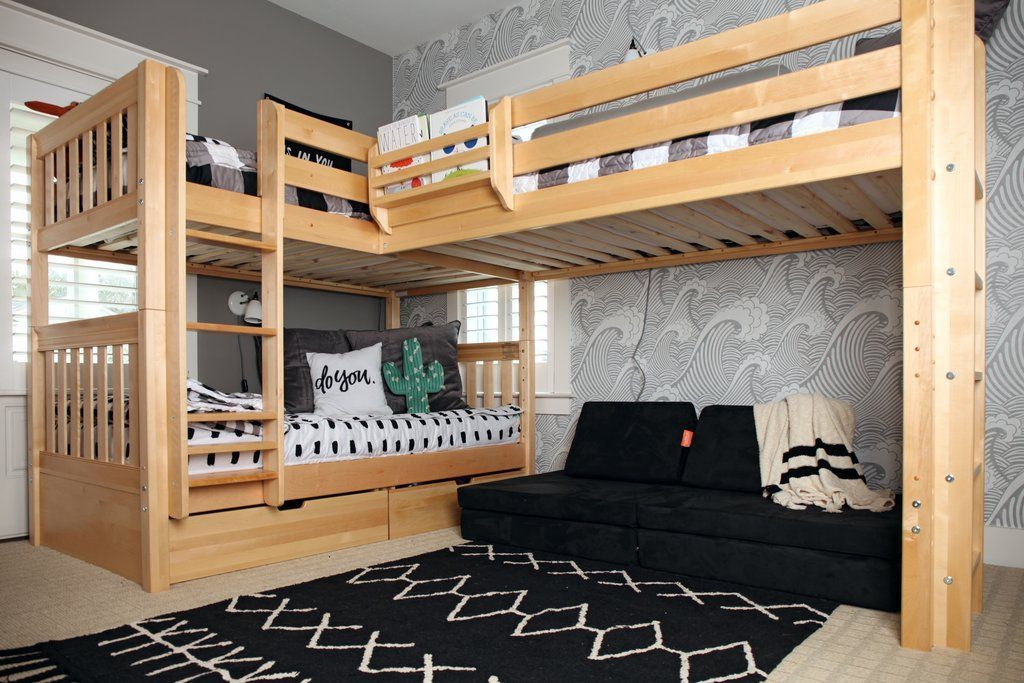
Next, map out the "L". Most L-shaped bunks range from 75 to 80 inches in length for each side, but widths vary. A typical twin-over-twin L-bunk might take up a footprint of roughly 75 inches by 110 inches, depending on the design. Leave at least 24 to 30 inches of walking space around the bed for easy movement. If the room is super tight, consider a loft-style L-shape where the bottom "bed" is actually a desk or sofa, reducing the overall bulk.
Don’t ignore the door swing and closet access. It’s easy to get so focused on the bed that you forget you need to open the closet door or walk into the room without doing a sideways shuffle. Sketch the room on graph paper or use a free room planner app. Place the bed in different corners. Does it block the window? Does it make the room feel cramped? Testing layouts digitally saves you from the headache of returning a massive piece of furniture. Remember, the goal is to add space, not subtract it.
Layout Secrets That Free Up Floor Space
Now that you’ve got the measurements, let’s talk placement. The corner is your best friend here. Tucking the inner corner of the "L" into the room’s corner maximizes floor space in the center. This opens up a large, usable area for rugs, toys, or a small play table. It’s a simple move, but it changes the entire flow of the room. Instead of navigating around obstacles, you have a clear zone for activity.
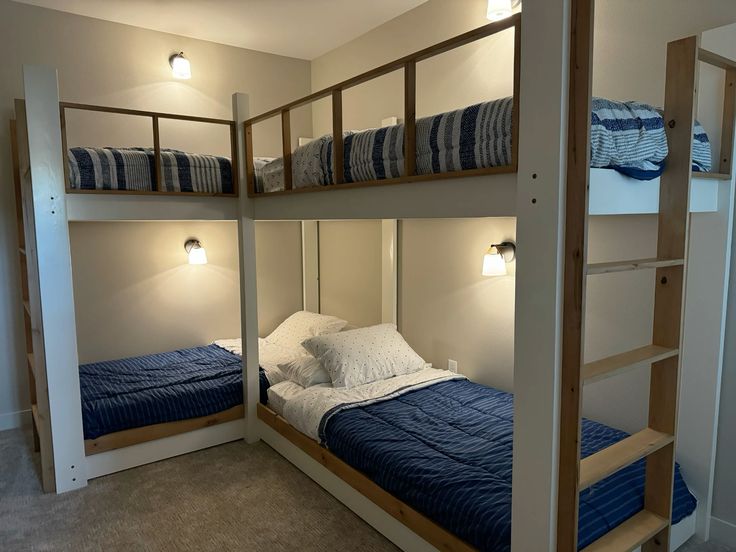
Consider the orientation of the beds relative to windows and doors. If possible, position the lower bed away from direct drafts from windows or doors. The top bunk should have enough headroom near any light fixtures. Some clever layouts place the desk or storage unit under the shorter leg of the "L", creating a dedicated study nook that feels separate from the sleep area. This is huge for older kids who need a quiet spot for homework.
Another pro tip? Use the space under the elevated bed. In 2026, many L-shaped designs come with built-in drawers, shelves, or even pull-out trundles. If you’re buying a basic frame, add rolling bins or fabric cubes underneath. This turns dead space into prime real estate for clothes, books, or linens. For vacation rentals or guest rooms, a trundle bed tucked under one side of the L can sleep a third person, making the room incredibly versatile without cluttering it when not in use. It’s about working smarter, not harder.
Safety First: Standards and Smart Choices
Safety isn’t just a checkbox; it’s the foundation of a good night’s sleep. In 2026, safety standards for bunk beds are stricter than ever, focusing on guardrails, slat spacing, and structural integrity. Always look for certifications like ASTM International or CPSC compliance. These ensure the bed has been tested for stability and durability. Don’t skimp on quality here. A wobbly bed is a dangerous bed.
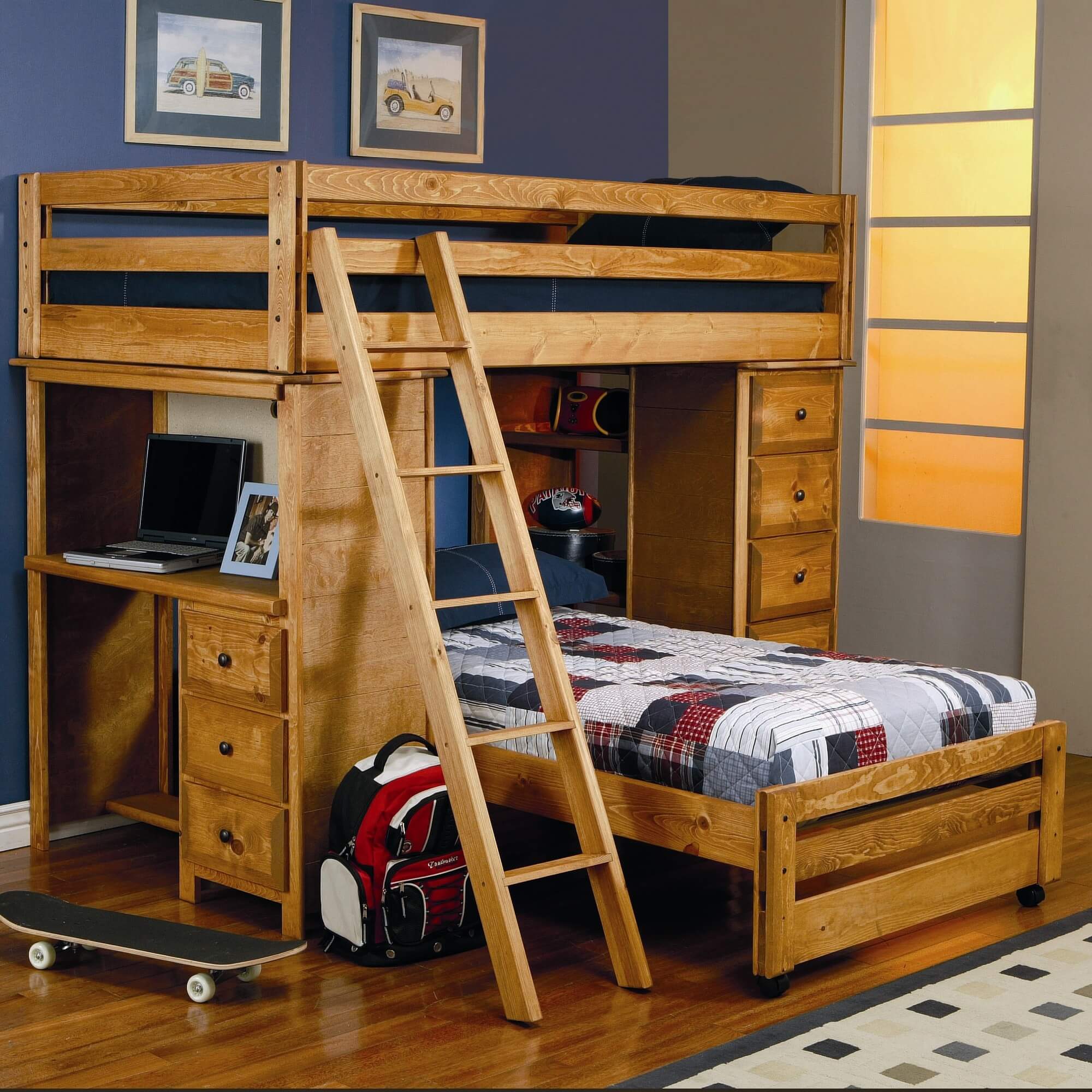
Guardrails are critical for the top bunk. They should extend at least 5 inches above the mattress surface to prevent roll-offs. Check the gap between the guardrail and the mattress—it should be small enough that a child’s head or limb can’t get trapped. For the ladder or stairs, ensure they are securely attached and have wide, flat steps. Slip-resistant surfaces are a must, especially for kids in pajamas. If you opt for stairs, make sure they are steep enough to be safe but gentle enough to climb easily.
Regular maintenance is part of safety too. Every few months, tighten all bolts and screws. Wood expands and contracts with humidity changes, which can loosen joints over time. Check for splinters or sharp edges, especially on wooden frames. Teach kids the rules: no jumping on the top bunk, no hanging off the sides, and only one person on the ladder at a time. It sounds obvious, but reminders help. A safe bed is a happy bed, and peace of mind is priceless.
Style and Storage: Making It Work for You
Just because it’s functional doesn’t mean it has to look boring. L-shaped bunk beds come in a variety of styles, from rustic wood to sleek modern metal. Choose a finish that complements your existing decor. Light woods like pine or oak can make a small room feel airier, while darker stains add warmth and coziness. Metal frames offer a contemporary look and are often lighter, which can be easier to move if you rearrange frequently.
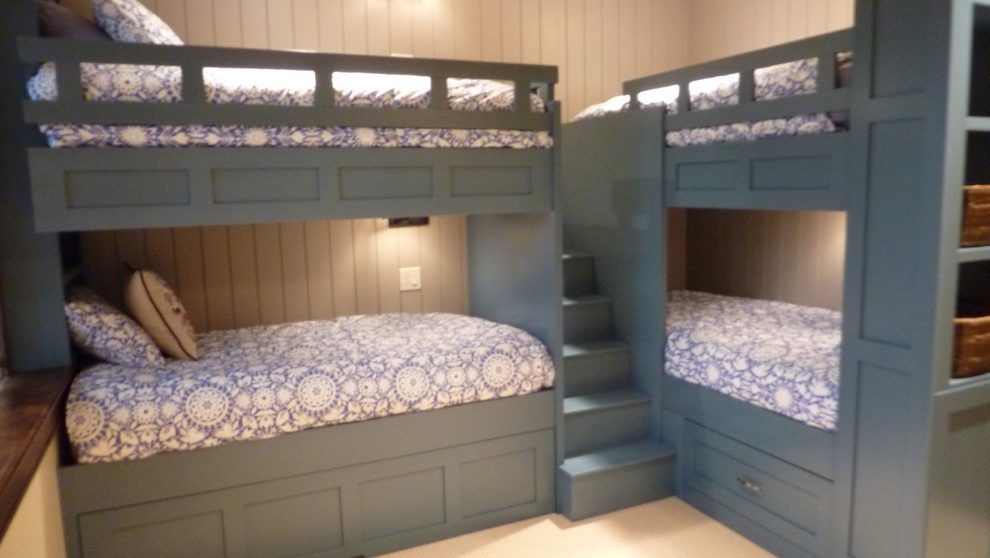
Storage is where these beds really shine. Look for designs with built-in drawers in the steps or under the lower bed. Open shelving on the ends of the beds is great for books and display items. If you’re handy, you can customize a basic frame with added shelves or hooks. The key is to keep clutter off the floor. Vertical storage draws the eye up and makes the room feel taller.
Personalization matters too. Let kids choose bedding colors or add fairy lights to the underside of the top bunk. Create a "fort" feel with curtains that can be drawn for privacy. In 2026, modular accessories are popular, allowing you to swap out panels or add new storage units as needs change. The bed should grow with your family, adapting to different ages and stages. It’s not just a place to sleep; it’s a hub for rest, play, and creativity. Make it reflect who they are.
Should you build it or buy it? That’s the million-dollar question. Buying a pre-made L-shaped bunk bed is convenient. You get warranty support, professional assembly options, and guaranteed safety standards. Brands in 2026 offer extensive customization, letting you pick configurations, colors, and add-ons. It’s hassle-free, though often pricier. If you value time and certainty, buying is the way to go.
DIY builds, on the other hand, offer total control and potential cost savings. There are plenty of detailed plans online, including step-by-step guides for L-shaped loft beds. But be honest about your skills. Building a sturdy, safe bunk bed requires precision woodworking and knowledge of structural supports. One mistake can compromise safety. If you go this route, use high-quality lumber, follow plans exactly, and double-check every joint. It’s a rewarding project, but not for the faint of heart.
Consider hybrid options too. Some companies sell kits that you assemble yourself, offering a middle ground between custom DIY and fully pre-built. These kits often have clearer instructions and pre-drilled holes, reducing error risk. Whichever path you choose, prioritize safety and durability over aesthetics. A beautiful bed that wobbles is useless. Take your time, do your research, and choose the option that fits your budget, skill level, and peace of mind. There’s no wrong choice, only the right one for you.
So, there you have it. L-shaped bunk beds aren’t just a trend; they’re a smart, practical solution for small spaces that refuse to compromise on comfort or style. By measuring carefully, prioritizing safety, and thinking creatively about layout and storage, you can transform a cramped room into a functional, inviting haven. Whether you buy or build, the goal is the same: creating a space where everyone sleeps well and lives happily.
Remember, the best bed is the one that fits your unique needs. Don’t be afraid to mix and match ideas from this guide. Maybe you want stairs with storage, or maybe a sleek metal frame is more your vibe. Trust your instincts. You know your space and your family better than anyone. With a little planning and the right approach, your small room can become the most efficient and cozy spot in the house. Here’s to making every inch count.