Ever stared at a tiny guest room or a cramped home office and wondered, "Where on earth is everyone going to sleep?" You aren't alone. It’s a puzzle so many of us face, especially now that our homes have to work harder than ever before. They’re offices, schools, gyms, and sanctuaries all rolled into one. The solution? Often, it’s hiding in plain sight. Or rather, tucked neatly underneath something else.
Enter the metal twin daybed with a trundle. It sounds like a mouthful, doesn't it? But this piece of furniture is basically a magic trick for small spaces. By day, it’s a chic sofa or a sleek single bed. By night, pull out the hidden companion, and suddenly you’ve got room for two. It’s not just about saving square footage; it’s about reclaiming your peace of mind when company comes over. No more air mattresses that deflate by 3 AM. No more awkward floor sleeping arrangements. Just solid, reliable comfort that disappears when you don’t need it.
But here’s the thing. Not all daybeds are created equal. Some wobble. Some squeak. And some look great in photos but feel like sleeping on a park bench. That’s why we’re diving deep. We’re talking gauge thickness, weight limits, mattress choices, and those little details that make the difference between a piece of junk and a lifelong investment. Whether you’re furnishing a studio apartment, a kid’s shared room, or a multi-purpose den, getting this right matters. Let’s walk through exactly how to choose, set up, and love your new space-saver.
Understanding the Anatomy of a Quality Frame
Let’s start with the bones. Literally. The frame is everything. When you’re looking at metal daybeds, the first thing you need to check is the gauge of the steel. In simple terms, the gauge number tells you how thick the metal is. Here’s the counter-intuitive part: a lower number means thicker, stronger metal. So, a 14-gauge steel tube is much sturdier than an 18-gauge one. For a daybed that will see daily use as a sofa and occasional use as a bed, you want something substantial. Look for frames that advertise heavy-duty construction or premium steel. Brands like Zinus and DHP often specify these details, and it’s worth paying attention to.
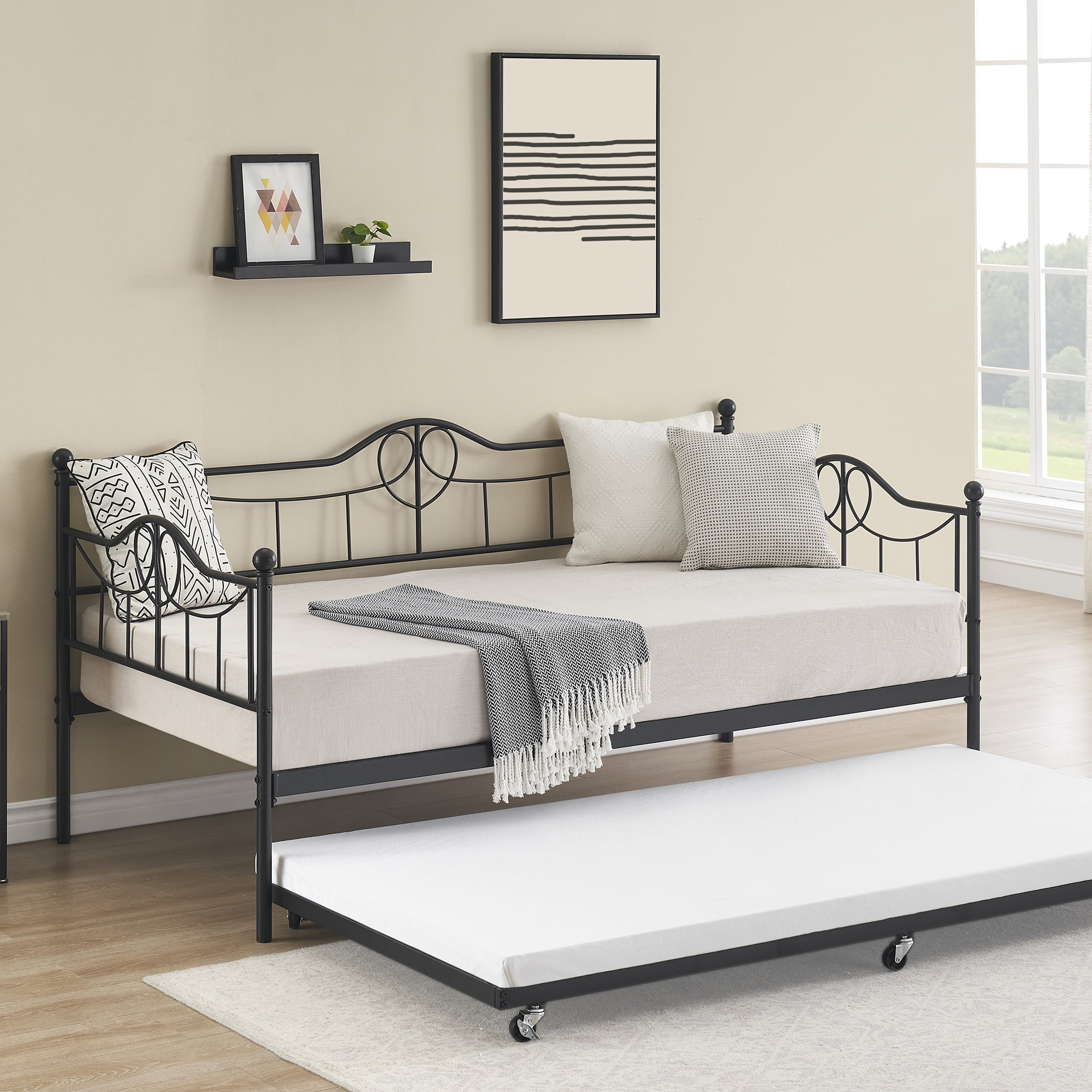
Why does this matter? Because metal bends. If the gauge is too thin, the slats might sag under the weight of an adult, or the joints might loosen over time. You don’t want that creaky, unstable feeling when you sit down to read a book. A robust frame ensures longevity. It also supports better weight distribution. Most quality twin daybeds have a weight limit for the main bed around 400 pounds (181 kg), while the trundle usually caps out around 225 pounds (102 kg). These numbers aren’t arbitrary; they’re based on the structural integrity of the metal and the support slats. Ignoring them is a recipe for a broken bed and a disappointed guest.
Don’t forget the finish, either. Powder-coated finishes are the gold standard here. They resist scratching, chipping, and rust far better than simple paint jobs. This is crucial if you have pets or kids who might be rough on furniture. A good coating also makes cleaning easier. A quick wipe-down is all it takes to keep it looking fresh. Plus, the texture of powder coating often provides a bit more grip, which helps keep your mattress from sliding around as much as a slick, painted surface would. It’s a small detail, but it adds to the overall user experience.
Navigating Trundle Mechanisms and Stability
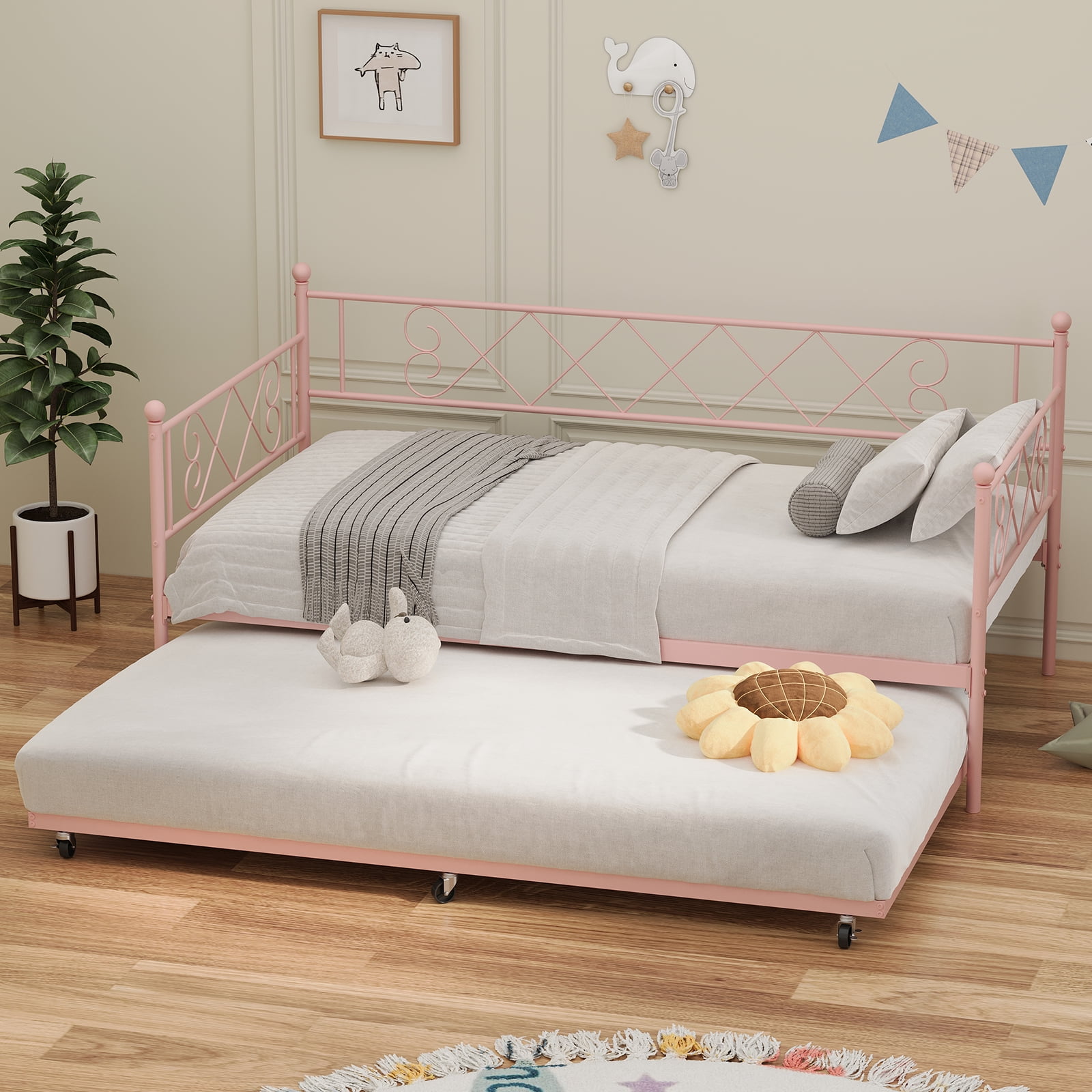
Now, let’s talk about the star of the show: the trundle. There are generally two types you’ll encounter. The first is the roll-out trundle. This sits on wheels or casters and slides out from under the main bed. It’s simple, effective, and usually stays at the same height as the main mattress once pulled out. The second type is the pop-up trundle. This one also rolls out, but it has a mechanism that allows it to lift up to the same level as the main bed, creating two side-by-side twin beds. Both have their place, but they serve slightly different needs.
Roll-out trundles are fantastic for tight spaces. They require less vertical clearance and are generally easier to operate. However, you need to check the wheel quality. Look for smooth-rolling casters, ideally with locking mechanisms. Why locks? Because you don’t want the trundle drifting away in the middle of the night. Home Depot models often feature four smoothing rolling casters with two locks, which is a smart design choice. It keeps the bed stable when in use but easy to tuck away when you’re done. If the wheels are cheap plastic, they’ll crack or get stuck on carpet fibers. Aim for durable nylon or rubberized wheels.
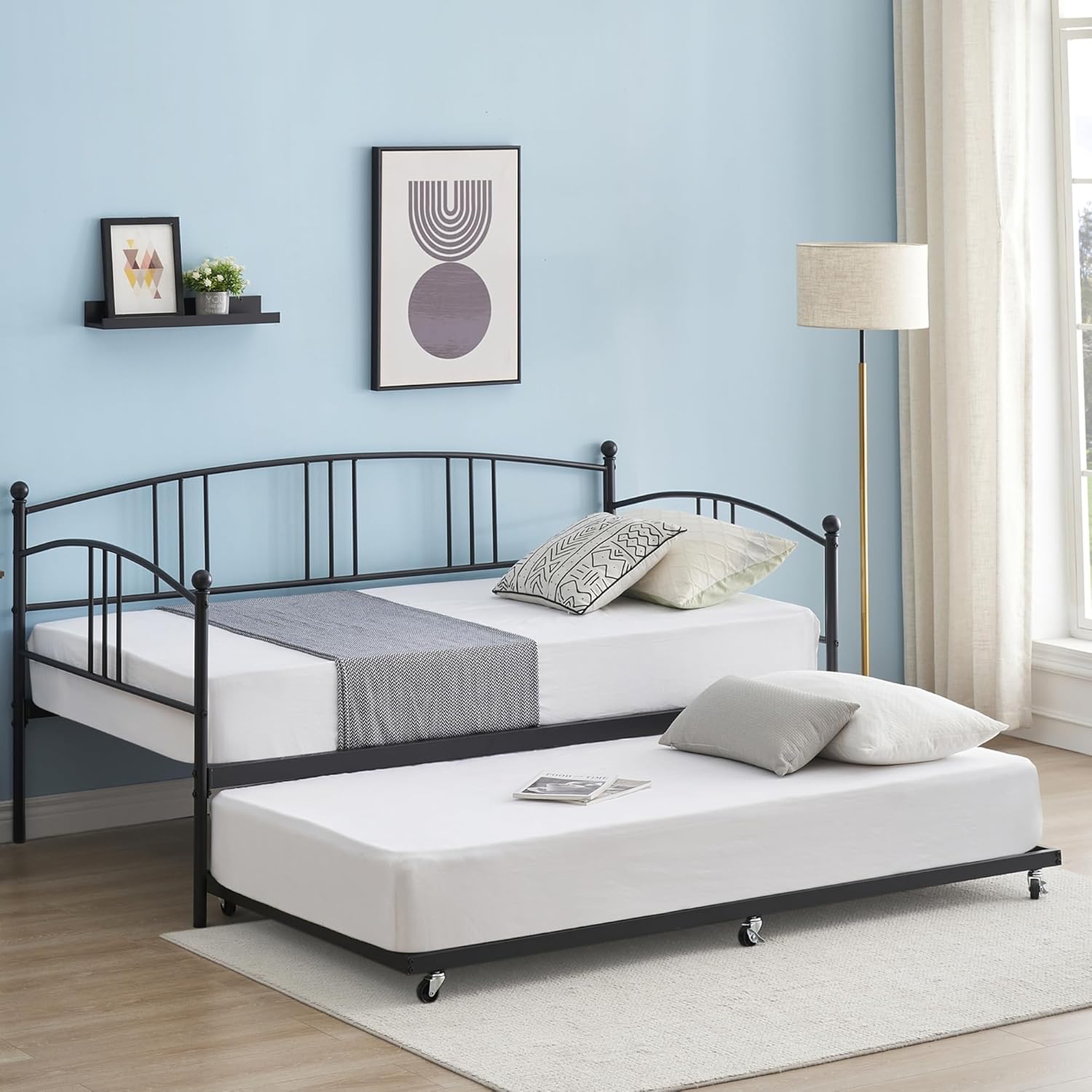
Pop-up trundles offer more versatility for sleeping arrangements. When lifted, they create a large, continuous sleeping surface that feels more like a traditional king or queen setup (though with a gap in the middle). This is great for couples or kids who kick. But, the mechanism adds complexity. There are more moving parts that can potentially fail. If you go this route, check the lifting mechanism carefully. Is it easy to engage? Does it feel sturdy when locked in the up position? Reviews from sites like TalkAboutSleep often highlight these mechanical nuances. A pop-up that jams halfway is more frustrating than useful. Always test the mechanism if you’re buying in-store, or look for video reviews online to see it in action.
Choosing the Right Mattresses for Dual Purpose
Here’s a secret most salespeople won’t tell you: the mattress makes or breaks the daybed experience. You can’t just throw any old twin mattress on there and expect comfort. Remember, this bed is doubling as a sofa. That means you’ll be sitting on it, leaning against the backrest, and maybe even jumping on it (if you have kids). You need a mattress that can handle both sitting and sleeping without losing its shape.
Thickness is key. For a daybed, you typically want a mattress that is between 6 to 8 inches thick. Anything thicker might extend above the side rails, which looks messy and can be unsafe. Anything thinner might bottom out against the slats, giving you that "sleeping on a board" feeling. Hybrid mattresses or high-density foam options work best. They provide enough support for sleeping but firm enough to hold up under seated weight. Avoid super plush, pillow-top mattresses; they’re too soft for sitting and will sag quickly.
For the trundle, you have a bit more flexibility, but height still matters. Since the trundle needs to slide under the main bed, the combined height of the trundle mattress and its foundation must fit within the clearance space. Measure this carefully! Nothing is worse than buying a beautiful trundle bed only to find your favorite mattress is half an inch too tall to fit underneath. Many manufacturers recommend specific mattress heights for the trundle, often around 6 inches. Stick to these guidelines. Also, consider a lighter mattress for the trundle. If it’s too heavy, pulling it out becomes a workout. Memory foam is often lighter than innerspring, making it a practical choice for the lower bed.
Assembly Hacks and Maintenance Tips
Let’s be honest. Assembling furniture is nobody’s favorite hobby. It’s confusing, frustrating, and often involves missing screws. But with a metal daybed, a little prep goes a long way. First, clear a large space. Lay out all the pieces before you start. Check the manual—yes, actually read it. Manuals from brands like DHP provide specific step-by-step instructions that prevent common mistakes, like putting the headboard on backward. Group similar hardware together. Use small bowls or cups to keep screws and bolts organized. It sounds basic, but it saves hours of digging through piles of metal tubes.
One pro tip: don’t tighten all the bolts completely until the very end. Assemble the frame loosely first. This allows you to align all the holes properly. Once everything is connected and the frame is standing, go back and tighten every bolt securely. This prevents misalignment and stress on the metal. If you’re struggling with stripped screws, stop. Don’t force it. Use a rubber band between the screwdriver and the screw head for extra grip, or switch to a power drill with a clutch setting to avoid over-tightening. Patience here pays off in stability later.
Maintenance is surprisingly simple for metal frames. Dust them regularly. Metal attracts dust and static, so a microfiber cloth once a week keeps it looking sharp. Check the bolts every few months. Vibrations from sitting and sleeping can loosen them over time. A quick tighten with an Allen wrench takes five minutes and prevents wobbles. If you notice any scratches in the powder coating, touch them up with a matching paint pen to prevent rust. It’s a small fix that extends the life of your furniture significantly. Treat it well, and it’ll treat you well.
Styling Your Daybed for Maximum Versatility
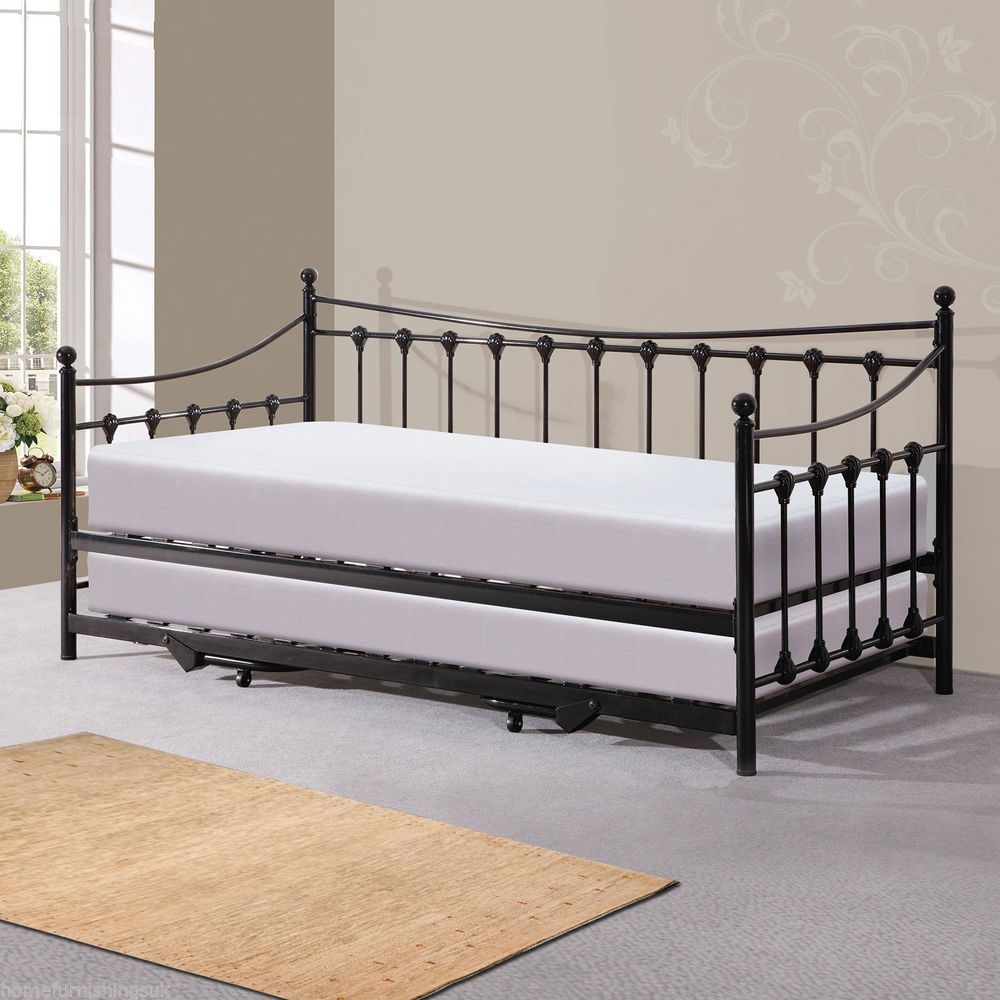
Just because it’s functional doesn’t mean it has to look utilitarian. Metal daybeds have a sleek, modern aesthetic that can fit into almost any decor style. Industrial, minimalist, bohemian, or farmhouse—they all work. The key is in the styling. Start with pillows. Since it’s a daybed, you’ll want a mix of sleeping pillows and decorative throw pillows. Layer them against the back and sides. This creates a cozy, sofa-like vibe during the day. Use textures like velvet, linen, or chunky knits to add warmth to the cool metal frame.
Bedding choices matter too. A duvet cover with a bold pattern or a solid, rich color can anchor the piece in the room. If you’re using it in a guest room, neutral tones with pops of color in the throws work well. In a kid’s room, go wild with patterns. The metal frame acts as a neutral canvas, so you can change the look seasonally just by swapping out the linens. Add a throw blanket draped over the footboard for an inviting touch. It signals that this is a place to relax, not just a place to crash.
Lighting and accessories can elevate the space further. Consider adding wall sconces above the headboard if you’re using it for reading. Or drape some fairy lights along the frame for a whimsical touch. If your daybed is in a multi-purpose room, use a rug to define the area. Place a small side table next to it for a lamp or a cup of tea. These small additions make the daybed feel like an intentional part of the room’s design, rather than just a piece of emergency furniture. It becomes a destination, not an afterthought.
Real-World Scenarios and User Experiences
So, where does this actually work best? Let’s look at some real-life scenarios. Take Sarah, a graphic designer living in a 500-square-foot studio apartment. Her living room is her bedroom, her office, and her dining room. A metal daybed with a trundle allowed her to have a stylish seating area for clients during the day. At night, she sleeps on the main bed. When her sister visits, the trundle comes out. It transformed her tiny space from cramped to comfortable. She chose a black metal frame with gold accents, which matched her industrial decor perfectly.
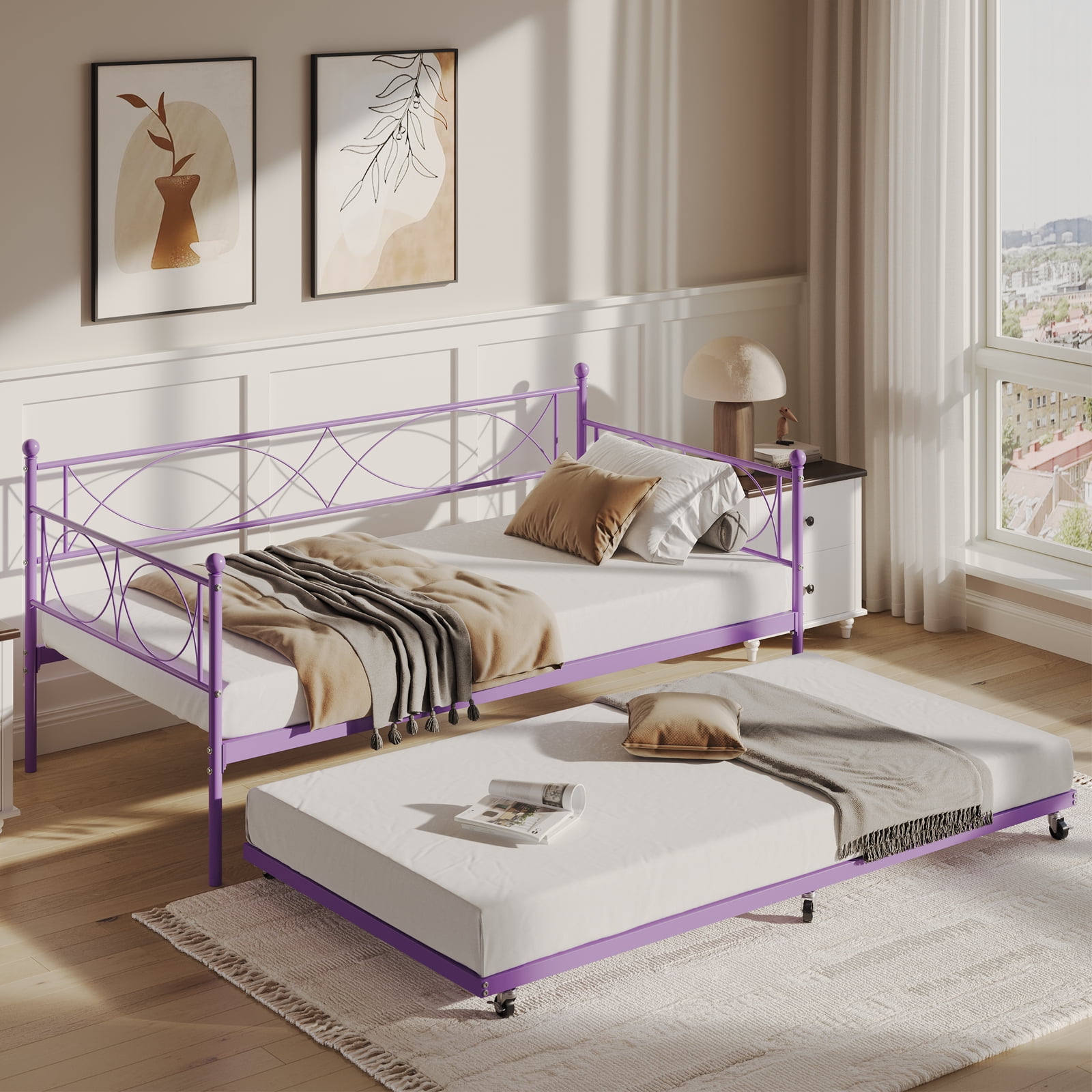
Then there’s the Miller family, who converted their spare office into a shared kids’ room. Space was tight, and they needed two beds. A twin daybed with a pop-up trundle was the answer. During the day, the kids play on the floor, and the trundle is tucked away, giving them maximum play space. At night, the trundle pops up, giving each child their own designated sleeping spot. The durability of the metal frame handles the inevitable jumping and roughhousing better than a wooden frame might have. Plus, the parents love that it’s easy to clean under.
Consider also the remote worker who uses their guest room as a Zoom backdrop. A sleek metal daybed with crisp white linens and structured pillows looks professional on camera. It’s tidy and intentional. When colleagues visit for in-person meetings, the room functions as a conference space. When friends stay over, it converts instantly. This flexibility is invaluable in our post-pandemic world where home roles are fluid. The metal daybed isn’t just a bed; it’s a tool for adapting to life’s changing demands. It’s about being prepared without sacrificing style or space.
Choosing the right metal twin daybed with a trundle isn’t just about picking the prettiest one. It’s about understanding your specific needs. How often will the trundle be used? Who will be sleeping on it? What’s your style? By focusing on the gauge of the metal, the quality of the trundle mechanism, and the right mattress combination, you’re setting yourself up for success. Don’t skimp on the frame quality. It’s the foundation of your comfort. And remember, the little things—like lockable wheels and powder-coated finishes—make a huge difference in daily usability.
Take your time. Read the reviews. Look for feedback from people who have owned the bed for a year or more, not just unboxing videos. Sites like FurnitureShortlist and WellWhisk offer detailed breakdowns of pros and cons that can help you compare options side-by-side. Pay attention to weight limits and dimensions. Measure your space twice. It’s better to be sure than sorry. And if you’re unsure about assembly, consider hiring a professional handyman for an hour. It might cost a bit more upfront, but it ensures your bed is safe and stable from day one.
Ultimately, this piece of furniture is an investment in your home’s flexibility. It gives you the freedom to host guests without cluttering your space permanently. It allows your rooms to breathe and adapt. Whether you’re in a tiny city apartment or a sprawling suburban home with limited guest space, a metal daybed with a trundle is a smart, stylish solution. Embrace the versatility. Enjoy the extra space. And sleep soundly knowing you’ve made a choice that works as hard as you do.