Ever walked into a kid’s room and felt like you were stepping into a puzzle? The toys are everywhere, the closet is bursting, and there’s barely enough room to turn around, let alone fit another bed. It’s a common headache for parents, especially those living in apartments or homes where square footage comes at a premium. But what if the solution wasn’t about getting rid of stuff, but rather thinking vertically—and then horizontally?
Enter the low bunk bed with a trundle. It’s not just a piece of furniture; it’s a bit of a magic trick. By day, it’s a sleek, low-profile bed that leaves plenty of headroom and floor space for play. By night, or when guests arrive, it transforms into a sleep station for three. Sounds perfect, right? Well, it can be. But only if you get the details right. From safety rails that actually work to mattresses that don’t feel like sleeping on a rock, there’s a lot to consider. Let’s dive into how you can make this versatile setup work for your family, keeping safety, style, and sanity front and center.
Why Go Low? The Hidden Benefits of Lower Profiles
You might wonder why everyone isn’t just stacking beds to the ceiling. Sure, high bunks save floor space, but they come with a hefty dose of anxiety for many parents. A low bunk bed—where the top bunk is closer to the ground, often just 30 to 40 inches high—changes the game entirely. First off, the fear factor drops significantly. If a child rolls out (which happens more often than we’d like to admit), the fall is much less likely to result in a trip to the ER. This peace of mind is priceless, especially for younger kids who are still mastering their spatial awareness.
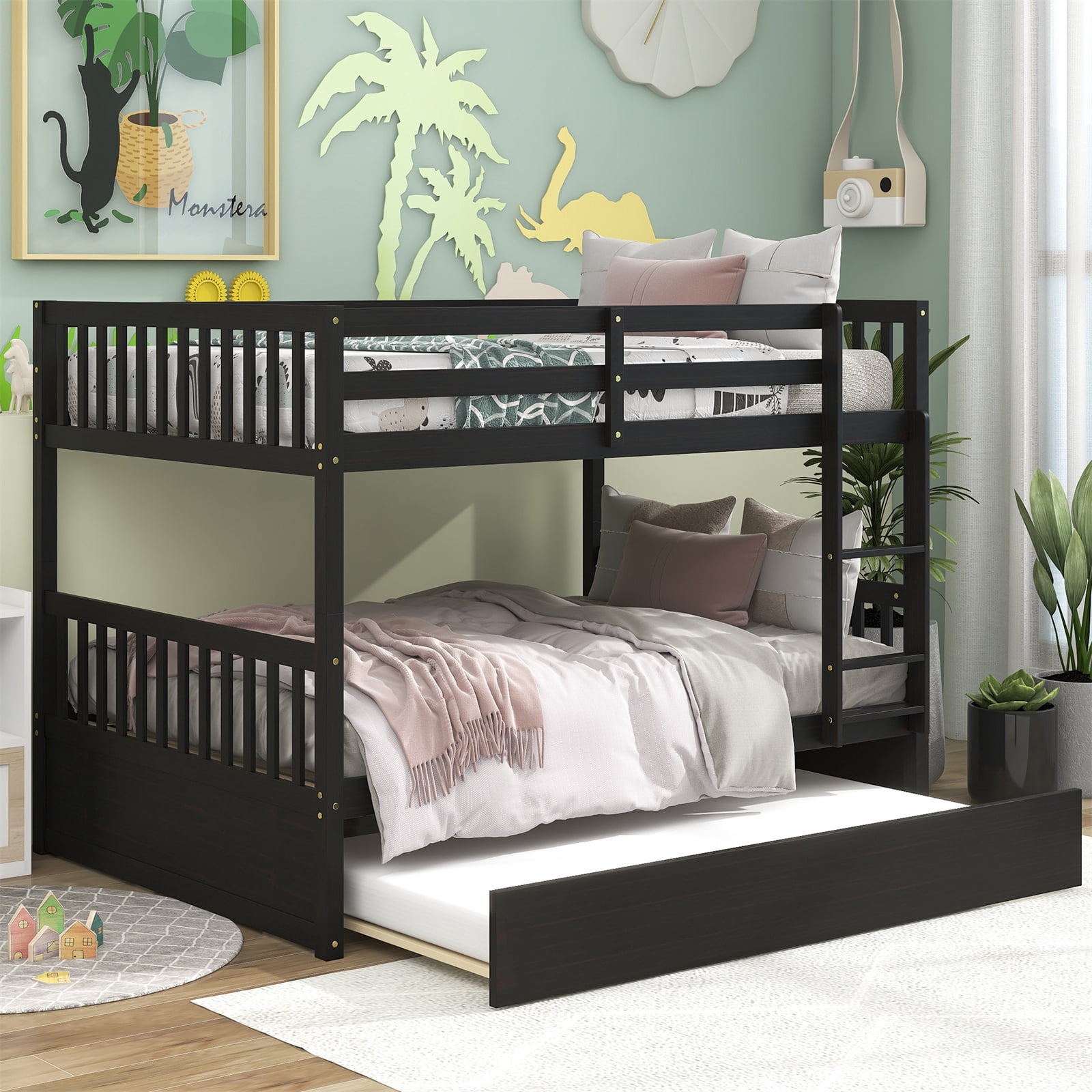
But it’s not just about safety. Low bunks make the room feel bigger. When the ceiling isn’t looming directly above your child’s face, the space feels more open and less claustrophobic. This is huge for small bedrooms where every inch counts. Plus, changing sheets on a low bunk doesn’t require an acrobat’s flexibility. You can stand on the floor and reach most of the mattress, which means laundry day becomes slightly less of a chore. And let’s be honest, anything that makes bedding easier is a win in my book.
Then there’s the trundle aspect. Because the main structure is lower, the trundle underneath doesn’t have to dig deep into the floor to fit. This means you can often use a standard twin mattress on the trundle, rather than a thinner, less comfortable "trundle-specific" mattress. In 2026, comfort is king, and nobody wants to sleep on a pancake-thin pad. A low profile allows for better mattress options all around, ensuring that whether your kid is on the top, bottom, or pull-out bed, they’re getting decent support.
Safety First: Non-Negotiables for Peaceful Nights
Let’s talk about the elephant in the room: safety. No matter how cool a bunk bed looks, if it wobbles like a jellyfish, it’s a no-go. When shopping for a low bunk with a trundle in 2026, look for models that meet or exceed current ASTM International safety standards. These aren’t just suggestions; they’re rigorous tests for stability, guardrail height, and ladder strength. Make sure the guardrails on the top bunk extend at least five inches above the mattress surface. This seems like a small detail, but it’s the difference between a safe sleep and a midnight scare.
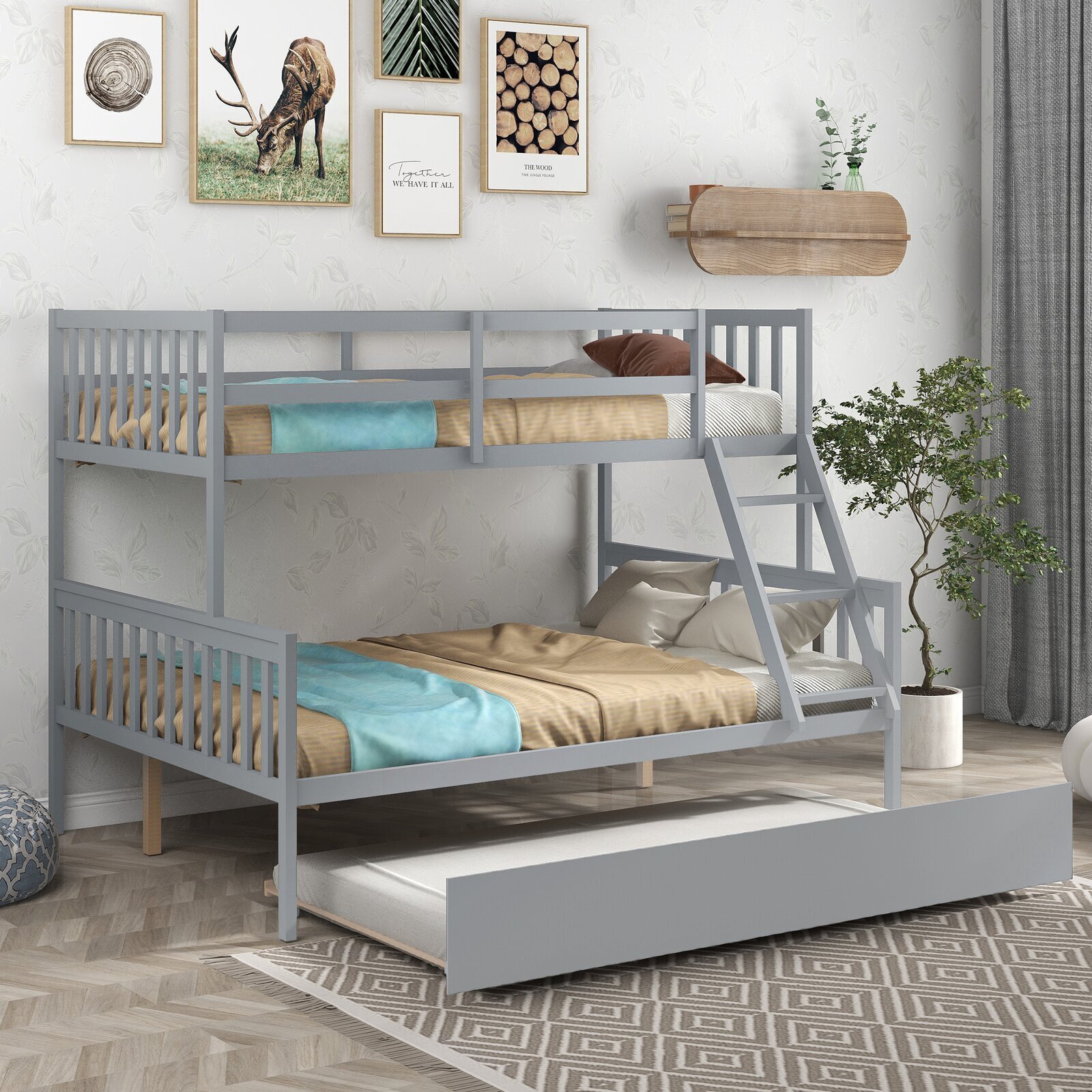
The trundle mechanism itself needs scrutiny. Older models sometimes used cheap wheels that would jam or roll away unexpectedly. Modern designs often feature a "pop-up" trundle or a sturdy sliding frame with locking casters. Test it out in the store if you can. Does it glide smoothly? Does it lock firmly in place when extended? You don’t want the trundle shifting while a child is climbing in or out. Also, check for pinch points. Little fingers are curious, and a poorly designed sliding mechanism can be a hazard. Look for rounded edges and covered hardware wherever possible.
Another critical safety tip involves the ladder or stairs. For low bunks, integrated stairs are becoming increasingly popular over traditional ladders. Why? Because they’re safer and offer built-in storage. Each step can be a drawer, which helps keep the room tidy—a major bonus. If you do opt for a ladder, ensure it’s angled correctly and has wide, slip-resistant rungs. Teach your kids the "three points of contact" rule early on: two hands and one foot, or two feet and one hand, should always be on the ladder. It’s a simple habit that prevents so many accidents.
Choosing the Right Mattress: Comfort Meets Clearance
Here’s where things get tricky. You’ve got three sleeping surfaces to outfit, but you can’t just buy any old mattress. The thickness of your mattresses directly impacts safety and functionality. For the top bunk, you need a mattress that’s thick enough to be comfortable but thin enough to keep the guardrails effective. Most experts recommend a mattress no thicker than 8 to 10 inches for the top bunk of a low set. If you go thicker, the guardrail might end up being too low to prevent a fall, defeating its purpose.
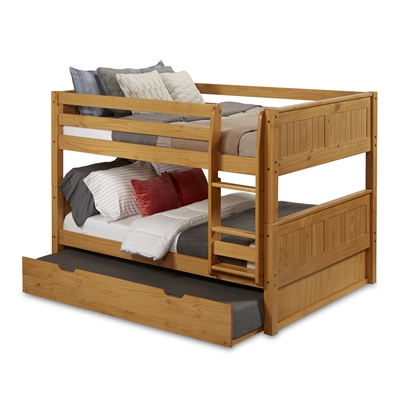
The bottom bunk is more flexible. Since it’s close to the ground, you can use a standard twin mattress, usually around 10 to 12 inches thick. This is great because you can prioritize comfort here, especially if this is where a heavier child or an adult guest will sleep. Just make sure the total height of the bottom mattress plus the bed frame doesn’t interfere with the trundle’s ability to slide in and out. Measure twice, buy once. There’s nothing worse than realizing your new plush mattress blocks the trundle halfway.
Speaking of the trundle, mattress choice here is crucial. In the past, trundles often required specialized, ultra-thin mattresses (sometimes as thin as 4 inches). But thanks to smarter low-profile designs, you can often fit a 6 to 8-inch mattress in the trundle slot. Look for memory foam or hybrid options in this range. They offer surprising support without the bulk. Avoid spring mattresses for the trundle if possible; they tend to be bouncier and can make the sliding mechanism noisy. Foam absorbs movement and sound, leading to quieter nights for everyone.
Maximizing Space: Storage and Layout Hacks
A bunk bed with a trundle is already a space-saver, but why stop there? The area around and under the bed is prime real estate for storage. If your model doesn’t come with built-in drawers in the stairs, consider adding rolling bins under the trundle when it’s pushed in. Just ensure there’s enough clearance. Some families use the space beside the bed for tall, narrow bookshelves, creating a cozy nook effect. The key is to keep the floor clear for play. Clutter makes small rooms feel even smaller, so vertical storage is your best friend.
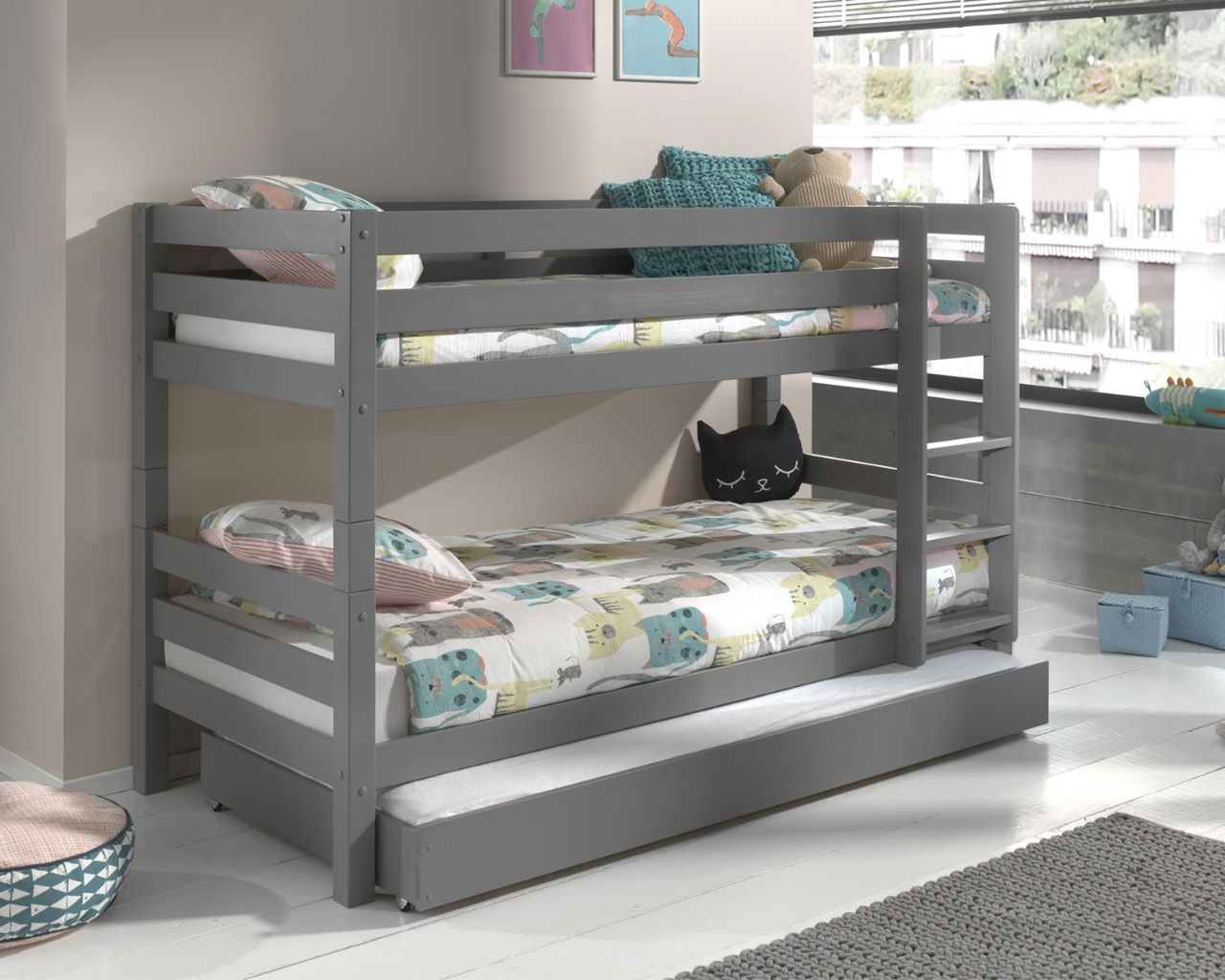
Lighting is another often-overlooked element. In a bunk setup, the top bunk can feel dark and cave-like. Install individual reading lights for each sleeper. Clip-on LED lights are fantastic because they don’t require wiring and can be positioned exactly where needed. For the trundle user, a small rechargeable puck light under the bed frame can provide a nightlight effect, helping them navigate when pulling the bed out in the dark. This small addition adds a layer of independence and safety for younger children.
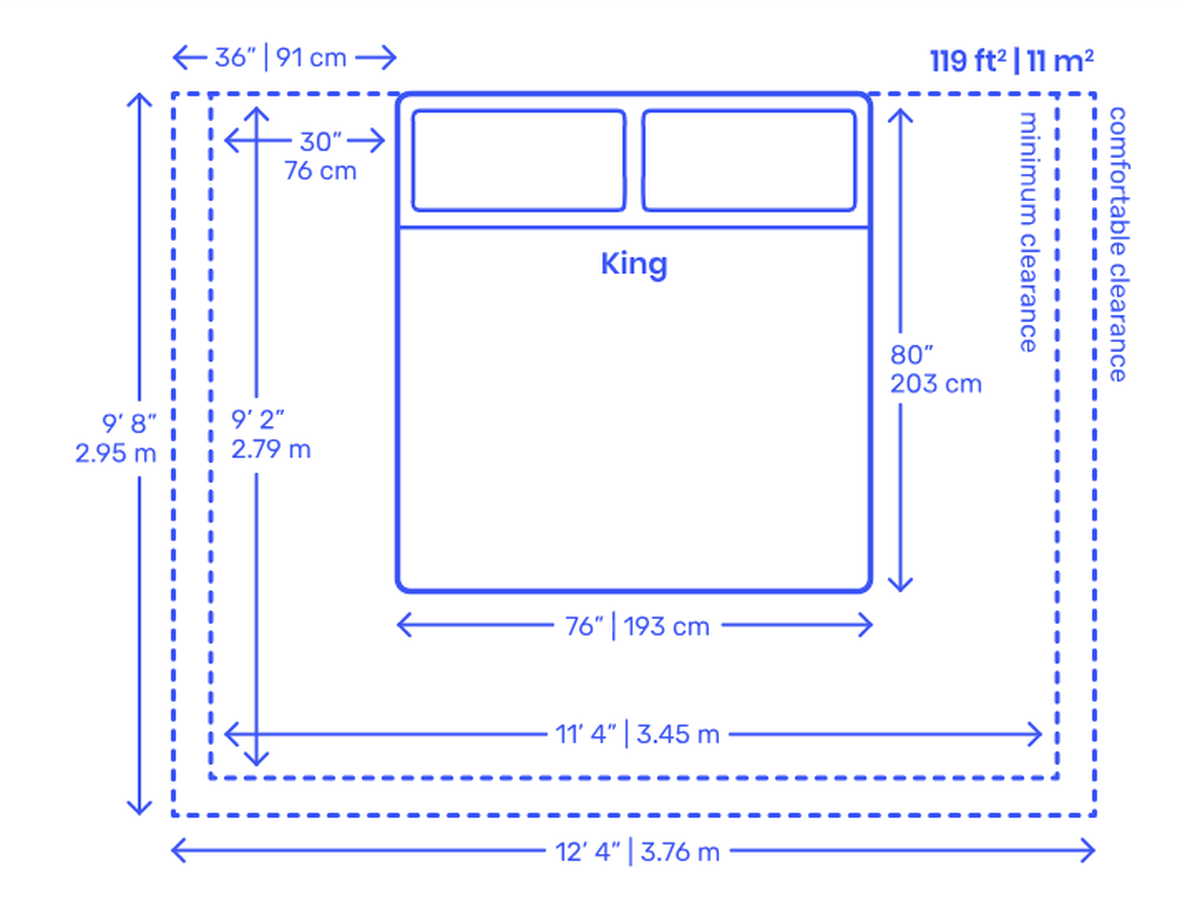
Consider the room’s layout carefully. Don’t just shove the bunk against the first wall you see. Think about traffic flow. Can you open the closet door fully? Is there enough room to pull out the trundle without hitting a desk or dresser? Ideally, leave at least 30 inches of clearance on the side where the trundle extends. If space is tight, look for L-shaped bunk configurations where the trundle pulls out perpendicular to the main bed. This can sometimes fit better in corner layouts, freeing up the center of the room for activities.
Style and Longevity: Growing with Your Child
Kids grow fast, and their tastes change even faster. That superhero theme might be hot today, but by next year, they’ll want minimalist grey or boho chic. This is why choosing a neutral, durable frame is smart. Wood finishes like oak, walnut, or white wash tend to age better than bright primary colors. You can always add personality with bedding, pillows, and wall art, which are much cheaper and easier to swap out than a whole bed frame. Think of the bed as the canvas, and the linens as the paint.
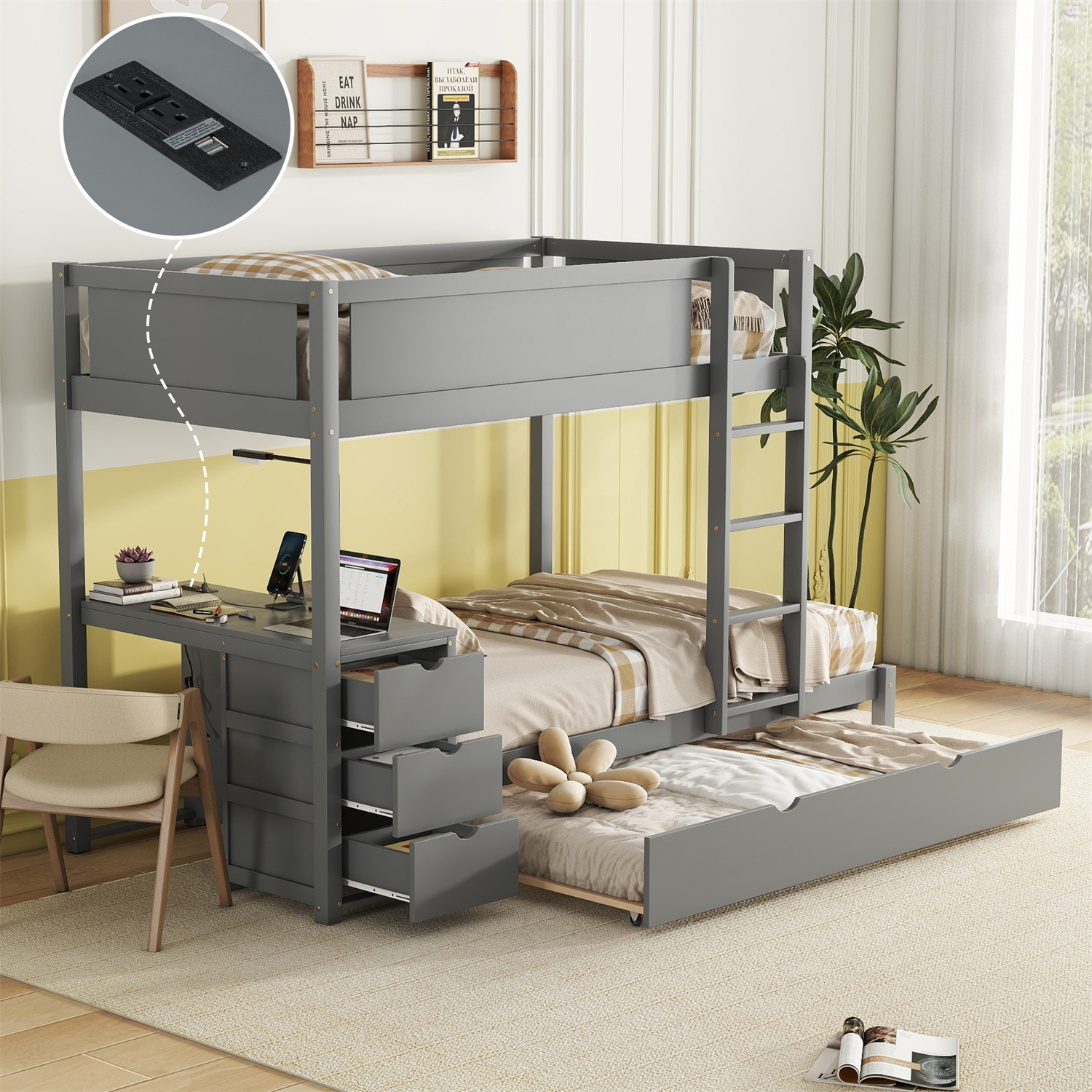
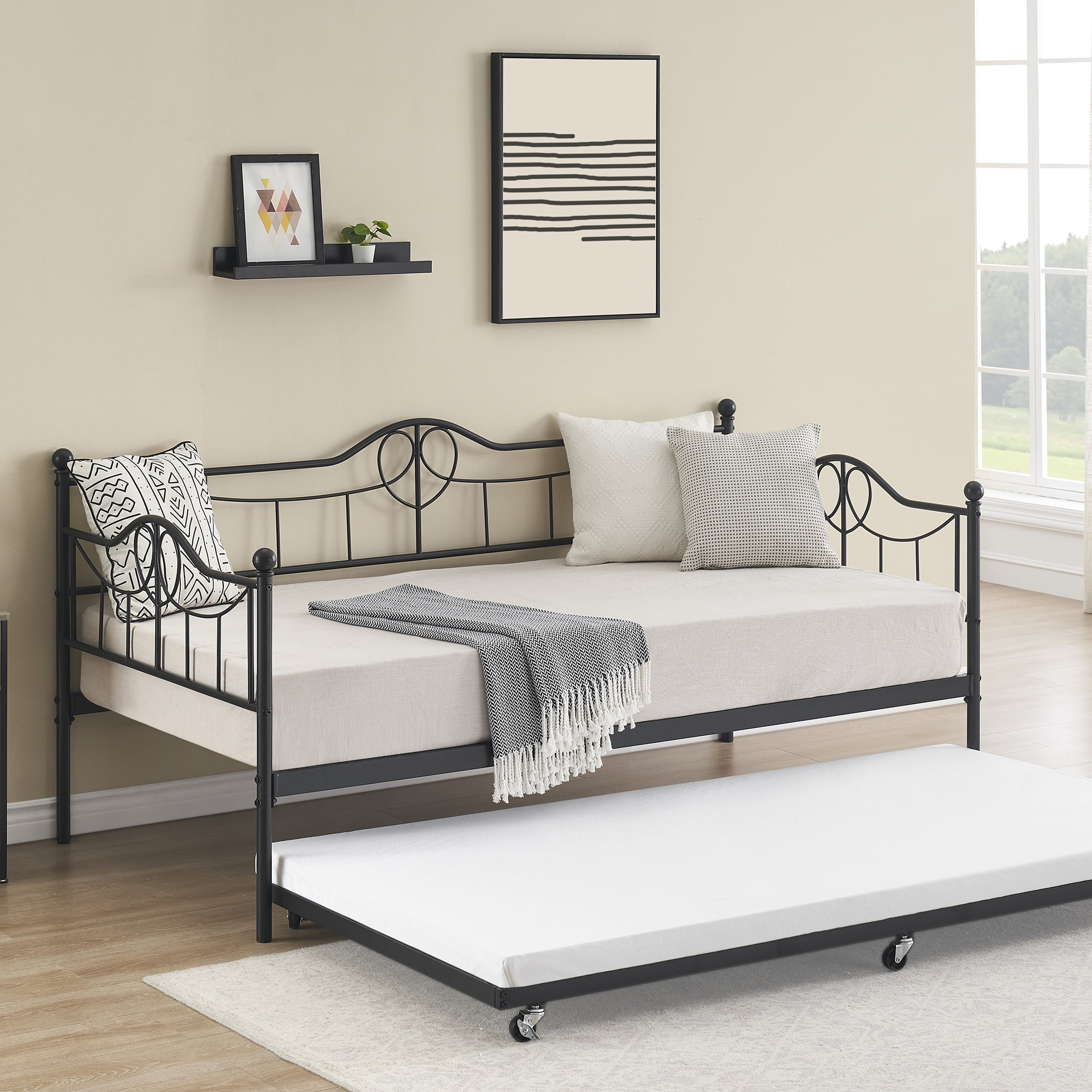
Versatility is key to longevity. Many modern low bunk beds are convertible. They can be separated into two standalone twin beds when the kids get older or move out. Check if the model you’re eyeing offers this option. It effectively doubles the lifespan of your investment. Even if you don’t plan to separate them now, knowing you can later adds value. Additionally, some frames allow you to remove the top bunk entirely, leaving a low daybed with a trundle. This is perfect for transitioning a toddler into a "big kid" bed or for creating a chill hangout spot for teens.
Don’t underestimate the power of textiles. High-quality cotton or bamboo sheets feel luxurious and hold up better to frequent washing. For the trundle, consider a duvet cover that’s easy to slip on and off, since trundle bedding can be awkward to manage. Color-code the bedding for each sleeper to avoid mix-ups during laundry day. It’s a small organizational hack that saves time and arguments. And remember, calming color schemes aren’t just for aesthetics; they promote better sleep. Soft blues, greens, and neutrals create a tranquil atmosphere, helping kids wind down after a busy day.
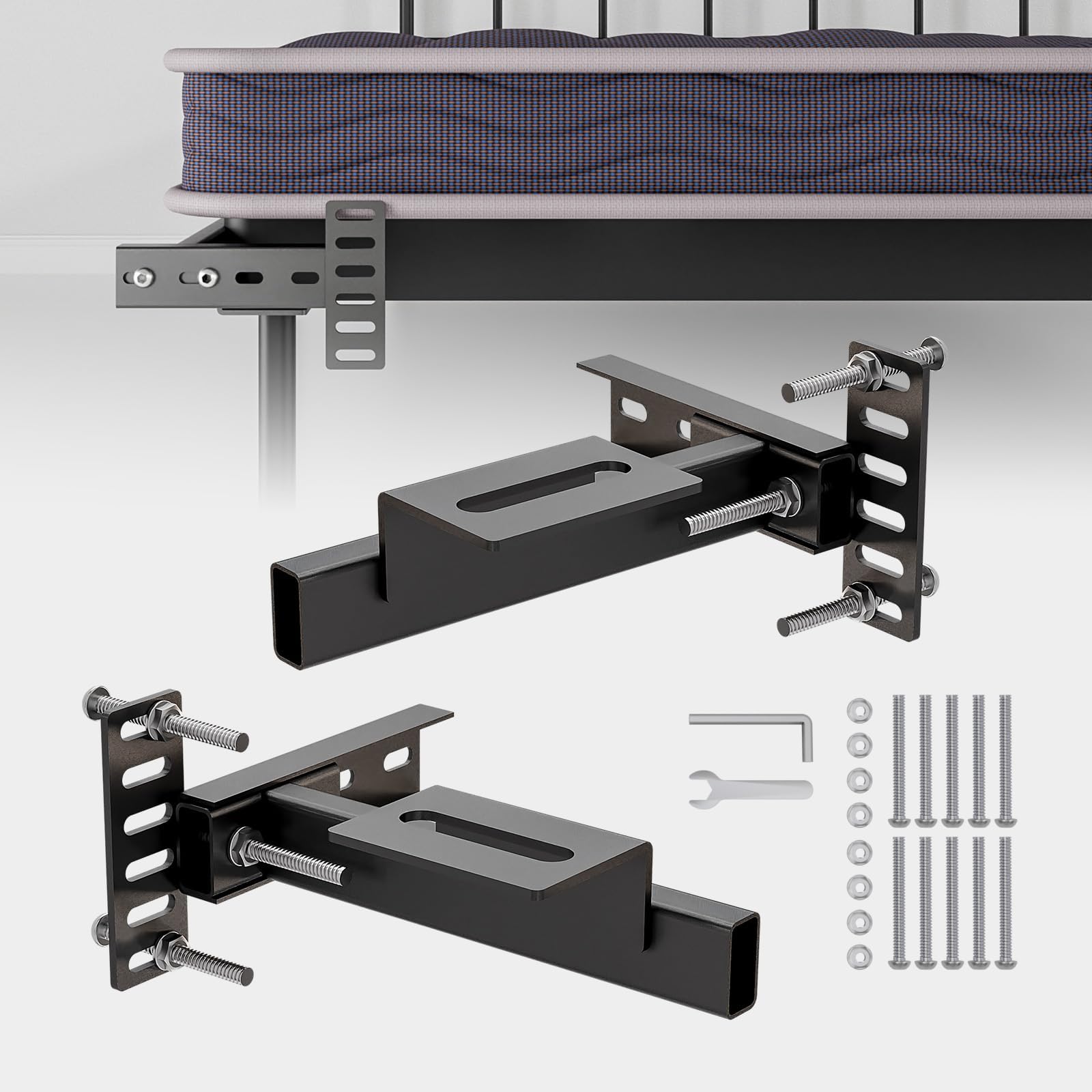
A bunk bed takes a beating. Kids jump on it, climb it, and treat it like a jungle gym. To keep it safe and solid, regular maintenance is non-negotiable. Set a reminder to check all bolts and screws every three to six months. Wood expands and contracts with humidity changes, and constant movement can loosen connections. A quick tighten with an Allen wrench can prevent wobbles and squeaks. If you hear creaking, don’t ignore it. It’s the bed’s way of asking for help. Lubricating any moving parts on the trundle mechanism with a silicone-based spray can also keep it gliding smoothly without attracting dust.
Cleaning around and under a bunk bed can be a challenge. Dust bunnies love to hide in those hard-to-reach spots. Use a vacuum with a long hose attachment to clean under the bottom bunk and inside the trundle cavity regularly. If the bed has fabric elements or upholstered headboards, spot clean spills immediately to prevent stains. For wood frames, a damp cloth followed by a dry one is usually sufficient. Avoid harsh chemicals that can strip the finish or irritate sensitive skin.
Finally, educate your kids on proper use. It sounds obvious, but rules matter. No jumping on the top bunk. No more than one person on the trundle at a time. No using the guardrails as a pull-up bar. Establish these boundaries early and enforce them consistently. When children understand that the bed is a piece of equipment that needs respect, they’re more likely to treat it carefully. This not only extends the life of the furniture but also reinforces a culture of safety in the home. It’s about building habits that last, ensuring that your low bunk with trundle remains a beloved and safe part of your home for years to come.
So, is a low bunk bed with a trundle right for you? If you’re looking to maximize space without sacrificing safety or comfort, the answer is likely yes. It’s a practical, versatile solution that adapts to your family’s changing needs. By focusing on quality construction, smart mattress choices, and regular upkeep, you can create a sleeping arrangement that’s both functional and inviting. Remember, it’s not just about fitting more beds in a room; it’s about creating a space where everyone sleeps well and feels secure. With the right approach, your bunk bed setup can be the hero of your home’s layout, proving that sometimes, thinking low is the best way to aim high.