There is a distinct, heavy silence that settles into a bedroom when the furniture inside it is built with intention. I learned this lesson the hard way in a drafty Victorian brownstone, wrestling with a flat-pack particleboard dresser whose cam locks stripped themselves out of the pressed sawdust before the winter frost even set in. The drawers sagged, the frame racked diagonally under the weight of a few heavy wool sweaters, and every morning started with a silent, irritating reminder of false economy. That wobbling chest of drawers was not just an organizational failure; it was a daily disruption to the sanctuary where human restoration is supposed to take place.
We spend roughly a third of our lives horizontal, yet the physical apparatus supporting our waking and sleeping rituals—our bed frames, nightstands, armoires, and case goods—is often treated as an afterthought of interior styling rather than a foundational piece of interior architecture. Real bedroom furniture is not merely decorative scenery; it is a load-bearing ecosystem designed to manage weight, friction, moisture fluctuations, and the relentless gravitational pull of daily life. When you touch a properly joined drawer box or feel the dense, cold grain of quarter-sawn white oak, you realize that furniture is quite literally an extension of the earth's timber history brought into your private quarters.
Navigating the market for bedroom furniture requires moving past the glossy surface sheen of veneer and marketing hyperbole to understand the bones of what you are buying. Over the past decade of examining workshop practices, testing case goods, and pulling apart vintage and contemporary joints alike, I have come to view the bedroom not as a canvas for fast-furniture trends, but as a long-term investment in domestic ergonomics. The pieces you bring into this space will either accumulate stories, patinas, and generational resilience, or they will end up cracked, off-gassing, and bowing by the turn of a five-year lease cycle.
Anatomy of the Hardwoods: Decoding Timber Species, Joinery, and Structural Integrity
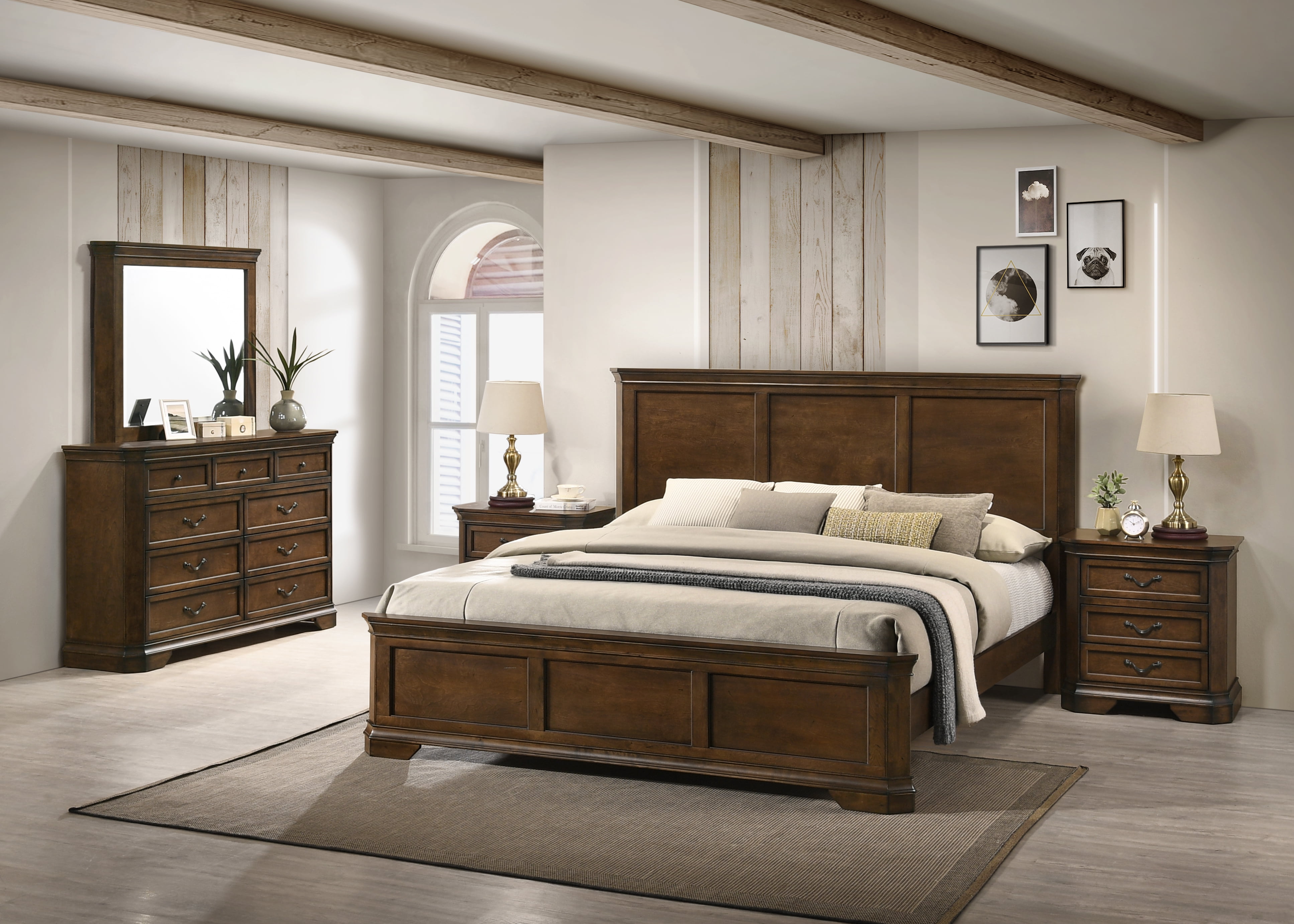
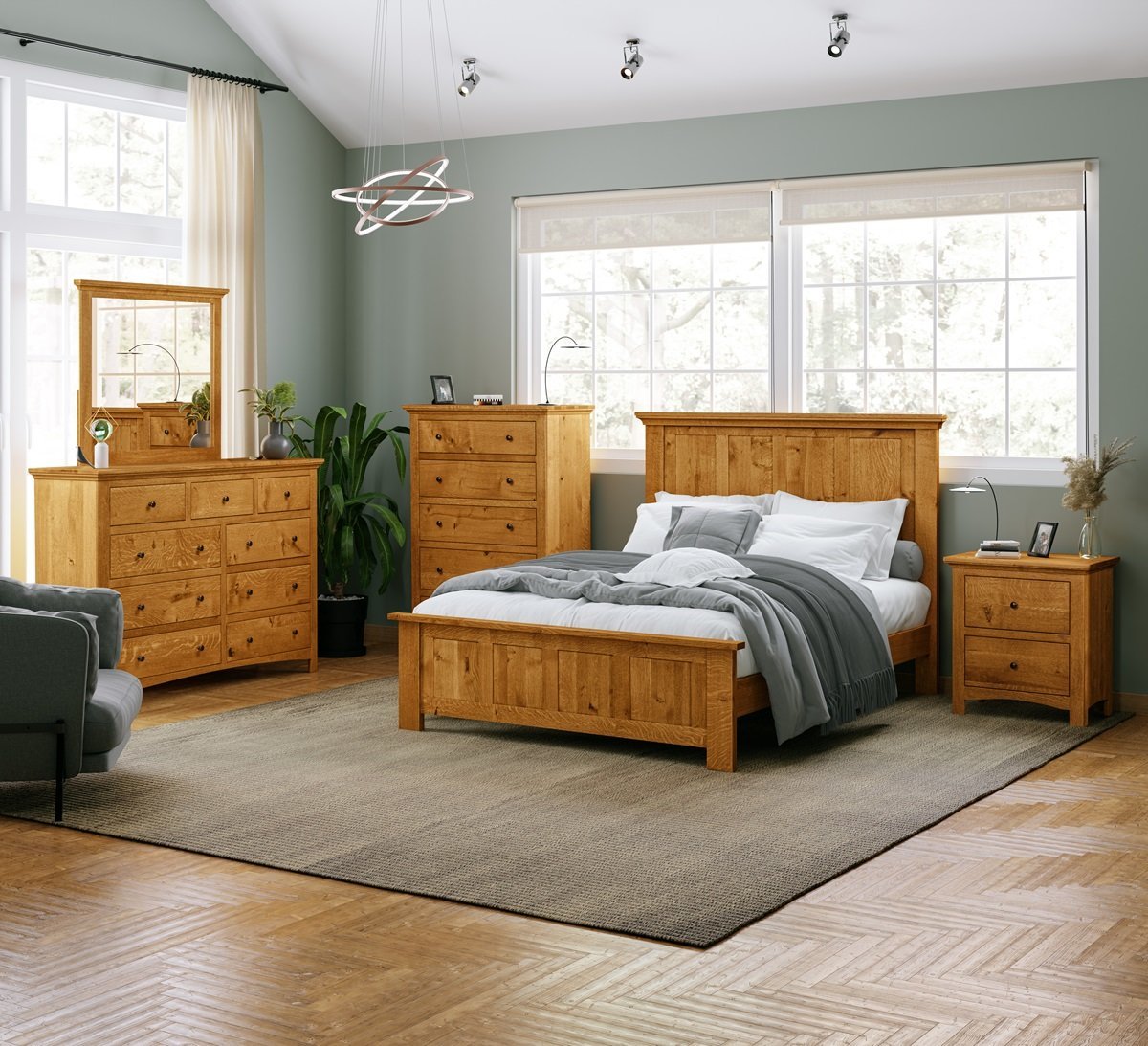
The foundation of exceptional bedroom furniture begins long before the tree is milled; it lives in the cellular density and growth rings of the lumber. When evaluating a bed frame or a heavy dresser, the first question should never be about the stain color, but rather about the species of wood and the method of joinery holding it together. Softwoods like pine or fir have their rustic charms, but for high-stress pieces like bed rails and drawer glides, they are prone to denting, splitting, and stripping under the torque of repeated assembly. Hardwoods such as white oak, American walnut, hard maple, and cherry possess the Janka hardness ratings and dimensional stability required to endure decades of use without shifting.
Beyond the raw material, the invisible skeleton of case goods dictates their lifespan. Cheap manufacturing relies on staple guns, hot glue, and cam-and-post fasteners that bite into medium-density fiberboard (MDF) or particleboard, both of which dissolve rapidly if exposed to moisture and lack structural memory. True craftsmanship utilizes traditional joinery techniques like dovetails, mortise-and-tenon joints, and half-laps. A properly cut dovetail joint on a drawer box interlocks wooden fingers at an angle that mechanically resists being pulled apart by the outward pressure of contents shifting inside. When you pull open a drawer and see hand- or machine-cut dovetails running across solid hardwood rather than stapled plywood bottoms sagging into the void, you are looking at an artifact built to outlast its owner.
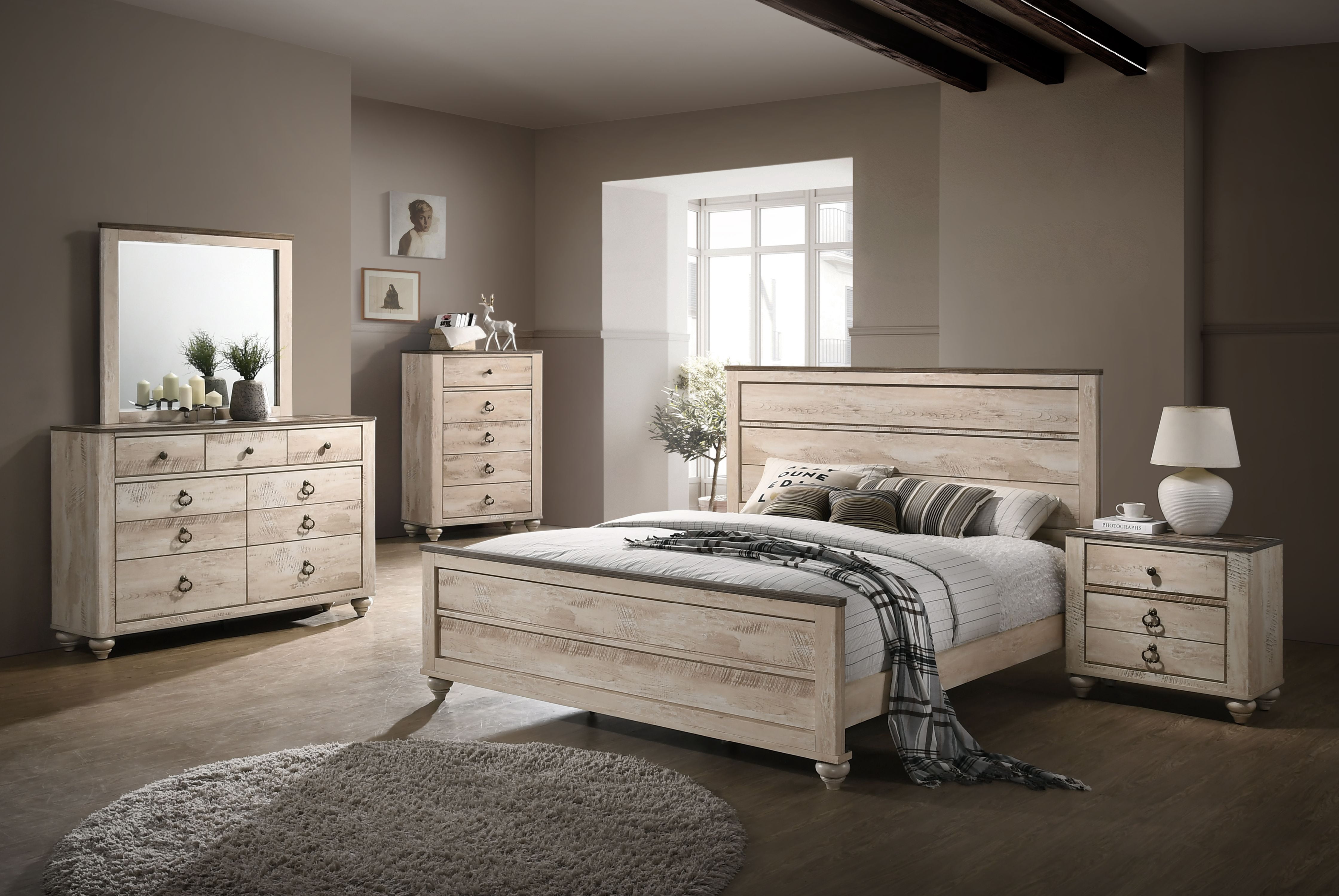
Moisture movement is another silent force that dictates how bedroom furniture behaves across changing seasons. Wood is hygroscopic, meaning it continuously absorbs and releases moisture from the indoor air, swelling in humid summers and shrinking in dry winters. Master furniture makers account for this natural respiration by designing panels that float within frames rather than being rigidly glued down, preventing catastrophic splitting as the lumber breathes. Understanding these structural fundamentals transforms you from a passive consumer into an informed patron of design, capable of distinguishing between superficial styling and genuine cabinet-making integrity.
Spatial Ergonomics and the Flow of Light, Air, and Movement
A common spatial sin in modern interior design is over-furnishing the bedroom, turning what should be a breath-filled sanctuary into an obstacle course of sharp corners and competing timber tones. The psychological impact of furniture density is profound; cluttered visual fields keep the autonomic nervous system in a state of subtle, low-grade alertness, directly undermining the deep sleep architecture required for physical recovery. Achieving a restful bedroom layout requires a rigorous application of negative space, traffic flow calculations, and an honest assessment of room volume versus furniture scale.
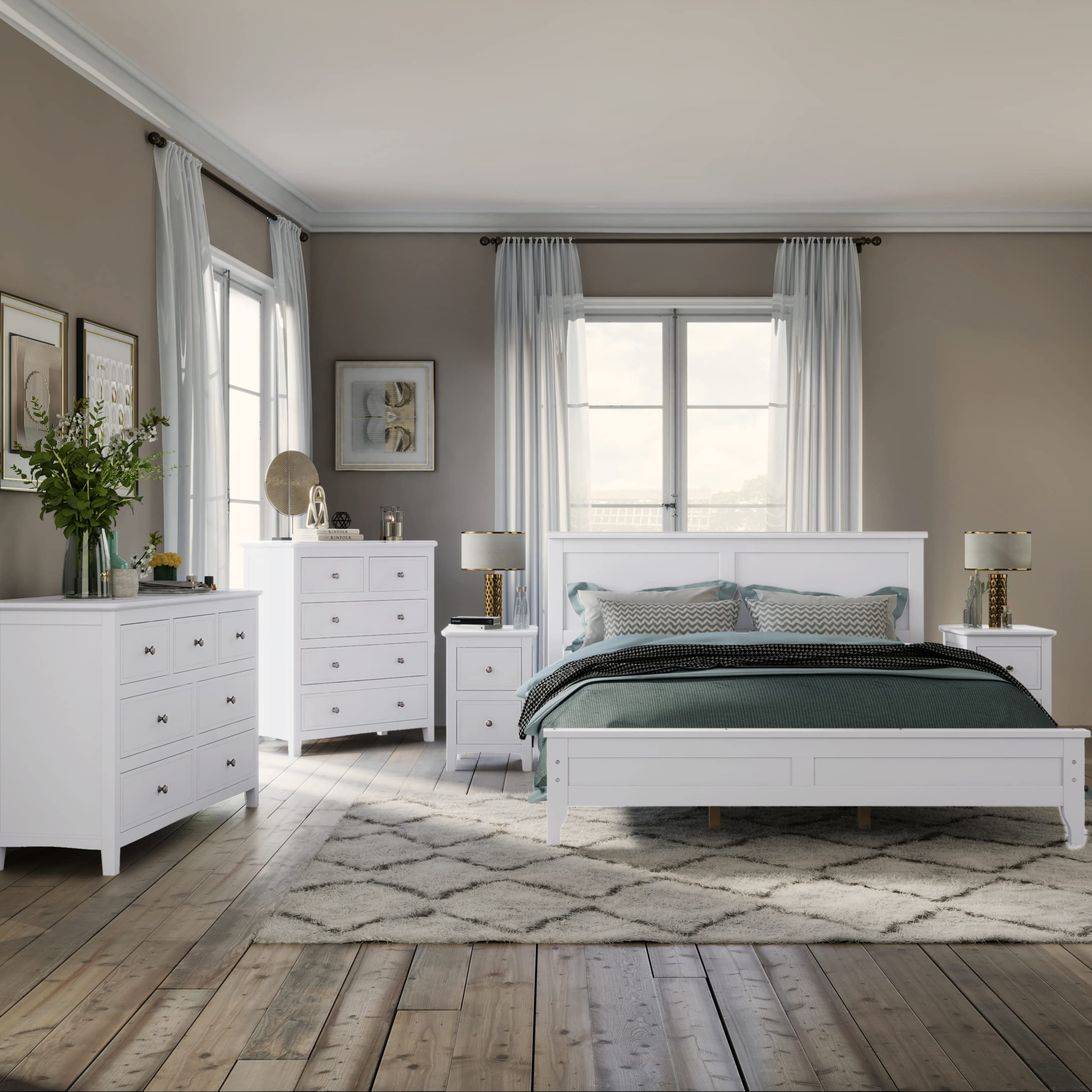
Circulation paths dictate the immediate comfort of a room. There should be a minimum clearance of thirty-six inches around the perimeter of the bed and major walkways to allow unhindered movement in the dark, while bedside tables must sit at an ergonomic height relative to the mattress top—ideally flush or slightly lower to prevent elbow collisions during nocturnal stretches. Taller case goods, such as armoires and highboys, need to be anchored not only for seismic safety but also positioned strategically so they do not block natural window light paths or cast oppressive, heavy shadows over the sleeping zone.
The materiality of your bedroom layout also dictates the acoustic and sensory environment. Hard, reflective surfaces like exposed brick, concrete floors, and unpadded wooden headboards can bounce sound waves, turning the room into an echo chamber where minor noises disrupt sleep cycles. Incorporating upholstered headboards, textured woven rugs underneath the bed frame, and porous hardwood case goods helps absorb sound reflections, softening the room's acoustic profile. By treating spatial planning as an exercise in sensory calm rather than a puzzle of fitting as many matching pieces into a room as possible, you create an environment that actively invites rest.
Step-by-Step Practical Implementation Guide to Curating Your Bedroom Suite
Navigating Common Pitfalls, Veneer Myths, and Structural Traps
Holistic Perspectives on Sustainable Forestry, Longevity, and Circular Design
The ecological footprint of bedroom furniture production is deeply tied to forestry management and the lifecycle of materials. For decades, the market has been flooded with disposable, petroleum-derived engineered woods that cannot be repaired once damaged, resulting in massive volumes of furniture ending up in municipal landfills annually. Shifting toward a sustainable bedroom ecosystem means looking at furniture not as a consumable commodity, but as a durable asset that respects both ecological limits and human labor standards. Choosing certified sustainable hardwoods harvested from responsibly managed forests ensures that timber harvesting supports local biodiversity rather than clear-cutting ancient ecosystems.
Related Posts
Real Solutions for Organizing Entryways and Mudrooms Without Losing Your Sanity
How to Design Mudroom Storage That Actually Keeps Your Family Organized
What Years of Home Design Interviews Taught Me About Choosing a Mudroom Storage Bench

Why interior designers recommend Halloween doorway curtains for effortless seasonal decorating
How Natural Light Changes Warm White Paint Colors Throughout the Day

Designing a Seasonal Fall Table Setup Using Foraged Elements and Everyday Dinnerware
Beyond material sourcing, the concept of circular design is revolutionizing how we think about furniture repairability and end-of-life recycling. Furniture built with mechanical fasteners, knock-down hardware, and replaceable parts allows a craftsman to service a broken rail or replace a worn drawer glide fifty years down the road. Finishes matter deeply as well; traditional plant-based oils and hard-wax finishes like beeswax and linseed oil penetrate the wood grain rather than forming a plasticized chemical film on top, allowing the surface to be lightly sanded and re-oiled at home when scratches occur, completely eliminating the need for toxic chemical strippers.
This slow-furniture ethos also extends to the socio-economic impact of supporting regional woodworking guilds and independent makers. When you commission or purchase furniture crafted by regional artisans using locally fallen urban timber, you bypass complex global supply chains laden with high carbon emissions and exploitative labor practices. The result is a piece of furniture imbued with a distinct geographic provenance—a nightstand made from a felled oak tree that once stood three towns over, shaped by hands that understand the local climate and its effect on timber movement.
Strategic Recommendations for Curating a Lifetime Bedroom Sanctuary
Building a bedroom that functions as an enduring sanctuary requires a disciplined, intentional approach to acquisition and maintenance. Rather than buying a complete set all at once out of stylistic panic, treat your bedroom curation as an ongoing curation process where each piece is selected for its utility, tactile warmth, and structural permanence. Begin with the sleep surface—the psychological and physical anchor of the entire room—and build outward over time as your functional needs and spatial rhythm become clear.
Maintenance is the final, often overlooked step in protecting your investment against the ravages of time and indoor climate shifts. Solid wood furniture should be treated with natural waxes or oils once or twice a year to nourish the timber fibers and prevent the surface from drying out under artificial heating. Avoid chemical aerosol polishes that contain silicone, as they leave a gummy residue that attracts dust and penetrates the wood pores, making future refinishing nearly impossible. By practicing mindful upkeep, you ensure that your bedroom furniture transitions seamlessly from a contemporary investment into an heirloom piece passed down through generations.
The bedroom is the ultimate testing ground for our relationship with the material world. In an era dominated by synthetic ephemera and digital saturation, returning to heavy, honest materials like solid walnut, forged iron, and organic cotton linens is a radical act of grounding. Your bedroom furniture should whisper a quiet invitation to slow down, to shed the armor of the outside world, and to settle into spaces built with integrity and human care.
Take a critical look at the room where you sleep tonight. Notice where the materials feel cheap or fragile, where the layout fights your natural movements, and where you can begin introducing elements of enduring craftsmanship. By investing in pieces designed to weather the decades, you are not just decorating a room—you are designing the architectural backdrop for your most restorative hours and your most private, authentic self.
