The autumn equinox arrives with a sharp chill that catches you off guard on an otherwise sunny afternoon. You notice the light changing first—slanting lower, turning the amber sugar of the maple leaves across the street into stained glass. That sensory shift changes how we inhabit our homes, pulling us inward from the sprawling, airy ease of summer toward rooms that feel dense, grounded, and deliberately lit. Gathering around a table during these months requires more than just pulling out the good china. It demands an intentional choreography of texture, weight, and temperature designed to make people linger long after the plates are cleared.
For years, my own seasonal table setups fell into predictable traps. I relied too heavily on plastic gourds from craft stores and color schemes that screamed of artificial orange dye. It took hosting disastrous dinner parties where towering floral centerpieces blocked conversation entirely, and candles dripped hot wax directly onto antique linen runners, to realize that setting a compelling fall table is less about theatrical styling and more about thoughtful architecture. Over countless autumn suppers, thanksgiving feasts, and quiet weeknight dinners, I’ve learned that the secret lies in treating the dining surface as a living ecosystem of natural materials, functional ergonomics, and tactile contrast.
The way we gather around food has evolved rapidly over recent decades. While previous generations adhered to strict, formal etiquette guidelines—complete with endless forks and rigid seating charts—contemporary dining leans heavily into a curated casualness. Yet, this effortless look requires a surprising amount of structural discipline. Achieving a balance between rustic charm and refined elegance means understanding how light plays off matte ceramics, how heavy linens soften the acoustic clatter of a busy room, and how scent can elevate a meal before the first course even touches the table.
The Anatomy of Autumn Textures and Materiality
Building a memorable fall table setup begins long before you choose a single plate; it starts with tactile foundations. Summer dining is defined by slick surfaces—whitewashed wood, glass, and crisp cotton that reflect the glaring sun. Autumn calls for the exact opposite: absorption, warmth, and depth. You want materials that invite touch, offering a visceral counterweight to the cooling weather outside. This is where heavy textiles and earthy substrates earn their keep, transforming a standard dining room into a cozy retreat.
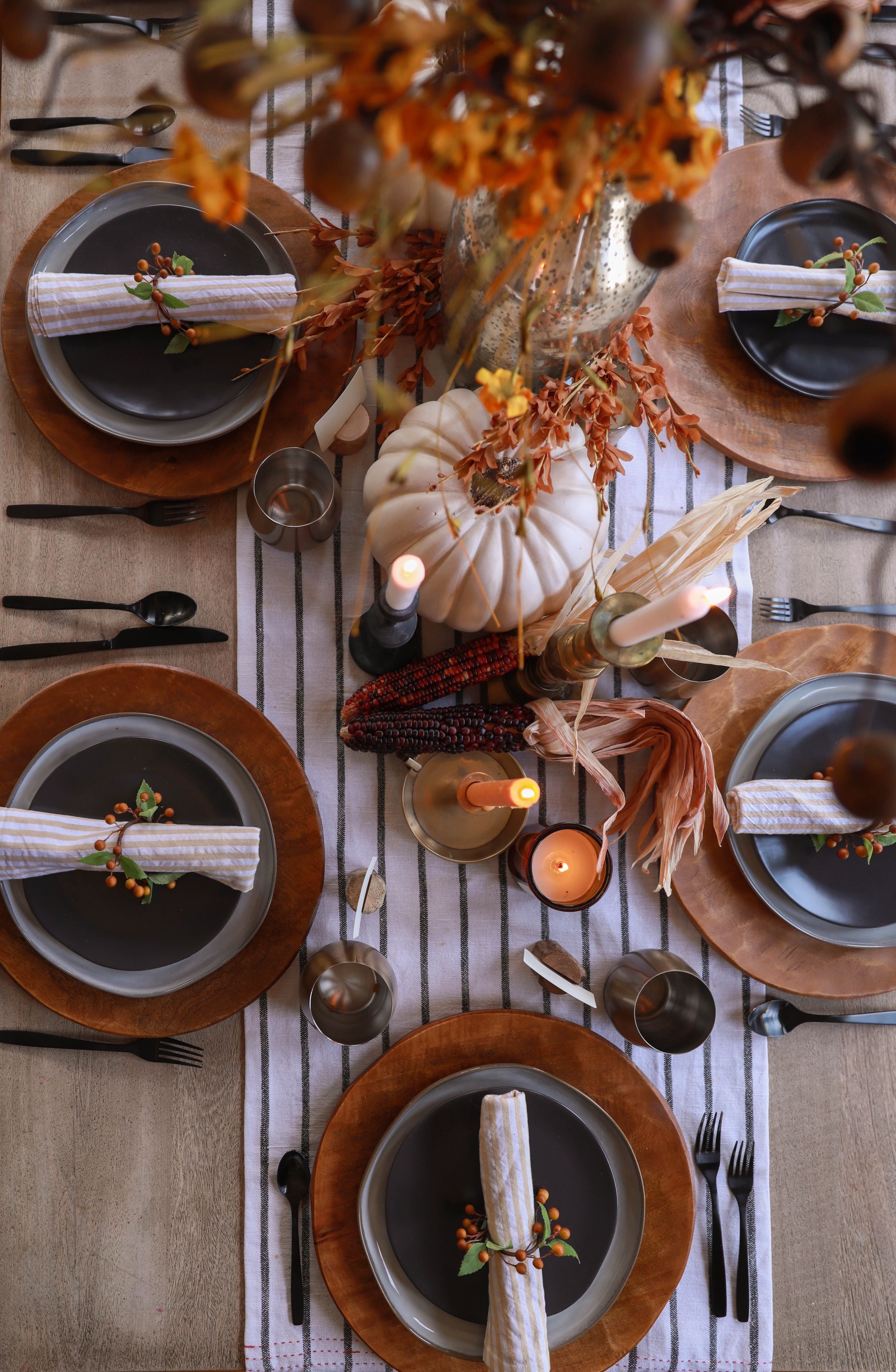
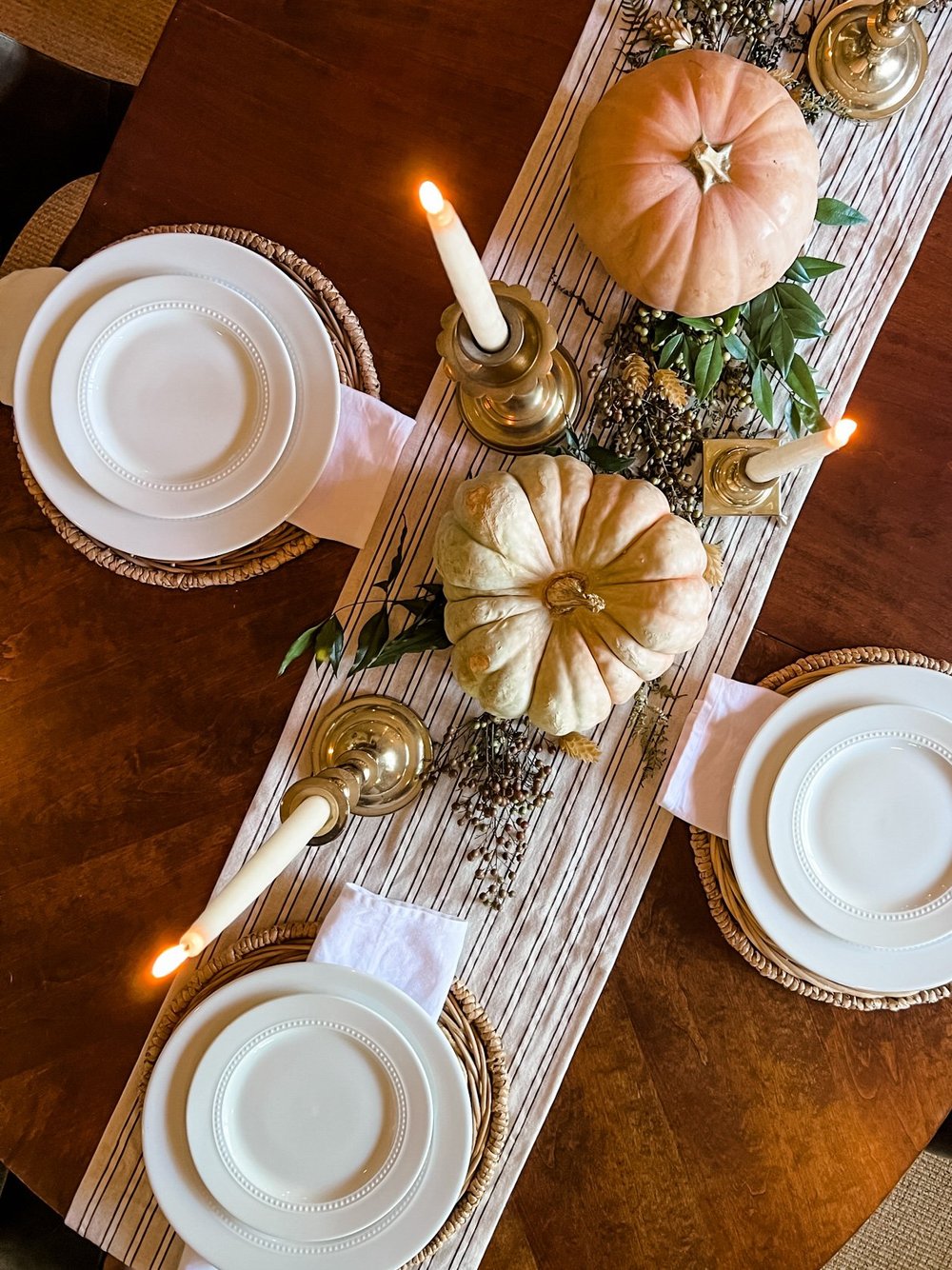
Linen remains the undisputed workhorse of the seasonal tablescape, but the weight matters immensely. Skip the lightweight, sheer summer linens and opt for heavy-weight stonewashed flax with a visible weave. The natural irregularities and slubs in the fabric catch the dimming ambient light, adding instant character. Layering is your greatest ally here. Start with a raw-edged linen runner or a full tablecloth in muted tones like olive, oatmeal, or charcoal, then introduce woven placemats made of jute, seagrass, or braided leather. These organic fibers immediately ground the space, bringing an earthy texture that prevents the table from feeling too precious or formal.
Ceramics and glassware undergo a parallel seasonal shift. Put away the thin, translucent bone china and bring out heavy stoneware, reactive-glaze earthenware, and speckled ceramics. The imperfections inherent in handmade pottery speak directly to the harvest season's raw, unpolished nature. For glassware, transition from clear crystal to heavy-bottomed tumblers and vessels tinted in amber, smoke, or forest green. These colored glasses do double duty: they refract candlelight into warm, flattering pools on the wood surface and subtly echo the shifting palette of the canopy outside.
Metals also play a critical role in anchoring the design, though restraint is necessary. Bright, polished chrome or shiny brass will look jarringly out of place against heavy autumn textures. Instead, lean toward antiqued brass, blackened iron, or brushed pewter. A set of matte black flatware or distressed copper candlesticks adds a quiet industrial edge that prevents the rustic elements from looking too quaint. The goal is a curated tension between the rustic and the refined, where no single material dominates the visual field.

Designing Low-Profile, Scent-Balanced Botanical Centerpieces
The classic mistake of the amateur host is the towering floral arrangement. While a three-foot-tall vase of branches looks magnificent in an empty foyer, it becomes an active barrier to human connection when placed in the middle of a dining table. Across a dinner party, guests want to make eye contact, gesture, and converse freely without leaning uncomfortably around an overgrown shrub. A successful fall centerpiece must remain low-profile, hugging the horizontal plane of the table while still offering visual drama and dynamic height variations through subtle accents.
Begin by abandoning traditional florist foam, which is environmentally taxing and structurally unnecessary. Instead, use a heavy floral frog, crumpled chicken wire, or a simple grid of waterproof tape across a low ceramic bowl or vintage trough. For the botanical base, forage for branches of changing foliage—oak, beech, or maple—along with cascading vines like ivy or passionflower that can meander across the tabletop. Incorporate dried elements that celebrate the harvest without feeling cliché: stalks of dried wheat, ornamental grasses, seeded eucalyptus, and pods of dried lotus or honesty plant.
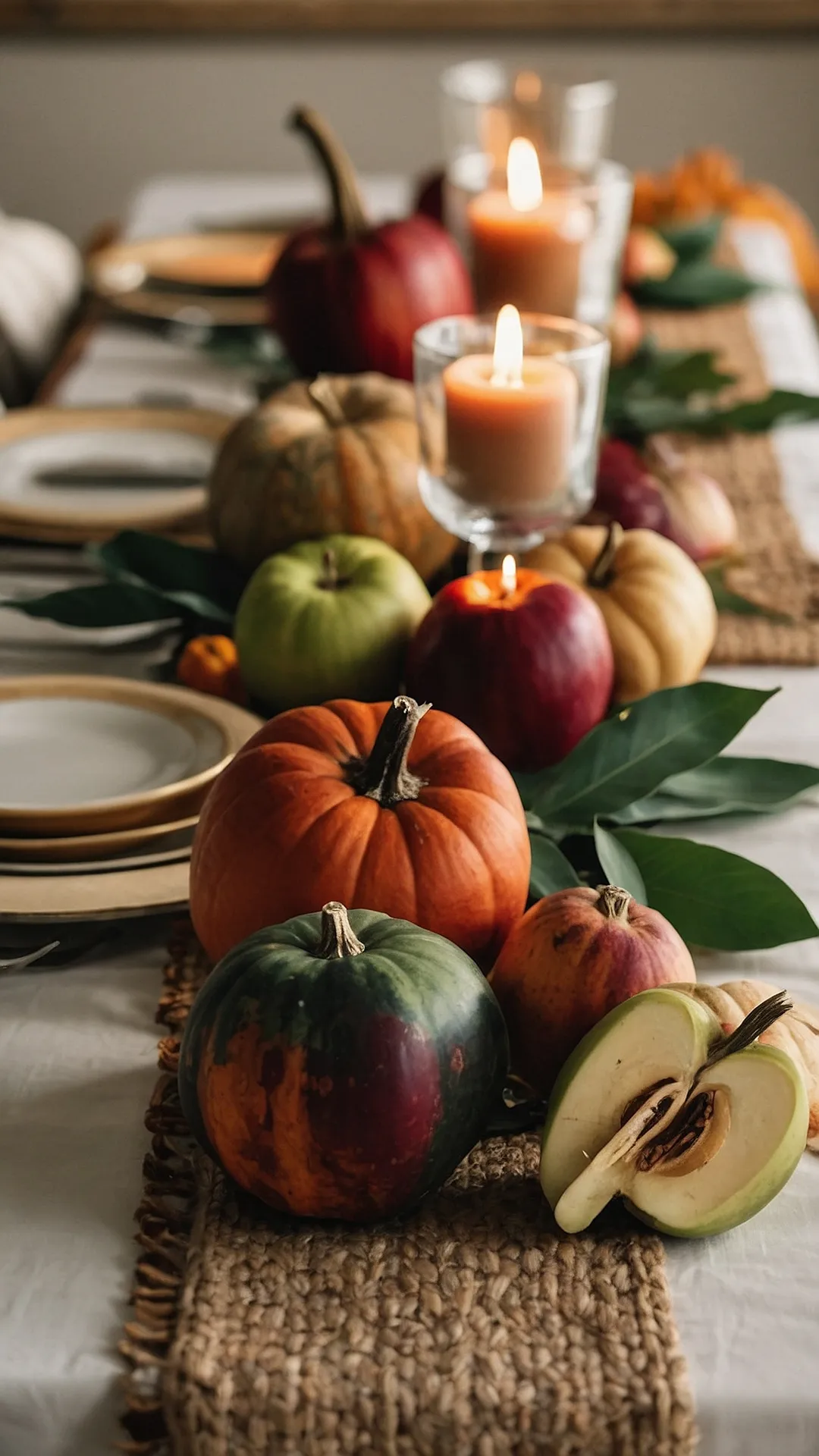
Produce integration is a hallmark of autumn tablescapes, but it requires a sophisticated eye. Avoid dumping a pile of bright orange pumpkins in the center; instead, curate an assortment of heirloom varieties in muted seafoam greens, deep bronzes, and mottled creams. Small culinary pumpkins, bosc pears dusted with russet speckles, and pomegranates split open to reveal jewel-like arils can be nestled directly into the botanical runner. These items are not just decorative; as the evening progresses, they contribute to the abundance of the feast.
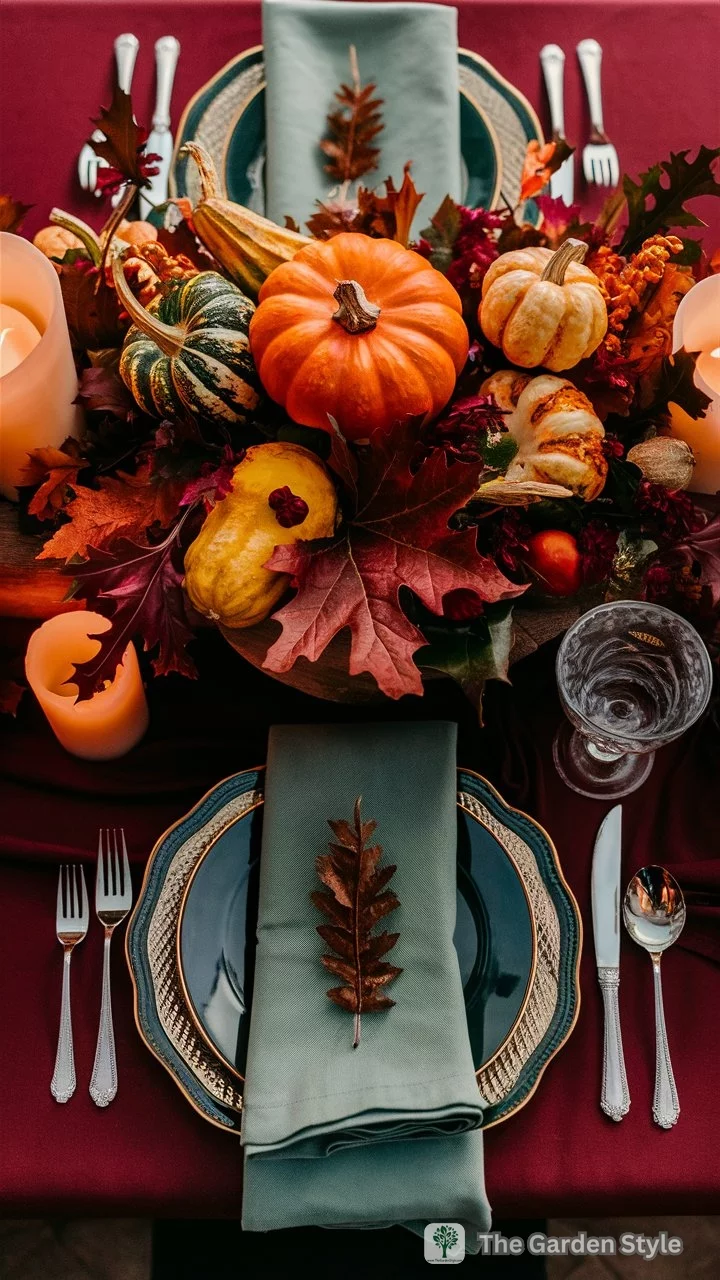
Scent is another invisible dimension of the tablescape that is frequently mismanaged. Heavy, synthetic-scented candles or overpowering floral perfumes will directly compete with the aromas of roasted root vegetables, braised meats, and warm spices. Keep the centerpiece scent-neutral or choose natural botanical elements that release subtle, earthy aromas—think dried cedar sprigs, eucalyptus, or unscented beeswax tapers. If you want fragrance, let it come entirely from the kitchen and the natural resins of the wood and greenery on display.
Step-by-Step Practical Implementation Guide
Executing a cohesive, stunning fall table setup requires a logical sequence. Trying to arrange candles, glassware, and florals all at once usually results in a cluttered surface and knocked-over water glasses. Follow this systematic approach to build your tablescape efficiently, ensuring both visual impact and functional comfort for your guests.
Common Pitfalls and Field-Tested Workarounds
Even experienced hosts can stumble when balancing aesthetics with practicality during the busy autumn hosting season. Anticipating common structural and design failures saves you from last-minute panic and ensures your gathering flows seamlessly from the first pour of wine to the final slice of pie.
Holistic Perspectives and the Psychology of Autumn Dining
The physical arrangement of a fall table touches upon deeper psychological and evolutionary needs. As the natural world outside grows barren and cold, humans have historically sought refuge in communal hearths. The dining table becomes a modern hearth, a focal point of warmth, security, and abundance. When we invest time in curating an autumn tablescape, we are engaging in a primal ritual of gathering our tribe to celebrate the harvest and fortify ourselves against the coming winter.
This holistic approach also intersects with modern conversations around sustainability and mindful consumption. Sourcing decor locally—foraging leaves from your own neighborhood, buying heirloom pumpkins from a regional farm stand, and investing in durable, artisan-made ceramics—reduces the environmental footprint of entertaining. It moves us away from the disposable culture of seasonal fast-decor (cheap plastic items meant to be discarded after a single holiday) and toward a timeless aesthetic that honors the natural lifecycle of the seasons.
Economically and socially, the slow-dining movement emphasizes quality over quantity. A well-set table signals to your guests that their presence is valued, transforming a routine meal into an intentional occasion. When people sit down at a table where every element—from the weight of the linen to the placement of the amber glass—has been thoughtfully considered, a psychological shift occurs. Shoulders drop, conversation slows down, and the frantic pace of daily life recedes into the background.
Furthermore, integrating seasonal changes into your home decor acts as a grounding mindfulness practice for the host. The ritual of unpacking heavy linens, cleaning brass candlesticks, and walking outside to clip autumn branches forces you to slow down and observe the micro-changes in your local environment. The table becomes a canvas not just for design, but for your own transition into a slower, more reflective rhythm of life.
Actionable Recommendations and Key Takeaways
Translating these design principles into your own dining room does not require an interior design degree or an unlimited budget. Success comes down to curating a personal toolkit of versatile, high-quality basics that can be endlessly remixed year after year.
The art of the fall table setup is ultimately an exercise in hospitality and presence. In a culture dominated by screens and rapid-fire digital communication, gathering around a physical table forces us to slow down, use our senses, and connect on a deeply human level. The amber light, the rough texture of linen against your hands, the weight of a stoneware mug—these details anchor us in the physical world.
As you begin planning your own autumn gatherings, view the table not as a canvas to be filled with store-bought perfection, but as a stage for connection. Let your design reflect the honest, grounding beauty of the season. By focusing on tactile warmth, thoughtful proportions, and effortless comfort, you create a space where memories are forged, stories are shared, and the changing seasons are welcomed with open arms.