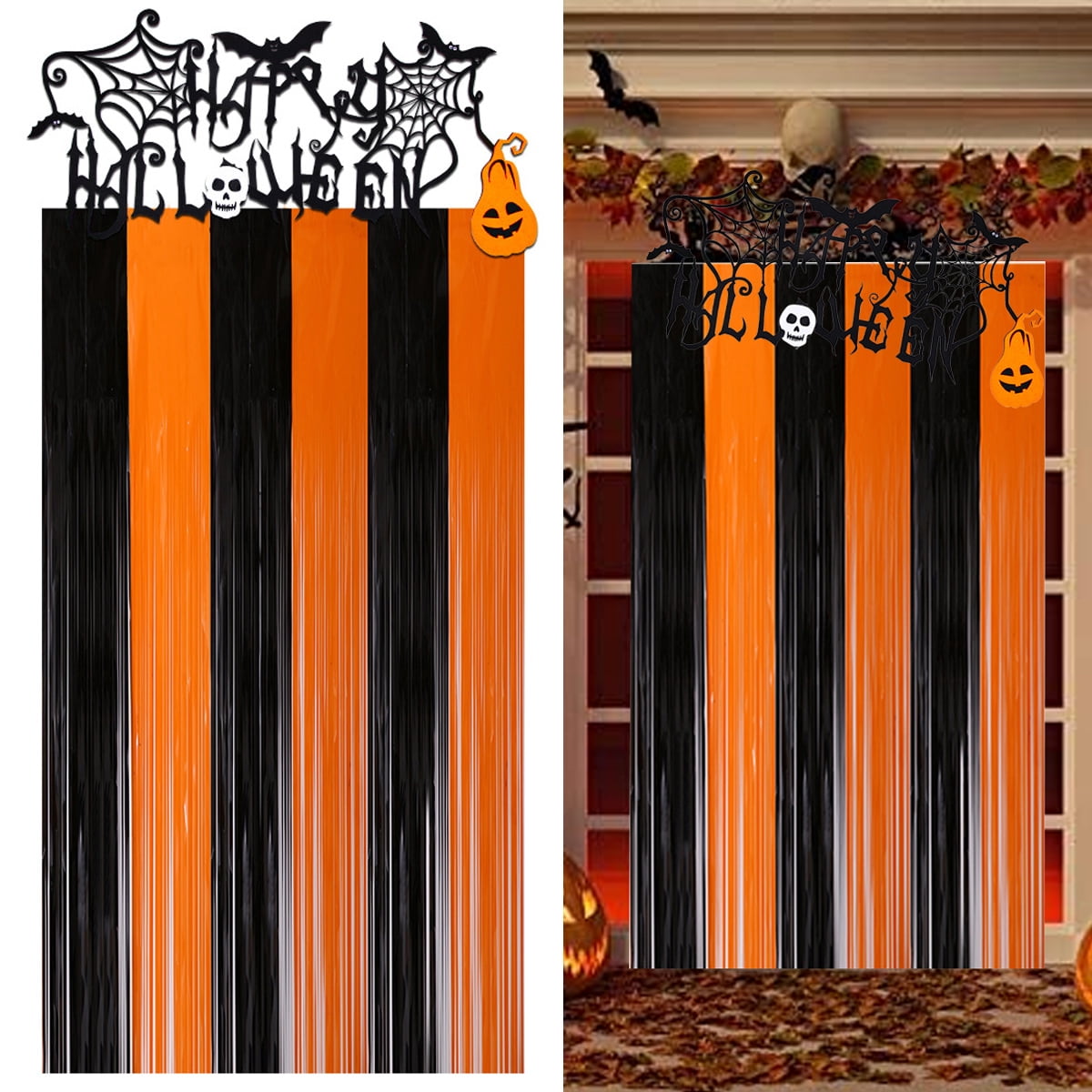
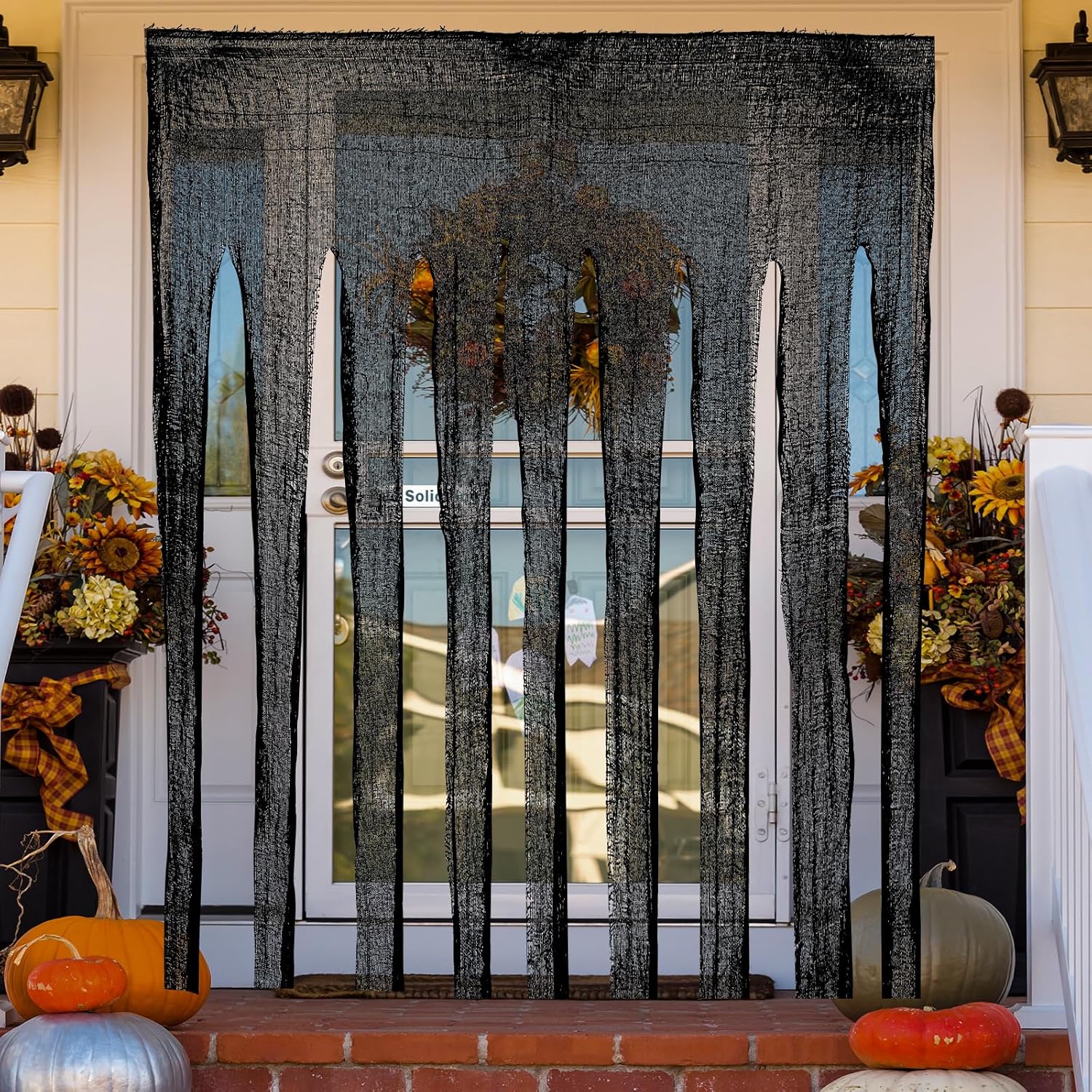
The chill of late October air hits you the second you step onto the porch, carrying the unmistakable scent of damp earth and woodsmoke. Pumpkins sit carved and grinning on the steps, but the true psychological threshold of any haunted house is the front door. Years ago, I made the mistake of relying on a flimsy plastic skeleton taped to the siding and a bowl of fun-size candy sitting on a chair. Trick-or-treaters barely glanced at it. They walked right up, grabbed a miniature candy bar, and left without a single gasp or backward glance. That changed the year I hung my first heavy, tattered Halloween doorway curtain.
Stepping through a threshold draped in layered fringe, ghostly gauze, or faux-velvet drapes completely alters how visitors experience your home. It forces people to physically interact with your decor. They have to part the fabric, duck beneath dangling plastic spiders, and cross an invisible line from the mundane suburban street straight into a realm of cinematic dread. Over many seasons of trial, error, and weather-proofing disasters, I have tested nearly every material, hanging mechanism, and lighting trick imaginable.
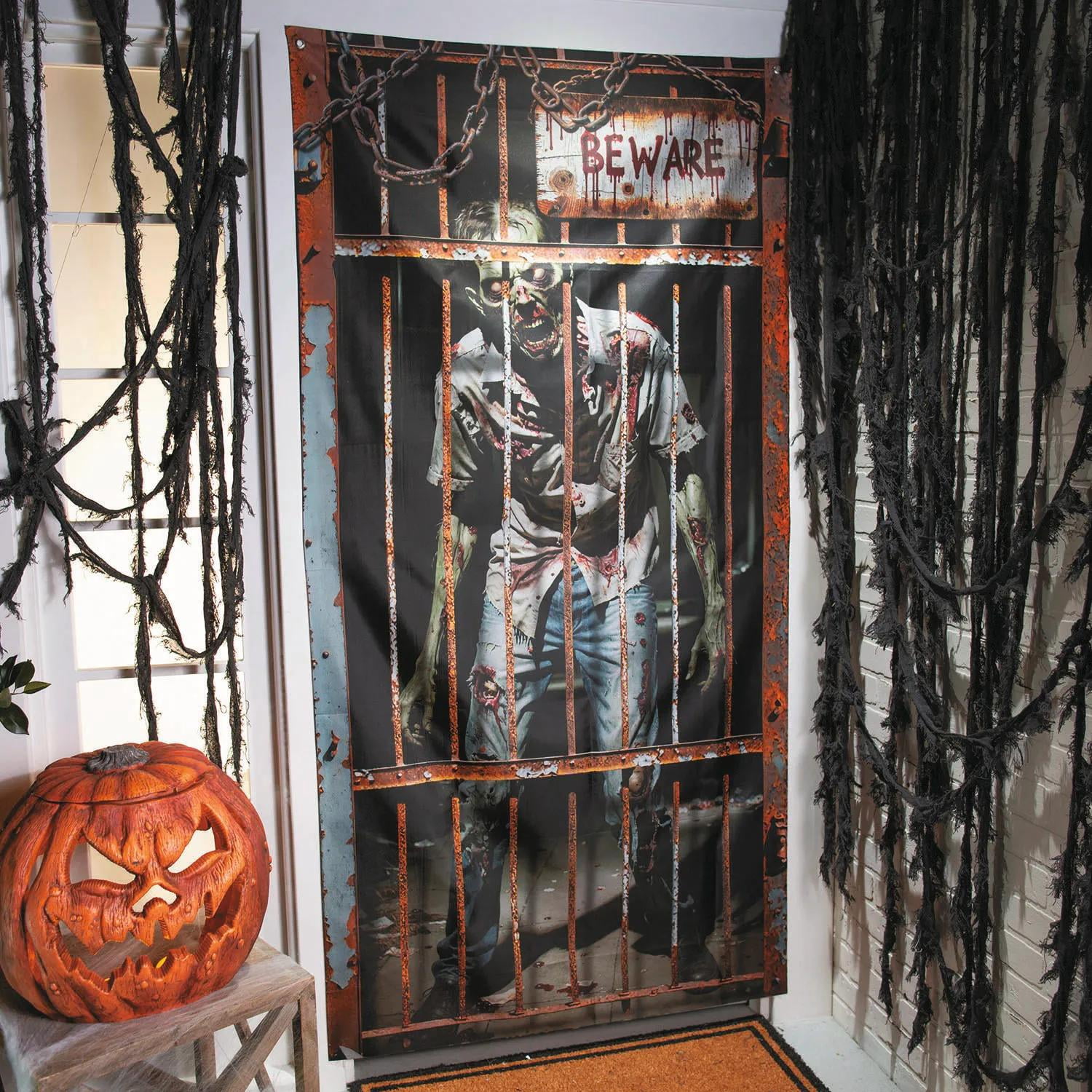
Threshold decorations have evolved far beyond the cheap cellophane strips of the past. Today’s home haunters treat the entryway as a crucial staging ground for immersive storytelling. Whether you are aiming for a gothic Victorian parlor aesthetic, a post-apocalyptic zombie barricade, or a classic haunted graveyard, the doorway curtain acts as the curtain-raiser for your entire display. It manages expectations, conceals interior lighting, and creates a physical barrier that builds anticipation for anyone brave enough to ring your doorbell.
The Anatomy of a Proper Entranceway Terror Layer
Choosing the right textile for a Halloween doorway curtain requires understanding how different fabrics react to wind, moisture, and low-light conditions. Standard indoor drapery looks completely flat under the harsh glare of a porch light or the erratic flicker of an amber LED bulb. Real atmospheric depth comes from textiles that catch shadows, trap mist, and sway unpredictably in the autumn breeze. Cheesecloth, burlap, buckram, and stretchable spider webbing are the foundational building blocks of professional-grade door treatments.
Cheesecloth remains the undisputed king of DIY spooky drapery due to its loose weave and structural malleability. When you dye grade-90 cheesecloth with black tea or watered-down acrylic paint, it takes on an aged, rotting quality that synthetic polyester simply cannot replicate. Burlap brings a rustic, Texas Chainsaw Massacre-style grit to the equation, though its heavy weight demands sturdier suspension hardware. Meanwhile, stretch-cotton gauze adds a fibrous, cocoon-like texture that mimics decades of neglect in an abandoned attic.
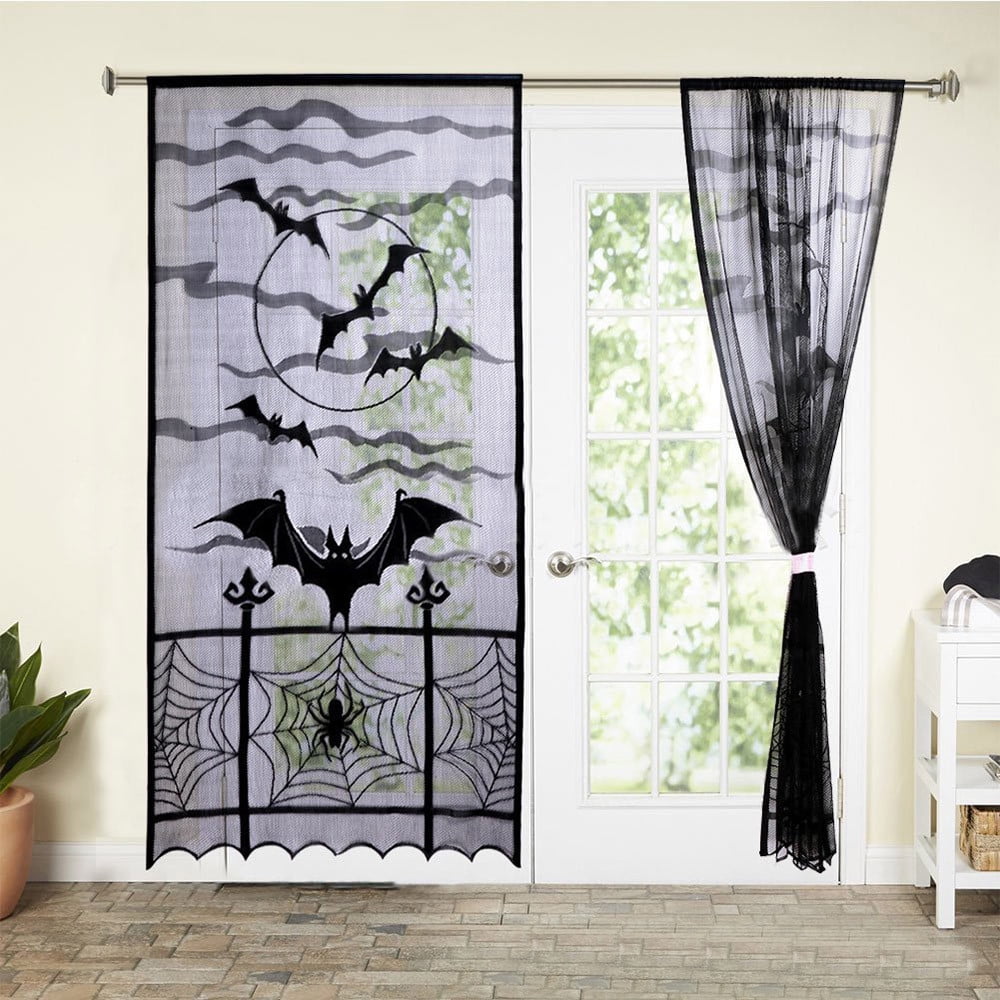
Lighting integration dictates how these fabrics perform once the sun goes down. A solid blackout curtain blocks interior light entirely, creating a pitch-black void that unnerves visitors. Conversely, an open-weave mesh lets a crimson backlighting glow through, casting menacing shadows across the porch floor. Combining multiple layers—such as an outer layer of shredded black lace backed by a translucent grey netting—creates a parallax effect that tricks the eye into seeing movement where there is none.
Weatherproofing and Structural Integrity for October Gales
October weather is notoriously fickle. A doorway curtain that looks stunning on a calm, crisp afternoon can quickly become a tangled, wet sail when an autumn nor'easter rolls in. Wind shear against a solid or semi-permeable fabric puts immense stress on door frames, tension rods, and mounting brackets. Ignoring the physics of airflow can result in ripped fabric, bent hardware, and a ruined display before the first trick-or-treater even reaches your steps.
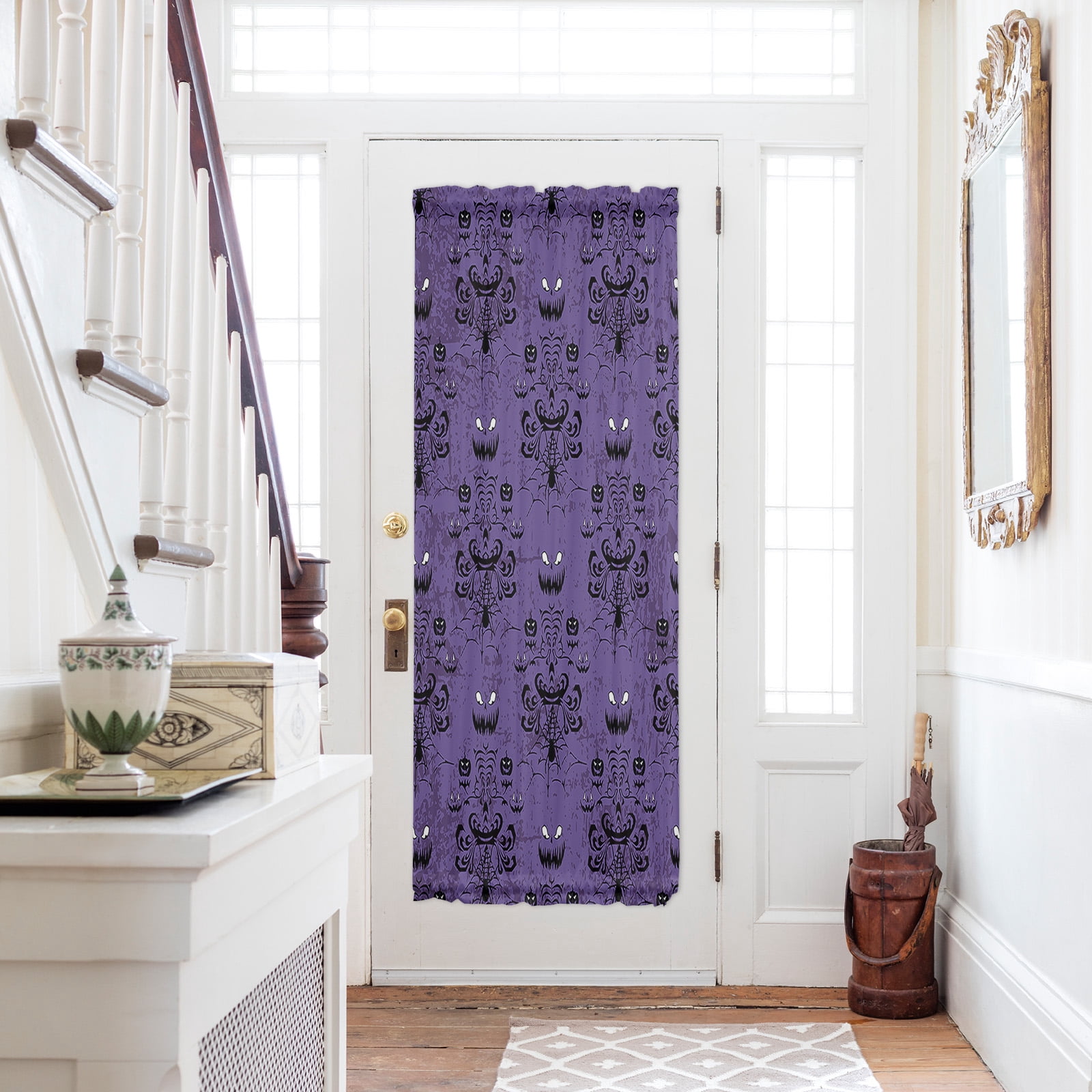
Securing your curtain starts with the hanging mechanism. Standard spring tension rods work well for indoor doorways, but outdoor frames exposed to high winds require screw-in cup hooks or heavy-duty magnetic brackets that won't slide or detach when yanked. For fabric management, bottom weighting is essential. Sew small lead weights or fishing sinkers into the bottom hem of your cheesecloth or burlap panels. This keeps the fabric hanging straight instead of blowing wildly into people's faces or wrapping around porch lights.
Moisture management is the second major hurdle. Morning dew and driving rain will rot natural fibers and breed mold if the materials aren't treated. Spraying your cotton and burlap drapes with a fabric water-repellent before hanging prevents water absorption and keeps the fabric lightweight. Furthermore, ensure your curtains clear the porch floor by at least an inch. Dragging fabric acts like a sponge, soaking up puddles and muddy foot traffic, which rapidly deteriorates the bottom edge of your hard work.
Step-by-Step Practical Implementation Guide
Transforming a flat doorway into a dimensional portal of horror demands a systematic approach to layering, hardware placement, and final detailing. Follow this field-tested blueprint to mount your display securely and achieve maximum visual impact.
Common Pitfalls and Field-Tested Workarounds
Even experienced decorators occasionally misjudge the practical realities of outdoor fabric installations. Avoiding these common mistakes saves you from frustrating mid-evening repairs while the neighborhood queue is backed up to the sidewalk.
Holistic Perspectives and Long-Term Impact
Investing time into crafting a professional doorway curtain shifts your home from a standard candy-stop into a localized landmark. Neighborhood communities notice the effort, and kids remember the houses that go the extra mile year after year. From an economic standpoint, building a modular curtain system using commercial-grade fabrics and durable hardware is a sustainable alternative to buying flimsy, disposable plastic decorations that end up in landfills by November second.
Material longevity is the key to sustainable holiday decorating. By packing your cheesecloth panels in sealed plastic bins with cedar blocks—preventing mildew and moth damage—your custom curtains will easily last for a decade of Halloweens. Furthermore, the modular nature of a doorway rig means you can easily adapt the framework for other celebrations. Swap the black cheesecloth for orange and purple mesh for a harvest block party, or drape evergreen boughs and velvet for the winter holidays.
The psychological impact of crossing a threshold should never be underestimated in seasonal design. In our hyper-digital world, tactile, physical experiences create lasting memories. When a child has to reach through cold, damp-feeling gauze and brush past dangling faux cobwebs to reach safety and candy, it engages their imagination in a way a screen never could. That sensory immersion is the true heartbeat of traditional holiday decorating.
Actionable Recommendations and Key Takeaways
To ensure your doorway installation succeeds on the big night, keep a few core frameworks in mind. Material selection, structural redundancy, and lighting design form the holy trinity of a successful haunted entrance. Never rely on a single point of failure for hanging hardware, and always test your display under actual nighttime lighting conditions a week before Halloween.
Standing back on Halloween night to watch a hesitant group of trick-or-treaters gather at the edge of your porch, whispering about what might be hiding behind the curtains, makes every hour of cutting, dyeing, and mounting worthwhile. The front door is the boundary between the safe, everyday world and the delightfully eerie realm you have built for one magical night.
As outdoor holiday decorating continues to grow more creative and sophisticated, the humble doorway curtain remains one of the most effective, high-impact tools in any haunter's toolkit. It proves that you do not need an animatronic graveyard or a massive budget to create genuine theater. You just need imagination, the right textiles, and the courage to transform an ordinary threshold into an unforgettable portal of mystery.