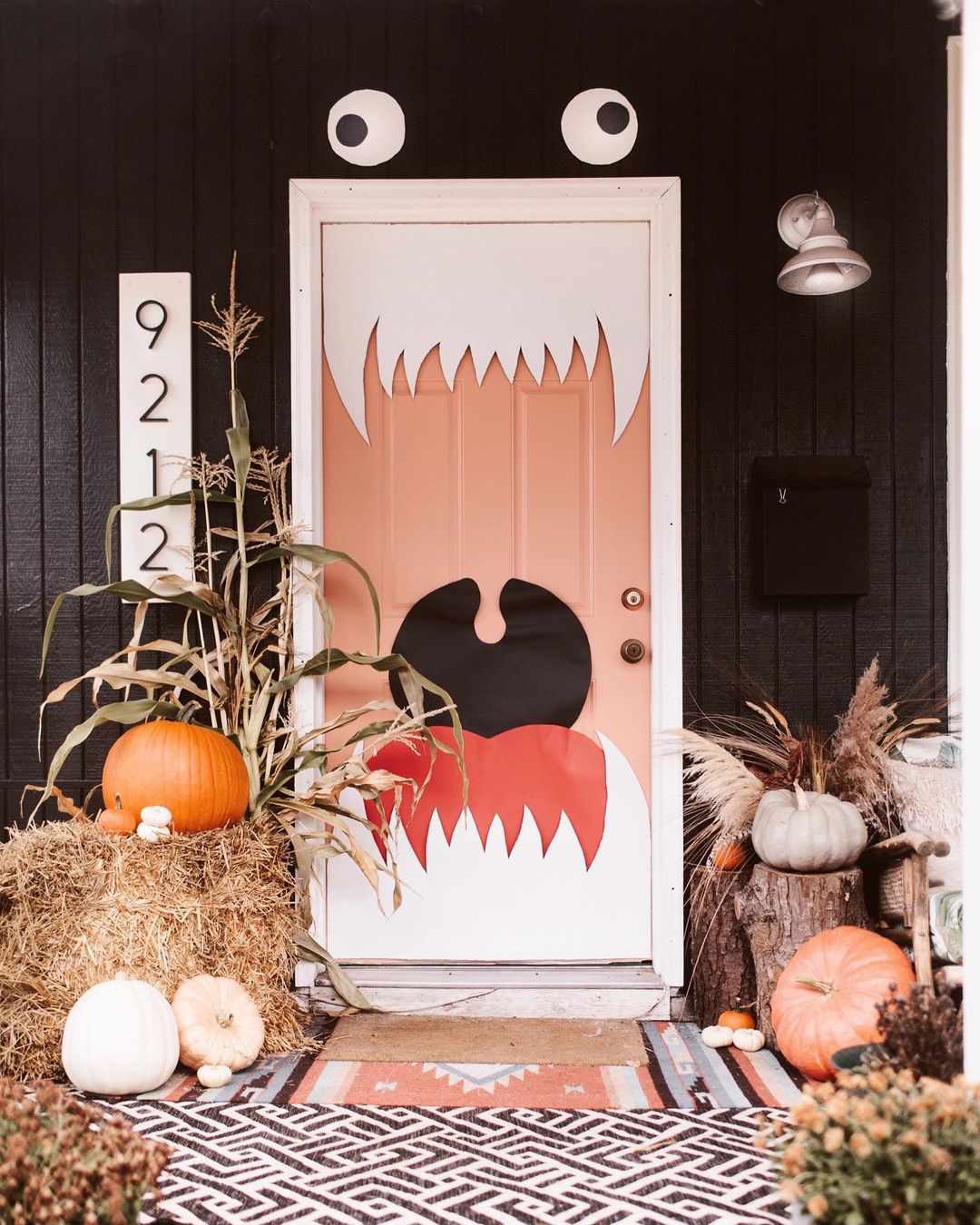
The chill of late October air hits the back of your neck just as a hesitant knock rattles the frame. Down on the porch, a tiny astronaut freezes, staring wide-eyed not at the person handing out candy, but straight up at the maw of a giant, creeping monster facade swallowing the front door whole. That momentary suspension of disbelief—the exact second a familiar suburban stoop morphs into an alternate reality—is the holy grail of seasonal decorating. Most people treat Halloween entryway styling as an afterthought, slapping a plastic skull on a porch chair or hanging a limp web of polyester cotton from a porch light. But if you have ever spent hours wrestling with zip ties, industrial Velcro, and low-voltage lighting at midnight in a biting wind, you know that crafting a truly memorable doorway requires the precision of a stage designer and the grit of a contractor.
Over the past decade of turning a modest colonial entryway into a neighborhood destination, I have learned that the secret to jaw-dropping Halloween doorway ideas lies entirely in the threshold. The doorway is a liminal space in both literal and psychological terms; it is the physical membrane between the safety of the interior and the unknown of the night. When you leverage architectural framing, forced perspective, and sound design, you stop decorating a house and start building a set. According to seasonal retail analytics from the National Retail Federation, consumer spending on seasonal home transformations continues to shatter records, yet the most effective displays rarely rely on the biggest budget. Instead, they lean on thoughtful composition, layering, and tactile realism that tricks the human eye from six feet away.
Striking the balance between high-impact visual theater and everyday functionality remains the primary engineering challenge of October decorating. You need an installation that looks terrifying under the harsh glare of a streetlamp, holds its ground against unexpected autumn gales, and still allows the mail carrier to drop off packages without dodging tripwires or getting snagged in faux ivy. Moving past mass-market shortcuts requires understanding how materials behave under varying thermal loads, how color temperatures affect mood, and how to anchor heavy props to historic brick or vinyl siding without causing permanent damage.
Architectural Framing and the Psychology of the Threshold
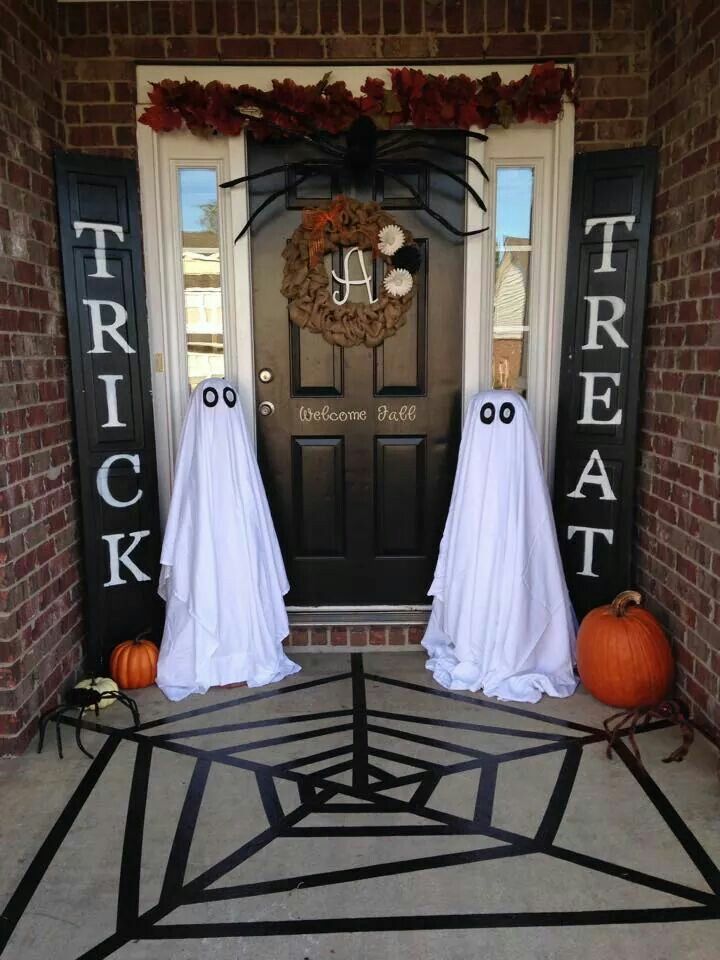
Transforming a flat entryway into an immersive experience demands an understanding of architectural framing. The human brain relies on familiar spatial cues—such as door jambs, lintels, and sidelights—to assess safety. When you disrupt these cues using scale manipulation and dark, atmospheric texturing, you trigger a primal unease. The most successful Halloween doorway designs treat the exterior trim as the proscenium arch of a theater stage. By extending visual weight outward from the actual door frame using lightweight foam board columns, faux stone panels, or draped fabric, you compress the perceived width of the entrance, forcing visitors to step through a constricted, deliberate portal.
Materials dictate the longevity and realism of your structural frame. While cardboard is cheap and accessible, October weather offers a brutal crucible of morning dew, sudden downpours, and frost. High-density extruded polystyrene (XPS) insulation boards, readily available at local home improvement centers, serve as the gold standard for DIY architectural props. A hot-wire foam cutter or a standard utility knife allows you to carve deep stone textures, crumbling mortar lines, or gothic gargoyle corbels that weigh mere ounces yet look like cast iron or heavy granite. Sealing these foam structures with an exterior-grade acrylic latex paint prevents UV degradation and stops moisture absorption, ensuring your gothic pillars survive multiple seasons.
Securing these temporary structures safely to your home requires non-invasive fastening techniques. Standard masonry anchors work well for brick facades, but drilling into historic mortar or modern vinyl siding invites costly repairs. Instead, leverage heavy-duty tension rods placed inside porch openings, industrial-strength outdoor rated Velcro rated for extreme temperature swings, and clear monofilament line tied off to existing porch railings or gutter brackets. Creating a secure sub-frame out of PVC electrical conduit or lightweight lumber provides a rigid backbone for heavy props, keeping your display upright even when wind gusts test the structural integrity of your haunted archway.
Lighting Dynamics and the Art of Cinematic Shadowplay
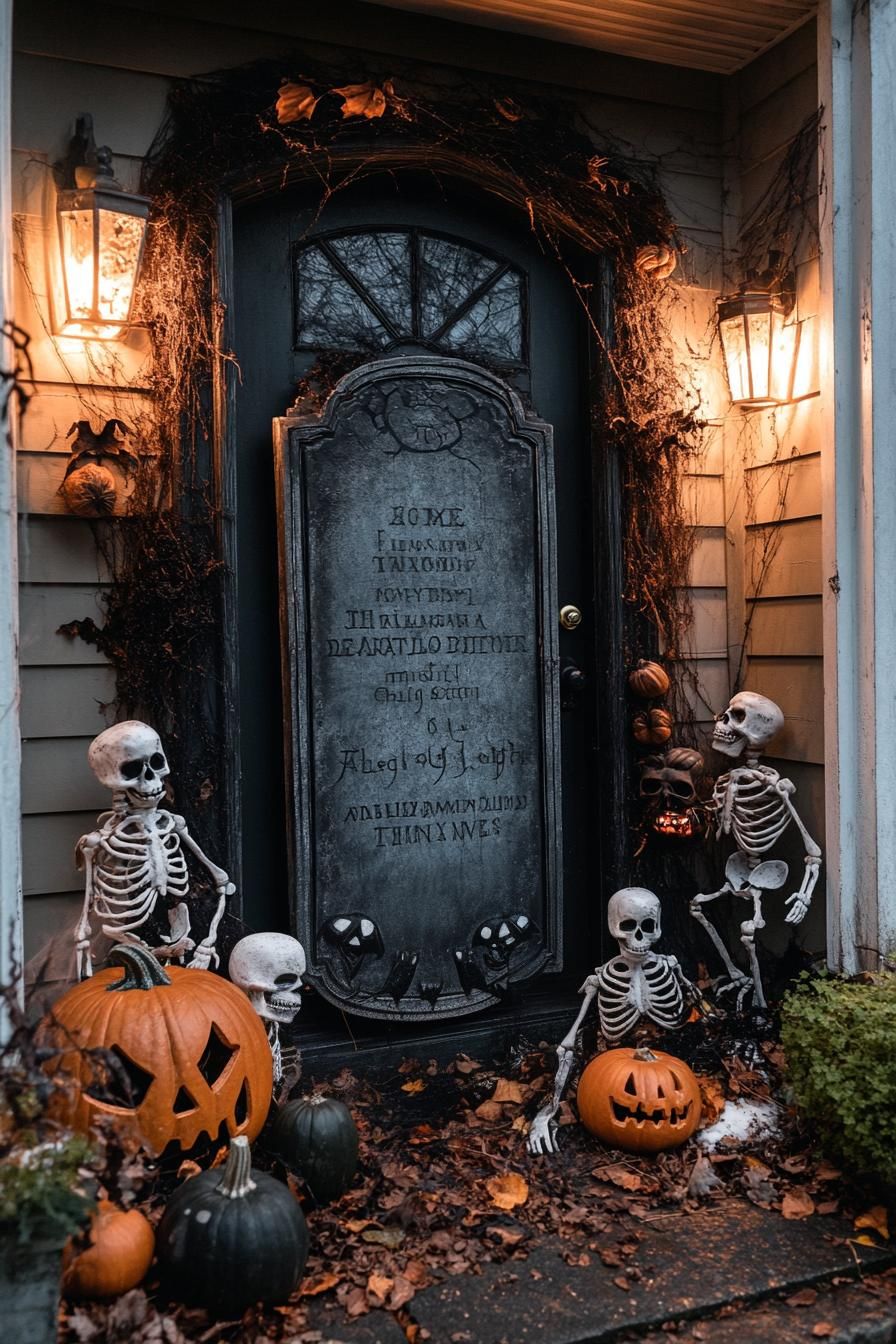
Lighting can either make or break a Halloween doorway display. Amateurs rely on bright overhead porch lights that flatten textures, wash out props, and ruin the eerie ambiance. Cinematic horror relies on contrast, deep shadows, and directional illumination that plays against human evolutionary fears of the dark. To achieve a professional look, you must strip away ambient white light and replace it with a layered lighting strategy utilizing colored LEDs, low-angle uplighting, and strategic backlighting.
When positioning lights, apply the principle of chiaroscuro—the strong contrast between light and dark. Placing a pair of submersible LED puck lights or outdoor spotlights at the base of your doorway columns, angled sharply upward, casts elongated, skeletal shadows across the ceiling and upper door frame. Shifting the color temperature away from sterile daylight (5000K+) toward deep ambers, sickly greens, or hyper-saturated purples immediately alters the mood. Modern smart bulbs and DMX-controlled LED strips allow you to program slow, pulsing color shifts that mimic a dying lightning storm or a slow-burning subterranean fire without requiring constant manual adjustments.
Gobos and projection mapping have also revolutionized residential decorating, offering high-end visual effects previously reserved for commercial theme parks. Projecting swirling ghostly mists, creeping insects, or jagged lightning patterns directly onto the front door or the ground immediately in front of the threshold creates dynamic movement. To maximize clarity, position your projector perpendicular to the target surface and use a high-lumen unit rated for at least 1500 lumens so the projection cuts through ambient neighborhood light pollution. Pairing these visual projections with a hidden Bluetooth speaker playing a subtle, high-fidelity soundscape—such as distant thunder, creaking floorboards, or barely audible whispers—completes the sensory immersion.
Step-by-Step Practical Implementation Guide
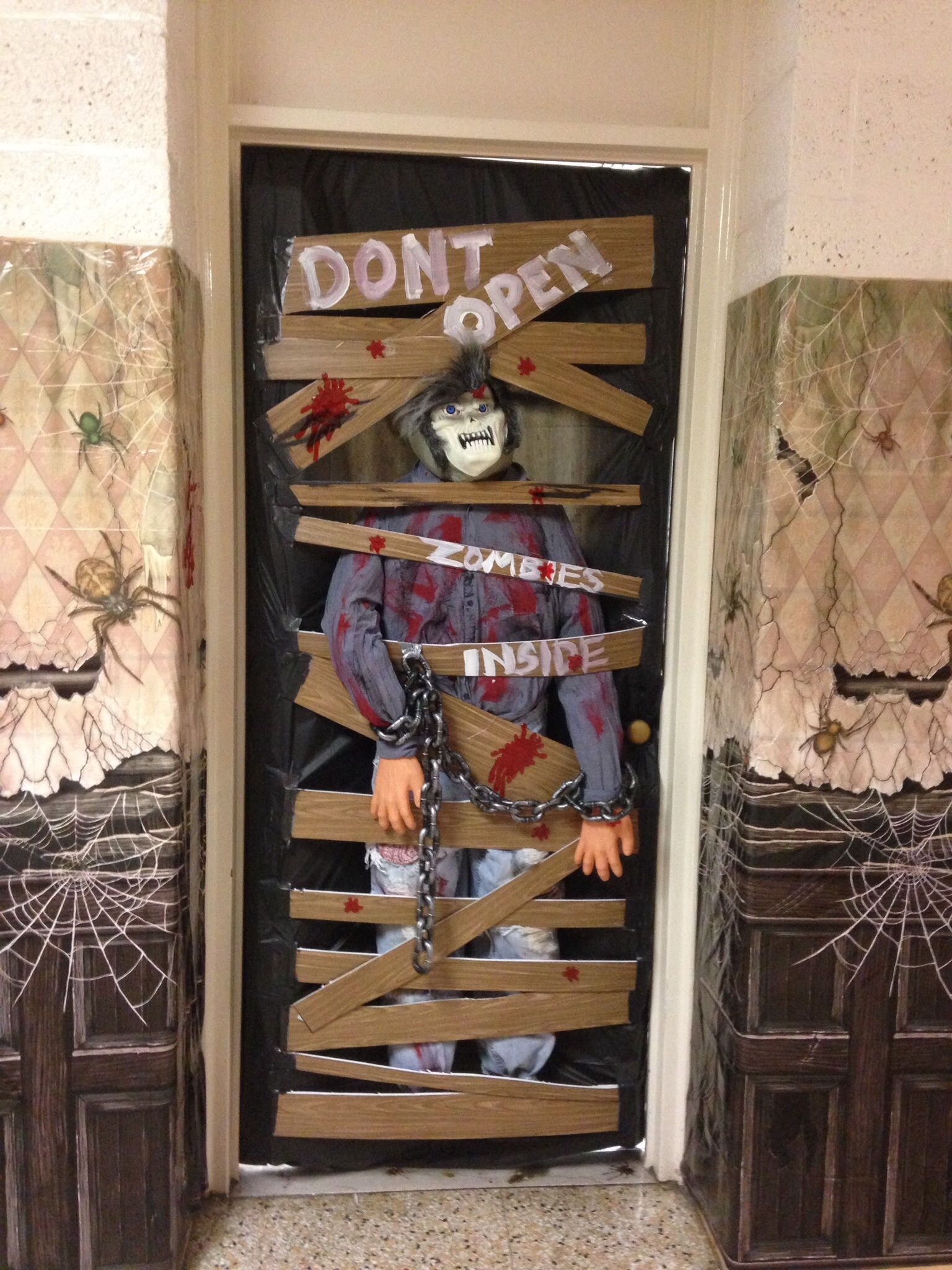
Executing a complex Halloween doorway transformation requires a systematic approach to avoid last-minute chaos on October thirty-first. Follow this field-tested blueprint to streamline your setup, protect your home, and maximize visual impact:
Common Pitfalls and Field-Tested Workarounds
Even experienced decorators occasionally run into frustrating obstacles that threaten the success of their displays. Anticipating these hurdles saves time, money, and frustration during the height of the decorating season.
The Intersection of Interactive Tech and Traditional Craftsmanship
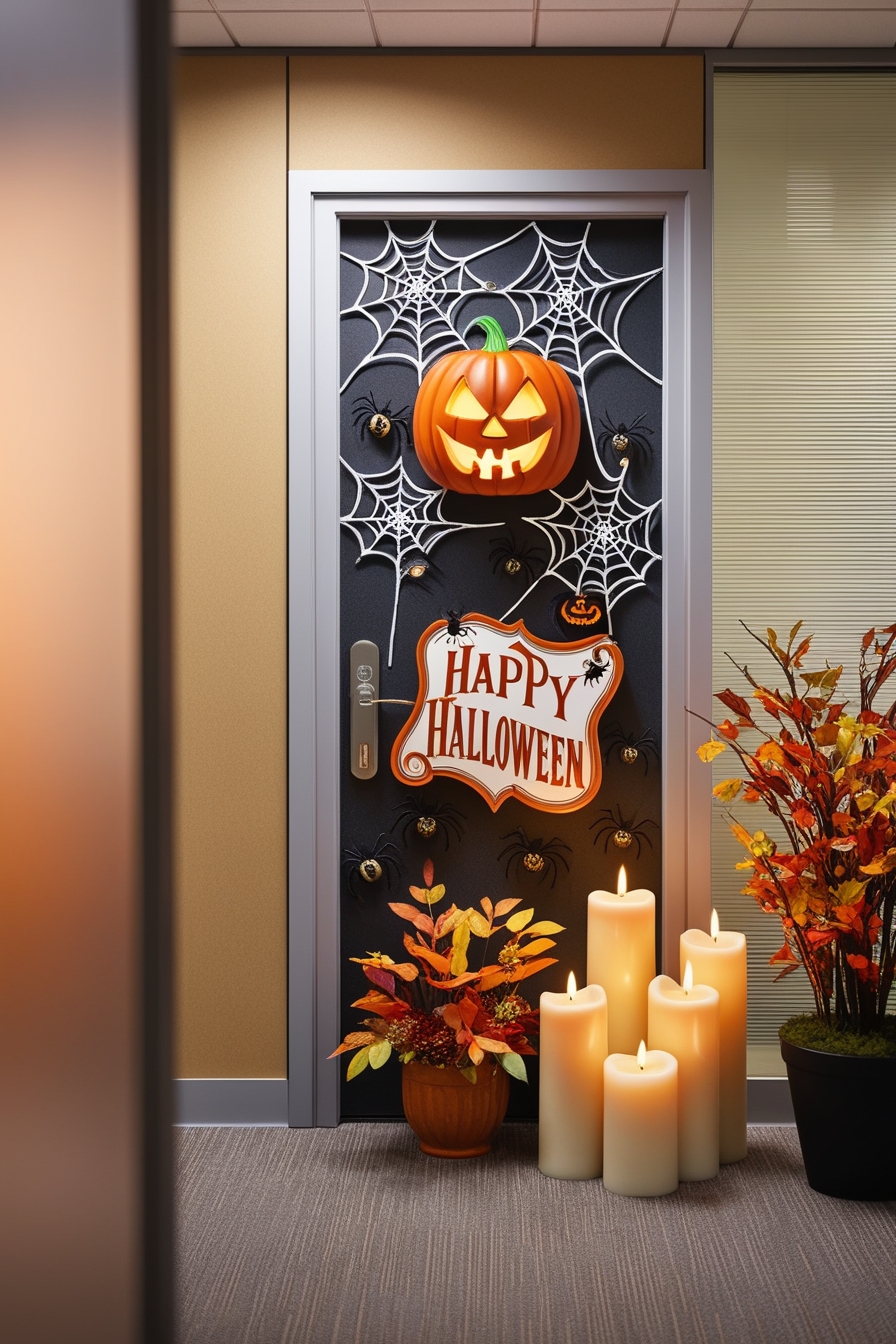
Modern seasonal design increasingly merges physical crafting with smart-home technology, elevating simple doorway displays into interactive experiences. While carved pumpkins and fake cobwebs provide foundational texture, integrating motion-activated props, touchless sound triggers, and automated lighting adds an unpredictable layer of theatrical surprise. For instance, tying a simple ultrasonic distance sensor to an Arduino micro-controller hidden inside a wreath allows you to trigger a sudden mechanical gasp or a localized puff of fog precisely when a trick-or-treater reaches for the doorbell.
Balancing high-tech wizardry with classic, tactile craftsmanship remains essential. Over-relying on cheap animatronics often results in a cluttered display that breaks down after two nights of continuous operation. The most reliable setups use technology to enhance physical art forms—such as a hand-painted wooden crypt door fitted with a subtle motorized latch that slowly cracks open when someone steps onto a pressure mat. This hybrid approach honors the time-tested traditions of home haunting while keeping engagement high for tech-savvy visitors.
Moreover, sustainability has emerged as a major consideration for recurring holiday decorating. Storing, repairing, and repurposing structural elements from year to year reduces consumer waste and stretches your decorating budget. Building modular components—such as interlocking stone pillars or collapsible archways—makes off-season storage manageable in standard suburban garage rafters or basement utility closets. Choosing durable, weather-resistant base materials ensures your signature doorway look evolves and improves season after season rather than ending up in a landfill on November first.
Actionable Recommendations for a Memorable Entryway
Related Posts
Real Solutions for Organizing Entryways and Mudrooms Without Losing Your Sanity
How to Design Mudroom Storage That Actually Keeps Your Family Organized
What Years of Home Design Interviews Taught Me About Choosing a Mudroom Storage Bench
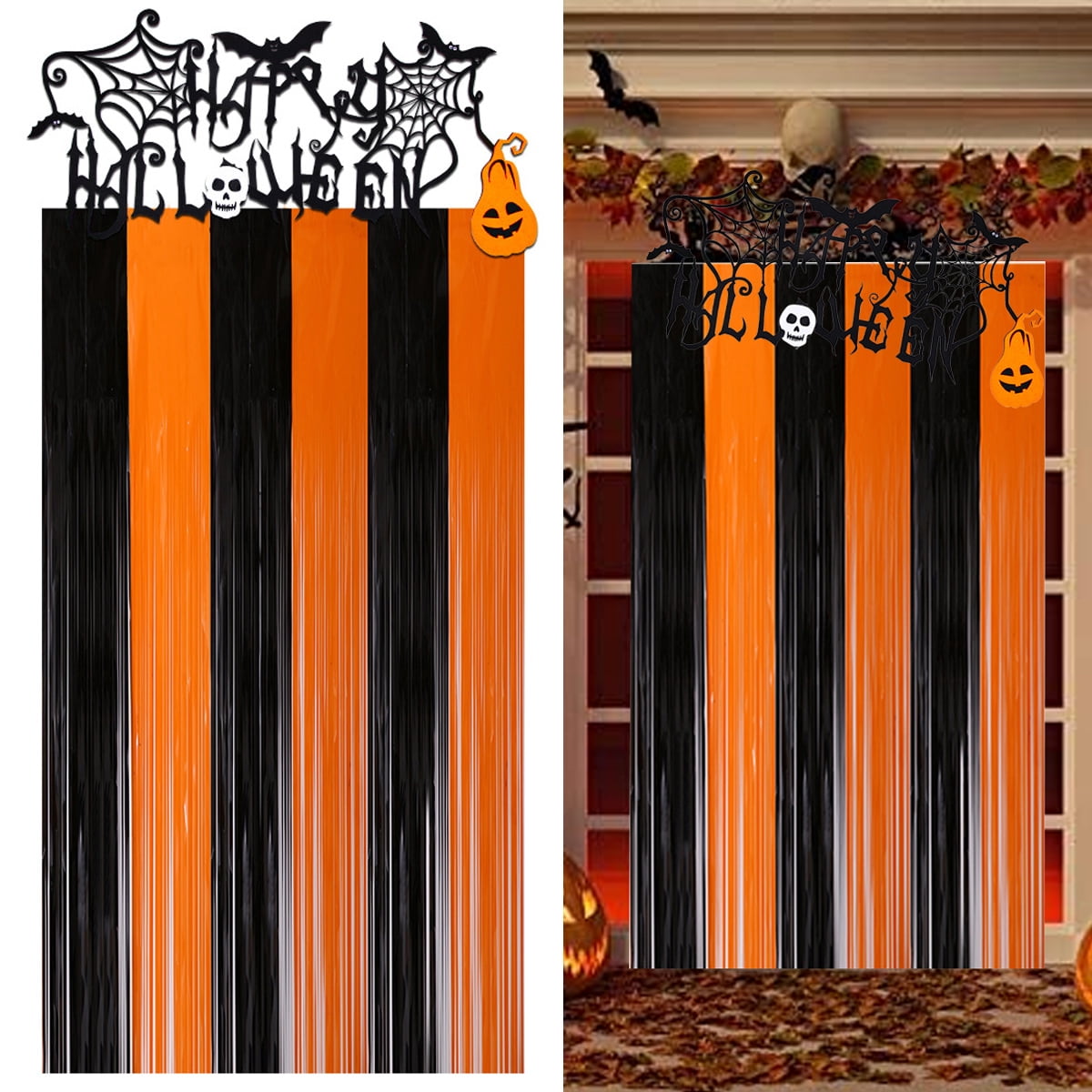
Why interior designers recommend Halloween doorway curtains for effortless seasonal decorating
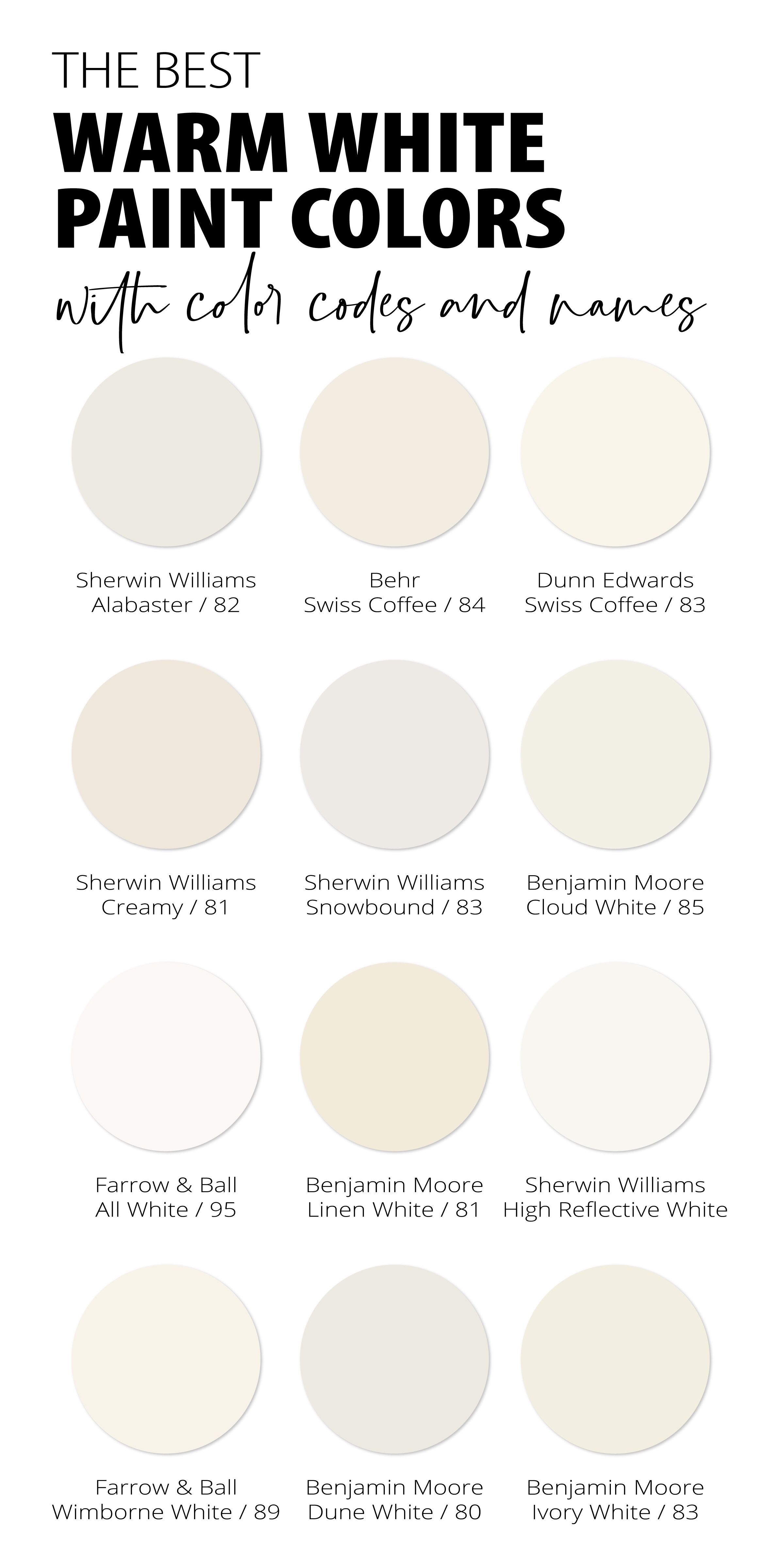
How Natural Light Changes Warm White Paint Colors Throughout the Day
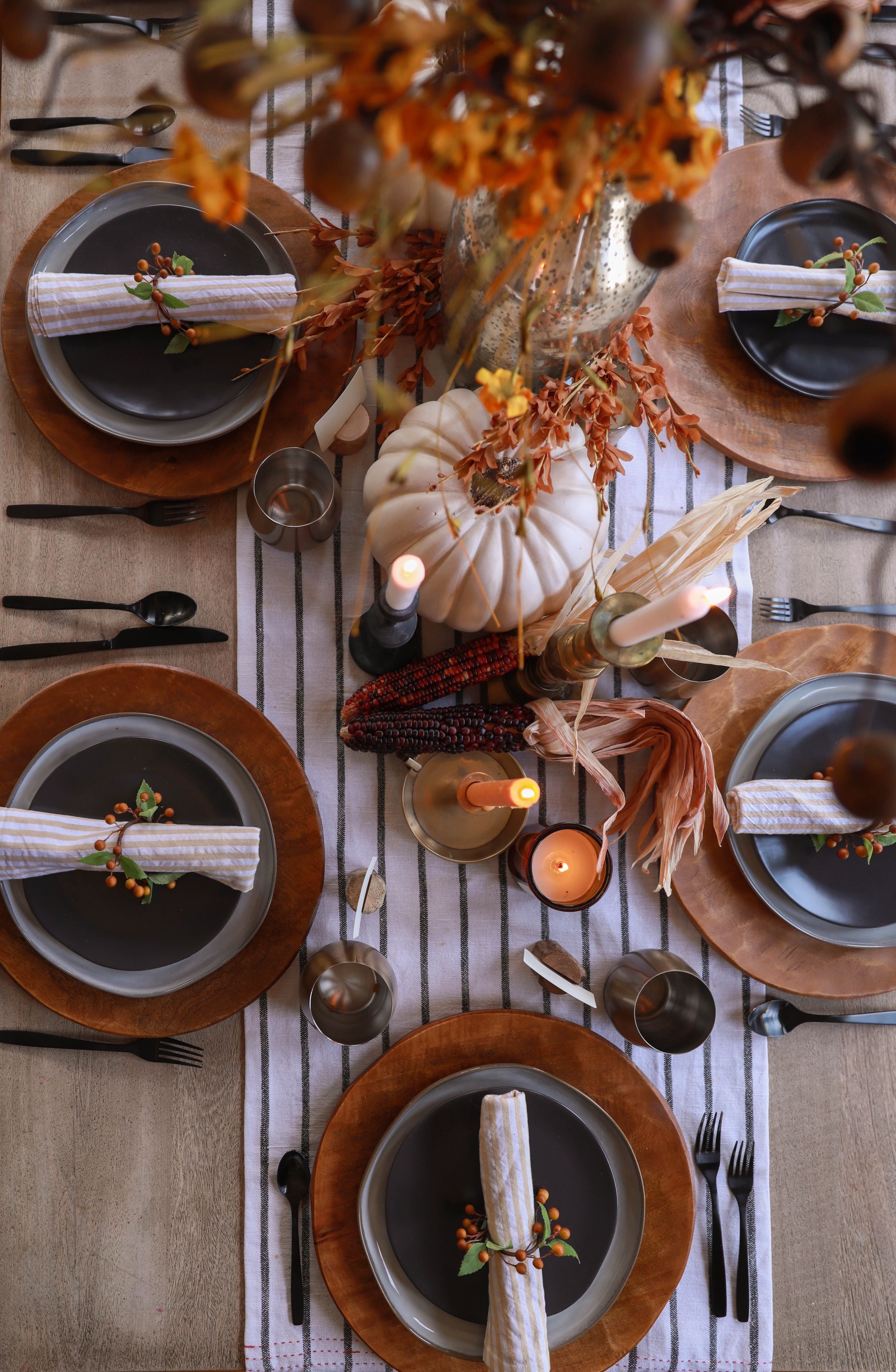
Designing a Seasonal Fall Table Setup Using Foraged Elements and Everyday Dinnerware
Designing a cohesive, high-impact Halloween doorway requires restraint just as much as creativity. It is easy to fall into the trap of buying every discounted plastic skeleton at the big-box store and scattering them randomly across the porch. A truly sophisticated display tells a single, unified story. Choose a specific narrative theme—whether it is an abandoned Victorian conservatory, a cursed archaeological dig, or a witch's apothecary—and curate every prop, sound effect, and lighting cue to support that narrative.
Scale and depth create the illusion of a much larger installation than your actual square footage allows. Place your largest, most dominant props near the perimeter of the porch to establish foreground framing, while positioning smaller, finer details closer to the door itself. This forced perspective draws the eye inward, making a standard suburban porch feel like the entrance to a vast, sprawling labyrinth. Pay attention to sightlines from the street sidewalk versus the up-close experience of standing on the doormat; elements that pop from twenty feet away should reward closer inspection with intricate, tactile details like weathered wood grain, flickering candlelight, or hidden Easter eggs.
Finally, prioritize visitor safety and comfort without compromising the spooky atmosphere. Clear signage, adequate path illumination, and a welcoming candy-distribution station ensure that younger children do not become overwhelmed by excessive terror. The goal of a great Halloween doorway is to thrill, not to traumatize, striking that delicate balance where fear is fun and the threshold represents an invitation into an unforgettable community celebration.
Stepping back to evaluate your finished Halloween doorway as the autumn dusk settles offers a deeply satisfying reward for hours of physical labor, planning, and creative problem-solving. The transformation from a standard residential entrance into a portal of imagination highlights the unique power of seasonal decorating to foster neighborhood connection and shared wonder. Long after the last candy wrapper is swept from the porch and the extension cords are coiled away for another year, the memories of shared frights and neighborhood delight remain.
Looking forward, the evolution of outdoor holiday staging points toward even greater integration of sustainable materials, modular engineering, and immersive sensory storytelling. As weather patterns shift and material science advances, home decorators have access to stronger, lighter, and more weather-resistant tools than ever before. Embracing these innovations while staying true to the hands-on craftsmanship of carving, painting, and building ensures that the tradition of the haunted doorway will continue to thrive and inspire for generations to come.
