The chill hits the air before the calendar officially flips, and suddenly, the kitchen becomes the emotional center of the home. You pull out the heavy linen runners, test the wicks of beeswax tapers, and look at a blank wooden surface wondering how to capture the fleeting, melancholic warmth of autumn. Crafting a fall table setting is rarely about chasing fleeting aesthetic trends found on social media feeds. Instead, it is a tactile exercise in hospitality—a physical manifestation of the harvest season that invites guests to slow down, lean in, and stay awhile.
Over the past decade of styling dining spaces for intimate dinners and large-scale seasonal feasts, I have learned that the most arresting autumn tables do not rely on plastic gourds or neon-orange spray paint. They rely on tension: the contrast between cold stoneware and warm candlelight, the roughness of dry seed pods against smooth European flax, and the grounding weight of cast iron or heavy brass. When you approach a table with an eye for natural weathering and honest materials, the design practically builds itself.
Historically, autumn table curation grew out of agrarian necessity—marking the end of the growing season and the gathering of communities before winter's isolation. In contemporary interior styling, we channel that same instinct for gathering, translating the shifting landscape outside our windows into an interior tablescape. Whether you are hosting a casual Sunday supper with braised short ribs or a formal Thanksgiving gathering, understanding the mechanics of scale, texture, and color theory allows you to move past generic decor clichés and build a truly memorable dining environment.
The Anatomy of Autumn Textures and Materiality
Building a compelling fall table begins long before you select a plate or fold a napkin; it starts with an inventory of textures. Autumn is defined by transition, and your material palette should reflect the changing state of the natural world. Smooth surfaces alone feel sterile, while an excess of rough textures can make a dining space look chaotic or unclean. Achieving equilibrium requires deliberate layering, moving from the base textile up to the centerpieces.
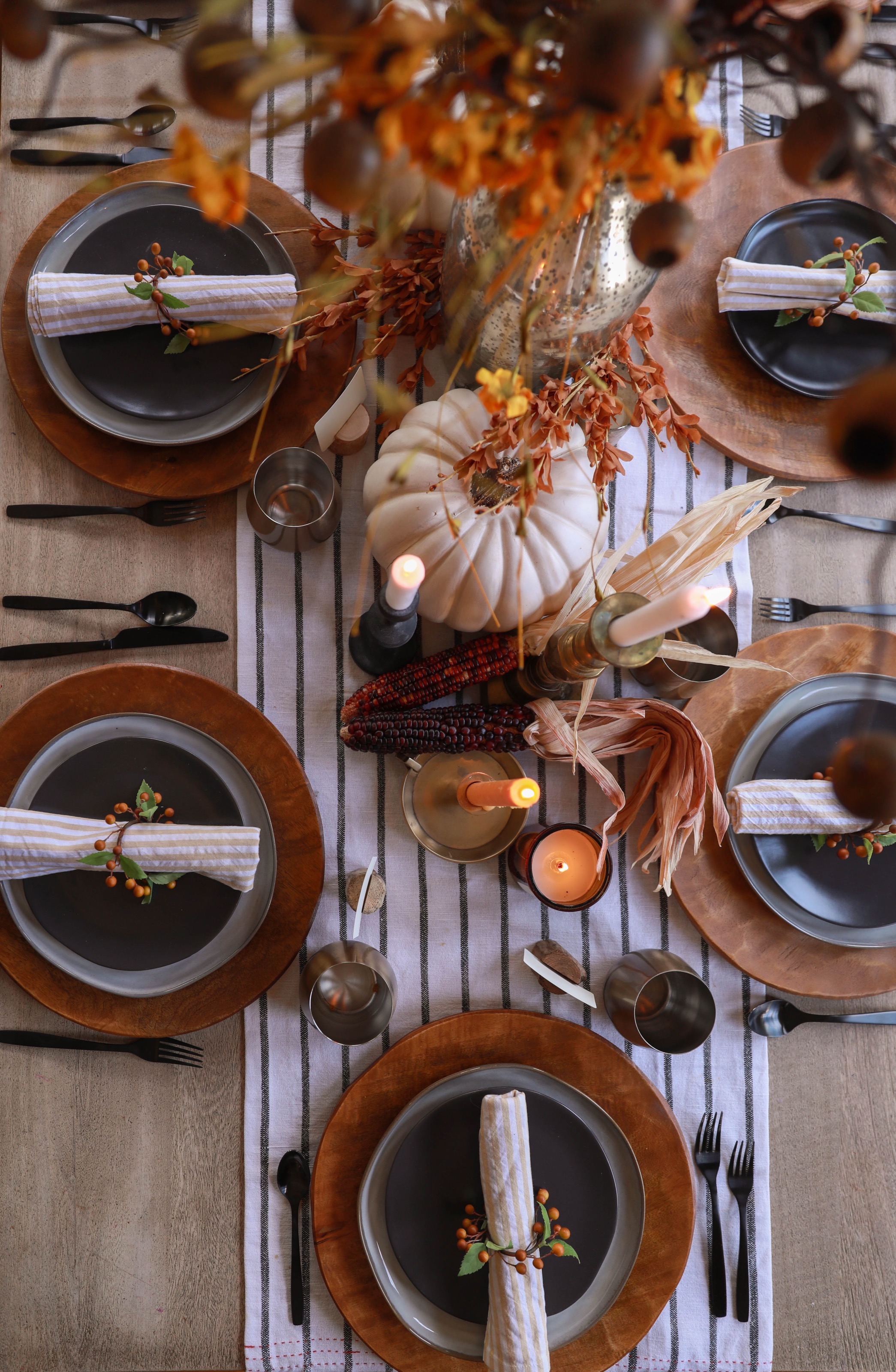
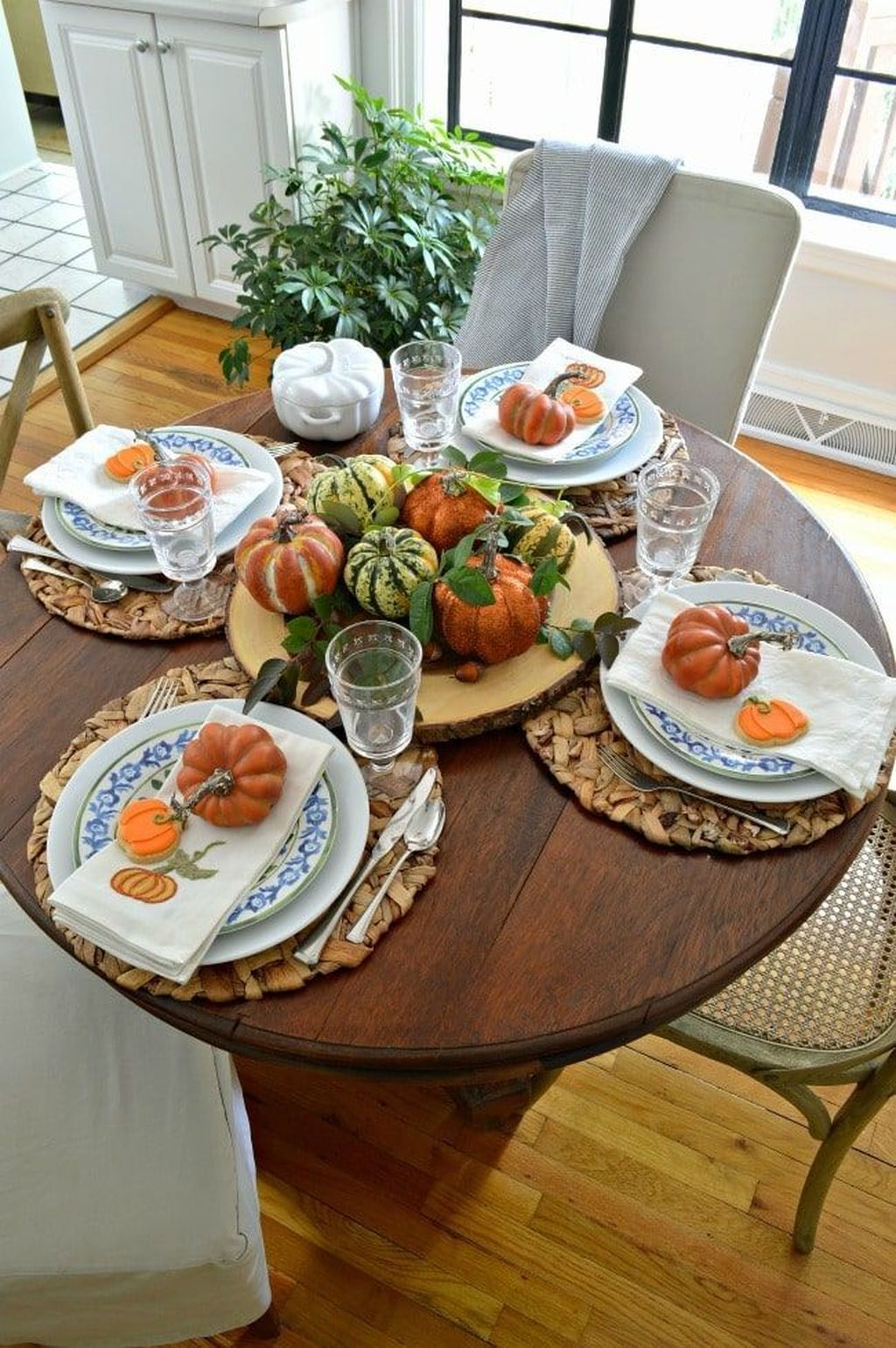
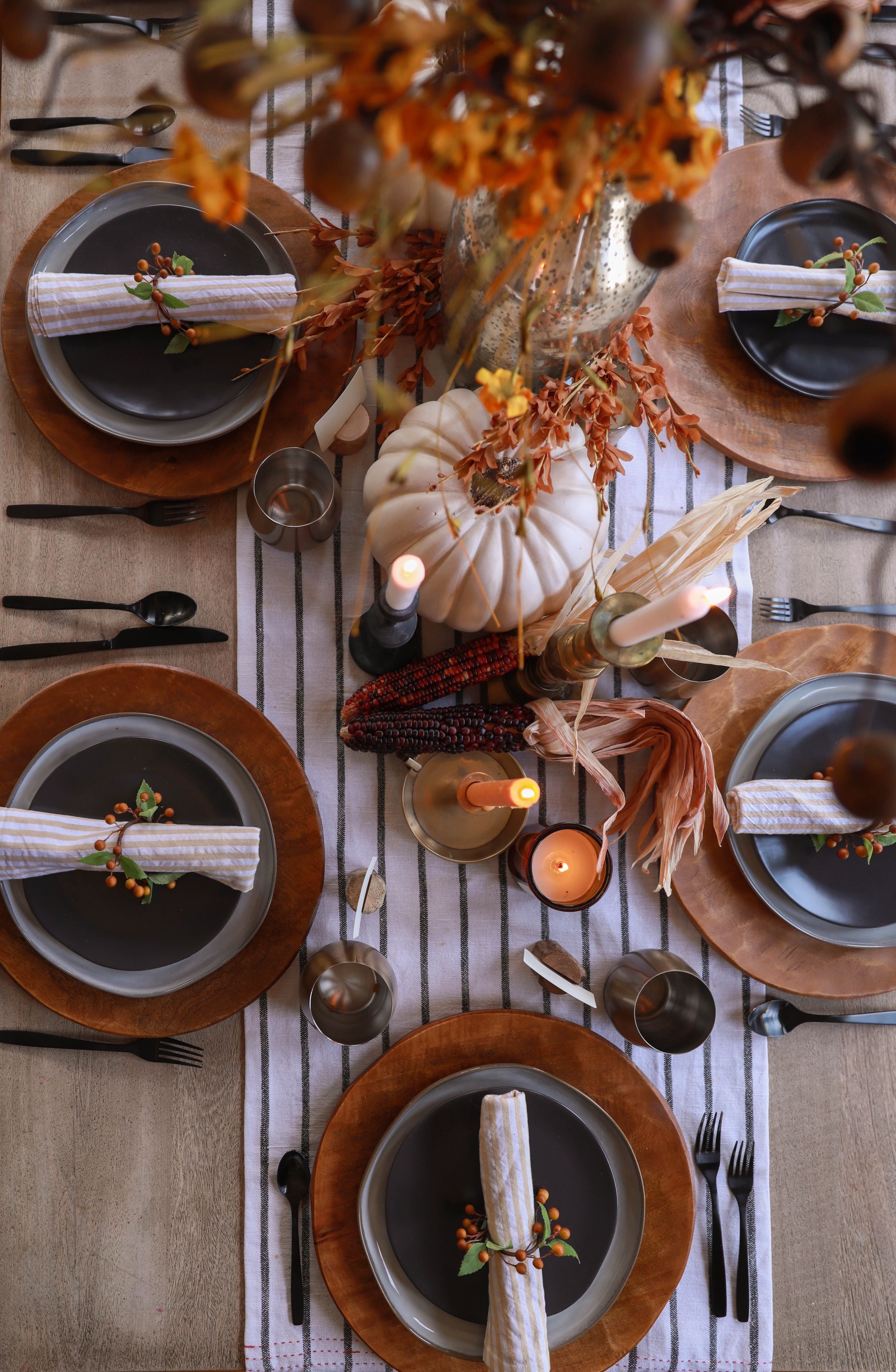
Start with your foundational textile—the tablecloth or runner. Avoid shiny polyester blends or stiff cottons that repel light. Instead, opt for raw, garment-washed linen with a visible weave, or heavy-weight cotton canvas that drapes naturally over the edges of the table without holding rigid creases. Linen breathes well and absorbs ambient candlelight, creating a soft, matte foundation. For color, look beyond the standard bright orange and embrace complex, desaturated hues: burnt sienna, faded rust, moss green, ochre, and taupe. These tones mimic the rich, earthy undertones of a forest floor in late October.
Next, consider your dinnerware. Fall menus tend to feature heavy, warming foods—roast root vegetables, braised meats, rich reductions—which demand substantial tableware. Heavy stoneware plates with reactive glazes that pool organically around the rims add an artisanal, grounded weight to the place setting. If you prefer porcelain, look for pieces with subtle fluting or uneven edges that suggest hand-throwing rather than factory stamping. Pair these with flatware in brushed brass, antique copper, or blackened iron. Stainless steel can sometimes feel too clinical for a cozy autumn aesthetic; warmer metals pull out the golden glow of the season.
Finally, introduce glassware that captures and refracts light differently as the sun sets earlier in the evening. Smoked amber glass, dark olive green tumblers, and vintage etched crystal create dynamic shadows across the table. When candlelight hits amber glassware, it casts a warm, honeyed hue over the entire place setting, instantly making the dining room feel more intimate. The goal is to create a multi-sensory landscape where every object feels intentional and satisfying to touch.
Botanical Composition and Organic Centerpieces
The centerpiece is often the first element people obsess over, yet it is frequently the primary reason a table fails functionally. The cardinal rule of table styling is visibility: your guests should never have to lean around a towering floral arrangement to make eye contact with the person across from them. When designing a fall botanical display, horizontal momentum and varied heights are far more effective than towering verticality.
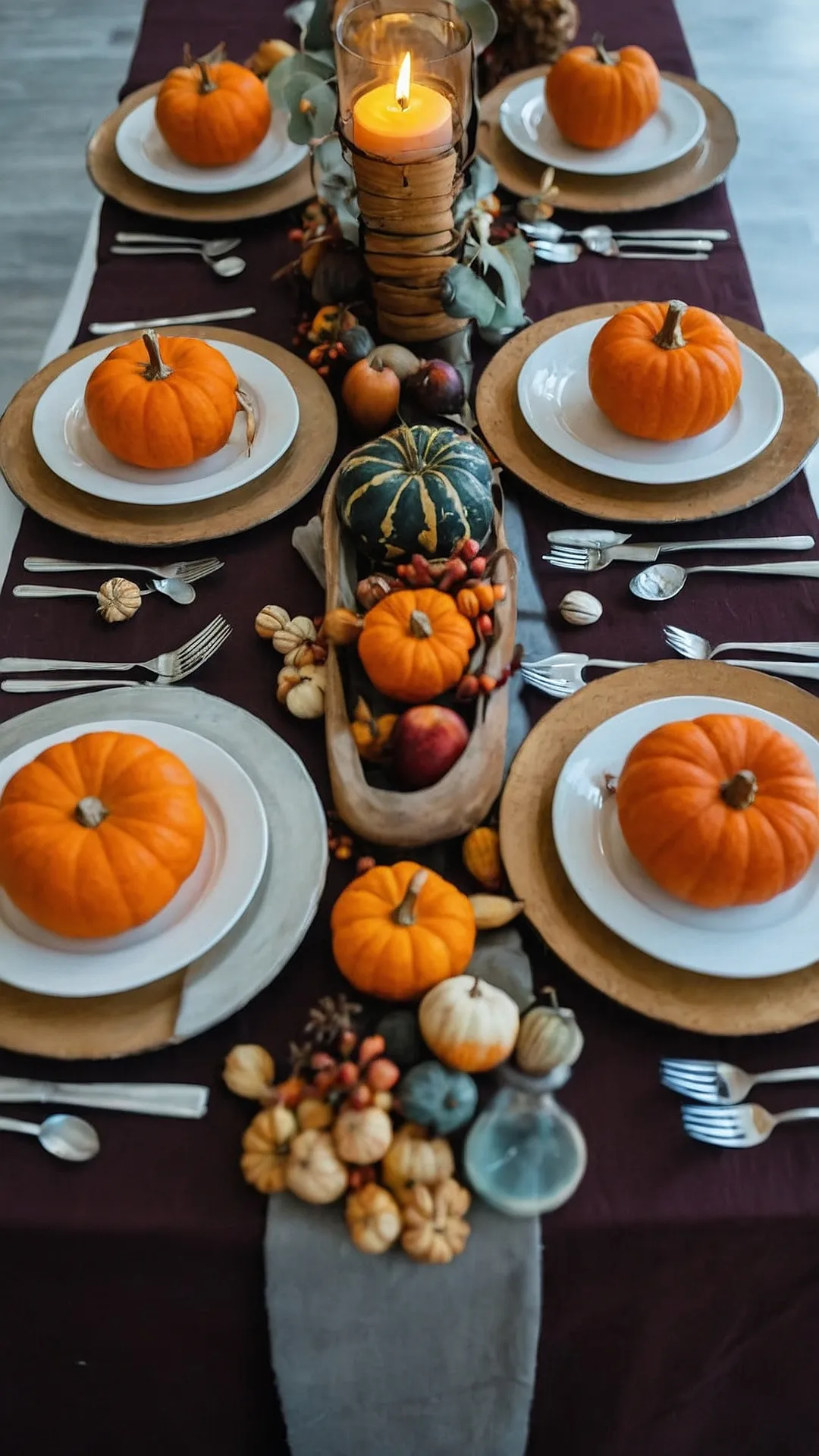
Instead of traditional florist blocks covered in stiff chrysanthemums, look to foraged branches, dried seed pods, and heirloom produce. Branches of turning oak, hornbeam, or smoke bush can be laid gracefully along the center of the table, curving downward to frame the place settings. Intersperse these with dried elements that honor the harvest: branches of dried sorghum, feather grass, artichokes gone to seed, and branches of crabapples or winterberries. These items introduce structural integrity and architectural interest without requiring expensive floral imports.
Heirloom pumpkins and winter squash also have a place on the table, but moderation is key. Rather than lining up dozens of bright orange pie pumpkins in a rigid row, select uniquely shaped varieties like Fairytale pumpkins, Blue Lancasters, or sweet-smelling Long Island Cheese pumpkins in muted shades of slate blue, sage, and pale peach. Rubbing them gently with a tiny bit of food-grade mineral oil gives them a sophisticated, matte sheen rather than a dusty, neglected look. Slice open a few smaller gourds or display them whole alongside pomegranates split open to reveal their ruby seeds, signaling abundance and decay in equal, beautiful measure.
Lighting must be integrated directly into your botanical landscape rather than treated as an afterthought. Taper candles in varying heights—housed in heavy iron, brass, or ceramic holders—should weave through the branches and fruit. Use unscented candles for the dining table so they do not complete with the aromas of the meal itself. For an unexpected touch, intersperse low votives filled with amber or green glass to catch the flame from beneath, casting intricate patterns across the linen runner.
Step-by-Step Methodology for Styling a Cohesive Tablescape
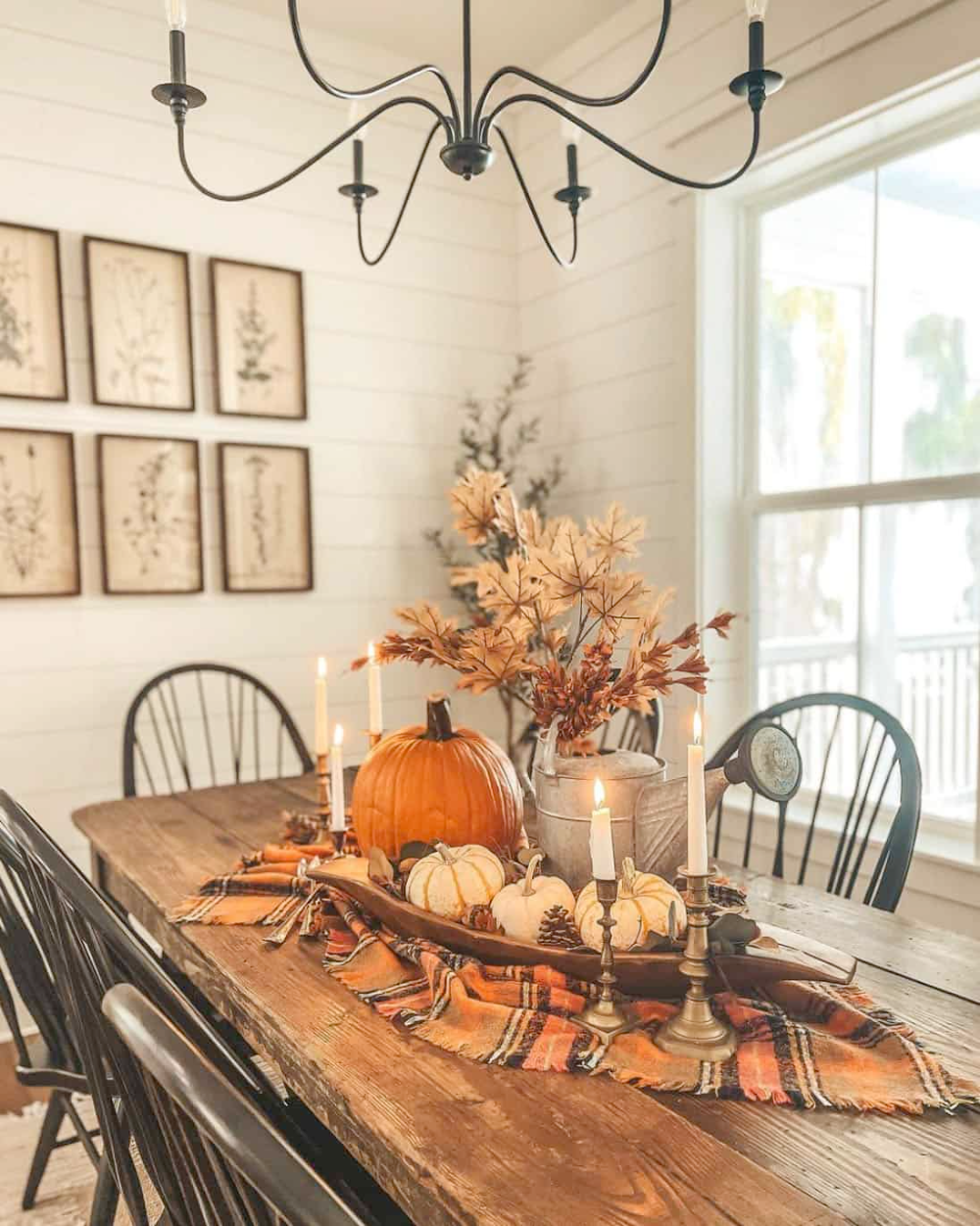
Translating design concepts into a finished table requires a methodical approach. Rushing straight to placing candles and pumpkins often leads to a cluttered surface where plates barely fit and wine glasses have to squeeze into awkward corners. Following a structured sequence ensures both aesthetic harmony and practical dining comfort.
Navigating Common Pitfalls and Practical Workarounds
Even experienced hosts run into spatial and sensory traps when styling fall tables. A design that looks stunning in a photograph can quickly become frustrating if it ignores the practical realities of passing food, pouring wine, and carrying out a multi-course meal. Anticipating these missteps saves you stress and ensures your guests remain comfortable throughout the evening.
The Broader Impact: Sustainability, Heirloom Investment, and Slow Living
The revival of thoughtful, artful table settings is part of a much larger cultural shift toward slow living, intentional consumption, and environmental mindfulness. For decades, the seasonal decor market was dominated by mass-produced plastic items destined for landfills after a few weeks of use. Today, conscious hosts are rejecting disposable trends in favor of heirloom-quality pieces that last a lifetime and tell a story through years of family gatherings.
Investing in durable elements—such as hand-thrown ceramic dinnerware, solid brass candlesticks, and vintage linen napkins—transforms table setting from a recurring chore into a cherished seasonal ritual. These items carry patina. A minor scratch on a brass candlestick or a faint stain on a linen runner becomes a record of past dinners, spilled wine, and late-night laughter. This embrace of wabi-sabi—the Japanese aesthetic centered on the acceptance of transience and imperfection—fits autumn dining better than any manufactured perfection ever could.
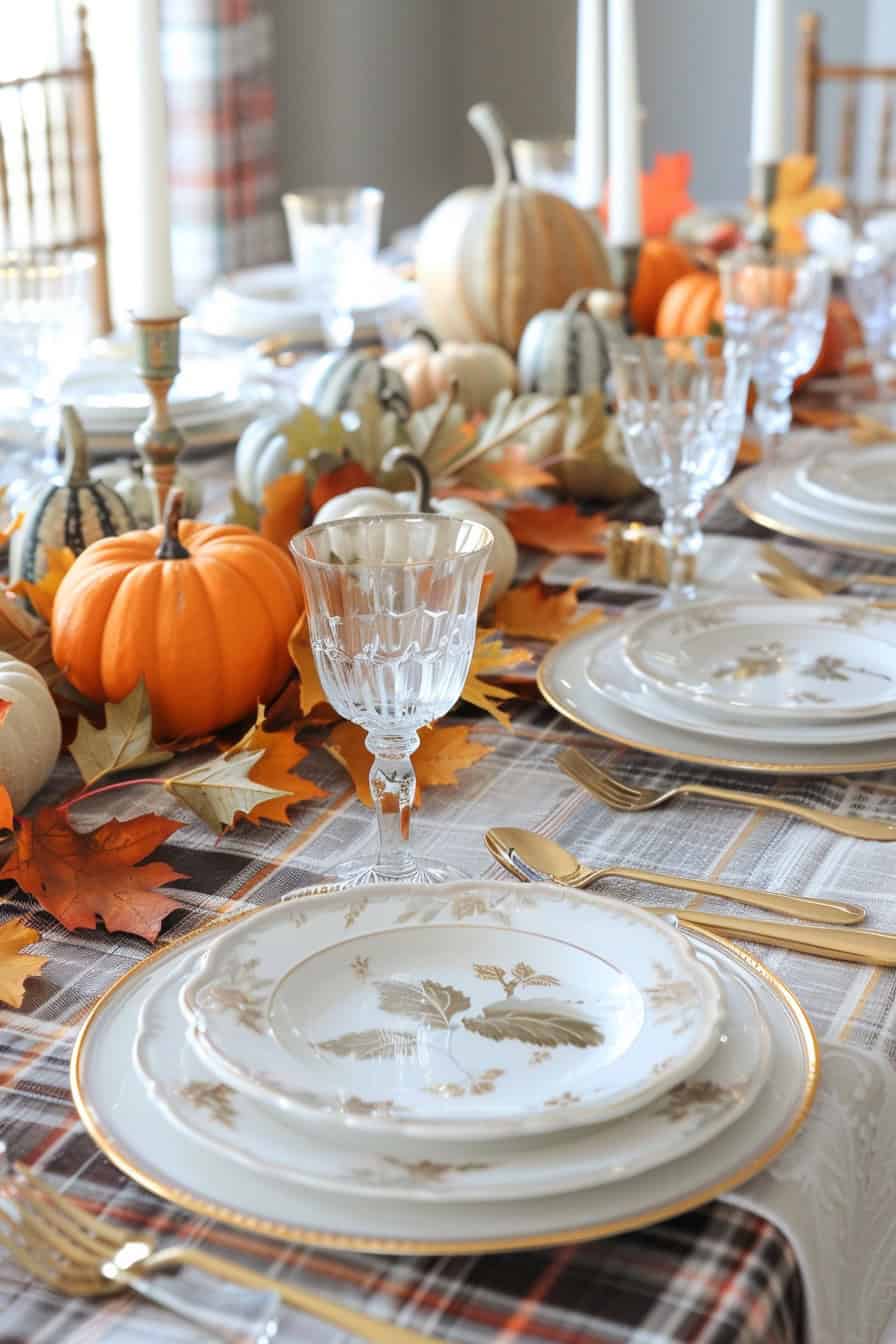
Furthermore, sourcing your botanical elements locally or from your own yard connects your dining room directly to the regional ecosystem. Cutting branches from a local orchard, gathering fallen leaves, and buying pumpkins from a nearby farm reduces your carbon footprint while grounding your meal in the specific geography of your home. It teaches us to notice the exact week the leaves turn amber in our neighborhood rather than relying on a homogenized global aesthetic.
Economically, building a sustainable collection of table linens and serving pieces over time is far more sensible than buying cheap, disposable decor every September. By focusing on versatile foundations—neutral linens, classic glassware, and timeless flatware—you can easily transition your table from late autumn into the winter holidays simply by swapping out the botanical elements for pine boughs, paperwhites, or winterberries.
Strategic Frameworks for Every Dining Scale
Creating a remarkable fall table does not require a massive dining room or an endless budget. Whether you are setting a small bistro table for two in a city apartment or hosting a twenty-person feast in a historic farmhouse, the core design principles remain identical: scale, texture, restraint, and warmth.
For intimate settings, focus on micro-details. Because the guests are sitting close together, every texture is magnified. Invest in high-end cloth napkins, a single stunning ceramic vessel with three or four statement branches, and delicate taper candles. The intimacy of the space allows for subtle gestures, like handwritten place cards on handmade cotton paper tied with dried lavender.
Related Posts
Real Solutions for Organizing Entryways and Mudrooms Without Losing Your Sanity
How to Design Mudroom Storage That Actually Keeps Your Family Organized
What Years of Home Design Interviews Taught Me About Choosing a Mudroom Storage Bench
Why interior designers recommend Halloween doorway curtains for effortless seasonal decorating
How Natural Light Changes Warm White Paint Colors Throughout the Day
Designing a Seasonal Fall Table Setup Using Foraged Elements and Everyday Dinnerware
For large gatherings, scalability is your primary challenge. Break the table down into modular zones rather than trying to create one massive, continuous centerpiece. Use three or four smaller, identical arrangements spaced evenly down the center of the table, flanked by clusters of pillar candles in glass cylinders to protect the open flame from passing platters. This modular approach ensures that every guest enjoys the same visual experience, regardless of whether they are sitting at the head of the table or squeezed into the middle.
When managing a crowd, also consider the logistics of serving food. If you are serving family-style platters, ensure your central decor is low and narrow enough to leave clear channels for heavy ceramic bowls and serving spoons. A beautiful table is ultimately a functional workspace designed to facilitate human connection and shared nourishment.
As we navigate an increasingly digital and fast-paced world, the physical act of gathering around a thoughtfully set table takes on profound significance. A fall table setting is far more than an exercise in interior design; it is an act of hospitality, a slowing down of time, and a tangible way to mark the turning of the seasons within the sanctuary of our homes.
When you light the candles, pull out the heavy linen, and arrange the foraged branches, you are creating a container for memory-making. You are signaling to your guests that they are valued, that time has been set aside just for them, and that the modern noise outside can wait until the meal is finished.
Embrace the imperfections of the season. Let the leaves dry, let the wax drip down the brass candlesticks, and let the conversation stretch late into the crisp autumn night. By prioritizing genuine textures, sustainable materials, and thoughtful composition, your dining room will become a true haven of warmth and welcome for years to come.
