The air shaft hums a familiar, low vibration against the plaster walls of a fourth-floor walk-up in the East Village, competing faintly with the street sounds of sirens and delivery trucks shifting gears on Avenue A. In the middle of a 450-square-foot room sits a solid white oak drop-leaf table, surrounded by mismatched vintage chairs collected from stoop sales across Brooklyn. This tiny island serves multiple purposes daily: a laptop station for remote work at 9:00 AM, a staging area for sourdough kneading by noon, and a candlelit dinner surface for four friends sharing takeout Thai food by night. Real estate in New York forces every single square foot to work overtime, and furniture design here is never just about aesthetics—it is an exercise in survival, engineering, and spatial psychology.
Choosing a dining table for a New York City residence is vastly different from shopping for a suburban home where rooms are carved out with dedicated, single-use logic. Urban dwellings throw architectural curveballs like awkward radiator placements, pivoting entry doors, narrow stairwells, and structural columns that disrupt standard floor plans. A standard rectangular 72-inch table that looks modest in a showroom can instantly choke the flow of a Manhattan studio or a pre-war one-bedroom. Sourcing the right piece requires understanding not only interior design principles but also the brutal physical constraints of the city's housing stock, from freight elevator weight limits to cooperative board delivery rules.
Over the past decade of working within the interior styling ecosystem across Manhattan, Queens, and Brooklyn, the physical reality of urban dining spaces has become crystal clear. Every inch matters, every material choice impacts acoustics and light bounce, and every structural decision dictates whether a room feels like a sanctuary or a storage unit. Navigating this niche market means looking past clever marketing and understanding wood movement, joinery strength, and custom fabrication logistics. This guide cuts through the noise to provide a definitive blueprint for anyone looking to invest in a dining surface that will anchor their urban home for years to come.

Navigating Square Footage Realities and Urban Spatial Constraints
Every interior layout in New York starts with a tape measure and a healthy dose of realism. Before browsing any showroom or online catalog, you must map out the exact clearance needed to pull out a chair and sit comfortably without hitting a kitchen island, a sofa back, or a structural radiator cover. Interior design standards typically dictate leaving at least 36 inches of clearance between the edge of the table and any surrounding walls or furniture. In compact city apartments, that rule is frequently bent to 30 inches, but pushing past that safety margin turns a dining nook into an obstacle course.
The shape of the dining table heavily dictates how traffic moves through a tight room. Round tables are secret weapons for square or awkward spaces because their lack of sharp corners softens the room's geometry and allows chairs to tuck away completely underneath the apron. A 42-inch round pedestal table can comfortably seat four people while maintaining a fluid 360-degree walking path around it. On the other hand, narrow rectangular tables work wonders in shotgun-style living-dining combinations, provided they are scaled down to widths of 30 or 32 inches rather than the standard 36 to 40 inches found in mass-market furniture.
Customization has become the gold standard for city dwellers who refuse to compromise on seating capacity or room flow. Many local woodworkers and boutique fabrication shops in Gowpsanus and Long Island City specialize in creating bespoke tables with variable leaf systems or custom slim profiles. When working with these artisans, you are paying not just for materials, but for engineering solutions tailored to tight footprints. They understand how to design butterfly leaves that store internally, or drop-leaf mechanisms that hug the wall when the apartment transforms into a yoga studio on Saturday mornings.
Material selection in compact spaces also dictates how large a piece visually feels. Heavy, dark walnut slabs absorb light and can make a diminutive room feel heavy and claustrophobic. Conversely, lighter woods like ash, maple, or white oak reflect natural light, bouncing it around north-facing apartments that desperately need brightness. Glass tops offer an illusion of expansive floor space because your eye travels straight through them, though urban households with pets or frequent toddler visitors often find the constant fingerprint cleanup to be a high-maintenance trade-off.
Sourcing Strategies from Local Artisans to Vintage Showrooms
Finding the right piece involves charting a course between mass-market efficiency and bespoke craftsmanship. While big-box retailers offer convenience, their flat-packed furniture often relies on particle board and cam-lock fasteners that loosen under the constant vibration of city life and heavy subfloor settling. In contrast, independent local makers utilize traditional joinery like mortise and tenon or domino connectors, ensuring the frame remains rock-solid even when moved between multiple apartments over the years.
The vintage and antique market across the outer boroughs offers an incredible hunting ground for solid wood pieces that carry character and historical integrity. Mid-century modern teak extendable tables sourced from estate sales or curated vintage warehouses in Greenpoint or Red Hook often feature ingenious mechanical leaves designed for European apartments that mirror New York scale. These pieces are typically undervalued relative to their build quality; vintage solid teak or mahogany can be easily sanded and refinished, wiping away decades of wear and tear to reveal grain patterns that modern factory furniture simply cannot replicate.
When commissioning custom work, communication with the maker is paramount. A reputable fabricator will ask detailed questions about your building's logistics before cutting a single board. They will inquire about freight elevator dimensions, stairwell turning radius, and whether the legs need to be designed for easy on-site bolt assembly. Ignoring these logistical hurdles can result in a magnificent ten-foot dining slab getting permanently wedged in the stairwell between the second and third floors—a costly and heartbreaking rite of passage for many unsuspecting newcomers.
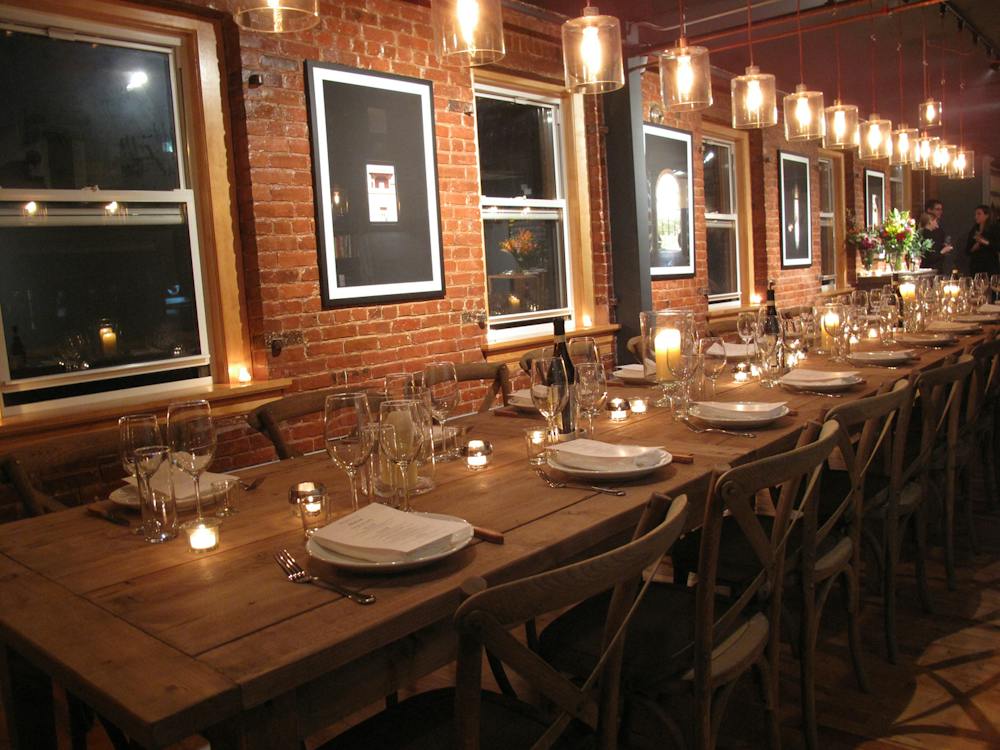
Direct-to-consumer online brands have also carved out a reliable niche, offering apartment-scaled pieces with modular assembly. However, examining product specifications closely is non-negotiable. Look for terms like "solid hardwood top" rather than "wood veneer over MDF," and verify the weight capacity of extension mechanisms. A cheap metal slide track will sag over time under the weight of holiday feasts, while heavy-duty steel bearing slides ensure smooth, frictionless operation for decades.
Step-by-Step Practical Implementation Guide
Common Pitfalls and Field-Tested Workarounds

Related Posts
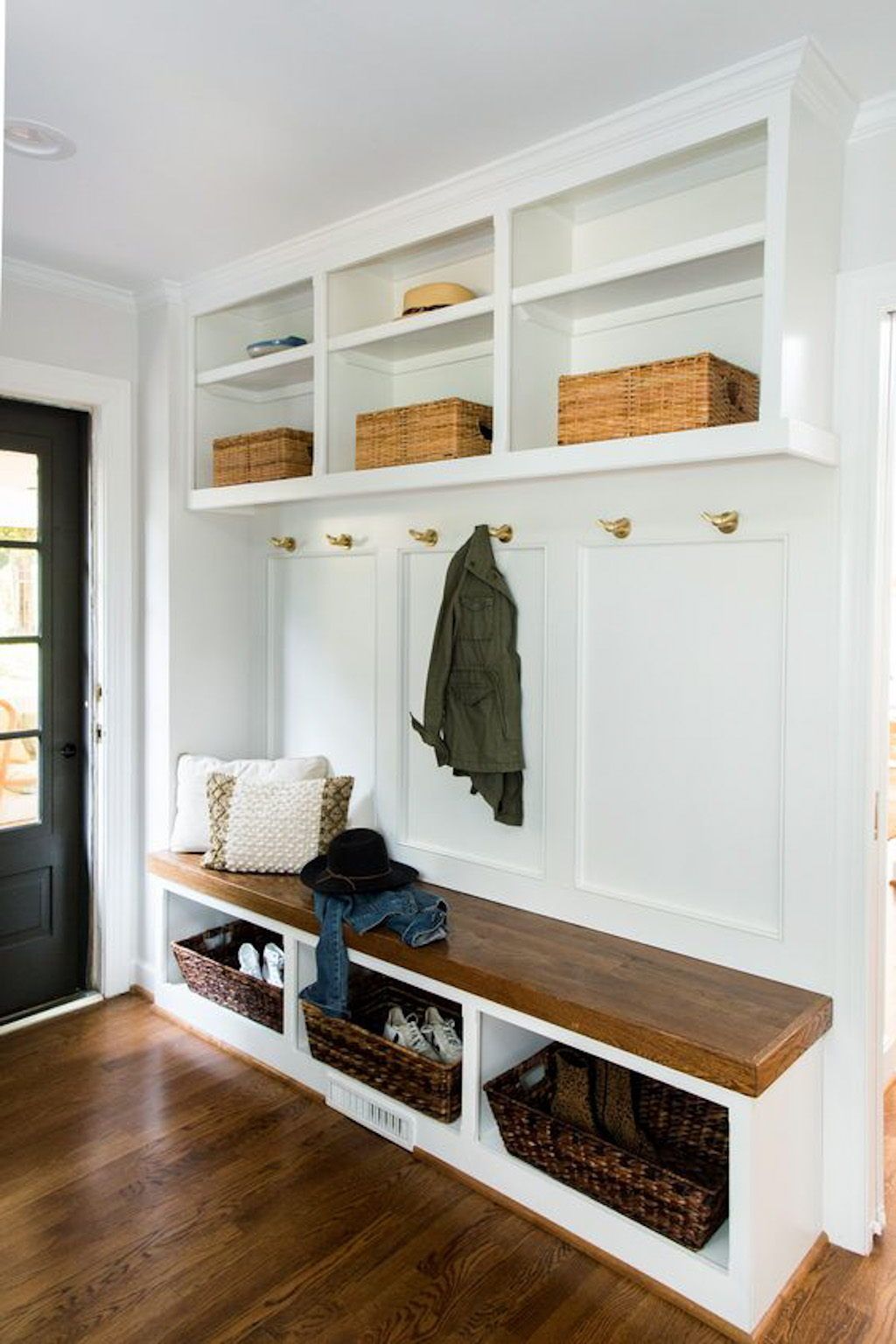
Real Solutions for Organizing Entryways and Mudrooms Without Losing Your Sanity
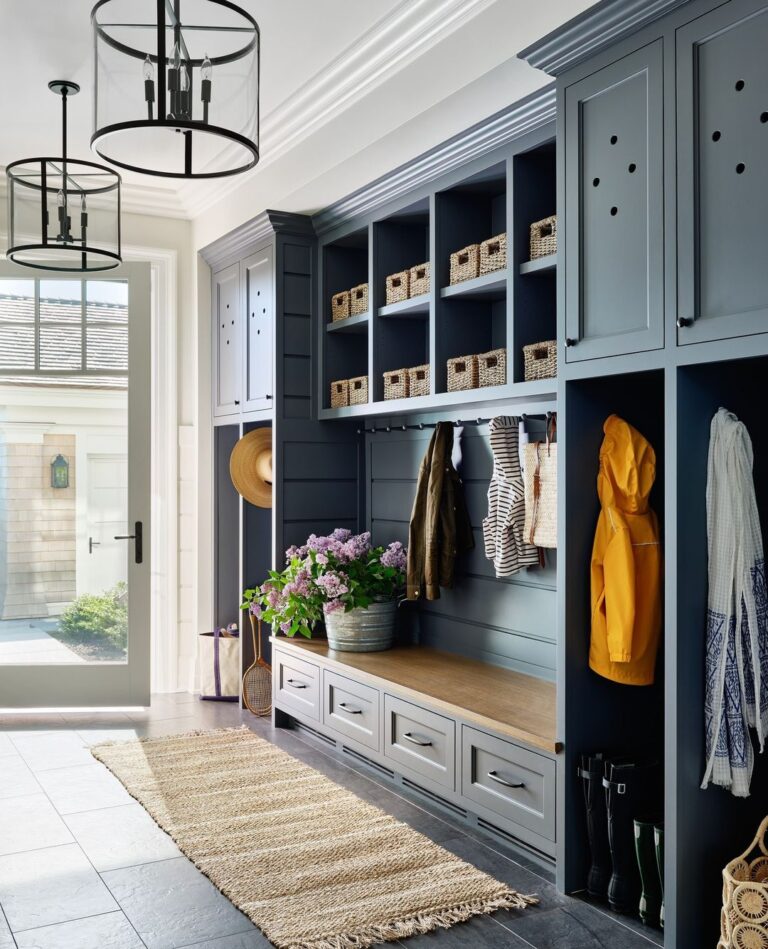
How to Design Mudroom Storage That Actually Keeps Your Family Organized
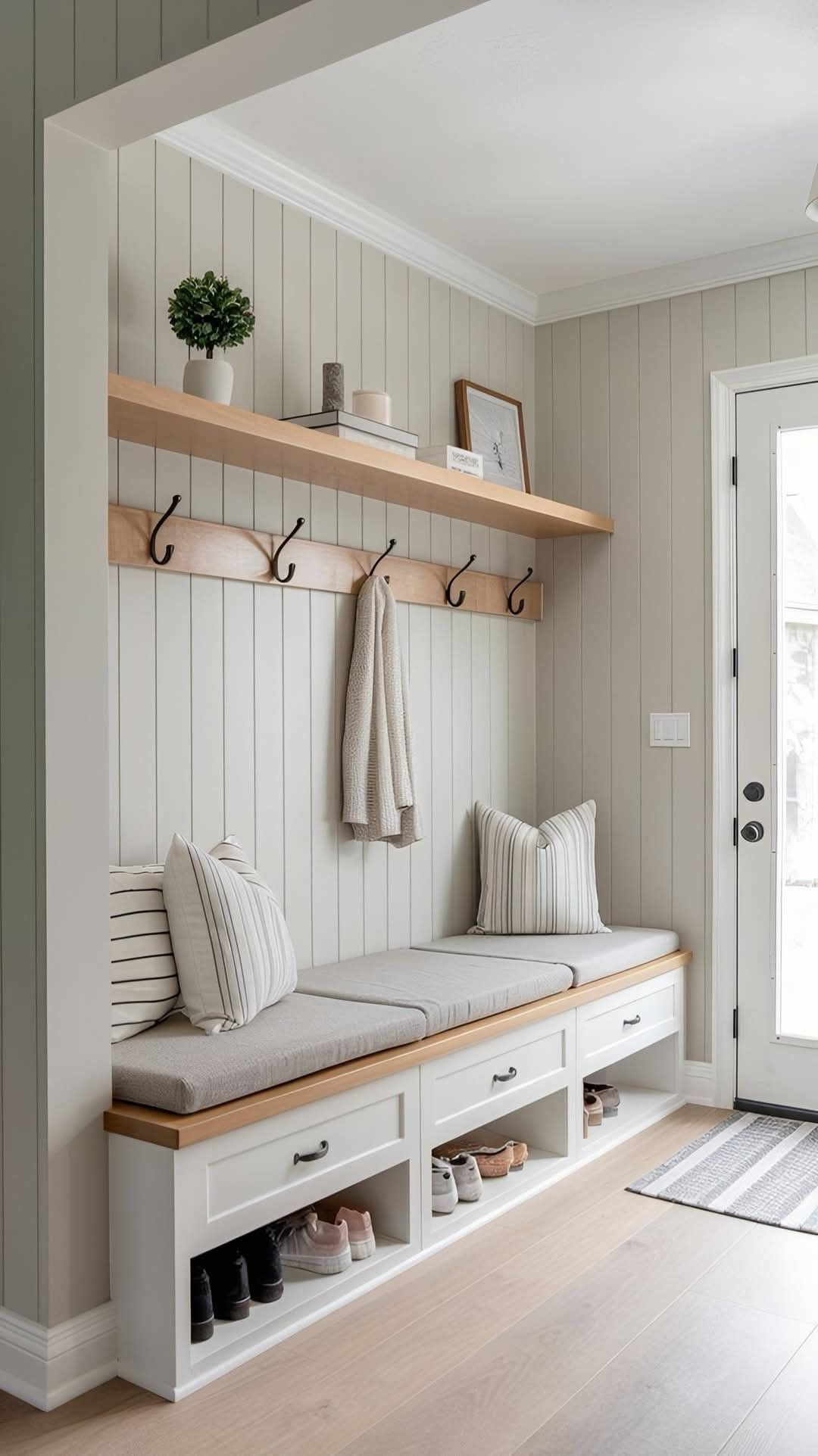
What Years of Home Design Interviews Taught Me About Choosing a Mudroom Storage Bench

Why interior designers recommend Halloween doorway curtains for effortless seasonal decorating

How Natural Light Changes Warm White Paint Colors Throughout the Day

Designing a Seasonal Fall Table Setup Using Foraged Elements and Everyday Dinnerware
The Broader Impact of the Urban Hearth on Daily Life
In a city defined by constant motion, hyper-speed transactions, and public noise, the dining table acts as a crucial domestic anchor. Anthropologically speaking, the table is where the external chaos of the city stops at the door. Whether hosting an elaborate dinner party for eight in a converted warehouse or sharing takeout dumplings on a Sunday afternoon, the physical surface dictates the quality of human interaction within the home. When designed thoughtfully, it encourages lingering conversations long after the plates have been cleared.
From an economic and sustainability perspective, investing in a high-quality, locally sourced, or vintage dining table represents a direct rejection of fast-furniture culture. New York apartments generate an immense amount of discarded flat-pack furniture during the chaotic moving rushes of May and October. Choosing durable, repairable materials ensures that your furniture piece outlasts multiple lease renewals, reducing landfill waste and supporting regional artisans who keep traditional woodworking crafts alive in the tri-state area.
Furthermore, the integration of multi-functional furniture reflects the ongoing evolution of how we inhabit urban spaces. As hybrid work models persist, the dining table remains the ultimate hybrid zone. By selecting designs that gracefully transition from professional deskscapes to warm social gathering spots, residents optimize their real estate investments without sacrificing emotional comfort or visual harmony.
Actionable Recommendations and Key Takeaways
The search for the ideal dining table in New York City is ultimately a journey of intentional editing. It forces you to evaluate what you truly value in your daily routine: whether that means prioritizing an expansive surface for grand dinner parties or embracing a minimalist footprint that leaves breathing room in a cozy studio. Every spatial limitation pushes you toward smarter design choices, resulting in a home that feels deeply personal, highly functional, and authentically lived-in.
As urban architecture continues to evolve and apartment footprints shrink to meet housing demands, the ingenuity of furniture designers and local makers will only grow more vital. By anchoring your space with a thoughtfully chosen, impeccably crafted dining surface, you create a reliable haven amidst the kinetic energy of the metropolis. Take your measurements, respect the logistics, and choose a piece that invites you to slow down, pull up a chair, and savor the moment.
