The red wine stain on my grandfather's walnut trestle table is roughly the shape of Idaho, earned during a Thanksgiving dinner where the turkey slid off the platter and a cousin laughed so hard he tipped his chair backward. Furniture isn't just an inanimate platform for plates; it is an active participant in our domestic histories. Over the past fifteen years of reviewing residential architecture and custom millwork, I have watched the dining table transform from a formal, dusty relic reserved for high holidays into the undisputed command center of the contemporary home. It is where laptops snap shut at 5:00 PM, where dough gets kneaded on lazy Saturday mornings, and where heavy, unhurried conversations unfold over hours.
Yet, buying or building a dining table is notoriously fraught. Stand in a cavernous furniture showroom, and a sprawling eight-seater looks modest. Drop that same piece into a typical urban open-plan apartment, and suddenly you are sidestepping the corners like a bullfighter. Specifications on paper—clearance heights, board thickness, wood movement coefficients—rarely translate intuitively to human comfort. People buy tables that look breathtaking in glossy editorial spreads only to realize their knees bang against the apron, or that their expensive Italian marble top etched the first time a lemon wedge sat too long in a puddle of gin.
Understanding how to select, size, and maintain a dining table requires looking past transient design trends and examining the intersections of ergonomics, material physics, and daily anthropology. Whether you are hunting for a vintage mid-century Saarinen tulip table, commissioning a live-edge slab from a regional woodworker, or trying to figure out if an extendable oak leaf can squeeze two extra chairs in for Christmas dinner, the devil is entirely in the millimeter-precise details. Let's pull up a chair and break down what makes a table genuinely work for the long haul.
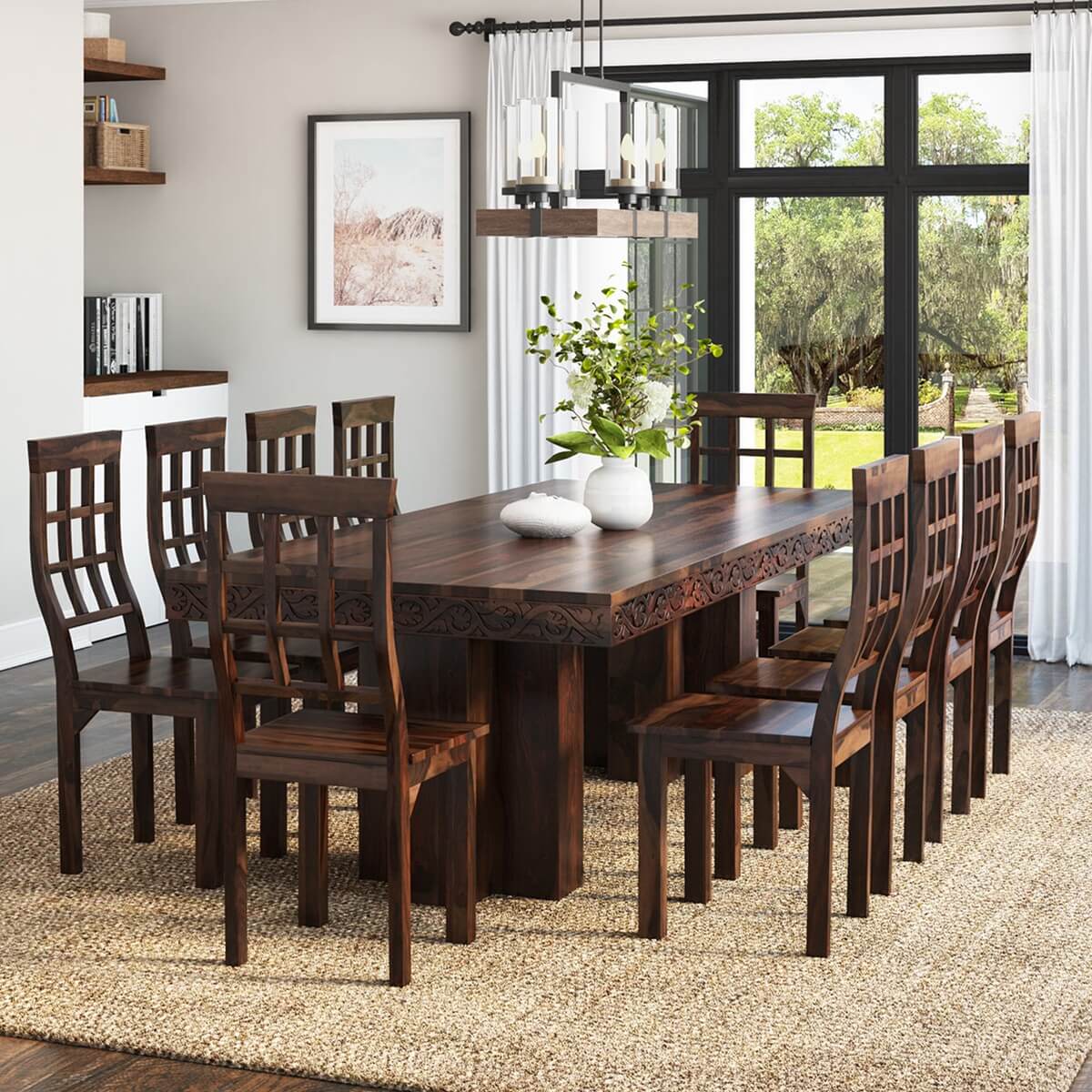
The dining table carries a deep anthropological weight that stretches back to ancient trestle boards and baronial feasts. Historically, the table defined social hierarchy—who sat above the salt, who sat below, and who stood. Modern domestic spaces have flattened those hierarchies, turning the table into a democratic zone of shared meals, remote work, and creative chaos. But as our floor plans opened up through the late twentieth and early twenty-first centuries, the technical demands placed on this single piece of furniture skyrocketed. It no longer lives in a walled-off dining room; it commands the visual field of the kitchen, living room, and entryway all at once.
Material Science and Structural Integrity: Choosing What Endures
Selecting a dining table starts long before you look at silhouettes or paint colors; it begins at the lumberyard or stone quarry. Wood species behave with astonishing unpredictability even after they have been milled, kiln-dried, and finished. Softwoods like pine or fir carry a rustic charm, but they dent if you write a grocery list with a ballpoint pen pressed too hard against a single sheet of paper. Hardwoods such as white oak, American walnut, hard maple, and ash offer the structural density required for multi-decade survival. White oak boasts a closed-grain structure and exceptional Janka hardness ratings, making it remarkably resilient against moisture and impact. Walnut, while slightly softer, yields a rich, chocolate chatoyancy that deepens gracefully under UV exposure.
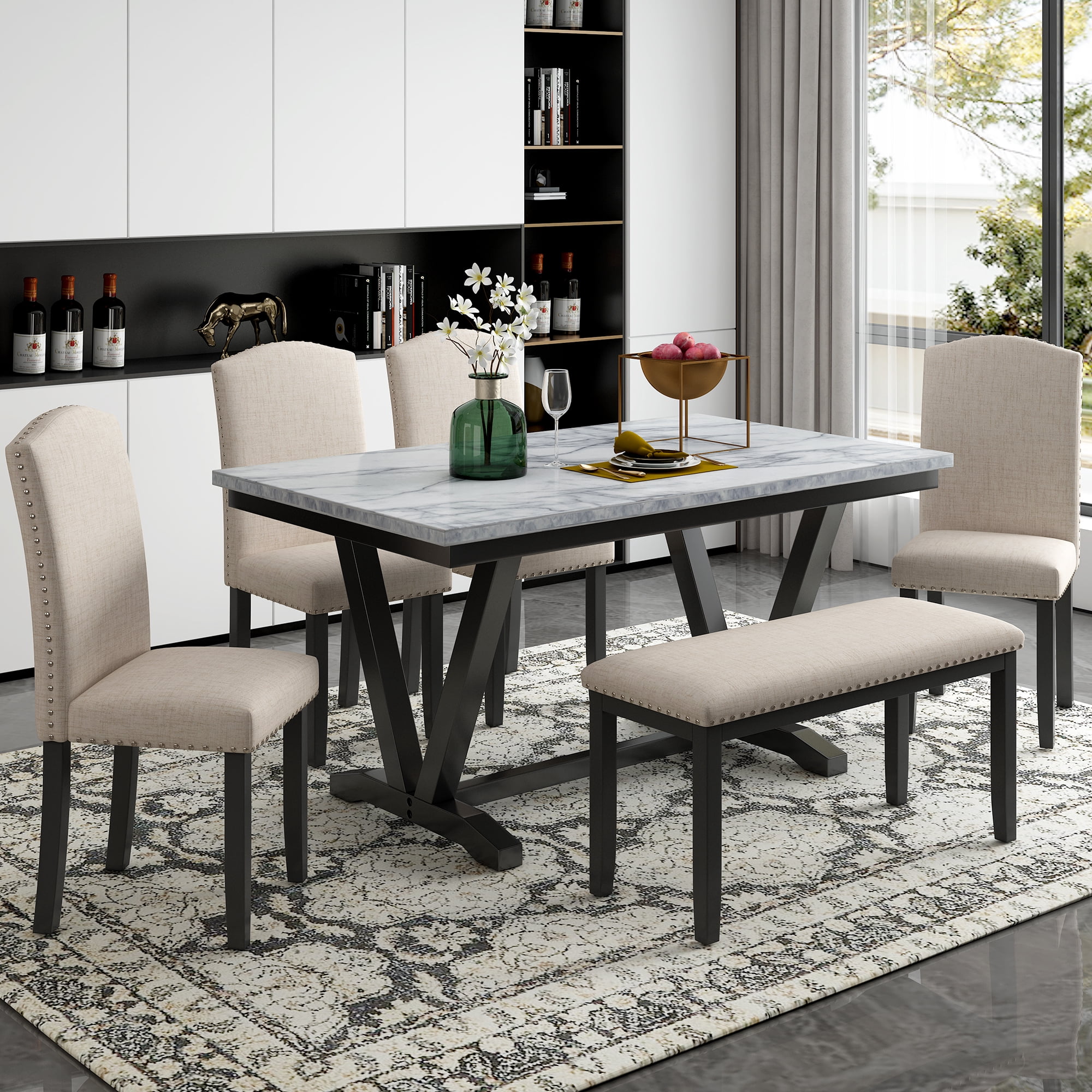
Stone surfaces introduce an entirely different set of physical properties. Marble tables, particularly Carrara and Calacatta varieties, radiate timeless elegance and cool tactile luxury. However, calcium carbonate-based stones are porous and acid-sensitive. A single droplet of prosecco, tomato sauce, or lemon juice will etch the polish, leaving a dull matte footprint unless wiped immediately and sealed with professional-grade impregnating sealers. Quartzite and sintered stone alternatives offer the visual drama of natural marble while resisting scratching and chemical etching, though they lack the organic warmth of quarried rock. Glass tops, once the staple of minimalist apartments, have largely yielded to organic materials due to their unforgiving nature with fingerprints, dust, and the sharp acoustic clatter of silverware.
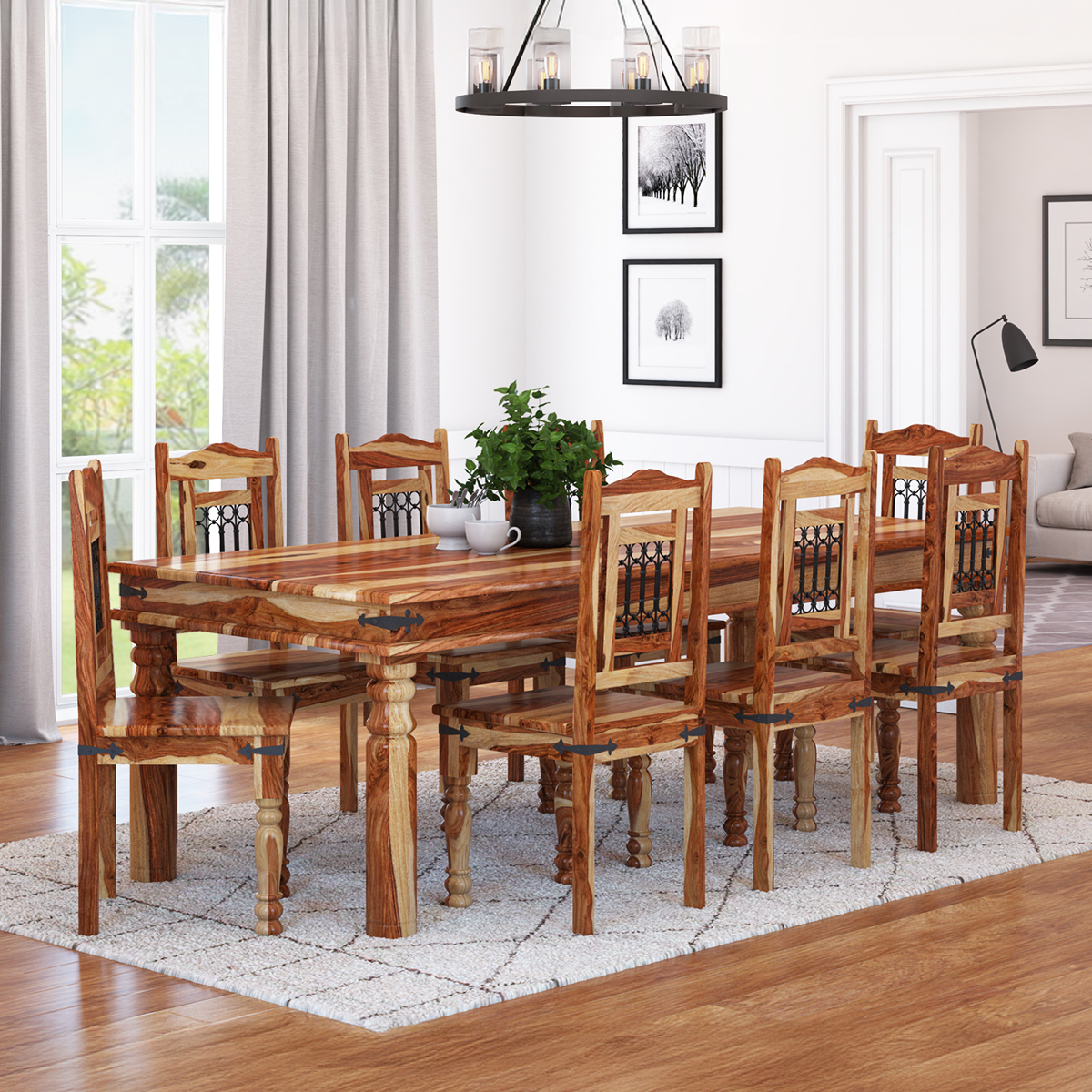
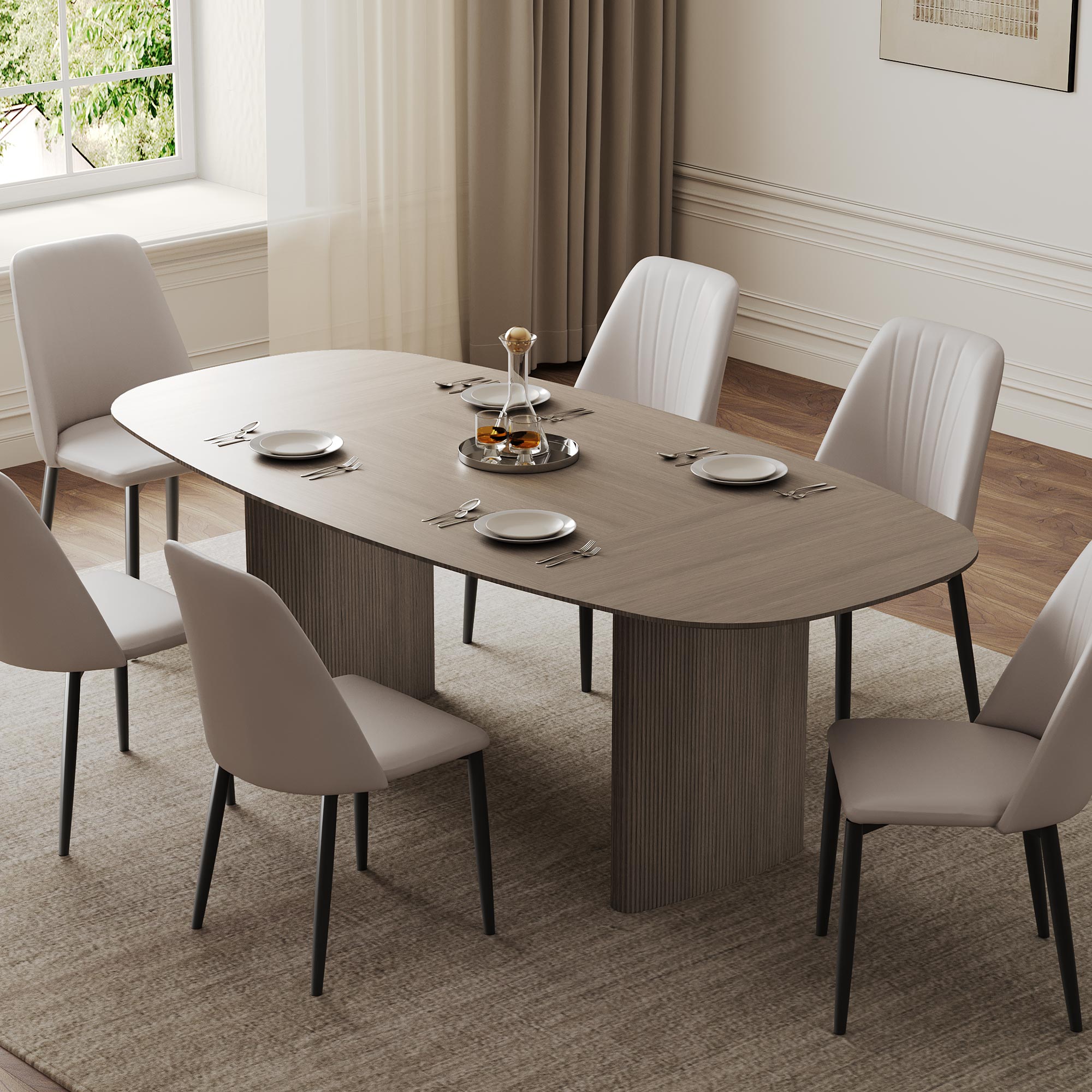
Joinery and base construction separate heirloom pieces from flat-pack disposables. Look under the skirt of any table you consider purchasing. Traditional mortise-and-tenon joinery or heavy steel corner brackets anchored into thick aprons ensure the piece will not wobble when someone leans heavily on the edge to stand up. Center-pedestal designs free up valuable legroom, eliminating the classic spatial friction of bumping knees against vertical table legs, but they require heavy cast-iron sub-bases to prevent tipping when weight is distributed unevenly across a single leaf extension.
Spatial Dynamics and Ergonomics: The Math of Human Comfort
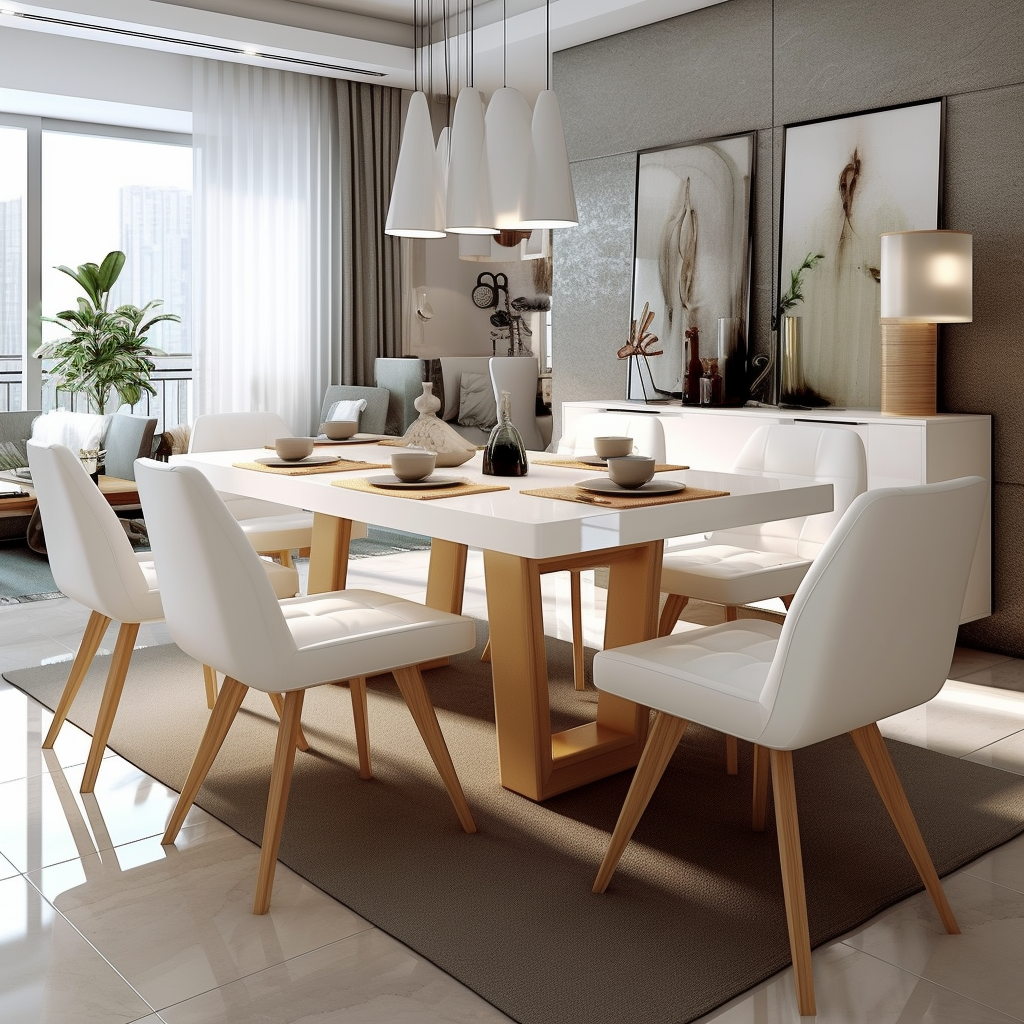
Designing a functional dining ecosystem requires strict adherence to spatial ergonomics. The single biggest mistake homeowners make is measuring only the physical footprint of the table while ignoring the dynamic clearance required for human bodies in motion. A dining chair requires roughly eighteen inches of depth when pushed flush against the table edge, but you need a minimum of thirty-six to forty-eight inches of clear walkway behind that chair to allow someone to walk past a seated guest without forcing them to squeeze their stomach in. Cramming a forty-eight-inch wide table into a twelve-foot-wide dining nook instantly converts a comfortable gathering space into an obstacle course.
Vertical ergonomics are equally critical and frequently botched by mass-market furniture manufacturers optimizing for shipping efficiency rather than human anatomy. Standard table height sits universally at thirty inches, paired with an eighteen-inch seat height on dining chairs. This twelve-inch differential provides optimal clearance for thighs while allowing elbows to rest comfortably at a ninety-degree angle without shrugging the shoulders. However, many contemporary tables feature thick structural aprons underneath the top edge—sometimes dropping down three to four inches. If you are tall or choose chairs with thick cushions, these aprons will repeatedly bash against your kneecaps, rendering the table physically agonizing for long dinners.
Seating capacity is another mathematical trap. Industry standards dictate allocating twenty-four inches of linear perimeter space per person for comfortable dining without elbow clashes. A standard seventy-two-inch rectangular table seats six comfortably (three per side), but trying to squeeze eight people into that same footprint reduces individual space to eighteen inches—the physical equivalent of flying economy on a budget airline. Trestle bases, where the vertical legs are set inward from the corners, dramatically increase seating flexibility by eliminating corner leg obstructions, whereas four-legged tables permanently lock your chair placements between the upright posts.
Step-by-Step Implementation Guide for Sourcing and Styling Your Table
Common Pitfalls and Field-Tested Workarounds
The Broader Impact: Sustainability, Craft, and Heirloom Economics
Related Posts
Real Solutions for Organizing Entryways and Mudrooms Without Losing Your Sanity
How to Design Mudroom Storage That Actually Keeps Your Family Organized
What Years of Home Design Interviews Taught Me About Choosing a Mudroom Storage Bench
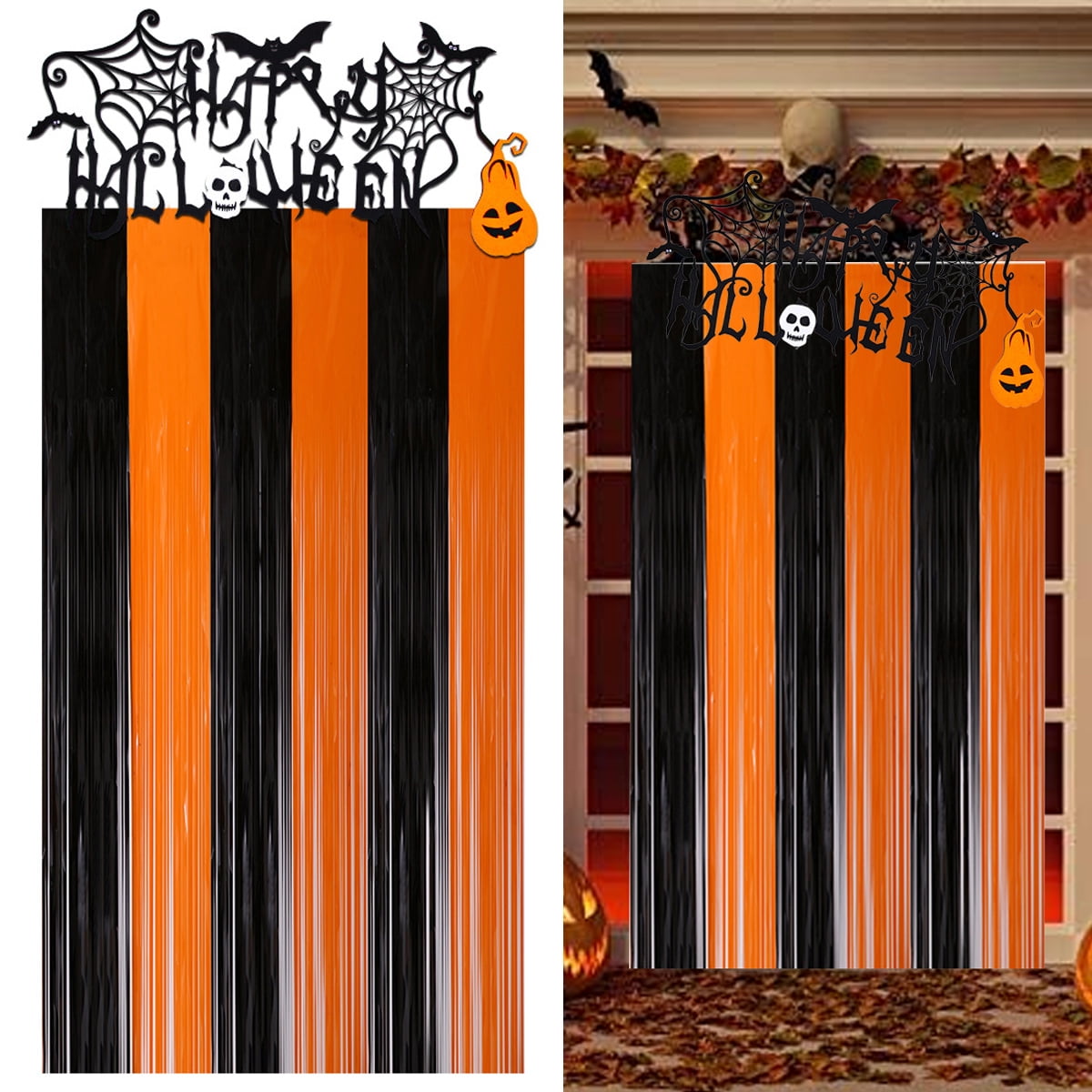
Why interior designers recommend Halloween doorway curtains for effortless seasonal decorating
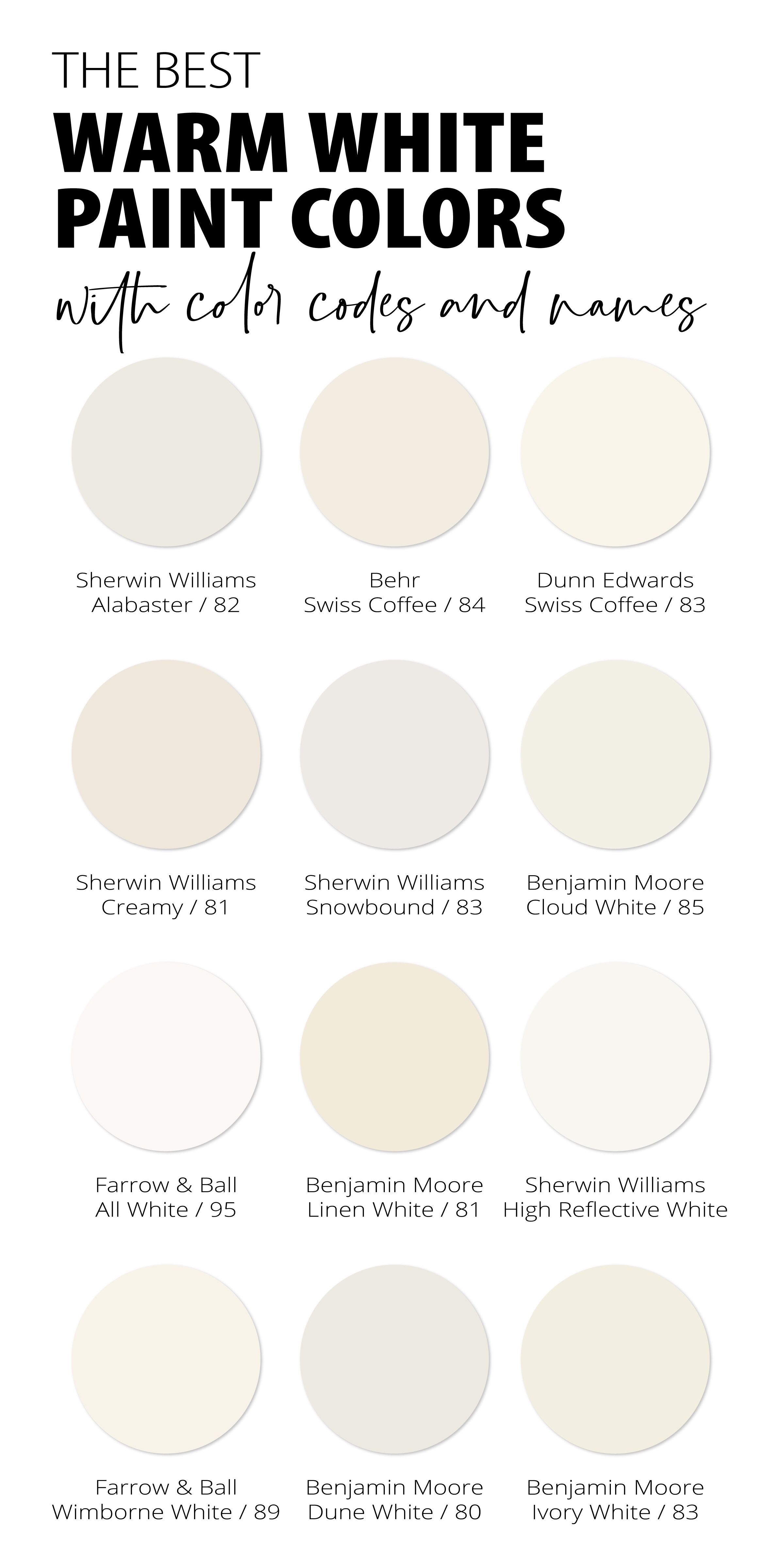
How Natural Light Changes Warm White Paint Colors Throughout the Day
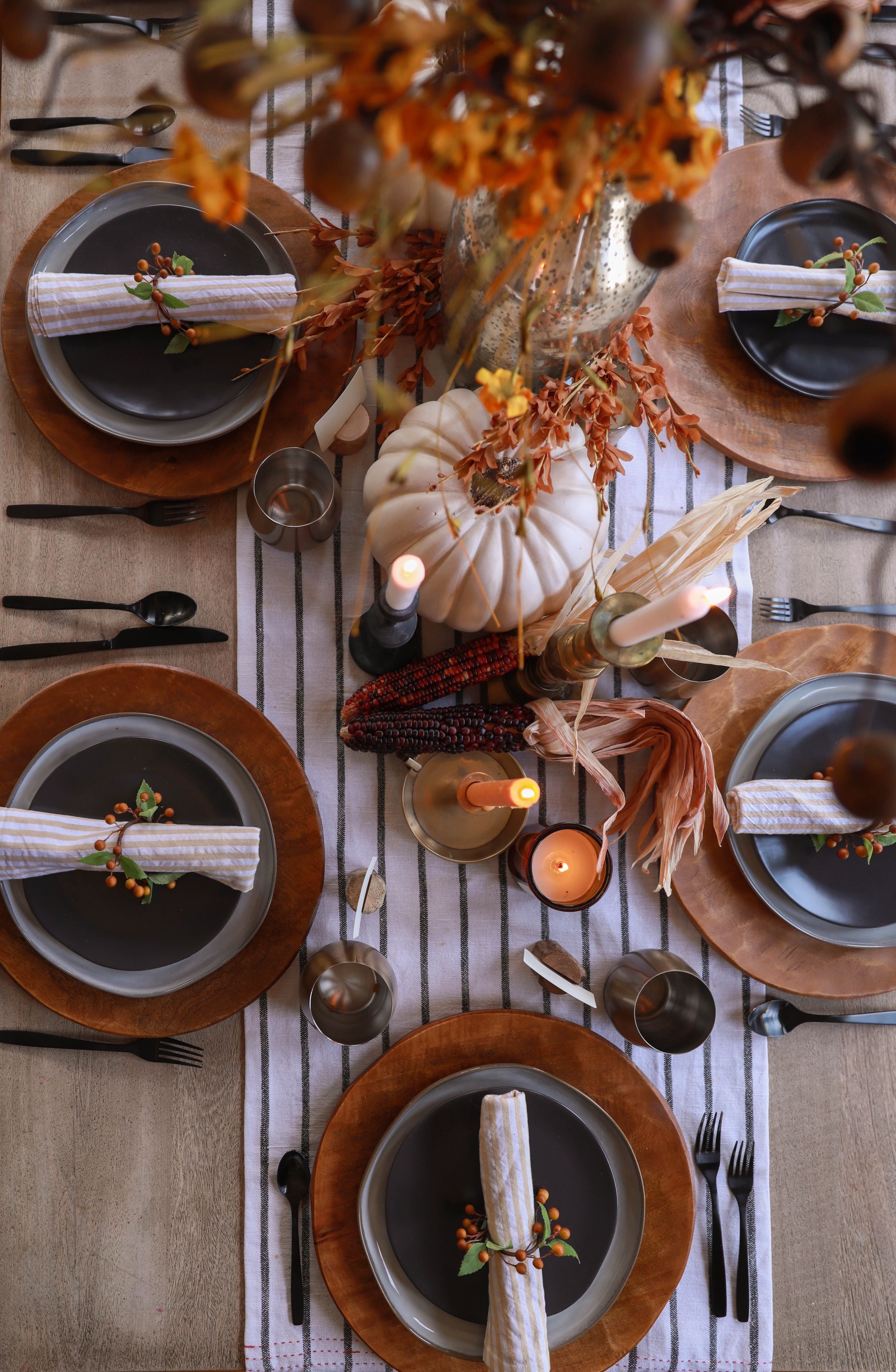
Designing a Seasonal Fall Table Setup Using Foraged Elements and Everyday Dinnerware
In an era defined by fast furniture, disposable flat-packs, and flat-packed particle board wrapped in vinyl veneers, the dining table stands as one of the last bastions of true heirloom craftsmanship. The economic and environmental cost of replacing a cheap veneer table every three years far exceeds the upfront investment of purchasing a locally harvested, solidly joined hardwood piece designed to last generations. Sustainable forestry initiatives, such as Forest Stewardship Council (FSC) certifications and urban timber salvage programs—where trees felled by disease or municipal construction are rescued and kiln-dried into magnificent slabs—connect our modern interiors directly back to the natural world.
Investing in a thoughtfully constructed table changes our consumption habits. When furniture is built to be repaired, refinished, and passed down through families, it acquires patina rather than wear. Scratches become chapters in a domestic narrative; water rings turn into reminders of a raucous birthday party. This philosophy of permanence stands in direct rebellion against planned obsolescence, grounding our homes in physical objects that anchor us to place, community, and tradition amidst a hyper-accelerated digital culture.
Actionable Recommendations for Long-Term Enjoyment
The dining table remains the quiet anchor of human connection. Long after trends in paint colors, upholstery fabrics, and modular shelving have cycled through obsolescence, a well-built wooden or stone table continues to stand firm, waiting for the next meal, the next argument, the next puzzle, or the next quiet cup of coffee at dawn.
Choosing this piece of furniture is an act of optimism. It is a declaration that people will continue to gather, sit face-to-face, and share their lives across a common surface. By prioritizing structural integrity, ergonomic honesty, and materials that age with dignity, you do more than furnish a room—you build a foundation for the moments that matter most.
