The sun hits the corner of the hardwood floor at exactly 4:15 PM, casting long shadows across a room that feels simultaneously finished and entirely wrong. You look around at the throw pillows you bought on a midnight impulse, the artisanal ceramic vase gathering dust, and the sofa you inherited from a relative. Nothing talks to each other. They merely coexist in awkward silence, sharing the same square footage.
Deciding how to design your home often starts with a frantic swipe through saved Instagram folders or Pinterest boards overflowing with contradictions. One minute you are convinced your soul belongs in a sun-drenched Scandinavian minimalist loft; the next, you are saving moody, maximalist Victorian studies draped in emerald velvet and tarnished brass. This whammy of visual overload paralyzes homeowners. You end up buying nothing, or worse, buying everything, turning your living room into an expensive game of interior design roulette.
Over a decade of working inside residential spaces—from cramped Manhattan brownstones to sprawling suburban ranches—has taught me one immutable truth: people do not struggle with home decor because they lack taste. They struggle because they confuse aesthetics with identity. Interior design is not about collecting a series of pretty vignettes from a catalog; it is about engineering an environment that supports how your nervous system actually responds to your surroundings after a ten-hour workday.
Decoding the Anatomy of Architectural Context and Personal Habit
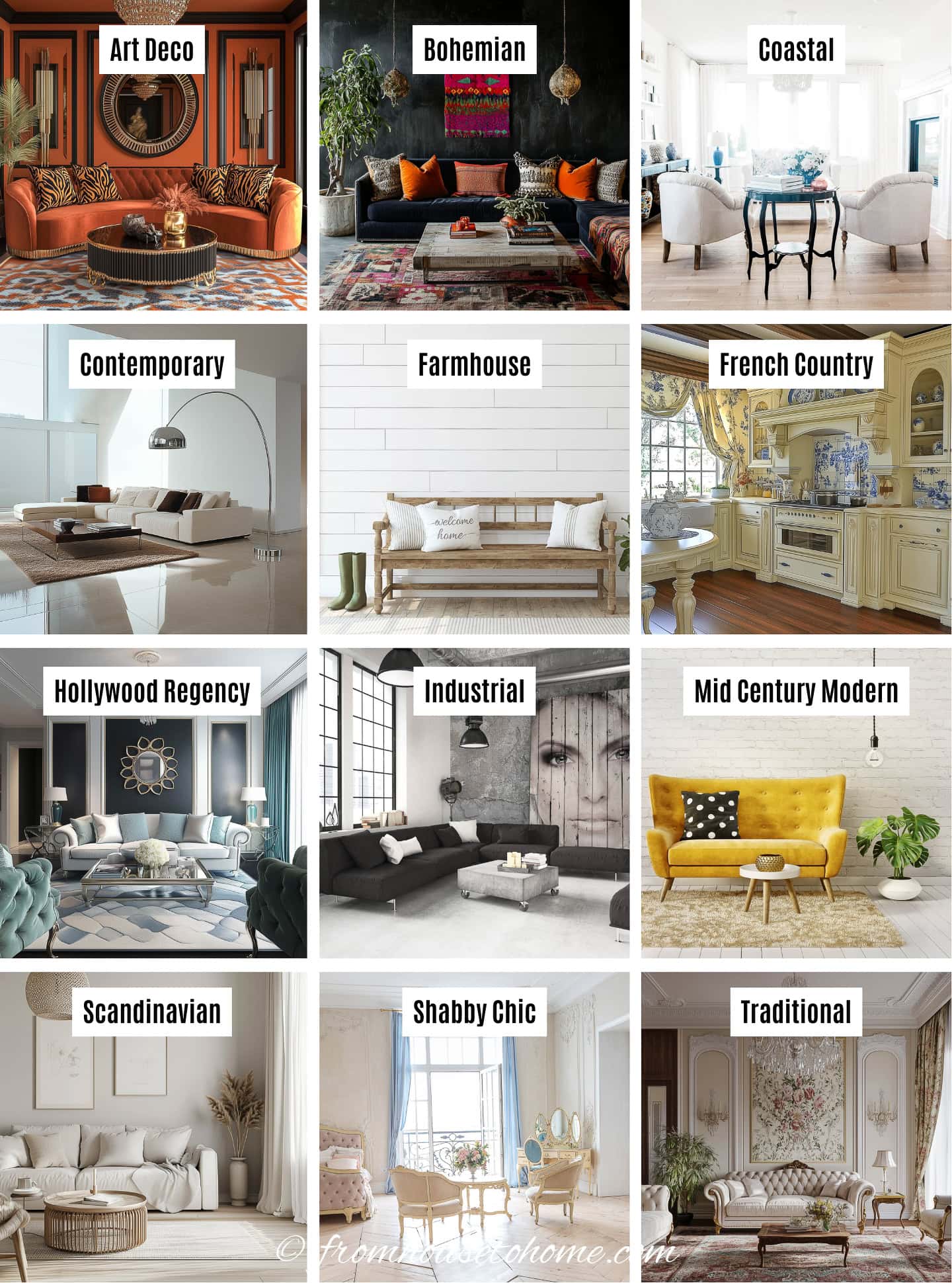
Before you open a single paint deck or browse an online furniture showroom, you must accept a harsh spatial reality: your architecture dictates your aesthetic boundaries. A vaulted, timber-framed ceiling in a mountain cabin rejects ultra-sleek, high-gloss Italian minimalism just as fiercely as a 1920s craftsman bungalow resists sterile, cold-formed chrome and concrete. Trying to force a decor style onto a space that fundamentally fights its architectural bones creates a low-grade visual friction that you will feel every single time you walk through the front door.
Look up, down, and around your rooms with brutal honesty. Note the window placement, the quality of natural light, the width of the baseboards, and the transitions between rooms. Light northern exposure bathes interiors in a cool, bluish tint that makes stark white paint look clinical and unwelcoming, whereas southern light warms up warm-toned woods and rich ochres. Real interior design begins by honoring these physical constraints rather than treating them as inconveniences to be masked by drywall and heavy drapery.
Equally important to the physical shell are your daily biological and domestic habits. If you have two golden retrievers and a toddler who treats living room upholstery as an obstacle course, a French neoclassical style featuring antique silk upholstery and French white oak parquet floors is an exercise in psychological self-torture. Design choices must align with your true lifestyle, not the idealized, spotless version of yourself who only drinks matcha and reads hardback poetry on rain-streaked afternoons.
Mapping out your functional requirements transforms vague style aspirations into concrete parameters. Do you work from home requiring acoustic dampening and ergonomic anchors? Do you cook elaborate three-course meals that demand industrial-grade durability from your kitchen surfaces, or is your kitchen primarily a staging ground for takeout boxes? By auditing how your family moves, spills, rests, and gathers, you strip away the superficial noise of temporary design trends and reveal the skeletal framework of the style you actually need to live comfortably.
The Psychology of Materiality, Texture, and Spatial Balance
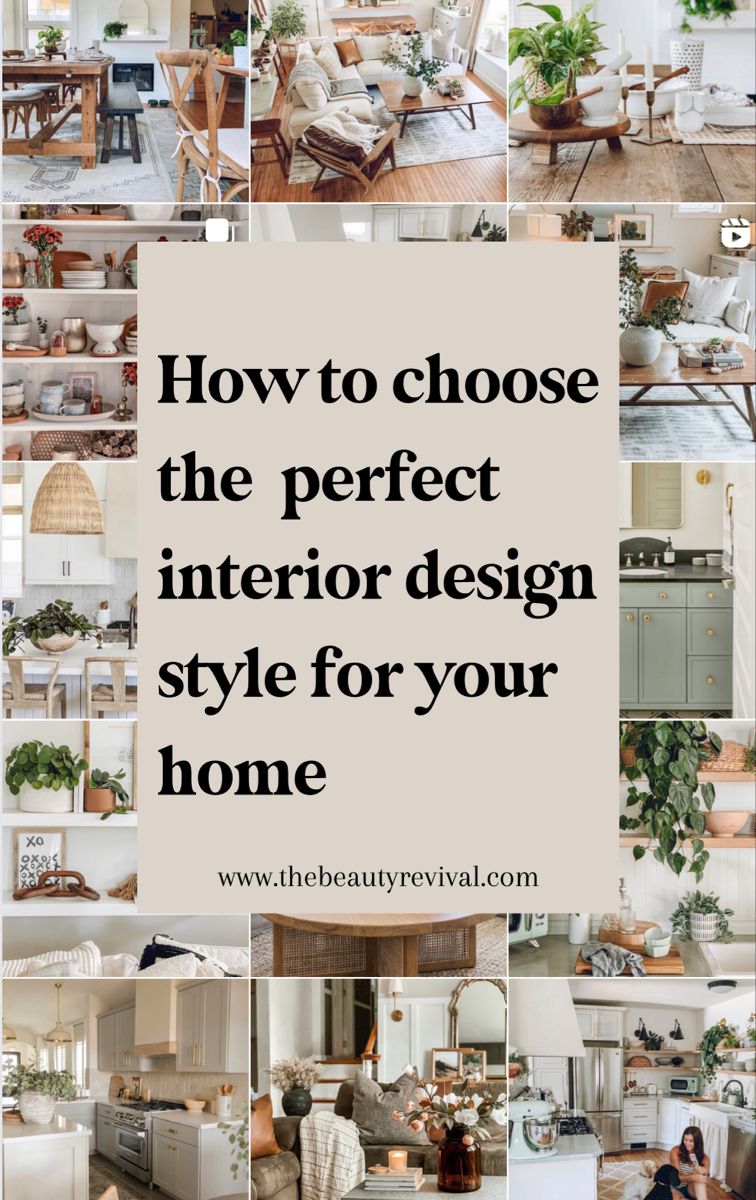
When people talk about style, they usually talk about nouns: bohemian, industrial, transitional, coastal. But professional designers rarely speak in these shorthand labels. They speak in adjectives and physical sensations: matte, patinated, heavy-pile, linear, organic, reflective. How a space feels to the touch and the eye matters infinitely more than whether it fits neatly into an internet-approved aesthetic category.
Mastering a cohesive look requires a deliberate orchestration of textures to prevent a room from reading as flat or sterile. If your foundational pieces—say, a linen-upholstered sofa and a bleached oak coffee table—lean heavily into soft, matte finishes, you introduce visual tension by incorporating contrasting elements like a blackened steel side table, ribbed ceramic lamps, or a heavily textured wool-and-silk rug. This interplay creates depth, drawing the eye across the room without relying on loud, distracting colors or frantic pattern mixing.
Color theory operates on a similar principle of balance and emotional regulation. Monochromatic palettes rely on subtle tonal shifts across paint, textiles, and wood stains to create serenity, while high-contrast schemes inject dynamic energy. However, the biggest mistake amateurs make is treating color as a surface treatment rather than an atmospheric tool. A deep, light-absorbing charcoal paint does not just change the color of the wall; it alters the acoustic profile of the room, diminishes visual clutter, and envelops the occupant in a sense of protective enclosure that bright white can never achieve.
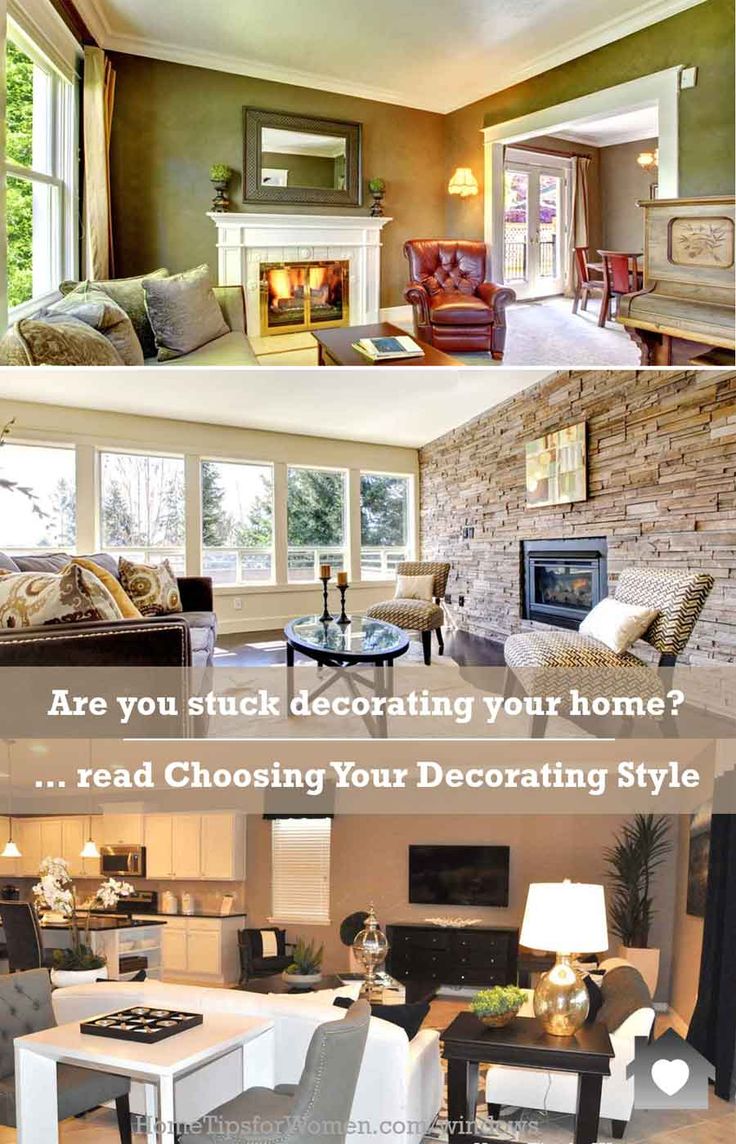
Understanding scale and proportion acts as the invisible glue holding a decor style together. Oversized art in a tiny powder room creates a witty, intentional moment of drama, whereas undersized furniture floating in an expansive, high-ceilinged great room makes the space feel like an unanchored waiting area. Every object in a room must possess a conversational relationship with its neighbors. When scale, texture, and color work in concert, a room feels complete, regardless of whether you can assign it a singular, textbook style label.
A Step-by-Step Methodology for Uncovering Your Authentic Design Language
Transitioning from a chaotic digital collage of inspirations to a focused, actionable design plan requires a disciplined methodology. You cannot shop your way into a cohesive style; you have to curate it through a process of elimination and systematic refinement.
Navigating Common Traps and Field-Tested Workarounds
Even with the best intentions, the road to a cohesive home decor style is littered with psychological traps and retail marketing illusions. Recognizing these pitfalls early saves you thousands of dollars and endless frustration.
The Broader Impact of Intentional Design on Well-Being
Creating a home environment aligned with your authentic style is not merely an exercise in vanity or domestic flexing; it is an act of profound self-care. Environmental psychology confirms that our physical surroundings directly influence our cognitive load, stress hormone levels, and emotional regulation. When your home functions efficiently and reflects your genuine aesthetic sensibilities, it acts as a restorative buffer against the relentless friction of the outside world.
Investing in quality materials and timeless design also carries significant economic and ecological value. The modern cultural impulse toward fast furniture—cheaply constructed flat-pack items designed to be discarded after a single move—has filled landfills and depleted forests at an unsustainable rate. Choosing well-crafted, durable pieces built from solid hardwoods, natural stone, and organic textiles is a vote for longevity. A vintage dresser restored with care or a solid oak table that develops a rich patina over decades of family dinners tells a story of stewardship that mass-produced plastic laminates can never replicate.
Related Posts
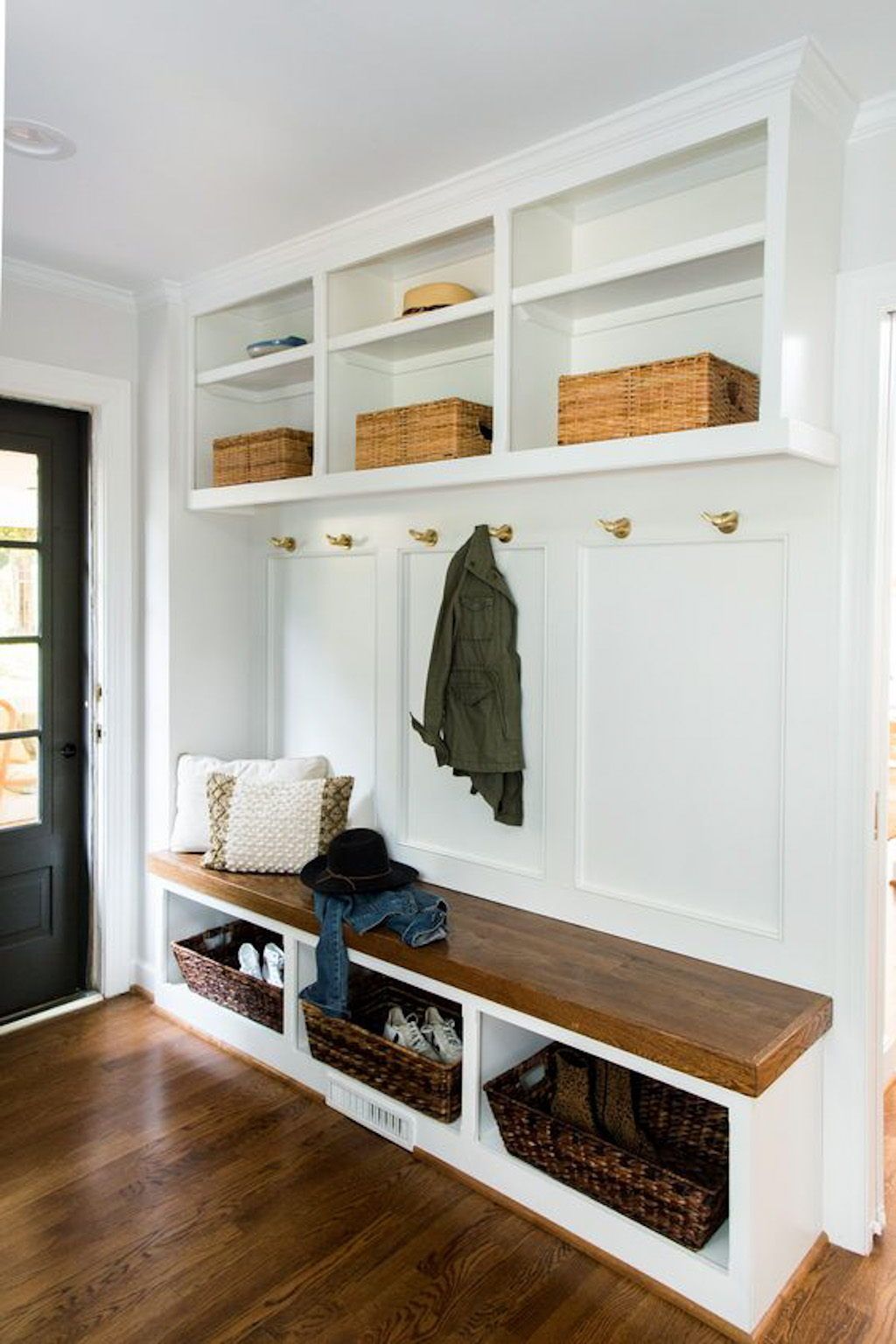
Real Solutions for Organizing Entryways and Mudrooms Without Losing Your Sanity
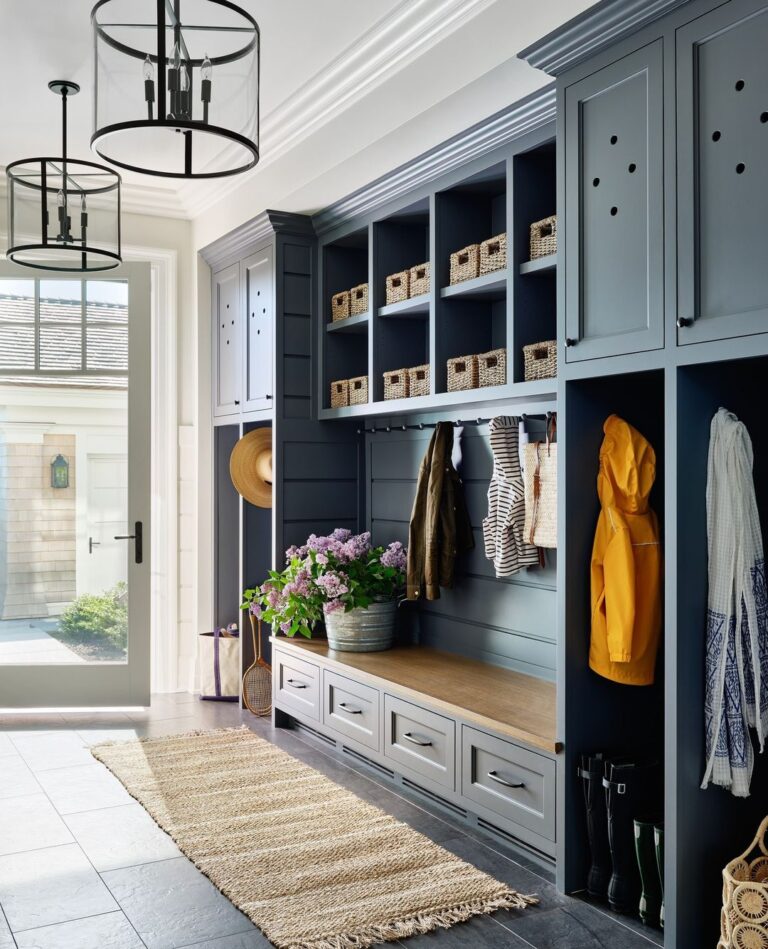
How to Design Mudroom Storage That Actually Keeps Your Family Organized
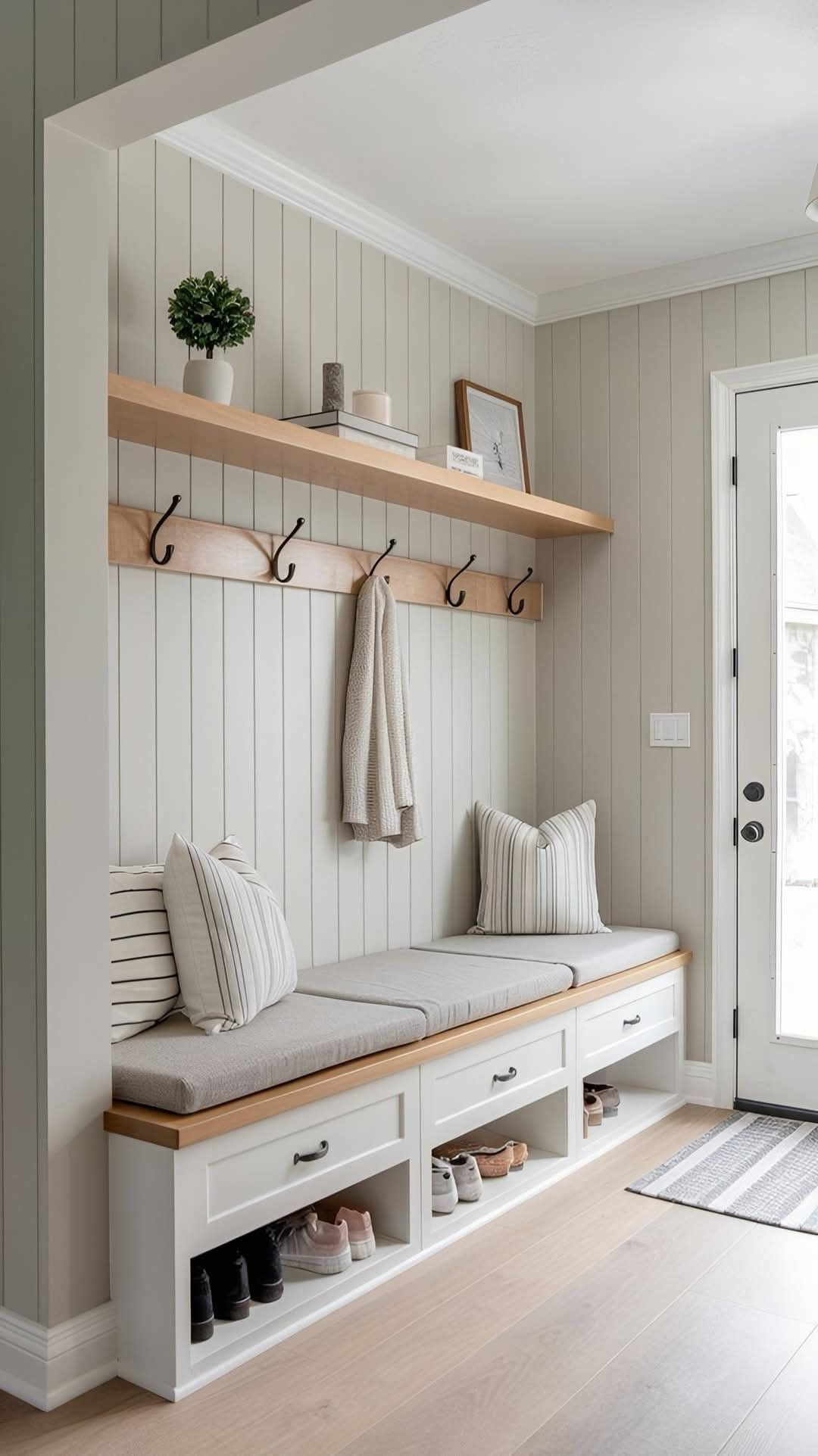
What Years of Home Design Interviews Taught Me About Choosing a Mudroom Storage Bench

Why interior designers recommend Halloween doorway curtains for effortless seasonal decorating
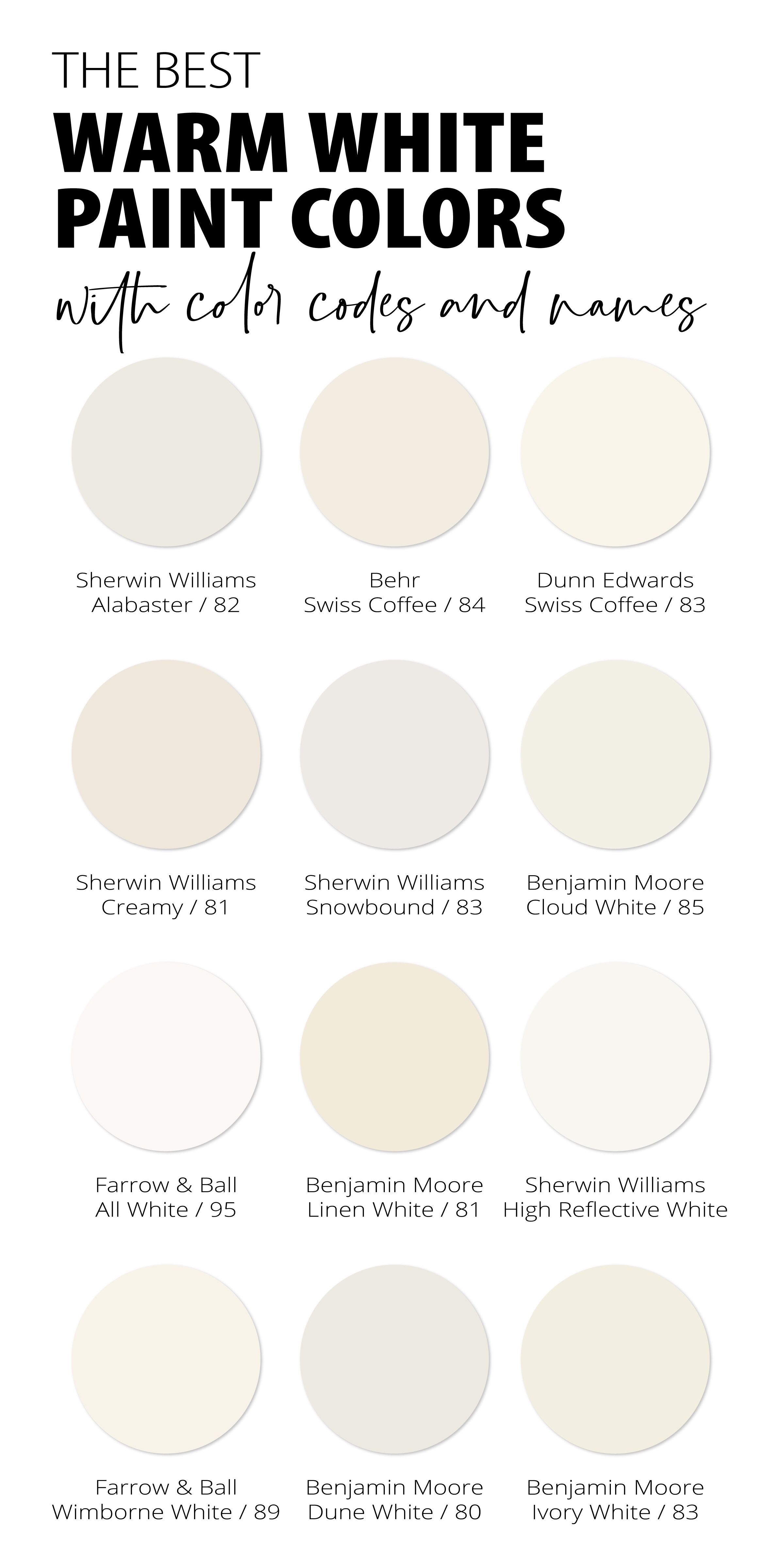
How Natural Light Changes Warm White Paint Colors Throughout the Day

Designing a Seasonal Fall Table Setup Using Foraged Elements and Everyday Dinnerware
Furthermore, a curated home fosters connection. When a space feels authentic to the people who inhabit it, guests instantly relax. The intimidating formality of a showroom dissolves, replaced by the warm, inviting friction of lived-in reality. Your home ceases to be a static stage set designed solely for digital validation and transforms into a dynamic, evolving canvas that supports your family's growth, rituals, and memories for years to come.
Synthesizing Your Vision into Actionable Frameworks
Finding your decor style ultimately boils down to a process of ruthless self-editing and patient curation. You do not need a massive design budget or a degree in architectural history to create a space that feels deeply resonant and visually stunning. You simply need the discipline to tune out the cacophony of external trends and tune into the quiet signals of your own daily life.
Start small. Pick one room—perhaps the bedroom, where your need for sanctuary is most acute—and apply the foundational principles outlined here. Audit your natural light, choose an anchor piece, layer your textures, and clear out the visual clutter. Observe how your body responds to the altered environment over the course of a week.
Once you experience the profound psychological shift of living in a space designed with intention and authenticity, the process becomes self-sustaining. You will stop looking outward for permission on what your home should look like and start trusting your own editorial eye. Interior design stops feeling like a test you are destined to fail and transforms into what it was always meant to be: a creative extension of who you are and how you choose to move through the world.
The journey of home design has no final finish line. Your tastes will evolve, your family dynamics will shift, and your home will naturally adapt to accommodate these transformations. That fluidity is not a flaw in your design process; it is proof that your living space is alive, breathing, and responsive to your human experience.
Give yourself permission to move slowly. Do not feel pressured to furnish every room, paint every wall, or hang every piece of art in a single frantic weekend. True homes are built through accumulated choices, patient hunting, and deliberate moments of restraint.
As you step forward into your design journey, let curiosity guide your decisions rather than perfectionism. Embrace the mismatched vintage find, the slightly weathered patina of a well-loved wooden table, and the quiet power of an empty corner. Your home is your singular domain—build it not to impress the algorithm, but to shelter your spirit.
