The ambient hum of the city fades behind double-pane glass, leaving behind the heavy, sacred silence of a properly curated sleeping quarters. At the center of this domestic sanctuary sits a heavy white oak bed frame, smelling faintly of natural linseed oil and time-seasoned timber. Across the room, a matching six-drawer dresser stands like a monolith of functional carpentry, its drawer glides whispering shut with engineered hydraulic precision. Buying a bedroom furniture set is rarely just an exercise in interior decoration. It is an investment in human infrastructure, shaping how you wind down at midnight and how you greet the dawn.
Over the past decade of working inside residential architecture and high-end interior styling, I have watched countless homeowners make the costly mistake of treating bedroom sets as disposable fashion items. They purchase matching packages assembled from cheap composite board covered in paper-thin laminate, only to watch the structural joinery fail within thirty-six months under the strain of normal life. True bedroom curation requires an understanding of raw materials, joinery techniques, spatial psychology, and ergonomics. When approached with an eye for craftsmanship, a cohesive furniture suite transforms a chaotic chamber into a genuine restorative refuge.
The modern furniture market has evolved drastically. Gone are the days when buying a suite meant accepting a monotonous, cookie-cutter suite of identical brown boxes lined up against bedroom walls. Today's high-performance bedroom collections blend standardized aesthetic harmony with modular flexibility. Whether you are outfitting a sprawling Victorian primary suite or an urban loft with unforgiving square footage, understanding the mechanics of bedroom furniture sets separates a fleeting purchase from a generational heirloom.
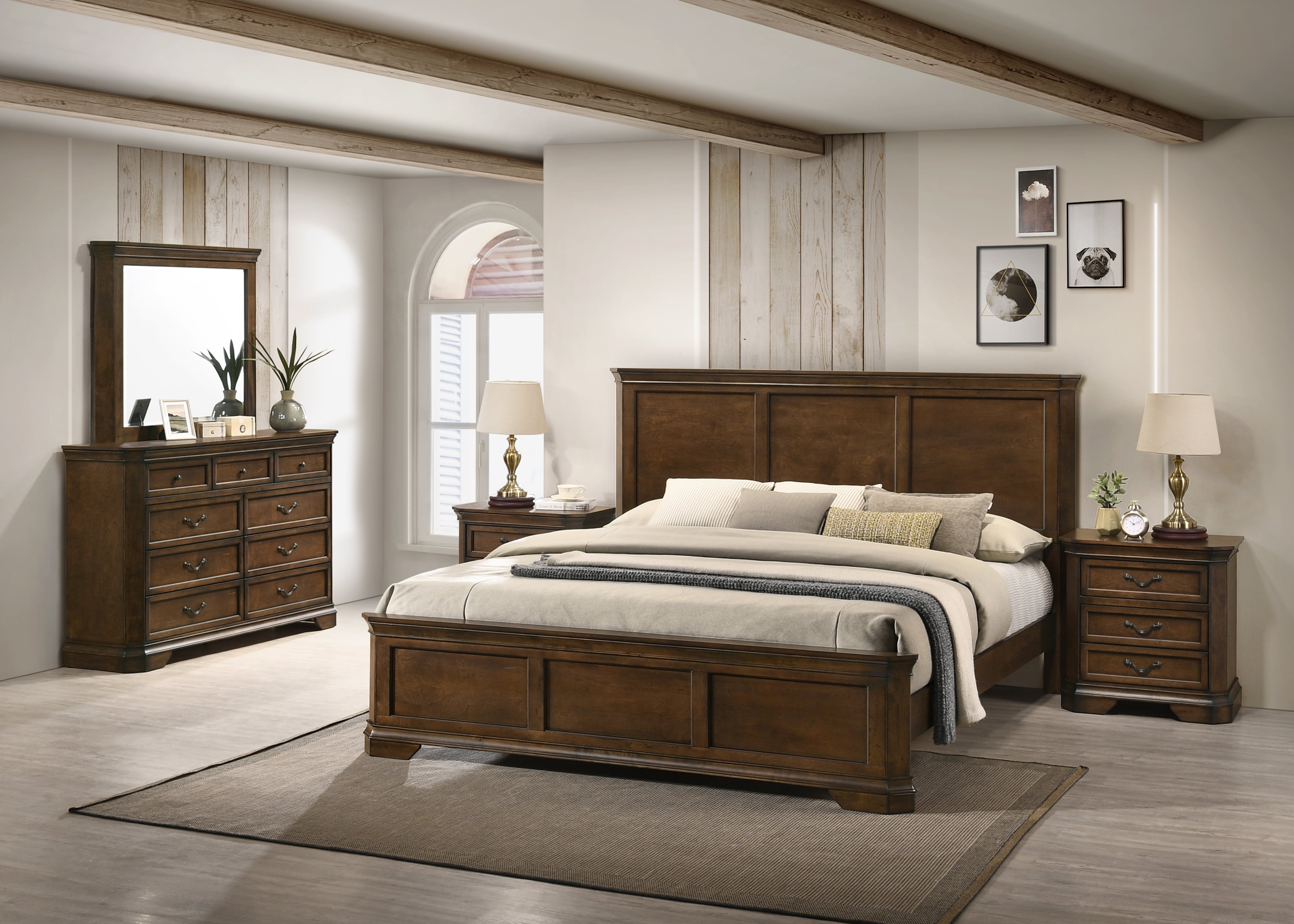
Anatomy of a Suite: Deconstructing the Core Elements of Bedroom Collections
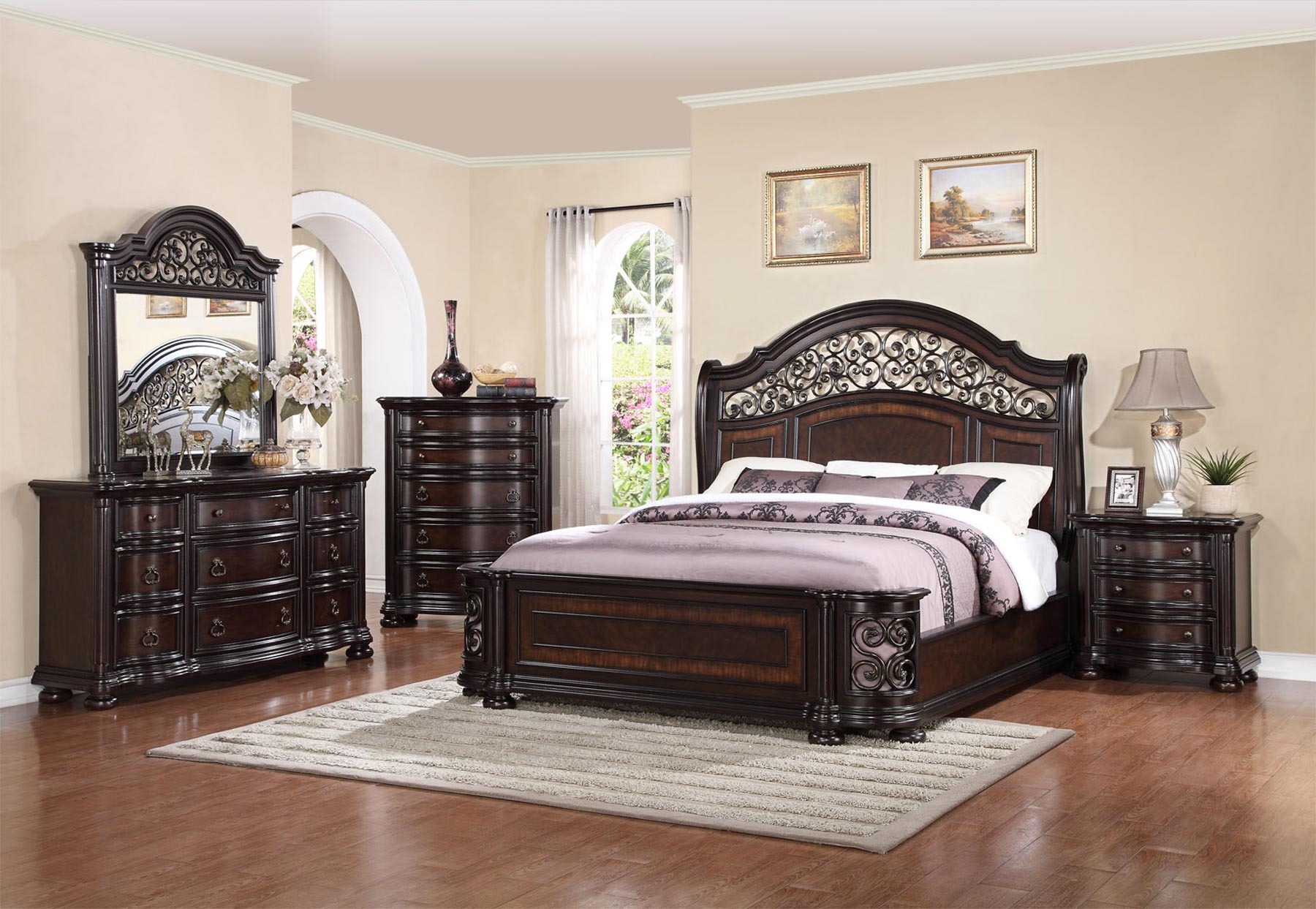
A traditional bedroom furniture suite typically anchors itself around three primary pillars: the bed frame, the nightstands, and the dresser or chest of drawers. However, the engineering behind these pieces dictates whether they will endure decades of daily use or buckle under seasonal humidity shifts. When evaluating a coordinated collection, you must look past the surface veneer and inspect the skeleton. High-end manufacturers utilize kiln-dried hardwoods such as American walnut, white oak, and hard maple. Kiln-drying reduces the moisture content of the lumber to a precise 6 to 8 percent, preventing the wood from warping, twisting, or splitting as indoor heating and cooling cycles fluctuate throughout the year.
Joinery is the silent signature of elite furniture making. Look for time-tested methods like dovetail joints on drawer boxes, where interlocking wooden fingers create a mechanical bond that resists pulling apart under lateral stress. Dowel and mortise-and-tenon construction provide superior frame stability compared to cheap metal brackets, cam-lock fasteners, and hot glue. If you pull out a dresser drawer and see exposed particle board stapled together, walk away immediately. A legitimate hardwood suite utilizes solid wood drawer bottoms rather than thin cardboard inserts that sag and buckle under the weight of winter sweaters.
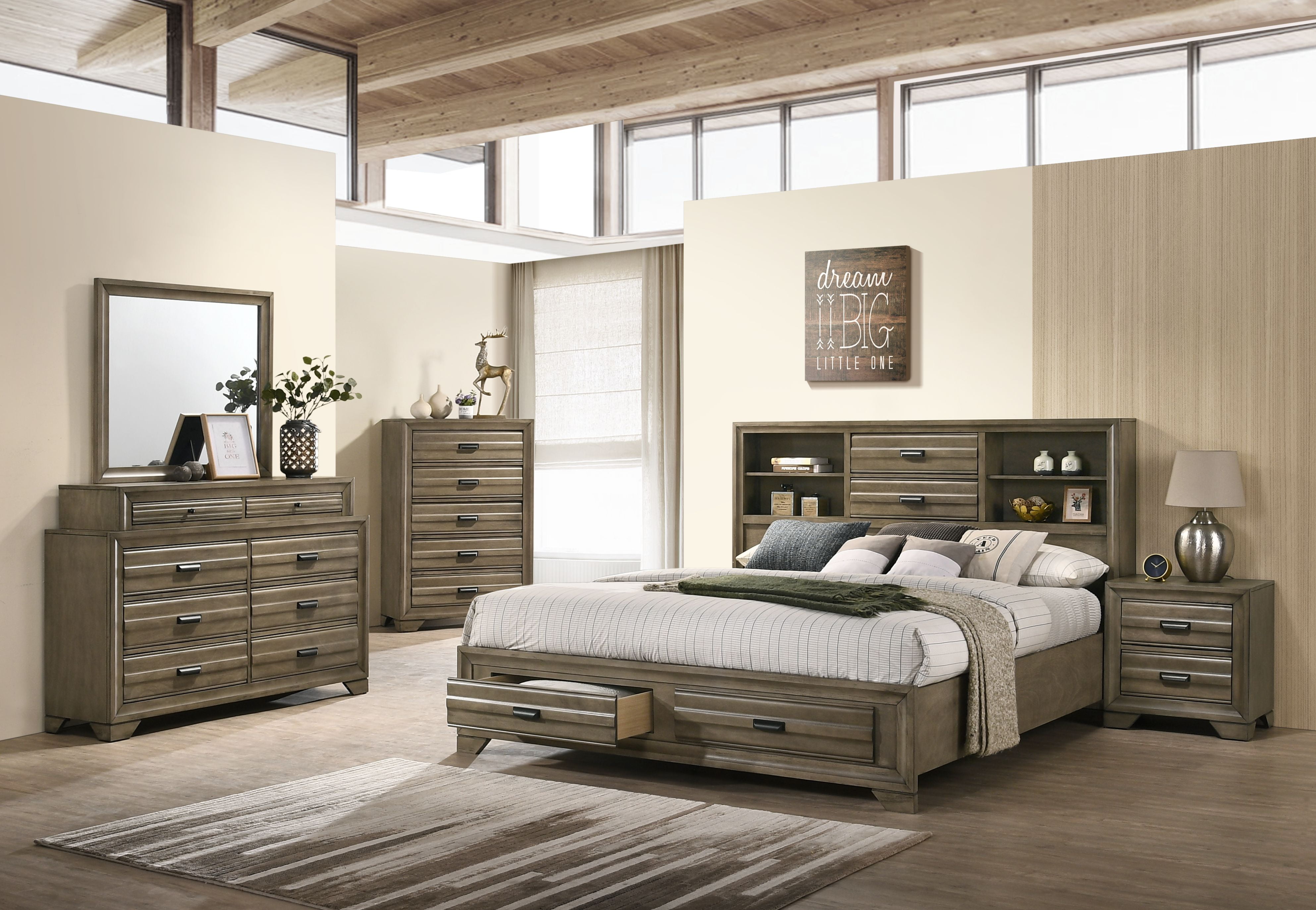
Beyond the structural integrity, surface finishes dictate the tactile experience of your bedroom. Oil-and-wax finishes allow the natural grain of the wood to breathe, developing a rich patina over time that tells the story of your life. Conversely, catalyzed conversion varnishes provide industrial-grade protection against moisture rings from midnight glasses of water and scratches from everyday accessories. Understanding how these finishes react to UV light and daily wear ensures that your investment retains its aesthetic integrity for decades.
The Spatial Psychology of Coordinated Collections Versus Eclectic Curations
The eternal debate among interior designers centers on whether to purchase an entire matching bedroom set or curate an eclectic mix of vintage and contemporary individual pieces. While eclectic rooms offer a bohemian charm, matching or harmonized bedroom furniture sets provide an unmatched sense of neurological calm. The human brain craves visual order when entering a space dedicated to rest. When the bed frame, nightstands, and armoire share consistent wood tones, proportions, and hardware finishes, visual friction drops significantly. This underlying symmetry helps lower cortisol levels, preparing the nervous system for deep sleep.
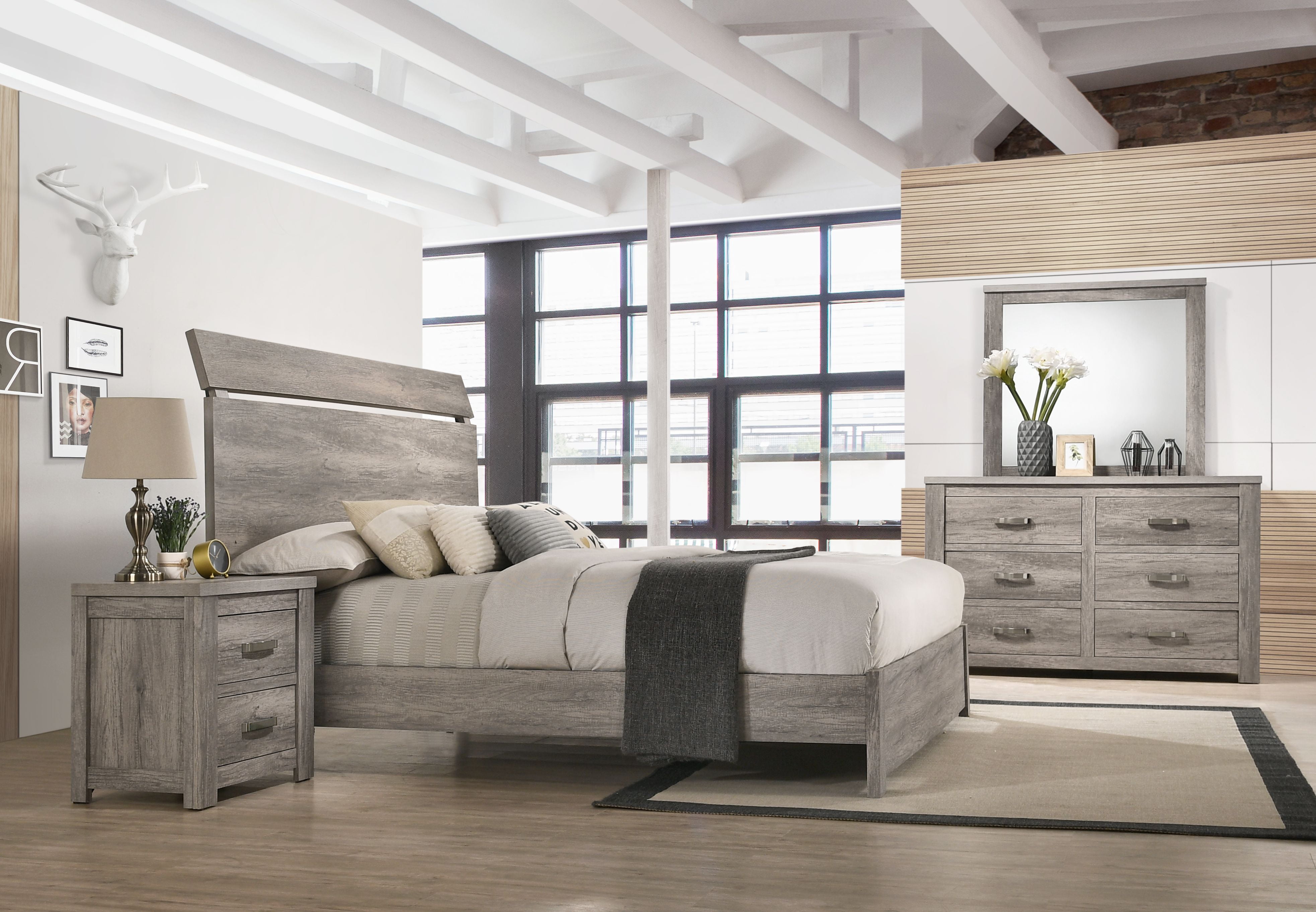
However, spatial balance requires rigorous discipline. A common trap is buying a massive seven-piece suite designed for a sprawling estate and cramming it into a modest suburban bedroom. Scale is everything. If your bed frame consumes eighty percent of the floor space, adding two oversized nightstands and a towering chest of drawers creates an oppressive, claustrophobic environment. Professional designers utilize the "rule of thirds," ensuring that furniture mass leaves ample negative space for movement and air circulation.
Furthermore, matching sets do not have to mean absolute uniformity. Many contemporary high-end manufacturers offer curated collections where pieces share a design language—such as tapered mid-century legs or matte black steel accents—while varying in scale and primary function. This approach delivers the psychological peace of a unified design scheme while avoiding the monotonous look of a showroom floor. Balancing visual weight across different walls prevents the room from feeling lopsided, ensuring that your heavy dresser does not overpower your minimalist bed frame.
Step-by-Step Methodology for Selecting and Procuring the Ideal Bedroom Suite
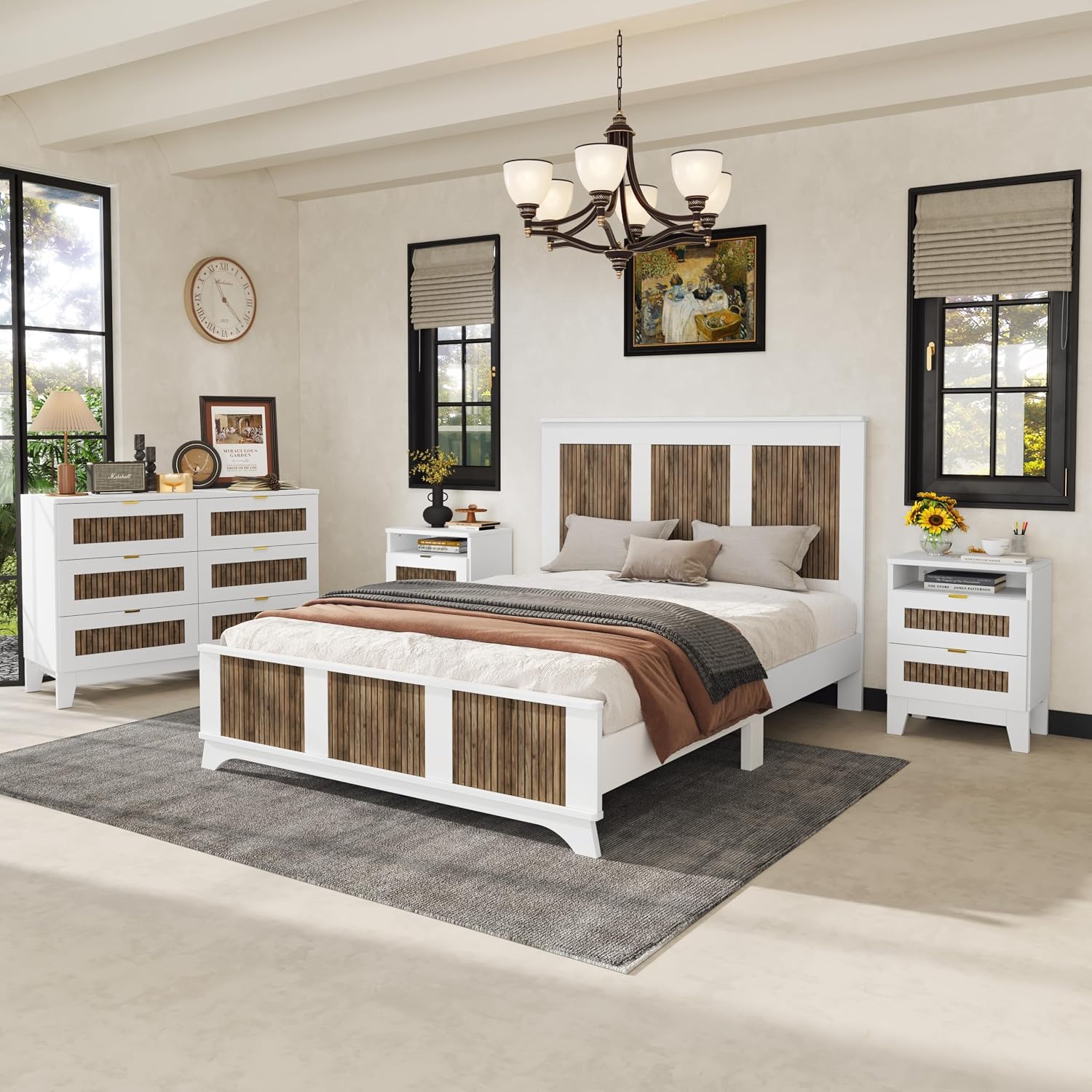
Navigating the vast landscape of furniture retail requires a systematic, methodical approach. Ripping out your old setup and buying the first matching suite you see online is a recipe for buyer's remorse. Follow this rigorous framework to ensure your investment stands the test of time.
Avoiding Critical Missteps and Navigating Hidden Industry Pitfalls
The furniture industry is rife with marketing terminology designed to obscure inferior manufacturing practices. Terms like "solid wood" are sometimes manipulated to describe a collection that uses solid pine frames overlaid with medium-density fiberboard (MDF) panels. Knowing how to decode product specifications protects your wallet from deceptive marketing and ensures your home contains genuinely durable goods.
The Long-Term Economics, Sustainability, and Circularity of Fine Furniture
Purchasing cheap, disposable furniture sets every few years creates a massive economic drain and an environmental catastrophe. Fast furniture lands in landfills by the millions of tons annually, shedding synthetic glues and toxic finishes into local ecosystems. Investing in a generational bedroom suite crafted from sustainably harvested lumber certified by the Forest Stewardship Council (FSC) flips this destructive script entirely. High-end hardwood furniture possesses a circular economic lifecycle; it can be sanded down, refinished, repaired, and passed down through multiple generations.
Consider the carbon footprint of your purchase. A solid walnut dresser built by master artisans in North America or Europe carries a higher upfront cost than a flat-pack import, but its lifespan easily spans fifty to a hundred years. When you divide the initial investment by decades of daily service, high-end furniture often proves significantly more economical than replacing warped, wobbly particle-board sets every five years. Furthermore, caring for natural wood requires simple, non-toxic maintenance—occasional applications of beeswax or natural soap washes—eliminating the need for harsh chemical polishes.
As manufacturing technologies shift toward localized artisan production and transparent supply chains, buyers have unprecedented access to provenance data. Knowing the exact forest region where your white oak bed frame was harvested connects your domestic space to the natural world. This sustainable mindset elevates furniture from a passive commodity to an active participant in your home's ecosystem, fostering a deeper appreciation for the materials that shelter our daily lives.
Strategic Curation: Actionable Frameworks for Bringing Your Suite Together
Transforming a bedroom into a cohesive master retreat requires balancing structural furniture pieces with soft architectural layers. Once your core bedroom furniture set is delivered and anchored into place, the real styling work begins. The goal is to avoid turning your bedroom into a sterile furniture showroom by introducing textural contrast and personal history.
Your bedroom is the silent witness to your life's most vulnerable moments. It is where you recover from professional burnout, process emotional trials, and drift into the restorative slumber that fuels tomorrow's ambitions. Choosing the right bedroom furniture set is an act of self-care disguised as interior design. By prioritizing honest materials, robust joinery, thoughtful spatial planning, and timeless aesthetics, you build an environment that honors your physical well-being.
As you step forward to curate your sleeping sanctuary, resist the pull of fleeting trends and cheap convenience. Invest in pieces that feel good to the touch, anchor the room with quiet dignity, and age gracefully alongside you. The quiet morning light hitting a well-crafted oak dresser or the solid, reassuring sturdiness of a properly joined bed frame reminds us that quality craftsmanship remains one of the most enduring luxuries in modern life.