The kitchen sink was piled high with yesterday’s dinnerware, the rogue red sock had somehow migrated into a load of whites, and my remote work laptop was pinging with unread messages while a laundry basket sat waiting at the base of the stairs like a physical monument to domestic overwhelm. Anyone running a household knows this precise brand of friction. It is the slow, grinding erosion of time and mental bandwidth that happens when the demands of a home outpace the hands available to manage it. We live in an era where the boundary between work life and home life has dissolved entirely, leaving families scrambling to find sustainable models of domestic support.
For years, society treated domestic labor and household support as an afterthought—something to be solved by sheer exhaustion or hastily hired emergency help. Yet, managing a household is closer to running a small enterprise than it is to simple chores. It requires logistics, budgeting, asset maintenance, and emotional labor. Over the past several years, the landscape of home help has shifted dramatically. Driven by advances in consumer automation, shifting labor markets, and a cultural re-evaluation of work-life balance, families are rethinking how they source assistance. Whether you are managing an aging parent, juggling dual-career schedules with young children, or simply trying to claw back your weekends, reimagining domestic help requires more than just outsourcing; it demands a systematic overhaul of how domestic operations function.
Unpacking the Spectrum of Domestic Support and Caregiving
When people hear the phrase home help, their minds often drift immediately to traditional cleaning services or high-end personal assistants. In reality, the ecosystem of domestic assistance spans a vast continuum, ranging from specialized medical caregiving to fractional home management and algorithmic automation. Understanding these categories is the first step toward building a sustainable support system tailored to your actual needs rather than an idealized version of household upkeep.

On the caregiving front, home help encompasses non-medical companion care, personal care aides, and specialized nursing support for aging populations or family members with chronic conditions. According to labor statistics and eldercare industry reports, the demand for in-home care services has surged exponentially as families prioritize aging-in-place over institutional facilities. This form of help requires a high degree of emotional intelligence, medical literacy, and regulatory compliance, particularly regarding state-level caregiver certifications and background verifications.
Beyond caregiving, operational home help focuses on the physical upkeep of the living space and the administrative overhead of family life. This includes professional organizers, meal prep services, home maintenance coordinators, and household managers who oversee vendors, contractors, and day-to-day cleaning routines. The distinction between a casual babysitter or weekend cleaner and a true home manager lies in proactive problem-solving. A domestic manager anticipates the HVAC filter change before the system strains in July; a reactive approach simply calls a repair technician when the compressor fails during a heatwave.
Integrating these various layers of support requires an honest audit of your household's pain points. Many households make the mistake of hiring piecemeal help without a unifying strategy, leading to duplicated efforts or miscommunication between different service providers. By mapping out whether your primary deficit is time, physical energy, or specialized expertise, you can target your resources toward the exact friction points that drain your household's collective wellbeing.
Strategic Frameworks for Sourcing, Vetting, and Retaining Help
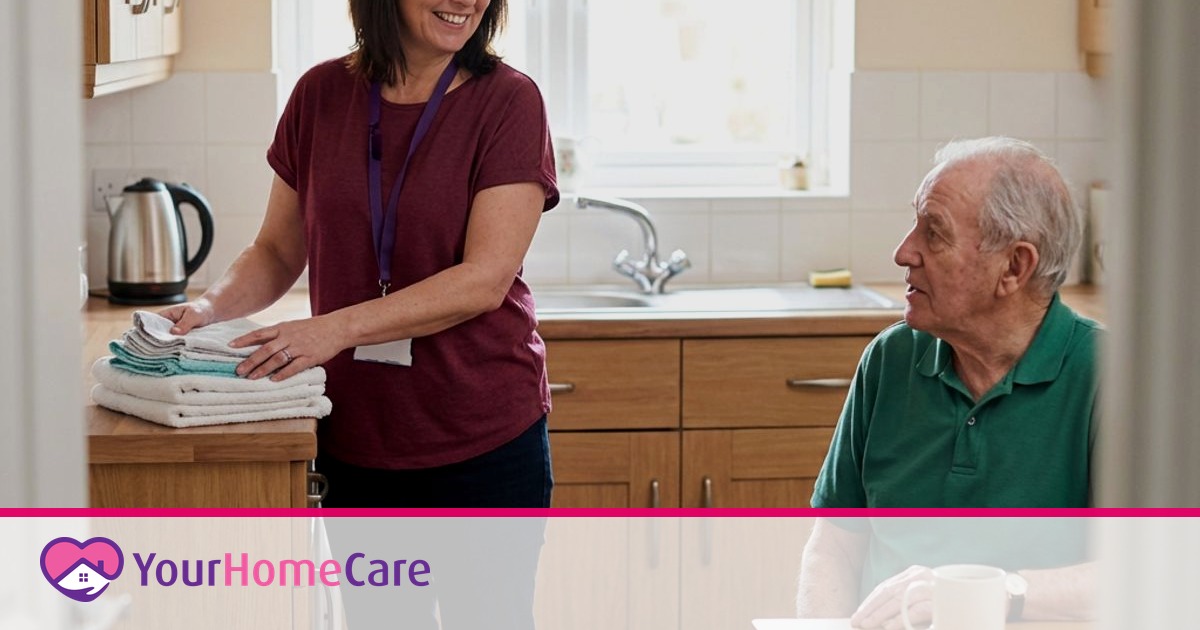
Finding reliable home help is notoriously stressful. The traditional model of word-of-mouth recommendations often falls short in modern, mobile neighborhoods where neighbors barely know one another. Building a resilient network of domestic support requires treating the vetting process with the same rigor you would apply to hiring an employee in a corporate setting.
The foundation of secure home help begins with clear scope-of-work definitions. Vague job descriptions lead to mismatched expectations, high turnover, and awkward workplace dynamics. Whether you are hiring a weekly housekeeper or a part-time mother's helper, document the exact responsibilities, physical requirements, performance expectations, and compensation structures before posting an ad or engaging an agency. This clarity protects both parties and establishes a professional tone from day one.
Vetting must extend far beyond basic platform reviews or superficial reference checks. For any individual working inside your private home—particularly those handling childcare, eldercare, or having unmonitored access to your property—comprehensive background screening is non-negotiable. This includes multi-jurisdictional criminal record checks, motor vehicle record searches if driving is involved, and direct verification of professional certifications or references from previous long-term employers.
Retention is the hidden challenge of home help. The domestic labor market is competitive, and high-performing helpers often juggle multiple clients. Treating domestic workers with dignity, offering competitive wages that account for inflation and cost-of-living adjustments, providing clear communication channels, and maintaining a safe, respectful working environment are essential retention strategies. When you find exceptional help, invest in the relationship so it becomes a long-term partnership rather than a revolving door of temporary workers.

Step-by-Step Methodology for Implementing Smart Home Assistance
Navigating Common Pitfalls and Operational Missteps in Domestic Help
Bringing outside help into the sanctuary of your home introduces unique vulnerabilities and interpersonal dynamics that can easily go sideways without proper guardrails. One of the most frequent mistakes homeowners make is failing to establish clear boundaries regarding privacy and communication. When a helper is in your home several days a week, professional boundaries can blur. It is vital to maintain a respectful, professional distance while fostering a warm working relationship, ensuring that personal grievances do not poison the working environment.
Another major hazard is underestimating the legal and financial obligations of employing home help. Depending on your jurisdiction and the number of hours worked, domestic workers may legally be classified as W-2 employees rather than independent contractors (1099). Ignoring tax withholdings, workers' compensation insurance, and labor laws exposes households to severe financial liabilities and legal penalties. Consulting a payroll service specializing in household employment can prevent costly misclassifications.

Communication breakdowns are the silent killer of domestic support arrangements. Homeowners often assume that their expectations are self-evident—that a clean counter means crumb-free, streak-free, and sanitized. When helpers do not meet unstated standards, frustration builds silently until an explosion occurs. The practitioner workaround is to co-create visual checklists and video walkthroughs during the onboarding phase, removing ambiguity and giving helpers clear targets for success.
Scope creep represents a persistent temptation for both parties. A helper might start by folding laundry and gradually find themselves responsible for deep-cleaning carpets, walking the dog, and tutoring the children without any adjustment in compensation or time allocation. Protect your support system by scheduling quarterly reviews to reassess duties, ensuring that workload expansions are met with corresponding wage increases.
Finally, relying exclusively on human help without leveraging technological assistance creates unnecessary operational drag. Modern smart home ecosystems—such as robotic vacuums, automated lighting schedules, smart thermostats, and shared digital family calendars—should handle the repetitive baseline chores, freeing your human help to focus on high-value tasks that require genuine judgment, empathy, and manual dexterity.
Economic Value, Technological Integration, and the Future of Domestic Work
The modern approach to home help is undergoing a profound technological and economic evolution. No longer viewed merely as a luxury for the ultra-wealthy, domestic support is increasingly recognized as an essential economic driver that enables dual-career households to participate fully in the workforce. Economists often point out that the inability to secure reliable, affordable home help—particularly childcare and eldercare—is a major bottleneck in labor market productivity.
Simultaneously, the convergence of artificial intelligence and robotics is transforming what is possible inside the domestic sphere. By 2026, smart home integration has moved beyond simple voice-activated speakers to predictive automation systems that monitor pantry inventory, coordinate with local grocery delivery APIs, and optimize energy consumption based on occupancy patterns. Robotic process automation in the home is reducing the physical burden of routine maintenance, allowing human helpers to focus on complex, high-touch support roles.
This technological shift does not diminish the value of human help; rather, it elevates it. As machines take over repetitive physical labor, human domestic workers are increasingly valued for their emotional intelligence, problem-solving capabilities, and personalized caregiving skills. Investing in home help is thus an investment in human capital—both for the workers providing the service and for the family members whose time is reclaimed for creative, professional, and relational pursuits.
Sustainability is another critical dimension of the evolving domestic landscape. Forward-thinking households are integrating eco-friendly practices into their home help operations, from sourcing non-toxic cleaning supplies to implementing rigorous composting and energy-saving protocols. When your home help team is trained in sustainable methodologies, the ecological footprint of your household shrinks significantly, aligning daily domestic life with broader environmental values.
Managing a home is an ongoing negotiation between entropy and order. The chaos of daily life will always push back against our best efforts to maintain a peaceful, functional sanctuary. Yet, by approaching home help not as a series of disconnected chores to be outsourced, but as a holistic, systematically managed operation, you can transform your living space from a source of chronic friction into a platform for thriving.
The secret lies in radical clarity, rigorous vetting, technological leverage, and deep respect for the people who partner with us in running our homes. When these elements align, the heavy lift of domestic life lightens, leaving room for what truly matters: connection, rest, and the quiet joy of a well-ordered life.