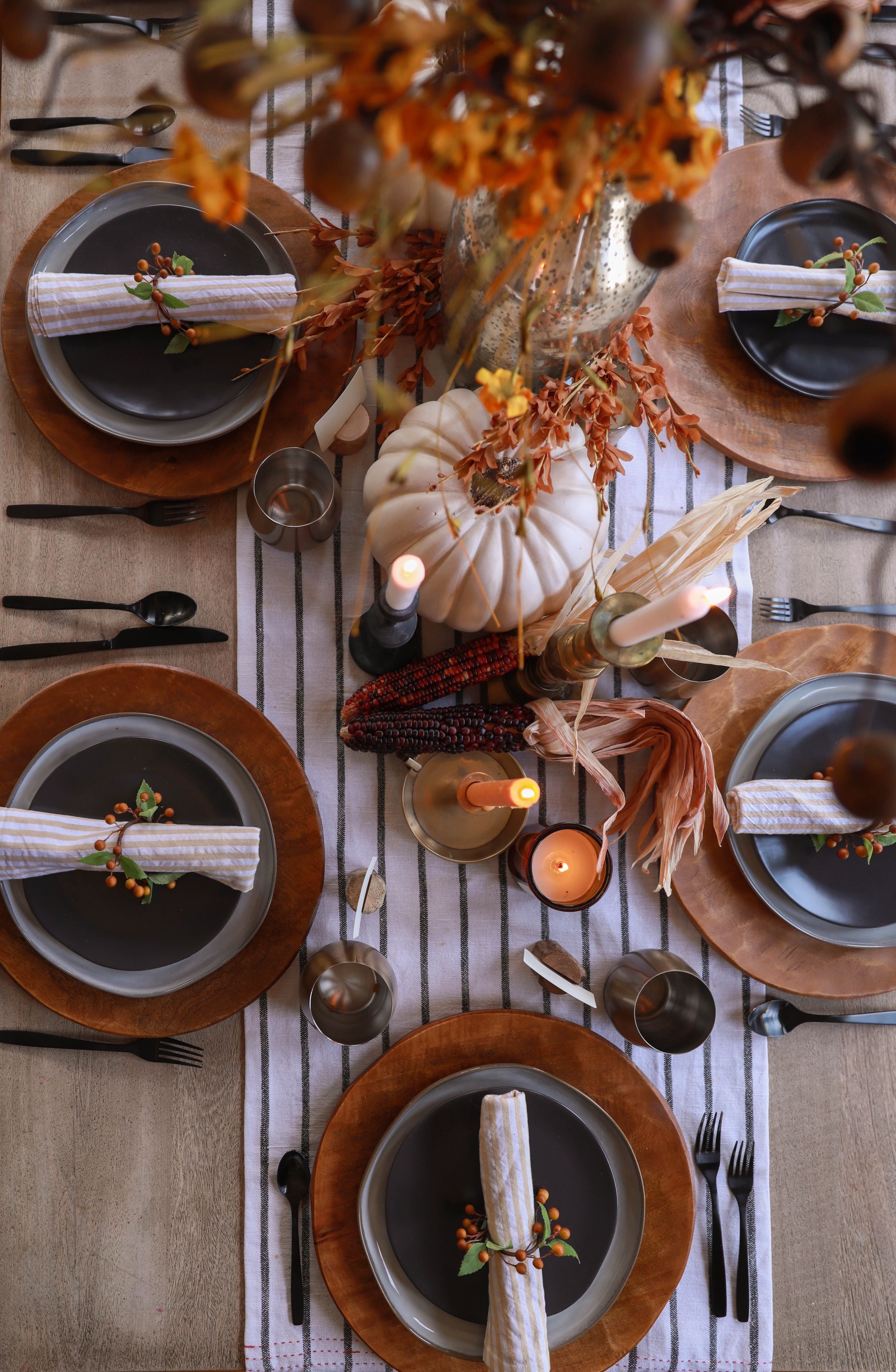
The clatter of heavy gauge stainless steel against fine bone china carries a distinct acoustic rhythm that signals the transformation of an ordinary room into a theater of hospitality. Every host eventually confronts the silent panic of standing over a bare wooden surface, surrounded by an arsenal of forks, knives, spoons, and crystal stems, wondering which side the bread plate is actually supposed to live on. Setting a table is rarely just about compliance with archaic Victorian rulebooks; rather, it is a physical manifestation of consideration for your guests, a silent architecture that removes guesswork from the physical act of eating.
Over a decade of hosting supper clubs, catering high-end private dinners, and studying the shifting paradigms of modern entertaining, I have watched the dining table evolve from a rigid, highly stratified battlefield of social anxiety into something far more fluid. Yet, despite the cultural pivot toward casual dining and family-style platters, the fundamental geometry of the table setting remains stubbornly anchored in logic. The arrangement of cutlery from the outside in is not an arbitrary exercise in snobbery; it is an ergonomic masterclass designed to keep hands from colliding and glasses from tipping over mid-conversation.
The Core Anatomy of Table Settings and Ergonomic Logic
At the absolute heart of every successful table layout lies a single, unbreakable principle: ergonomics dictates placement. When you examine how humans naturally reach, pivot, and interact across a shared surface, the traditional Western place setting reveals its genius. Everything on the table serves a physical purpose, positioned precisely where the human hand expects to find it when a specific course arrives. Understanding this physical logic liberates the host from memorizing rigid diagrams and allows them to adapt any setting to the specific menu they intend to serve.
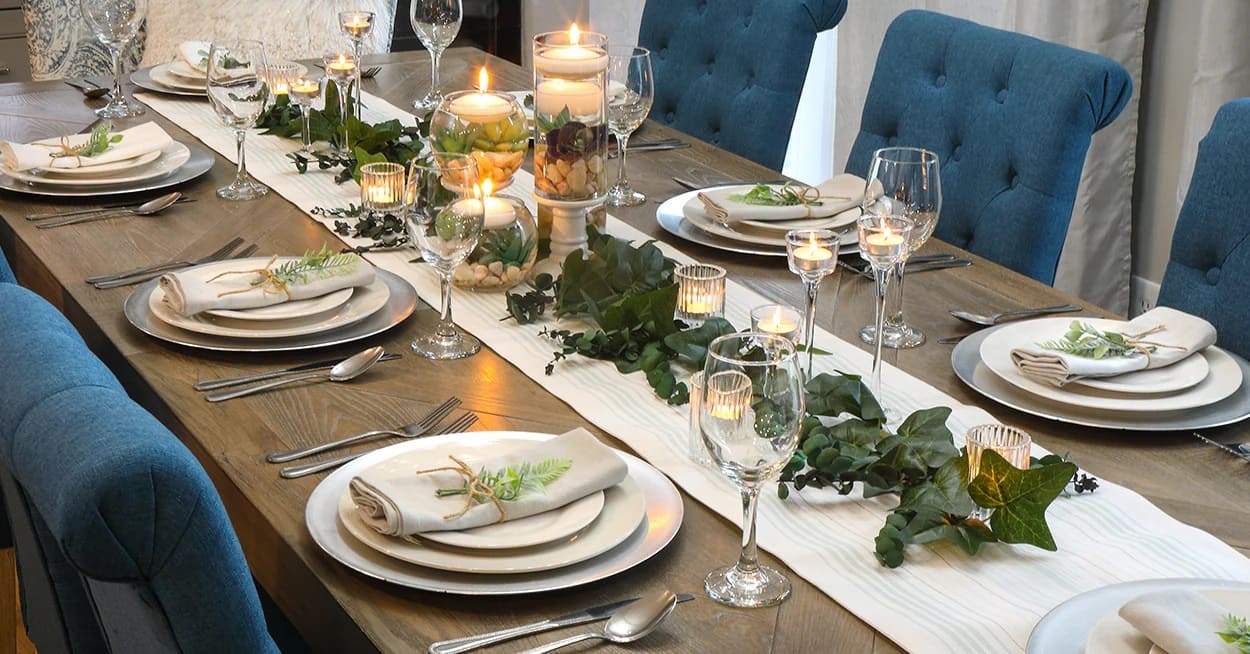
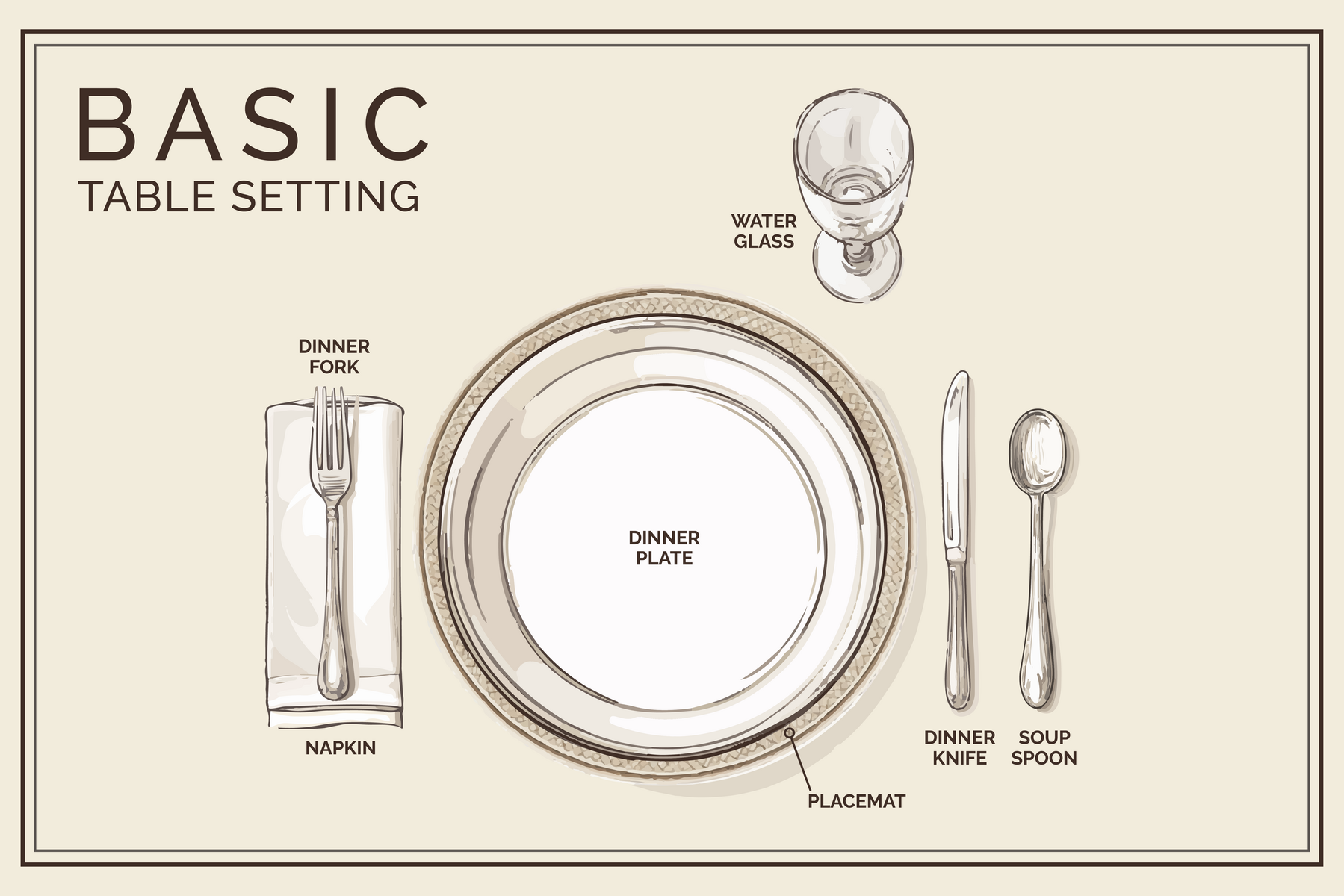
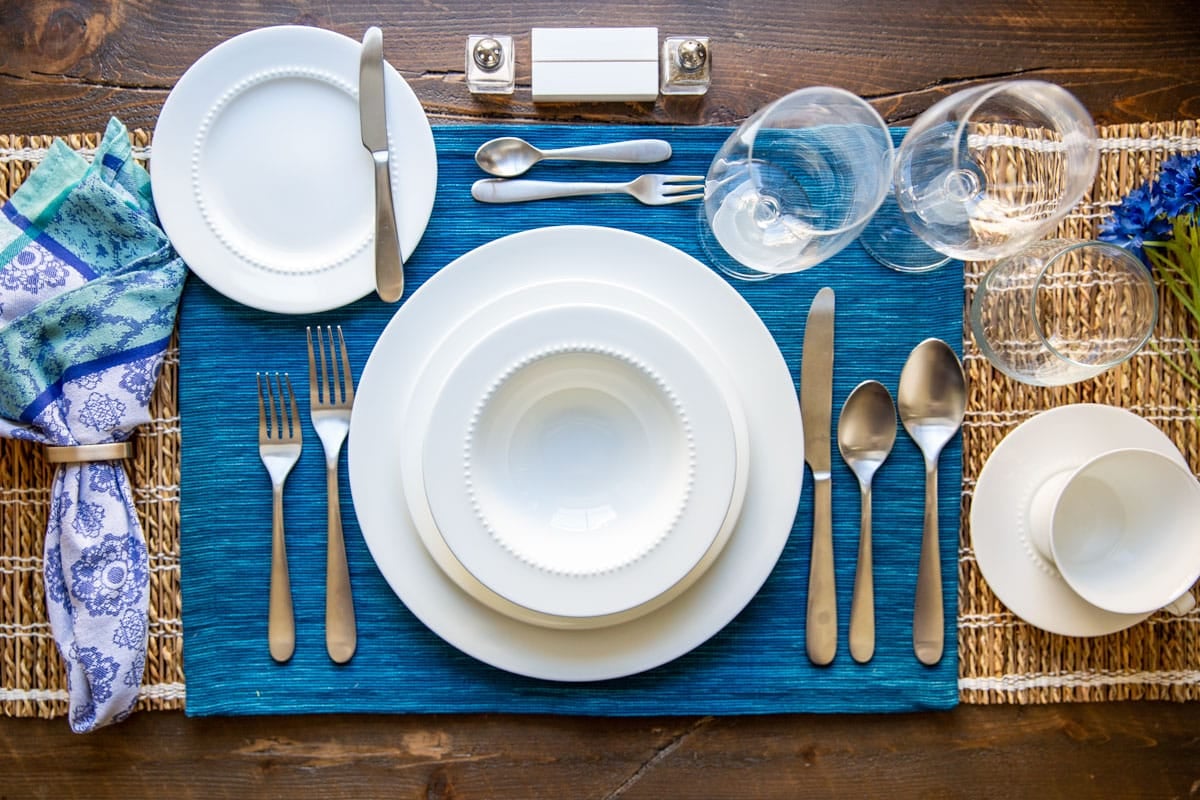
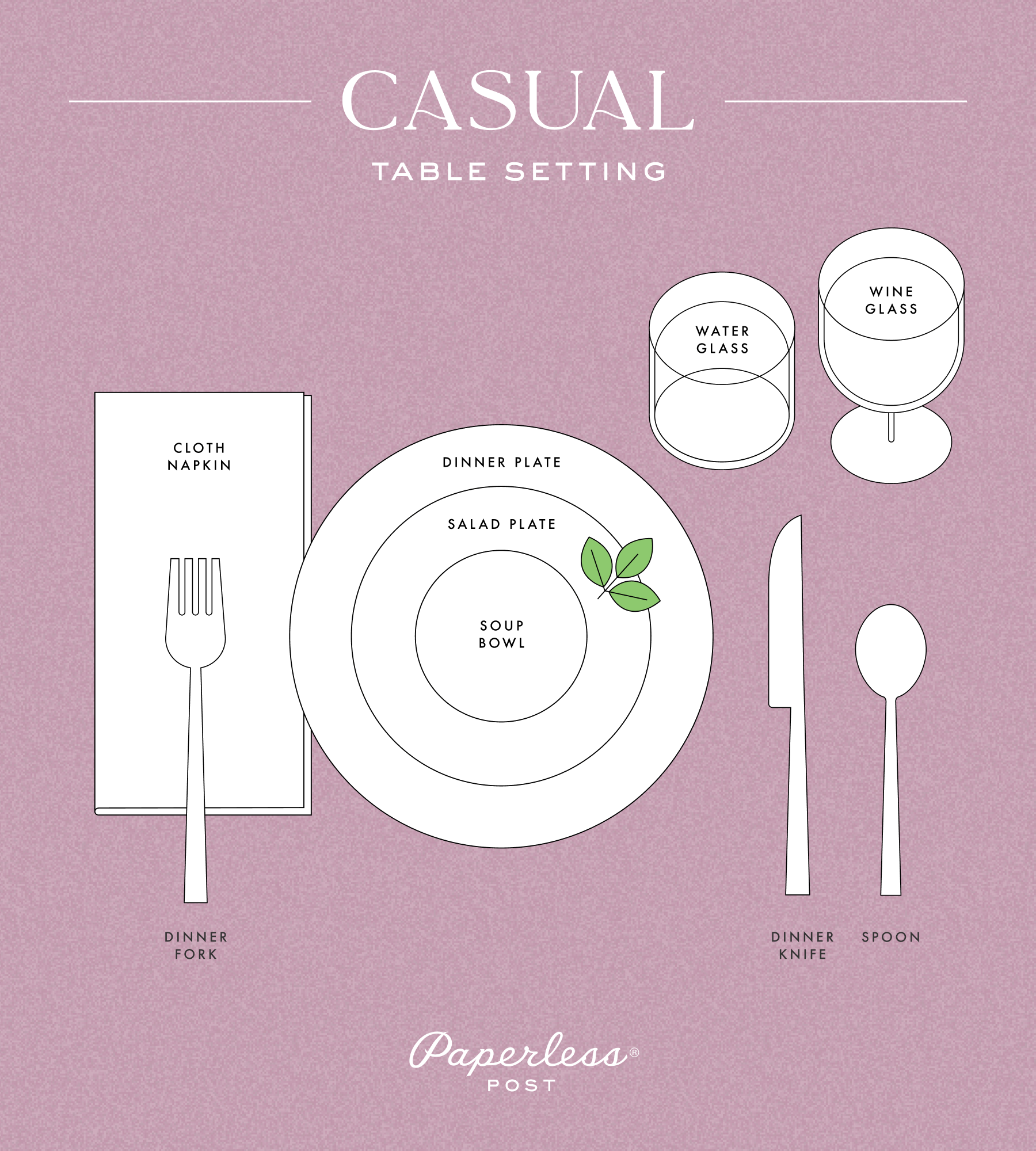
The foundational layer begins with the charger plate or the primary dinner plate, anchored precisely one inch from the edge of the table. This invisible boundary ensures that diners are not inadvertently crowding the edge, leaving adequate room for wrists to move comfortably during a meal. Napkins, whether folded into crisp geometric shapes or casually draped, typically rest to the left of the forks or directly atop the service plate. Placing the napkin to the left is an ancient convention born from the necessity of tucking it securely into a collar or lap without awkwardly reaching across the entire plate setup.
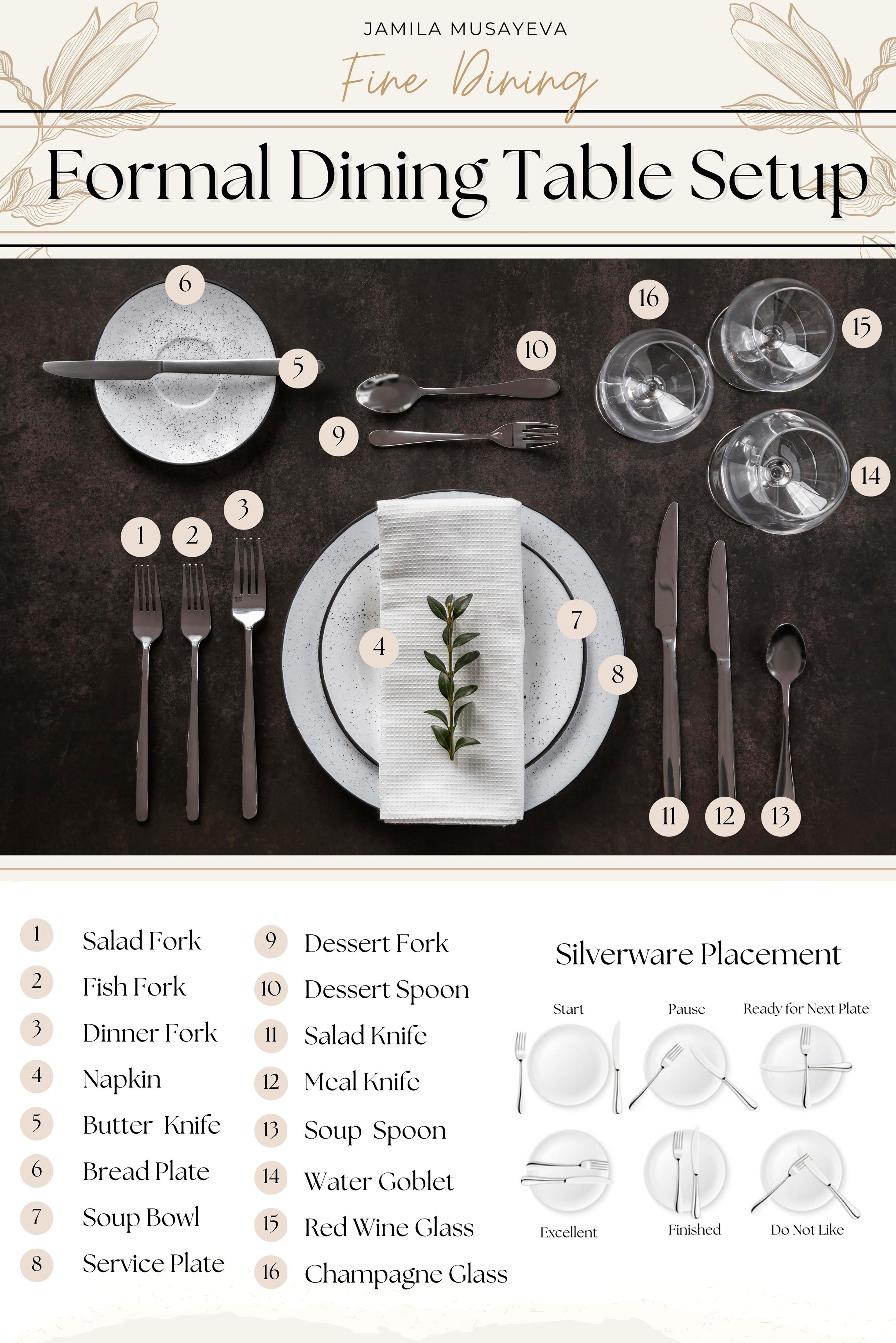
Silverware alignment follows the chronological progression of the meal, moving strictly from the outside inward. Forks live exclusively to the left of the plate, ordered by course. The salad fork sits on the far left if the starter is a cold green, while the dinner fork rests immediately adjacent to the plate. Knives and spoons line up on the right side, with the blade of the knife always turned inward toward the plate—a subtle nod to historical safety protocols that evolved into standard table manners. The soup spoon, if required, occupies the outermost position on the right because it is invariably deployed before the main protein enters the room.
Distinguishing Casual Suppers from Formal State Banquets
Navigating the spectrum between a casual Tuesday night family dinner and a formal eight-course tasting menu requires a clear calibration of utensils and glassware. A casual table setting strips away the extraneous hardware, often featuring just a dinner fork, a knife, a water glass, and a cloth napkin. This stripped-down approach prioritizes comfort and easy conversation, reducing visual clutter so that the focus remains entirely on the food and the company. The absence of multiple forks does not diminish the meal; it merely acknowledges that a roasted chicken and seasonal vegetables do not require an escalating chain of stainless steel.
Conversely, a formal setup introduces a dizzying array of specialized tools, each engineered for a singular culinary task. Oyster forks find a home on the far right of the spoon lineup, distinguished by their compact size and slightly curved tines designed to dislodge delicate bivalve meat. Dessert spoons and cake forks migrate above the dinner plate, oriented horizontally with handles pointing in opposite directions depending on whether they are intended for pushing or lifting. Glassware similarly multiplies, expanding from a single water goblet to include a white wine glass, a red wine glass, and occasionally a champagne flute or a dedicated sherry glass.
The primary challenge in managing a formal setting is maintaining spatial equilibrium across the table. Overcrowding is the cardinal sin of table design; when water glasses crowd wine stems and butter knives drift onto neighboring chargers, the psychological effect is claustrophobic. Achieving elegance requires editing. If a course does not feature a liquid component, the corresponding glass must be cleared or omitted entirely. A minimalist approach that honors only what is actually being served always triumphs over a cluttered display designed merely to impress through sheer volume.
The Step-by-Step Methodology for Flawless Table Execution
Executing a flawless table setting requires a methodical, step-by-step approach that prevents you from running out of space halfway through the process. By tackling the setup in distinct layers—starting with the textiles and moving progressively to the smaller accessories—you eliminate chaotic adjustments and ensure absolute symmetry across the room.
Navigating Common Pitfalls and Field-Tested Workarounds
Even experienced hosts frequently stumble over subtle architectural traps that disrupt the flow of a dinner party. Recognizing these common errors before guests arrive saves you from awkward mid-meal adjustments and preserves the serene atmosphere you worked hard to curate.
The Broader Impact of Table Design on Modern Dining Culture
The physical act of setting a table extends far beyond mere domestic logistics; it acts as a cultural anchor in an increasingly fragmented world. In an era dominated by rapid digital communication and isolated screen time, gathering around a purposefully arranged table creates a psychological container for deep human connection. When a host invests time in aligning linens, polishing silver, and organizing glassware, they are communicating a profound non-verbal message to their guests: you are valued, and your time here is sacred.
From an economic and design perspective, the market for tabletop accessories has experienced a remarkable renaissance. Artisanal ceramics, hand-blown glassware, and heritage linens have replaced mass-produced uniformity as consumers seek tactile authenticity in their homes. This shift reflects a broader cultural desire to slow down, engage our senses, and celebrate the rituals of shared meals. A well-set table transforms eating from a basic biological necessity into an intentional, memorable art form that nourishes both body and soul.
Furthermore, mastering the principles of table setting builds host confidence, transforming what was once a source of anxiety into a creative outlet. When you understand the underlying geometry of cutlery and glassware, you gain the freedom to experiment with colors, textures, and unconventional centerpieces without breaking the core rules of hospitality. This mastery allows the host to relax, knowing that the physical environment is fully optimized to support the flow of conversation and culinary enjoyment.
Strategic Recommendations for Elevating Your Next Gathering
To translate these foundational concepts into an unforgettable dining experience, hosts should adopt a structured approach to planning and execution that minimizes stress and maximizes visual impact. The secret to effortless hosting lies in preparation well before the first guest rings the doorbell.
Begin your preparations at least twenty-four hours in advance by pulling your chosen linens, polishing your flatware to remove water spots, and checking your glassware for lint or smudges. Use a clean microfiber cloth dipped in warm water and white vinegar to achieve an immaculate, streak-free shine on all crystal stems. This proactive step eliminates the frantic, last-minute kitchen scramble that so often drains the joy out of hosting.
When designing your tablescape, anchor your choices around a cohesive conceptual narrative rather than random decorative items. Whether your theme is a rustic harvest supper or a sleek, contemporary tasting menu, let your choice of plates, napkins, and floral arrangements reinforce that central mood. Keep floral centerpieces comfortably below eye level—no taller than twelve inches—to ensure guests across the table can make effortless eye contact without peering around botanical barricades.
Finally, embrace flexibility as the ultimate hallmark of a gracious host. While understanding the rules of table settings provides an invaluable framework, the ultimate goal is human comfort and connection. If a guest rearranges a fork or requests a different glass, meet the adjustment with warmth and ease. The finest table setting in the world is ultimately just a stage; the true magic happens in the dialogue, laughter, and shared humanity that unfolds across it.
The dining table remains one of our most enduring cultural institutions—a physical sanctuary where family, friends, and strangers cross divides to break bread together. By mastering the intentional art of setting a table, you do more than merely align silverware; you honor the timeless human tradition of hospitality. Every crisp fold of linen and every precisely placed glass is an invitation to pause, connect, and savor the present moment.
As we look toward the future of home entertaining, the enduring relevance of these foundational practices proves that thoughtfulness never goes out of style. Whether you are hosting an intimate dinner for two or orchestrating a sprawling holiday feast, approaching the table with care and creativity elevates every meal into an occasion worth remembering. Take these principles, adapt them to your unique personal style, and let your next gathering become a masterclass in modern hospitality.