The mid-afternoon sun beats down relentlessly on the limestone patio of a restored 1920s bungalow in Austin's Travis Heights, casting long, sharp shadows across a polished stained concrete floor. Inside, the air hums quietly with the steady drone of a multi-zoned HVAC system fighting a 100-degree July afternoon. This is where interior design meets survival mechanics. Transforming a space in Texas requires a delicate negotiation between raw, unbridled regional pride and the harsh, unforgiving demands of a climate that swings from subtropical humidity to sudden blue northers. You quickly realize that styling a home here is less about chasing fleeting coastal trends and more about anchoring your living environment to the earth beneath it.
Walk through a newly constructed developer home in Frisco or an historic craftsman in Fort Worth's Fairmount neighborhood, and you will spot the subtle threads that tie home decor Texas together. It is an aesthetic born of necessity, resourcefulness, and a sprawling geography that spans piney woods, rolling hills, coastal marshlands, and arid scrub deserts. People often make the mistake of reducing Lone Star style to a tired cliché of plastic cacti, mass-produced cowhides, and loud neon longhorns. Yet, the reality on the ground is infinitely more sophisticated, tactile, and grounded in authentic craftsmanship.
The evolution of regional styling has accelerated over the past decade, heavily influenced by an influx of new residents bringing diverse design philosophies from the coasts. This collision of cultures has birthed a vibrant hybrid design language. We are seeing traditional ranch aesthetics reframed through a minimalist lens, and industrial urban loft styling softened by handcrafted textiles sourced from local artisans across the state. Navigating this design ecosystem demands an understanding of local climate performance, material honesty, and spatial scale that can only be earned by spending summers sweating through a DIY renovation project or sourcing reclaimed timber from historic barns in Round Top.
The Architectural Roots and Material Honesty of Lone Star Living
True Texas interior styling begins long before the first piece of furniture is selected; it starts with the bones of the architecture itself. Structural materials in regional homes carry a heavy psychological and physical weight. Think of Austin chalk, honey-hued Lueders limestone, rough-sawn cedar, and exposed heavy timber trusses. These materials dictate the tactile palette of the room. When you introduce native stone or reclaimed sinker cypress into an interior, you are not merely adding a surface finish—you are establishing a permanent thermal mass that helps moderate indoor temperature swings.
Understanding material honesty means refusing to settle for faux finishes. If a fireplace surround is designed to look like dry-stacked fieldstone, but the core is hollow drywall and painted styrofoam, the deception feels jarring in a region that prides itself on authenticity. Instead, experienced designers and homeowners opt for genuine masonry, hand-forged ironwork from local blacksmiths, and thick structural timbers. These elements age gracefully under the Texas sun, developing a patina that tells the story of the home.
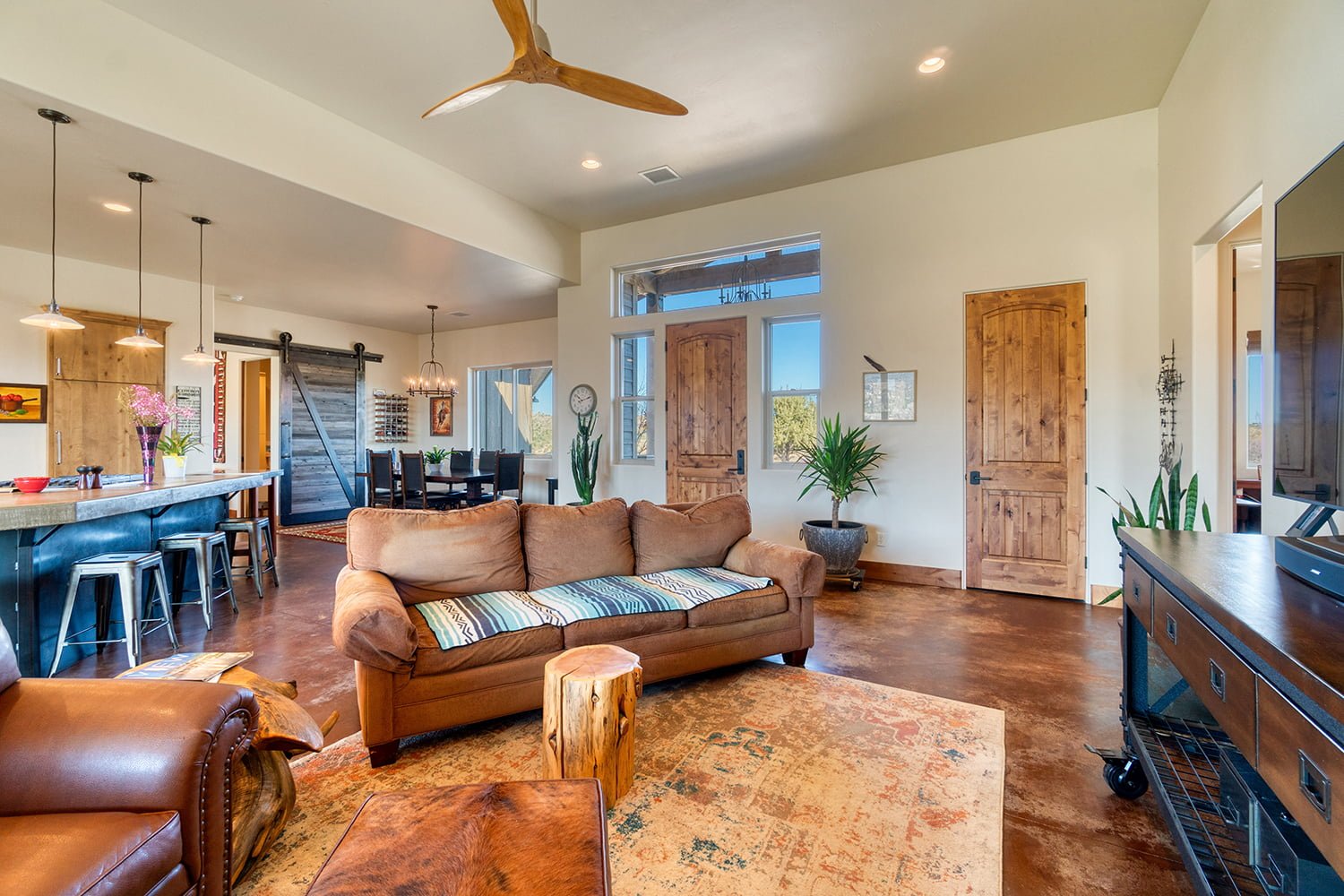
Flooring choices in this climate require rigorous technical evaluation. While plush, high-pile carpeting might feel luxurious in Maine or Minnesota, it acts as a dust and humidity trap in Houston or San Antonio. High-end porcelain tiles that mimic the look of French terracotta, polished concrete sealed with penetrating epoxies, and wide-plank white oak treated with durable matte polyurethanes dominate contemporary Texas design. These surfaces not only stand up to the abrasive tracking of fine caliche dust and red dirt from the yard, but they also provide vital cooling relief underfoot during the blistering dog days of August.
Balancing Scale, Proportion, and Spatial Openness
Texas homes are notorious for their generous square footage and soaring vertical volumes. High ceilings and sprawling open-concept floor plans are standard features, whether you are looking at a modern suburban build in Plano or a historic property in Dallas. However, these architectural blessings present a unique decorating trap: the cavernous, unanchored room. When ceilings stretch twelve to twenty feet high, standard retail furniture collections often look miniature, floating pitifully in a sea of empty space like driftwood in the Gulf of Mexico.
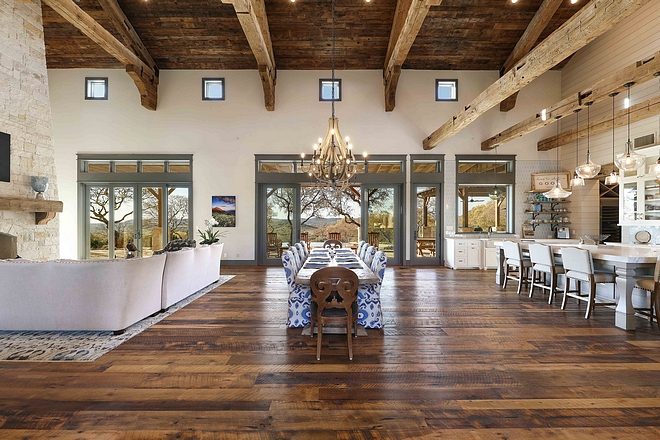
Addressing this scale mismatch requires a deliberate approach to vertical visual weight. Artwork cannot be treated as an afterthought; gallery walls must span vertical expanses, and oversized statement lighting fixtures—such as custom forged-iron chandeliers or sprawling modern linear pendants—become absolute structural necessities to draw the eye downward. Heavy drapery panels hung just beneath the ceiling line, rather than directly on the window trim, trick the eye into appreciating the grand verticality while warming up expansive glass panes that would otherwise feel stark and commercial.
Furthermore, zoning large open spaces requires intentional furniture placement rather than relying on perimeter walls. Pulling a massive top-grain leather Chesterfield sofa or a custom slipcovered sectional out into the middle of a great room creates intimate conversational hubs. Layering these zones with oversized jute and wool rugs defines distinct functional areas within a cavernous layout. Every single element, from the heft of a coffee table crafted from a reclaimed mesquite slab to the height of indoor fiddle-leaf figs and olive trees, must be scaled up to harmonize with the architectural bravado of the Lone Star footprint.
Step-by-Step Practical Implementation Guide for Regional Styling
Common Pitfalls and Field-Tested Workarounds for Texas Interiors
The Economic and Cultural Ecosystem of Local Artisans
One of the most rewarding aspects of curating a residence in this region is plugging into the rich, highly collaborative network of local makers, woodworkers, upholsterers, and metal smiths. Major urban centers like Austin, Dallas, and Houston host thriving design districts, but some of the most authentic treasures are unearthed in small towns during seasonal antique weeks, such as the massive biannual pilgrimage to Round Top. Sourcing furniture directly from craftspeople who salvage old-growth longleaf pine from dismantled cotton gins or forge custom iron hardware gives a home an unreplicable sense of history and soul.
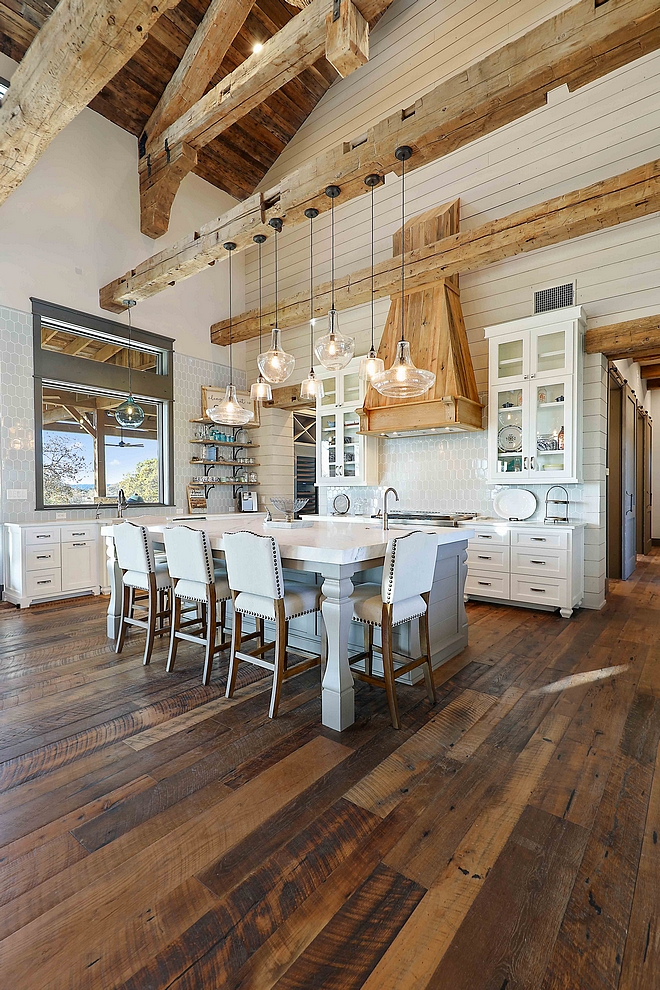
Investing in local craftsmanship also represents a sustainable approach to home design. Instead of contributing to the carbon footprint of shipping mass-produced flat-pack furniture across oceans, buying locally manufactured goods supports regional economies and ensures heirloom-quality construction. Master woodworkers across the Hill Country specialize in turning fallen native mesquite, pecan, and live oak into stunning dining tables that will comfortably seat three generations of family gatherings. This localized sourcing model guarantees that your interiors remain entirely unique, completely divorced from cookie-cutter catalog looks.
Furthermore, integrating artisan-made pottery, hand-blown glassware from regional studios, and textiles woven by independent artisans adds layers of narrative richness to your styling. When guests ask about a striking indigo-dyed wall hanging or a textured ceramic lamp base, you can point directly to a maker down in Lockhart or up in the Dallas Design District. This personal connection transforms decorating from a simple consumer exercise into an active participation in the living culture of the community.
Structuring the Ultimate Hybrid Aesthetic: Modern Meets Heritage
Balancing contemporary interior trends with traditional regional elements requires an editor's eye and a willingness to embrace contrast. The most successful modern Texas homes do not look like museums frozen in the nineteenth century; instead, they successfully merge clean architectural lines, minimalist color palettes, and smart home technology with warm, organic textures and time-honored craftsmanship.
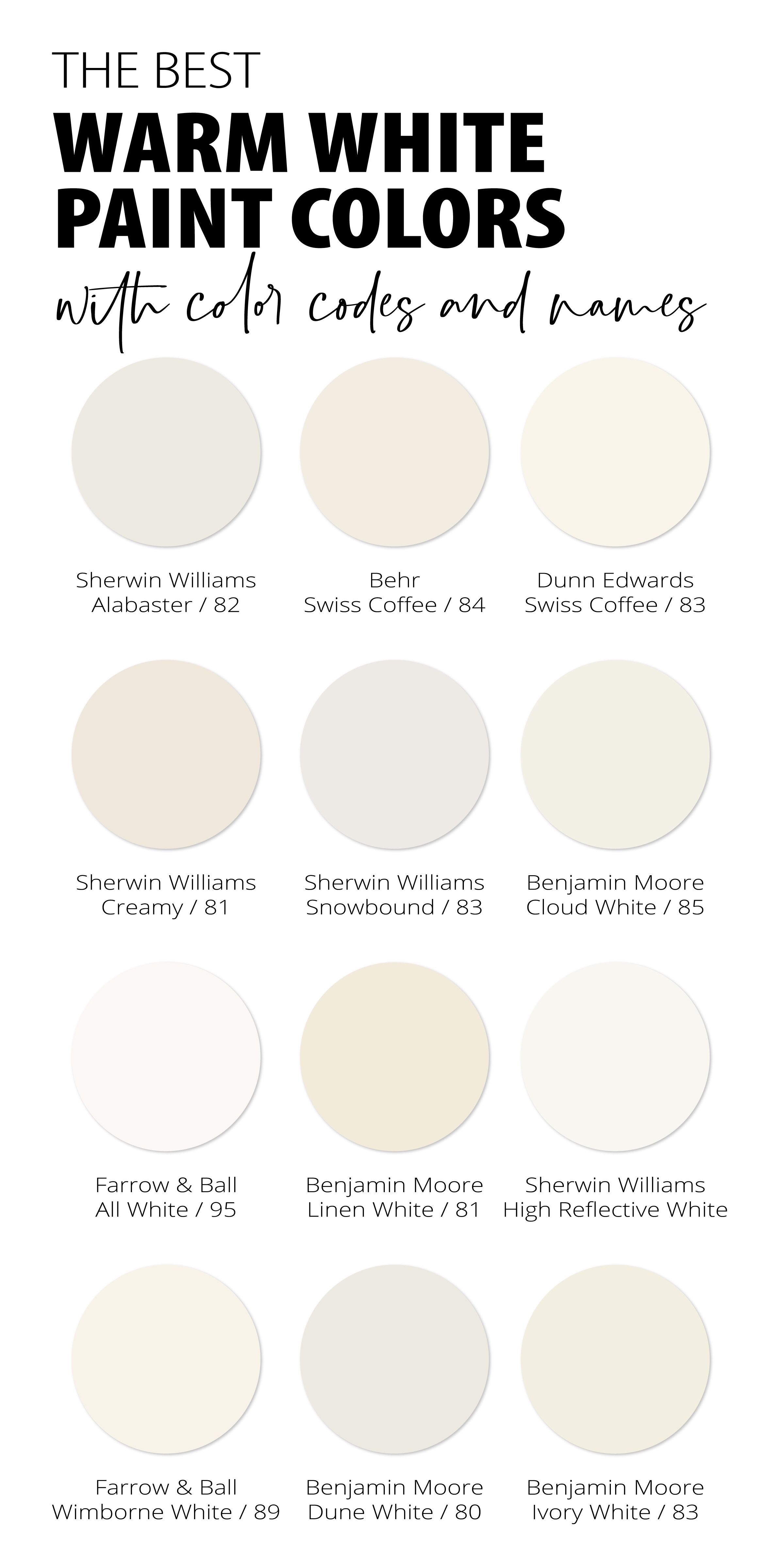
Start by keeping your primary envelope—walls, ceilings, and main flooring—neutral and calm. Crisp architectural whites, warm limewash finishes, or soft earth tones like clay and warm taupe provide a serene backdrop that prevents sprawling open-concept spaces from feeling visually chaotic. Against this restrained canvas, you can layer bolder elements: a vintage Moroccan rug, a pair of mid-century modern lounge chairs upholstered in cognac leather, or a monolithic concrete coffee table.
Lighting plays a pivotal role in bridging this gap. Rather than relying on harsh overhead canned lighting, design a layered lighting plan that combines sleek architectural recessed fixtures with warm, ambient table lamps, sculptural floor lamps, and statement chandeliers. Dimmers are non-negotiable; being able to lower the lights in the evening transforms a vast, echoing living area into a cozy, intimate sanctuary against the vast expanses of the Texas night sky.
Designing a living space in the Lone Star State ultimately comes down to creating a sanctuary that honors both personal comfort and regional identity. By respecting the uncompromising climate, embracing authentic local materials, and scaling your design choices to match the grand architecture of the region, you build an environment that feels both deeply rooted and effortlessly timeless.
As architectural trends continue to evolve, the core tenets of regional interior design remain steadfast: honesty of materials, respect for natural light, and a commitment to quality craftsmanship. Whether you are outfitting a sleek high-rise condo overlooking downtown Houston or a sprawling limestone ranch house tucked away in the Hill Country, your home should serve as an authentic reflection of place. Take your time, invest in pieces with genuine provenance, and let the enduring spirit of the landscape guide your hand.