The dust motes dance in the slanting afternoon light cutting across a weathered chevron oak floor, illuminating the subtle imperfections of a sixteenth-century limestone mantel. You can hear the muffled hum of traffic on Boulevard Saint-Germain drifting through tall, wood-framed casement windows. This is the sensory reality of a true Parisian interior, a space that feels utterly effortless yet deeply intentional. Achieving this aesthetic is not merely about buying a faux-distressed armchair or scattering decorative baguettes across a counter; it requires understanding a living design philosophy rooted in history, proportion, and an unapologetic embrace of character over pristine perfection.
For decades, international design enthusiasts have attempted to decode the Parisian apartment. Publications and digital mood boards constantly chase the elusive je ne sais quoi that makes a home in the Marais or the 7th Arrondissement feel both wildly romantic and entirely functional. Yet, true home decor Paris style is grounded in rigorous spatial rules, specific material hierarchies, and an ongoing dialogue between historical preservation and modern living. It is a world where Louis Philippe gilt mirrors hang casually above stark, unadorned concrete fireplaces, and where generations of family heirlooms sit comfortably beside contemporary ceramics picked up from a canal-side market in Belleville.
Moving beyond surface-level clichés requires looking past the curated filters of social media and examining the physical mechanics of Parisian spaces. High ceilings, monumental windows, original plaster moldings, and radiator covers all dictate the rhythm of the room. When you begin styling a space using these principles, you are engaging with a rich lineage of interior architecture that values verticality, natural light, and structural authenticity. Whether you are renovating a suburban bungalow or updating an urban loft, applying these methods shifts your environment from a sterile showroom to a living, breathing narrative of personal history.
The evolution of Parisian interior design traces a fascinating path through centuries of architectural shifts and social changes. From the grand salons of the Second Empire to the bohemian artists' ateliers of Montparnasse, the city's homes have always reflected an intellectual approach to living. During the Haussmannization of Paris in the nineteenth century, uniform stone facades masked intricate hierarchies of interior space, where the piano nobile featured soaring ceiling heights and elaborate ceiling roses, while attic spaces housed domestic workers. Today, interior designers and homeowners alike inherit these volumetric constraints and historical footprints, turning architectural quirks into focal points rather than hiding them behind drywall.
Understanding this historical backbone shifts your perspective on modern spatial planning. A Parisian home does not strive for symmetrical perfection or rigid thematic consistency. Instead, it relies on tension—the friction between classical detailing and modern minimalism, polished finishes and raw patinas. This approach demands a high degree of confidence, asking you to curate objects not because they match a paint swatch, but because they hold emotional weight or display exceptional craftsmanship. The resulting atmosphere is one of relaxed elegance, where a priceless antique armoire shares space with a stack of oversized art monographs on the floor.
Decoding the Haussmann Blueprint and Architectural Foundations
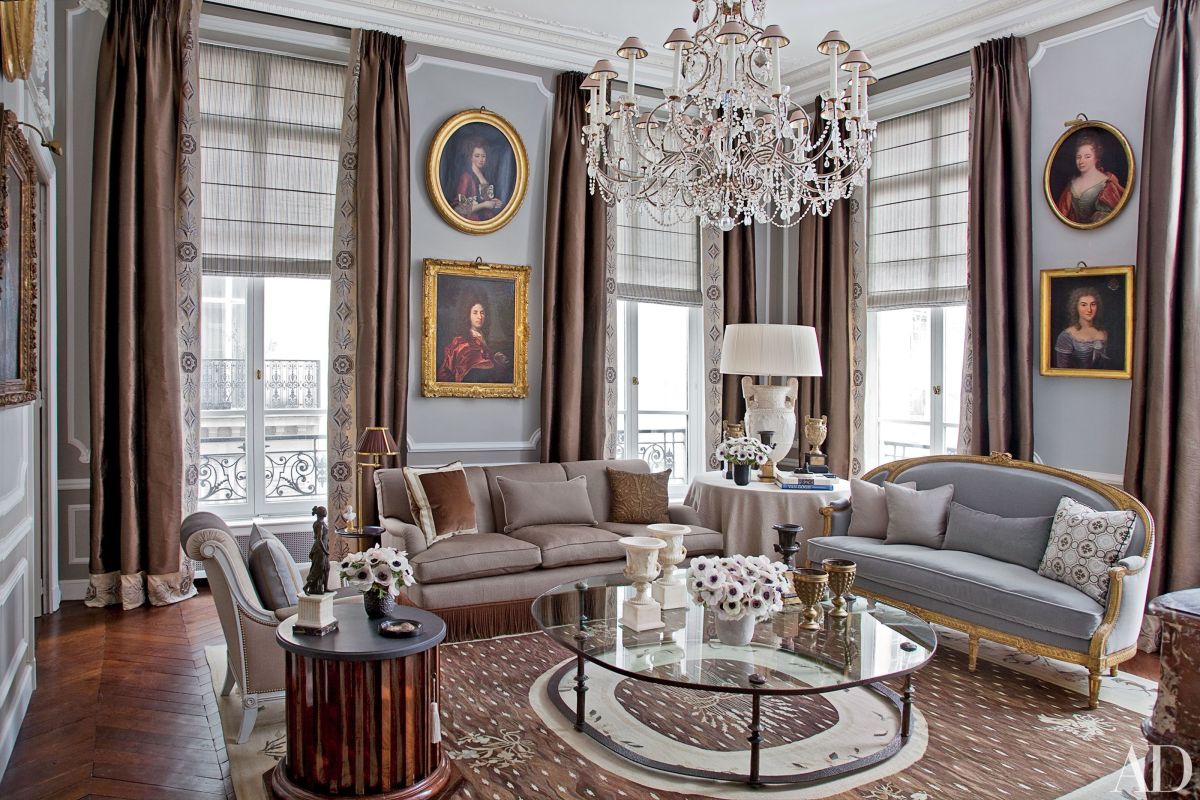
The absolute cornerstone of home decor Paris style lies in respecting and enhancing architectural bones. If your space features original moldings (moulures), ceiling roses (rosaces), or herringbone parquet (parquet en point de Hongrie), these elements are non-negotiable. They provide the structural framework that dictates where the eye travels and how furniture must be scaled. When these features are absent, interior architects working in Paris often install historically accurate plasterwork to anchor the room, recognizing that furniture placed in a totally blank, modern box will inevitably feel ungrounded and temporary.
Color selection in a classic Parisian interior follows a distinct, moody yet luminous logic. Forget the stark, flat whites that dominated minimalist design trends of the past decade. Parisian walls are typically painted in chalky, mineral-based limewashes or deep-matte emulsion paints that absorb and diffuse light differently throughout the day. Think of muted tones: warm greige, chalky off-white, deep olive, or rich tobacco brown. These shades create a soft, enveloping backdrop that allows architectural shadows to emerge naturally. The finish matters immensely; high-gloss paints are reserved for specific focal points like doors or built-in library shelves to reflect light, while walls remain matte and tactile.
Flooring sets the acoustic and visual tone of the room. Authentic parquet floors, finished with natural hard-wax oils rather than thick polyurethane plastic coats, allow the wood to breathe and age gracefully. Scuff marks, minor warping, and fading are not defects; they are badges of authenticity. Over time, walking barefoot across these boards connects you directly to the physical history of the building. When rugs are used, they are rarely wall-to-wall carpets. Instead, flat-woven vintage kilims, worn Moroccan Beni Ourain rugs, or faded antique Persian carpets are layered over the wood to define distinct zones within large, open-plan living areas without breaking up the visual flow.
Windows and treatment thereof are treated with a minimalist reverence. Heavy, ornate drapery loaded with valances and tassels is generally avoided in favor of floor-length, unlined linen panels. These curtains are hung as high as possible—often grazing the ceiling molding—to exaggerate verticality and make standard windows feel like grand casements. The linen is left intentionally rumpled, catching the breeze and diffusing harsh afternoon sun into a soft, golden haze. Hardware is kept understated: matte brass or blackened iron rods that blend into the wall or window frame rather than screaming for attention.
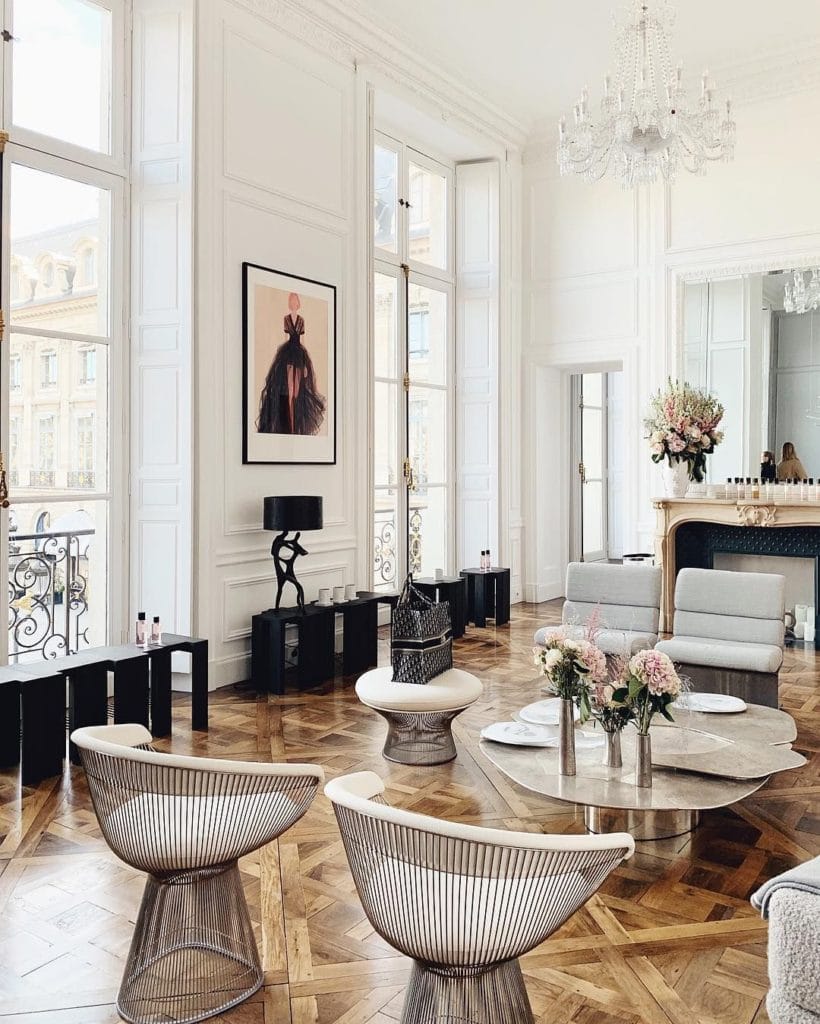
Lighting in a Parisian apartment shuns the aggressive glare of overhead recessed spotlights. Instead, illumination is layered and ambient, mimicking the glow of a warm salon at dusk. Sconces mounted directly onto antique mirrors, swing-arm brass reading lamps, and unshaded ceramic table lamps create pools of warm light at varying heights. Dimmer switches are an absolute requirement. The goal is to cast soft shadows across plaster moldings and highlight the texture of textiles, ensuring the room feels intimate even when sprawling across high-ceilinged spaces.
Sourcing Authenticity: Flea Markets, Antique Shops, and the Art of the Chase
The soul of any authentic Parisian interior is found in its objects, and those objects are rarely acquired in a single afternoon at a big-box furniture retailer. The hunt is an essential ritual. Markets like the Marché aux Puces de Saint-Ouen or smaller provincial brocantes are where designers and collectors unearth the pieces that give a home its distinct personality. This method of sourcing requires patience and an eye for potential. A tarnished brass standing mirror, a stack of mid-century iron dining chairs, or a set of vintage crystal decanters will always outlast mass-produced decor items in both aesthetic longevity and material quality.
Mixing eras is not just encouraged; it is a fundamental rule of engagement. A classic Parisian living room might feature a Louis XVI giltwood armchair upholstered in rough, unbleached heavy linen, flanked by a 1970s tubular chrome coffee table and a brutalist ceramic lamp. This deliberate juxtaposition prevents a room from looking like a staged museum period piece. It injects a sense of humor and modern intellect into the space, proving that the owner values individual form and texture far more than stylistic purity or matching catalog sets.
Material authenticity dictates what enters the home. Plastics, synthetic wood laminates, and overly treated leathers are generally eschewed in favor of materials that develop a rich patina over time. Solid brass, untreated oak, cast iron, raw linen, heavy wool, and Carrara marble form the material vocabulary of the Parisian home. When these elements interact, they create a sensory richness that cannot be replicated by synthetic alternatives. A brass candlestick will darken where hands touch it; a marble tabletop will slowly accumulate rings from morning espresso cups. This is the desired outcome—a home that records the passage of time and the habits of its inhabitants.
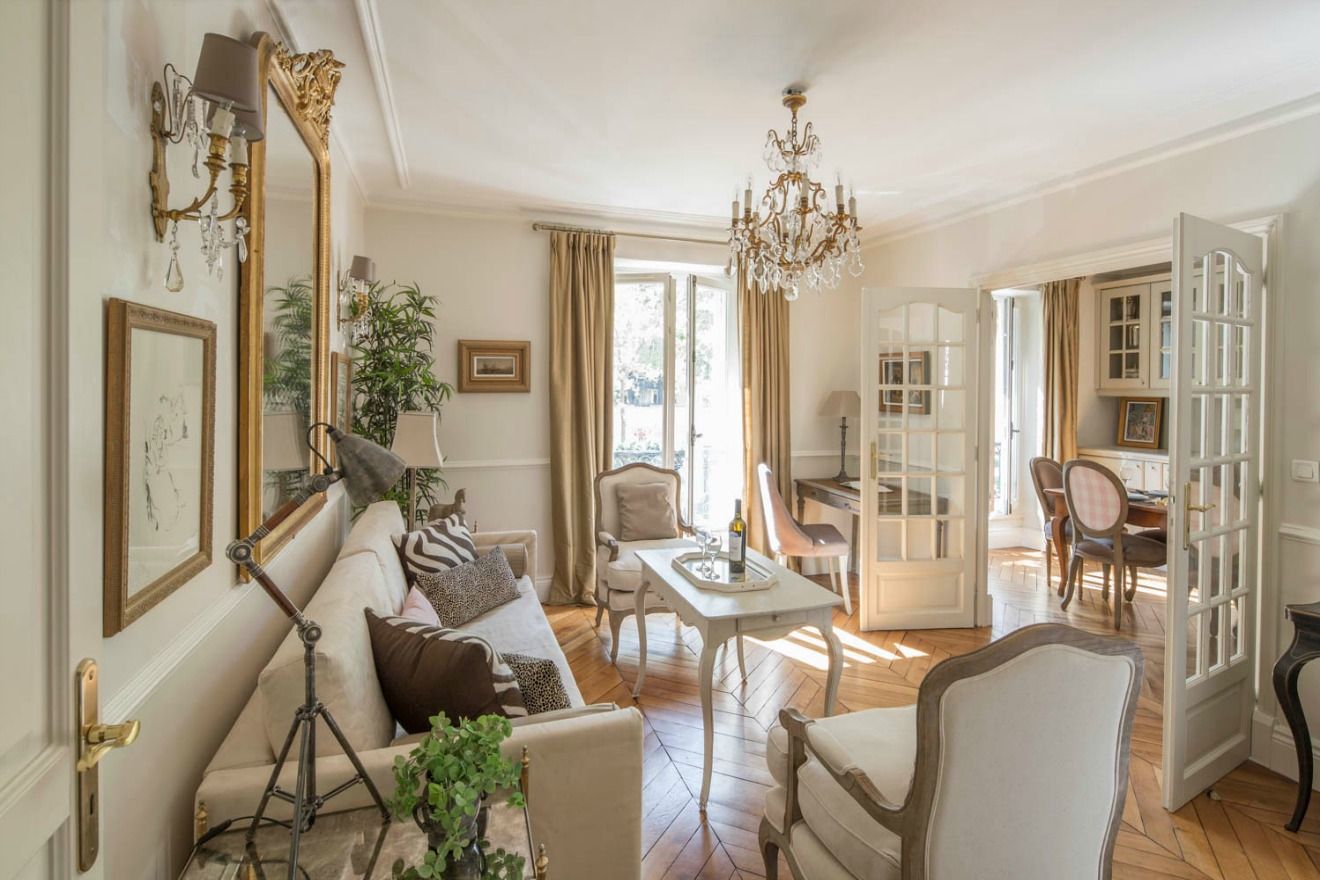
Art curation in Paris avoids the sterile trap of matching color palettes. Canvases, etchings, and vintage prints are hung using traditional brass picture rails (galeries de tableaux) or stacked casually against a wall on a fireplace mantel or bookshelf. Frames are mismatched—ornate gilded wood sits next to simple black metal or bare stripped pine. The arrangement is organic and evolves continuously. Pieces are acquired during travels or from local student art shows, reflecting a genuine intellectual engagement with culture rather than an interior designer's calculated attempt to fill an empty wall space.
Textiles play a massive role in softening the architectural rigidity of high-ceilinged stone rooms. Velvet, bouclé, raw linen, and distressed leather are layered generously. On a worn chesterfield or a clean-lined modern sofa, throw pillows are not neatly karate-chopped; they are tossed casually, inviting immediate physical comfort. Bedding is similarly relaxed—washed linen duvets in earthy tones of terracotta, sage, or oatmeal, left unpressed. The overriding philosophy is that a home must look lived-in, comfortable, and welcoming, never intimidating or precious.
Step-by-Step Implementation Guide for Your Space
Transforming a living space through the lens of home decor Paris requires a structured, methodical approach. You cannot simply buy a collection of French items and expect the room to hum with authenticity. You must work with the architecture you have, layer lighting correctly, and curate objects with intention. Follow this sequential framework to build your own Parisian-inspired interior from the ground up, ensuring every decision supports the overarching aesthetic of effortless elegance.
Common Pitfalls and Field-Tested Workarounds
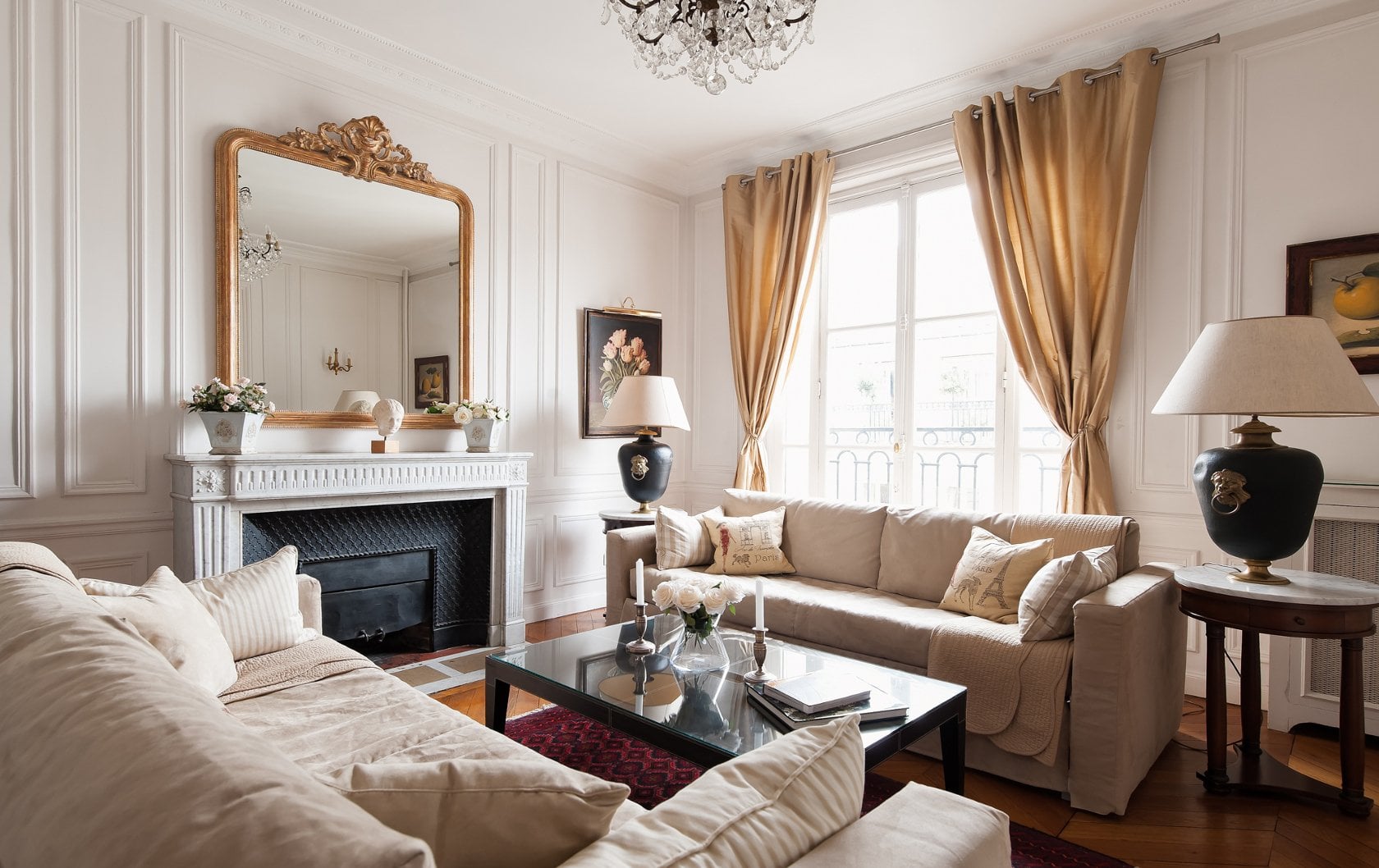
Attempting to recreate Parisian style often leads to common design traps, particularly for those trying to evoke the aesthetic from afar. It is easy to slide from sophisticated nonchalance into pastiche, turning a home into a theatrical set rather than a functional sanctuary. Recognizing these missteps and applying practitioner workarounds will save your interior from feeling forced or claustrophobic, keeping the design grounded in authentic elegance.
Holistic Perspectives: Sustainability, Longevity, and Economic Value
The Parisian approach to interior decoration is inherently sustainable, operating in direct opposition to fast-furniture culture. When you prioritize antiques, vintage furniture, and solid, repairable materials, you participate in a circular economy that reduces waste and honors the craftsmanship of past generations. A nineteenth-century oak dining table or a solid brass floor lamp can be refinished, rewired, and passed down through decades. This focus on durability makes home decor Paris not just an aesthetic choice, but a financially sound investment in long-term quality.
From an economic perspective, investing in foundational architectural details—such as proper crown molding, solid parquet flooring, and quality hardware—significantly increases property value. Unlike trendy wall colors or modular foam sofas that depreciate the moment they are assembled, classic architectural elements retain their appeal across changing real estate cycles. Buyers and appraisers consistently recognize the enduring value of well-proportioned rooms with authentic historic finishes, making this design philosophy as practical as it is visually compelling.
Furthermore, this design ethos encourages psychological well-being by reducing visual clutter. A home filled with objects of genuine meaning, natural light, and tactile materials fosters a sense of calm and rootedness. In an era dominated by digital overload and disposable consumer goods, returning to a slower, more deliberate method of furnishing a living space offers a vital sanctuary. You are curating an environment that encourages deep conversation, quiet reading, and unhurried meals, aligning your physical space with a slower, more intentional pace of life.
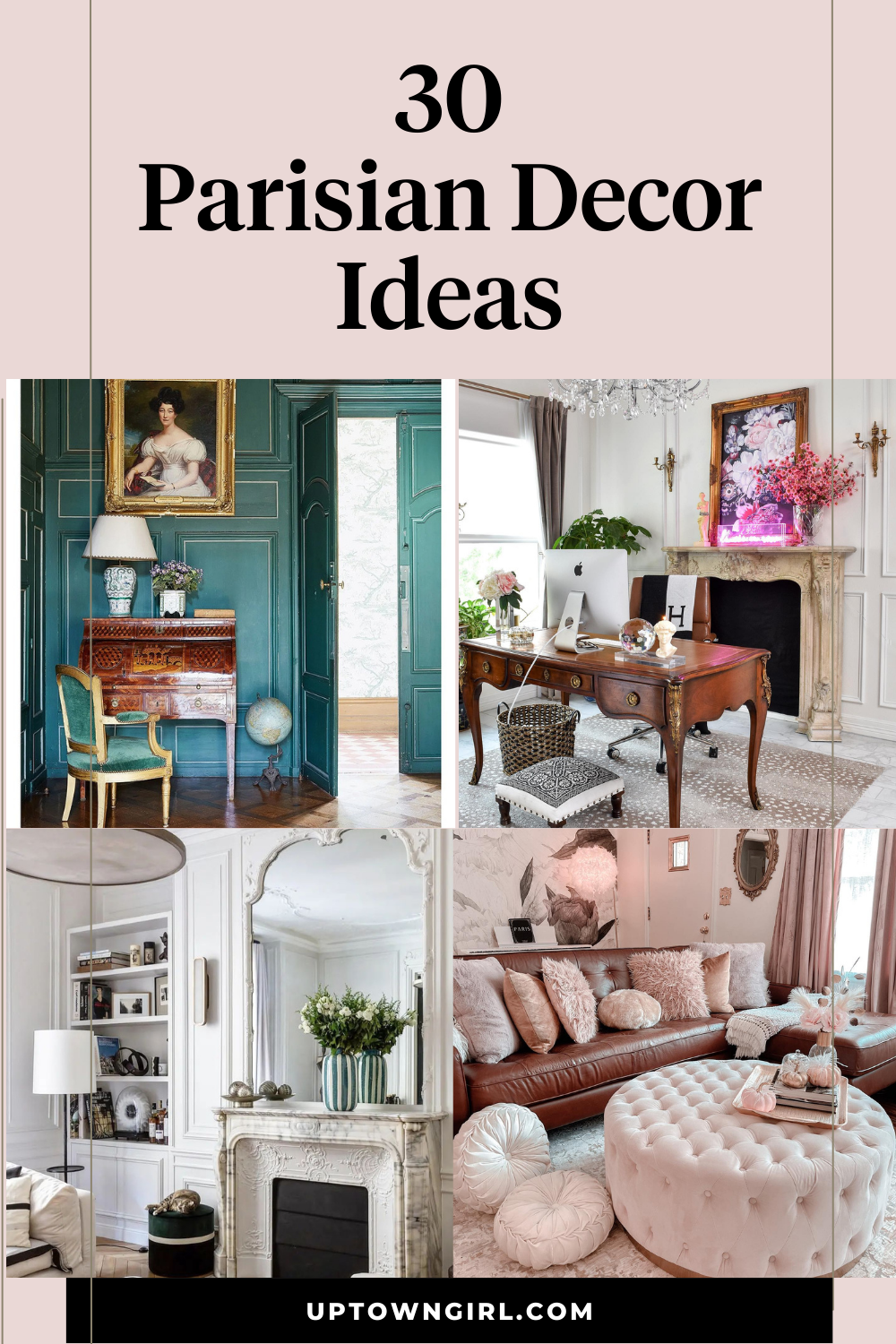
The global fascination with this aesthetic also speaks to a universal desire for history and continuity. As modern architecture becomes increasingly uniform and digitized across major global cities, the Parisian interior serves as an antidote to placelessness. It proves that a home should tell a story of where it is, where you have been, and what you value. By embracing imperfections, patinas, and the dialogue between old and new, you create a space that transcends temporary design trends and achieves permanent relevance.
Actionable Recommendations and Key Takeaways
Mastering the art of Parisian interior design comes down to embracing a mindset of curated nonchalance and uncompromising material honesty. To distill these principles into a practical framework for your own home, keep a few high-impact directives front of mind. These guidelines will help you navigate furniture selection, layout planning, and styling choices without losing the core spirit of authenticity.
Creating a home inspired by the apartments of Paris is ultimately an exercise in confidence and self-discovery. It asks you to let go of the compulsion for pristine perfection, symmetrical balance, and trend-chasing catalogs. Instead, it invites you to slow down, hunt for objects with soul, and respect the architectural integrity of the spaces you inhabit. Every scuff on the floor, every mismatched frame on the wall, and every pooled shadow from a brass lamp contributes to a richer, more authentic domestic landscape.
As you begin implementing these practices in your own living space, remember that a true Parisian interior is never truly finished. It evolves organically over years, accumulating books from street-side stalls, ceramics from weekend travels, and furniture pieces inherited or discovered beneath layers of dust in provincial barns. This ongoing evolution is the true beauty of the craft. By focusing on quality, history, and effortless comfort, you build a home that does not merely look beautiful in photographs, but feels deeply, profoundly like your own.