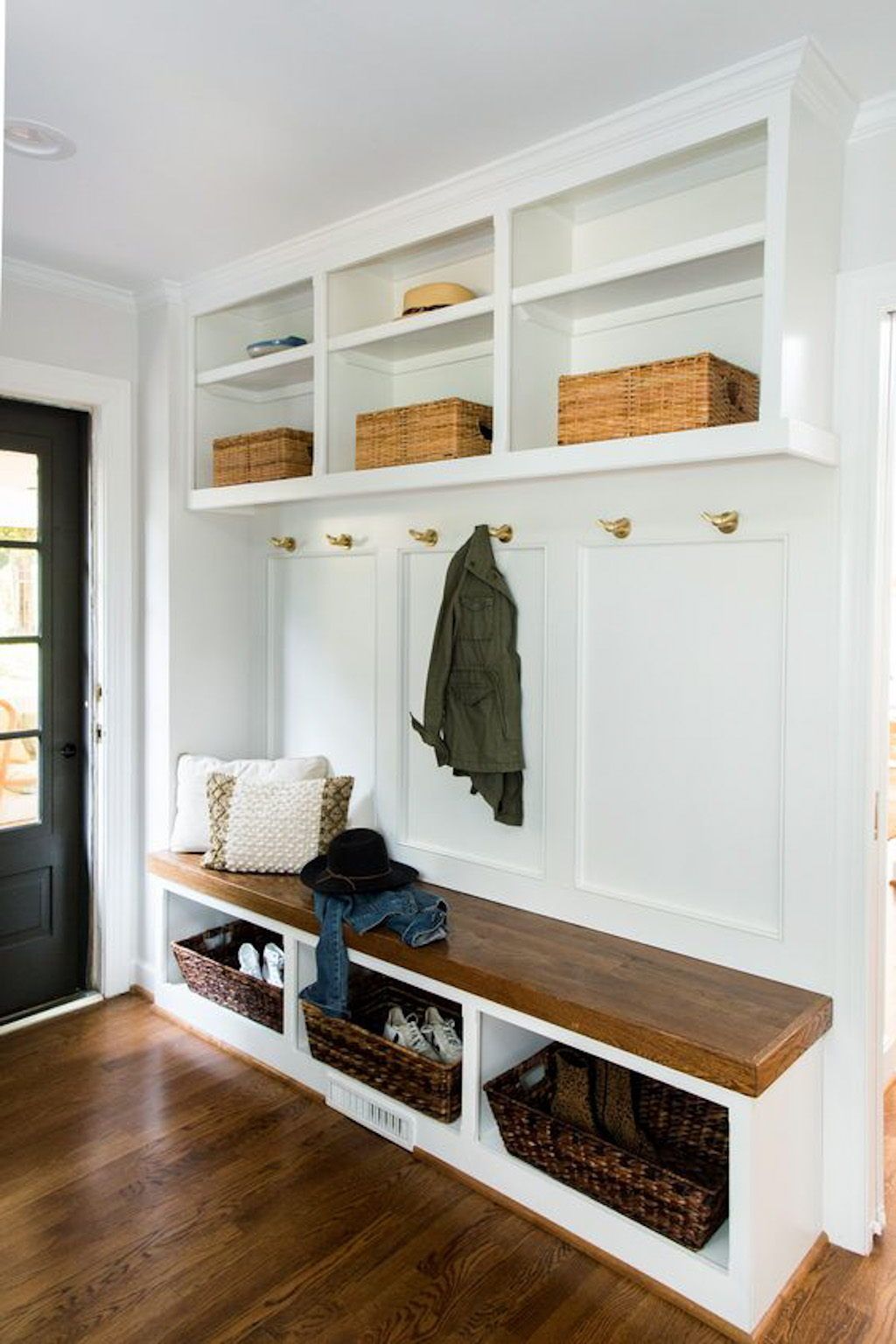
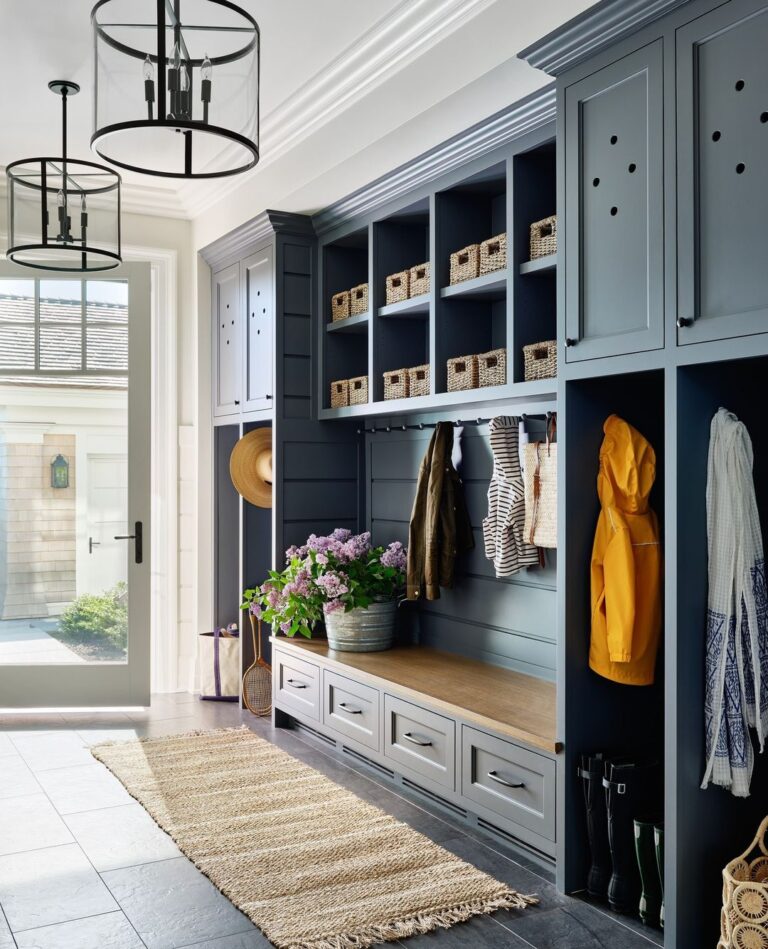
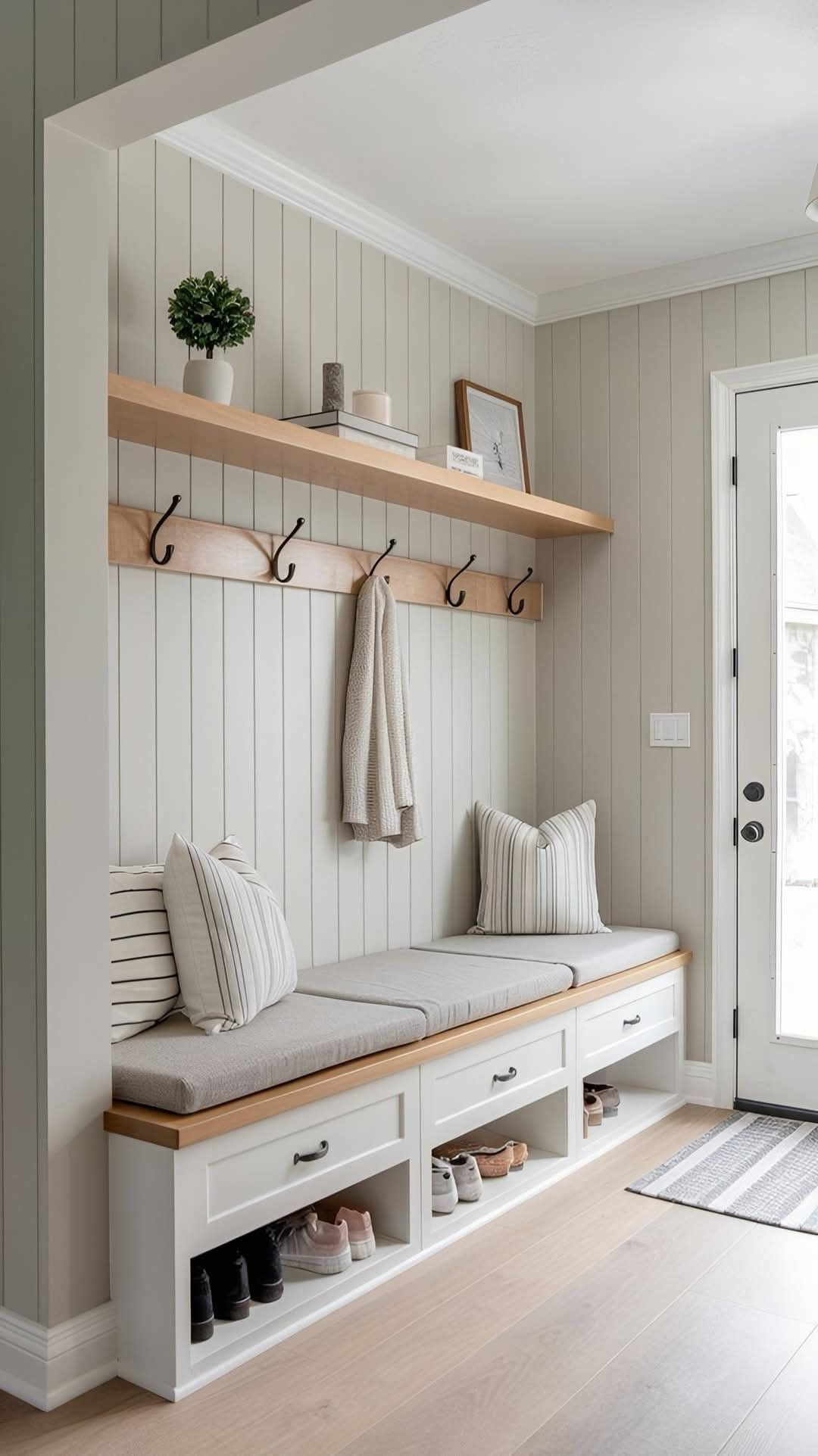
The coffee cup leaves a faint circular watermark on the raw white oak tabletop, a tiny imperfection that somehow makes the room feel alive rather than staged. For years, I chased the pristine perfection found in glossy shelter magazines, buying matching furniture sets and neutral throw pillows that looked stunning on screen yet felt entirely devoid of a human pulse. Walking through that old apartment felt like visiting a hotel suite where nobody actually lived. The breakthrough arrived the day I stopped decorating for an imaginary audience and began treating my home as a physical archive of my actual life—mixing inherited ironstone with modern matte ceramics, draping a heavy wool tartan over a sleek mid-century sofa, and letting books pile up haphazardly by the window sill.
Home decor is rarely about acquiring expensive objects or adhering to rigid design rules dictated by fleeting social media trends. Instead, it is the quiet, deliberate art of shaping your immediate environment to support your psychological well-being, tactile preferences, and daily routines. When you strip away the marketing noise, styling a room is fundamentally about manipulating space, light, scale, and texture to evoke a specific emotional resonance. It is the heavy thud of a solid-core door closing, the way morning sunlight cuts across a lime-washed wall, and the comforting heft of a ceramic mug that fits your hand precisely.
Over the past decade, our relationship with domestic spaces has undergone a seismic shift. No longer viewed merely as a place to crash between long work commutes, the home has evolved into our sanctuary, workspace, creative studio, and social hub all at once. According to recent interior architecture and real estate metrics, spending on thoughtful residential styling and functional spatial design has surged as homeowners prioritize mental restoration and tactile comfort over fast-furniture consumption. This shift demands a more mature, empirical approach to home decor—one rooted in architectural integrity, material honesty, and deep personal narrative rather than superficial trends.
The Anatomy of Space: Mastering Balance, Scale, and Lighting
Any successful interior starts long before the first decorative object is placed on a shelf; it begins with an honest assessment of spatial geometry and architectural bones. Every room possesses a natural focal point—a fireplace, a massive picture window, or even the television wall—and ignoring this anchor point creates immediate visual friction. When furniture floats randomly or hugs walls blindly without purpose, the room loses its gravity. Establishing a balanced layout requires understanding traffic flow patterns, ensuring you can walk through a space without dodging sharp coffee table corners or squeezing past oversized armchairs.
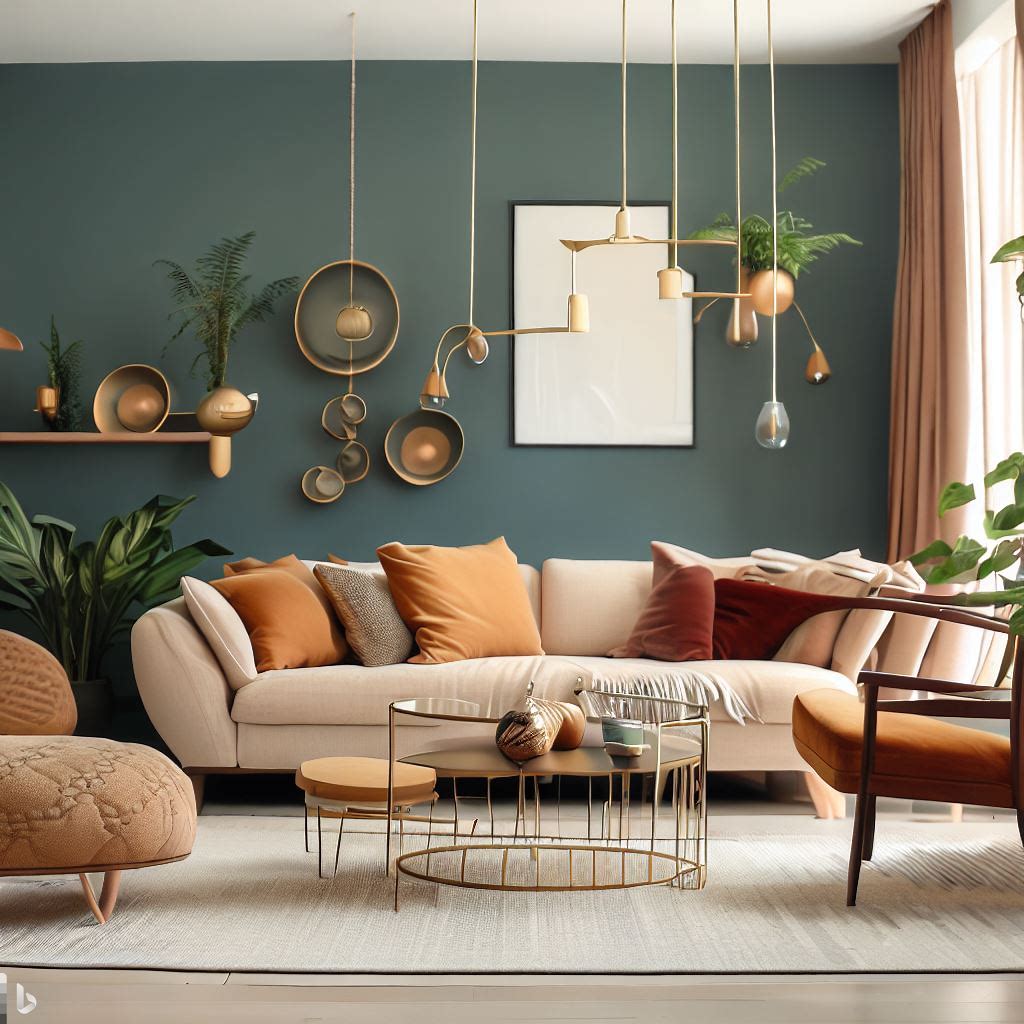
Scale and proportion represent the invisible framework holding a room together. A common rookie mistake is populating a sprawling living room with a constellation of undersized furniture pieces, which makes the space feel like a waiting room rather than a welcoming haven. Conversely, cramming a massive sectional sofa into a compact urban apartment suffocates the floor plan. Achieving visual harmony means playing with high-low contrast and varying heights. If your seating is low-slung and modern, balance it with a soaring floor lamp or a tall, slender fiddle-leaf fig tree to draw the eye upward and emphasize vertical volume.
Lighting remains the single most transformative element in home decor, capable of turning a cold, sterile box into an enveloping sanctuary. Relying solely on harsh overhead recessed lighting flattens a room, erasing shadows and casting an unflattering glare on your walls. Professional stylists operate on the principle of layered illumination: ambient, task, and accent lighting working in concert. Incorporating dimmers on every circuit allows you to modulate the mood throughout the day. Warm-toned bulbs hovering around 2400K to 2700K mimic the natural amber glow of sunset, signaling the nervous system to unwind, while higher color-rendering index (CRI) ratings ensure that the true hues of your textiles and artwork remain rich and saturated.
Materiality dictates how a space feels beneath your fingers and feet, grounding your design in the physical world. Synthetics and plastics bounce light harshly and wear out quickly, whereas natural materials—travertine, unlacquered brass, oiled walnut, linen, and wool—possess an inherent patina that deepens with age and use. A room furnished with genuine materials tells a story of enduring quality. When a brass fixture develops a dark, organic tarnish or a leather armchair softens into buttery submission under daily use, the home absorbs your history. Balancing hard surfaces like stone and metal with soft, absorbent textiles like mohair, velvet, and raw linen prevents rooms from feeling like echo chambers and introduces tactile richness.
Decoding Design Movements: Finding Your Authentic Aesthetic Language
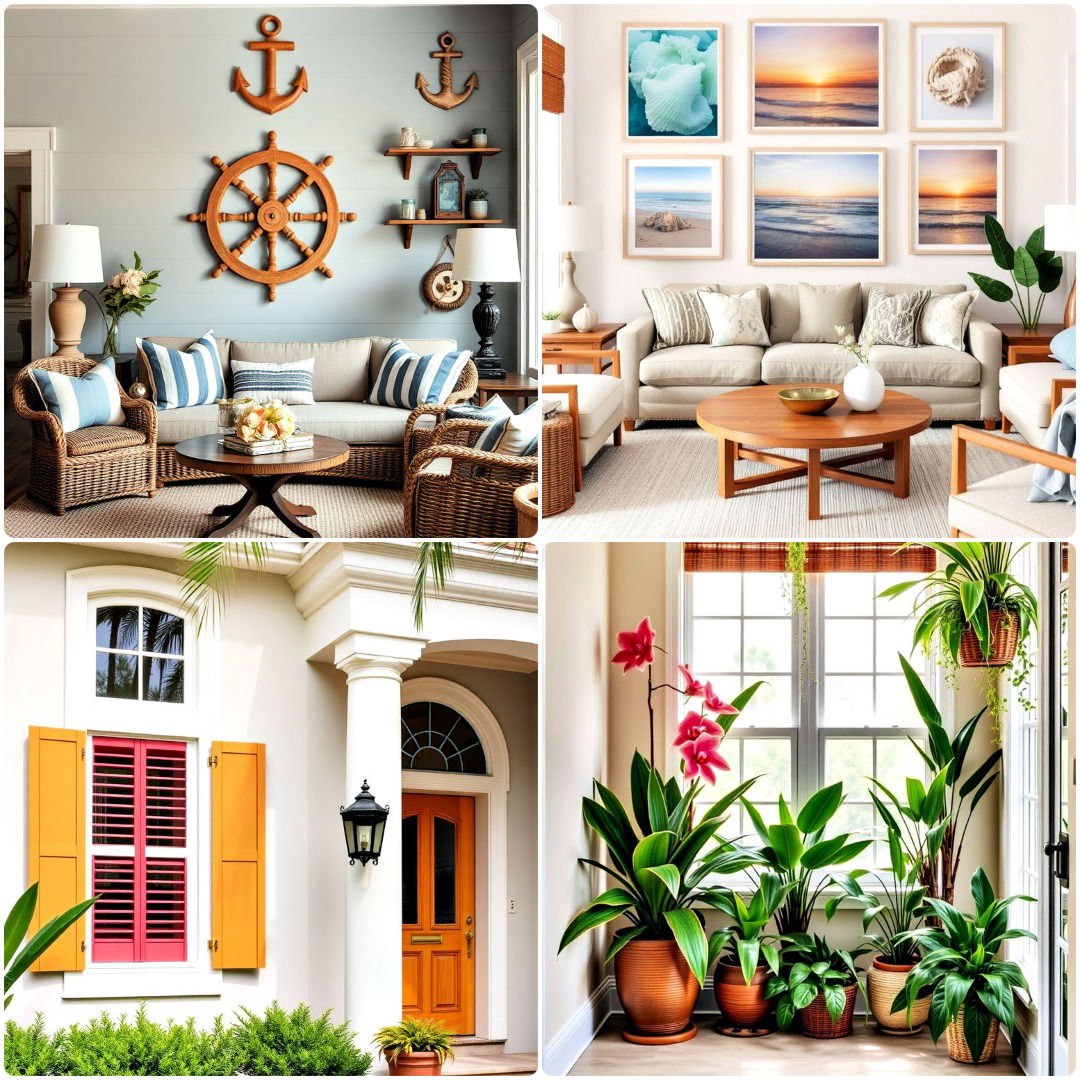
The design landscape is littered with aesthetic labels—maximalism, Japandi, industrial modern, coastal grandmother, transitional—that often serve to confuse rather than clarify. These labels are merely shorthand for specific cultural syntheses of form, color, and function. Japandi, for instance, marries the rustic simplicity of Japanese wabi-sabi with Scandinavian functionalism, resulting in spaces defined by pale woods, clean lines, minimalist clutter, and a deep reverence for natural imperfections. Understanding these movements helps you borrow elements that resonate with your lifestyle without feeling obligated to replicate a museum-like theme park in your living room.
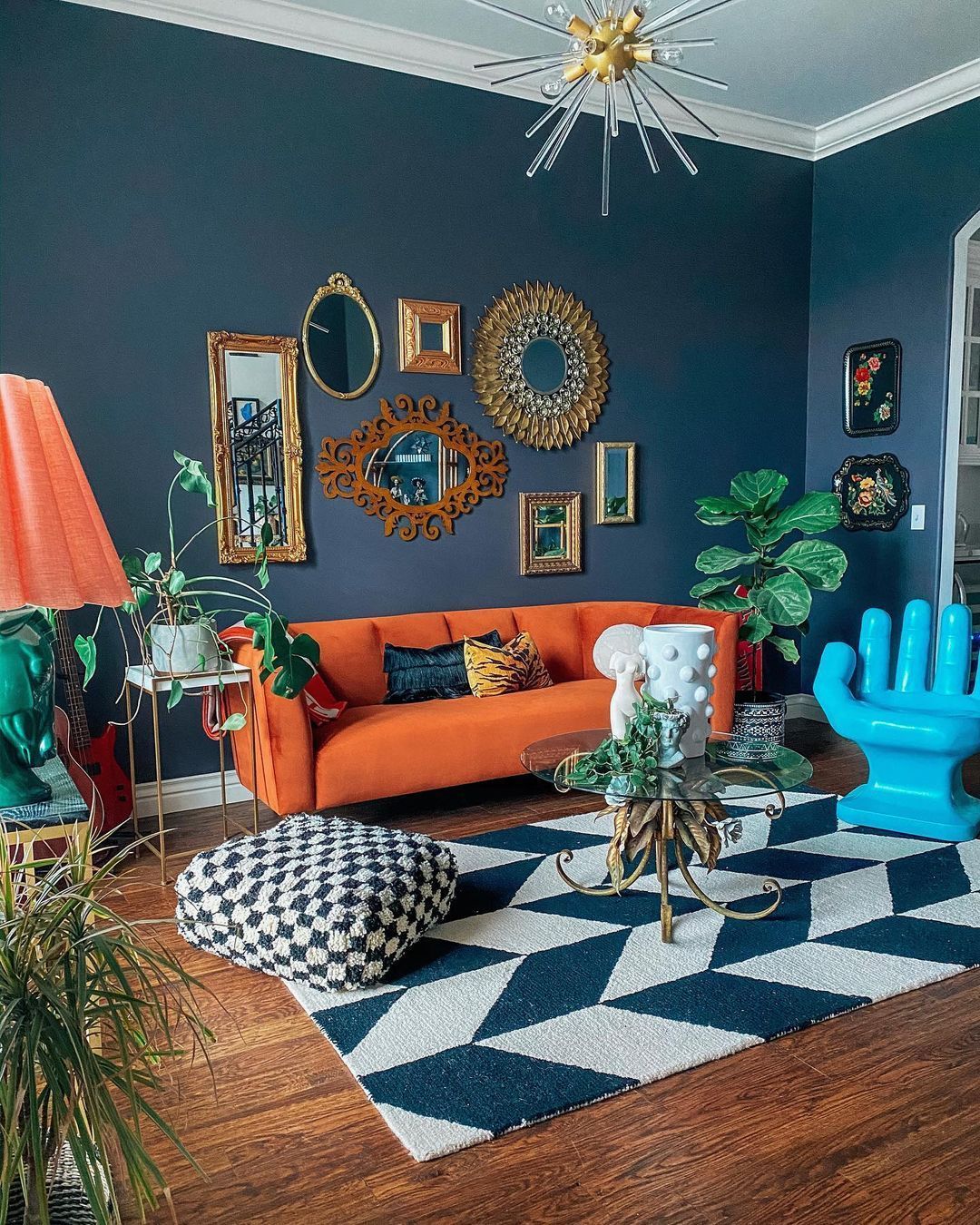
Curating a truly personal interior requires editing out the noise of what is currently trending on algorithm-driven feeds. True style emerges at the intersection of your memories, travels, and daily habits. If you are an avid cook who collects vintage copper pots, displaying them on a hanging rail isn't just functional storage; it is active decor. If you despise dusting delicate knick-knacks, minimalist open shelving will only cause you endless frustration, making closed cabinetry or glass-front armoires a much wiser architectural choice. Designing a home is an exercise in self-awareness, requiring you to recognize the difference between what you admire in a photograph and what you can comfortably live with day in and day out.
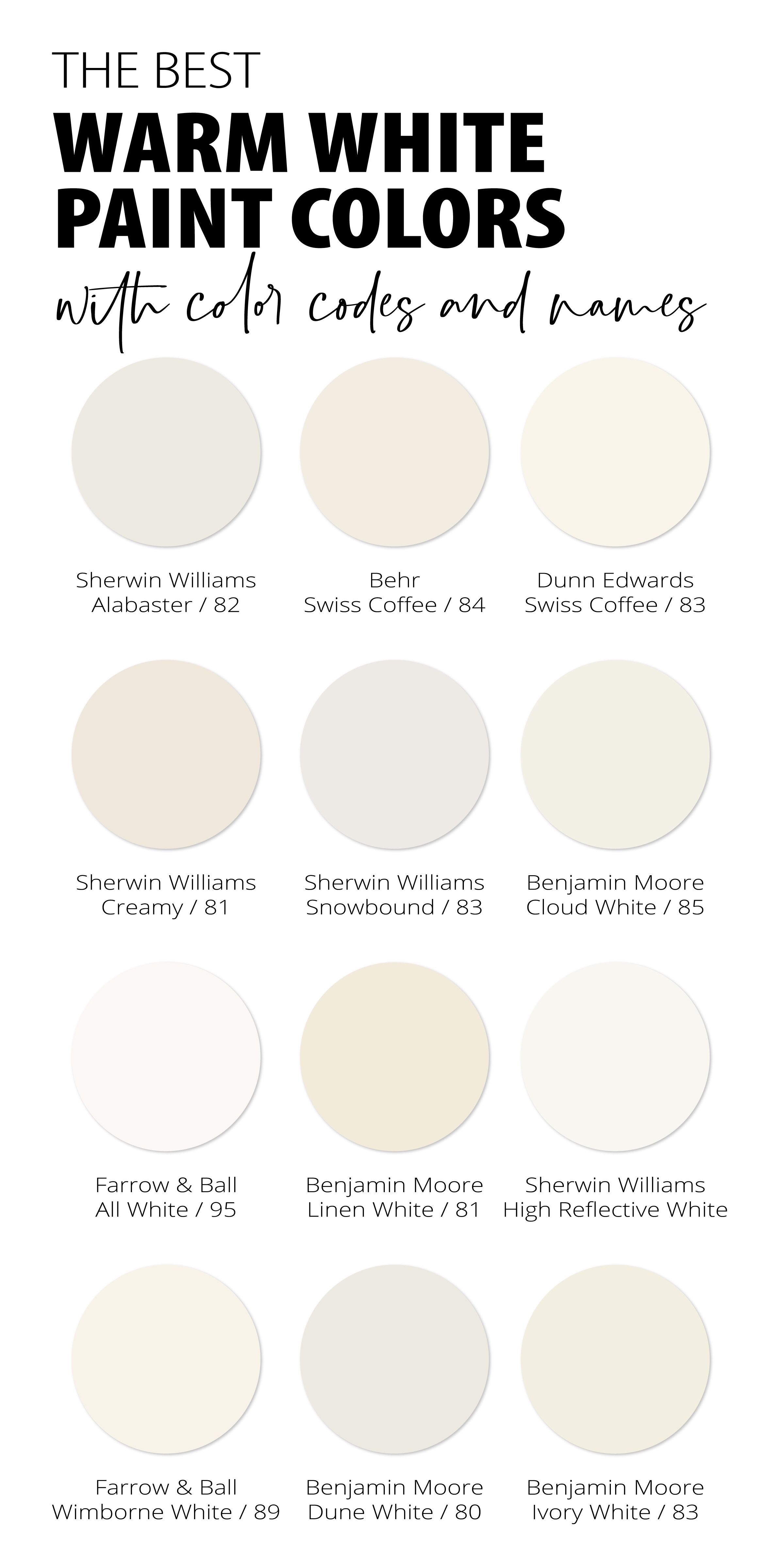
Color theory goes far beyond matching paint swatches to couch cushions; it is about harnessing psychological triggers and optical illusions. Dark, saturated hues like muddy olive green, deep charcoal, or rich tobacco brown do not merely make a small room look smaller—they blur the boundaries of the walls, creating an intimate, cocoon-like atmosphere that feels deeply protective. Lighter, reflective tones bounce natural sunlight around south-facing spaces, amplifying a sense of boundless airiness. The key is understanding how natural light shifts in your specific geographic location and how it interacts with the undertones of your chosen pigments throughout different seasons.
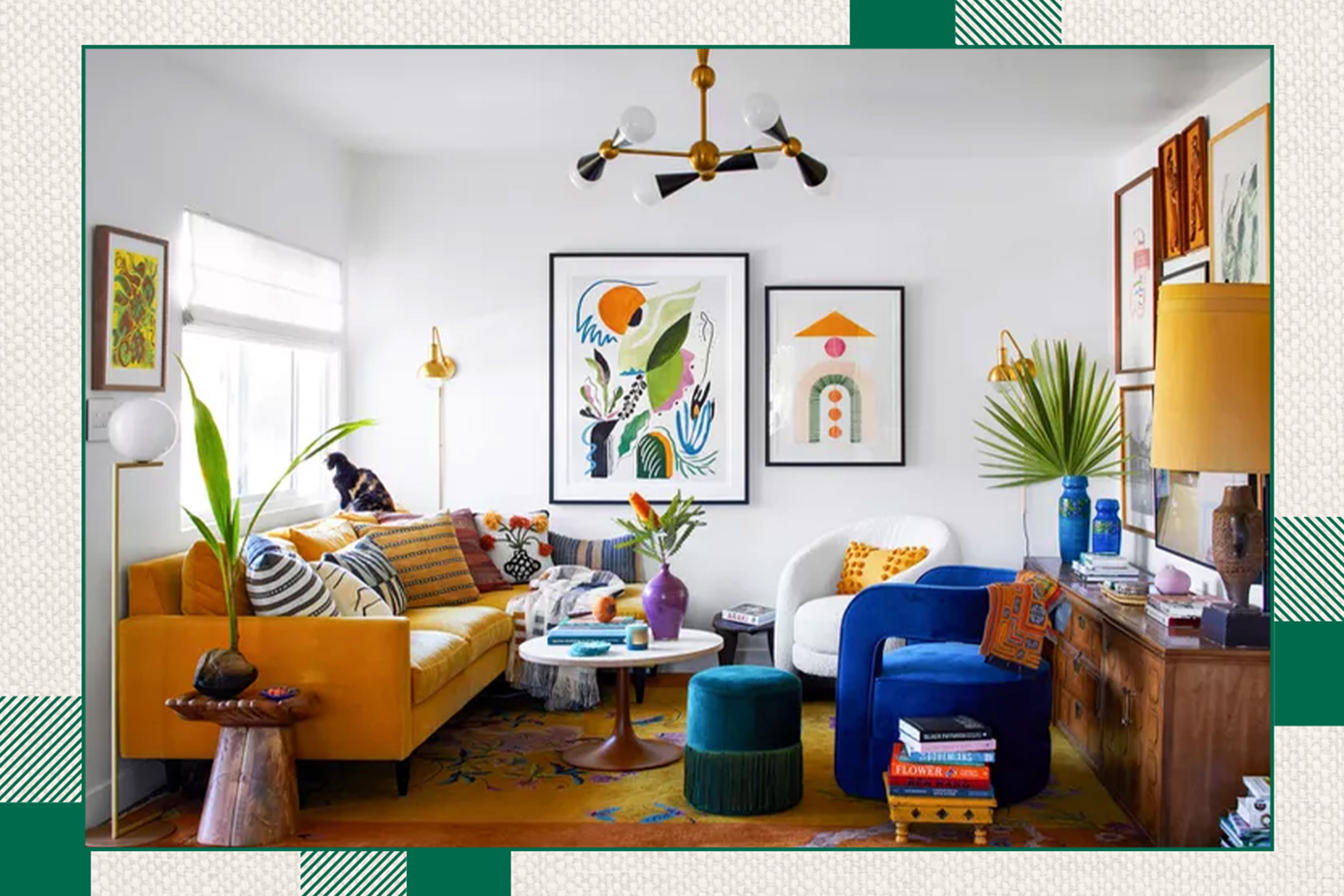
Pattern mixing is another advanced discipline where many amateur decorators stumble. The secret to pairing disparate patterns—florals, stripes, checks, and geometrics—lies in modulating scale and maintaining a cohesive color vocabulary. If you place a large-scale botanical print on a sofa, anchor it with smaller ticking stripes and a solid textured weave. Ensure that a consistent color thread runs through all the textiles to tie the composition together. When done correctly, pattern layering introduces visual rhythm and intellectual complexity, preventing a room from feeling flat or overly coordinated.
The Practitioner's Framework: A Step-by-Step Styling Methodology
Transforming a chaotic room into a cohesive, beautifully styled space requires a disciplined, methodical approach. Skipping steps or rushing into impulsive decor purchases usually leads to buyer's remorse and a cluttered home. Follow this field-tested framework to methodically elevate any room in your house.
Executing this methodology requires patience and restraint. Do not rush to fill every blank wall or empty tabletop within the first week. A well-styled home breathes, leaving room for future discoveries, seasonal adjustments, and accidental treasures found in antique markets or during travels.
Navigating Common Pitfalls and Field-Tested Workarounds
Even experienced designers occasionally fall into classic traps that disrupt the harmony of a room. Recognizing these common missteps and applying practitioner workarounds can save you hundreds of dollars and endless frustration.
Navigating these obstacles demands a willingness to step back, critique your own work, and edit ruthlessly. Sometimes the best design decision you can make in a cluttered room is not adding a new piece of decor, but removing three existing items.
The Long-Term View: Sustainability, Craftsmanship, and Economic Value
In an era dominated by cheap, flat-pack, disposable decor designed to last a single lease cycle, adopting a long-term, sustainable perspective is a radical act. Fast decor has a devastating environmental footprint, clogging landfills with particle board and synthetic textiles that degrade rapidly. Investing in heritage-quality pieces crafted from solid hardwoods, cast bronze, hand-thrown ceramics, and organic textiles is not merely an aesthetic choice; it is an economic and ecological commitment. Quality items hold their structural integrity, patina gracefully over decades, and can be repaired, reupholstered, or passed down to the next generation.
The circular economy of home decor encourages sourcing vintage and antique furniture through estate sales, local auctions, and salvage yards. These older pieces were frequently constructed using superior joinery techniques—such as dovetail drawers and mortise-and-tenon frames—that modern mass-market manufacturing rarely matches due to cost-cutting pressures. Rescuing and restoring a vintage dresser or reupholstering a classic armchair infuses your home with genuine soul while keeping quality materials out of the waste stream. It transforms decorating from a passive consumption habit into an active craft of preservation.
Furthermore, thoughtful home decor directly impacts your financial investment in real estate. While gut renovations can be prohibitively expensive and disruptive, strategic cosmetic updates—such as installing architectural moulding, upgrading hardware, layering lighting circuits, and applying sophisticated wall treatments—drastically elevate the perceived value and market appeal of a property. A home that feels coherent, warm, and meticulously maintained commands attention and respect from potential buyers because it communicates a standard of care that extends far beyond surface appearances.
Sustainability also means recognizing the health implications of the materials we bring into our sealed indoor environments. Many conventional carpets, synthetic fiber rugs, engineered wood products, and low-grade paints off-gas volatile organic compounds (VOCs) like formaldehyde and benzene, contributing to indoor air pollution and chronic health issues. Opting for zero-VOC paints, natural fiber carpets made from undyed wool or sisal, and untreated solid woods creates a cleaner, safer breathing environment for your family, proving that true beauty and biological health are inextricably linked.
Strategic Recommendations and the Blueprint for Lasting Style
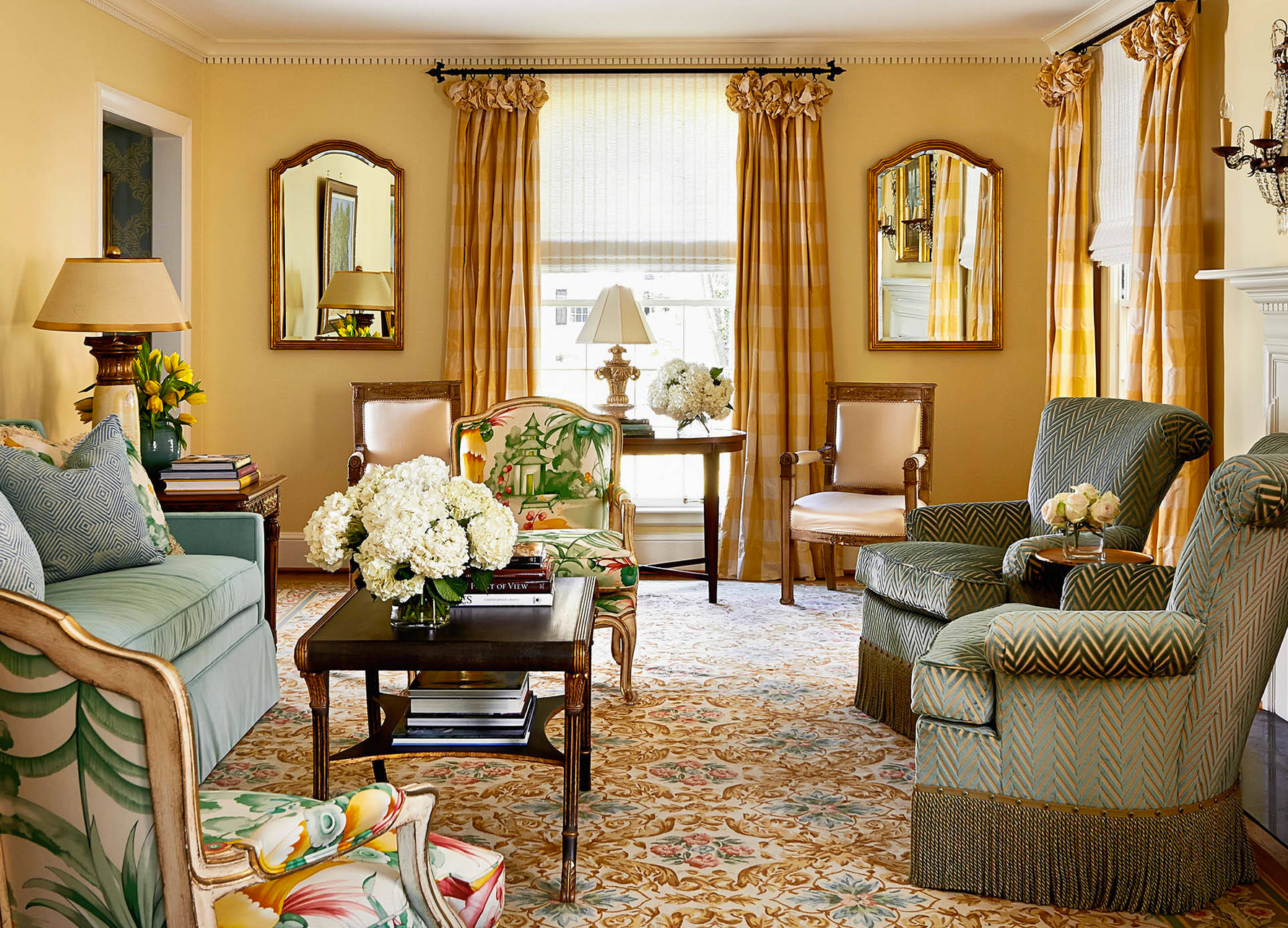
Translating grand design concepts into actionable daily habits requires a structured framework. Whether you are moving into a brand-new home or simply feeling restless in your current surroundings, applying a disciplined blueprint prevents overwhelm and ensures a cohesive final result.
Adopting this strategic approach shifts your mindset from being a passive consumer of trends to becoming the intentional curator of your own domestic sanctuary. The goal is never to create a showroom ready for a camera lens, but to build a deeply personal backdrop that supports, inspires, and comforts you through every season of your life.
The journey of home decor is never truly finished because life itself is dynamic, messy, and constantly evolving. As our families grow, our professional lives shift, and our personal tastes mature, our physical spaces must adapt to accommodate these new chapters. The mistake lies in viewing home styling as a finite project with a hard deadline rather than an ongoing, organic collaboration between you and your living environment. When you embrace this fluid mindset, decorating transforms from a stressful chore into a deeply rewarding creative outlet.
Take a moment to look closely at the room you are sitting in right now. Notice the way the afternoon light catches the dust motes dancing in the air, the gentle wear on the wooden floorboards near the doorway, and the familiar heft of the objects resting on your shelves. These details are not flaws to be corrected by the next micro-trend; they are the quiet signatures of your life unfolding in real time. By honoring the architecture of your space, investing in honest materials, and surrounding yourself only with objects that carry genuine meaning, you create more than a beautifully styled interior—you forge a true home.
As we look toward the future of domestic design, the most enduring homes will be those that prioritize authenticity, sustainability, and emotional resonance over algorithmic perfection. Let your home be imperfect, let it be tactile, and above all, let it be unapologetically yours.