Midnight hits, and a familiar, dull throb begins behind your left eyebrow. Your medicine cabinet stands bare except for an expired bottle of ibuprofen and a solitary, crushed adhesive bandage. Instead of pulling on a coat for a frantic midnight pharmacy run, you pad quietly into the kitchen. You eye the ceramic fruit bowl, the spice rack, and the jar of raw wildflower honey sitting next to the kettle. This is where modern convenience meets ancient trial and error—the quiet art of crafting a functional remedy from raw ingredients you already own.
Over the past decade of testing, interviewing compounding pharmacists, and studying folk medicine traditions, I have learned a hard truth: most viral internet home remedies are useless folklore, while a select few possess legitimate, biochemical potency. When a raw clove of garlic acts as a natural antimicrobial agent, it is not magic; it is allicin at work. When peppermint oil relieves tension headaches via trigeminal nerve modulation, it is pharmacology hiding in a roller bottle.
We live in an era where wellness advice oscillates wildly between unverified TikTok trends and sterile corporate pharmaceuticals. Yet, the middle ground—pragmatic, kitchen-tested home remedies—offers extraordinary utility if approached with a critical eye. It requires understanding the difference between soothing a symptom and curing a pathology, respecting contraindications, and knowing when to close the pantry and pick up the phone to call a physician. Let us separate the genuine kitchen pharmacies from the placebo-driven noise.
The Chemistry of the Pantry: Understanding Active Compounds in Everyday Cures
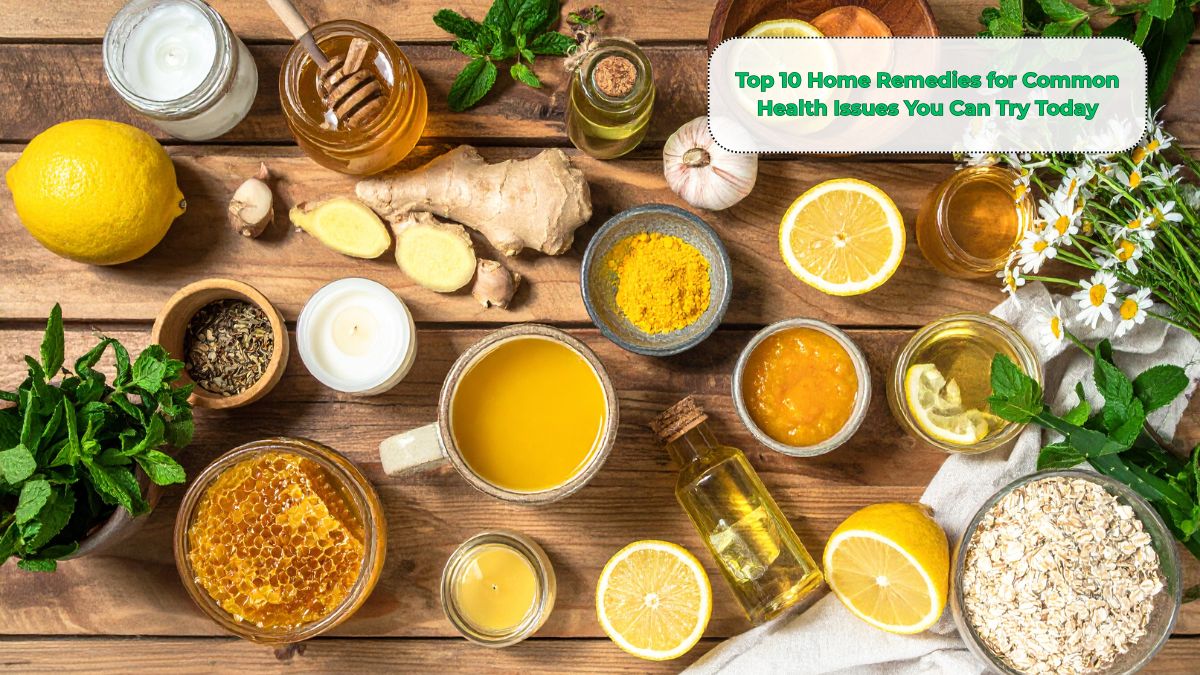
Home remedies survive across generations not because of nostalgia, but because they leverage active phytochemicals capable of interacting with human physiology. Take ginger (Zingiber officinale), a staple in many kitchens. Beyond its pungent flavor, it contains gingerols and shogaols, compounds that actively inhibit pro-inflammatory cytokines and accelerate gastric emptying. When you steep crushed ginger root for a stubborn bout of nausea, you are administering a natural antiemetic that blocks serotonin receptors in the gut similarly to pharmaceutical interventions, albeit with a milder profile.
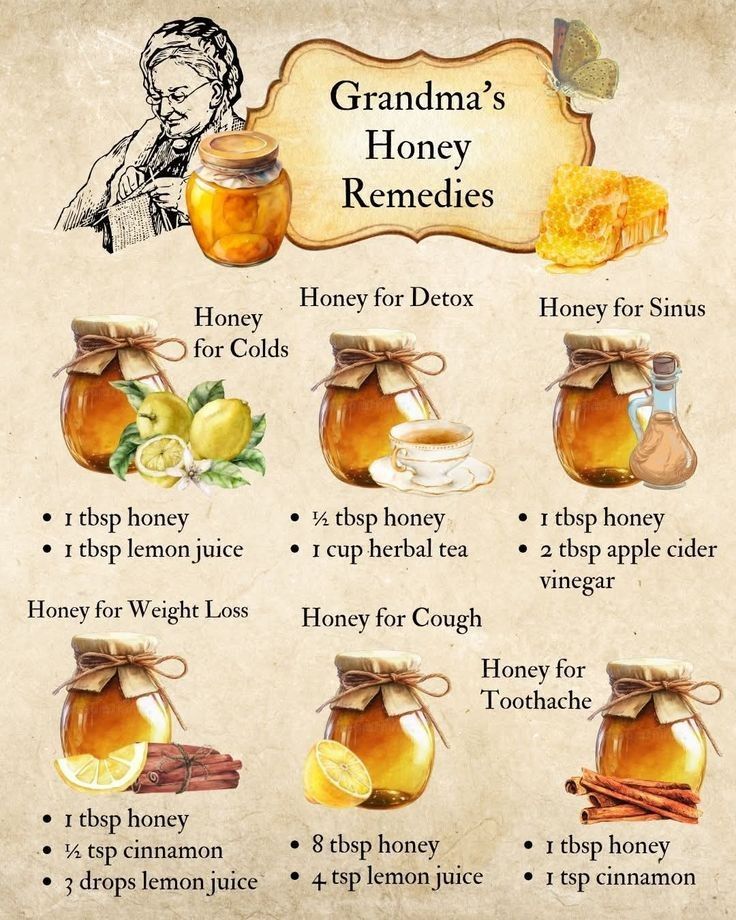
Consider honey—specifically raw, unpasteurized varieties like Manuka or buckwheat. Its efficacy against a persistent cough is not merely due to its comforting viscosity coating an irritated pharynx. Research published by the Oxford University Press indicates that honey is often superior to over-the-counter cough suppressants due to its mild antimicrobial properties, high osmolarity that draws out moisture from bacterial cells, and antioxidant profile. The key is understanding that raw honey should never be heated past 40°C (104°F) if you want to preserve its delicate enzymatic integrity.
However, treating the kitchen like a laboratory demands intellectual honesty. Not all folk wisdom holds up under clinical scrutiny. The notion that apple cider vinegar (ACV) acts as a universal metabolic cure-all is vastly overstated. While acetic acid can marginally blunt postprandial glycemic spikes by slowing gastric emptying, drinking it straight destroys dental enamel and irritates the esophageal lining. Harnessing these remedies requires respecting their chemical potency. You are dealing with active agents—acids, essential oils, tannins, and volatile compounds—that demand proper dilution, preparation, and dosage just like any pharmaceutical drug.
Navigating the Line Between Symptom Management and Medical Intervention
One of the most dangerous misconceptions in alternative self-care is the belief that natural equals risk-free. A remedy that works effectively for a mild condition can sometimes mask the early warning signs of a serious underlying pathology. Take acute sinusitis, for instance. A steaming bowl of eucalyptus-infused water or a saline nasal irrigation via a neti pot can provide immense relief by thinning mucus and opening congested passages. Yet, if that facial pressure and green nasal discharge persist past ten days accompanied by a spiking fever, continuing home steam therapy becomes a hazardous delay tactic against a potential bacterial secondary infection requiring targeted antibiotics.
Evaluating the limits of home care requires an understanding of physiological red flags. When applying topical remedies—such as tea tree oil for acne or warm compresses for a stye—you must monitor the skin for contact dermatitis or allergic sensitization. Essential oils, though plant-derived, are highly concentrated lipid-soluble extracts that can easily overwhelm the skin barrier or cause systemic toxicity if ingested carelessly. A drop of pure oregano oil swallowed neat can severely burn the mucous membranes of the mouth and throat, despite its reputation as a powerful immune booster.
Furthermore, interactions between herbal remedies and prescription medications are an overlooked hazard in many households. St. John's wort, often brewed as a tea for low mood, induces liver enzymes that metabolize birth control pills, blood thinners, and antidepressants, rendering them ineffective. True expertise in utilizing home remedies involves cross-referencing your kitchen treatments with your current pharmacological profile. Approaching natural health with a scientific mindset means accepting that your body does not distinguish between a synthetic pill and a botanical extract; it processes both through the liver and kidneys.
A Field-Tested Framework for Crafting and Administering Kitchen Remedies
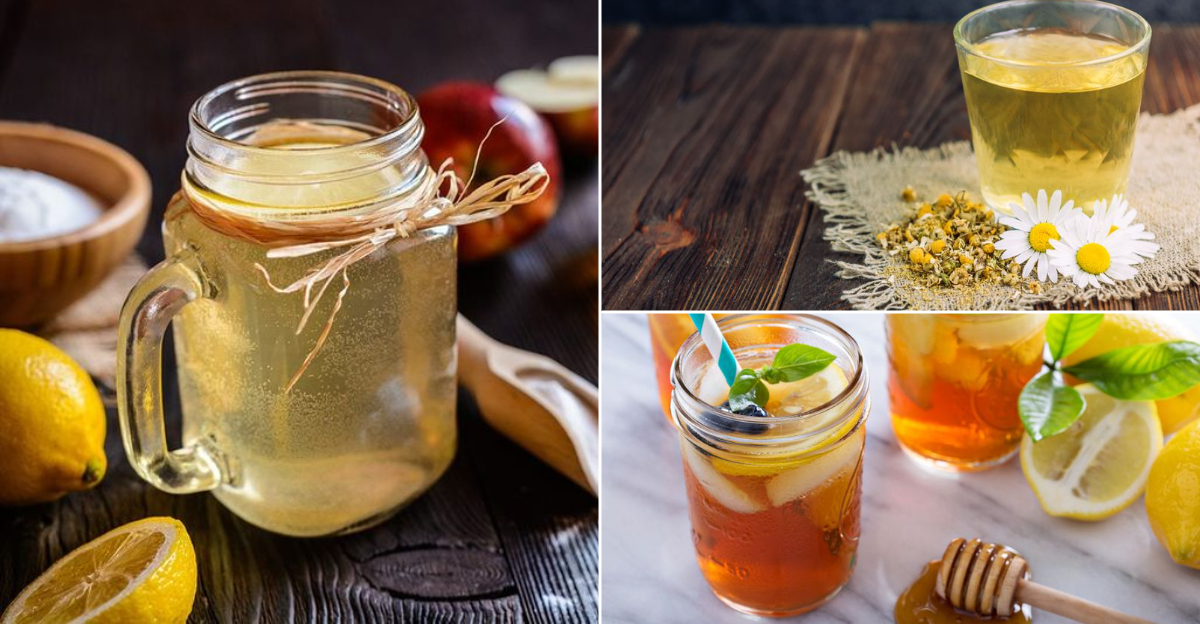
Creating an effective home remedy requires precision, cleanliness, and the right equipment. Improvised measurements often lead to inconsistent results or accidental burns. Below is a structured, step-by-step methodology for preparing a reliable, soothing elderberry and ginger tonic during cold and flu season, utilizing raw ingredients safely and efficiently.
Common Pitfalls, Safety Hazards, and Practitioner Workarounds
Even experienced home remedy enthusiasts occasionally stumble into traps that compromise safety or diminish effectiveness. Recognizing these common missteps allows you to refine your practice and avoid unnecessary discomfort or wasted ingredients.
The Economic and Sustainable Dimensions of Cultivating a Home Apothecary
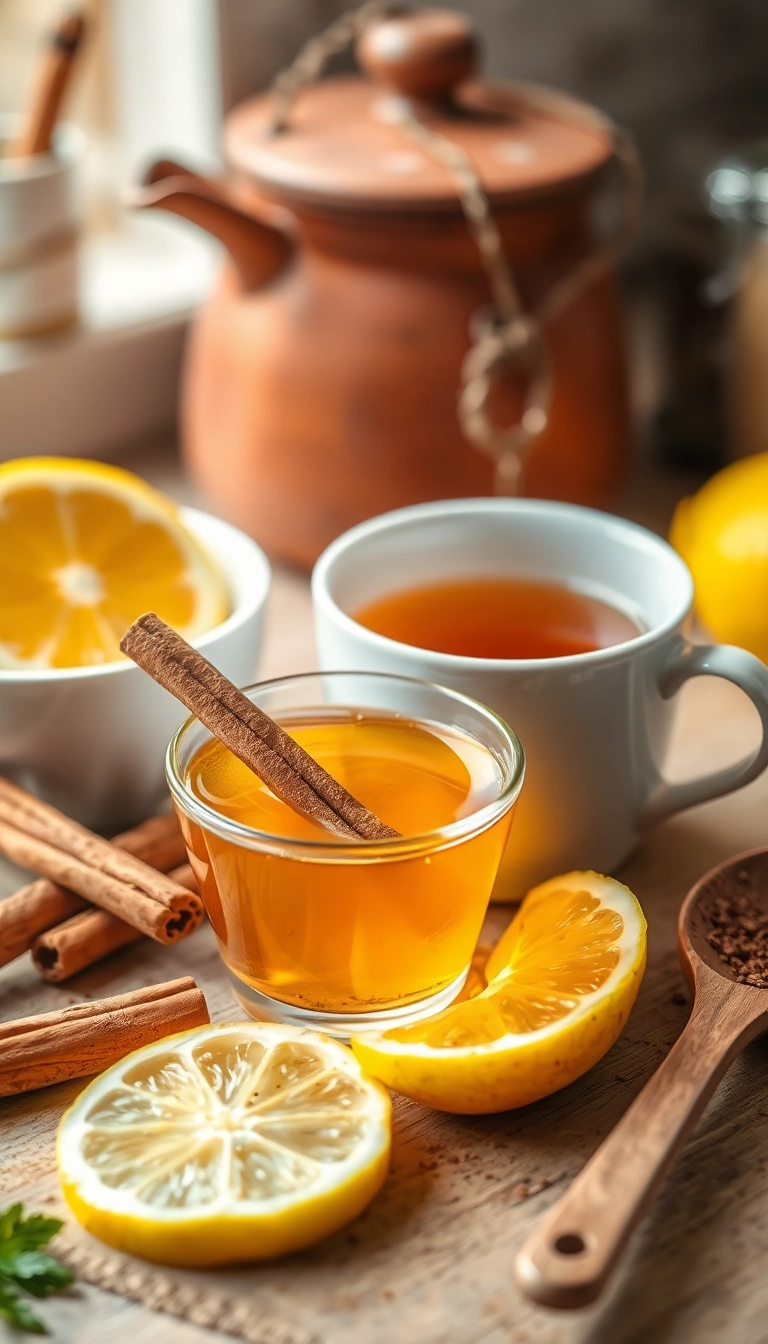
Embracing home remedies is not merely a tactical maneuver for feeling better during a sudden cold; it is a conscious step toward sustainability and self-reliance in a hyper-consumerist market. Consider the financial footprint of the average bathroom cabinet: plastic bottles of synthetic cough syrup, single-use vapor patches, specialized throat lozenges packaged in excessive cardboard and foil, and branded anti-itch creams. By shifting foundational care to bulk dry herbs, organic produce, and reusable glass storage containers, households can slash their minor medical expenses while drastically reducing single-use plastic waste.
Furthermore, growing your own medicinal and culinary herbs fosters a deeper ecological literacy. A sunny windowsill or a modest balcony planter can easily sustain pots of culinary thyme (packed with thymol, a potent antiseptic), peppermint, lemon balm, and aloe vera. This hands-on cultivation reconnects us with the physical origins of our health aids. You begin to understand that plants are living biochemical factories influenced by soil quality, sunlight exposure, and harvest timing—nuances that industrialized pharmaceuticals strip away in favor of uniform, synthetic isolation.
There is also a profound psychological benefit to self-reliance. Modern life often leaves us feeling utterly alienated from our own bodily sensations, conditioned to outsource every minor ache to an over-the-counter pill. Taking twenty minutes to chop ginger, peel garlic, and brew a restorative broth shifts your mental relationship with illness. It reframes a cold from an unwelcome interruption into a natural biological process that requires your attentive, patient care. This reclamation of domestic agency builds quiet confidence and fosters a sustainable rhythm of living that honors both human health and ecological balance.
Strategic Frameworks for Building a Bulletproof Home Health Toolkit
Curating a functional home remedy station requires organization, quality control, and a disciplined approach to inventory. A chaotic spice drawer will not help you when you are shivering with chills at 2:00 AM. Building a reliable system means treating your ingredients with the same respect a chef gives to their mise en place.
The first pillar of an effective home toolkit is quality sourcing. Organic matter matters profoundly when you are concentrating plant compounds into a tea, tincture, or syrup. Pesticide residues that might wash off a casual salad leaf become concentrated when simmered down into a medicinal decoction. Establish relationships with trusted local herbalists, farmers markets, or certified organic online apothecaries that provide batch testing and transparent harvesting dates for dried roots, barks, and flowers.
The second pillar is systematic rotation and storage. Dried botanicals lose their volatile therapeutic oils over time; most dried leaves and flowers degrade after one year, while roots and barks can retain potency for up to two years if kept in dark, airtight amber glass containers away from stove heat and humidity. Maintain an inventory checklist taped inside your cabinet door. By auditing your supplies twice a year—once at the onset of autumn and once in early spring—you ensure that when an acute need arises, your remedies are potent, clean, and ready to deploy.
The resurgence of interest in home remedies is much more than a nostalgic nod to simpler times. It is a calculated pushback against an increasingly complex, impersonal medical system where we often feel disconnected from our own physical well-being. By combining traditional botanical wisdom with rigorous scientific skepticism, we can reclaim our kitchens as spaces of genuine healing and comfort.
Remember that true wellness is not about achieving a sterile state of invulnerability, but rather about learning how to listen closely to your body when it whispers before it is forced to scream. Whether you are steeping crushed garlic for an immune boost or massaging diluted peppermint oil into your temples to soothe a tension headache, you are participating in an ancient, deeply human tradition of self-care.
Treat your kitchen apothecary with respect, question unverified claims, and never hesitate to seek professional medical help when symptoms surpass your toolkit's capabilities. Armed with curiosity, common sense, and the right ingredients, you are fully equipped to navigate life's minor physical storms with quiet grace and enduring resilience.