The afternoon sun cuts diagonally across the chevron parquet floor of a seventh-arrondissement apartment, catching the microscopic dust motes dancing above a zinc-topped vintage table. There is an unmistakable weight to this piece of furniture—not merely physical, though the cast-iron base anchors it firmly against centuries of shifting trends, but cultural. Around a dining table in Paris, hours dissolve. Dinner parties do not follow rigid American-style schedules of rapid-fire courses and swift departures; they are sprawling, three-hour symphonies of debate, laughter, clinking stemware, and unhurried gastronomy.
When people speak of the "dining table Paris" aesthetic, they are chasing more than a specific furniture style. They are trying to bottle a philosophy of space. Parisian interiors reject the sterile perfection of showroom catalogs in favor of la nonchalance calculée—calculated nonchalance. A dining table here might bear the heat scars of a Tuesday night coq au vin alongside a priceless piece of nineteenth-century Limoges porcelain. It is an arena for living, breathing, and entertaining where imperfection is worn like an expensive badge of honor.
Understanding how to translate this ethos into your own dining space requires looking past the surface glamour. It means examining the physical materials favored by Parisian cabinetmakers, mastering the delicate grammar of tablescaping, and confronting the architectural realities of compact urban living. Whether you are sourcing a salvaged farmhouse table from a flea market near Saint-Ouen or ordering a bespoke marble-topped contemporary piece, the Paris dining table demands an appreciation for craftsmanship, utility, and understated romance.
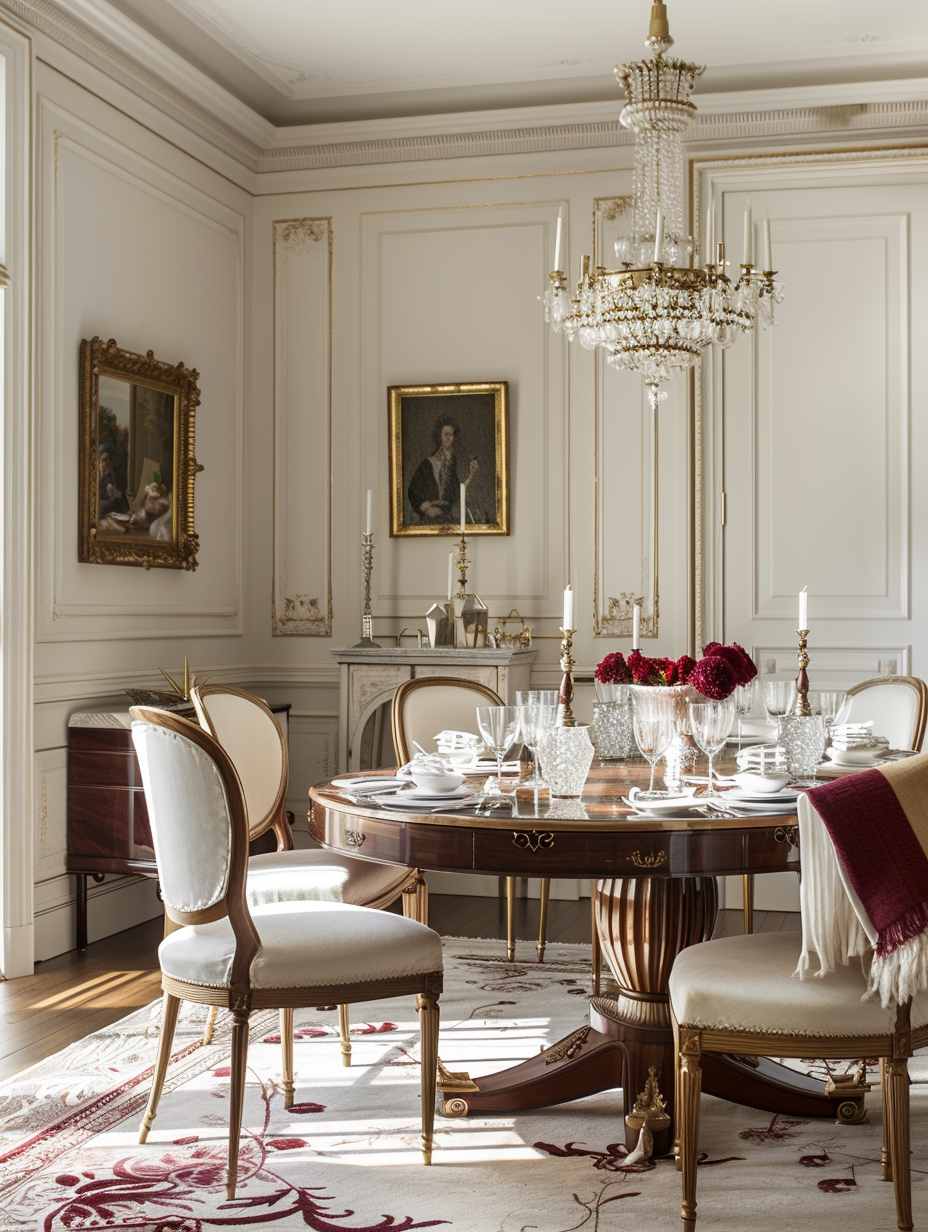
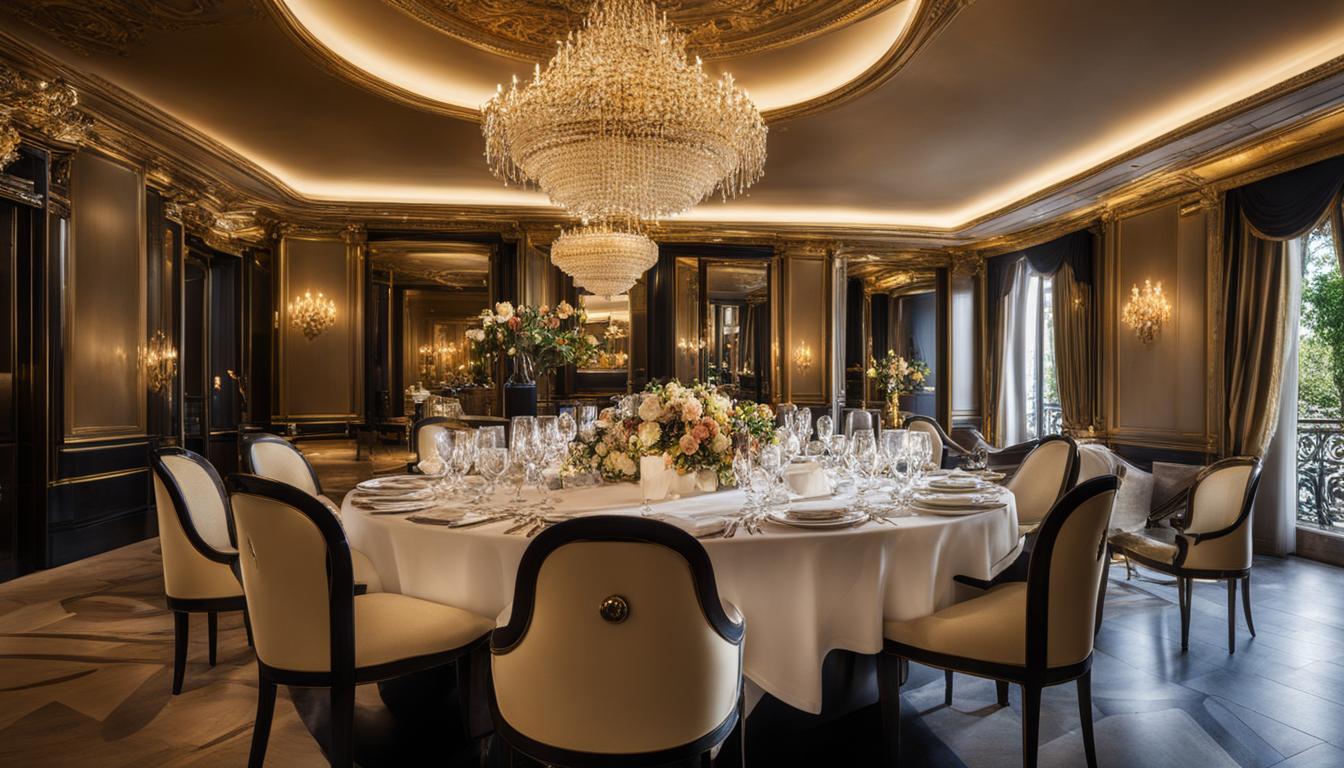
The roots of the Parisian dining tradition are deeply tied to the city’s architectural evolution. During the mid-nineteenth century, Baron Haussmann carved wide boulevards through the medieval core, giving rise to apartment buildings characterized by high ceilings, ornate moldings, and formal salons. In these spaces, the dining room—or salle à manger—was a sacred chamber of social display. Heavy walnut and mahogany extension tables, often crafted by master menuisiers, dominated these rooms, flanked by high-backed chairs upholstered in damask or horsehair.
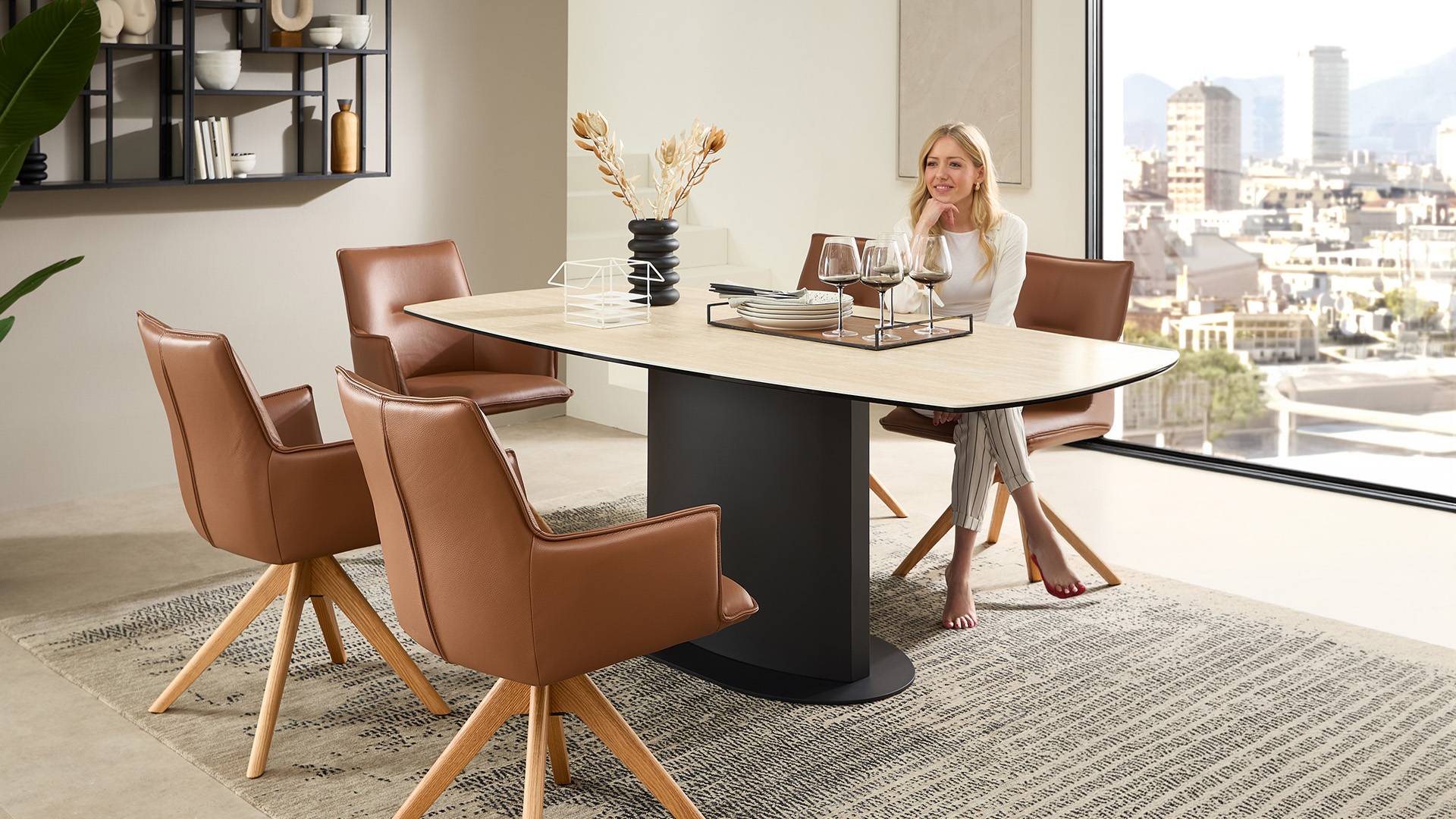
Over the decades, as urban footprints shrank and the concept of formal segregation between kitchen, dining, and living dissolved into open-plan living, the Paris dining table adapted. The modern Parisian home often features a multifunctional table that acts as a morning desk for remote work, an afternoon prep station for market vegetables, and an evening stage for hosting friends. This versatility is what keeps the Parisian approach relevant in contemporary interior design. It is never just a static object; it is the beating heart of the home, shifting its identity with the hours of the day.
Anatomy of French Interior Design: Sourcing Materials and Silhouettes for the Parisian Look
To capture the true essence of a Parisian dining setup, material selection is everything. The French design vocabulary shuns synthetic laminates and overly glossy polyurethane finishes. Instead, it relies on tactile, organic materials that tell a story through patina. Solid oak with a deep, fumed grain, warm cherry wood, Carrara or Nero Marquina marble with dramatic veining, and distressed zinc or cast iron form the foundational palette. Each of these materials responds to daily use by acquiring character, mirroring the French belief that furniture should improve with age rather than remain frozen in a pristine state.
Silhouettes lean toward a dynamic tension between rustic solidity and neoclassical refinement. You will frequently encounter Louis XVI-style oval tables with fluted legs sitting alongside industrial cast-iron bases salvaged from old Parisian bistros. The juxtaposition is key. A heavy, rustic trestle table paired with sleek, modern velvet chairs creates that signature tension that prevents a room from feeling like a period museum. Scale is another critical consideration; Parisian apartments are notorious for tight entryways and constrained square footage, meaning pedestal tables and gateleg designs are prized for their ability to maximize seating without swallowing the room.
Craftsmanship in France has historically been governed by strict guilds and traditions of ébénisterie (cabinetmaking). When evaluating a dining table designed in the Parisian tradition, look at the joinery. Mortise and tenon joints, hand-turned spindles, and subtle brass sabots protecting the feet of wooden legs are indicators of authentic construction. These details might seem invisible during a lively dinner party, but they contribute to the subliminal sense of quality that defines French interiors. A table built with this level of structural integrity does not wobble under the weight of heavy stoneware platters and impassioned conversation.
Investing in a statement dining table also means curating the surrounding seating with a deliberate lack of uniformity. The rigid dining set—where every chair matches the table down to the exact millimeter—is largely absent from chic Parisian homes. Instead, designers mix eras and materials. You might find two vintage Thonet bentwood chairs facing two contemporary upholstered armchairs. This eclectic layering prevents the dining area from looking staged. It invites the eye to wander, discovering new textures and forms with every glance across the room.
The Choreography of Tablescaping: Art, Food, and Unfussy Elegance
Styling a Paris dining table is an exercise in controlled contradiction. It must look effortless, yet every element is placed with an intuitive understanding of visual weight and hospitality. The foundation always begins with textiles. Avoid stiff, heavily starched tablecloths that scream formal banquet. Linen is the uncontested king of the Parisian tabletop—specifically stonewashed French linen that carries soft, natural wrinkles. Neutral tones like oatmeal, slate gray, or soft white allow the food and tableware to take center stage, though a deep, moody forest green or bordeaux linen can create an intimate atmosphere for evening dinners.
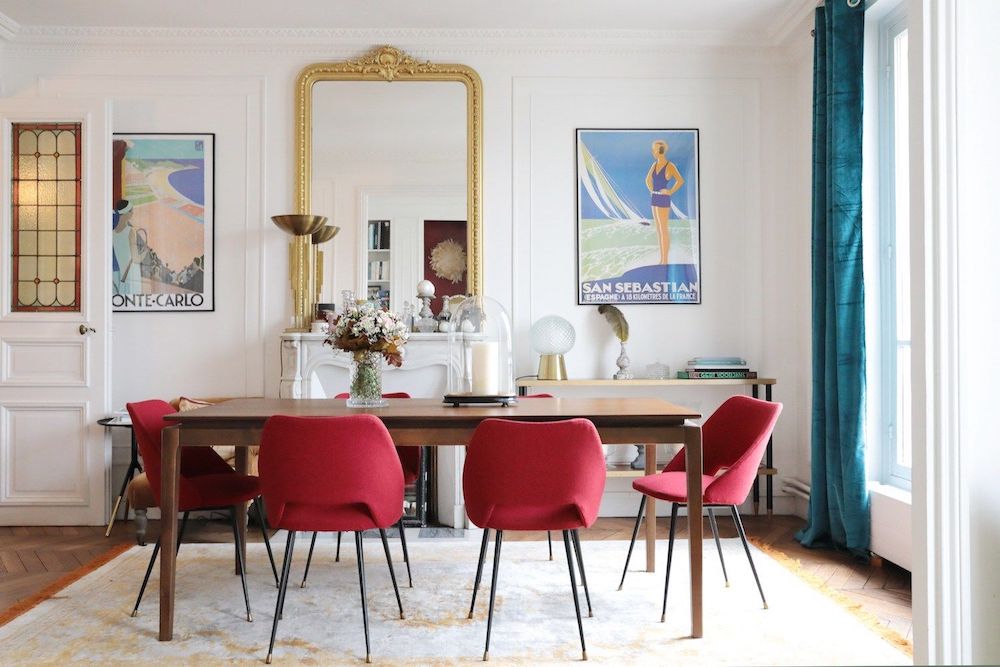
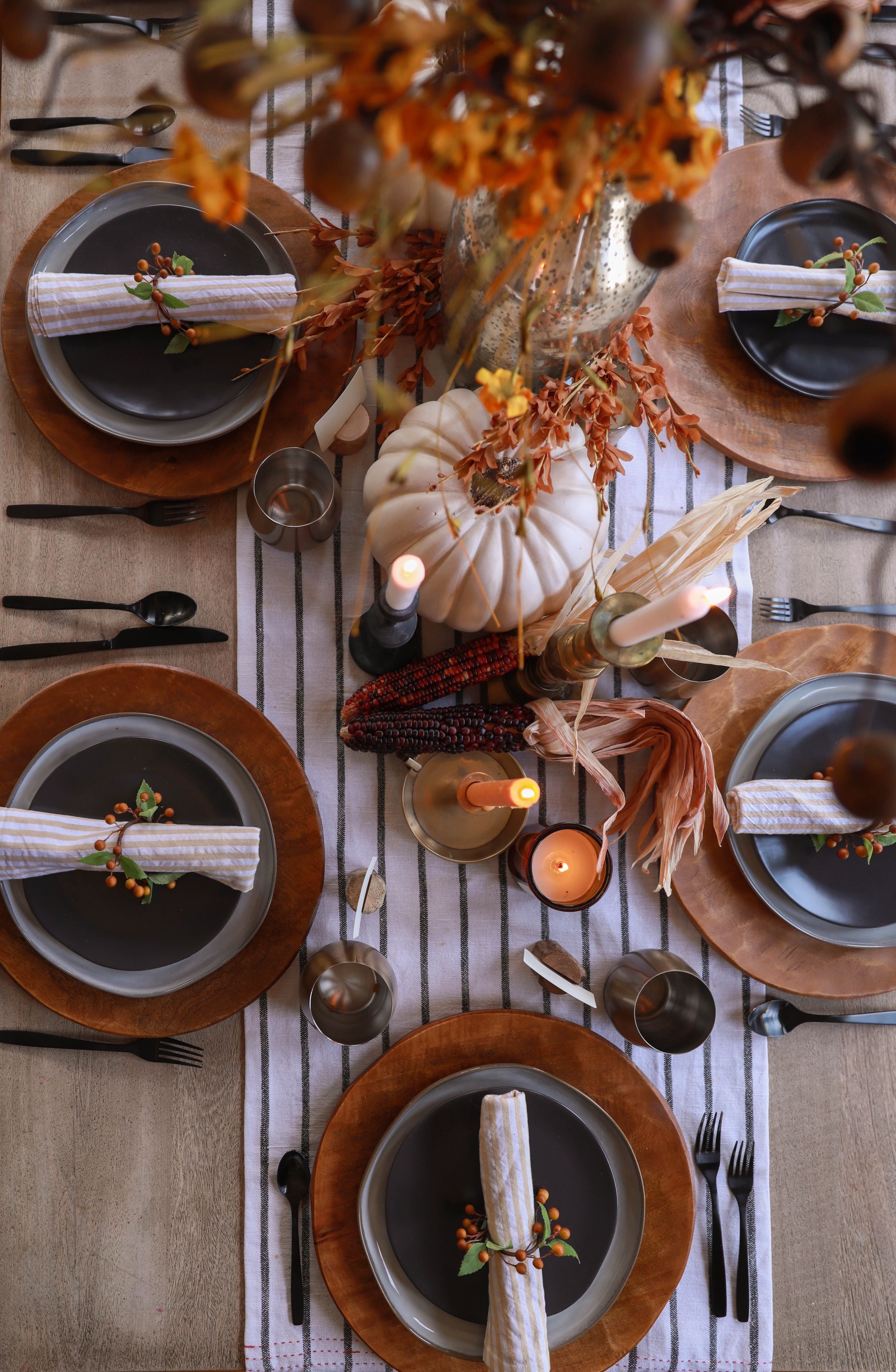
Centerpieces in French dining culture defy the towering floral arrangements that block guests from making eye contact. Paris tablescapes favor low, organic displays. Think of a shallow terracotta bowl filled with figs, unpeeled garlic bulbs, and heirloom tomatoes, or simple glass apothecary jars holding loose branches of eucalyptus or seasonal wildflowers cut just short enough to sit below eye level. Candles are non-negotiable, even for casual lunches. Tapered beeswax candles in mismatched brass or ceramic holders cast a warm, flickering glow that softens the room and encourages guests to linger long after the plates have been cleared.
Tableware is treated as a collected archive rather than a single matching suite. Mixing flea-market finds—perhaps a chipped nineteenth-century Gien earthenware plate with a sleek, contemporary matte black fork—brings soul to the table. Silverware with slightly oxidized patinas, weighted mother-of-pearl handle knives, and heavy crystal glassware that catches the light are standard staples. The goal is to create a tactile landscape where every object feels personal. When a guest picks up a water glass or unfolds a napkin, they should feel the history and intentionality behind the choice.
The culinary presentation itself completes the tablescape. In the Parisian tradition, food is not plated in isolation in the kitchen and handed out like restaurant orders; it is served family-style from large ceramic platters, copper pots, and wooden boards placed directly in the center of the table. This encourages interaction. Guests pass dishes, ask for seconds, and actively participate in the meal. The dining table transforms from a mere surface into a landscape of shared abundance, perfectly aligned with the French ethos of conviviality and communal pleasure.
Step-by-Step Methodology for Designing and Styling Your Own Parisian Dining Space
Common Pitfalls and Field-Tested Workarounds for Urban Dining Spaces
The Economics of Authenticity: Balancing Designer Investment with Vintage Sourcing
Achieving the authentic Paris dining table look does not require draining your savings account at high-end designer showrooms on Boulevard Saint-Germain, though pieces from houses like Liaigre or Christophe Delcourt certainly set the gold standard for contemporary French luxury. The secret of many Parisian interior stylists lies in the art of the chine—the patient hunt through flea markets like Les Puces de Saint-Ouen or regional vide-greniers (attic sales). Sourcing a vintage twentieth-century oak table or mid-century French industrial pieces yields higher quality craftsmanship for a fraction of the cost of mass-produced flat-pack furniture.
When evaluating investment pieces, consider the cost-per-use ratio and material durability. Solid wood tables can be repeatedly sanded down and refinished over decades, turning a single purchase into a multi-generational heirloom. Conversely, cheap particle-board tables covered in wood-grain vinyl will warp, peel, and end up in a landfill within a few years, violating both the aesthetic and ecological principles of traditional French living, where things are built to last and repaired rather than replaced.
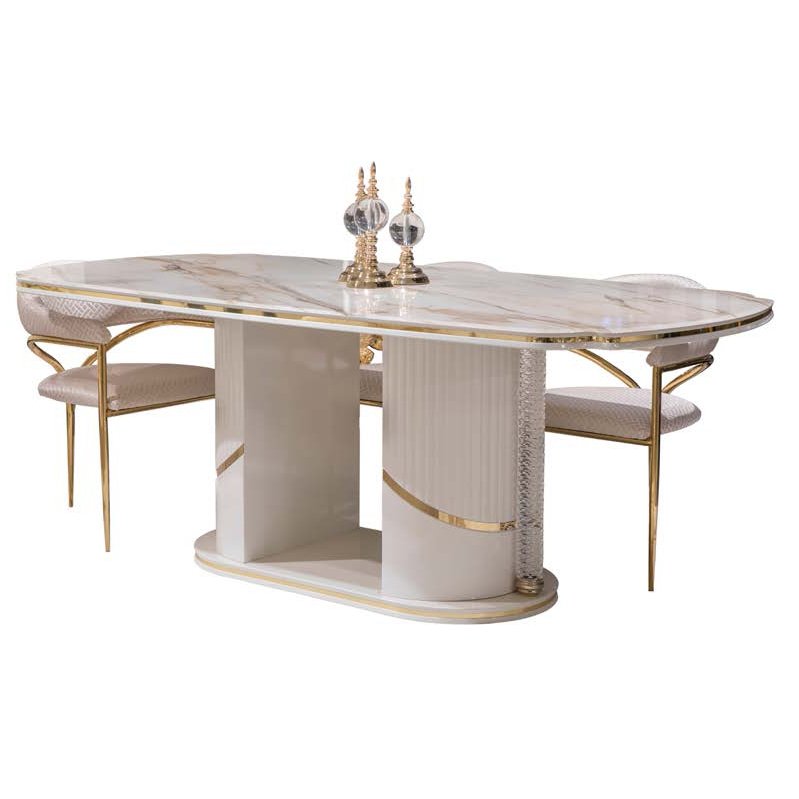
Budget-conscious decorators can blend high and low elements effectively. Invest heavily in the dining table itself—since it is the physical and visual anchor of the room—and economize on surround elements like glassware, flatware, and accent chairs by sourcing them second-hand or from accessible markets. This hybrid approach yields a rich, layered interior that feels authentically lived-in rather than meticulously assembled overnight by an external decorator.
The long-term value of a well-chosen Paris dining table extends far beyond its material worth. It acts as an economic anchor for the home, appreciating in sentimental value as it hosts birthdays, tense political debates, quiet Sunday breakfasts, and celebratory feasts. In a world increasingly dominated by digital transience, a heavy, solid wood or stone dining table represents permanence, physical touch, and the irreplaceable value of gathering face-to-face.
Recommendations for Cultivating Conviviality and Long-Lasting Layouts
To truly master the Paris dining table lifestyle, your room layout must prioritize human connection over rigid formal symmetry. Position your dining table so that it enjoys a direct relationship with natural light—ideally beside a large window or French doors opening onto a balcony or garden. If spatial limitations force the table against a wall, create a banquette seating arrangement upholstered in durable velvet or heavy linen, turning a tight corner into the coziest seat in the house.
Acoustics play an understated yet vital role in successful dinner parties. High ceilings and hardwood floors characteristic of Parisian architecture can bounce sound aggressively, turning a lively dinner into an echo chamber. Introduce soft textiles to absorb sound waves: hang heavy linen drapery along the windows, place an antique wool or vintage Persian rug beneath the dining table, and keep upholstered chairs in the mix. These layers create an acoustic cocoon where whispered secrets and roaring laughter coexist comfortably.
Finally, keep the surface of your table accessible. While styling is important, avoid the trap of creating a museum exhibit that guests are afraid to disturb. Leave space for wine bottles, bread baskets, and serving platters to land naturally. The ultimate measure of a successful Paris dining table is not how pristine it looks when empty, but how alive it feels when crowded with people, food, and unscripted conversation.
The enduring appeal of the Paris dining table lies in its defiance of modern isolation. It stands as a physical reminder that slowing down, breaking bread, and engaging in unhurried conversation with friends and strangers alike is an essential human art form. By prioritizing tactile materials, functional versatility, and a curated mix of old and new, you can recreate the soulful atmosphere of a Haussmann apartment anywhere in the world.
As architectural trends continue to evolve, the core philosophy of French dining remains remarkably resilient. It teaches us that our homes should not be static stages designed for social media admiration, but active, forgiving spaces that embrace the stains, scratches, and stories of daily life. Invest in a table with a soul, set it with care, and leave plenty of room for the evening to unfold wherever the conversation takes it.