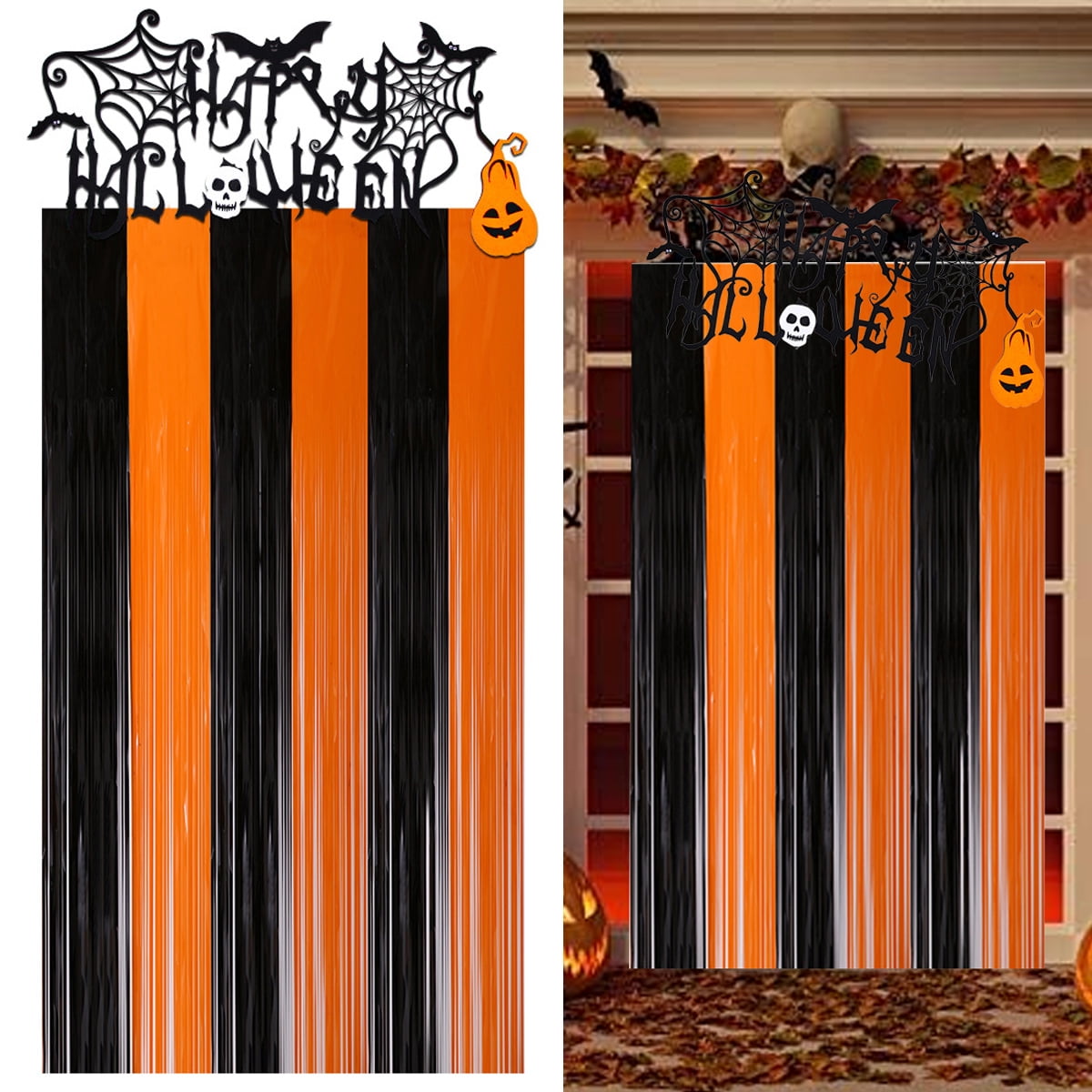
The crisp scent of decaying leaves hits the air long before October rolls around, but the true signal of the season arrives the moment a neighborhood porch transforms. Standing on a cold front step at dusk, waiting for a hesitant child to ring the bell, reveals the quiet power of a well-executed threshold design. A door is not merely an entryway; it is a physical portal between the mundane safety of a suburban street and the liminal, shadowy unknown. When October thirty-first descends, that flat wooden slab becomes the canvas for collective imagination, cinematic scares, and neighborhood rivalry.
Transforming an ordinary threshold into a terrifying spectacle requires more than tossing a cheap polyester web over a porch light. Over years of late-night hot gluing, weatherproofing disasters, and theatrical lighting experiments, I have learned that the line between tacky and truly terrifying lies in material selection, scale, and sensory depth. Anyone can buy a plastic skull from a big-box store, but integrating that prop into an organic, believable scene—where sound, texture, and light work in terrifying concert—turns casual visitors into wide-eyed believers.
The Anatomy of a Terrifying Entryway and Structural Planning
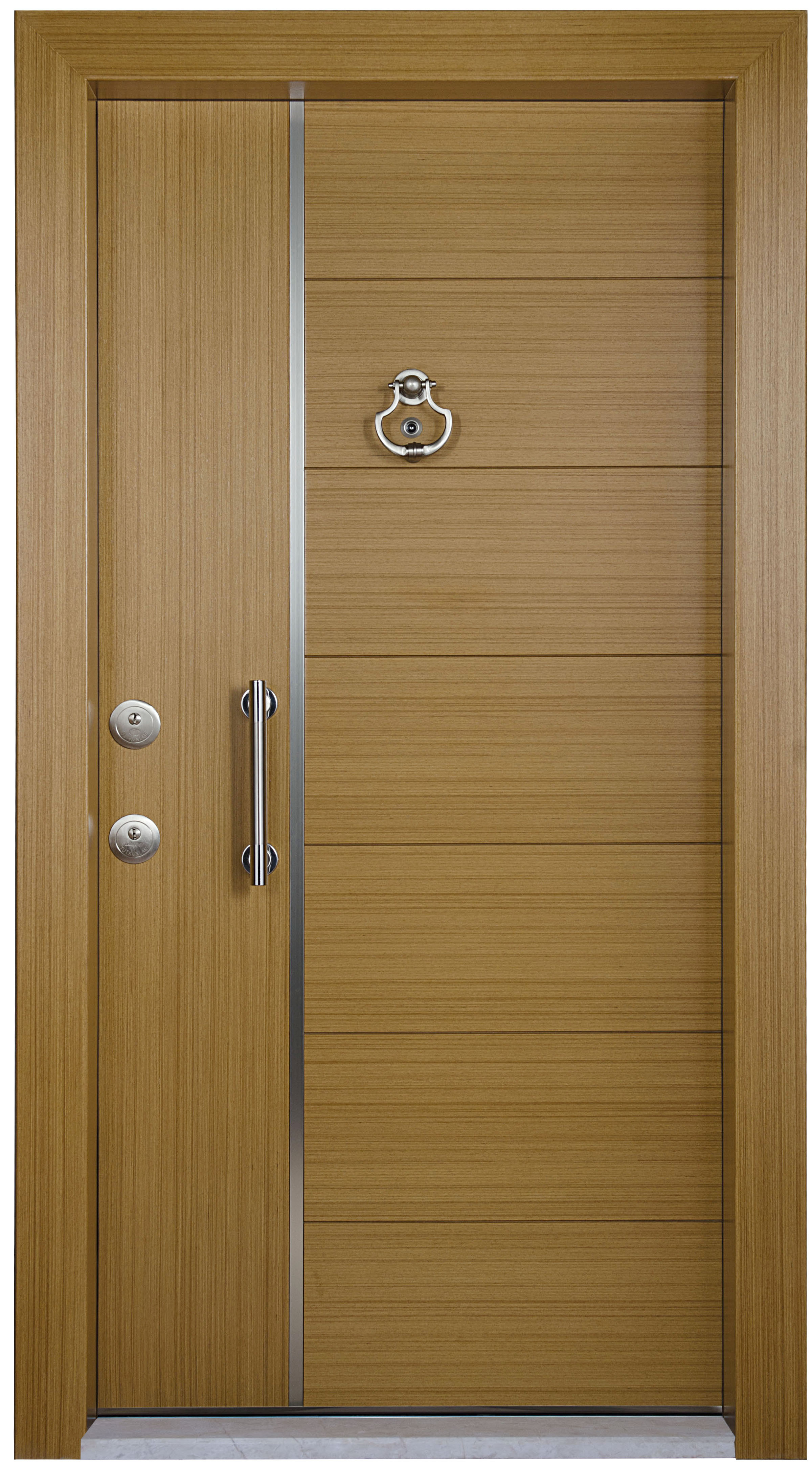
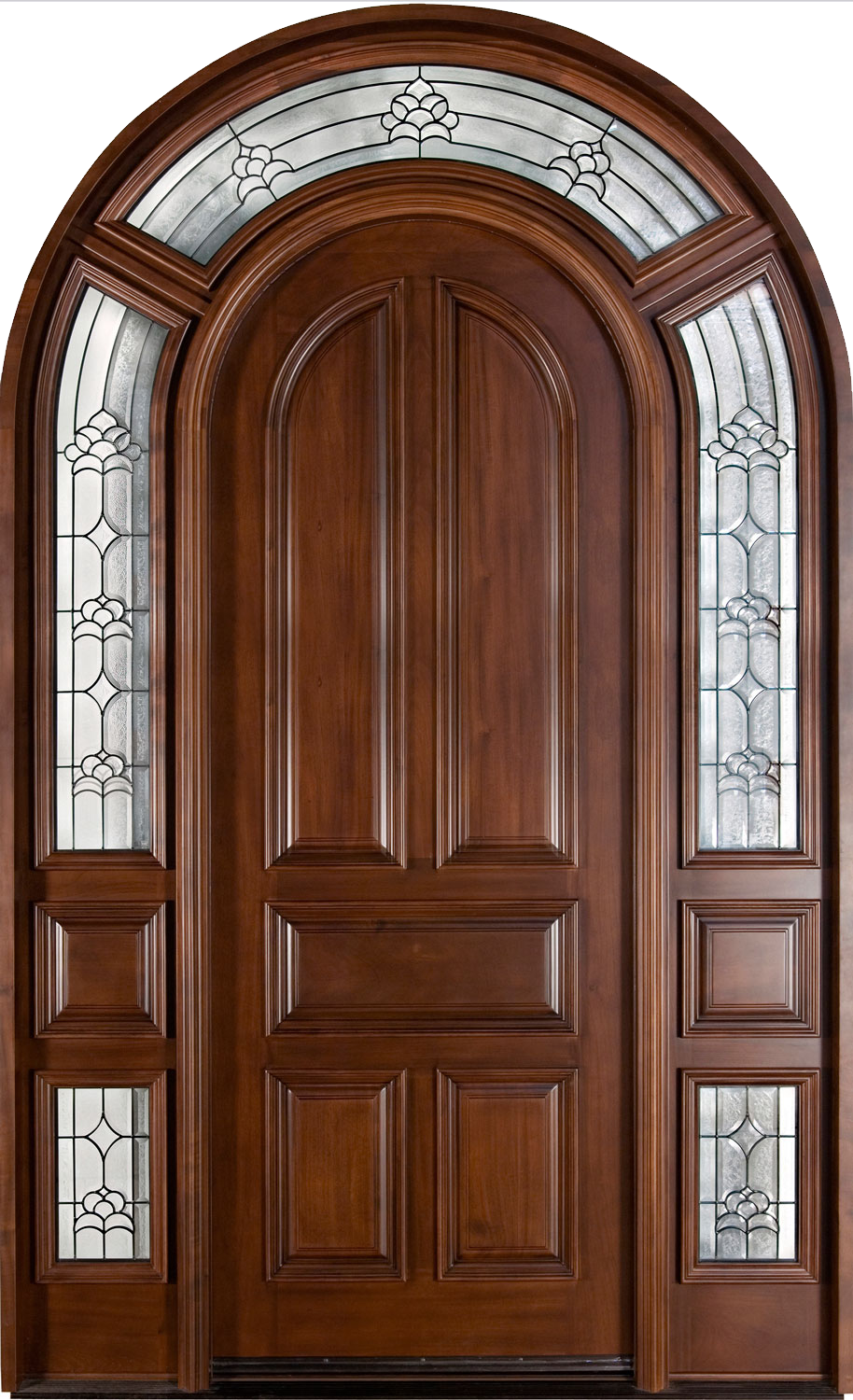
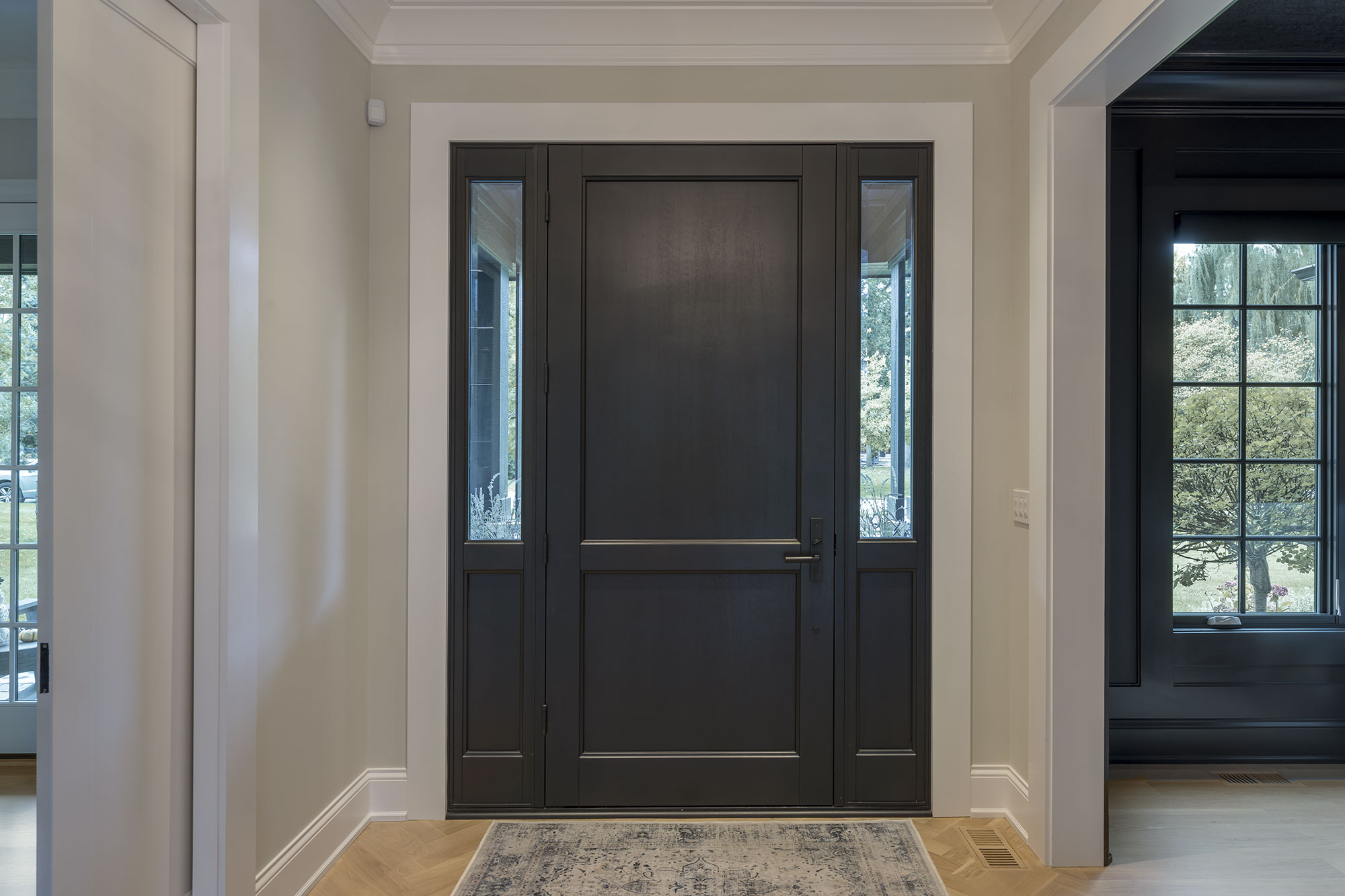
Successful door transformations begin long before a single prop is hung, resting instead on architectural assessment and structural safety. Every front door has unique geometry—recessed panels, glass inserts, heavy moldings, or sidelights—that can either hinder or enhance a concept. Ignoring these physical traits leads to sagging displays, blocked peepholes, and frustrated homeowners who cannot open their front door to hand out candy. Mapping out the physical constraints of the frame ensures that grand visions do not collapse under the weight of wet cardboard or wind gusts.
Material weight distribution dictates whether a display survives an October storm. Heavy props like carved foam tombstones or wooden mummy sarcophagi must anchor directly into exterior trim using heavy-duty masonry anchors or rated cup hooks rather than flimsy double-sided tape. Weather resistance is another silent killer of Halloween displays; morning dew, torrential autumn downpours, and sudden temperature drops destroy untreated paper, standard corrugated cardboard, and water-soluble glues within hours. Experienced decorators rely on closed-cell EVA foam, marine-grade plywood, acrylic sealants, and UV-resistant outdoor spray paints to guarantee that their hard work stands tall through three weeks of weather abuse.
Safety codes and emergency egress must remain non-negotiable priorities during planning. No matter how convincing a giant spider cocoon web looks stretching across the entire porch, it must never block the primary path of emergency exit or obscure house numbers for emergency responders. Electrical safety also demands rigorous attention, particularly when running multiple strands of low-voltage LED string lights or animated prop controllers across wet concrete steps. Ground Fault Circuit Interrupter (GFCI) outlets and weather-sealed cord covers prevent both ruined animatronics and dangerous household hazards.
The psychological impact of a door design depends heavily on the principle of anticipation and pacing. Visitors should experience a gradual escalation of unease as they approach, starting from the sidewalk and culminating right at the threshold. A sudden jump scare directly on the handle can overwhelm young children, while a slow-burn atmospheric design—utilizing ambient fog, low-frequency soundscapes, and subtle movement—engages all age groups. Balancing visibility with shadow allows the human mind to fill in the blanks, rendering the shadows far more terrifying than any illuminated plastic monster ever could.
Theatrical Lighting and Soundscapes That Transform Flat Spaces
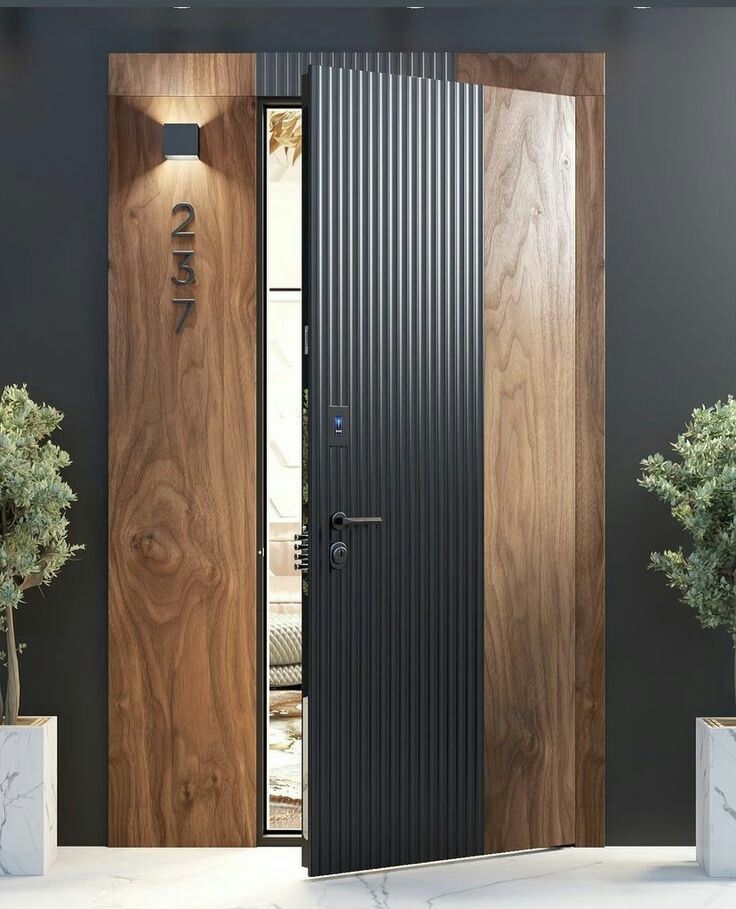
Lighting separates amateur porch displays from cinematic masterclasses. Flat, overhead porch lights destroy atmosphere by washing out shadows and revealing the exposed fishing line holding a floating ghost. To build genuine depth, decorators must adopt the principles of three-point stage lighting: key lights, fill lights, and backlights. Positioning an amber or eerie green LED spotlight low to the ground and pointing upward casts elongated, dramatic shadows across the front door, turning ordinary wood grain into gnarled tree roots or skeletal ribs.
Color temperature plays a profound role in emotional resonance. Warm white light feels welcoming and domestic, whereas cool blue LEDs (around 5000K to 6500K) instantly evoke moonlight, coldness, and ghostly isolation. Integrating programmable RGB smart bulbs into exterior fixtures allows decorators to shift colors throughout the evening, transitioning from a cozy autumn orange during early trick-or-treating hours to a pulsing, blood-red alarm state as midnight approaches. Smart timers and motion-activated triggers can also flash lights selectively when a visitor steps onto the doormat, creating an interactive layer of shock.
Audio design completes the sensory illusion, breathing invisible life into stationary props. Hidden Bluetooth speakers playing ambient soundscapes—such as creaking floorboards, distant thunder, whispering winds, or faint scratching from inside the door frame—tap directly into primal survival instincts. The human brain processes auditory cues faster than visual ones, meaning a subtle, low-frequency rumble will put visitors on edge before they even register what they are looking at. Sound levels must remain carefully calibrated; terror is amplified when the audio is subtle enough to make visitors lean in closer to listen.
Combining lighting and sound requires synchronized timing for maximum narrative punch. Motion sensors tied to hidden microcontrollers can trigger a sudden strobe effect paired with a sharp gasp or mechanical scream precisely as a visitor reaches for the knocker. This multi-sensory overload bypasses rational thought, creating a visceral reaction that people remember and talk about long after the candy buckets have been emptied. The key is restraint—leaving moments of quiet darkness makes the sudden bursts of audiovisual intensity infinitely more effective.
Step-by-Step Practical Implementation Guide for High-Impact Door Themes
Executing a jaw-dropping door design requires a methodical approach, moving from raw framework to finished masterpiece. The following step-by-step methodology outlines the construction of a high-end "Ancient Crypt Door" transformation using accessible materials.
Common Pitfalls and Field-Tested Workarounds for Outdoor Decorating
Even experienced makers run into frustrating obstacles when installing complex door displays outdoors. Anticipating these common failures saves hours of emergency repair work on Halloween night.
Holistic Perspectives on Seasonal Creativity, Community, and Sustainability
Halloween decorating has evolved far beyond simple plastic skeletons and orange string lights into a legitimate grassroots art form. Communities now rally around exceptionally decorated homes, turning ordinary suburban streets into vibrant evening destinations for families. This shared seasonal ritual fosters community connection in an increasingly isolated digital age, giving neighbors a reason to step outside, converse on sidewalks, and share in a collective, harmless thrill. The front door acts as the focal point of this communal gathering, setting a welcoming yet exhilarating tone for the entire neighborhood.
At the same time, the environmental impact of holiday decorating demands thoughtful scrutiny. The modern obsession with cheap, disposable holiday goods fuels a cycle of waste, sending millions of pounds of broken plastic props to landfills every November. Embracing sustainable decorating practices—such as sourcing scrap insulation foam from construction sites, repurposing thrifted clothing for costumes and props, and investing in durable, modular components that last for a decade—shifts the hobby toward responsible stewardship without sacrificing creativity.
Economic considerations also play a role in how enthusiasts approach their displays. High-end animatronics and professional theatrical lighting can easily cost hundreds of dollars, putting them out of reach for many families. However, ingenuity frequently triumphs over budget. Some of the most memorable door transformations rely on clever perspective, cardboard silhouette cutting, dramatic lighting, and hand-painted details that cost very little to produce. The value of a display stems from the maker's time, vision, and storytelling ability rather than the price tag of store-bought props.
Looking toward the future, technology continues to expand the boundaries of what is possible on a residential front porch. Projection mapping, smartphone-controlled lighting arrays, and augmented reality elements are becoming increasingly accessible to DIY makers. Yet, despite these technological leaps, the core appeal of a great door Halloween idea remains fundamentally human. It is about crafting a tactile, sensory experience that captures the imagination, sparks curiosity, and brings a touch of magic to an otherwise ordinary autumn evening.
Actionable Recommendations and Frameworks for Success
To ensure your door transformation runs smoothly and leaves a lasting impression, adhere to a structured framework from concept to teardown. Strategic organization prevents last-minute panic and guarantees professional results.
The art of the front door Halloween transformation is ultimately an act of joyful generosity. In a world dominated by screens and fast-paced digital noise, investing hours into carving foam, stringing lights, and choreographing spooky sounds is a deeply analog statement. It invites our neighbors—young and old alike—to step outside their daily routines, walk down the sidewalk, and share in a moment of theatrical wonder and harmless fear.
When the last piece of candy is handed out, the fog machine cools down, and the glowing lights are unplugged, what remains is the memory of shared community joy. Standing in the quiet dark of November first, surveying the temporary ruins of your haunted threshold, you realize that the effort was entirely worthwhile. The door closes, returning to its quiet wooden state, but the neighborhood already waits in eager anticipation for what next year will bring.