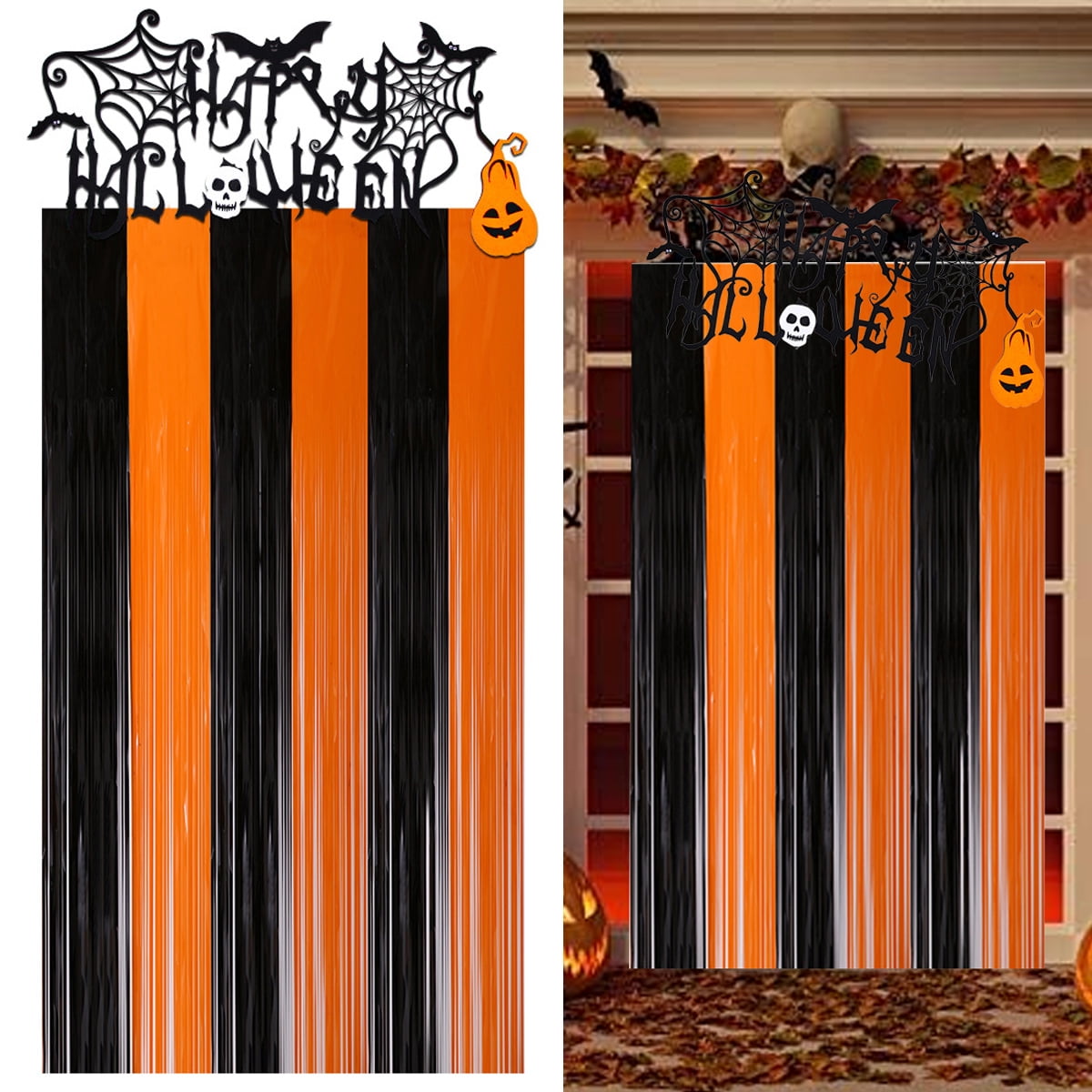
There is a precise moment every October when suburbia shifts. The air drops into that crisp, lung-stinging thirty-degree register, the leaves turn to brittle amber papyri, and front porches transform from mundane thresholds into portals of the uncanny. For years, my own October rite of passage involved hastily slapping a plastic witch silhouette onto the front glass with yellowing cellophane tape, watching it sag pathetic and crooked within twenty-four hours of a autumn rainstorm.
That amateurish era ended the year a neighborhood structural engineer critiqued my load-bearing spiderwebs and challenged me to treat the entryway not merely as a surface to be decorated, but as an immersive theatrical set. Transforming a front door for Halloween is an exercise in environmental design, tactile manipulation, and psychological pacing. When you watch a nervous eight-year-old pause three pavers away from your threshold—weighing the caloric return of a full-size candy bar against the sheer terror of knocking on a yawning monster's maw—you realize you have succeeded.
Executing a show-stopping entryway requires understanding the physical properties of your materials, the mechanics of safe mounting, and the delicate balance between high-concept art direction and neighborhood-friendly accessibility. Whether you are working with a classic mid-century wooden panel door, a recessed Victorian archway, or a modern steel-framed slab, your entryway holds immense untapped storytelling potential. Let us examine how to elevate your seasonal facade from basic holiday clutter to a masterclass in atmospheric design.
The cultural obsession with threshold transformation stretches back centuries, rooted deeply in ancient cross-cultural autumn festivals like Samhain, where boundaries between the physical world and the spirit realm were believed to thin. Historically, the front door served as the primary membrane between the safe, hearth-warmed interior and the perilous, dark wilderness outside. Modern Halloween design borrows heavily from cinematic set construction and theme park spatial theory. We no longer just hang a wreath; we alter the spatial perception of the approach, forcing visitors down an intentionally staged narrative corridor that begins at the sidewalk curb and terminates at your brass doorknob.
Anatomical Engineering and Structural Material Selection for Entryway Decor
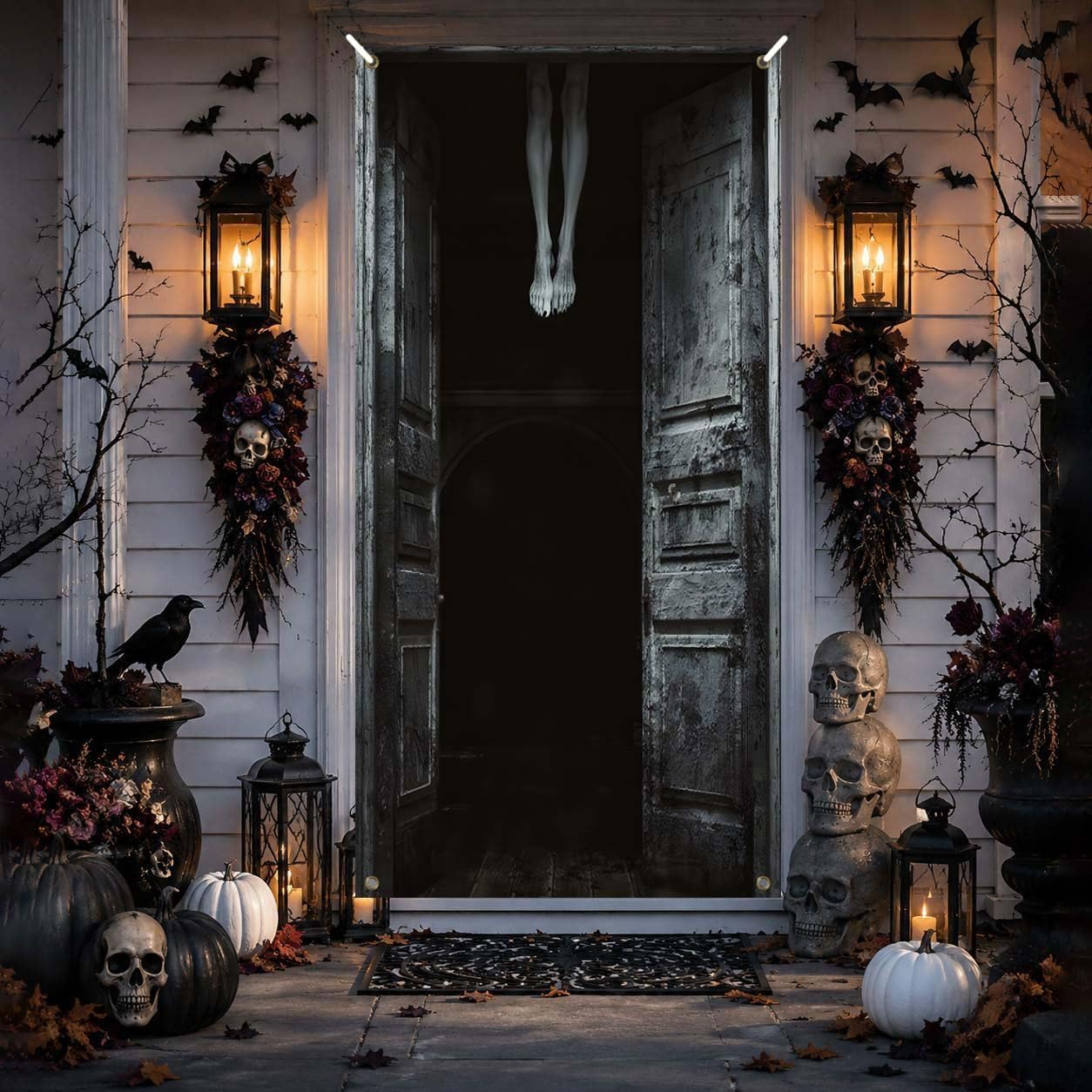
When conceptualizing high-impact Halloween door designs, the most common operational failure is structural collapse under inclement October weather. A magnificent paper-mâché mummy wrap or an elaborate cardboard sarcophagus looks brilliant on a windless Tuesday afternoon, but a forty-mile-per-hour cold front will turn your masterpiece into neighborhood litter. Professional prop builders rely on industrial-grade substrates like expanded PVC sheet (commonly known as Sintra), high-density XPS extruded polystyrene foam, and marine-grade plywood. These materials withstand moisture, resist warping, and provide stable anchor points for heavy mechanical props or dense foliage garlands.
Securing installations without permanently compromising your door's finish requires specialized hardware and mounting adhesives. Traditional duct tape leaves a gummy, mastic residue that dissolves exterior paint under direct sunlight, while standard wood screws create permanent holes in expensive insulated fiberglass or solid hardwood slabs. Instead, invest in heavy-duty suction cup hooks rated for twenty pounds or more, tension-mounted adjustable doorway pull-up bars modified to hold faux-boughs and netting, and Scotch Pro Strength Exterior Fasteners. These hook-and-loop systems distribute weight evenly and release cleanly with a blast of heat from a standard handheld hair dryer.
Substrate selection dictates your aesthetic ceiling. If you are aiming for a classic gothic aesthetic, lightweight EVA craft foam allows you to carve intricate stone textures, gargoyle silhouettes, and faux wrought-iron scrollwork that can be hot-glued directly onto a lightweight wooden frame. For organic displays, such as a rotting woodsy facade, real grapevine wreaths form the foundational skeleton. Weave bittersweet vines, preserved Spanish moss, and faux dead-leaf clusters into the gaps, anchoring them with green floral wire. This creates a rich, layered dimensional profile that flat, printed vinyl decals simply cannot replicate.
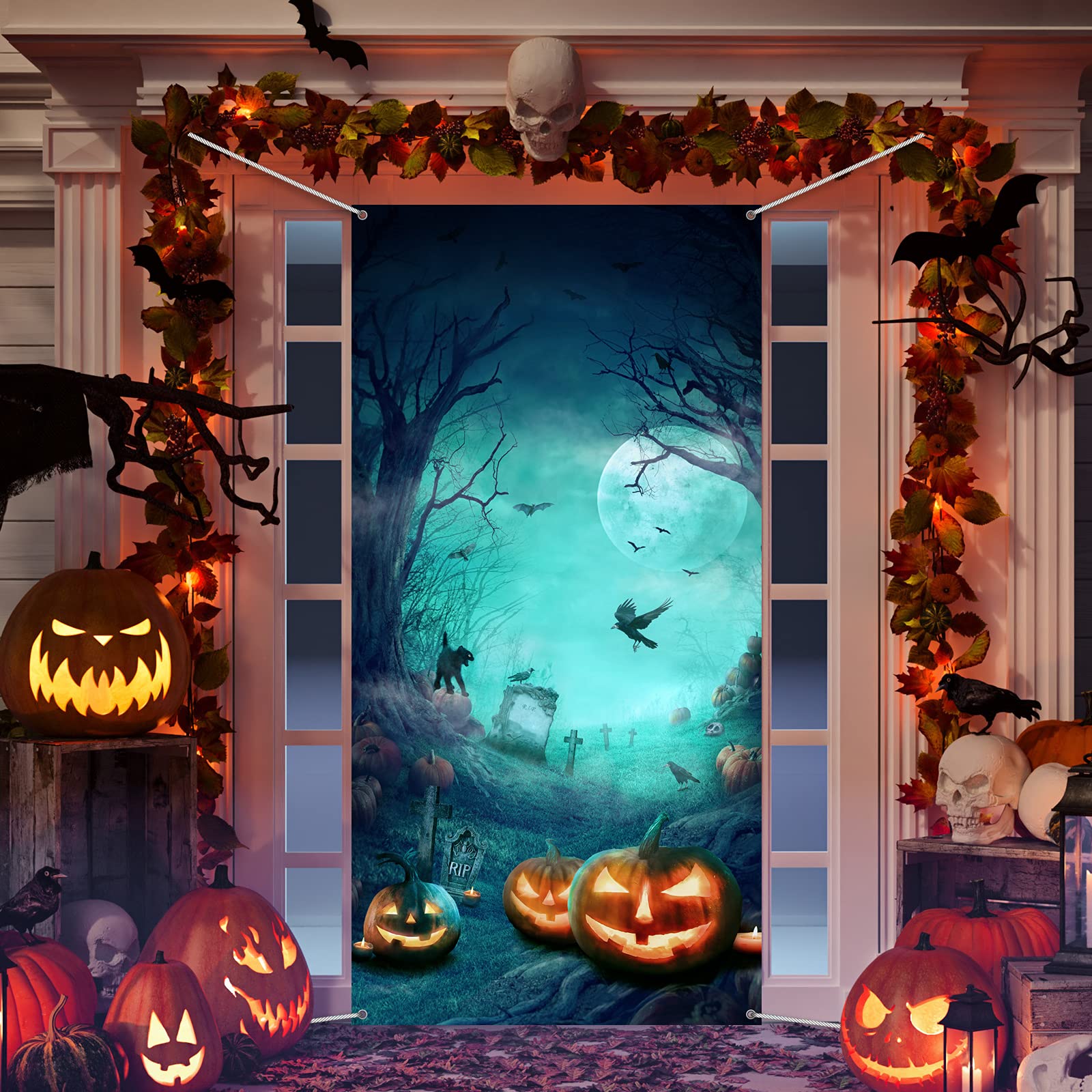
Lighting acts as the nervous system of your entire installation. Avoid blinding, flat-white overhead porch fixtures that wash out shadow and destroy carefully calibrated atmosphere. Instead, deploy directional LED uplighting from the base of the porch floor, casting long, dramatic shadows upward across your door frame. Placing a low-lumens amber or deep violet spotlight directly behind a central prop, such as a skeleton peering around the doorframe, creates a striking silhouette effect. Battery-operated micro-fairy lights threaded through woven burlap or faux cobwebs add an eerie, suspended twinkle that mimics trapped swamp gas or restless spirits.
Spatial Choreography and Psychological Pacing from Curb to Latch
An extraordinary Halloween door does not exist in a vacuum; it is the climax of an environmental sequence. Think of your front walk, steps, and porch as acts in a three-act play. The approach must build suspense incrementally. If your door features a towering, light-up grim reaper, but the sidewalk leading up to it is totally bare, the transition is jarring and anticlimactic. Effective seasonal spatial design orchestrates the visitor’s journey by manipulating sightlines, physical constraints, and sensory triggers long before they reach the doorbell.
Begin the sequence at the property line or the foot of the driveway with subtle markers—perhaps mismatched antique lanterns or low-slung, mist-shrouded jack-o-lanterns lining the path. As visitors ascend the steps, introduce auditory layers. Concealed Bluetooth speakers playing a continuous, low-decibel soundscape of wind howling through dead branches, distant wolf yelps, or a muted mechanical heartbeat establish an immediate psychological shift. Sound bypasses rational thought, triggering an immediate visceral reaction that primes the brain for the visual shock of the front door.
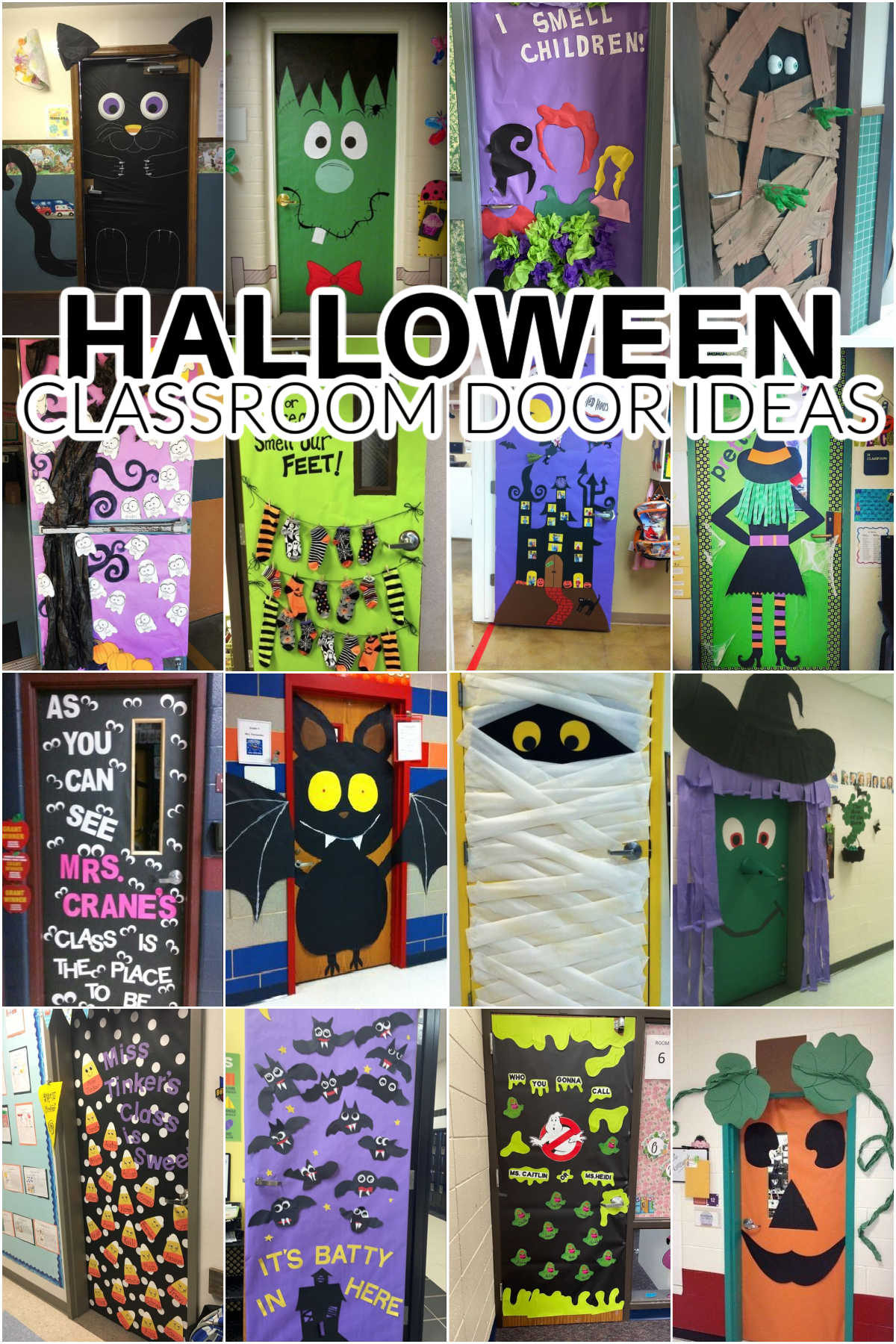
The doorway itself must function as a focal compression point. Human visual psychology naturally seeks the threshold as a place of safety. By altering the geometry of the doorframe—such as constructing a faux stone archway out of painted insulation foam blocks—you trick the eye into perceiving the entryway as smaller, more enclosed, and inherently more dangerous. Frame the sides of the door with vertical columns of varying heights: old whiskey barrels topped with creeping skeleton hands, stacked vintage suitcases overflowing with potion bottles, or weeping willow branches spray-painted flat black.
Color theory plays a vital role in executing a cohesive narrative theme. Amateurs often make the mistake of throwing every available neon orange, electric green, and bleeding red element onto a single door, resulting in visual chaos. Instead, commit to a unified chromatic palette. A monochromatic scheme utilizing stark blacks, metallic silvers, and charcoal grays creates an upscale, bone-chilling gothic mausoleum effect. Conversely, a vintage retro palette featuring muted oranges, buttery yellows, and chocolate browns evokes a nostalgic, mid-century classic Halloween aesthetic reminiscent of vintage die-cut decorations from the 1950s.
Field-Tested Step-by-Step Methodology for Constructing the Ultimate Monster Mouth Door
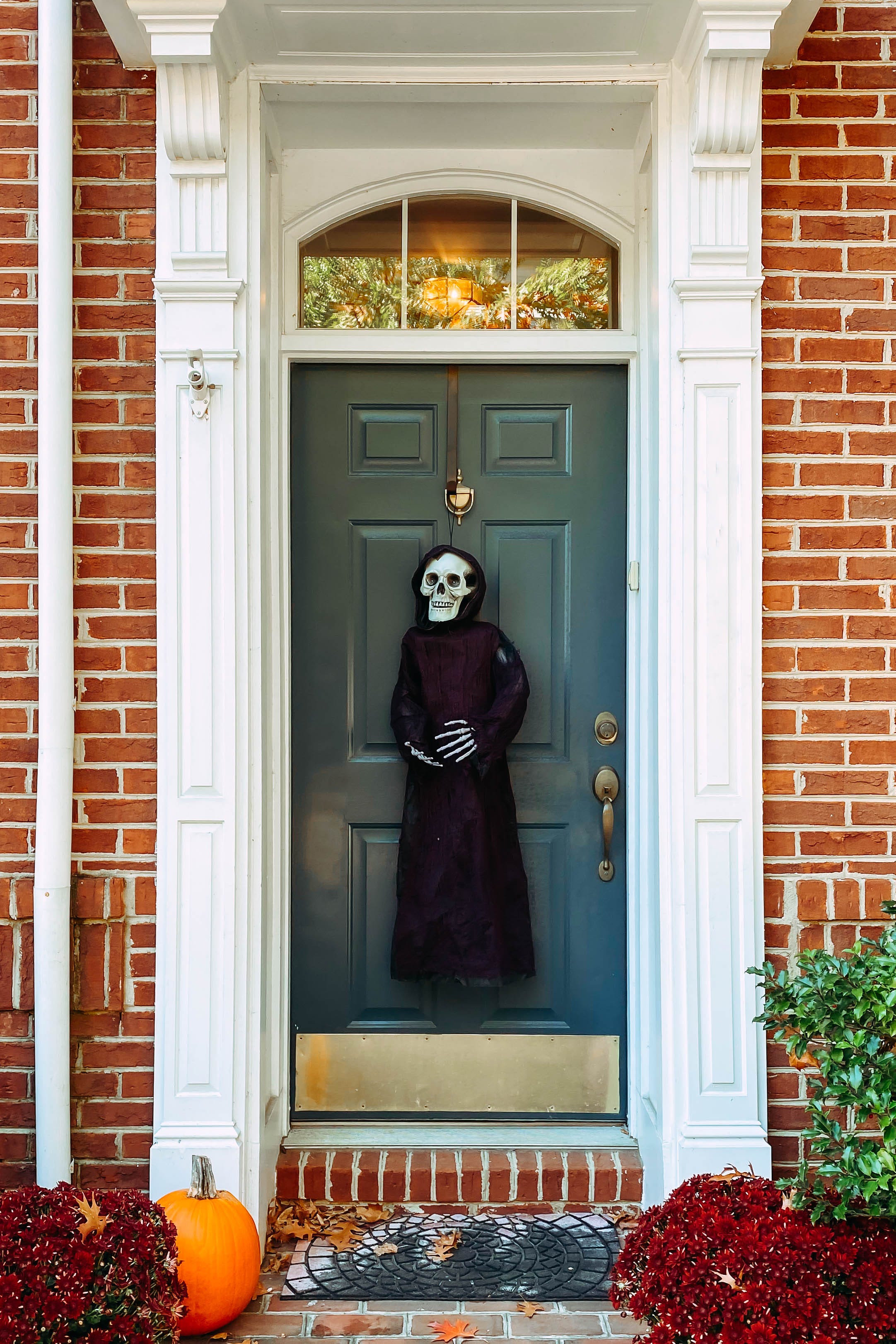
Transforming a standard front door into a gaping, toothy monster maw is one of the most reliable crowd-pleasers in residential holiday decorating. This immersive build requires careful planning, basic cutting tools, and weather-resistant materials to ensure it survives rain and wind without losing structural integrity.
Navigating Structural Hazards, Weather Realities, and Common Decorating Mistakes
Even the most meticulously designed front door display can fail if basic structural and environmental hazards are ignored. Working with temporary installations on active entryways requires a rigorous understanding of safety regulations, electrical loads, and material limitations. The difference between a professional-looking display and a sloppy hazard often comes down to anticipating these exact failure points.
Sustainable Design, Eco-Friendly Materials, and Longevity in Seasonal Decor
The modern era of home decorating demands a hard look at environmental impact. For decades, the holiday decoration industry has relied heavily on single-use plastics, fragile injection-molded props that crack after one season, and petroleum-based synthetic cobwebs that wreak havoc on local urban wildlife. Birds, squirrels, and insects frequently become entangled in stretchy polyester spiderwebs, leading to injury or death. Shifting toward sustainable, eco-friendly design practices not only protects local ecosystems but yields a much richer, more authentic aesthetic that elevates your entire home's curb appeal.
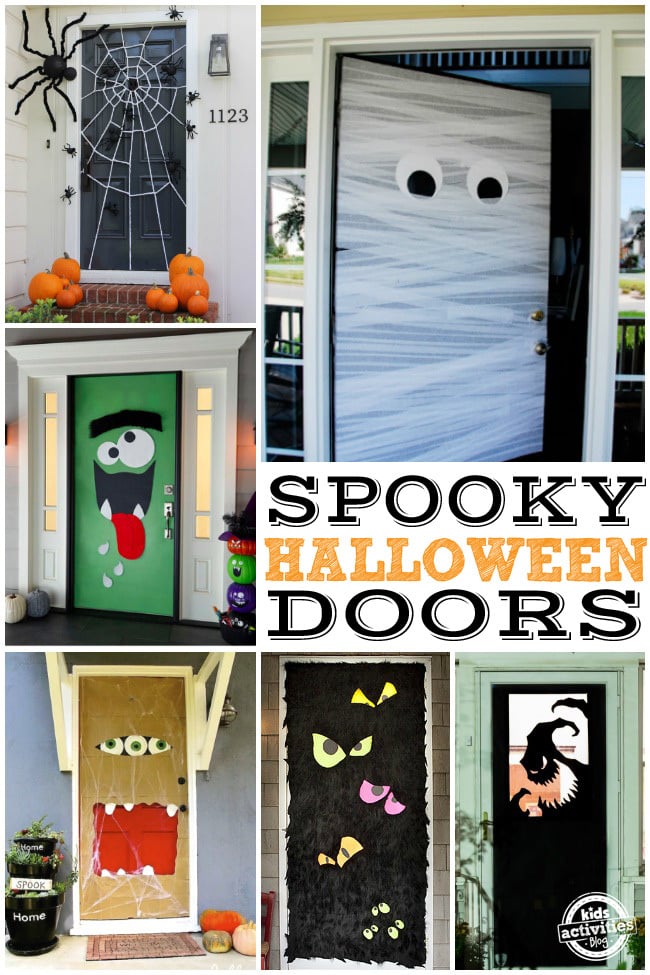
Sourcing organic materials from your own backyard or local farms transforms your decorating process. Real pumpkins, gourds, corn stalks, and dried wheat sheaves possess natural chromatic variations, textures, and earthy scents that petroleum-based plastics cannot replicate. When the season concludes, these organic elements can be composted directly or fed to local farm animals, eliminating landfill waste entirely. If you prefer long-lasting synthetic items, invest in heirloom-quality props crafted from sturdy metals, heavy canvas, and hand-painted wood that can be carefully packed away and reused for decades.
Storage and off-season preservation dictate the true economic and environmental value of your investment. Invest in heavy-duty, stackable plastic storage totes with secure latching lids. Wrap delicate foam sculptures and hand-painted elements in acid-free tissue paper or bubble wrap to prevent chipping and color transfer during months of dark warehouse storage. Label each bin meticulously with waterproof inventory stickers detailing the contents and their specific placement within your overall entryway layout, cutting your setup time in half for the following autumn season.
Economic considerations also favor a modular design philosophy. Instead of purchasing an entirely new aesthetic scheme every October, build a core structural foundation of versatile, high-end base pieces—such as wrought-iron lanterns, heavy wooden crates, and neutral architectural frames. You can then swap out smaller, affordable accent pieces—such as specific signage, fabric drapes, or themed props—to completely reinvent the character of your doorway each year while keeping material expenditures low and creative satisfaction high.
Executing a standout Halloween door is ultimately an act of community stewardship. In an increasingly digital world where neighborly interactions happen less and less across physical property lines, Halloween remains one of the few remaining cultural traditions where the entire neighborhood spills out onto the pavement. Your front door serves as the community stage, a physical manifestation of hospitality, creativity, and shared imagination that delights children and adults alike.
Designing for multi-generational appeal requires careful calibration of intensity. While gore, jump scares, and intense horror themes thrill older teenagers and adults, they can traumatize toddlers and young children who approach your porch with trembling excitement. The gold standard of residential design is a layered approach: keep the overall visual aesthetic moody, mysterious, and grand, but ensure the immediate threshold—where the actual candy handoff occurs—is warmly lit, welcoming, and free of jump-scare mechanisms that fire prematurely on timid guests.
Consider incorporating interactive elements that invite active participation rather than passive observation. A clever "guess the weight of the potion bottle" sign, a chime-activated spooky door knocker, or a chalkboard message board displaying riddles changes the dynamic from a mere transactional candy drop to an engaging, memorable theatrical experience. Documenting your creative process through before-and-after photographs also allows you to share your methodology with online maker communities, inspiring others to step away from generic store-bought plastic decor and embrace the rewarding art of hands-on crafting.
As you stand back to survey your finished entryway—the amber lights casting long, dancing shadows across the carved foam gargoyles, the subtle wind-chime soundtrack murmuring in the autumn breeze, the heavy wooden door waiting quietly behind its monstrous facade—you recognize that the effort was entirely worthwhile. You have created more than just a seasonal display; you have built a temporary, magical world right on your own front steps, etching an unforgettable memory into the minds of everyone who walks past your threshold.