Buying a sofa feels a lot like dating. In the showroom, under those warm, expertly angled lights, everything looks breathtaking. The cushions seem perfectly plump, the fabric glows, and you can already picture yourself binging your favorite shows on a lazy Sunday afternoon. But just like a bad romance, a cheap sofa reveals its true colors about six months in. Suddenly, that gorgeous seat turns into a saggy, creaky mess, and you are left wondering where things went wrong.
Let's be completely honest: a sofa is one of the biggest investments you will make for your home. In 2026, the market is absolutely flooded with gorgeous, low-profile designs and modular pieces that look identical online but vary wildly in actual durability. How do you separate a piece of structural art from a glorified pile of cardboard and low-density foam? You become a detective. You step into the store and you perform the exact diagnostic tests that furniture designers and seasoned interior journalists use to protect their wallets.
---
The Frame Flex Test: Checking the Skeleton
Before you ever run your fingers over a luxurious velvet or a trendy textured bouclé, you need to understand the bones of the piece. A sofa is only as good as its frame. Most budget manufacturers cut corners by using thin particleboard or stapled plywood, which will inevitably warp and crack under the daily weight of real life. You want a frame made of solid wood, ideally kiln-dried hardwood like ash, oak, or maple. But since you cannot unzip the sofa to inspect the timber, you have to use physics.

Here is a legendary industry secret: the Corner Lift Test. Walk up to the front corner of the couch and lift one leg about six inches off the floor. Now, look across to the diagonally opposite back leg. In a well-built, structurally rigid sofa, that opposite leg should rise off the ground too. If the opposite leg stays firmly planted on the carpet while you lift the front, the frame is twisting. That means the joinery is weak and the wood has too much give. Walk away immediately.
Next, sit down and do the wiggle test. Give the armrests a gentle push from side to side. Do you hear a faint squeak? Do you feel a slight wobble? A high-quality couch should feel as solid as a boulder. If there is any flex or creaking right out of the gate in a showroom, imagine how loud and flimsy it will feel after a few years of your kids or pets jumping all over it.
---
Deciphering the Foam Matrix
Cushion fillings are where brands hide their biggest secrets. Have you ever wondered why a couch feels perfectly firm at the store but turns into a deflated marshmallow within a year? It all comes down to foam density, a metric that is invisible to the eye but completely determines the lifespan of your seating. Cheap sofas use lightweight foam that is packed with air pockets, which collapse rapidly under regular pressure.
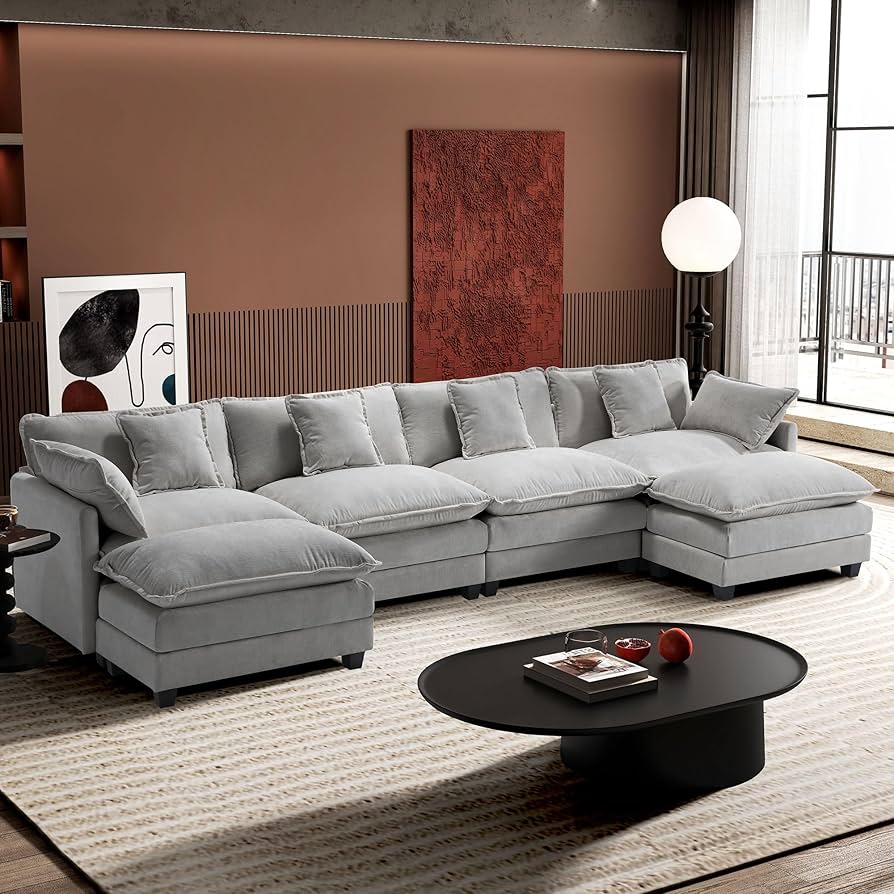
When you are talking to the salesperson, do not just ask if it is comfortable. Ask about the foam density numbers. You want to hear a rating of at least 35kg/m³ to 40kg/m³ for high-use family living areas. If they give you a blank stare, perform the Palm Bounce Test. Press your open palm flat into the middle of the cushion and push down as hard as you can, then let go quickly.
High-resilience foam will pop back into its original shape in less than two seconds. If your hand leaves a visible indentation that lingers, or if the recovery looks sluggish, you are dealing with low-grade materials. In 2026, the gold standard for ultimate comfort is a sandwich design: a dense, high-resilient foam core wrapped in a plush outer layer of down feathers or micro-fiber wraps to give you that luxurious, boutique-hotel softness without the structural collapse.
---
Navigating the Performance Fabric Evolution
The year 2026 has brought a massive, welcome shift in how upholstery works. We are completely done with those stiff, plastic-feeling stain-resistant fabrics of the past decade. Today, performance fabrics are incredibly soft, heavily textured, and surprisingly beautiful. Materials like modern performance velvet, chunkier chenilles, and high-durability bouclés dominate the market because they repel liquid spills and resist pet claws without looking clinical.
But do not just trust the marketing tag that says "pet friendly" or "stain resistant." You need to look at the rub count, officially known as the Wyzenbeek or Martindale test. This test simulates a machine rubbing the fabric repeatedly until the threads break. For a household with high activity, you should look for a rating of at least 30,000 double rubs.
Another great trick is to perform a quick friction test right in the showroom. Take the flat part of your palm and rub the fabric back and forth briskly about ten times. Look closely at the surface under the light. Does the weave show any loose, fuzzy fibers? If a few seconds of hand friction causes the material to look fuzzy, it will pill horribly over months of sitting. If you love loose, natural weaves like linen, ensure it is blended with synthetic fibers to prevent stretching and sagging over time.
---
Proportions, Depths, and the Lounging Truth
Let's talk about ergonomics. One of the primary reasons people end up hating their new furniture is that they chose a style that doesn't match how they actually sit. In 2026, low-profile silhouettes and massive, deep-seat lounge designs are wildly popular. These pieces look incredibly sleek and architectural, but they can be a total nightmare if you prefer to sit upright while reading or chatting.
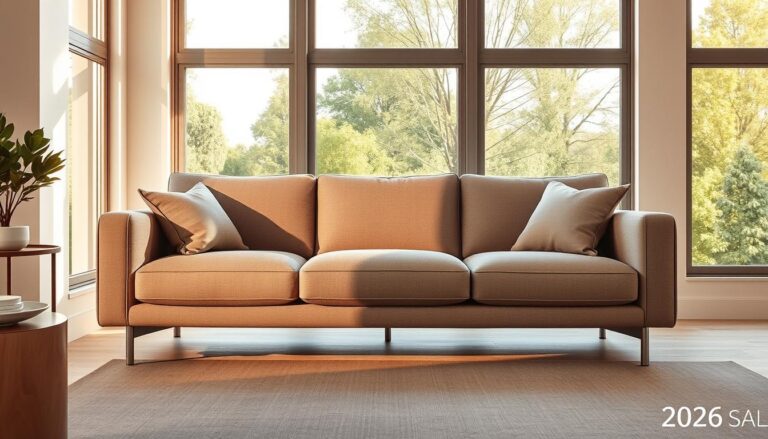
When you test a sofa, do not just sit politely with your feet flat on the floor like you are at a doctor's office. Sit the way you do at home. Do you curl your legs up? Do you lie down flat across the cushions? Do you lean heavily to one side?
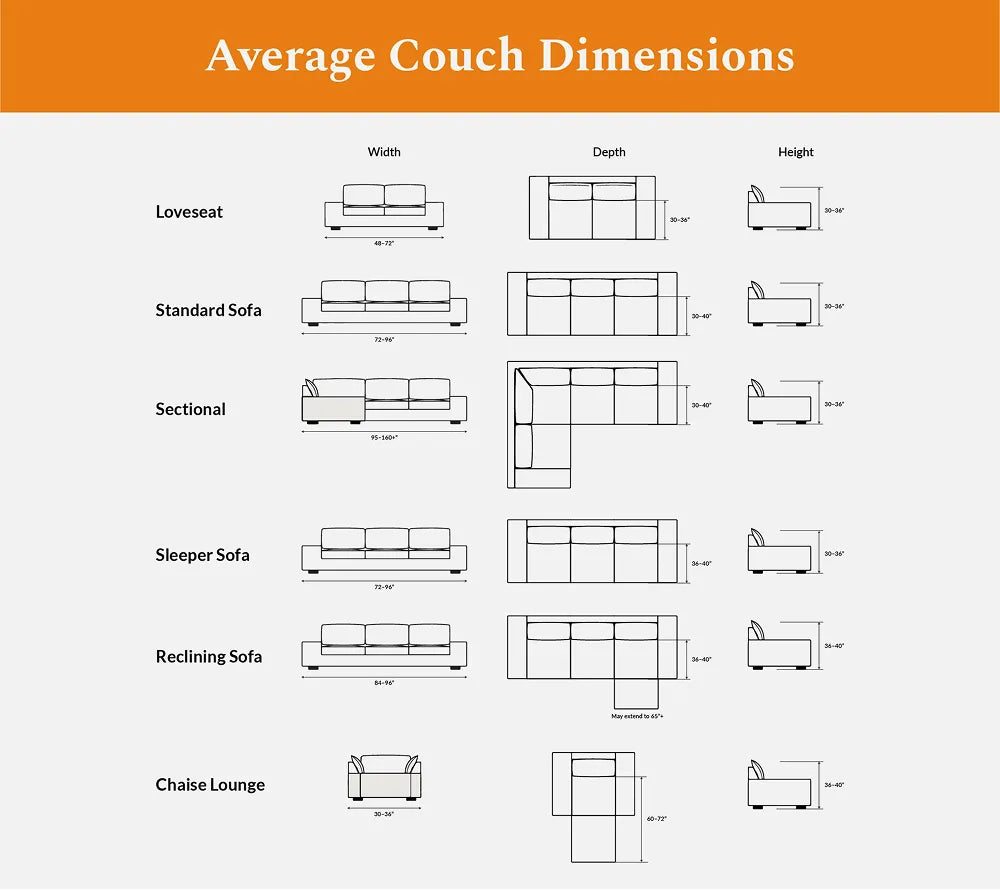
Standard seat depth is usually around 21 to 22 inches, which is perfect for traditional, upright sitting. However, if you are a chronic sloucher or love to tuck your knees up, look for a deep-seat model in the 24 to 28-inch range. Just keep in mind that lower, deeper couches require much more core strength to get out of, which might not be ideal if you have older family members visiting frequently.
---
The Geography of Your Living Room
Measure twice, buy once. It is the oldest rule in the book, yet delivery teams still spend their weekends trying to force oversized sectionals into tiny apartment elevators. When assessing scale, you cannot trust your eyes inside a massive furniture showroom. A couch that looks compact against a thirty-foot commercial wall will completely swallow your domestic living room.

Before you leave your house, map out the exact dimensions of the prospective sofa using painter's tape on your floor. Leave this tape down for a couple of days. Walk around it. Does it block the natural pathway to the kitchen? Do your knees hit the coffee table? You need at least 30 inches of clear walkway around the piece to keep the room from feeling cramped.
Furthermore, think about the delivery day logistics. Measure your door frames, the turning radius of your hallway corners, and the height of your apartment lift. If you have tight architectural bottlenecks, your best move is to look into modular designs where individual sections are brought in separately and locked together on-site.
---
The Color Shift: Embracing Warm Grounded Tones
If you have been living with a cool gray or stark white couch for the past ten years, 2026 is begging you to step into the warmth. The current color landscape is all about biophilic, earthy tones that bring a sense of natural serenity indoors. We are seeing a massive surge in rich chocolate browns, warm terracotta, deep olive greens, and caramel tones.
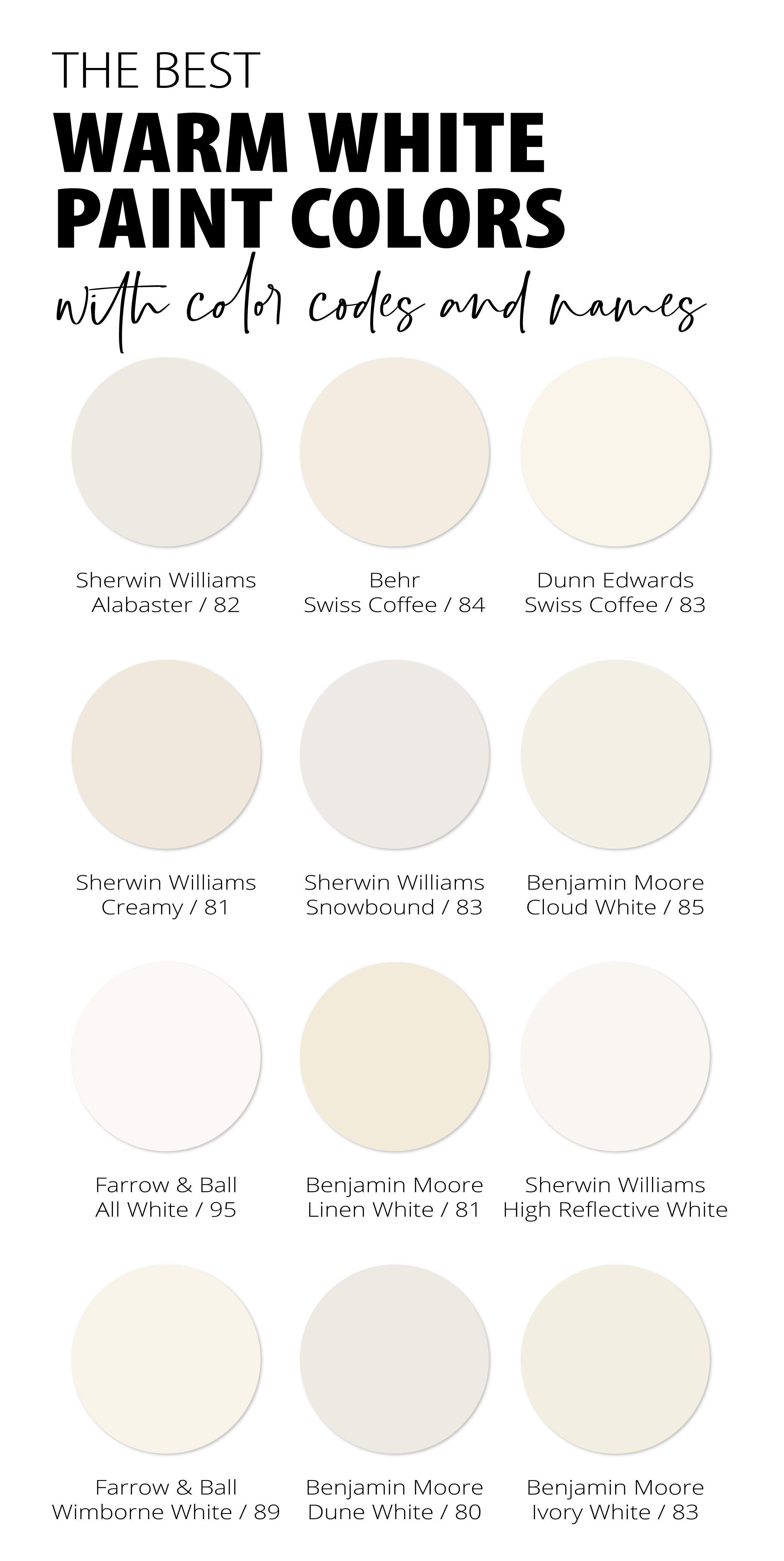
If you are terrified of jumping directly into bold color, you do not have to buy a bright orange couch. Instead, lean into the new warm neutrals like sand, camel, oat, and rich greige with peachy or golden undertones. These hues hide everyday dust far better than stark white and feel incredibly cozy when paired with natural wood and stone accents.
Always order physical fabric swatches before making your final decision. Take them home and look at them at different hours of the day. A fabric that looks like a beautiful creamy beige under bright showroom LEDs can easily transform into a dull, greenish-yellow tint under your home’s warm evening lamps.
---
At the end of the day, a truly remarkable sofa is a harmonious blend of engineering and personal comfort. By testing the rigidity of the internal frame, demanding proper high-density foam ratings, and matching the cushion depth to your actual lounging habits, you eliminate the guesswork out of the buying process. You turn a stressful, expensive gamble into an informed, confident investment.
Take your time throughout this process. Don't let pushy sales tactics or flashing discount signs rush you into a purchase you might regret for the next ten years. When you find the right one—a piece that supports your body, elevates your space, and effortlessly handles the chaos of your daily life—you will realize that all the careful testing was entirely worth it. Happy hunting.