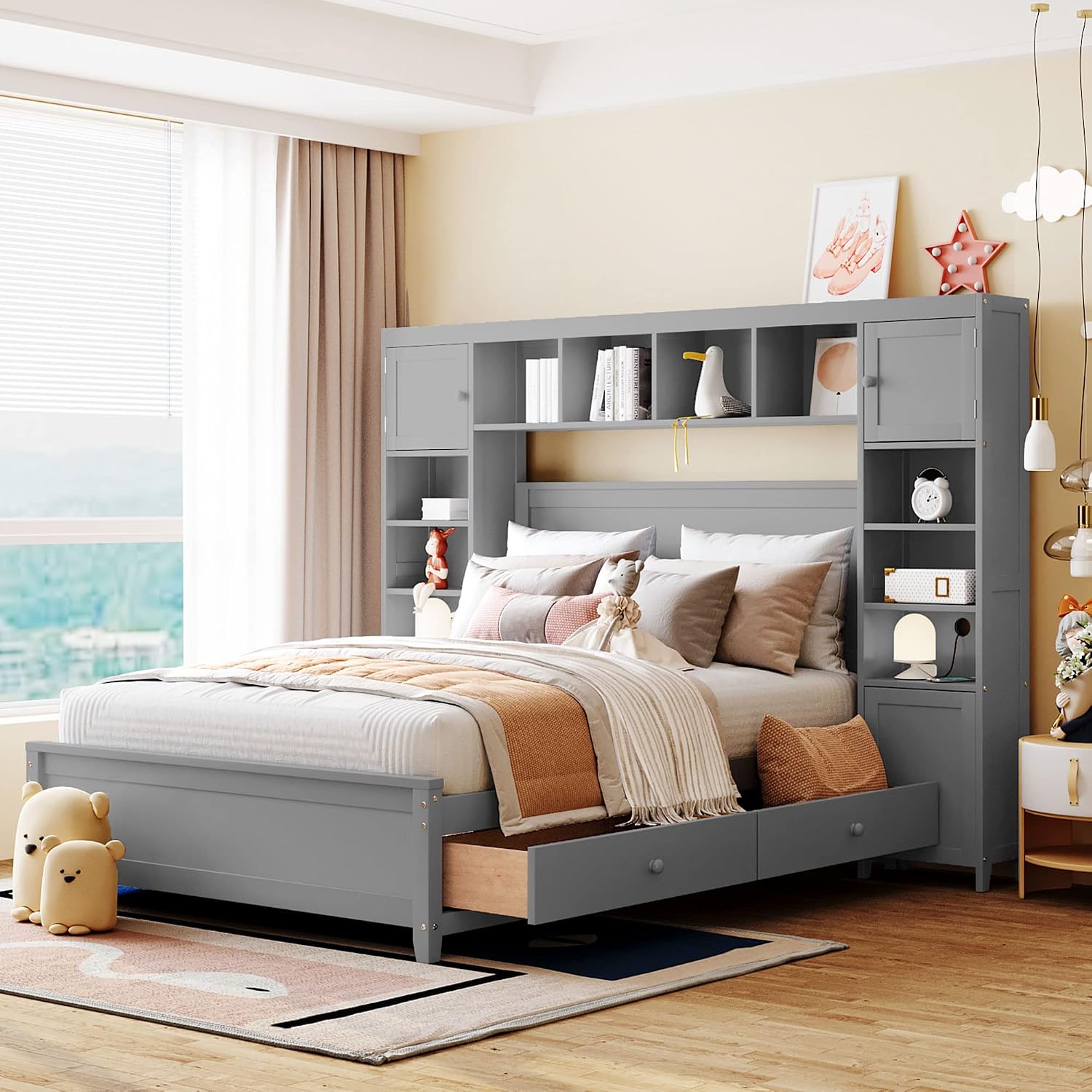
The morning light cuts across a room that, just hours ago, served as a bustling home office, complete with a dual-monitor workstation and an ergonomic task chair. Now, cleared of clutter and pulled down from the wall, a plush queen-sized mattress rests quietly in its place. The illusion of doubling square footage without calling a contractor or paying exorbitant city rent increases is intoxicating. Yet, behind this space-saving magic lies a financial puzzle that catches many homeowners off guard.
Stepping into the world of wall beds reveals a dizzying landscape of price tags. You can find simple metal frames online for a few hundred dollars, while bespoke architectural units with integrated LED lighting and solid hardwood cabinetry stretch past ten thousand. Navigating this market requires more than a casual web search. It demands an understanding of structural engineering, hardware mechanics, material science, and labor rates.
The physical reality of housing demands creative engineering. As real estate prices remain elevated and remote work permanently alters how we utilize our domestic square footage, multi-functional furniture has evolved from a quirky novelty into a structural necessity. A Murphy bed is no longer just a hinged mattress frame bolted to studs; it is a permanent architectural fixture that impacts home valuation, interior flow, and daily comfort. Understanding the true cost of ownership requires a clear-eyed look at what goes into these systems.
Historically, William Lawrence Murphy patented his space-saving invention around 1900 in San Francisco, driven by a romantic desire to optimize a one-room apartment. Back then, the design relied on closet doors and wire mesh. Today, engineering has shifted toward gas piston lifts, balanced piston springs, and motorized automation. Contemporary models integrate seamlessly into custom home libraries, media centers, and nurseries. The mechanics have become safer and smoother, but the financial investment has scaled accordingly, turning what was once a simple carpentry project into a sophisticated home improvement undertaking.
Anatomy of Wall Bed Pricing and Market Tiers
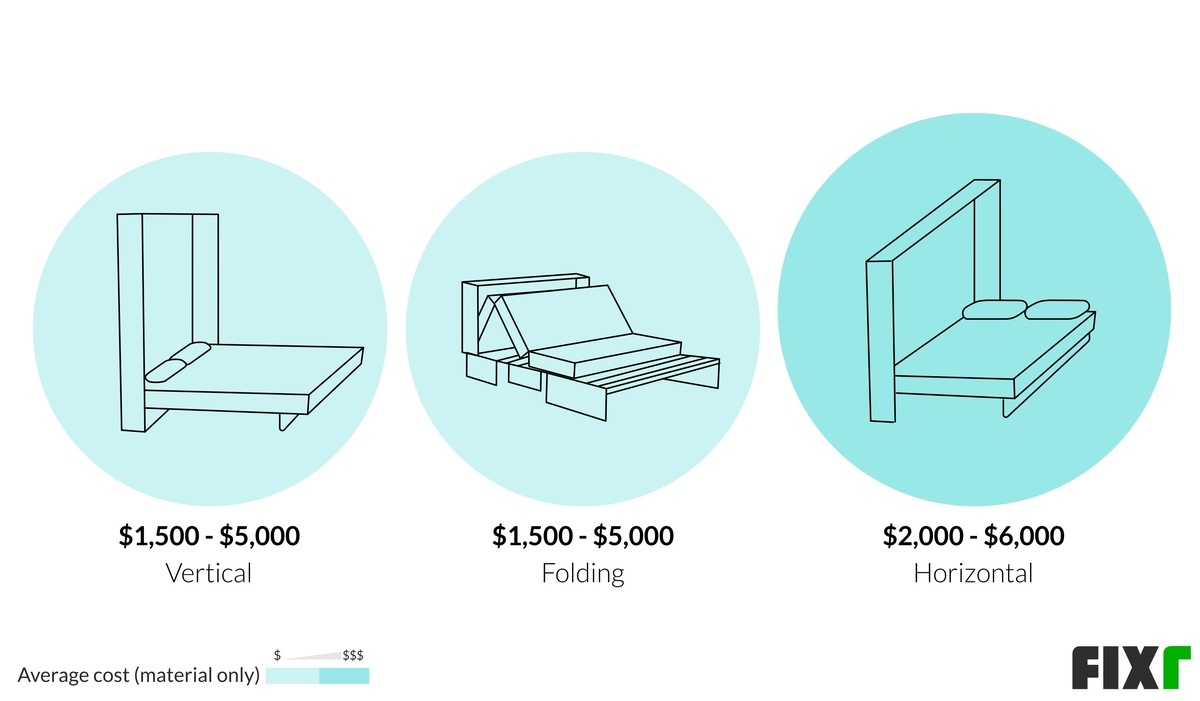
Understanding how the market operates begins with breaking down the financial tiers. At the entry level, standalone DIY hardware kits range from $300 to $600. These packages include the metal bed frame, folding legs, mounting brackets, and tension mechanisms—either piston or spring-loaded—leaving you to source your own lumber, cut the plywood, and build the surrounding cabinet enclosure. This path suits handy woodworkers who possess a table saw, pocket-hole jigs, and a weekend to spare, though the final aesthetic depends entirely on your own finishing skills.
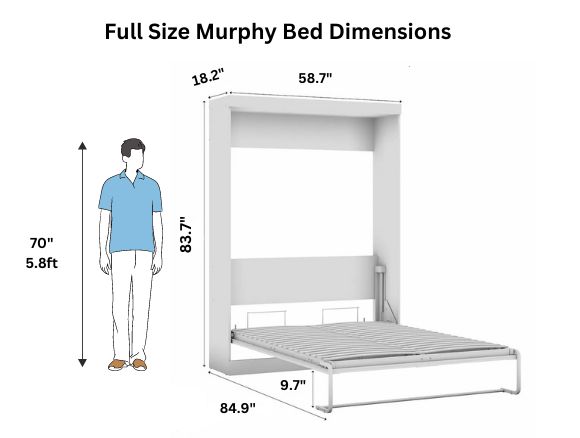
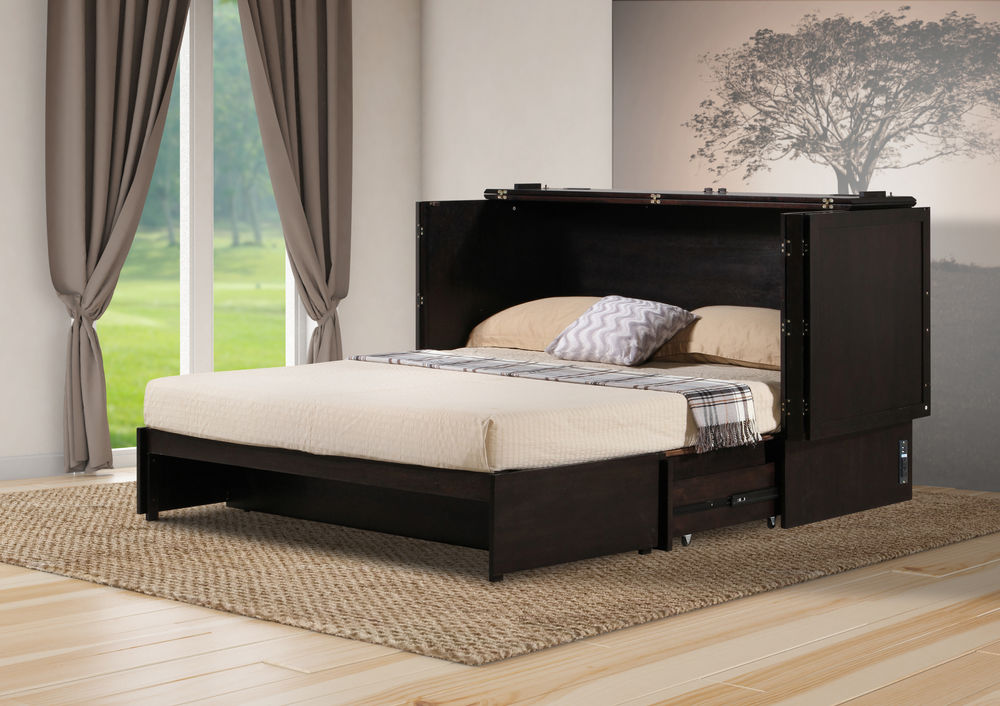
Stepping up into pre-manufactured retail units, prices generally land between $1,500 and $3,500. These systems are typically constructed from engineered wood products like high-density particle board or medium-density fiberboard (MDF) finished with a durable laminate or wood veneer. Major furniture retailers and specialized wall-bed companies dominate this segment, offering standard full and queen sizes with pre-drilled panels, basic crown molding, and optional side piers. They strike a balance between structural reliability and factory-made affordability, making them the default choice for suburban guest rooms and urban apartments alike.
At the upper end of the spectrum, custom architectural built-ins range from $4,000 to over $10,000. These are commissioned pieces crafted from domestic hardwoods such as walnut, white oak, or maple, designed by professional cabinetmakers or custom millwork shops. They often feature integrated electrical outlets, USB charging ports, touch-activated LED strip lighting, and extensive matching cabinetry like bookshelves, desks, and wardrobe closets. In this tier, you are paying for custom sizing, precise color-matching to existing trim, and heirloom-quality joinery that elevates a folding bed into a high-end architectural statement.
Mechanical Systems and Material Quality Factors
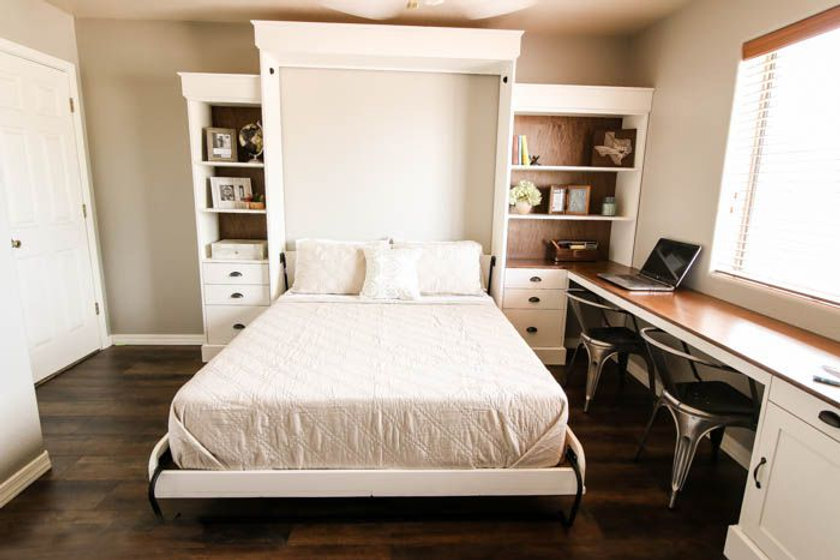
The longevity and daily usability of a wall bed depend almost entirely on its internal lift mechanism and structural materials. When evaluating options, buyers frequently overlook the engineering that allows a three-hundred-pound assembly to glide down with a gentle touch. Piston systems, which utilize hydraulic gas struts, are prized for their smooth, silent operation and compact profile. However, pistons can lose pressure over years of heavy use, eventually requiring replacement struts that cost between $50 and $150.
Spring-loaded mechanisms, conversely, rely on heavy steel tension springs mounted inside the cabinet rails. While they take up slightly more side clearance, traditional spring systems are remarkably durable, often lasting decades without losing their lifting force. Some manufacturers use counterbalanced piston designs that allow fine-tuning of the tension using a simple wrench, ensuring the bed neither slams down nor floats upward when unlatched. Ignoring the quality of these mechanisms in favor of a cheaper upfront price often leads to sagging frames and frustrating nightly deployments.
Cabinet construction material is another critical cost driver that dictates structural integrity. Budget units built from low-grade particle board are susceptible to moisture damage and screw stripping, especially if the wall anchors experience repeated stress from pulling the bed down. Mid-range and high-end units utilize industrial-grade MDF or multi-ply furniture board covered in thermally fused laminate (TFL) or genuine wood veneers. Solid hardwood frames provide unmatched durability, resisting warping and holding heavy hardware securely, which explains why artisan-built models command premium prices.

Step-by-Step Budgeting and Project Planning Methodology
Approaching a Murphy bed installation without a structured plan often leads to budget overruns and construction delays. To keep your project on track, follow this sequential financial and logistical framework:
Common Pitfalls and Field-Tested Workarounds
Even with careful planning, homeowners frequently run into specific installation and design traps that can derail a project. Anticipating these missteps saves both frustration and money:
Economic Value, Resale Impact, and Sustainable Living
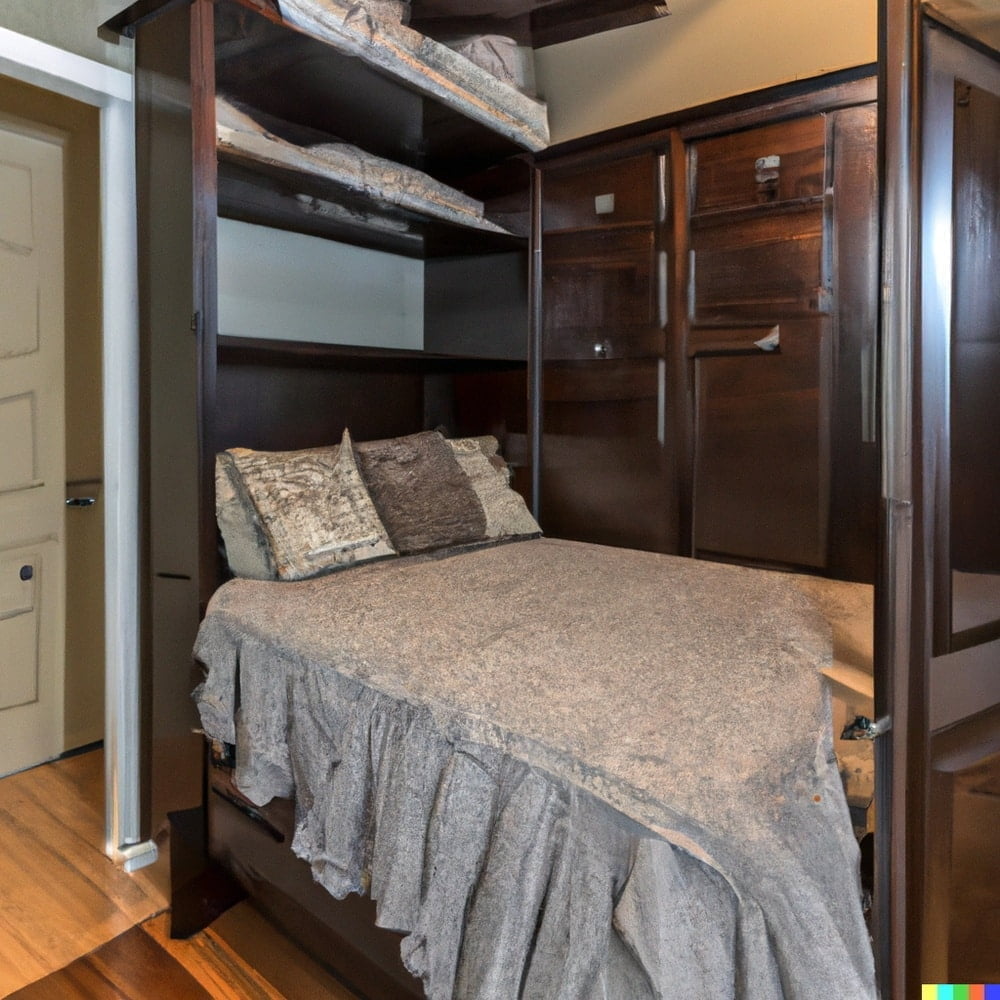
Investing in a Murphy bed fundamentally alters the financial dynamics of homeownership. In dense metropolitan housing markets where cost-per-square-foot metrics climb rapidly, adding functional living space without expanding the building footprint represents an immediate economic gain. Transforming a dedicated guest bedroom into a functional home office or hobby studio means you effectively capture two rooms' worth of utility out of a single footprint. When it comes time to sell, staged multi-functional rooms photograph exceptionally well and appeal strongly to buyers seeking flexible work-from-home layouts.
From a sustainability perspective, choosing durable, locally crafted hardwood Murphy beds aligns with eco-friendly design principles. Flat-pack particle board furniture often ends up in landfills within a decade due to structural fatigue. Conversely, a solid wood wall bed built with repairable mechanical lifts can last for generations, passing down through families or staying intact through multiple home renovations. By prioritizing modular components and quality materials, you reduce the environmental toll associated with cheap, disposable fast furniture.
The evolution of modern hardware has also minimized the physical effort required to operate these systems, making them accessible for aging-in-place strategies. Seniors looking to downsize into smaller condominiums or townhouses can maintain the luxury of hosting visiting children and grandchildren without sacrificing daily living comfort. This adaptability preserves neighborhood stability and delays the emotional and financial strain of forced relocations simply due to spatial limitations.
Actionable Recommendations and Strategic Financial Takeaways
Navigating the Murphy bed market successfully comes down to balancing your upfront capital against long-term utility. If you possess intermediate woodworking skills and standard shop tools, purchasing a $350 piston kit and building your own cabinet from high-grade Baltic birch plywood yields a professional result for a fraction of retail costs. For those with limited free time or strict aesthetic demands, allocating $2,500 to $4,000 toward a reputable mid-range retail system with professional installation offers the best balance of safety, warranty protection, and visual polish.
Always verify whether the quoted price includes the mattress, freight shipping, and installation labor, as hidden fees can quickly inflate a seemingly modest budget. Inspect the warranty terms carefully; reputable manufacturers stand behind their steel frames and piston lifts with ten-year or lifetime guarantees. By treating the purchase not merely as a piece of furniture, but as a permanent architectural modification to your home, you ensure that your investment pays dividends in comfort, space, and style for years to come.
The modern wall bed has come a long way from its utilitarian origins, blending sophisticated interior design with clever mechanical engineering. As our living spaces continue to shrink relative to housing costs, the ability to effortlessly reconfigure a room defines the cutting edge of contemporary interior architecture.
Approaching this project with patience, accurate measurements, and a clear budget allows you to bypass the marketing hype and invest in a system that truly serves your lifestyle. Whether you build a custom walnut showcase from scratch or order a streamlined retail unit, the reward is the same: the quiet satisfaction of reclaiming your space, one smooth pull at a time.