Picture walking into a luxury boutique hotel room. The space instantly breathes calm, command, and effortless elegance. More often than not, your eyes are immediately drawn to the bed—specifically, the grand, commanding anchor of the room: the headboard. It acts as the visual backbone of the space. Yet, when many of us try to recreate this balanced aesthetic at home, something feels terribly off. The headboard looks awkwardly stubby, swallowed up by tall walls, or conversely, it towers aggressively over the nightstands, making the entire bedroom feel cramped and claustrophobic.
The underlying culprit behind this common design mismatch is almost always a failure of vertical proportion. People meticulously measure the width of their bed frame to ensure it matches their mattress, but they treat height as an afterthought. They buy a standard, off-the-shelf headboard without accounting for modern, plush pillow-top mattresses that sit miles higher than they did a decade ago. They ignore the vertical canvas of the wall behind it, leaving a jarring visual gap between the top of the furniture and the ceiling line.
Height selection is not merely an arbitrary aesthetic choice; it is an exercise in architectural balance, ergonomic support, and psychological comfort. A well-sized headboard anchors the room, protects your walls from oils and friction, and provides physical lumbar and back support when you are sitting up reading late at night. Whether you are outfitting a cozy twin room in a historic home or designing a sprawling king suite in a modern architectural build, understanding the exact science of vertical scale transforms a chaotic bedroom into a sanctuary of rest.
Decoding the Anatomy of Bedroom Scale and Vertical Proportions
The human eye naturally seeks balance, symmetry, and proportion. When evaluating how tall a headboard should be, interior designers look far beyond the furniture piece itself. They analyze the relationship between the floor-to-ceiling height, the thickness of the mattress and box spring combination, the height of surrounding nightstands, and the negative space on the wall. A low-profile headboard that measures just 20 inches above the mattress might look sleek and minimal in a small apartment with low ceilings, but that same piece placed against a soaring ten-foot wall in a primary suite will look like an afterthought—a tiny postage stamp lost in a vast expanse of drywall.
Standard bed configurations have evolved drastically over the years. Modern mattresses are thicker, layered with advanced memory foam, latex cores, and pillow-tops that routinely push the sleeping surface 25 to 30 inches off the floor. If a headboard is designed for older, thinner mattress profiles, the bottom portion of the headboard becomes entirely hidden behind stacked pillows and shams. This completely destroys the design lines of tailored tufting, geometric paneling, or exposed wood grain.
Furthermore, the interaction between the headboard and adjacent case goods—such as nightstands, reading lamps, and wall art—demands precise calculation. A tall, dramatic headboard can easily swallow standard bedside lamps, casting awkward shadows or forcing you to mount sconces at unusual heights. Achieving true harmony requires looking at the room as a three-dimensional volume rather than a flat floor plan. Every vertical element must speak to its neighbor, creating a rhythm that guides the eye smoothly across the room without abrupt visual interruptions or awkward dead zones.
Mathematical Benchmarks and Standard Height Measurements by Bed Size
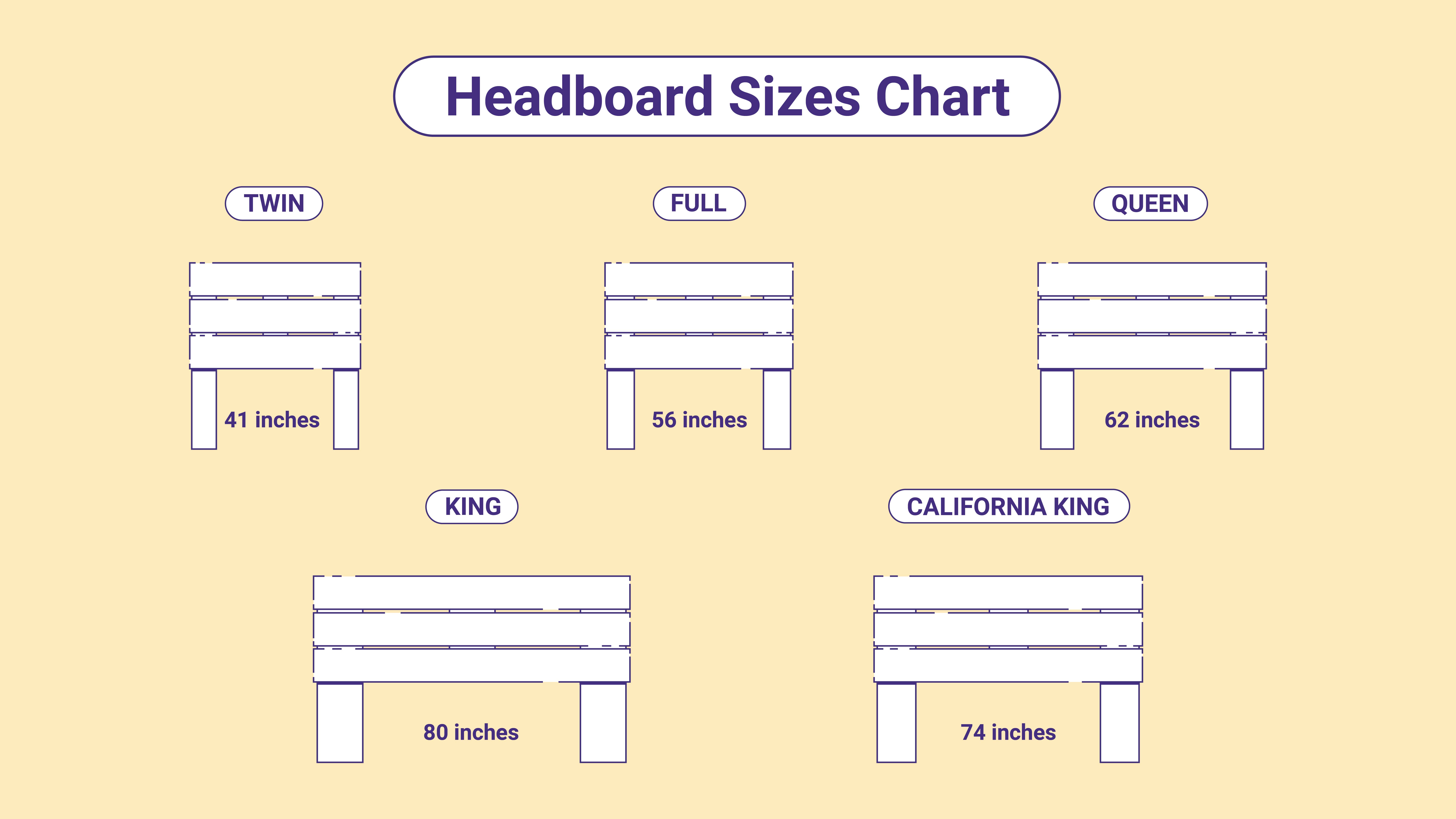
While every room has unique architectural quirks, the design industry relies on field-tested dimensional standards to ensure proper ergonomics and visual weight. These measurements account for standard mattress depths, frame clearances, and human ergonomics when sitting up in bed. For a twin-sized bed, which is typically found in children's rooms, guest quarters, or studio apartments, a total headboard height of roughly 38 to 48 inches from the floor is standard. This provides adequate back support for a smaller frame while maintaining a playful, unpretentious scale that does not overwhelm a compact footprint.
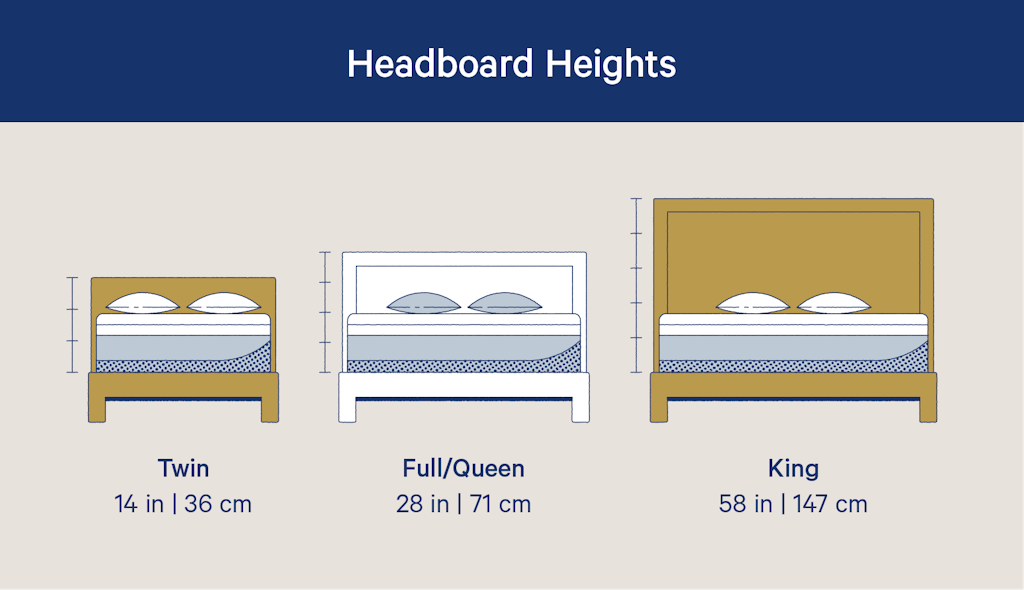
Moving up to full and queen sizes, the dimensional requirements shift upward to match the increased width and volume of the furniture. A standard queen headboard generally extends about 28 inches above the top of the mattress, bringing the total height from the floor to approximately 58 to 60 inches, depending on your specific mattress and foundation setup. This height ensures that even when you stack decorative Euro shams and standard pillows against the face of the headboard, a substantial, beautifully detailed portion remains visible, anchoring the bed firmly within the room.
For king and California king beds, the scale must match the massive horizontal expanse. A king mattress measures a staggering 76 inches wide, which means a low headboard will look comically wide and short—resembling a fence rather than a luxurious furniture centerpiece. Typical king headboards stand roughly 58 inches above the mattress, translating to a total floor-to-top height of 60 to 68 inches or more. In high-ceilinged modern primary suites, custom statement headboards often reach heights of 72 to 84 inches, turning the entire wall behind the bed into an architectural feature upholstered in performance velvet, rich leather, or fluted wood slats.
Step-by-Step Methodology for Measuring and Selecting Your Ideal Height
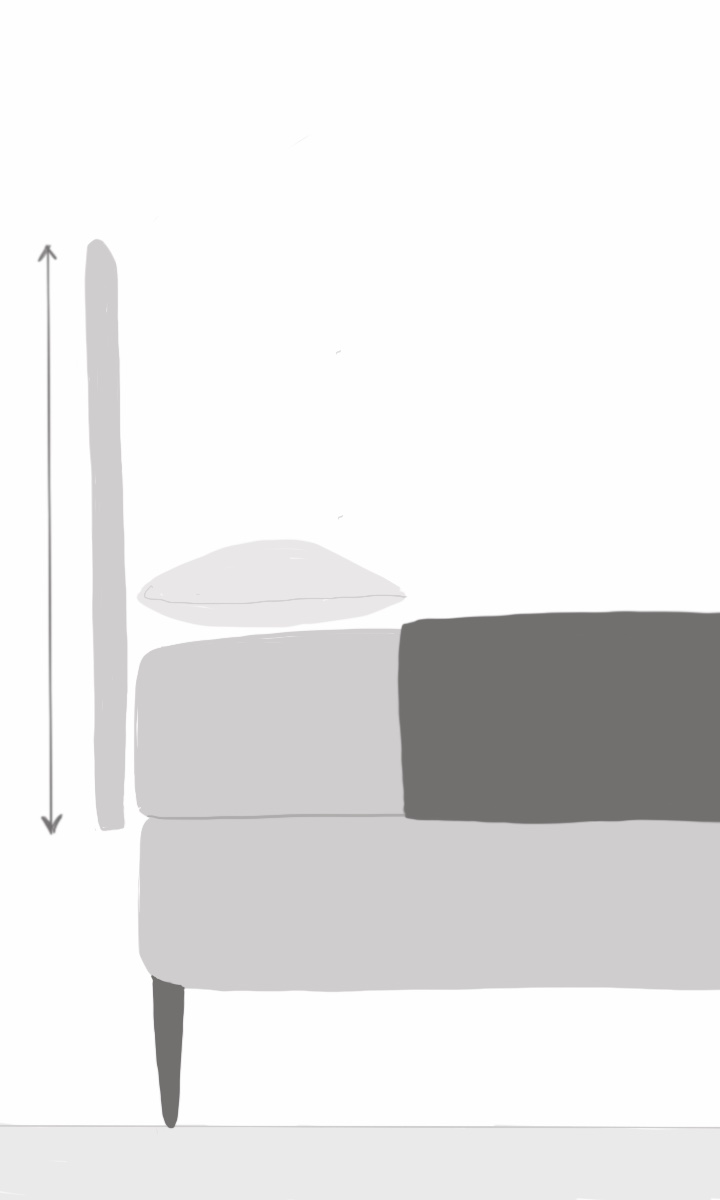
Selecting and positioning a headboard requires a methodical approach that eliminates guesswork and prevents costly buying mistakes. By following a structured measuring protocol before you spend a single dollar, you ensure absolute compatibility between your furniture, your bedding, and your architecture.
Navigating Common Sizing Pitfalls and Field-Tested Workarounds
Even experienced designers occasionally misjudge scale when working with unusual room layouts or tricky architectural elements. Recognizing these common pitfalls early saves you from living with an unbalanced, frustrating bedroom setup.
Architectural Harmony, Material Physics, and Long-Term Spatial Value

The material you choose for your headboard interacts directly with its ideal height. Heavy, dense materials like solid oak, walnut, thick wrought iron, or deep channel-tufted velvet command a strong visual presence. If a heavy material is built too tall, it can make a room feel oppressive, weighing down the psychological atmosphere of a space intended for rest and restoration. Conversely, lightweight materials like rattan, cane webbing, or slim metal tubing can be built much taller without feeling heavy, because they maintain visual transparency and allow light to filter through their structures.
From a long-term investment perspective, selecting a versatile, medium-to-tall headboard provides exceptional flexibility. Styles, mattress thicknesses, and paint colors come and go, but a well-proportioned headboard acts as a timeless architectural anchor. When you eventually swap out your mattress for a newer model or decide to repaint the bedroom walls in a moody, saturated hue, a properly scaled headboard adapts seamlessly to the new environment. It bridges the gap between furniture and architecture, turning a functional sleeping platform into an integrated component of the home's permanent design vocabulary.
Furthermore, ergonomic considerations should never take a backseat to pure aesthetics. As remote work blurs the lines between living spaces and bedrooms, many people find themselves leaning back against their headboards with laptops, tablets, or books for hours at a time. A headboard that is too short forces your neck into an awkward, unsupported angle, while a headboard that lacks sufficient padding or ergonomic slope causes lower back strain. Selecting a height that aligns comfortably with your upper back ensures that form and function work in absolute harmony.
Actionable Recommendations for Crafting the Ultimate Bedroom Focal Point
To synthesize these insights into a definitive action plan, approach your headboard selection as a holistic design project rather than a standalone retail purchase. Start by establishing the primary function of your bedroom. If your space is a serene, minimalist retreat dedicated solely to sleep, lean toward a sleek, lower-profile headboard that keeps sightlines open and ceilings feeling expansive. If your bedroom doubles as a cozy reading lounge and private sanctuary, invest in a taller, comfortably upholstered piece that offers genuine ergonomic back support and dramatic hotel-inspired luxury.
Always prioritize quality construction and secure mounting mechanisms. If you are opting for a statement-height headboard that towers over six feet tall, insist on professional wall-mounting hardware rather than relying solely on lightweight metal bed frame brackets, which often wobble, creak, and damage walls over time. Combine your headboard height choice with thoughtful layered lighting—pairing low-level bedside lamps with overhead dimmers to accentuate the vertical texture of your chosen material. By balancing precise measurements with an intuitive sense of room scale, you will create a bedroom environment that feels instantly grounded, beautifully proportioned, and profoundly welcoming.
Mastering the vertical geometry of your bedroom is one of the most impactful upgrades you can make to your living space. It requires looking past flashy sales trends and returning to the timeless principles of scale, proportion, and human comfort. When every element—from the plush depth of your mattress to the soaring line of your headboard—is calculated with intention, the entire room shifts from a haphazard collection of furniture into a unified, restorative work of art.
As architectural trends continue to emphasize personalized sanctuaries over sterile minimalism, the headboard remains our primary tool for expressing personal style while anchoring our daily rest. Take your measurements, tape out your walls, and trust your eye. By respecting the vertical dimensions of your room, you create a space that not only looks impeccably balanced but feels profoundly right the moment you step across the threshold.