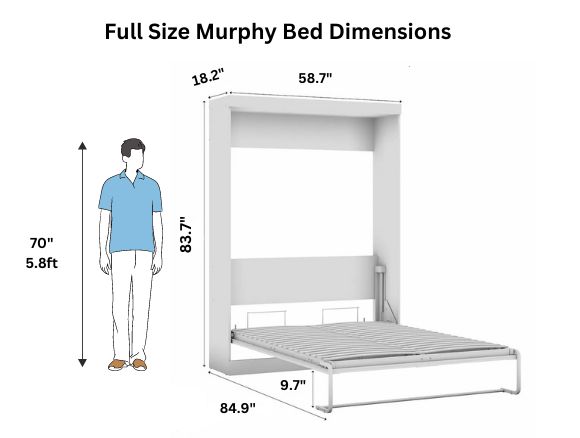
The midnight scramble is a universal modern ritual. You wake up parched, reach blindly across a cluttered nightstand, and manage to knock over a ceramic water glass, sending shards across the hardwood while your phone charger cord snakes hopelessly into the dark abyss behind the mattress. Meanwhile, the paperback you were reading is trapped underneath your pillow, and your reading lamp takes up precious square inches that you simply do not have.
These daily micro-frustrations usually happen right when a bedroom stops feeling like a sanctuary and starts resembling a cramped storage locker. When floor space shrinks and bedside clutter multiplies, the traditional configuration of a bed frame flanked by two bulky nightstands begins to look entirely obsolete. This spatial crisis is precisely where furniture engineering intersects with practical home economics, forcing a hard look at how we allocate our vertical and horizontal real estate.
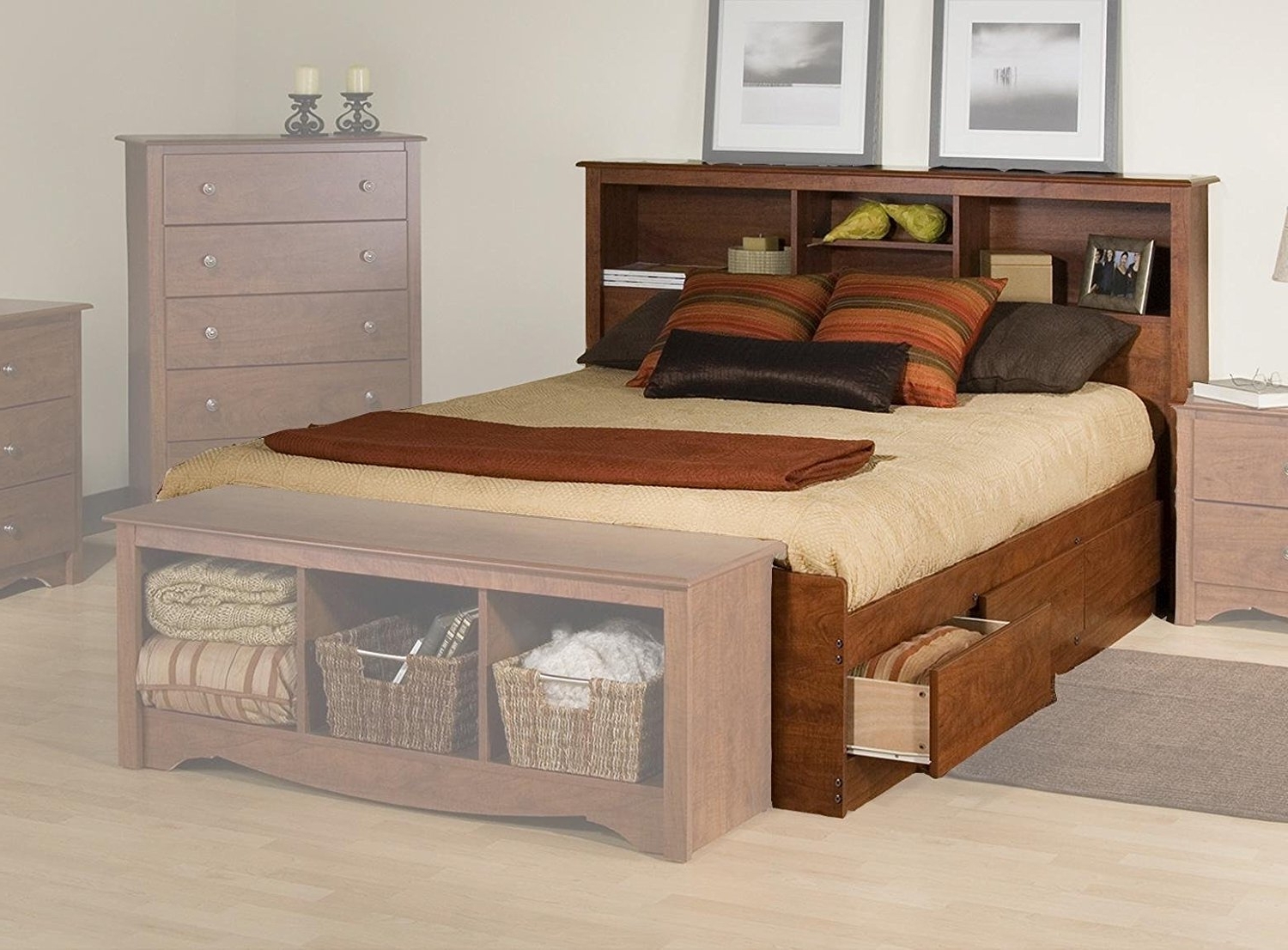
Enter the classic architectural hybrid that has quietly revolutionized compact living and minimalist master suites alike: the storage bed paired with an integrated bookcase headboard. Far from the crude milk-crate shelving units of college dormitories, modern 2026-edition bookcase beds combine heavy-duty load-bearing frames, under-bed storage drawers, and multi-tiered headboard compartments into a single, cohesive furniture ecosystem. This comprehensive guide breaks down everything you need to know about engineering, selecting, assembling, and optimizing a storage bed with a bookcase headboard to reclaim your bedroom space once and for all.
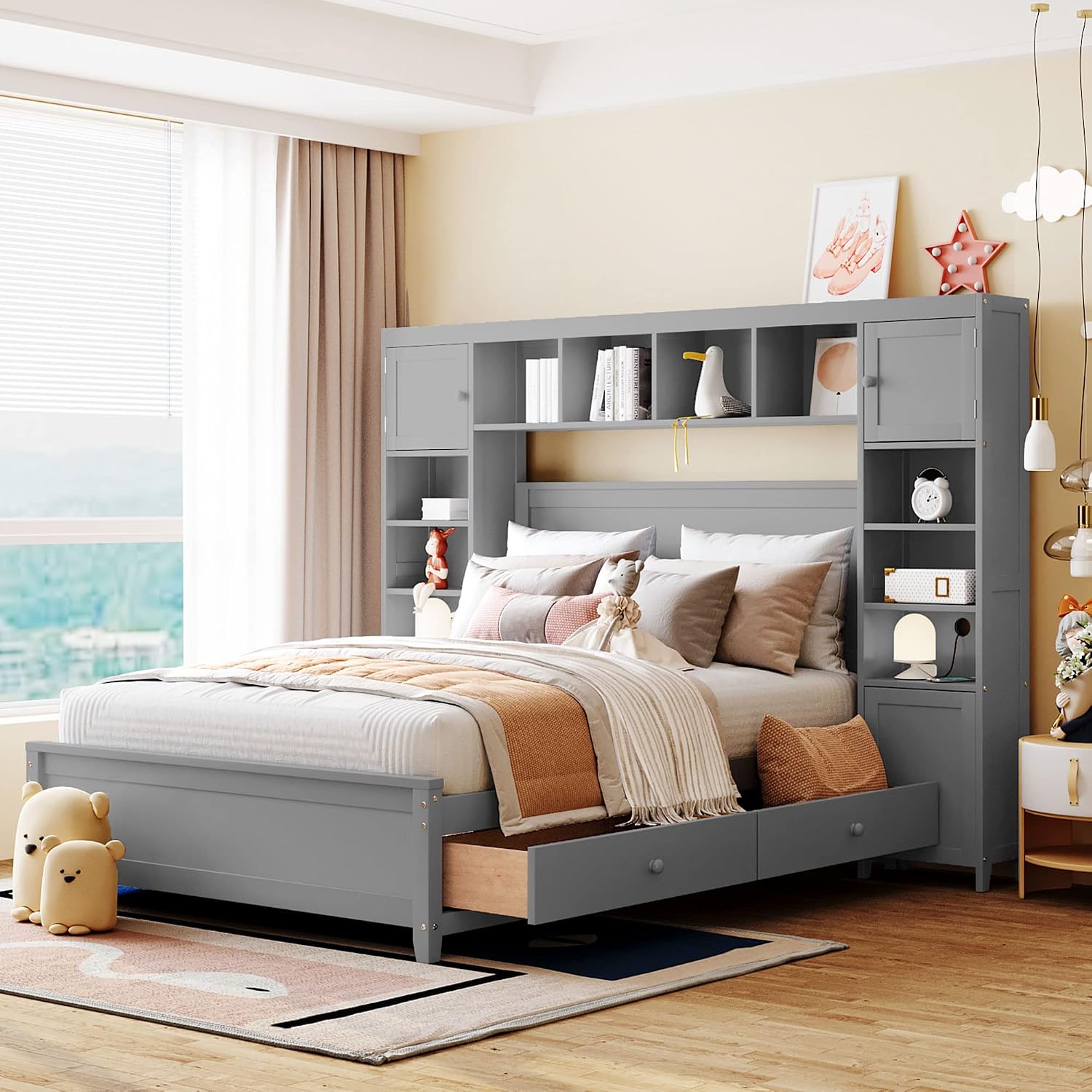
Anatomy of a Space-Saving Masterpiece: Understanding Bookcase Headboard Engineering
A bookcase storage bed is deceptively simple in concept yet surprisingly complex in its structural execution. At its core, the piece marries a traditional sleeping platform with a multi-compartment shelving system built directly into the headboard. Rather than pushing your bed against a bare wall and crowding the perimeter with freestanding furniture, the headboard acts as an organizational command center. Books, reading glasses, medication bottles, alarm clocks, and decorative ceramics find an immediate home within arm's reach, eliminating the physical footprint of traditional nightstands.
The engineering challenge behind these beds lies in weight distribution and wall clearance. A standard headboard is essentially a decorative facade; a bookcase headboard, however, is a deep box structure often measuring anywhere from eight to twelve inches in depth, rising anywhere from 48 to over 60 inches off the floor. This added depth means the bed frame must be engineered to resist forward tipping moments, particularly if heavy hardback books or electronics are stacked on the upper tiers. Manufacturers typically employ heavy-duty anchor brackets or rely on the sheer dead-weight of the mattress platform to stabilize the entire structure against the wall.
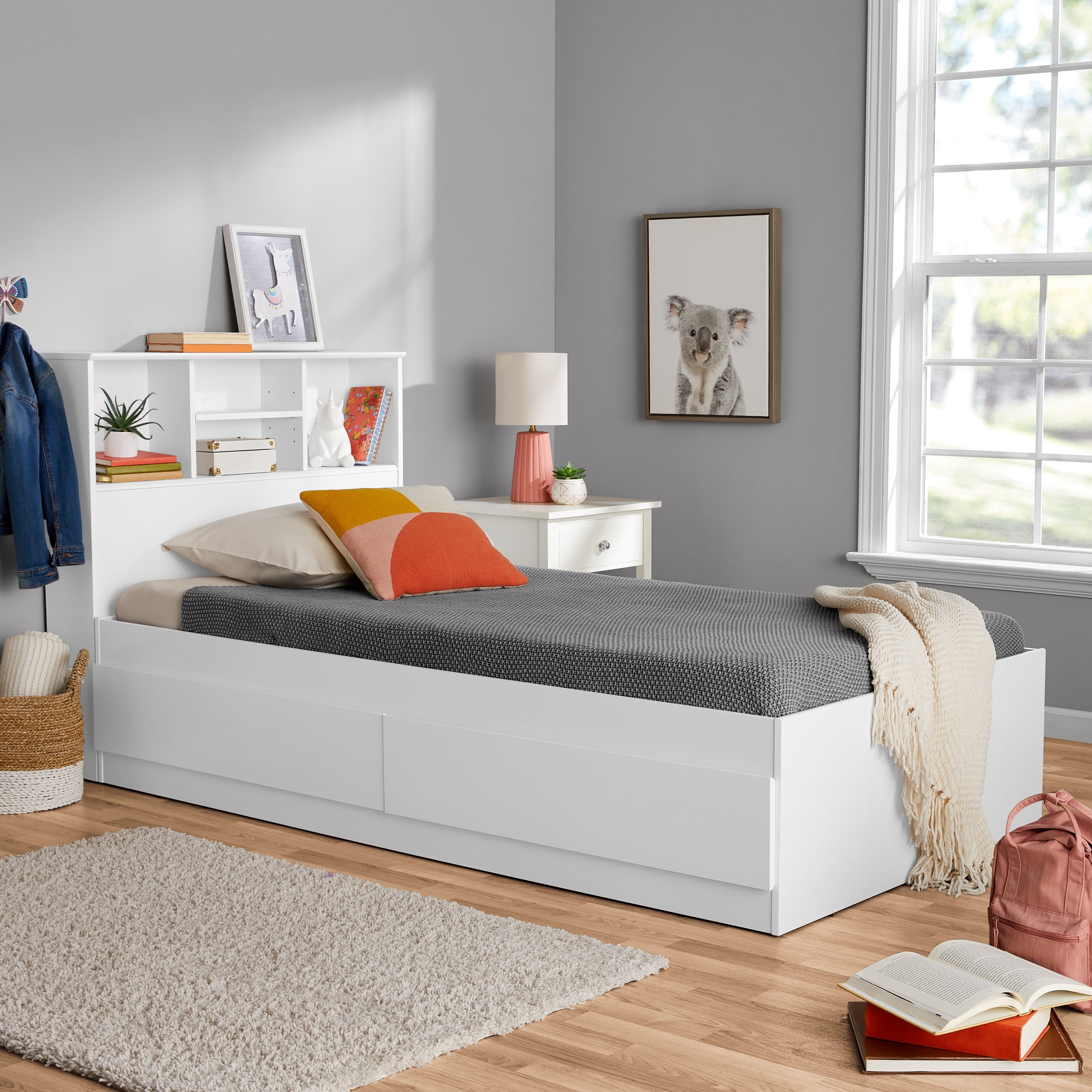
Beyond the headboard shelving, the lower half of the assembly usually features integrated under-bed storage. This can range from simple rolling trundle drawers to full-extension, ball-bearing wooden drawers that glide effortlessly on tracks. In high-end models, the platform itself utilizes a hydraulic or gas-piston lift system—often called an ottoman bed base—revealing a massive cavern of cavernous floor storage underneath the mattress slats. Understanding these internal mechanics ensures you do not buy a piece of furniture that looks stunning on a showroom floor but fails under the daily rigors of real-world use.
Material Selection, Structural Integrity, and Weight Capacities
Choosing the right material for a storage bed with a bookcase headboard is the single most critical factor determining whether your investment lasts for decades or begins wobbling within six months. The market is saturated with options ranging from budget-friendly engineered wood to heirloom-grade solid hardwoods like American walnut, quarter-sawn white oak, and Appalachian cherry. Each material brings distinct mechanical properties, weight tolerances, and aesthetic qualities to your sleeping quarters.

Particleboard and Medium-Density Fiberboard (MDF) wrapped in laminate veneers dominate the affordable end of the spectrum. While budget-friendly and lightweight, these materials are notoriously sensitive to moisture and screw-stripping. If you assemble an MDF bookcase headboard, over-tightening a cam lock can easily strip the compressed wood fibers, leaving a wobbly shelf that sags under the weight of a heavy novel. If you opt for engineered wood, look for high-density variants with durable melamine finishes that resist scratching and moisture absorption from midnight water glasses.
Solid wood and plywood-core construction represent the gold standard for long-term durability. Solid hardwood frames can easily support heavy mattresses, active sleepers, and fully loaded headboard shelves without flexing. Furthermore, solid wood accepts mechanical fasteners like wood screws and metal brackets far more securely than particleboard. When evaluating a bed frame, pay close attention to the slat system. Avoid thin, flexible slats spaced more than three inches apart, as these will cause modern memory foam or hybrid mattresses to sag and void your mattress warranty. Look instead for solid southern yellow pine or birch slats with a center support beam and adjustable floor legs.
Step-by-Step Methodology for Selecting, Sourcing, and Assembling Your Bed
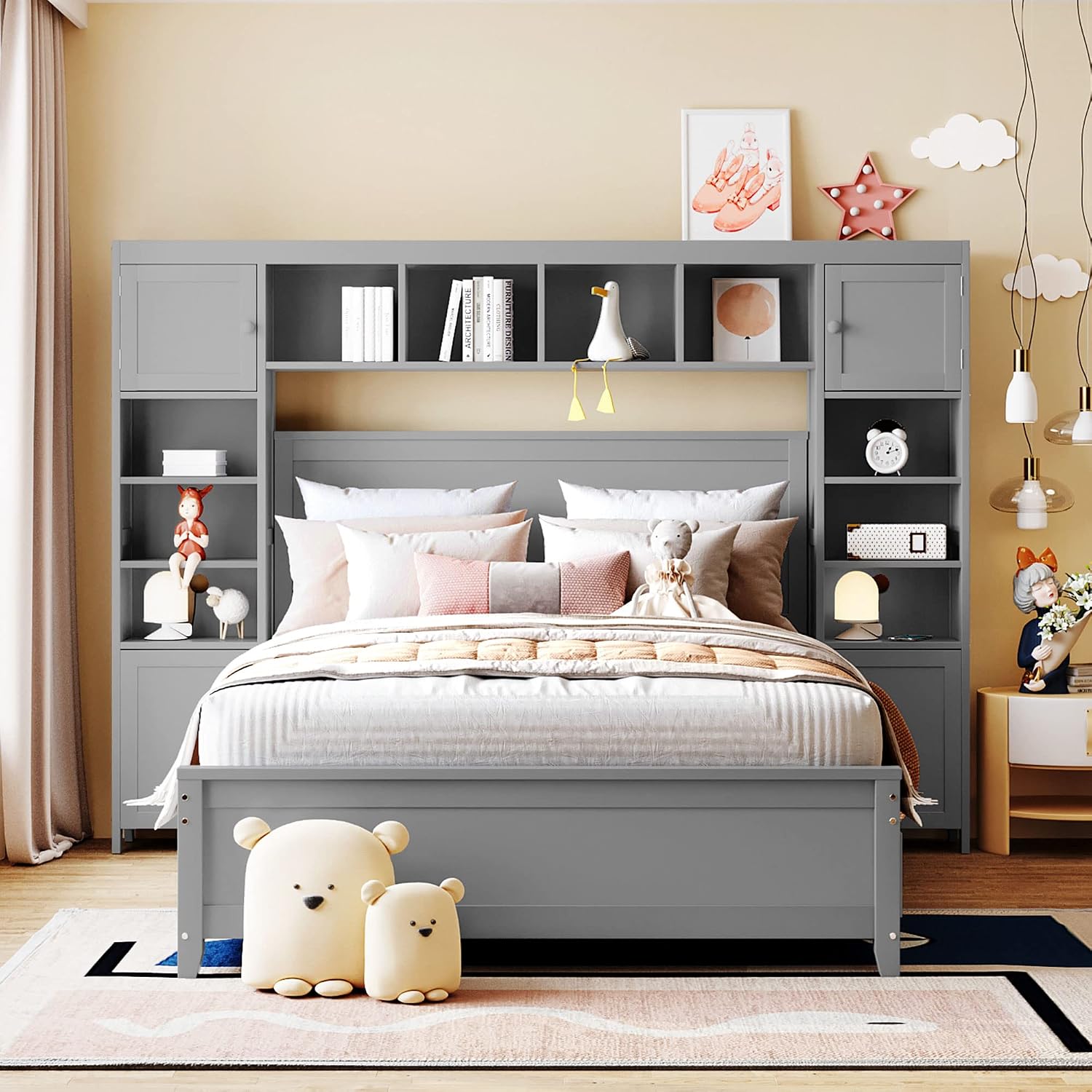
Bringing a bookcase storage bed into your home requires a methodical approach that accounts for delivery logistics, room geometry, and assembly sequencing. Because these beds are substantial pieces of furniture composed of heavy modular units, haphazard planning can result in a frame that blocks bedroom doors or cannot navigate tight stairwells.
Navigating Common Pitfalls and Field-Tested Workarounds
Even experienced DIYers and interior designers occasionally run into friction when integrating a bookcase storage bed into a functional bedroom layout. Anticipating these common missteps saves you from scratched floors, awkward ergonomic setups, and structural headaches down the road.
Holistic Perspectives: Ergonomics, Bedroom Psychology, and Long-Term Spatial Value
The decision to install a storage bed with a bookcase headboard extends far beyond simple utility; it fundamentally transforms the psychological and ergonomic landscape of your sleeping environment. Interior psychologists have long noted that visual clutter in the bedroom directly correlates with elevated cortisol levels and disrupted sleep architecture. When items are scattered across nightstands, floors, and chairs, the brain perceives unfinished business, making true relaxation difficult to achieve.
A well-organized bookcase headboard acts as a psychological boundary. By consolidating your personal items into designated, enclosed, or neatly framed cubbies, the chaos is reined into an orderly grid. This containment fosters a sense of calm and visual expansiveness, even in modest urban apartments measuring less than 150 square feet. Furthermore, the ergonomic advantage of having your essentials positioned at a comfortable reaching distance—rather than forcing you to twist your torso down to a low nightstand—reduces strain on your neck and lower back during those drowsy half-awake moments.
From an economic perspective, investing in a high-quality bookcase storage bed eliminates the need to purchase matching nightstands, wall-mounted floating shelves, and auxiliary dressers. This multi-functional consolidation delivers exceptional value per square foot of floor space. As urban living spaces continue to shrink and the desire for intentional, clutter-free living grows, furniture pieces that earn their keep through dual-purpose engineering represent the pinnacle of smart interior design.
Actionable Recommendations and Key Takeaways for Buyers
To ensure you make a confident, long-lasting investment in your bedroom upgrade, keep these core principles and decision-making frameworks at the forefront of your purchasing journey:
The bedroom remains the ultimate restorative retreat in an increasingly connected, fast-moving world. How we furnish this private space dictates not only the quality of our physical rest, but the mental peace with which we begin and end every single day. Upgrading to a storage bed with a bookcase headboard is an intentional step toward reclaiming your environment from the tyranny of clutter.
By balancing robust material construction, thoughtful spatial planning, and smart organizational habits, you transform a simple piece of furniture into an architectural anchor for your home. Embrace the streamlined efficiency of integrated storage, eliminate the midnight chaos of missing accessories, and let your bedroom return to what it was always meant to be: a quiet, orderly sanctuary dedicated entirely to rest and renewal.