There's something deeply satisfying about holding a perfectly smooth pebble that's been carefully selected and shaped by skilled hands. This isn't just about aesthetics – it's about connecting with centuries-old traditions where every piece tells a story. When you look at those stunning super white pebble tiles, you're witnessing thousands of years of craftsmanship distilled into modern design.
Super white hand-sorted natural stone pebble tiles represent more than just flooring material – they're the result of meticulous attention to detail and deep respect for natural materials. These aren't mass-produced items that roll off assembly lines. Instead, each tile undergoes a labor-intensive process that combines ancient techniques with contemporary understanding. What makes them truly special isn't just their appearance, but the story each piece carries from its journey through nature to your space. The journey from raw stone to finished tile involves multiple stages, each requiring careful consideration and skilled hands. Every step matters, from the initial selection to the final polishing.
The Origins of Natural Stone Selection
The foundation of any quality pebble tile lies in choosing the right raw materials. Super white pebbles come from specific geological formations where minerals have naturally created the perfect hue and texture. This isn't random – geologists and stone experts spend years studying rock formations to identify areas that will yield the best results.
Stone collectors and artisans often travel to remote locations to find the ideal specimens. They look for stones that have been naturally worn smooth by water over extended periods, typically months or even years. The water action creates the characteristic rounded edges and smooth surfaces that make these pebbles so appealing.
The selection process is incredibly selective. Not all white stones qualify. The color must be pure and consistent, without any yellowish tinges or dark spots that might detract from the overall aesthetic. Some artisans even test the stones for durability by dropping them or applying pressure to ensure they won't crack during processing.
Hand-Sorting: A Labor of Love
Once collected, the stones enter the sorting phase, where human judgment becomes paramount. This is where the magic happens – literally. Skilled craftsmen examine each pebble individually, assessing factors like size, shape, color consistency, and surface quality.
The sorting process can take days or weeks, depending on the volume and quality requirements. Artisans work with great care, ensuring no two stones are identical, which actually adds to the beauty and uniqueness of the final product. Each stone gets a 'grade' based on its characteristics, and only the finest make it to the next stage.
Some artisans use simple tools like brushes or sieves to separate stones by size, while others rely purely on visual inspection and touch. The human element here cannot be overstated – machines simply cannot replicate the nuanced judgment required to select stones that will create a cohesive yet varied pattern.
This sorting process also allows for the discovery of stones with unique features – perhaps a subtle swirl pattern or a slight variation in color that makes them stand out. These discoveries often lead to new design possibilities and keep the craft fresh and exciting.
Shaping and Preparation Techniques
After sorting, the pebbles must be prepared for their final form. This involves careful shaping to ensure uniformity while preserving the natural character of each stone. Traditional methods involve using specialized tools like chisels, hammers, and rasps to gently remove excess material.
Some artisans prefer to leave stones in their naturally occurring shapes, emphasizing the organic feel of the material. Others take a more refined approach, creating consistent sizes and shapes that allow for precise installation patterns.
The preparation phase requires patience and precision. Stones that are too rough can damage installations, while those that are too smooth may not provide adequate grip. Finding this balance is part of the artistry involved in creating these tiles.
Modern techniques sometimes incorporate gentle grinding or sanding, but many craftspeople still rely on traditional hand tools. These methods preserve the natural texture and character that makes each stone special, rather than masking it with mechanical processes.
The Critical Role of Quality Control
Quality control in pebble tile production isn't just about checking if stones match – it's about ensuring consistency across batches and maintaining standards that meet customer expectations. Every batch goes through rigorous testing, examining factors like durability, color stability, and surface smoothness.
This involves both visual inspections and practical tests. For instance, stones might be subjected to temperature changes to see how they react, or tested for resistance to staining. Some artisans even create sample panels to show customers exactly what to expect.
The quality control process also includes checking for any imperfections that could affect installation or long-term performance. Cracks, chips, or unusual color variations are typically rejected, as they can compromise the overall appearance and structural integrity of the finished floor.
This careful attention to quality means that each tile meets high standards, which is why these products command premium prices and enjoy long-lasting popularity among discerning homeowners and designers.
Finishing Touches and Surface Treatment
The finishing stage brings the tiles to their final state, where appearance and functionality converge. This involves several steps, including final smoothing, cleaning, and sometimes protective treatments.
Surface treatments vary depending on intended use and desired appearance. Some tiles receive a light polish to enhance their natural luster, while others maintain a more matte finish that reduces slipperiness.
The polishing process requires skill and experience, as too much pressure can cause stones to crack or chip. Artisans often work with different grits of sandpaper, gradually moving from coarse to fine to achieve the desired smoothness.
For outdoor applications, some tiles receive additional treatments to improve weather resistance. These might include sealers that protect against stains and fading, though such treatments must be chosen carefully to maintain the natural look and feel of the stones.
Each finishing technique affects how the tiles will age and perform over time, making this stage crucial for long-term satisfaction with the product.
Installation Considerations and Benefits
While the manufacturing process is fascinating, the real value of super white hand-sorted pebble tiles comes in their application. These tiles offer unique advantages that make them popular for various projects.
One major benefit is their natural non-slip properties, especially when used in wet areas like bathrooms or kitchens. The textured surface provides traction without requiring chemical treatments.
Installation requires careful planning, as the irregular shapes and sizes mean that each piece must be placed thoughtfully. However, this also creates beautiful, organic patterns that are difficult to achieve with regular tiles.
The tiles also provide excellent thermal regulation, staying cooler than traditional ceramic options in hot climates. Their natural composition helps regulate indoor temperatures, contributing to more comfortable living spaces.
Maintenance is relatively straightforward, requiring only regular cleaning and occasional resealing. The natural properties of the stones make them resistant to many common household chemicals, though harsh cleaners should still be avoided.
The journey from raw stone to finished super white hand-sorted pebble tiles is a testament to human skill and dedication. Each stage of the process reflects a commitment to quality that extends far beyond simple manufacturing. These tiles aren't just functional elements – they're pieces of art that connect us to the natural world and to centuries of craftsmanship.
What sets them apart isn't just their beauty, but the care and attention that goes into every single piece. When you install these tiles, you're bringing a piece of natural history into your home. The unique character of each pebble, the careful sorting process, and the skilled finishing all contribute to a product that's truly one-of-a-kind.
Whether you're renovating a bathroom or designing a new kitchen, these tiles offer a sophisticated alternative to standard flooring options. Their combination of natural beauty, durability, and ease of maintenance makes them an excellent choice for anyone seeking something that stands out from the ordinary. The investment in hand-crafted pebble tiles pays dividends in both aesthetic appeal and long-term satisfaction.


Related Posts

Kitchen Island vs Peninsula Compared for Flow Storage and Everyday Use
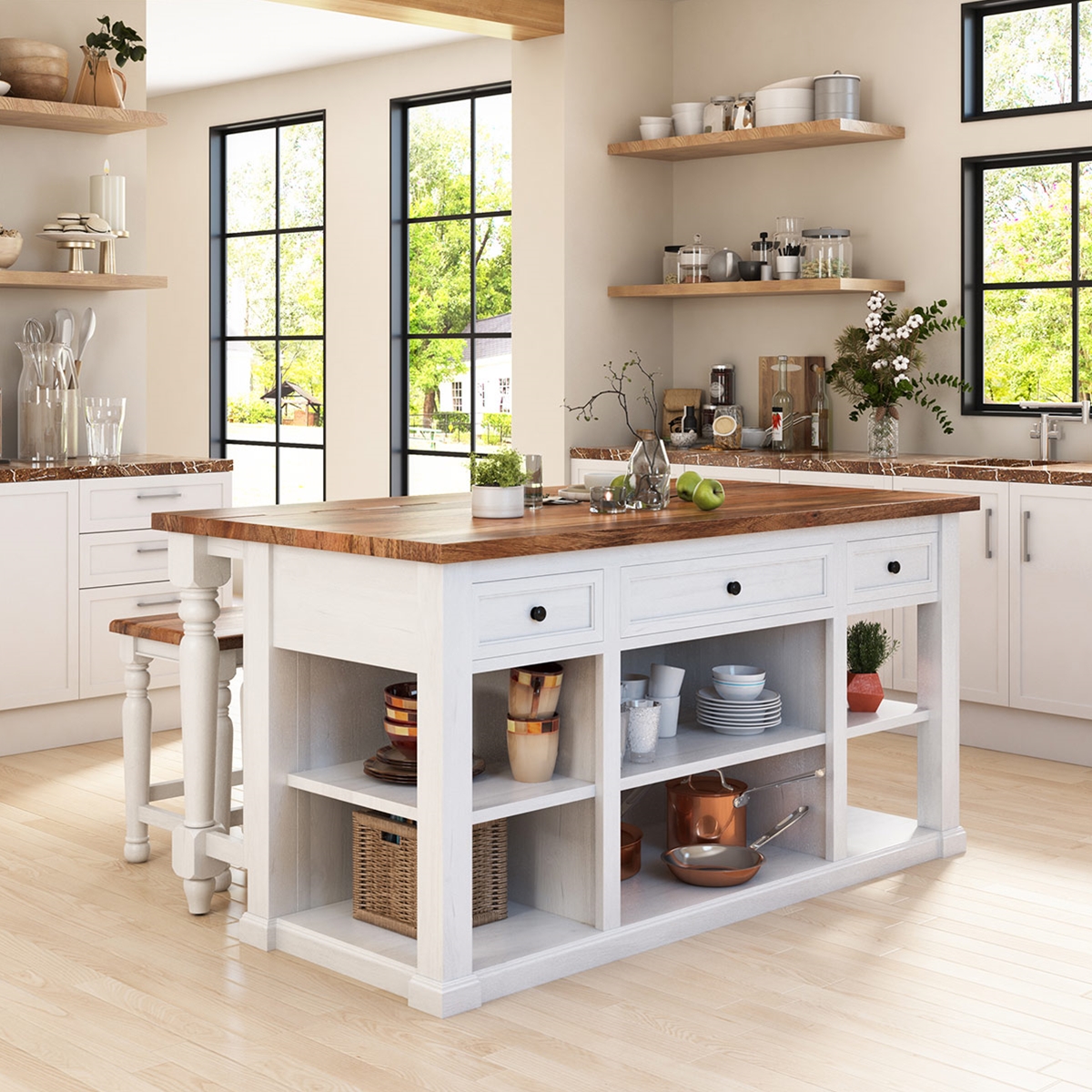
Smarter Ways to Plan a Functional Kitchen Island for Modern Living in 2026

How to Layer Kitchen Island Lighting for Both Cooking and Gathering

Rethinking Your Kitchen Island Layout With Ideas Grounded in Real Everyday Use

The practical benefits of using 24x48 porcelain stone effect tiles in homes

