There's something magical about sitting around a table made from solid wood, isn't there? It's not just about the food being served, but the very foundation of connection that these pieces provide. Whether it's a family dinner or a special celebration, traditional wood dining sets offer more than just a place to eat—they create memories that last generations.
In our fast-paced digital age, where everything seems disposable and temporary, traditional wood dining sets stand as quiet rebels against the chaos. These aren't just pieces of furniture; they're vessels of tradition, craftsmanship, and warmth. The appeal isn't merely aesthetic—it's deeply rooted in how we connect with our past, our families, and each other. Every scratch tells a story, every grain holds a memory, and every meal shared around these tables becomes part of something larger than ourselves. What makes these wooden marvels so captivating, and why do they continue to draw people in despite modern alternatives?
The Timeless Beauty of Natural Wood Grain
Look closely at a traditional wood dining set, and you'll notice something remarkable—the uniqueness of each piece. Unlike mass-produced alternatives, no two tables are exactly alike. The grain patterns, the color variations, even the slight imperfections tell a story of the tree's journey from forest to table. This natural variation creates character that's impossible to replicate artificially. Imagine a beautiful oak table where the light dances across the grain, casting shadows that change with the time of day. That's the magic of wood. It's not just wood—it's living material that ages gracefully and gains character over time. The way sunlight hits a maple table during morning hours, or how a cherry table deepens to a rich burgundy hue over decades, these are the subtle details that make wood dining sets so special.
Craftsmanship That Lasts Generations
Traditional wood dining sets represent a different approach to building furniture—one that values durability over speed and quality over quantity. These pieces are often handcrafted using techniques passed down through generations of skilled artisans. The joinery methods, the careful attention to detail, and the selection of premium materials all contribute to their longevity. A well-made table can survive for over a century, sometimes even longer. Consider the difference between a table built with modern manufacturing processes versus one crafted with traditional joinery. The latter might cost more initially, but its ability to withstand the test of time makes it a wise investment. Many families have tables that were made in the 1800s, still serving as the centerpiece of their home today. The craftsmanship involved in creating these pieces isn't just about making something look good—it's about creating something that will serve future generations.
The Social Connection They Foster
There's something fundamentally different about gathering around a traditional wood dining table compared to sitting at a modern kitchen island or breakfast bar. The physical presence of the table creates a sense of permanence and ritual. When you sit down to eat, you're not just consuming food—you're participating in a human tradition that dates back millennia. These tables encourage conversation, debate, and connection. The size and shape of traditional dining sets naturally promote face-to-face interaction. You can't really avoid looking at each other when everyone is seated around a large, substantial table. This physical arrangement helps build relationships and strengthen bonds. Think about how many important conversations, celebrations, and family moments have happened around these tables. They're more than surfaces for meals; they're stages for life itself. The very act of gathering around a traditional wood table says something profound about what matters most—our connections with others.
Versatility Beyond the Dinner Table
While traditional wood dining sets are primarily designed for meals, their utility extends far beyond the dinner hour. These tables often serve as workspaces, art studios, homework areas, and even play spaces for children. The sturdy construction means they can handle various activities and uses throughout the day. A wood table can accommodate a child's drawing supplies, a laptop for working, or even a small garden setup. The surface provides a stable, durable platform for many different tasks. Many people find that their dining table becomes the central hub of their home, hosting everything from casual breakfasts to serious business meetings. The versatility comes from the quality of the materials and the thoughtfulness of the design. These tables are built to adapt to changing needs while maintaining their core purpose. You might use the same table for a formal dinner one night and a family game session the next. This flexibility makes them incredibly valuable.
The Emotional Attachment We Develop
People form deep emotional connections with their furniture, especially traditional wood dining sets. There's a psychological comfort that comes from knowing exactly where each chair sits, understanding how the table feels under your hands, and recognizing the unique characteristics of your particular piece. This familiarity breeds attachment. Over time, you learn the subtle ways the wood responds to temperature changes, how it feels when touched after a long day, and what makes it feel like home. These tables become part of your identity, representing your family's history and traditions. The emotional bond is so strong that people often save their favorite dining sets through major life changes—moving, renovations, or even family transitions. When someone mentions their grandmother's old dining table, they're not just talking about furniture; they're referring to a cherished part of their family heritage. This attachment goes beyond simple ownership—it's about continuity and belonging.
Sustainability and Environmental Consciousness
Traditional wood dining sets often carry environmental benefits that resonate with modern consumers. When properly sourced, wood is a renewable resource that can be sustainably harvested. Many traditional manufacturers prioritize working with responsibly managed forests, ensuring that trees are replanted and ecosystems maintained. The longevity of these pieces also reduces overall consumption and waste. Instead of replacing a table every few years, a well-crafted wooden dining set might serve multiple generations. This approach aligns with growing awareness about sustainability and responsible consumption. The fact that these tables can be repaired rather than replaced adds to their eco-friendliness. If a leg gets damaged, it can often be fixed rather than discarded. Additionally, older wood pieces often come from reclaimed sources, giving new life to materials that might otherwise go to waste. This combination of renewable resources and long-term usability makes traditional wood dining sets environmentally appealing to conscious consumers.
Traditional wood dining sets offer much more than functional seating for meals. They represent a bridge between past and present, combining ancient craftsmanship with modern needs. Their appeal lies not just in their appearance, but in the stories they hold, the connections they foster, and the lasting value they provide. Whether you're considering adding one to your home or simply appreciate the beauty of these pieces, understanding their deeper significance helps us appreciate what makes them so enduringly popular. In a world full of fleeting trends, these tables remind us of what truly matters—tradition, community, and the simple pleasure of gathering together around a well-made table. They're more than furniture; they're the foundation of family life and social connection.


Related Posts

Kitchen Island vs Peninsula Compared for Flow Storage and Everyday Use
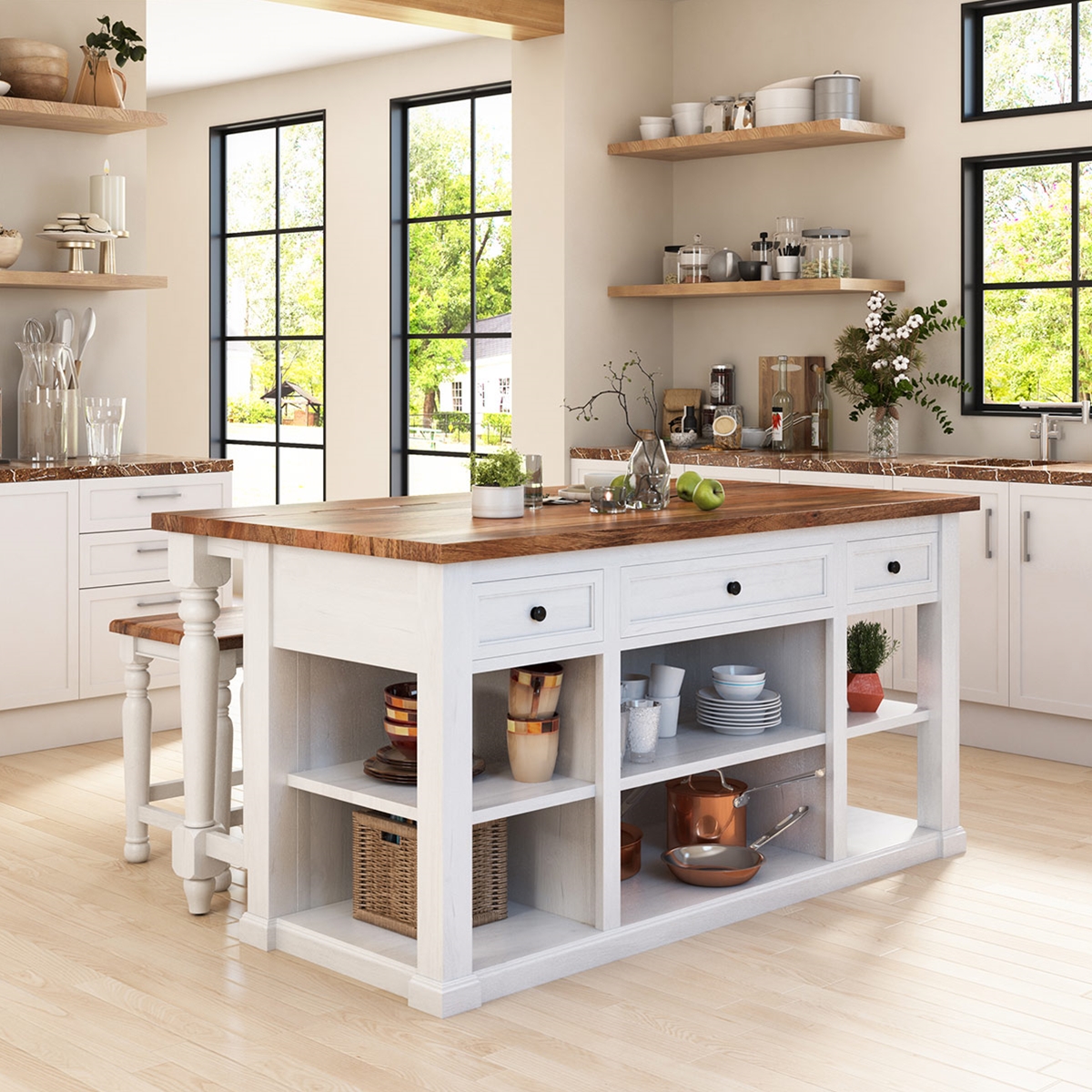
Smarter Ways to Plan a Functional Kitchen Island for Modern Living in 2026
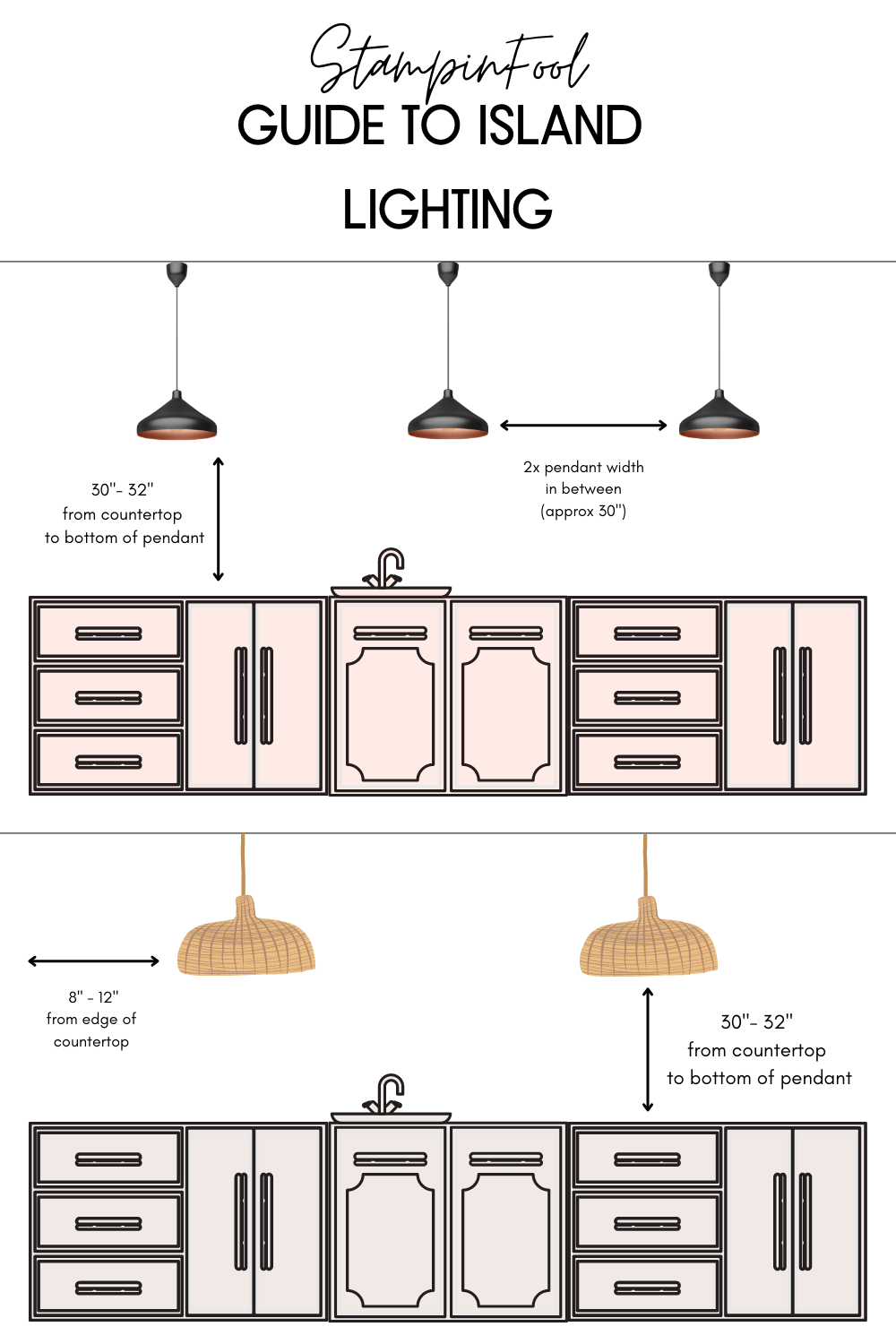
How to Layer Kitchen Island Lighting for Both Cooking and Gathering
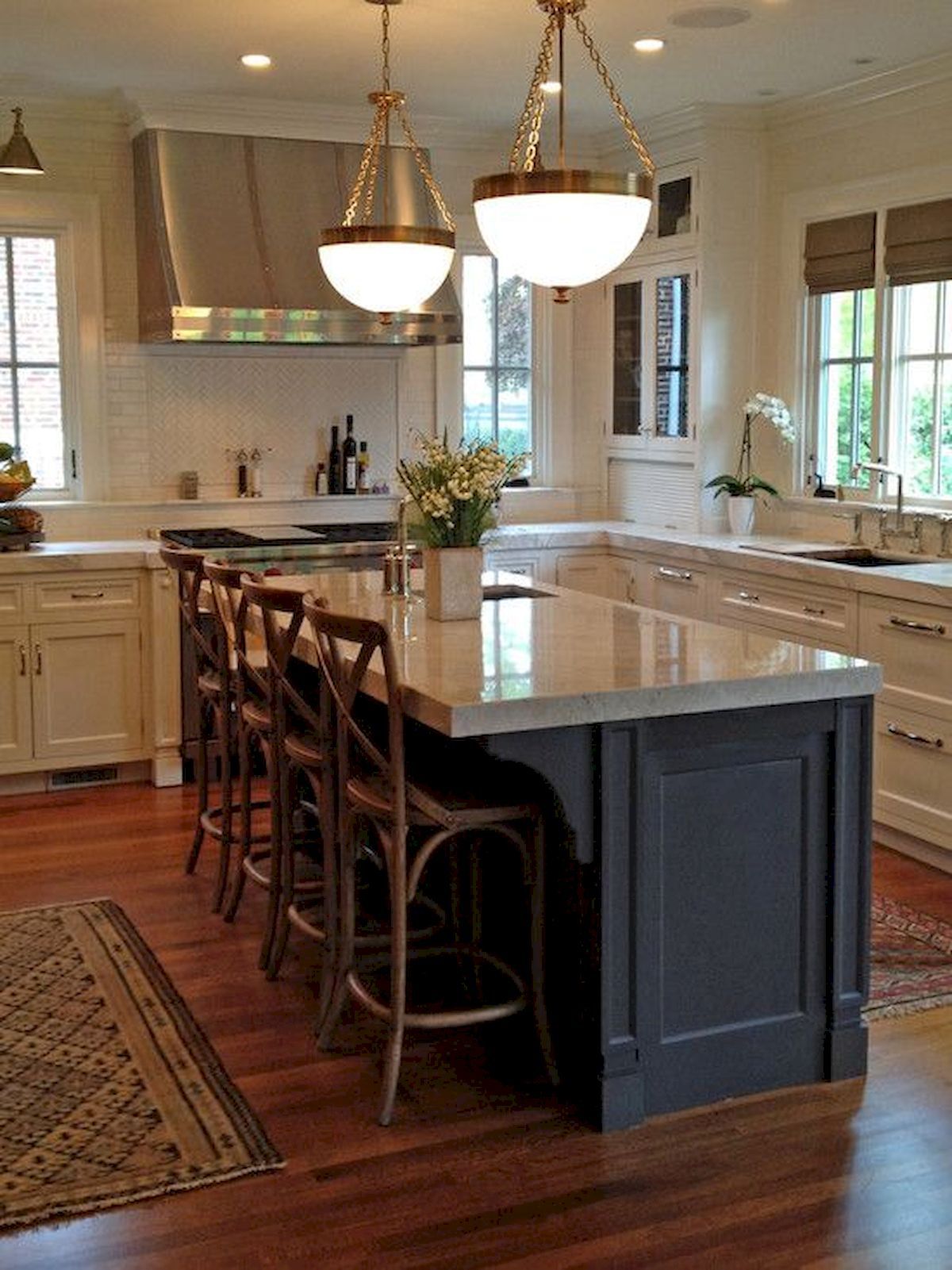
Rethinking Your Kitchen Island Layout With Ideas Grounded in Real Everyday Use

The practical benefits of using 24x48 porcelain stone effect tiles in homes

