
When you think about your dining area, what comes to mind? Is it the elegant table that anchors the space, or perhaps the warm glow of dinner parties? But let's be honest – without quality seating, even the most stunning dining setup feels incomplete. The chairs you choose don't just sit there; they become part of your daily rituals, your family traditions, and the stories that unfold around your table.
Upholstered dining chairs are more than furniture – they're the heart of your dining experience. These seats shape how you eat, how you connect with others, and how your space feels. But choosing the right ones isn't always easy. There's a lot to consider when you're looking at fabrics, construction, comfort levels, and durability. You want something that will last through countless meals and celebrations. This guide walks you through everything you need to know to make the best decision for your home.
Understanding Fabric Choices
Fabric selection is one of the most important decisions you'll make. Different materials offer different benefits, and understanding these can save you from future regrets. Let's break down some popular options.
Velvet: Soft and luxurious, velvet brings elegance to any dining room. It's perfect for formal settings and creates a cozy atmosphere. However, velvet can show wear more easily and requires special care.
Linen: A natural fiber that's breathable and easy to clean. Linen has a casual appeal and ages beautifully, developing a unique character over time. It's ideal for families who entertain often.
Microfiber: This synthetic option is incredibly durable and stain-resistant. It's great for homes with kids or pets because it handles spills well and maintains its appearance. Microfiber is also budget-friendly.
Wool: Natural and warm, wool offers excellent insulation and comfort. It's less common but provides a premium feel. Wool tends to be more expensive and needs careful maintenance.
Consider how much use your dining area gets. If you're hosting weekly dinners, you might lean toward microfiber or linen. For a more formal space, velvet could be perfect. Think about your lifestyle first.
Construction and Structural Integrity
A beautiful fabric can't save a poorly built chair. The frame and joints matter more than you might think. Here's what to look for:
Wood Frames: Solid hardwood frames are the gold standard. They're strong, long-lasting, and can handle decades of use. Look for frames made from oak, maple, or ash.
Metal Frames: These are lighter and often more affordable. However, they may not hold up as well under constant pressure or heavy use.
Joinery Methods: Check if the chair uses mortise and tenon joints or dowels. These techniques create stronger connections than simple screws.
Reinforcement: Some chairs have additional braces or crossbars that add stability. These details can make a big difference in how well the chair holds up over time.
Think of it like building a house – you wouldn't want the foundation to be weak. Your dining chairs deserve the same attention to structural strength.
Comfort Considerations
Comfort isn't just about sitting. It's about how you feel during those long meals and the memories you make. Consider these elements:
Seat Depth: A good seat should allow your thighs to rest comfortably without feeling cramped. The depth should accommodate your body size.
Back Support: The backrest should provide proper support for your spine. Curved backs are often more comfortable than straight ones.
Armrests: These aren't just decorative. Armrests help reduce strain on your shoulders and arms. Not all chairs have them, but they're worth considering.
Cushion Firmness: The padding should be soft enough to be comfortable but firm enough to maintain its shape. Too much cushioning can make the chair unstable.
Try before you buy. If possible, sit in the chair for a few minutes to get a feel for how it supports your body. A chair that looks good but feels uncomfortable won't be used regularly.
Durability Factors
Investing in quality means thinking beyond the initial purchase price. Here are key factors that affect how long your chairs will last:
Stitching Quality: Strong, tight stitching prevents fabric from coming loose. Look for even, consistent seams.
Hardware: Metal parts like screws, bolts, and brackets should be sturdy. Cheap hardware can rust or break quickly.
Finish Protection: Some fabrics come with protective treatments that resist stains and fading. These can extend the life of your upholstery significantly.
Warranty Coverage: Most reputable manufacturers offer warranties. Read them carefully. A good warranty shows confidence in their product.
Remember, a chair that costs less upfront might end up costing more over time due to repairs or replacement. Quality pays off in the long run.
Style and Design Integration
Your dining chairs should complement your existing space, not clash with it. Here's how to ensure they blend seamlessly:
Color Coordination: Choose colors that either match or contrast nicely with your table and other furnishings. Neutral tones are versatile and timeless.
Pattern Matching: If your table has a pattern, you might want to keep the chairs simple or select complementary patterns. Avoid too many competing visual elements.
Scale and Proportion: Make sure the chairs are proportional to your table. A small table shouldn't have oversized chairs, and vice versa.
Overall Aesthetic: Think about whether you want traditional, modern, rustic, or contemporary styles. Your choices should reflect your personal taste and the vibe you want to create.
It's not just about looking good – it's about creating a cohesive environment where everyone feels welcome.
Practical Tips for Purchase
Before you walk out the door with your new chairs, here are some smart practices:
Measure Twice, Buy Once: Always measure your space and check dimensions carefully. Make sure the chairs fit properly and leave enough room for movement.
Test the Quality: Examine the craftsmanship closely. Check for loose threads, uneven seams, or weak joints. Don't skip this step.
Consider Your Lifestyle: Think about how you use your dining area. Do you host frequently? Are there children or pets involved? This affects your material and design choices.
Budget Wisely: Set a realistic budget and stick to it. Quality pieces often cost more but offer better value over time. Don't compromise on the frame and structure.
Read Reviews: Other buyers' experiences can give you insights you might miss. Look for reviews that mention long-term durability and comfort.
Buying dining chairs is an investment in your home and your happiness. Take your time and make informed choices.
Choosing the right upholstered seating for your dining area is both an art and a science. It's about balancing style, comfort, and practicality. You want chairs that feel good to sit in, look great in your space, and stand the test of time. With the right approach, you can find pieces that enhance your dining experience and become treasured parts of your home. Remember, great dining chairs don't just serve a purpose – they help create the moments that matter most. So take your time, do your research, and choose wisely. Your future self – and your guests – will thank you.


Related Posts

Kitchen Island vs Peninsula Compared for Flow Storage and Everyday Use
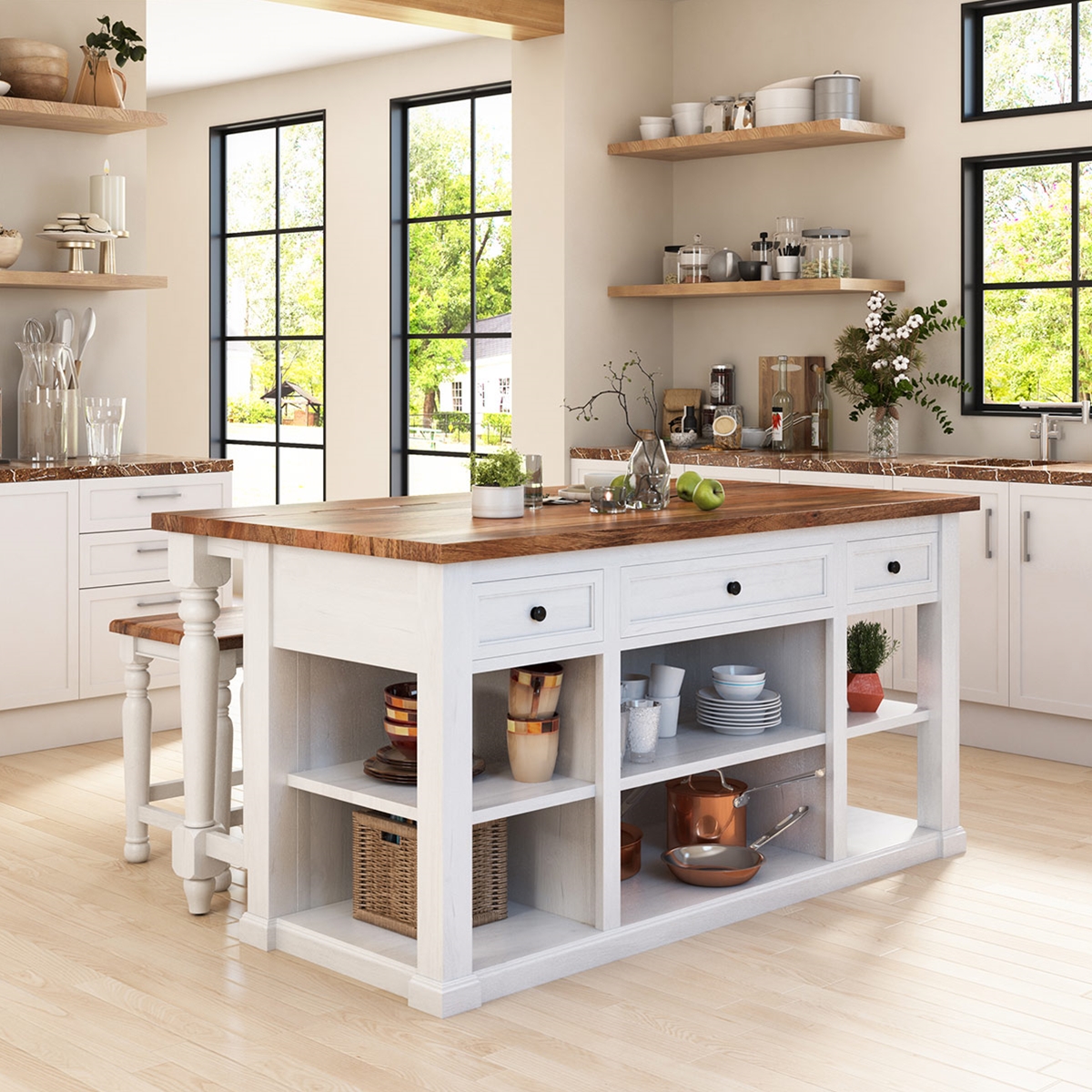
Smarter Ways to Plan a Functional Kitchen Island for Modern Living in 2026
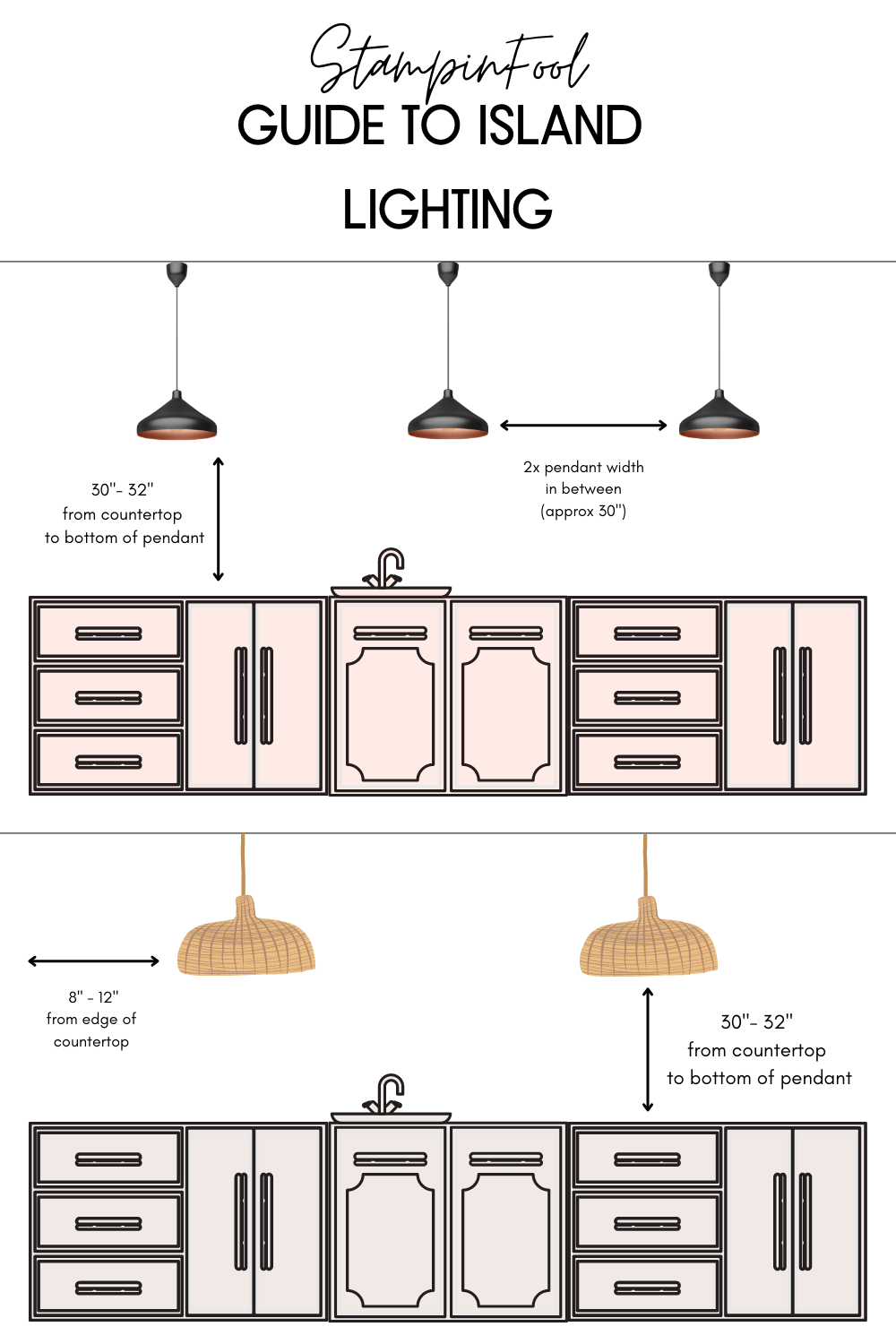
How to Layer Kitchen Island Lighting for Both Cooking and Gathering
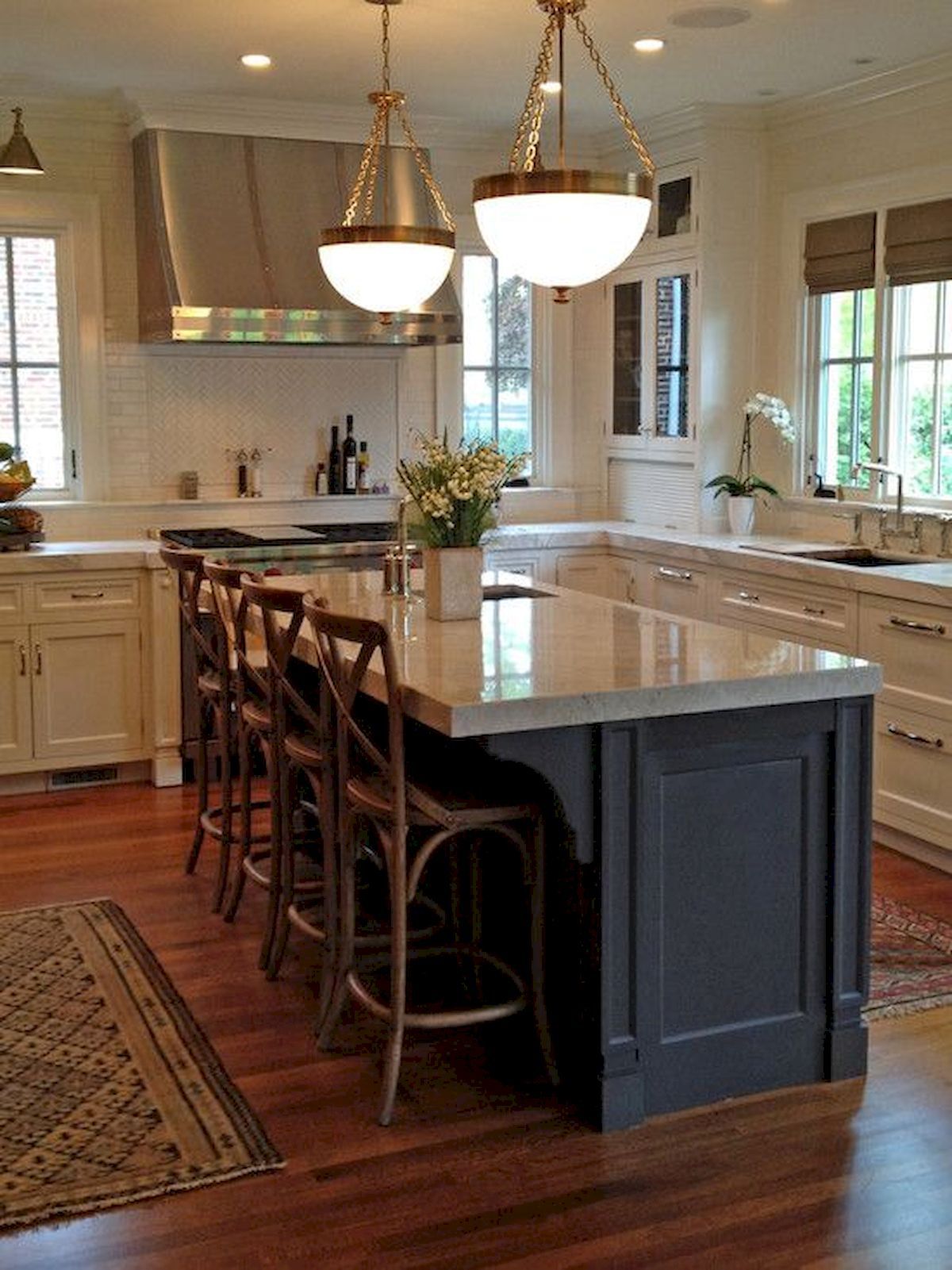
Rethinking Your Kitchen Island Layout With Ideas Grounded in Real Everyday Use

The practical benefits of using 24x48 porcelain stone effect tiles in homes

