
There's something deeply comforting about gathering around a table that brings people together in perfect harmony. Whether it's the gentle curve of a round table or the elegant flow of an oval design, these shapes have maintained their popularity through decades of changing trends and fashions. What is it about these timeless forms that continue to draw us back again and again?
In a world where design trends come and go like seasons, certain elements remain constants in our homes. Dining tables represent one such enduring feature, and among all shapes, round and oval designs stand out as particularly special. These tables don't just serve a functional purpose – they create a sense of unity, warmth, and connection that few other forms can match. Think about it: how many times have you found yourself drawn to a circular table when you're planning your next family dinner or friends' gathering? The answer is probably more than you'd expect. These classic shapes have been gracing kitchens and dining rooms for centuries, each carrying its own unique story and advantages.
The Social Dynamics of Circular Gathering
What makes round tables so incredibly appealing isn't just their visual beauty, but how they naturally encourage conversation. When people sit around a circle, there's no head of the table, no designated 'boss' position. Everyone has equal access to everyone else, creating an atmosphere of equality and openness. Picture this: you're hosting a dinner party with eight guests, and you've chosen a round table. As people move around the table, they're constantly facing new people, sparking fresh conversations. It's different from a rectangular table where people might face the same neighbors throughout the meal. This dynamic creates a more social experience, encouraging guests to engage with others rather than just focusing on their immediate neighbor. The very shape seems to whisper, "Let's talk to each other.
Oval Tables: The Best of Both Worlds
Oval tables offer a middle ground between the traditional round table and the more formal rectangular option. They retain much of the social benefits of circular tables while providing some additional practical advantages. An oval table can accommodate more people than a round table of similar size, making it ideal for larger families or frequent entertainers. The elongated shape also allows for better traffic flow around the table, as people can easily move past the shorter sides. Think about a family of six living in a modest home – they might find an oval table perfectly suited to their needs. It provides enough space for everyone to eat comfortably while maintaining that welcoming feeling that comes with a curved edge. Plus, oval tables often look more formal than round ones, making them excellent choices for those who want to add a touch of elegance to their dining space.
Space Efficiency and Practical Benefits
One of the most compelling reasons for choosing round or oval tables is their superior space efficiency. Unlike rectangular tables that require corner clearance, round tables can fit snugly against walls or in corners, maximizing the usable space in smaller rooms. A round table might take up less floor space than a rectangular table of the same seating capacity, making it perfect for apartments, small kitchens, or cozy dining areas. The curved edges also make it easier to navigate around the table, especially important when you're trying to get in and out of your seat. Imagine trying to pull out a chair from behind a rectangular table – it can be tricky, especially if there's limited room. With a round table, there's always a clear path to the side where you need to go. This practical advantage becomes even more apparent when you consider that many modern homes prioritize open spaces and flexibility.
The Versatility of Curved Shapes
Curved table designs offer surprising versatility in terms of styling and placement. They work beautifully with various interior design themes, from rustic farmhouse to contemporary minimalist. A wooden round table can bring warmth to a modern kitchen, while a sleek glass oval table can add sophistication to a high-end dining room. The gentle curves of these tables seem to soften harsh angles, creating a more welcoming environment. They also handle different types of seating arrangements well. You can easily add extendable leaves to oval tables for larger gatherings, or simply rearrange chairs to accommodate different group sizes. The flexibility isn't just physical – it's also aesthetic. These shapes allow for creative centerpieces, unique lighting fixtures, and artistic accessories that might feel too bold or jarring on straight-edged furniture.
Historical Significance and Cultural Impact
The preference for round tables isn't new – it has deep historical roots. In medieval times, round tables were symbols of equality and democracy, representing the idea that all participants were equal. This tradition continues today, though perhaps in more subtle ways. Many cultures throughout history have favored circular arrangements for meals, believing that it promotes harmony and unity. Even ancient civilizations like the Greeks and Romans used circular dining arrangements for their symposiums, understanding intuitively the social power of shared space. In many Asian cultures, round tables are still considered auspicious, representing completeness and unity. This rich cultural heritage adds layers of meaning to modern dining experiences, connecting us to traditions that stretch back thousands of years. The fact that these designs have survived such a long time speaks volumes about their inherent value and appeal.
Modern Design Innovations and Materials
Today's round and oval tables showcase incredible innovation in materials and design. From reclaimed wood that tells stories of previous lives to sleek metals that reflect light beautifully, these tables demonstrate how traditional shapes can embrace contemporary aesthetics. Modern manufacturers have also perfected techniques for creating seamless curves that were once difficult or expensive to achieve. Some tables now feature integrated storage solutions, built-in charging stations, or even smart technology that can adjust lighting or temperature. The variety available means that whether you prefer the warmth of natural wood, the durability of metal, or the elegance of glass, there's likely a round or oval table that fits your lifestyle perfectly. The evolution of these classic forms shows how they adapt to modern needs while preserving their essential character.
The enduring popularity of round and oval dining tables isn't just about aesthetics – it's about creating the kind of environment where people want to gather, connect, and enjoy good food together. These shapes naturally foster conversation, maximize space efficiency, and carry with them centuries of cultural significance. Whether you're designing a new kitchen or updating your existing dining area, considering a round or oval table could be one of the best decisions you make. They offer a perfect blend of practicality and beauty, tradition and innovation. In a world full of fleeting trends, these timeless designs remind us that some things are worth keeping because they simply work so well. The next time you're looking at dining room options, let the gentle curves of a round or oval table call to you – they might just be exactly what your home needs to become a true gathering place.


Related Posts

Kitchen Island vs Peninsula Compared for Flow Storage and Everyday Use
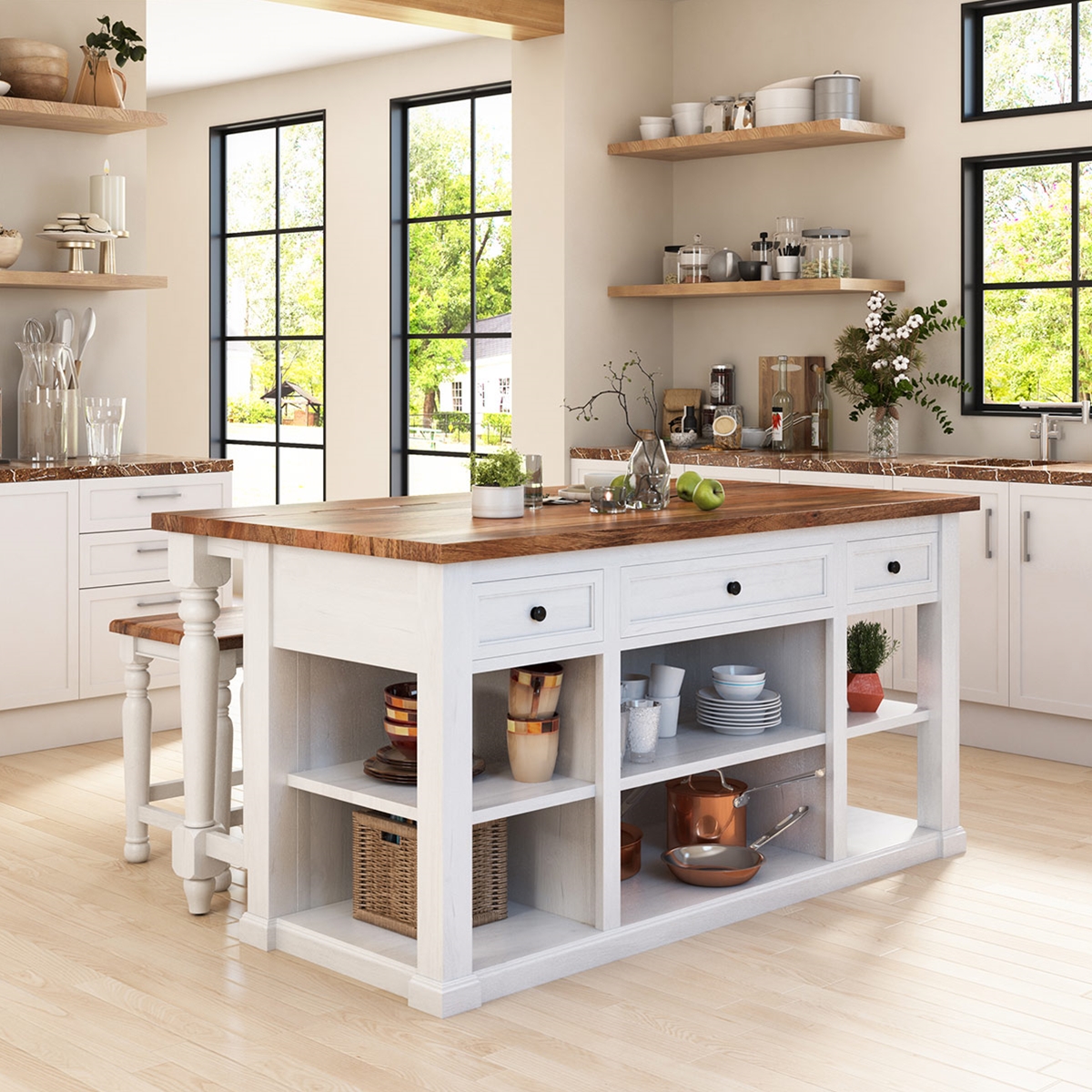
Smarter Ways to Plan a Functional Kitchen Island for Modern Living in 2026
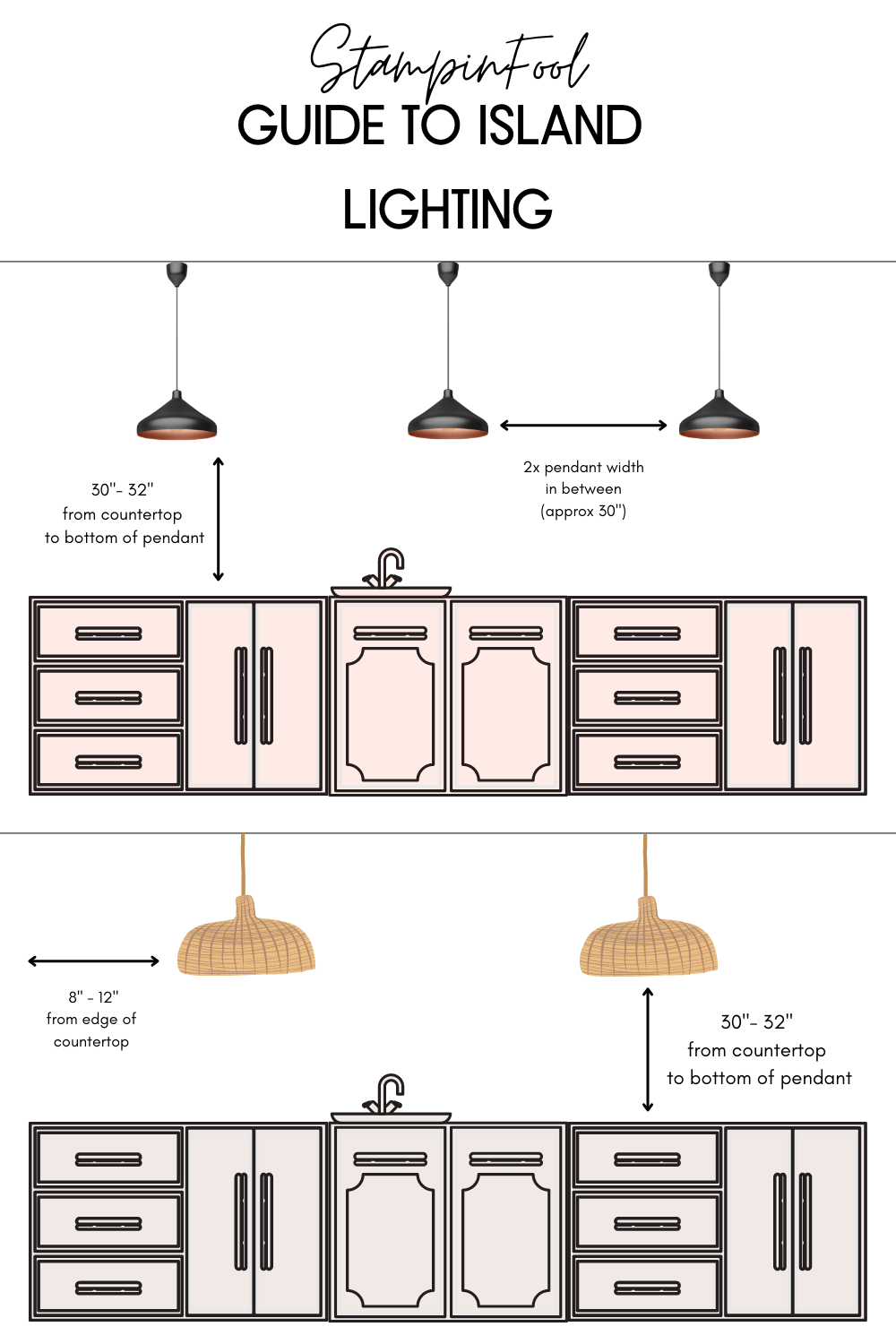
How to Layer Kitchen Island Lighting for Both Cooking and Gathering
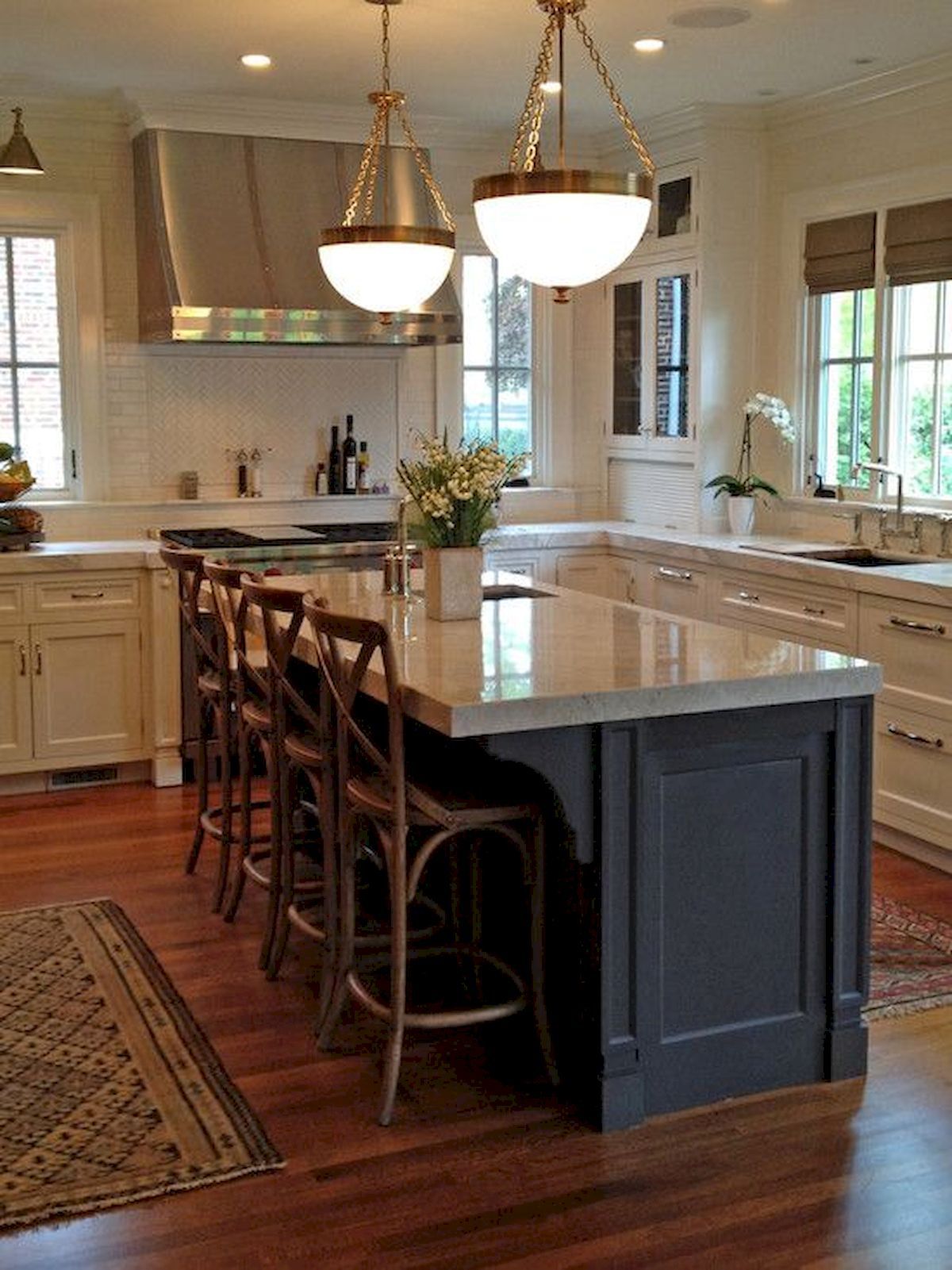
Rethinking Your Kitchen Island Layout With Ideas Grounded in Real Everyday Use

The practical benefits of using 24x48 porcelain stone effect tiles in homes

