The quiet creak of a traditional box spring under shifting weight is a minor annoyance many of us have lived with for decades, rarely questioning whether that antiquated stack of coiled wire and wood is actually serving our mattresses—or our backs. Pulling apart a guest bedroom set a few years ago during a mid-winter renovation, I found myself staring down at a sagging, dust-gathering abyss of hollow metal and fabric. That was the moment I permanently transitioned to platform bed frames across every sleeping space in my home. The architectural shift was instant: the room breathed easier, the mattress sat with unyielding support, and the awkward dead space beneath the furniture vanished.
When you strip away the bulky superstructure of vintage headboards and towering footboards, you are left with the architectural purity of the platform bed frame. Far from being a mere passing trend of minimalist interior design, these frames represent a convergence of structural engineering, spatial efficiency, and tactile materiality. Whether you are working with a compact urban apartment where every square inch dictates livability or a sprawling suburban primary suite that craves a grounding focal point, the sheer breadth of platform bed frame ideas available today requires a discerning eye.
The mechanics of how we sleep have evolved alongside interior architecture. Early iterations of platform beds rose out of the mid-century modern movement, prioritizing clean lines, low profiles, and unadorned natural woods like teak and walnut. Fast forward to the current era, and those foundational concepts have mutated into hybrids featuring cantilevered floating ledges, integrated smart-home charging hubs, upholstered bouclé headboards, and heavy-duty concealed storage drawers. Navigating this design ecosystem requires more than simply flipping through a furniture catalog; it demands an understanding of weight distribution, joinery techniques, timber dynamics, and spatial psychology.
Anatomy of Structural Support: Why Slats, Spacers, and Solid Surfaces Dictate Sleep Quality
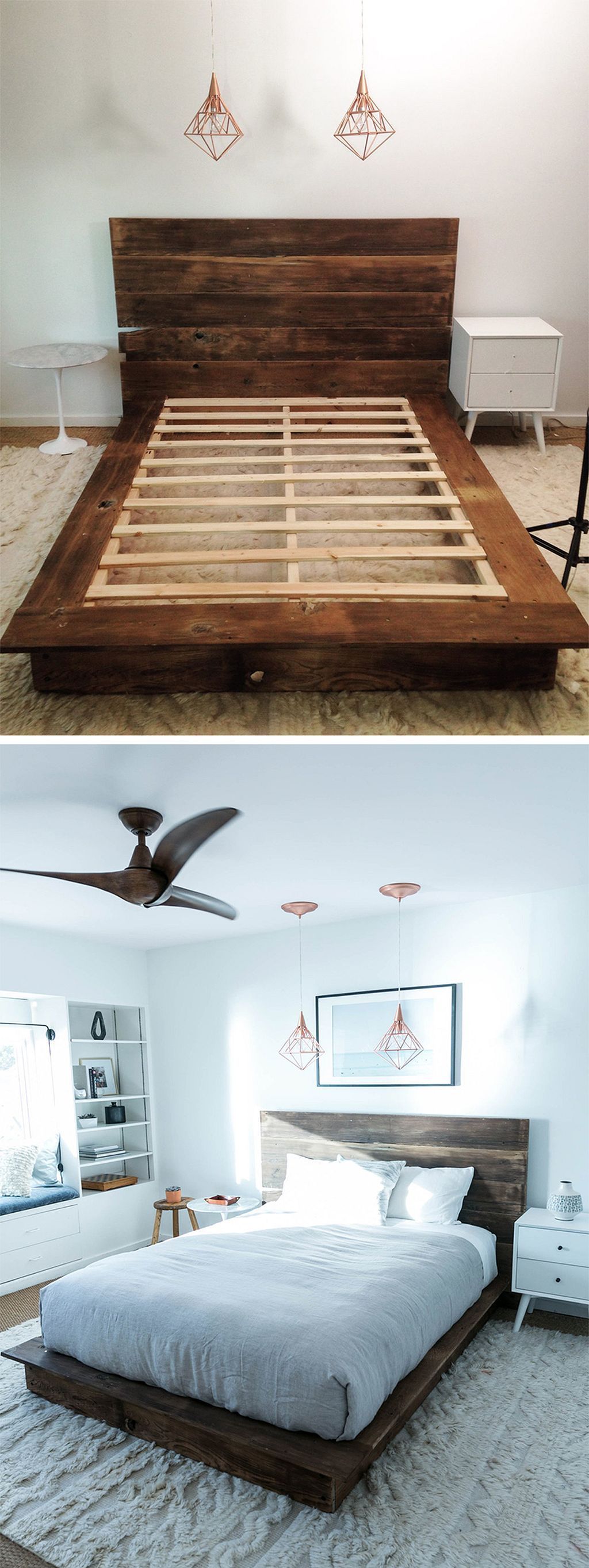
The most common misconception regarding platform beds is that any flat surface capable of holding a mattress will suffice. Years of consulting with furniture makers and sleeping on poorly engineered frames have taught me that the underlying support system is the literal spine of your sleep setup. Traditional beds rely on a box spring to absorb shock and distribute weight, but a true platform bed eliminates this middleman, placing the burden of support squarely on its internal framework—usually a grid of wooden slats or a perforated solid deck.
Timber selection dictates longevity and deflection rates. Premium platform beds utilize kiln-dried hardwoods such as white oak, American walnut, or hard maple. Softwoods like pine or fir, while budget-friendly, prone to bowing under heavy latex or hybrid mattresses over extended periods. The spacing between slats is another critical variable. Industry standards dictate that gaps between wooden slats should never exceed two to three inches, particularly if you sleep on a memory foam or pocket-coil mattress. When slat gaps exceed three inches, the flexible foam layers of modern mattresses dip into the voids, leading to premature material degradation, localized sagging, and lower back misalignment.
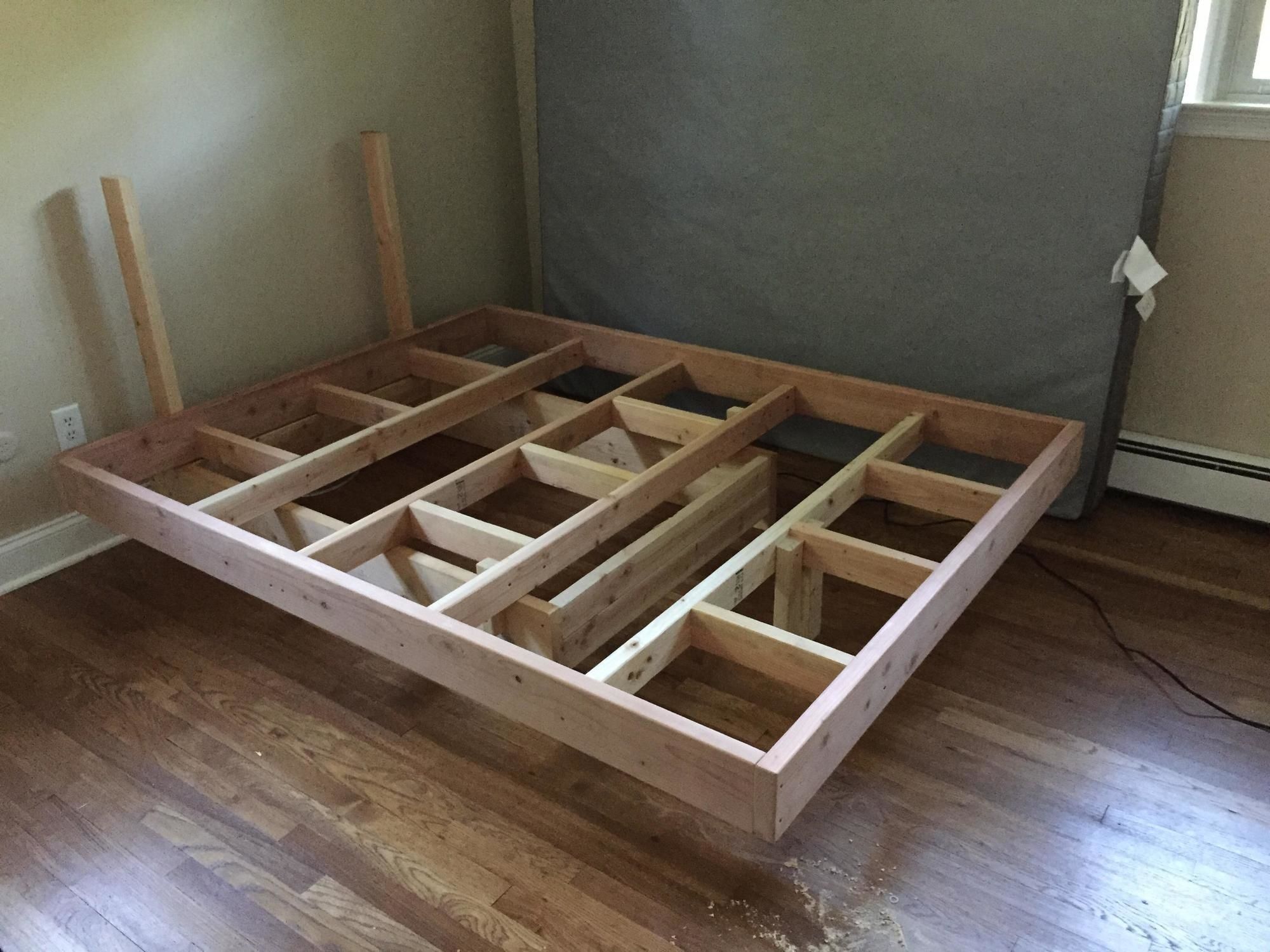
Furthermore, center support legs are non-negotiable for queen, king, and California king platform frames. A common failure point in poorly constructed budget frames is the mid-span beam bowing under dynamic loads, resulting in a catastrophic fracture of the side rails. High-end platform designs incorporate adjustable steel center support feet equipped with heavy-duty threaded glides. These allow the frame to compensate for uneven hardwood or tile flooring, eliminating the persistent wobble that plagues poorly assembled flat-pack furniture.
Architectural Styles: From Floating Cantilevered Ledges to Upholstered Storage Sanctuaries
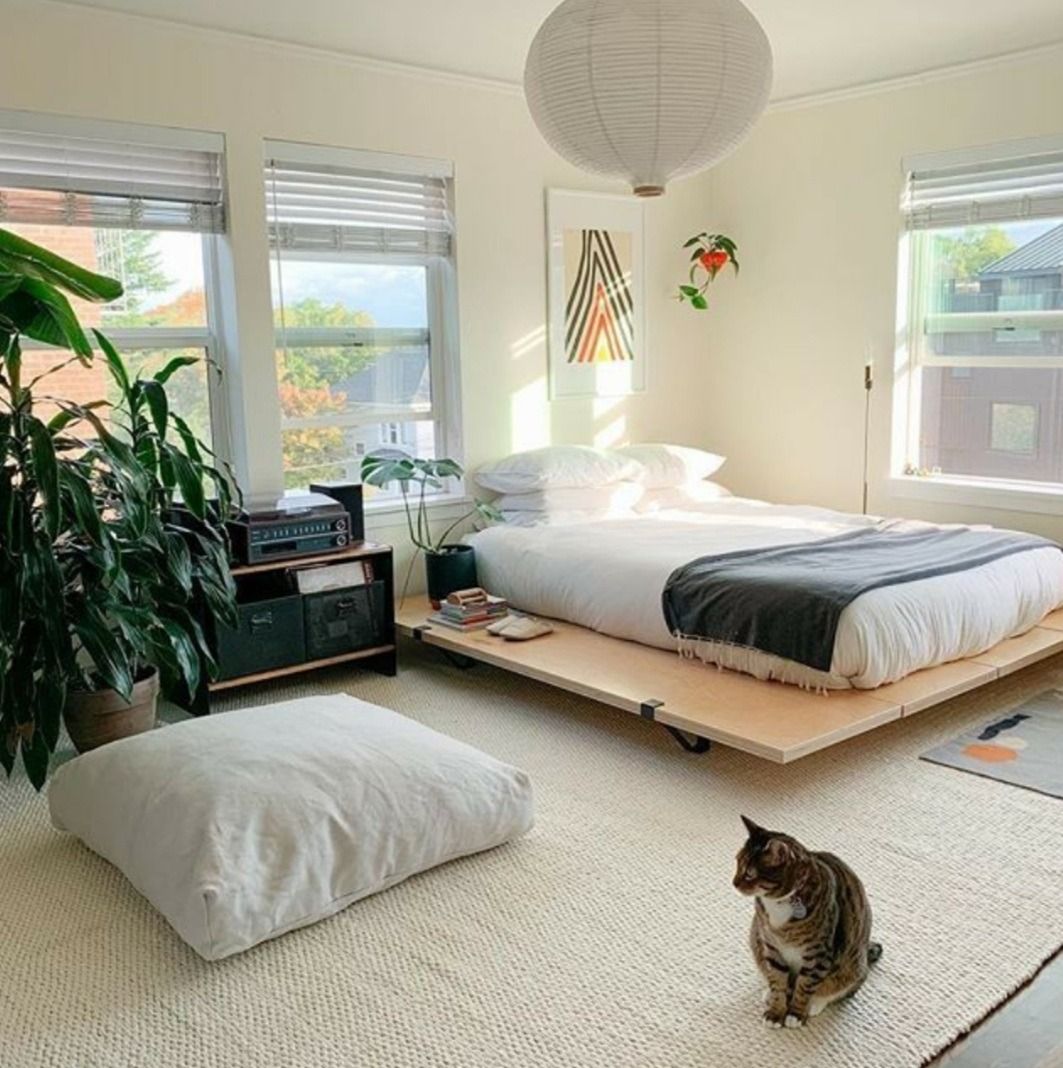
Choosing a platform bed frame style is an exercise in balancing aesthetic gravity with spatial utility. The market generally divides into three distinct architectural archetypes: the floating platform, the monolithic solid-wood frame, and the storage-integrated hybrid. Each serves a radically different lifestyle and spatial geometry, requiring careful evaluation before committing to a purchase or custom build.
Floating platform beds create a powerful optical illusion. By recessing the heavy-duty vertical support legs several inches inward from the outer perimeter of the frame, the bed appears to levitate above the floor. This illusion is often enhanced underneath by warm LED strip lighting tucked into routed channels along the underside of the rails. Beyond aesthetics, the cantilevered design prevents bruised shins during late-night navigation around the perimeter of the room. However, this style sacrifices the storage volume hidden beneath traditional frames, making it best suited for spacious rooms where minimalism reigns supreme.
On the opposite end of the spectrum, storage-integrated platform beds treat the under-bed real estate as prime architectural cargo space. Modern iterations have moved far beyond the clunky particle-board pull-out drawers of the past. Today's high-end storage platforms utilize full-extension, soft-close drawer slides mounted directly to heavy internal steel frames, or hydraulic gas-piston lift systems that allow the entire mattress platform to tilt upward effortlessly. This hydraulic design reveals a cavernous, dust-free storage compartment ideal for bulky winter duvets, out-of-season wardrobes, and luggage.
Upholstered platform frames introduce softness and acoustic absorption into the bedroom. By wrapping the structural pine or steel core in high-density foam and tactile textiles—ranging from heavy performance linens and durable chenille to rich boucle and top-grain leather—these beds function as soft architectural anchors. They are particularly effective in bedrooms with hard surface finishes like polished concrete, exposed brick, or hardwood floors, where soft furnishings are required to tame reverberant acoustics and create a cocoon-like sanctuary.

Step-by-Step Methodology for Selecting and Customizing Your Ideal Platform Bed
Finding or building the right platform bed frame requires a methodical approach that accounts for room dimensions, mattress chemistry, and long-term ergonomic needs. Rushing into a purchase based solely on an online thumbnail photo is a recipe for buyer's remorse.
Navigating Structural Pitfalls and Field-Tested Workarounds
Even high-end platform bed frames can present operational challenges if certain structural and environmental variables are overlooked during installation. Drawing from years of hands-on assembly and troubleshooting, several recurring issues demand proactive mitigation.
The Broader Impact: Sustainability, Material Longevity, and Smart Bedroom Ecosystems
The shift toward platform bed frames aligns with broader shifts in contemporary interior design toward sustainability, durability, and multi-functional space utilization. In an era where fast furniture built from particle board and foil laminate routinely ends up in landfills within three to five years, the demand for heirloom-quality platform frames crafted from sustainably harvested, FSC-certified hardwoods or recycled structural steel has surged.
Investing in a well-constructed platform bed is inherently an exercise in circular sustainability. Solid wood frames can be sanded, refinished, and repaired over decades of use, adapting to changing bedroom aesthetics through simple stain updates or textile reupholstering. Furthermore, the minimalist footprint of a platform bed requires significantly fewer raw materials to manufacture than bulky, ornate historical bed suites, reducing the carbon footprint associated with shipping and resource extraction.
At the same time, the modern bedroom has transformed into an integrated wellness and technology zone. Innovative platform bed ideas now incorporate subtle ambient lighting solutions, such as motion-activated under-bed night lighting that safely guides steps in the dark without waking a partner. Others feature integrated acoustic baffling panels within the headboard design, dampening outside urban noise pollution to foster deeper, restorative REM cycles.
Related Posts
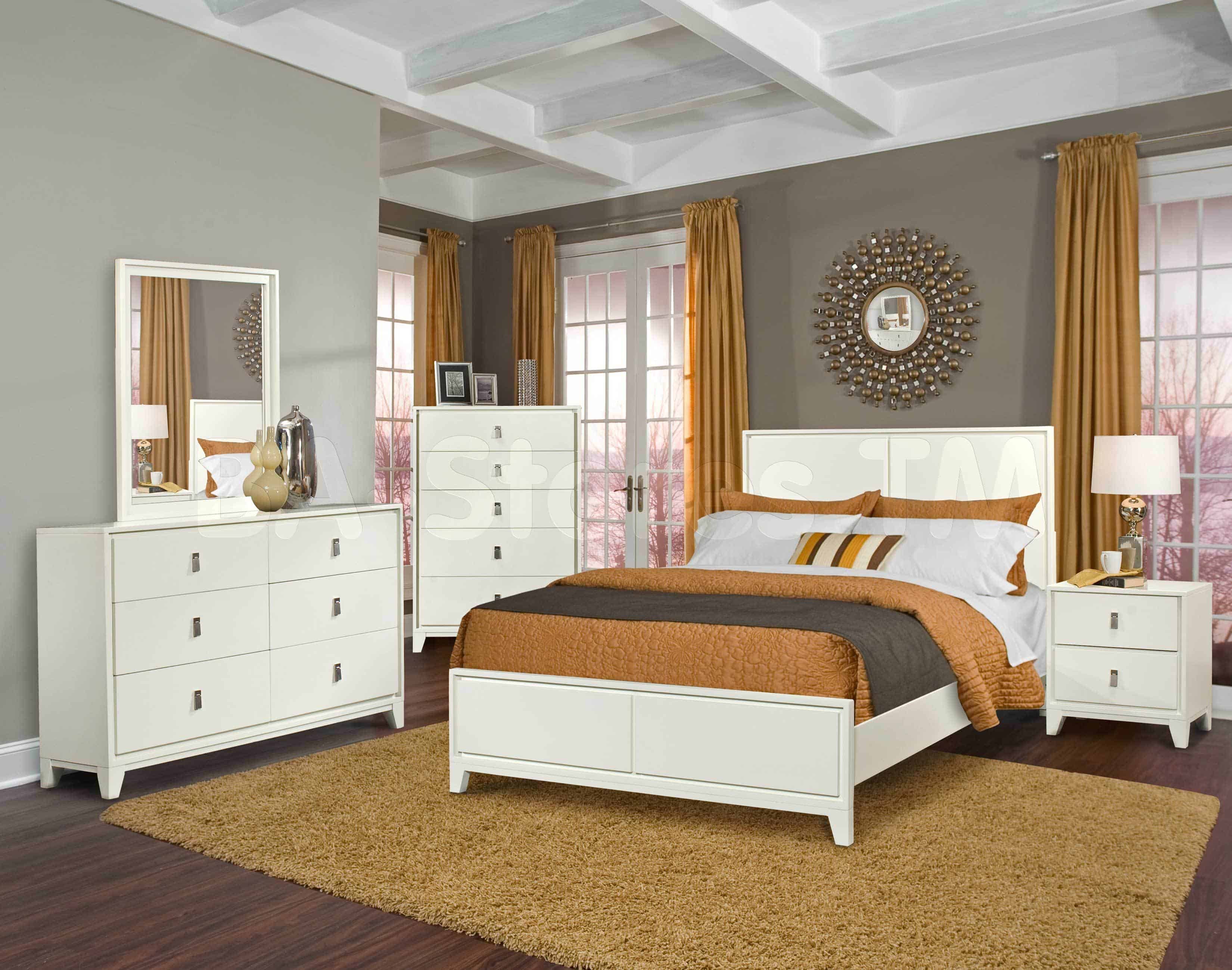
Bedroom furniture ideas that make small spaces feel calmer and more useful

Navigating Regional Styles From Provence to Paris When Designing Your French Bedroom
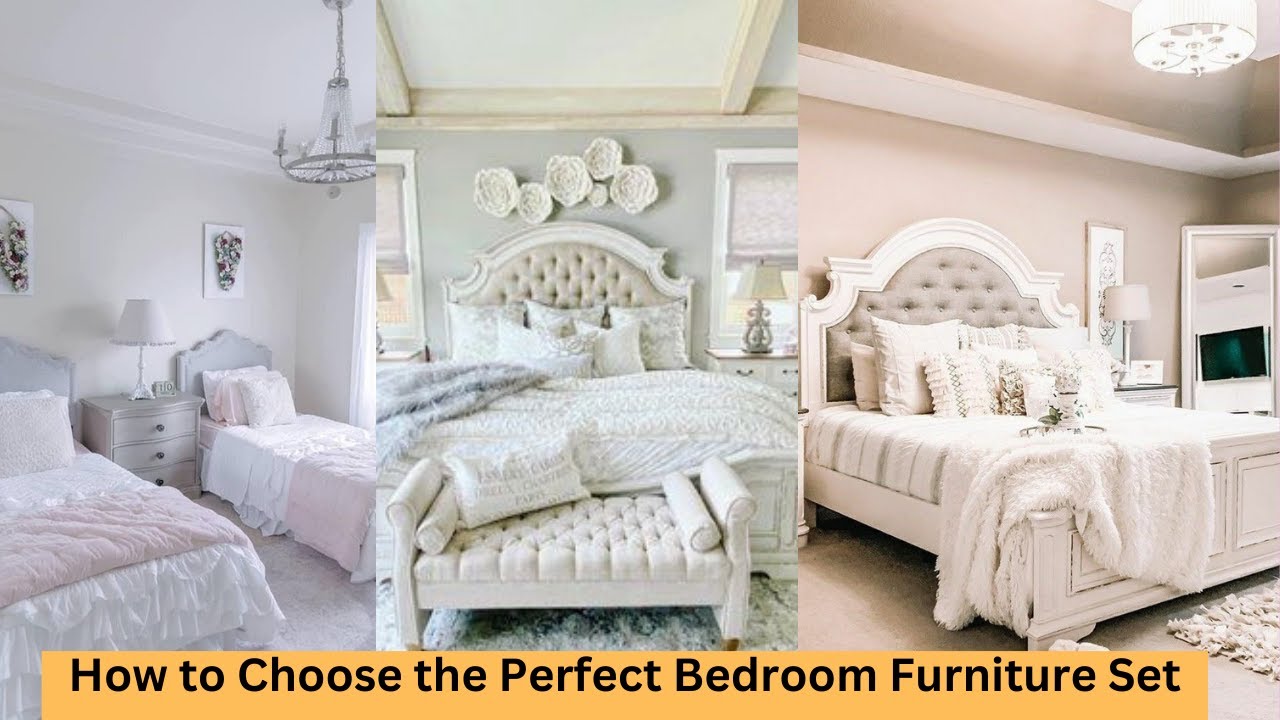
Building a Peaceful Bedroom Environment Through Better Furniture Planning Methods
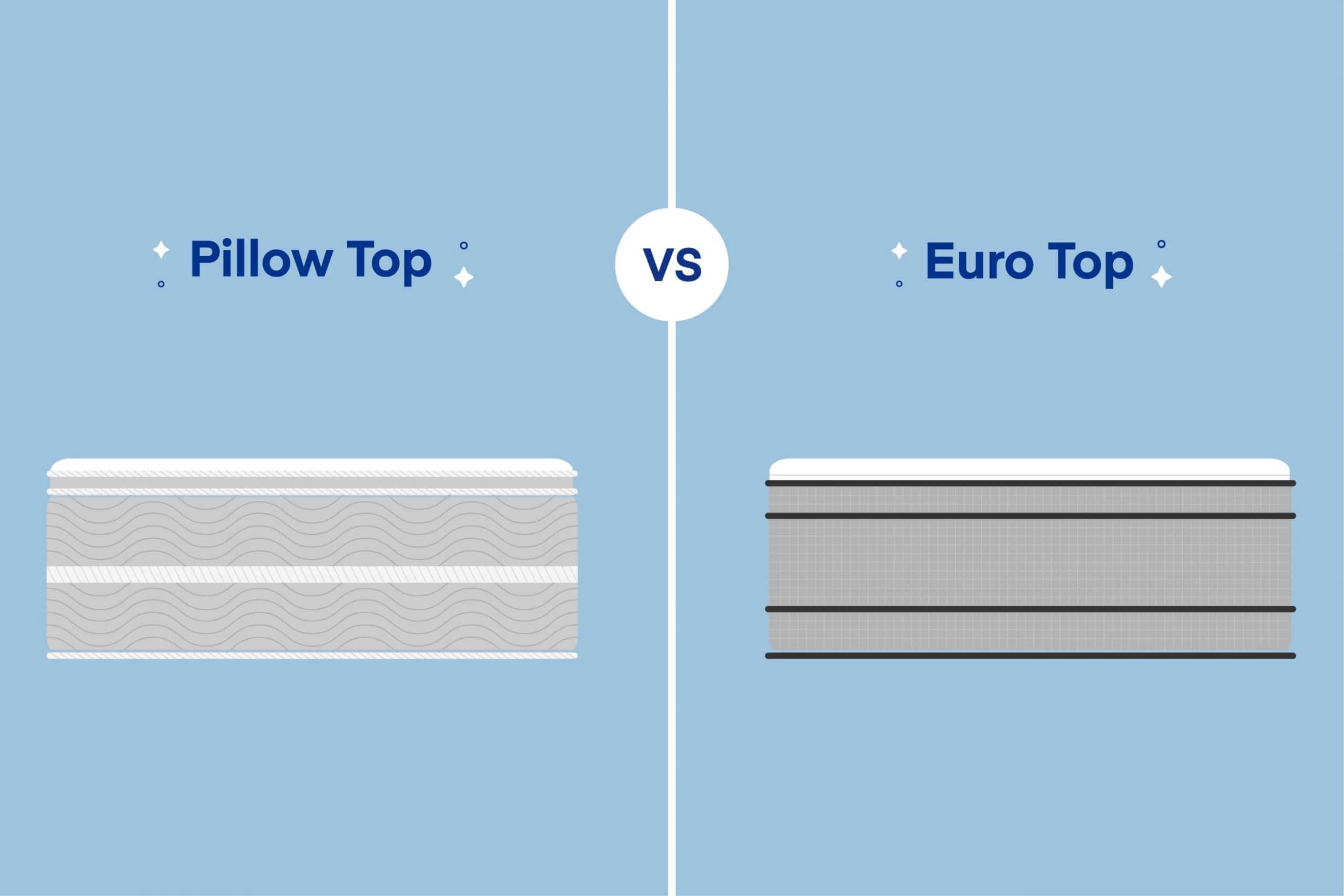
Navigating the Difference Between Flush Stitched Edges and Standard Pillow Tops
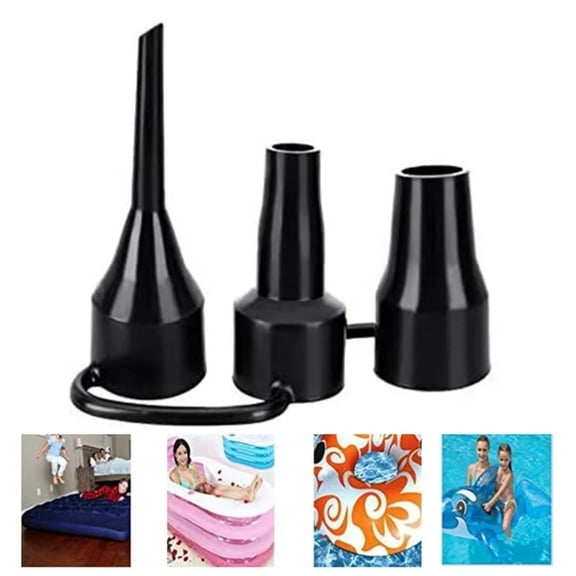
Understanding Air Valve Types to Prevent Leaks During Setup
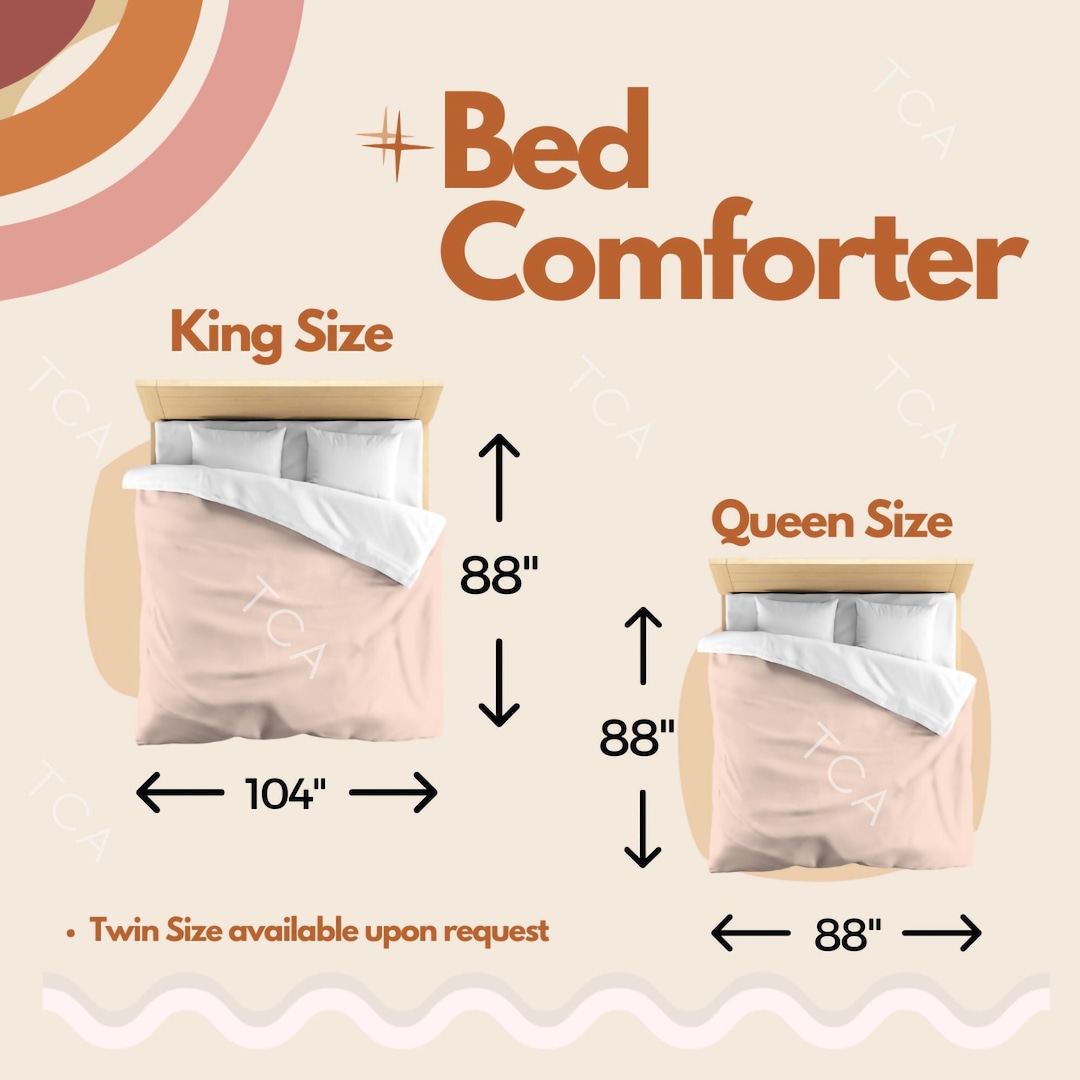
The Real Truth About Putting a King Sized Comforter on a Queen Mattress
Actionable Design Frameworks for Every Bedroom Layout
To successfully execute a platform bed integration, consider these three distinct design frameworks tailored to common spatial scenarios:
The humble platform bed frame has evolved far beyond its utilitarian origins to become a cornerstone of modern interior architecture. By stripping away redundant structures and focusing ruthlessly on structural integrity, material honesty, and spatial efficiency, these frames elevate the entire bedroom experience. Whether you choose the airy levitation of a cantilevered design, the practical ingenuity of hydraulic storage, or the tactile warmth of custom-built hardwoods, your choice of frame sets the physical and emotional tone for the most intimate room in your home.
As we look toward the future of home design, the intersection of sustainable craftsmanship, intelligent spatial engineering, and minimalist aesthetics will only deepen. Take the time to evaluate your structural needs, respect the mechanics of your mattress, and invest in a frame designed to withstand the test of time. Your sleep, your posture, and your bedroom's aesthetic evolution will thank you for it.
