Midnight arrives, bringing a quiet tug-of-war for fabric supremacy. One partner rolls over, drafting a cold breeze across bare shoulders, while the other wakes up cocooned in the entire upper deck of bedding. It is a domestic skirmish played out across thousands of households every single night. The underlying culprit is rarely malice; it is geometry. Standard bedding packages often underestimate the sheer volume of fabric required to keep two sleeping adults comfortable without midnight displacement.
This ongoing nocturnal friction drives many homeowners to look past standard sizing conventions and eye larger options. Enter the audacious idea of sizing up your top layer—specifically, asking whether a king comforter can comfortably top a queen mattress. The notion feels slightly rebellious, akin to wearing an oversized trench coat that swallows your frame. Yet, interior stylists and restless sleepers alike have championed this trick for years. The real question is whether the visual drape and physical execution actually deliver the cozy sanctuary you want, or if you will simply end up drowning in yards of misplaced microfiber.
The mechanics of bed dimensions dictate that a standard queen mattress measures roughly 60 inches wide by 80 inches long, whereas a standard king scales up to 76 inches wide by 80 inches long. That 16-inch variance in width completely shifts how textiles behave when draped over the edges. When you introduce a king-size comforter—typically sprawling anywhere from 102 to 110 inches wide by 86 to 98 inches long—into a queen-sized equation, you are dealing with a massive surplus of insulation. Understanding how to manage that extra fabric transforms a potentially messy bedroom eyesore into a five-star hotel aesthetic.
The Mathematical Reality of Mattress Dimensions and Comforter Sizes
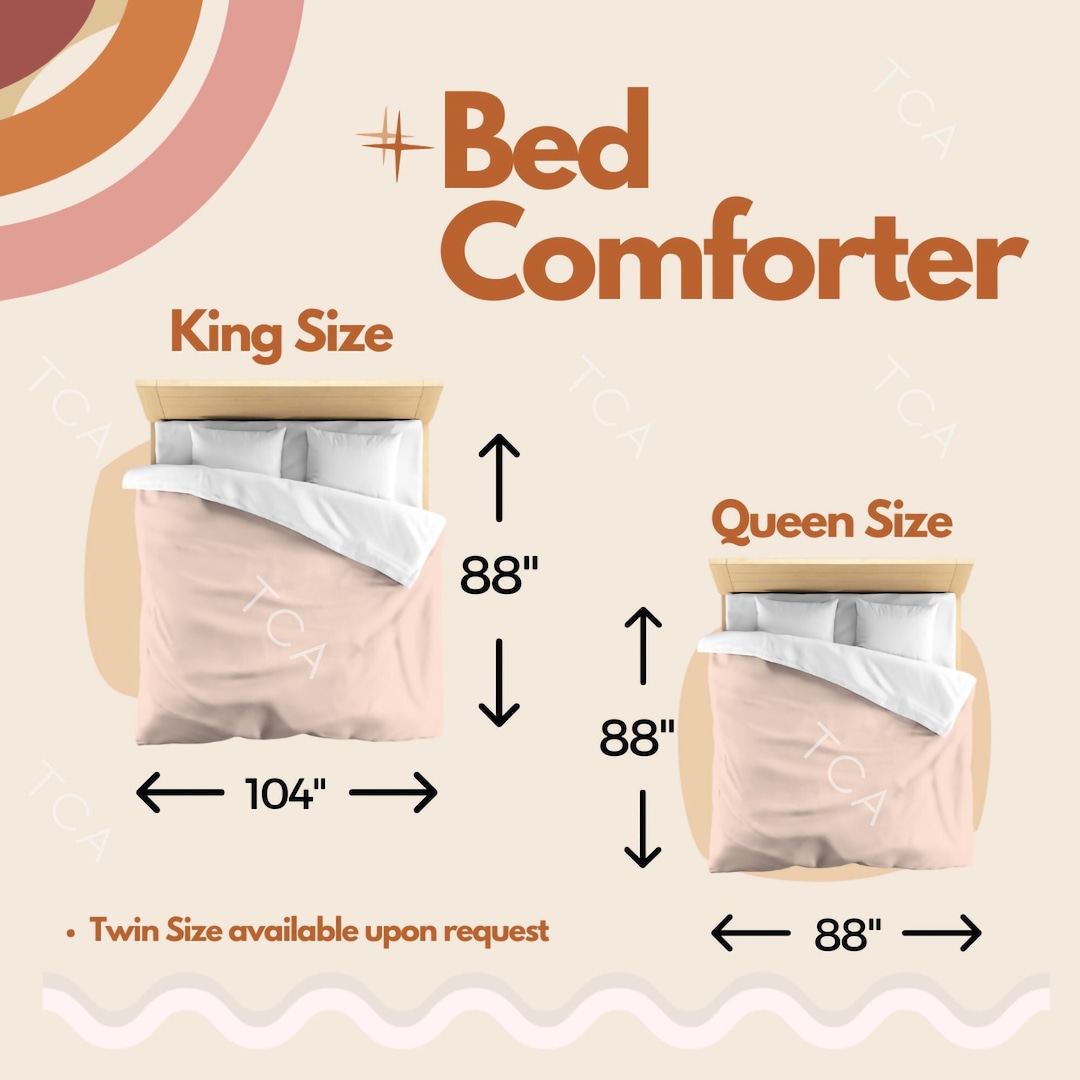
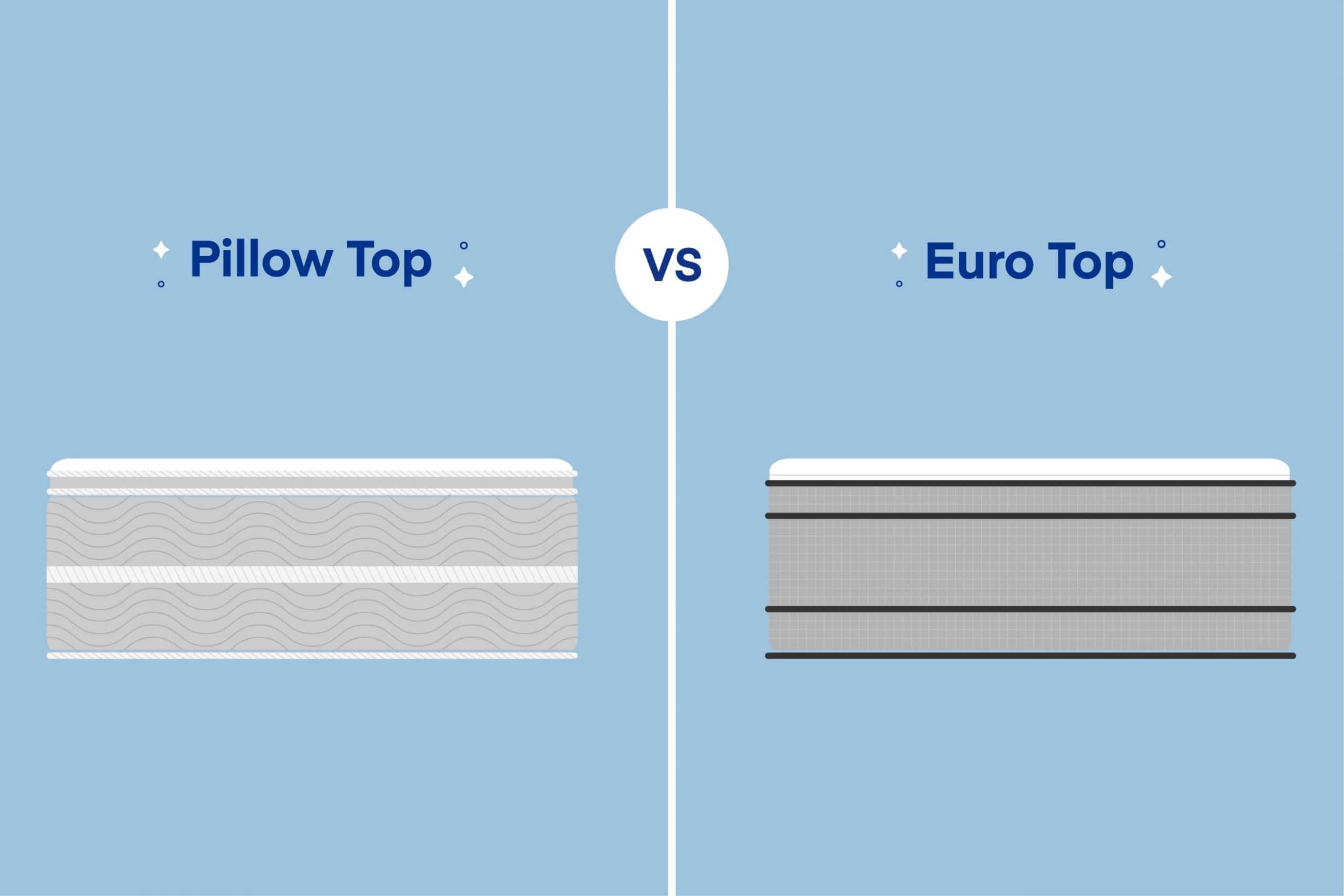
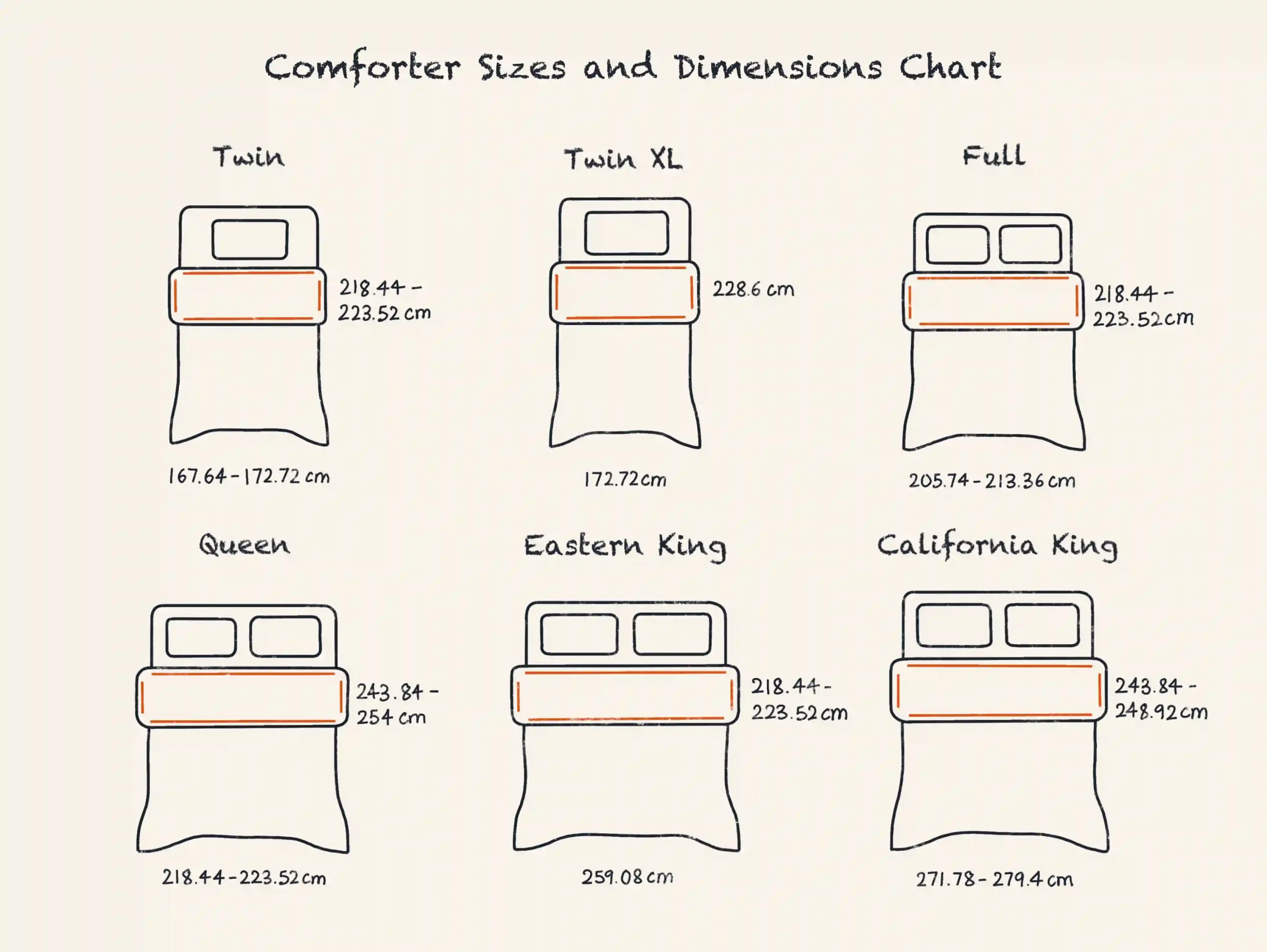
Bedding manufacturers do not operate on a universal playbook, which creates a frustrating labyrinth for consumers trying to mix and match sizes. A standard queen comforter usually lands around 86 to 88 inches wide and 92 to 96 inches long. This is intentionally engineered to provide a modest 13 to 14 inches of overhang on each side of a 60-inch-wide queen mattress, assuming a standard mattress height of 10 to 12 inches. However, modern mattresses have grown substantially thicker. Pillow-tops, memory foam layers, and foundation box springs frequently push total mattress heights well past 14 or 16 inches, leaving standard queen comforters looking frustratingly skimpy, hovering awkwardly mid-box spring.
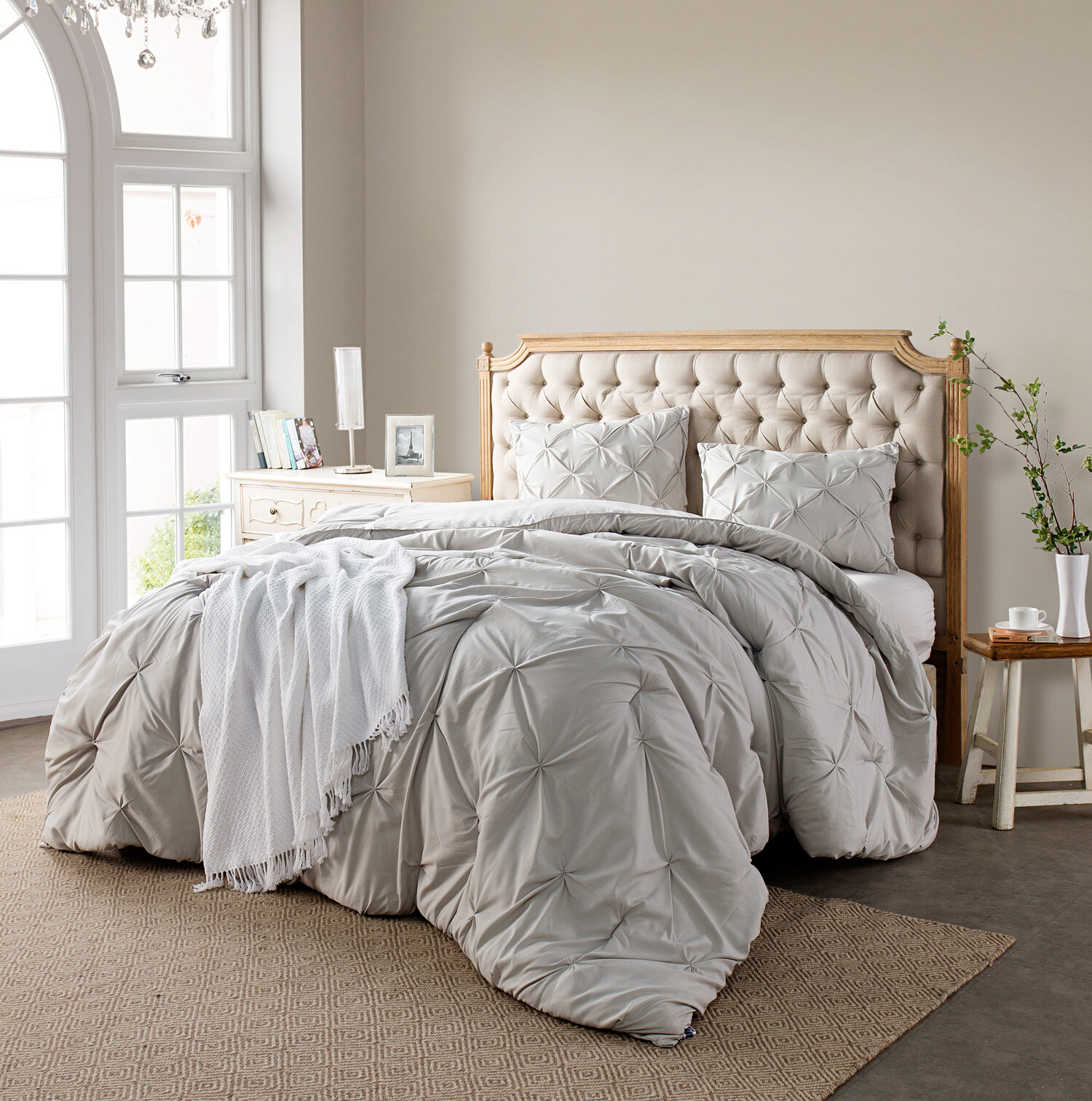
Shifting to a king comforter changes the math completely. King comforters generally range from 102 to 110 inches in width and 86 to 98 inches in length. When centered on a 60-inch queen bed, that extra width provides a generous 21 to 25 inches of drape on the left and right sides. Instead of barely grazing the top of the side rails, the hem cascades all the way down to the floor or hovers just an inch above it. This creates that coveted, plush, high-end residential look seen in boutique hotels.
Yet, length introduces a subtle wrinkle in the physics of the bed. A standard queen comforter length (around 92 to 96 inches) accounts for the mattress head, a pillow tuck, and foot-of-bed coverage. King comforters are sometimes slightly shorter in length—often around 88 to 92 inches—because king mattresses are designed to be wider, not longer, than queen beds. This means a king comforter might actually be shorter from head to toe than a dedicated queen comforter, even though it is dramatically wider. Failing to check the manufacturer's exact dimension labels can leave you scrambling for extra foot coverage.
Aesthetic Impact and the Luxury Hotel Aesthetic
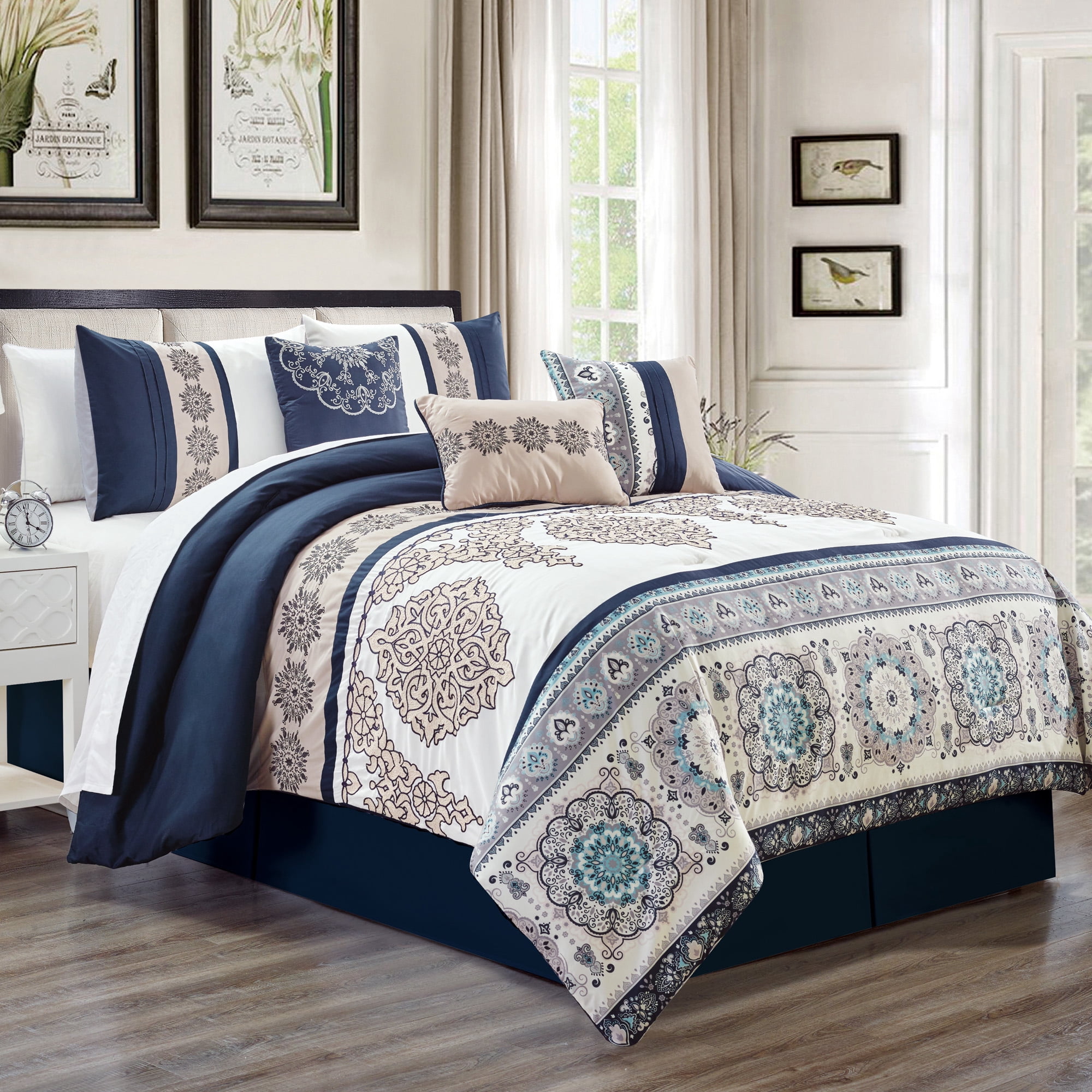
The visual language of a bedroom relies heavily on scale, proportion, and negative space. Standard-sized bedding can sometimes leave a bed looking flat, institutional, and uninspired, especially if the bed frame has a low profile or lacks a substantial footboard. An oversized king comforter on a queen bed injects an immediate sense of casual luxury. The deep, sweeping folds mimic the heavy, unstructured draping favored by interior designers who reject crisp, hospital corners in favor of a lived-in, inviting sanctuary.
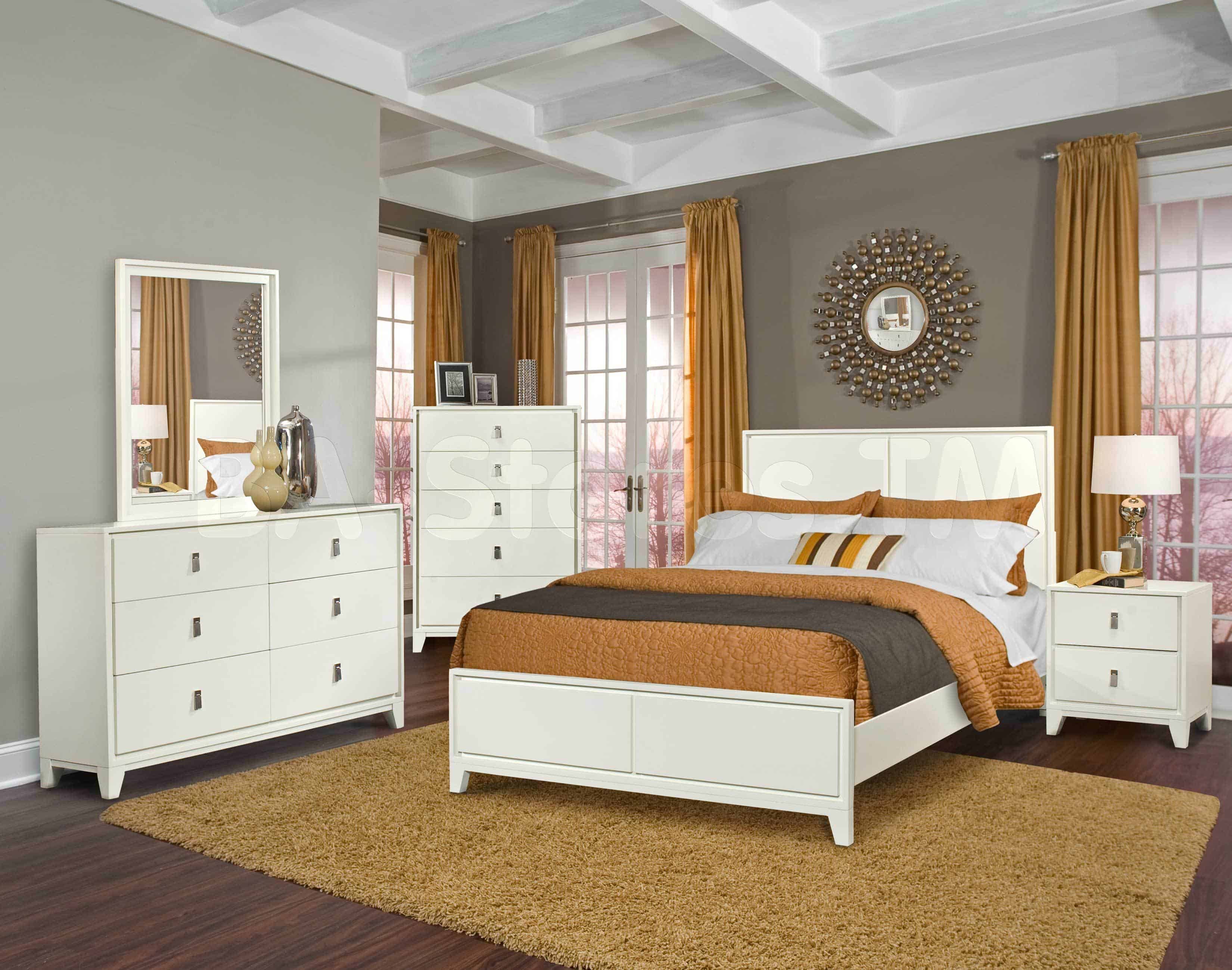
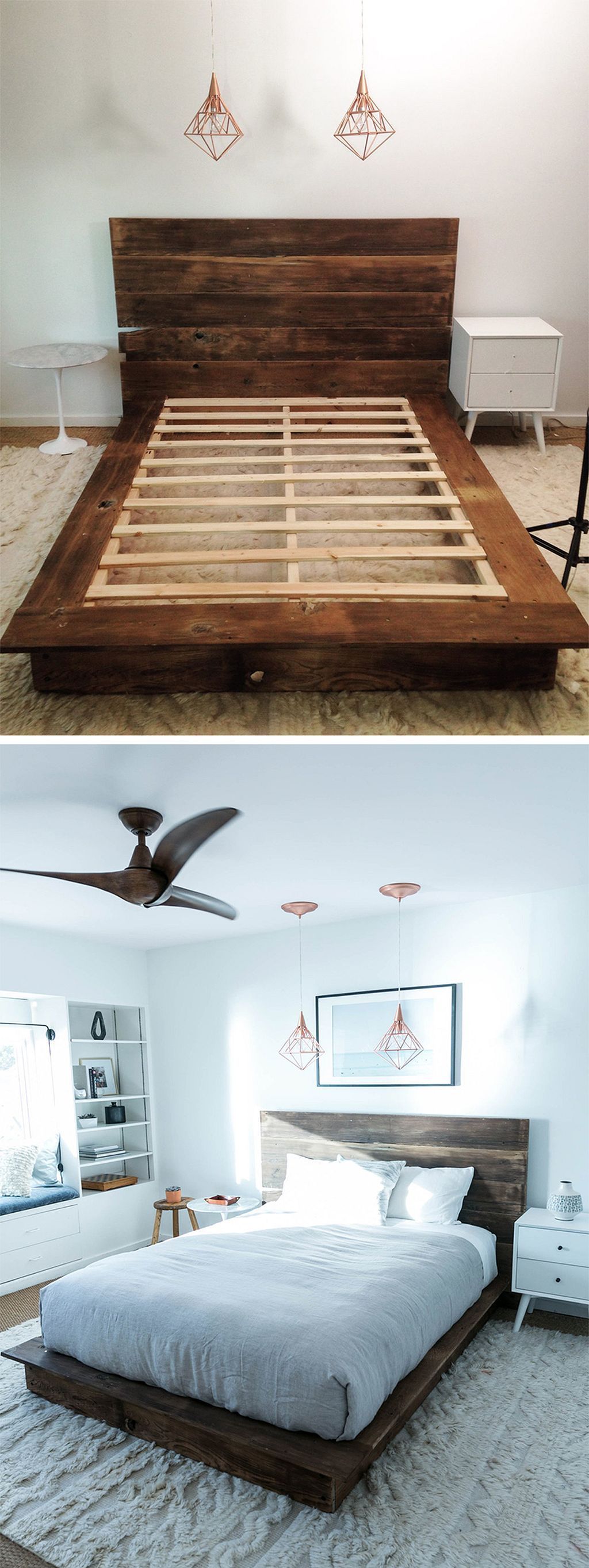
This dramatic overhang serves a functional styling purpose as well. It completely conceals unsightly box springs, bed frames, under-bed storage plastic bins, and dust ruffles that might clash with your room's color palette. If your queen bed sits on a modern platform frame with exposed metal legs or wooden slats, a king comforter cascades down to hide the hardware entirely, softening the hard lines of the room. The room instantly feels warmer, richer, and more grounded.
Balance is the primary design hurdle you must clear. Because the side drapes are so substantial, they can easily overwhelm a compact bedroom. If your queen bed is pushed directly against a wall or squeezed into a tight guest room, the extra 20 inches of fabric on one side will pool heavily on the floor, collecting dust bunnies and creating a cluttered appearance. To pull off the king-on-queen look successfully, your bed needs breathing room—ideally centered with generous clearance on both flanks.
Thermal Regulation and the Practical Realities of Sharing Space
Beyond aesthetics, sleeping mechanics dictate whether this sizing hack improves your night or ruins it. Couples sharing a queen bed frequently experience the midnight tug-of-war because standard comforters lack the width to accommodate two people tossing, turning, and creating air gaps. When one person rolls over, they pull the fabric away, exposing their partner to ambient room drafts.
A king comforter acts as an absolute game-changer for thermal continuity. The immense width ensures that even when both sleepers stretch out or pull the covers toward their respective sides, there is more than enough slack in the middle to maintain complete coverage. No one gets left out in the cold. Furthermore, the extra weight of a king-sized textile provides a gentle, grounding pressure akin to a light weighted blanket, which many sleepers find deeply comforting for nervous system regulation.
There is, however, a distinct downside regarding thermal output and laundry logistics. King comforters pack significantly more filling—down, feather, or synthetic polyester fiber—than queen variants. If you are a hot sleeper or live in a temperate climate, trapping that much insulation on a smaller bed surface can turn your mattress into a thermal trap. Additionally, washing a king comforter at home requires a high-capacity drum. Standard residential washing machines will struggle to agitate a bulky king comforter effectively, frequently resulting in unevenly soaked materials and mandatory trips to the local laundromat's commercial-grade tumble dryers.
Step-by-Step Guide to Transitioning a King Comforter to a Queen Bed
Executing this bedding upgrade requires more than simply ripping open a package and tossing it onto the frame. Precision prevents the bed from looking sloppy. Follow this tactical methodology to ensure a polished finish:
Navigating Common Pitfalls and Field-Tested Workarounds
Even with careful planning, unexpected frustrations often pop up when pairing oversized bedding with downsized furniture. Anticipating these hurdles saves you time, money, and aesthetic regret.
Economic Value, Sustainability, and Long-Term Versatility
Bedding represents a substantial household investment. High-end comforters, duvets, and quilts easily run into hundreds of dollars, making purchasing decisions worthy of careful financial scrutiny. Choosing a king comforter for a queen bed actually introduces a clever long-term economic hedge: versatility.
If you plan on upgrading your queen bed to a king-size mattress in the near future—whether due to moving, family expansion, or lifestyle changes—buying the king comforter now means you won't have to replace your top layers later. The bedding transitions seamlessly to your next mattress upgrade, sparing you a redundant purchase. This approach aligns with sustainable consumer habits by reducing textile waste and maximizing the operational lifespan of high-quality home goods.
Durability also plays a major role. Oversized bedding experiences less localized stress on the seams because there is more fabric surface area distributing tension when sleepers move underneath. Instead of the fabric pulling tight across the edges of a queen mattress and wearing out the stitching along the sides, an oversized king comforter hangs loosely, experiencing minimal structural friction. Quality textiles maintained this way retain their loft and structural integrity for years longer than tightly stretched alternatives.
Strategic Recommendations for Your Bedroom Setup
Transforming your sleep environment requires balancing personal comfort preferences with interior design principles. If you are leaning toward making the leap from standard queen bedding to an oversized king setup, keep these core takeaways in mind to guarantee success.
First, evaluate your physical room layout. Ensure your queen bed has at least 18 to 24 inches of clearance on both sides so the heavy drapes can fall naturally without bunching against nightstands or walls. Second, prioritize material weight over pure bulk. If you love the idea of a sweeping drape but despise waking up overheated, choose a lightweight cotton quilt or a baffle-box down duvet with a low fill power rather than a heavy, overstuffed polyester comforter.
Finally, treat the styling of the bed as a complete ecosystem. Do not simply swap the comforter and leave the rest of the bedding untouched. Adjust your pillow configuration, integrate a complementary throw blanket at the foot of the bed to break up solid color blocks, and ensure your fitted sheet remains tightly anchored to the queen mattress beneath.
The modern bedroom functions as much more than a place to sleep; it is a restorative sanctuary designed to counteract the relentless speed of daily life. Every detail, from the thread count of your sheets to the drape of your top layer, contributes to that sanctuary's psychological and physical restoration.
Opting for a king comforter on a queen bed is a brilliant, field-tested hack that bridges the gap between functional comfort and high-end design. It solves midnight blanket wars, hides uninspired bed frames, and delivers that coveted luxury-hotel aesthetic right into your own home. By respecting the underlying dimensions, managing the extra fabric with thoughtful styling, and choosing breathable materials, you can turn a simple bedding adjustment into a nightly upgrade. Embrace the extra fabric, refine your proportions, and step into a deeply comfortable, visually stunning sleep space tailored entirely to your well-being.