The alarm goes off at six, but the room itself tells a quieter story before you even hit the floor. Dust motes drift through a shaft of morning light cutting across the grain of a vintage walnut dresser. Beneath your bare feet, the flooring transitions from engineered oak to a low-pile wool rug. This isn't just a collection of matching items bought off a showroom floor; it is a meticulously calibrated ecosystem of wood, fabric, iron, and negative space designed for a singular biological imperative: human restoration.
Most people treat the bedroom as an afterthought, dumping ground for half-worn clothes and mismatched hand-me-downs after the public-facing areas of the house are polished. Yet sleep science and spatial psychology continually remind us that our immediate environment directly dictates our nervous system's ability to downshift. When you step into a well-composed bedroom, your shoulders drop. That visceral exhale doesn't happen by accident. It is the direct result of deliberate furniture geometry, tactile material selections, and an uncompromising refusal to let visual clutter hijack your peace.
Over the past decade working with residential architects and interior designers, I have watched the philosophy around sleeping spaces shift dramatically. The heavy, monolithic seven-piece bedroom suites of the late twentieth century—matching nightstands, towering armoires, and oversized dressers all hewn from the exact same stain—have given way to a more organic, collected aesthetic. People want rooms that breathe. They want pieces that tell a story, honor material authenticity, and adapt to the realities of contemporary living, where square footage is premium and multifunctional design is mandatory.
Historically, the bedroom evolved from a communal, multi-use chamber in medieval Europe—where beds were status symbols crowded with family and servants—into the intensely private, sanitized sanctuaries of the post-industrial era. Today, the pendulum has swung again. We demand more from our bedrooms because our lives are chronically over-stimulated. Our furniture choices can either amplify that digital fatigue or act as a physical buffer against it. Achieving this requires looking past catalog styling and understanding the structural anatomy of what makes a room functional, ergonomic, and emotionally resonant.
Decoding the Anatomy of Sleep Infrastructure and Bed Frames
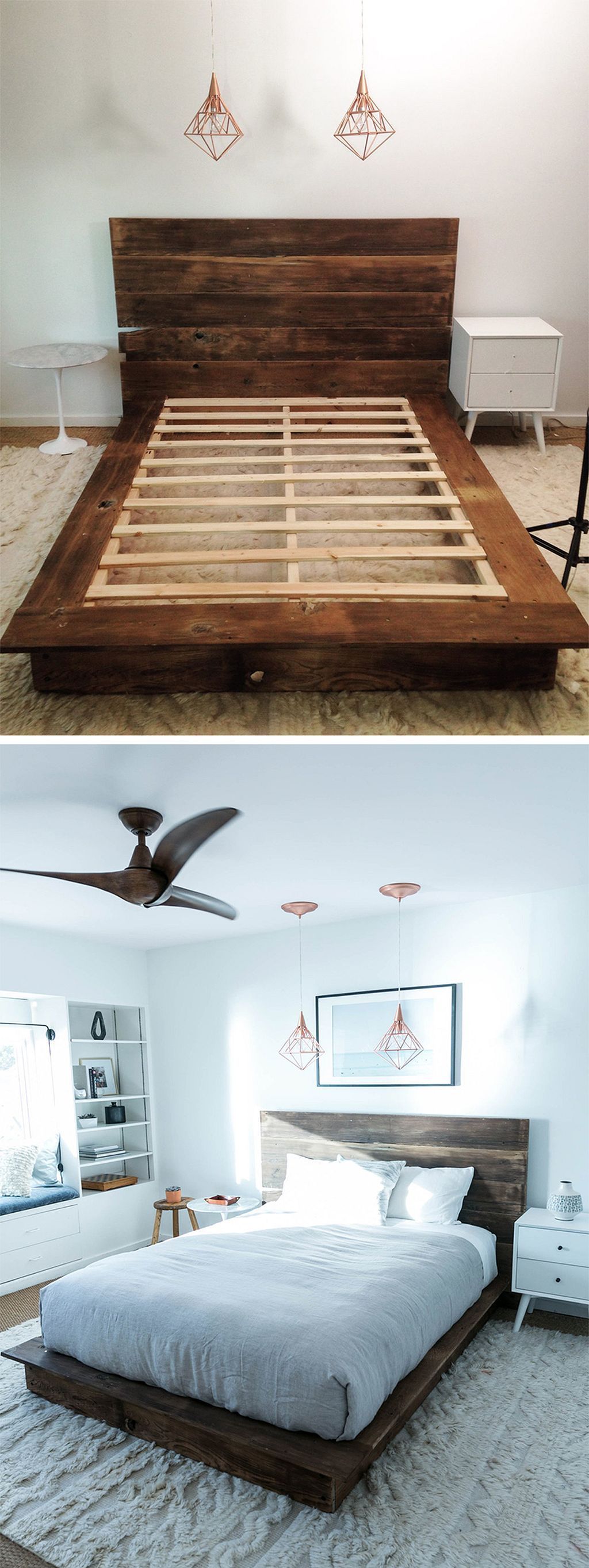
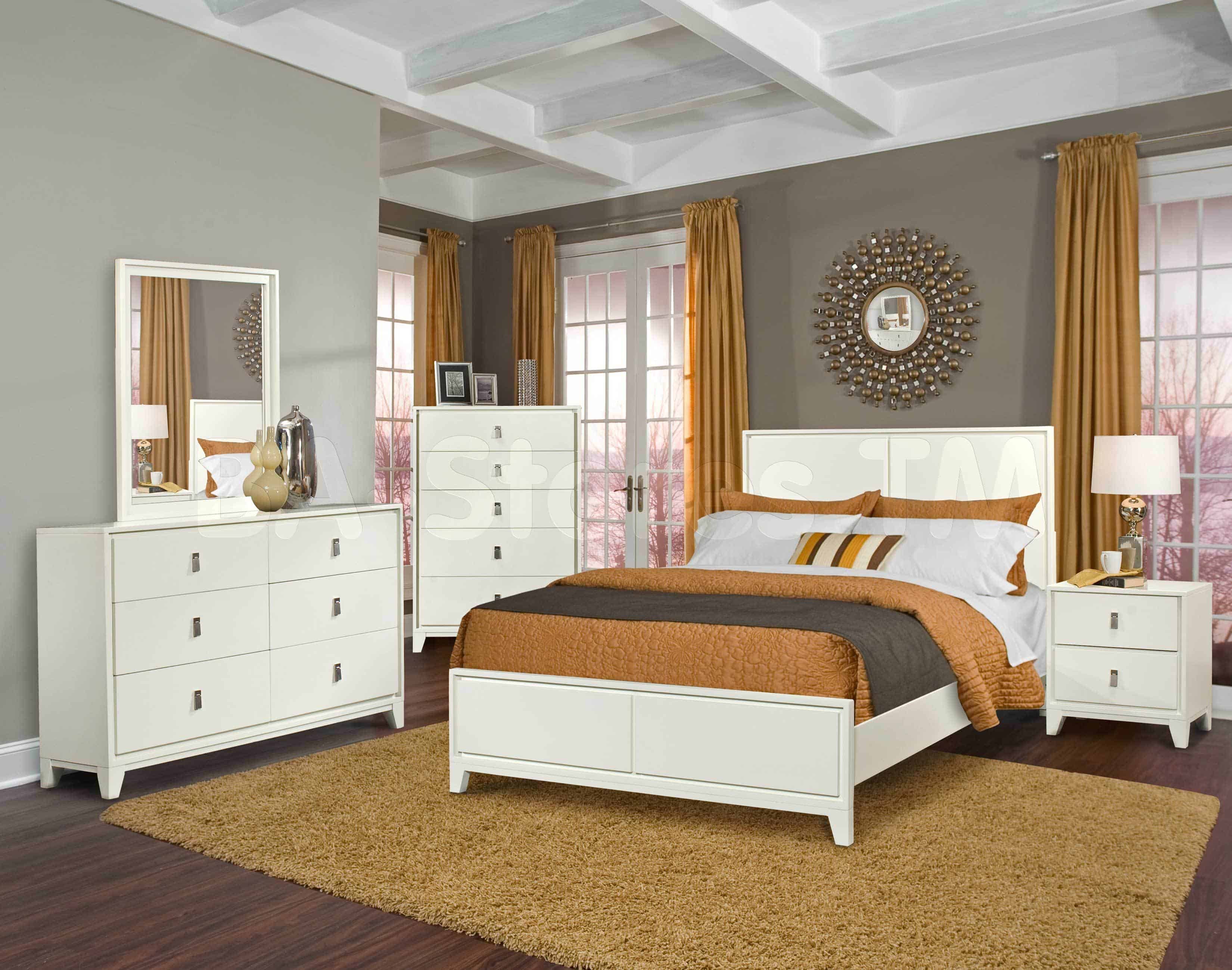
The bed is the architectural anchor of the room, dictating every sightline, clearance measurement, and traffic pattern. When evaluating bed frames, the structural integrity matters far more than surface veneer. Hardwoods like kiln-dried American walnut, white oak, and hard maple offer exceptional load-bearing longevity, resisting the seasonal warping that plagues cheaper softwoods or moisture-sensitive particle board. Plywood slat systems with center support legs have largely replaced traditional box springs in modern design, providing a low-profile platform that keeps high-density foam or hybrid mattresses properly ventilated and supported.
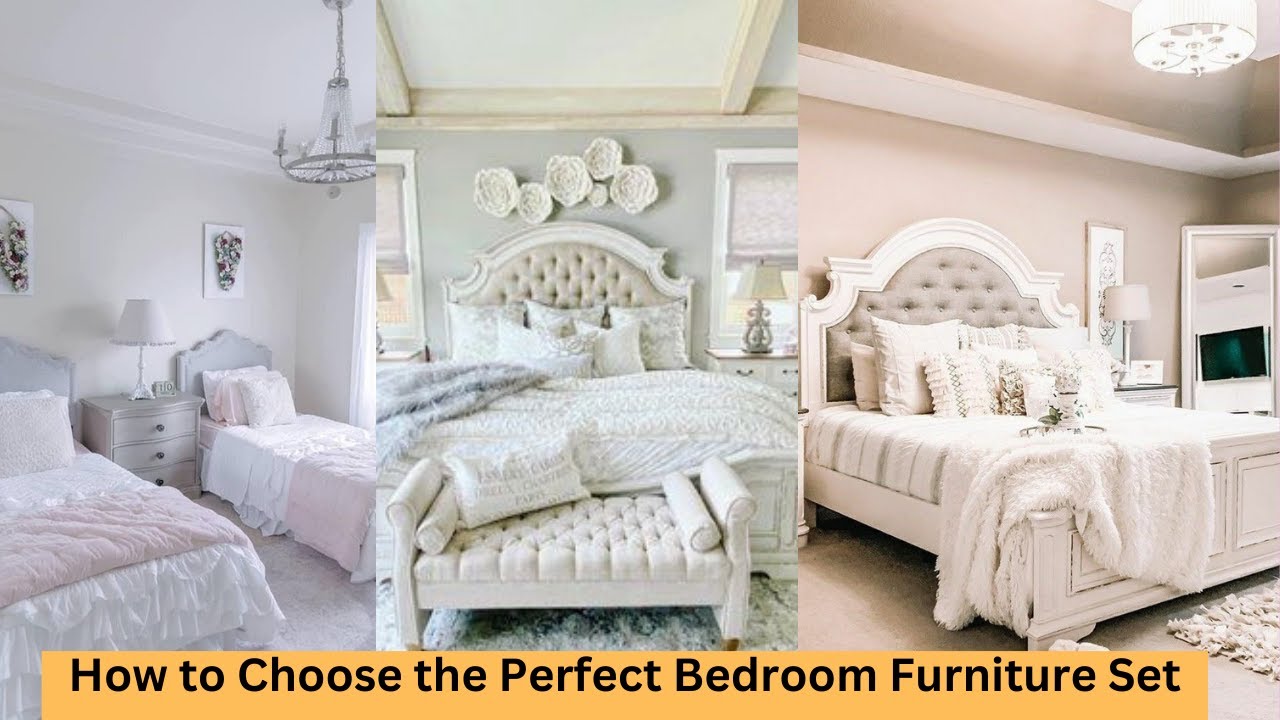
Upholstered beds introduce a crucial acoustic element that hard wood frames lack. If your bedroom suffers from echo or hard surface reverberation, a fabric headboard upholstered in performance linen, velvet, or textured boucle acts as a soft sound baffle. However, upholstered styles require maintenance consideration; dust accumulation and pet hair demand regular vacuuming with an upholstery attachment. Conversely, minimalist metal frames crafted from raw steel or brass bring an industrial lightness to small rooms, creating visual permeability that allows light to pass underneath and visually expand the floor plan.
Headboard height and scale are frequently miscalculated by homeowners. A low-profile platform bed works brilliantly in rooms with standard eight-foot ceilings, keeping the visual weight low to the ground and making the room feel expansive. Conversely, soaring ceilings demand high-backed architectural headboards or integrated wall-paneling systems to anchor the vertical plane. Ignoring ceiling height creates a jarring imbalance, leaving the bed looking stranded in a vast sea of empty wall space.
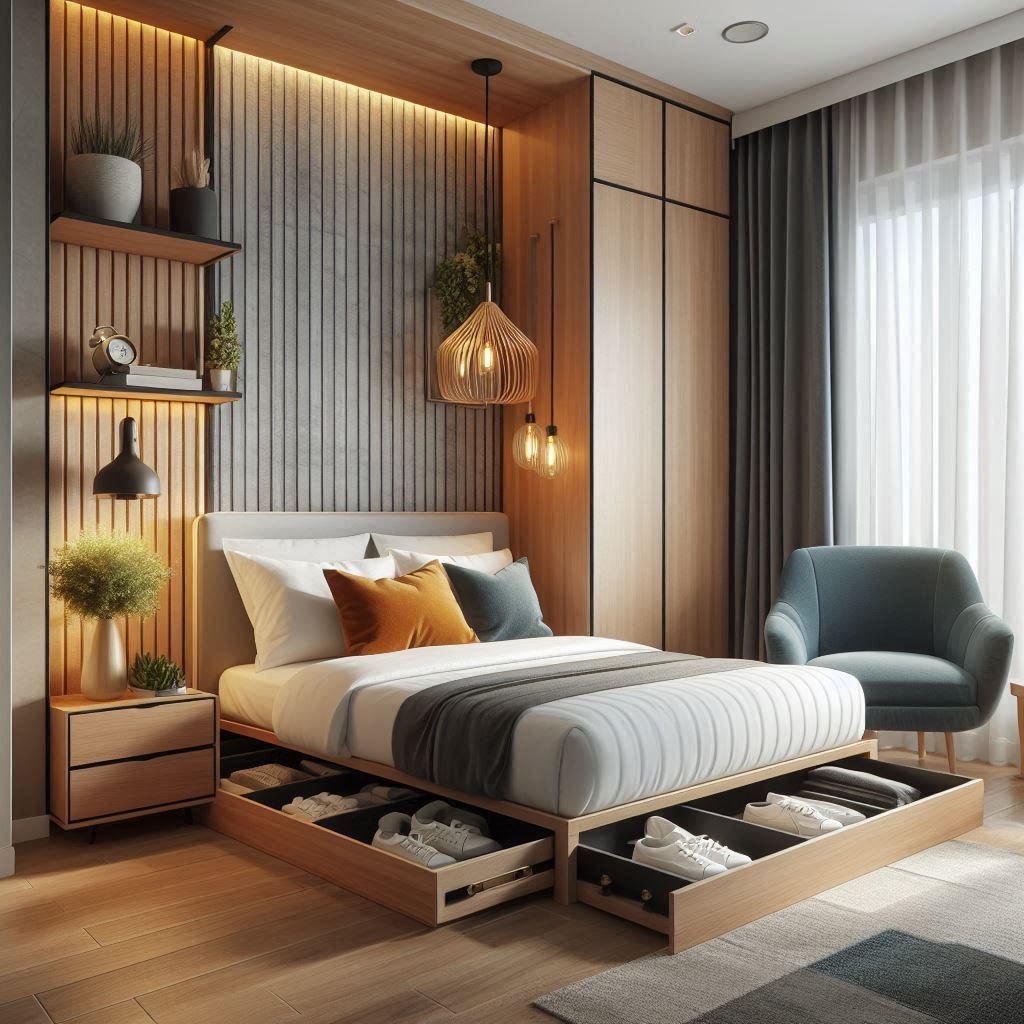
The orientation of the bed within the room dictates psychological comfort as much as spatial efficiency. While spatial constraints often force the bed against a specific wall, whenever possible, position the bed so you have a direct line of sight to the door without being directly aligned with it—a spatial arrangement rooted in classical interior design principles that maximizes a sense of security. Flanking the bed requires careful proportioning: nightstands should ideally reach the same height as the top of the mattress or sit an inch or two lower, ensuring a natural reach angle in the dark.
Mastering Storage Density Without Compromising Visual Breathing Room
Storage is the silent predator of bedroom serenity. Without dedicated systems to absorb clothing, linens, and personal items, flat surfaces inevitably accumulate clutter, raising cortisol levels the moment you walk through the door. The primary challenge lies in balancing storage volume with visual lightness. A massive, floor-to-ceiling dresser made of dark cherry wood might swallow your entire wardrobe, but it will also suffocate a compact twelve-by-twelve bedroom, making the space feel oppressive and cramped.
Floating nightstands and wall-mounted dressers represent a masterclass in space manipulation. By lifting storage elements off the floor, you expose the continuous flooring underneath, tricking the brain into perceiving a larger room volume. For those requiring heavy-duty storage, verticality is your greatest ally. Rather than spreading dressers horizontally across every available wall, invest in a tallboy chest of drawers that exploits vertical airspace while maintaining a minimal floor footprint.
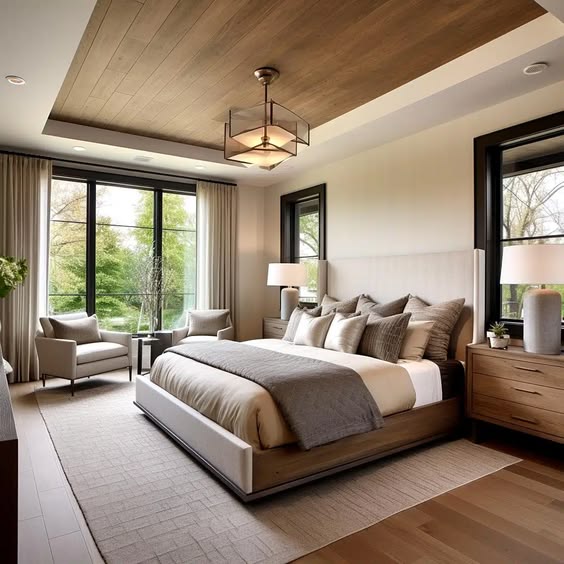
Under-bed storage deserves a sophisticated approach. Avoid cheap plastic bins sliding across dusty floors; instead, integrate platform beds featuring built-in, soft-close drawer banks or gas-lift hydraulic mechanisms that raise the entire mattress platform. This hidden volumetric space is ideal for out-of-season duvets, extra pillows, and winter gear. When selecting freestanding wardrobes or armoires, look for interior modularity—adjustable shelving, pull-out valet rods, and integrated jewelry trays that transform the interior into a bespoke dressing system.
Material choice plays an active role in how storage furniture impacts room acoustics and light reflection. High-gloss lacquered finishes bounce natural light around north-facing rooms, while reeded wood panels, woven cane inserts, and fluted detailing introduce subtle texture and shadow play. The goal is to choose pieces that possess architectural interest of their own, ensuring the storage functions as a sculptural art piece rather than a utilitarian box.
Step-by-Step Methodology for Space Planning and Furniture Layout
Designing a functional bedroom requires rigorous spatial discipline. Skipping measurement protocols or ignoring traffic clearances is the single most common reason rooms feel chaotic or difficult to navigate. Follow this field-tested framework to map out your room before spending a single dollar on furniture.
Navigating Common Pitfalls and Field-Tested Workarounds
Even experienced designers occasionally misjudge the complex variables of bedroom layouts. Avoiding predictable missteps saves both money and frustration, ensuring your investment yields a timeless, livable space.
The Broader Impact: Sustainability, Circadian Design, and Longevity
The conversation around bedroom furniture has evolved far beyond superficial aesthetics into the realms of human health and environmental stewardship. In an era dominated by fast furniture culture that treats home goods as disposable commodities, investing in heirloom-quality pieces represents both an economic and ecological imperative. Furniture constructed from sustainably harvested, Forest Stewardship Council (FSC) certified timber or reclaimed old-growth lumber carries a significantly lower carbon footprint and avoids the toxic glues and synthetic finishes associated with mass-market manufacturing.
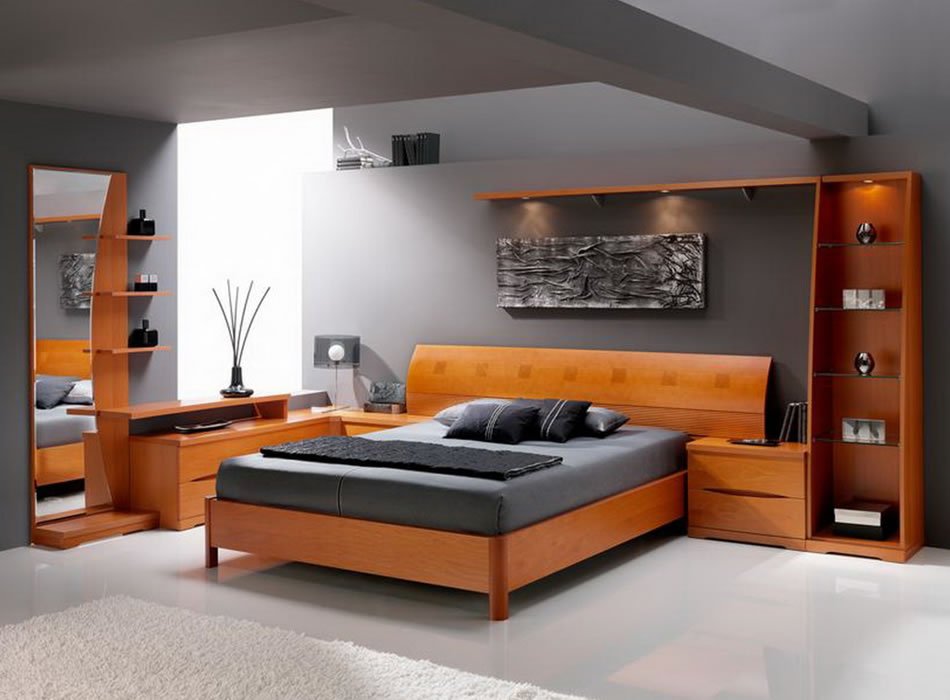
Circadian interior design is another critical frontier. We now understand that the materials and colors surrounding us in our sleeping quarters directly impact our hormonal health. Non-toxic finishes, natural organic textiles, and furniture devoid of synthetic plastics reduce indoor air pollutants that off-gas in warm environments. Furthermore, integrating biophilic design principles—such as exposing natural wood grain, utilizing stone surfaces, and incorporating living plants—helps bridge our innate human need to connect with nature, even within urban high-rise apartments.
Economic value aligns cleanly with sustainability. While solid wood furniture carries a higher upfront capital investment compared to flat-pack alternatives, its longevity spans decades rather than years. A well-joined white oak dresser or a hand-knotted wool rug can be refinished, repaired, and passed down through generations, breaking the cycle of consumer waste. When you purchase furniture built with traditional joinery like mortise and tenon or dovetailing rather than cam-locks and staples, you are buying structural resilience that withstands multiple moves and shifting life stages.
This long-term mindset also influences how we curate our spaces for adaptability. A nursery changing table can later serve as a hallway console; a bedside bench can transition to an entryway seating drop zone. By selecting versatile, high-craftsmanship pieces with timeless silhouettes rather than hyper-trendy designs, your bedroom furniture evolves gracefully alongside your changing lifestyle requirements without demanding a complete room overhaul every few years.
Strategic Recommendations for Curating Your Personal Sanctuary
Translating high-level design theory into an actionable shopping and styling plan requires prioritizing where to allocate your budget and how to sequence your purchases. Not all furniture pieces carry equal weight in terms of daily tactile interaction and visual dominance.
Creating a deeply restorative bedroom is ultimately an exercise in self-care translated into physical space. When you strip away the digital noise, the unnecessary knick-knacks, and the poorly scaled furniture, what remains is an environment designed entirely to honor your need for quiet, renewal, and deep sleep. It requires patience to resist the instant gratification of impulse-buying matching catalog sets, and discipline to prioritize quality craftsmanship over transient trends.
As our world grows increasingly complex and connected, the physical bedroom remains one of the last true sanctuaries of autonomy. By treating your furniture choices not as mere decor, but as the structural architecture of your daily recovery, you transform the room from a simple place to sleep into a profoundly grounding engine for well-being. Take your time measuring, invest in materials that age with grace, and design a space that welcomes you home to yourself every single night.