Midnight at a secluded campsite drops the temperature to a crisp forty degrees, and the last thing any traveler wants to face is a whistling, half-deflated air mattress. You pull out a brand-new electric pump, only to watch the nozzle slip right past the recessed Boston valve with a pathetic hiss. That sickening realization—that your high-velocity pump and your luxury air bed speak two completely different mechanical languages—ruins countless outdoor adventures every weekend.
The humble air pump adapter is the unsung hero that bridges this frustrating gap. Whether you are prepping a plush guest bed in your living room, inflating a rigid paddleboard at dawn, or packing down a rugged river raft, the right connector transforms chaotic pressure management into a seamless, five-second operation. Yet, navigating the maze of millimeter measurements, proprietary locking tabs, and rubber gaskets can feel like deciphering ancient geometry.
Understanding how these small pieces of molded plastic and silicone interact with pneumatic systems separates a comfortable night of restorative sleep from a freezing night on the cold ground. Over the years, the manufacturing landscape of inflatable gear has evolved past single-purpose pumps. Modern gear demands versatility, and mastering the architecture of air pump adapters unlocks total independence from proprietary inflator ecosystems.
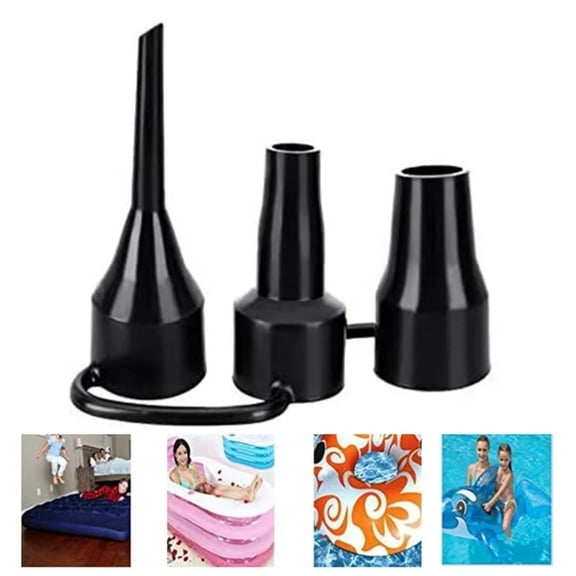
Decoding the Anatomy of Valves and Air Mattress Connectors
Air retention relies entirely on a delicate equilibrium between atmospheric displacement and mechanical closure. At the heart of every air mattress lies a specific valve architecture designed to trap air under continuous body weight. The most common varieties include the ubiquitous dual-lock Boston valve, the wide-mouth pinch valve found on budget-friendly pool toys, and the threaded military-style valves imported from water sports gear. Each of these apertures requires a mating surface that achieves an airtight seal without distorting the surrounding vinyl or PVC fabric.
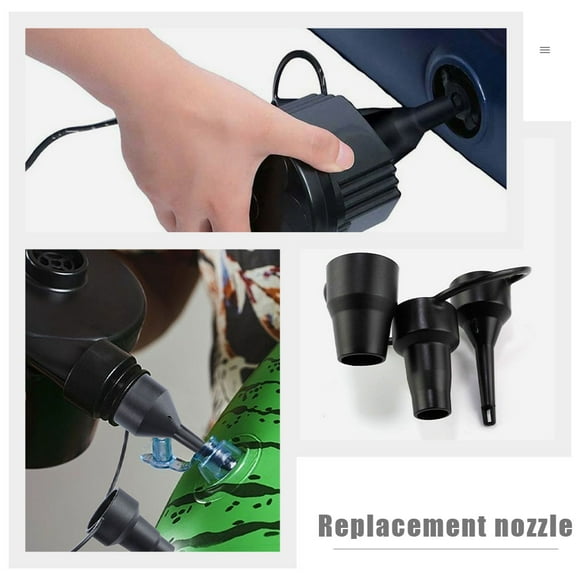
Manufacturers rarely standardize these connections across brands. A pump engineered for an Intex mattress will rarely plug straight into a Coleman or a Therm-a-Rest without a specialized nozzle attachment. This fragmentation created a thriving secondary market for multi-nozzle adapter kits and universal multi-stage fittings. These kits typically package conical tapered tips, pin needles for athletic balls, and threaded twist-lock collars into a single, pocket-sized ring.
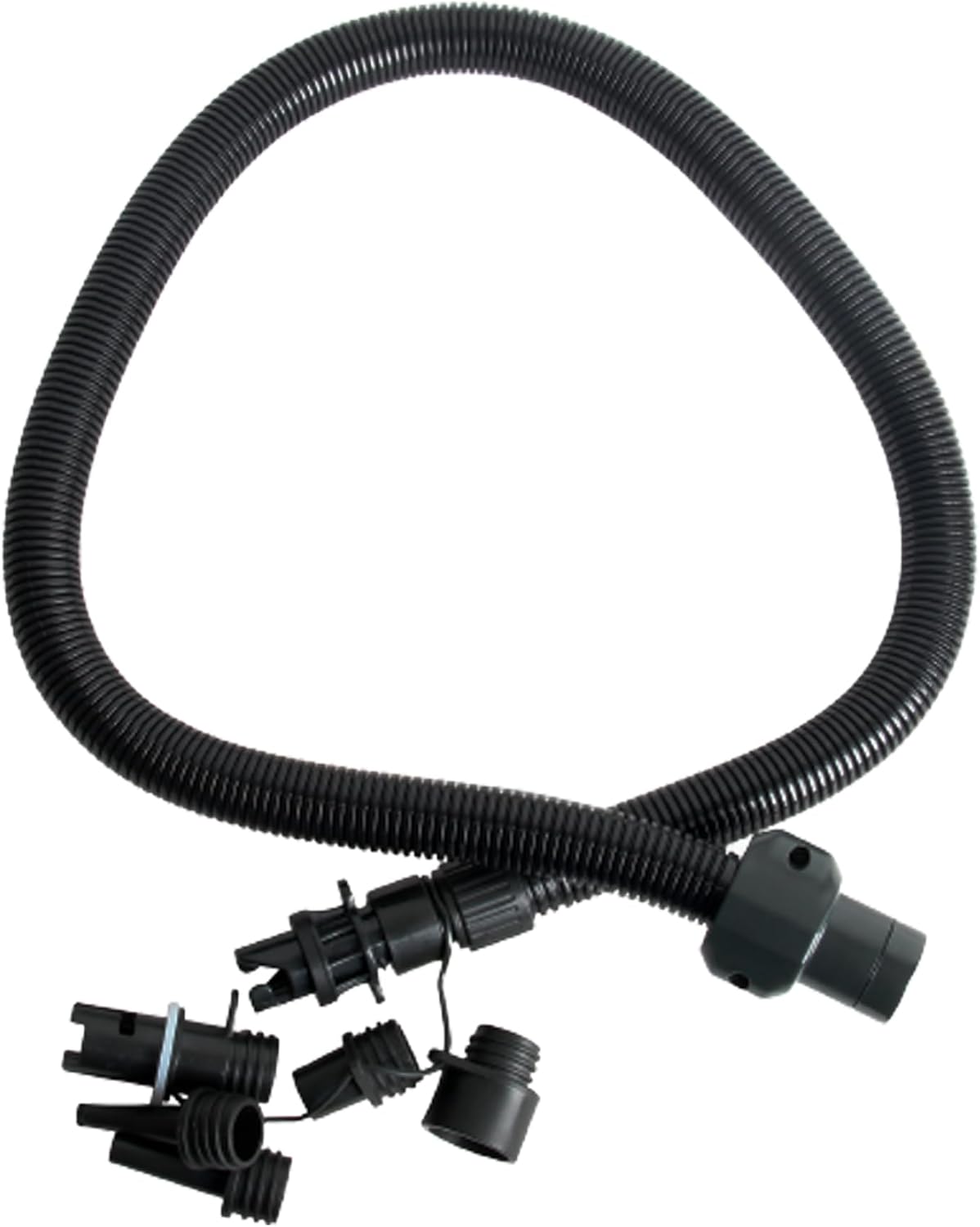
Material science plays a massive role in how these adapters perform under thermal stress. Cheap, rigid polystyrene nozzles crack the moment outdoor temperatures plummet below freezing, rendering them useless when you need them most. High-grade adapters utilize pliable thermoplastic elastomers (TPE) or engineering-grade ABS plastics. These materials maintain structural integrity, flex enough to grip slick plastic valve walls, and resist the high friction heat generated by high-RPM diaphragm pumps during rapid inflation cycles.
Pressure Dynamics and Volumetric Efficiency in Portable Inflatables
Inflating an air bed is fundamentally different from inflating a stand-up paddleboard or an automotive tire. Air mattresses require immense volumetric output at exceptionally low pressure—typically sitting comfortably between 0.5 and 1.5 pounds per square inch (psi). Exceeding this pressure band risks catastrophic seam failure, blowing out internal vinyl I-beams and turning a flat mattress into an awkward, lumpy sphere. Conversely, high-pressure inflatables like SUPs demand pressures upwards of 15 psi, requiring dual-action hand pumps or high-pressure electric compressors equipped with pressure-relief monitoring.
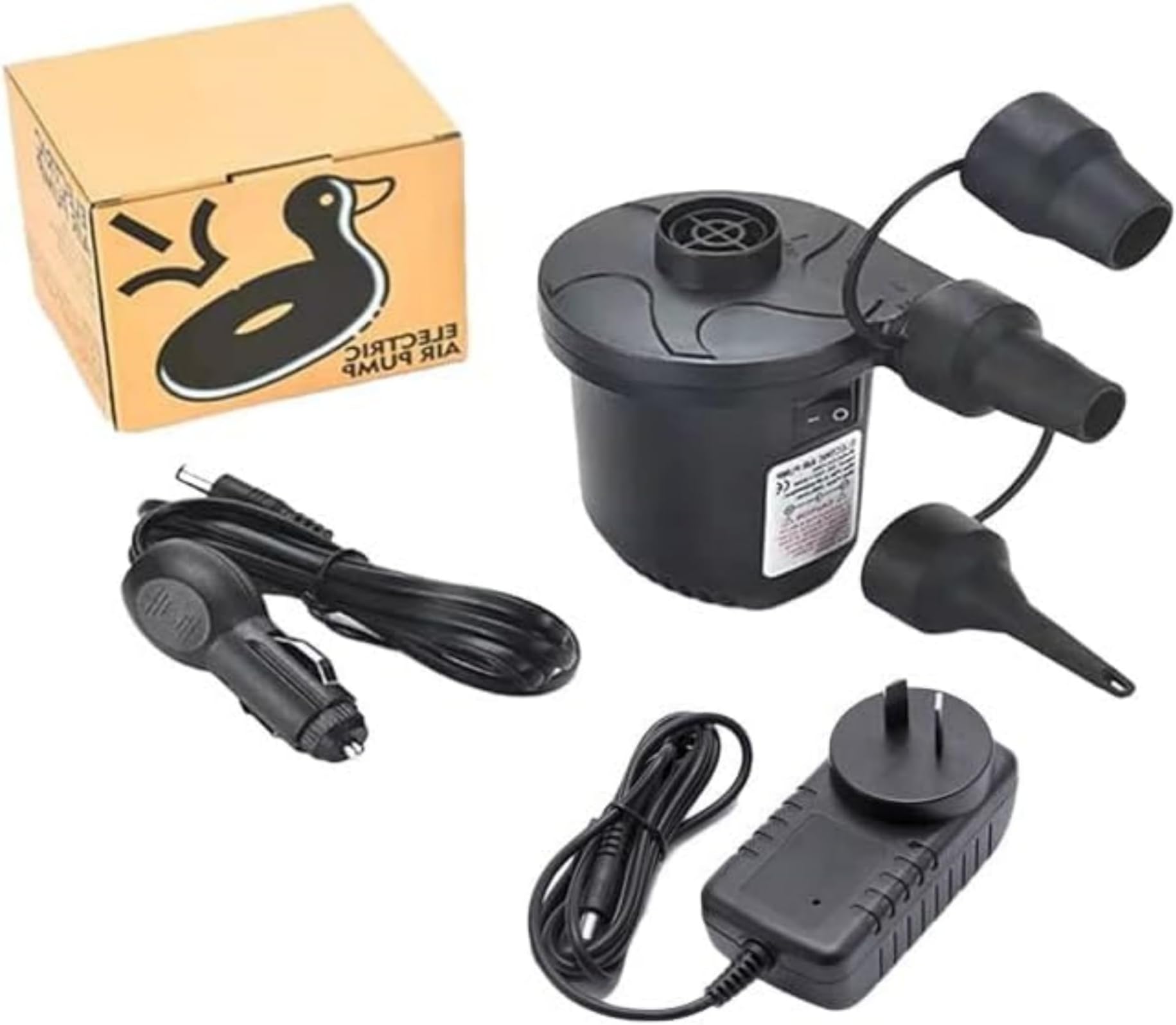
When you slap an adapter onto a high-volume bellows pump to inflate a low-pressure air bed, you introduce potential points of restriction. If the internal diameter of the adapter nozzle is too narrow, it creates backpressure. This restriction forces the pump motor to work harder, accelerating wear on internal brushes and draining portable lithium-ion power banks at an exponential rate. Optimizing this system means choosing an adapter that matches the inner diameter of the pump hose while stepping down smoothly to the exact throat diameter of the mattress valve.
Furthermore, air leakage during the transition phase accounts for over sixty percent of inflation inefficiency. A loose adapter fit allows compressed air to escape laterally around the nozzle flange instead of driving straight into the chamber. This inefficiency stretches a two-minute inflation job into an exhausting ten-minute ordeal. High-end adapters solve this by incorporating stepped silicone O-rings or mechanical cam-lock levers that expand the nozzle tip inside the valve housing, locking the connection down mechanically to eliminate every trace of lost CFM.
Step-by-Step Implementation Guide for Seamless Setup
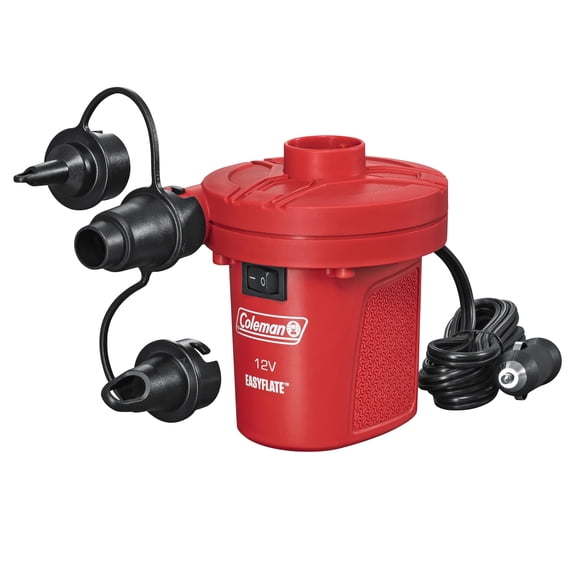
Achieving a lightning-fast, leak-free inflation cycle requires a methodical approach. Follow this field-tested protocol to connect your pump, select the correct adapter, and secure your inflatable gear every single time.
Avoiding Common Pitfalls and Field-Tested Workarounds
Even seasoned campers and outdoor enthusiasts fall victim to simple mechanical oversights when dealing with inflation gear. Recognizing these recurring traps saves time, equipment, and frustration in the field.
Related Posts

Bedroom furniture ideas that make small spaces feel calmer and more useful

Understanding joinery and materials before you commit to a floating design

Navigating Regional Styles From Provence to Paris When Designing Your French Bedroom

Building a Peaceful Bedroom Environment Through Better Furniture Planning Methods

Navigating the Difference Between Flush Stitched Edges and Standard Pillow Tops
The Real Truth About Putting a King Sized Comforter on a Queen Mattress
The Broader Impact of Proper Gear Maintenance and Modular Engineering
Investing in quality air pump adapters influences far more than just camp site convenience. In an era dominated by disposable consumer culture, the ability to repair, adapt, and maintain existing gear reduces the relentless accumulation of plastic waste in landfills. When a single $15 adapter kit breathes new life into an inherited air mattress or allows an electric pump to service multiple disparate outdoor hobbies, it promotes a circular mindset of utility and resourcefulness.
Manufacturing standards are shifting toward modularity. Modern outdoor brands increasingly design their inflatables with standardized valve interfaces, acknowledging that consumers rarely stay loyal to a single brand across tents, sleeping pads, watercraft, and pool accessories. This cross-brand compatibility lowers the barrier to entry for outdoor recreation. It empowers weekend warriors to mix and match pumps, power banks, and mattresses without being locked into proprietary ecosystem purchases.
Furthermore, economic efficiency cannot be overstated. Replacing an entire luxury air mattress simply because the proprietary pump broke or the original valve adapter vanished is an unnecessary expense. Universal adapter kits act as cheap insurance policies. They cost a fraction of a new mattress and safeguard your investment across years of travel, holiday guest hosting, and backcountry excursions.
Strategic Recommendations for Building the Ultimate Inflation Kit
Assembling a reliable, versatile inflation toolkit requires looking past flashy marketing and focusing on rugged durability and broad mechanical coverage. Whether you are outfitting a family camping rig, preparing a guest room, or packing for a remote lake expedition, your gear kit should be built to handle diverse demands without missing a beat.
The humble air pump adapter proves that mastery over outdoor and household comfort often lies in the smallest details. By moving past the frustration of mismatched nozzles and understanding the core mechanics of pressure, volume, and seal integrity, you reclaim total control over your setup routine. No longer at the mercy of proprietary manufacturing quirks, you can approach every trip, guest arrival, and lakeside afternoon with quiet confidence.
As pneumatic technology continues to evolve toward smarter, more efficient, and universally compatible designs, the tools we carry will only grow more refined. Yet, the fundamental physics of sealing air into flexible chambers will remain unchanged. Equipping yourself with the right adapters, maintaining your seals, and respecting the pressure thresholds of your gear ensures that every inflation cycle is fast, effortless, and dependable. Pack smart, check your seals, and rest easy knowing you are prepared for whatever adventure lies ahead.
