When you sit down to dinner, you're not just enjoying a meal—you're experiencing a legacy of skilled craftsmanship. Braydon's Walnut and Mint Dining Collection represents more than furniture; it's a testament to traditional woodworking techniques fused with contemporary design sensibilities. This isn't just about aesthetics—it's about the stories each piece tells, the hands that shaped them, and the careful attention to detail that transforms raw materials into functional art.
The dining room often serves as the heart of a home, where families gather, friendships bloom, and memories are made. But what happens when that space is elevated by exceptional craftsmanship? That's exactly what Braydon's Walnut and Mint Dining Collection achieves. What began as a simple desire to create beautiful, durable furniture has evolved into something much more profound—a celebration of artisanal skill, time-honored traditions, and modern innovation. Each piece in this collection carries within it the essence of dedicated craftsmanship, carefully nurtured through generations of woodworkers who understood that true quality comes from patience, precision, and passion. The journey from tree to table is filled with decisions that affect not just how the furniture looks, but how it feels, how it stands the test of time, and how it brings people together.
The Foundation of Quality: Wood Selection
At the core of any exceptional piece lies its foundation—and for Braydon's collection, that foundation begins with wood selection. The choice of walnut isn't arbitrary; it's a deliberate decision rooted in both beauty and durability. Walnut offers a rich, warm tone that deepens with age, creating a natural patina that speaks to the passage of time. When selecting timber for their dining tables, craftspeople look for straight grain patterns, minimal knots, and consistent coloration. The wood must also possess the right moisture content and structural integrity to withstand decades of daily use. Some pieces even incorporate reclaimed walnut from old barns and historic buildings, bringing stories of the past into the present. The mint accents, meanwhile, are chosen not just for their visual appeal but for their ability to complement the natural warmth of the walnut while providing a refreshing contrast. This careful selection process ensures that every piece starts with the best possible materials.
Traditional Techniques Meets Modern Precision
What makes Braydon's work truly special isn't just the materials—they've mastered the delicate balance between traditional methods and modern technology. Hand carving remains central to their process, with master craftsmen using tools passed down through generations to shape the initial forms. Yet they also employ computer numerical control (CNC) machines to ensure consistency and precision in repetitive elements. The mortise-and-tenon joints, for instance, are still crafted by hand, requiring years of training to perfect. These joints, often invisible to the naked eye, provide the strength that allows tables to support heavy loads without compromising stability. The finishing process combines traditional hand-rubbing techniques with modern protective coatings. Each surface receives multiple coats of natural oils and waxes, applied slowly and methodically by experienced artisans. This hybrid approach allows them to preserve the soul of traditional craftsmanship while ensuring each piece meets contemporary standards for durability and performance.
Design Philosophy: Functionality and Beauty
Good design, they say, should be invisible—yet Braydon's collection manages to make functionality obvious without being ostentatious. Every dimension, from the height of the table to the curve of the leg, is calculated for comfort and practicality. The dining tables feature generous proportions that accommodate both intimate dinners and large gatherings. The mint accents aren't merely decorative; they serve functional purposes too. The contrasting colors help define seating areas, guide the eye along the table's length, and create visual balance. The overall design philosophy centers around creating pieces that feel both substantial and elegant. Consider how the table's edge is slightly rounded—not just for safety, but to prevent the harsh lines of traditional furniture from feeling intimidating. The legs are designed with subtle curves that not only add visual interest but also provide better stability. These thoughtful details transform what could be ordinary furniture into something that enhances the dining experience itself.
Attention to Detail: The Hidden Elements
It's in the small things that true craftsmanship reveals itself. Take, for example, the way the table edges are finished. Instead of a simple cut, the craftspeople apply a series of hand-finished chamfers that create a gentle transition from wood to air. The feet aren't just functional; they're sculpted to catch light differently, creating shadows that add depth and character to the piece. Even the hardware—drawn from sustainable sources—is selected with care. The drawer pulls are crafted from the same wood as the table, creating a seamless connection between all components. The brass fittings, when used, are aged to complement rather than compete with the natural wood tones. Each drawer slide is individually tested and adjusted for smooth operation. The bottom of the table is sanded to perfection, ensuring that even the hidden surfaces contribute to the overall quality. These details might escape casual observation, but they're what separate exceptional pieces from those that simply look good.
The Human Element: Skilled Artisans
Behind every beautiful piece is a story of dedication and skill. The master craftsmen who work on Braydon's collection have typically spent years learning their trade, often beginning as apprentices in workshops where traditional methods were still practiced. Their hands know how to read wood grain, how to adjust tools for different species, and how to apply finishes that enhance rather than mask the natural characteristics of the material. One craftsman might specialize in the initial shaping of table tops, while another focuses on the intricate joinery work. The collaborative nature of their work means that each piece undergoes multiple inspections and adjustments before completion. This personal touch creates a sense of ownership and pride in the final product. The craftsmen don't just build furniture—they create heirloom pieces that will be appreciated for generations. Their expertise extends beyond technical skills to include understanding how wood behaves under different conditions, how humidity affects dimensions, and how to preserve the natural beauty of each piece over time.
Sustainability and Ethical Considerations
In an era where environmental consciousness matters more than ever, Braydon's approach to sustainability stands out. They source wood from responsibly managed forests, ensuring that harvesting practices support forest regeneration. Many of their suppliers are certified by organizations like the Forest Stewardship Council, which verifies that timber is harvested in ways that protect wildlife habitats and local communities. The company also embraces reclaimed materials, giving new life to wood that might otherwise end up in landfills. Their finishing processes use natural, non-toxic products that don't harm indoor air quality or the environment. Even packaging is designed to minimize waste, with many components shipped in recyclable materials. This commitment to ethical sourcing and environmentally responsible production reflects a broader understanding that true craftsmanship includes caring for the planet that provides the materials we use. The result is furniture that doesn't just last physically, but also contributes positively to environmental health.
Braydon's Walnut and Mint Dining Collection represents more than furniture—it embodies a philosophy that quality, craftsmanship, and intentionality matter. Every aspect of these pieces reflects careful consideration, from the selection of premium materials to the final hand-finishing touches. The combination of traditional techniques and modern precision creates furniture that's both timeless and functional. But perhaps most importantly, these pieces represent a commitment to people—the artisans who create them, the families who use them, and the environment that provides their materials. When you choose Braydon's collection, you're not just buying furniture; you're investing in a tradition of excellence that honors the past while building toward a sustainable future. In a world full of mass-produced items, these pieces remind us that there's still tremendous value in taking time to do things right. The next time you gather around one of these tables, remember that you're partaking in a legacy of craftsmanship that spans generations of skilled artisans.


Related Posts

Kitchen Island vs Peninsula Compared for Flow Storage and Everyday Use
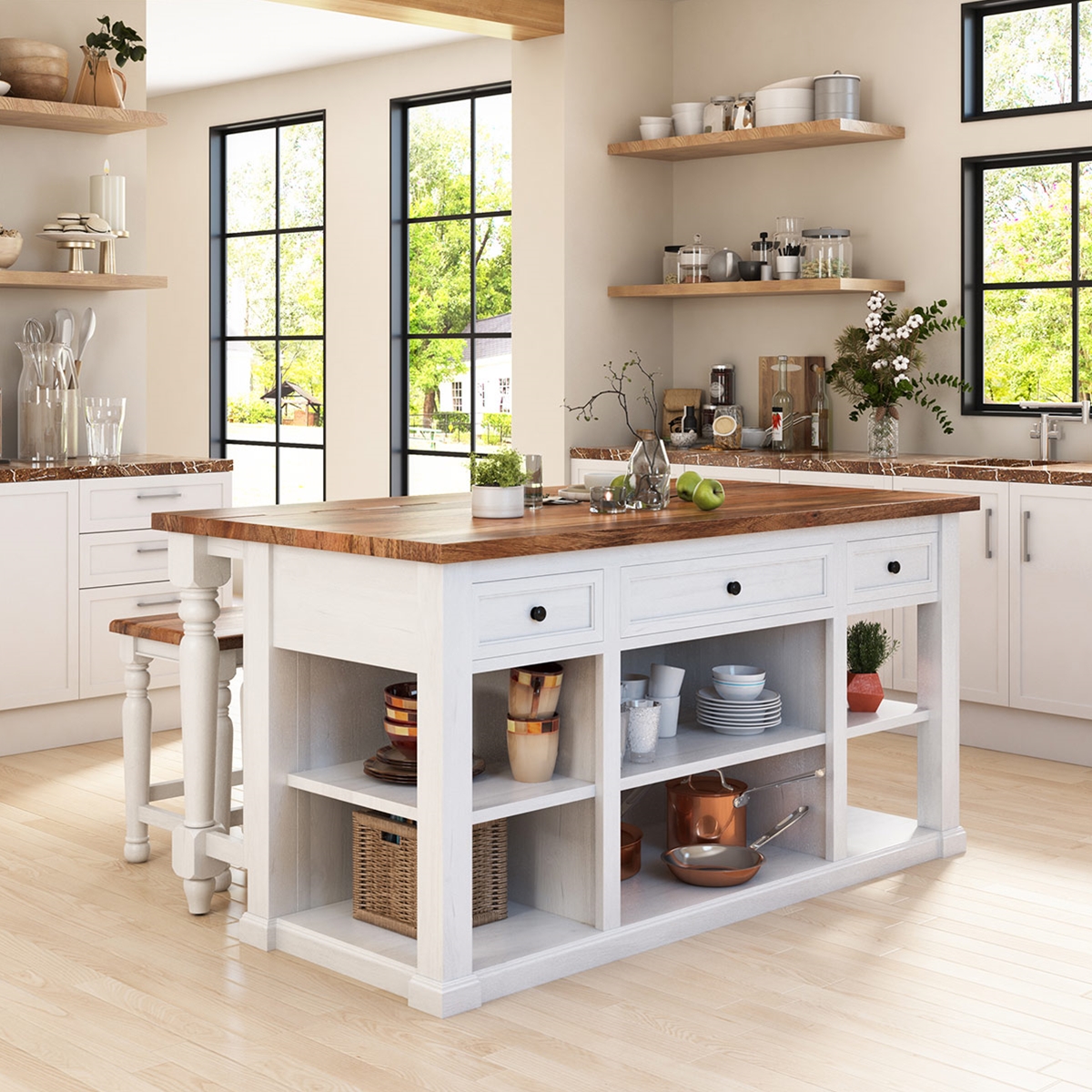
Smarter Ways to Plan a Functional Kitchen Island for Modern Living in 2026
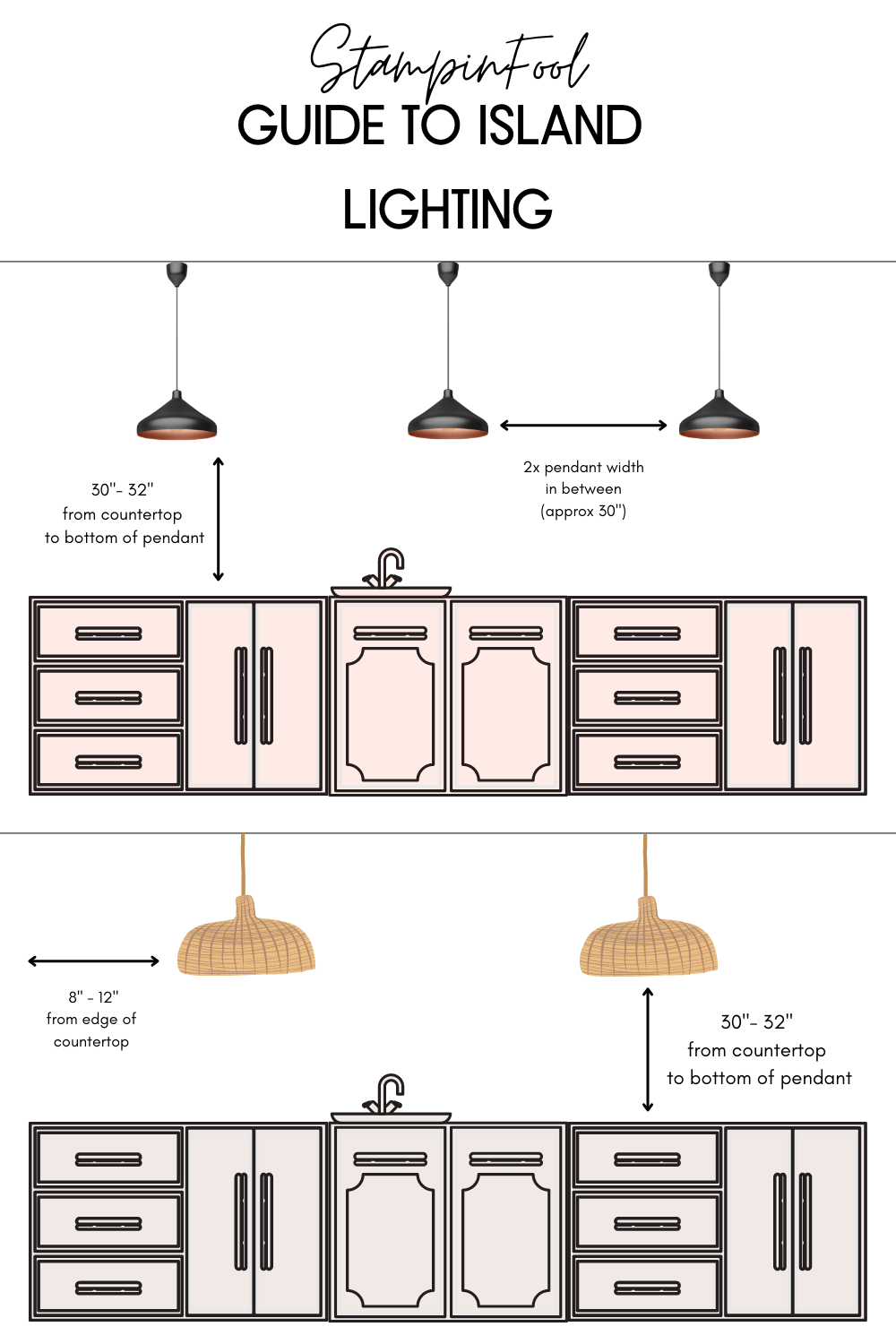
How to Layer Kitchen Island Lighting for Both Cooking and Gathering
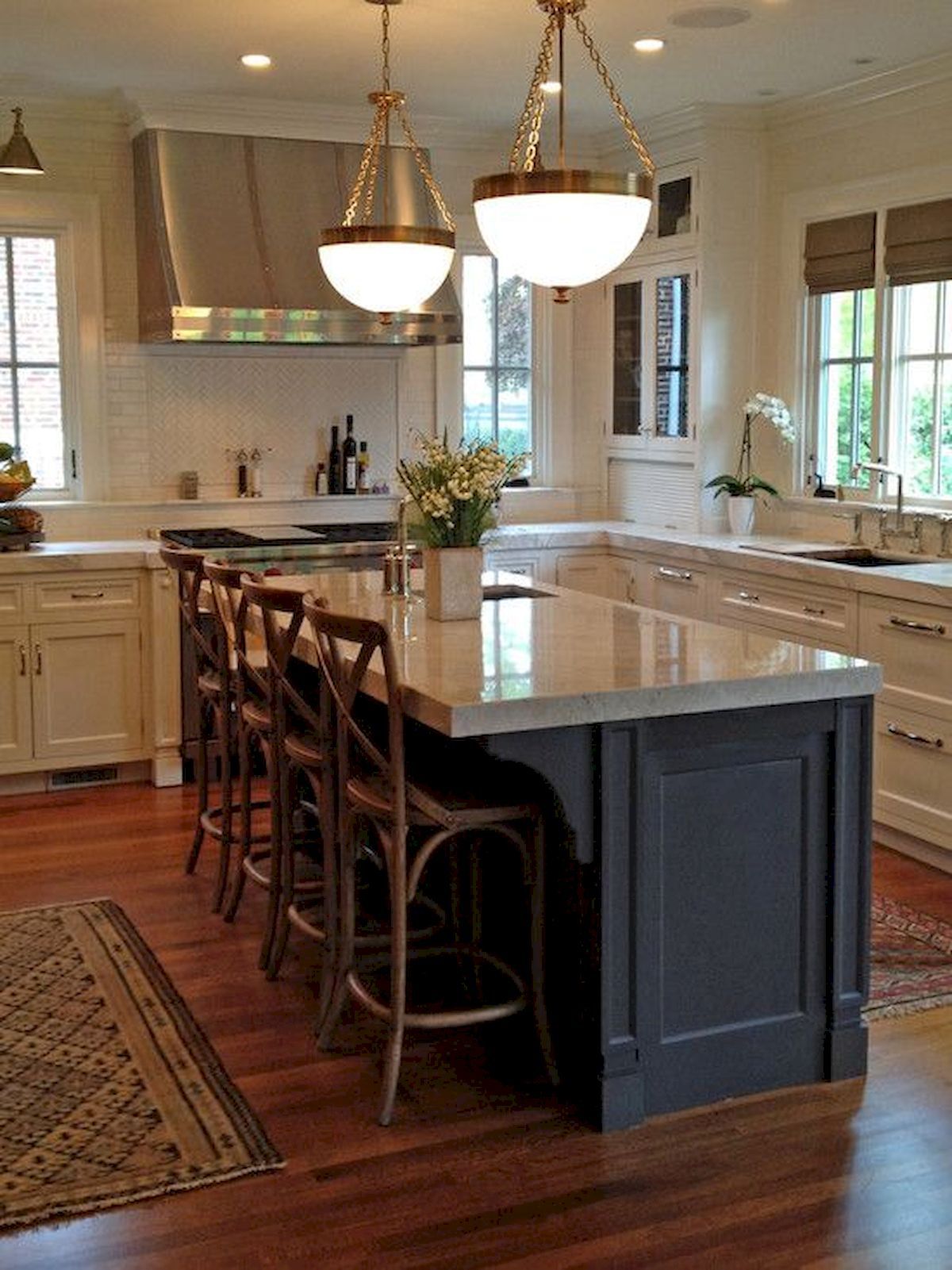
Rethinking Your Kitchen Island Layout With Ideas Grounded in Real Everyday Use

The practical benefits of using 24x48 porcelain stone effect tiles in homes