Picture walking into a five-star hotel room after a punishing twelve-hour travel day. You drop your bags, walk over to the king-sized bed, and fall face-first onto the surface. You do not bottom out against a stiff, unyielding support core. Instead, you experience a momentary sensation of weightlessness—a soft, cradling embrace that slowly transitions into robust, spine-aligning support. That specific, luxurious feeling of cloud-like surface softness anchored by a resilient foundation is almost always the work of a meticulously engineered Euro top mattress.
Yet, when shoppers step into a mattress showroom, they are often overwhelmed by a sea of ambiguous marketing terms. Sales associates throw around words like "pillow top," "Euro top," "hybrid core," and "density rating" as if everyone possesses an advanced degree in sleep ergonomics. The confusion is entirely understandable. To the untrained eye, beds with plush upper layers look identical from a distance.
Choosing the wrong mattress architecture can transform that dreamy hotel experience into a frustrating cycle of lower back pain, premature edge sagging, and restless nights. The structural differences between surface-level padding styles dictate how a bed performs over a multi-year lifespan. This comprehensive guide strips away the industry jargon, examining the precise engineering, material science, and real-world performance factors that define a true Euro top mattress.
For decades, the mattress industry relied on basic innerspring units topped with thin quilted covers. As consumer demand shifted toward luxury hotel-style comfort, manufacturers began experimenting with ways to add pressure-relieving padding without sacrificing the structural integrity of the bed. This engineering evolution led to the creation of both pillow top and Euro top designs. While standard pillow tops became notorious for shifting, separating from the base, and developing deep body impressions within a few short years, the Euro top emerged as the refined, structurally superior cousin.
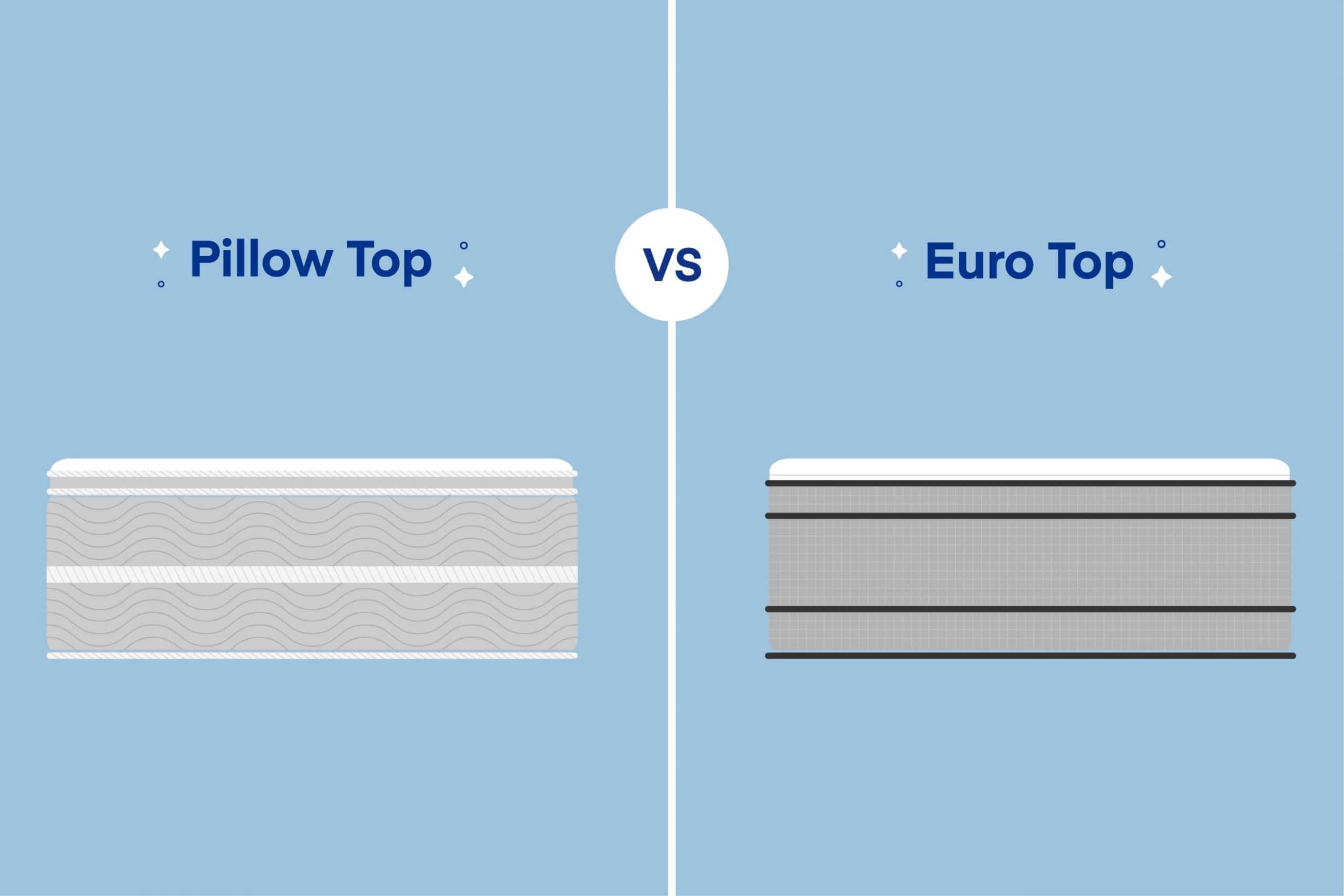
The historical transition from loose, tacked-on padding to flush-integrated comfort layers represents a major milestone in sleep technology. Modern manufacturing requires precise stitching techniques that lock multi-density foam, micro-coils, or natural latex layers directly into the core encasement. This evolution solves a fundamental mechanical problem: how to provide deep, contouring pressure relief for side sleepers while maintaining the rigid edge support and spinal neutrality required by back and stomach sleepers.
Deconstructing the Anatomy and Engineering of a Euro Top Core
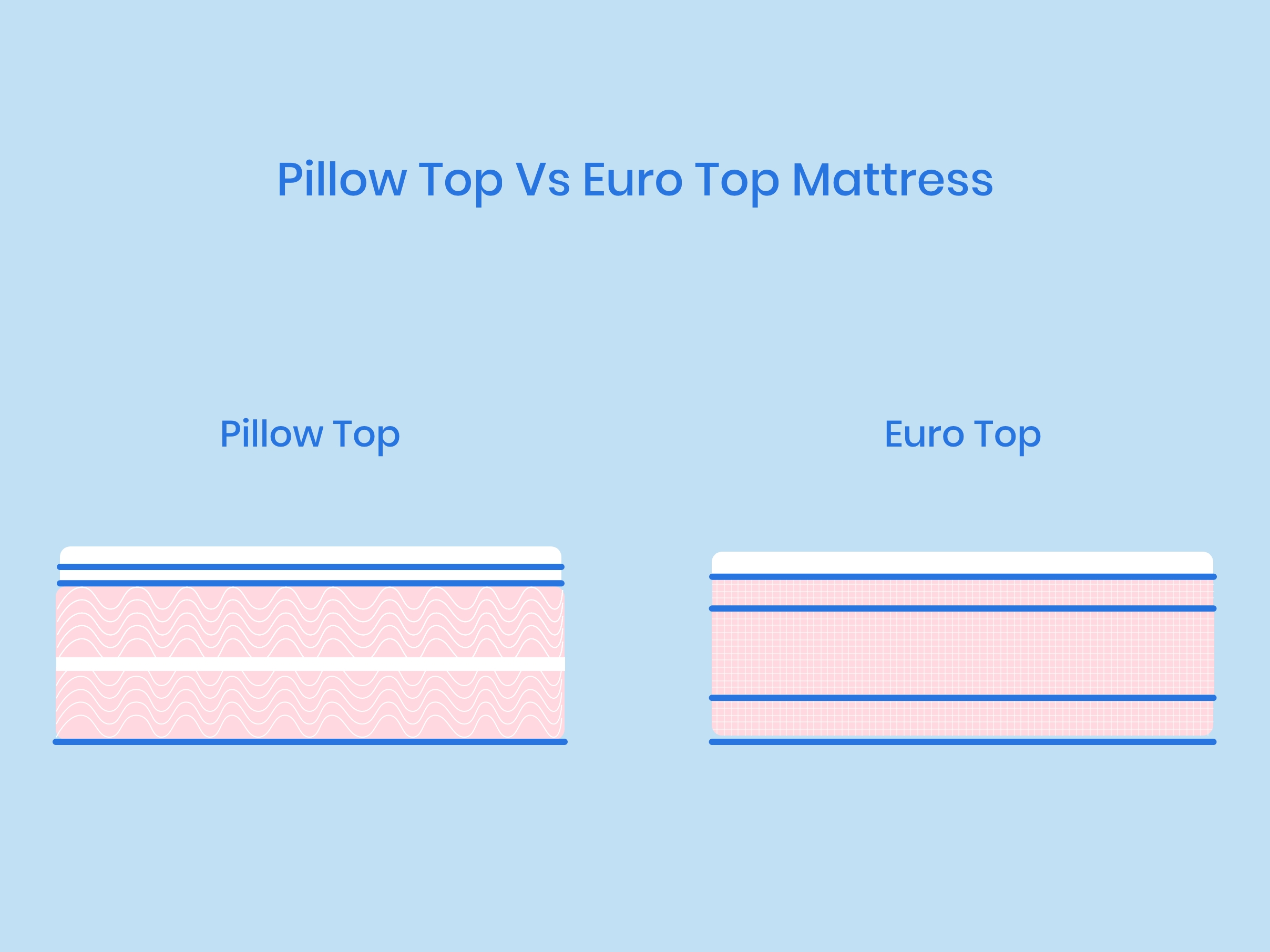
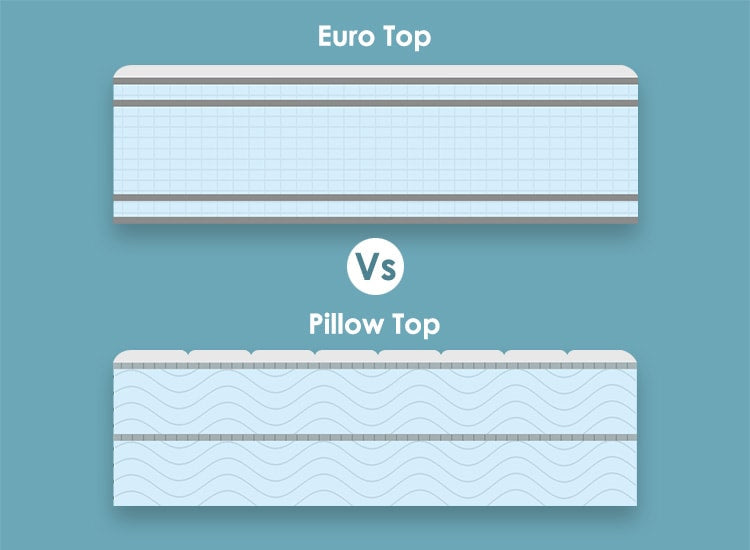
At its mechanical core, a Euro top mattress is an innerspring, pocketed coil, or hybrid mattress featuring an additional layer of cushioning material sewn directly into the top panel of the mattress casing. Unlike its loose-hanging relative—the traditional pillow top—a Euro top is built flush with the vertical edges of the bed. If you look at a standard pillow top from the side, you will notice a distinct gap or shelf where the extra padding pillow is stitched on top of the main mattress structure, leaving an exposed overhang. A Euro top, by contrast, drops straight down in a clean, tailored vertical line because its internal comfort materials are tucked securely beneath the outer border fabric before being bound off.
This flush-mount construction is not merely an aesthetic choice; it alters the physics of how weight is distributed across the sleeping surface. When a sleeper lies down on a traditional pillow top, the overhanging padding often compresses unevenly, leading to premature edge collapse when sitting on the side of the bed. A Euro top encapsulates its comfort layers within the perimeter casing, distributing downward force more uniformly across the underlying support coils or high-density foam core. This design significantly improves edge performance, ensuring that sleepers who gravitate toward the perimeter do not experience that unsettling feeling of sliding off the bed.
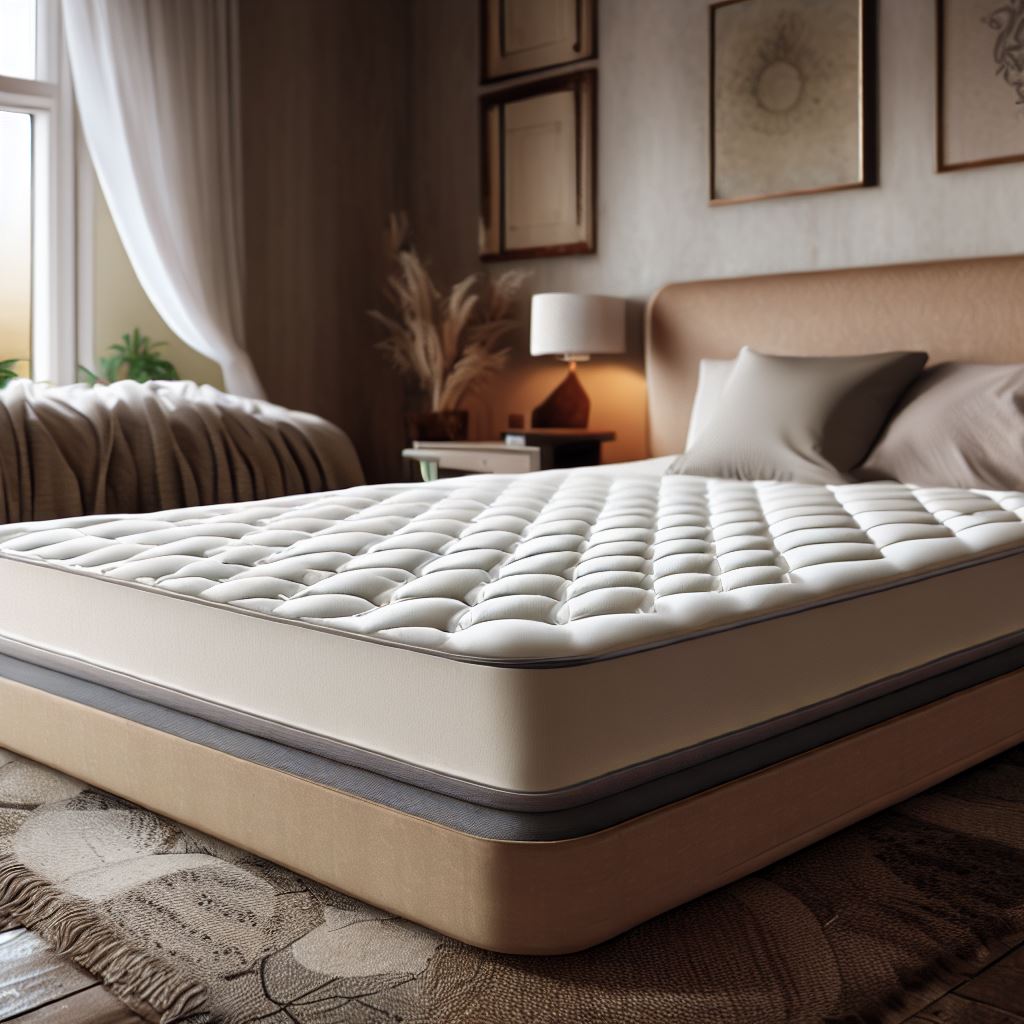
Inside that integrated top compartment, manufacturers pack a diverse array of materials tailored to specific comfort profiles. High-density polyfoam, open-cell memory foam, natural Talalay or Dunlop latex, and advanced phase-change material (PCM) fiberfill are frequently layered to optimize pressure relief and thermal regulation. In luxury 2026 models, it is common to find dual-layer comfort systems where a micro-coil transition layer sits beneath a plush memory foam top, offering responsive bounce combined with contouring pressure relief. Understanding these internal components allows buyers to look past marketing buzzwords and evaluate a mattress based on its actual material density, gauge count, and thermal properties.
The integration of these materials directly influences motion isolation—a critical factor for couples sharing a bed. Traditional innerspring beds without advanced top layers tend to transfer kinetic energy rapidly from one side of the mattress to the other. The dense, multi-layered padding of a Euro top acts as a natural dampening agent, absorbing kinetic energy before it reaches the core support structure. When a restless partner tosses and turns, the motion remains localized, preserving uninterrupted sleep cycles for both sleepers regardless of how many times the bed is disturbed during the night.
Evaluating the Pros, Cons, and Structural Trade-Offs
Every mattress architecture involves engineering trade-offs, and the Euro top design is no exception. On the positive side of the ledger, the primary advantage is exceptional pressure relief paired with balanced spinal alignment. Pressure points at the shoulders and hips—infamous culprits behind tossing, turning, and numbness—find immediate sanctuary in the thick comfort layers. Furthermore, the tailored aesthetic and robust edge support make these beds a favorite for master bedrooms and guest suites alike, providing a luxurious appearance that holds its shape longer than traditional pillow tops.
However, prospective buyers must also weigh the inherent limitations of this design. Because a Euro top contains significantly more material and dense comfort foam than a standard tight-top mattress, it tends to retain more body heat unless advanced cooling technologies—such as copper infusions, open-cell gel foams, or breathable organic wool batting—are actively integrated into the build. Heat retention can transform a cozy winter sleep into a sweaty summer ordeal for hot sleepers.
Weight and maneuverability represent another practical drawback. Euro top mattresses are undeniably heavy, often requiring two or more people to safely lift, rotate, or transport. Because the top comfort layer is permanently integrated and sewn flush into the encasement, these mattresses are strictly one-sided. You cannot flip a Euro top over to sleep on the reverse side when the surface begins to soften. Instead, owners must rely on regular head-to-toe rotation schedules to distribute wear evenly, though this limitation is somewhat offset by the superior durability of modern high-density foams.
Finally, sinkage and initial adaptation periods require careful consideration. Sleepers who prefer an ultra-firm, unyielding surface will find that even a firmer-tension Euro top still presents an initial plush contouring feel that takes some getting used to. Back and stomach sleepers must ensure they select a model with a dense enough support core to prevent their hips from sinking too deeply, which can throw the lumbar spine out of alignment over an extended period. Balancing personal sleeping positions with the correct ILD (Indentation Load Deflection) rating of the top layers is essential for long-term musculoskeletal health.
Step-by-Step Methodology for Selecting the Ideal Euro Top Mattress
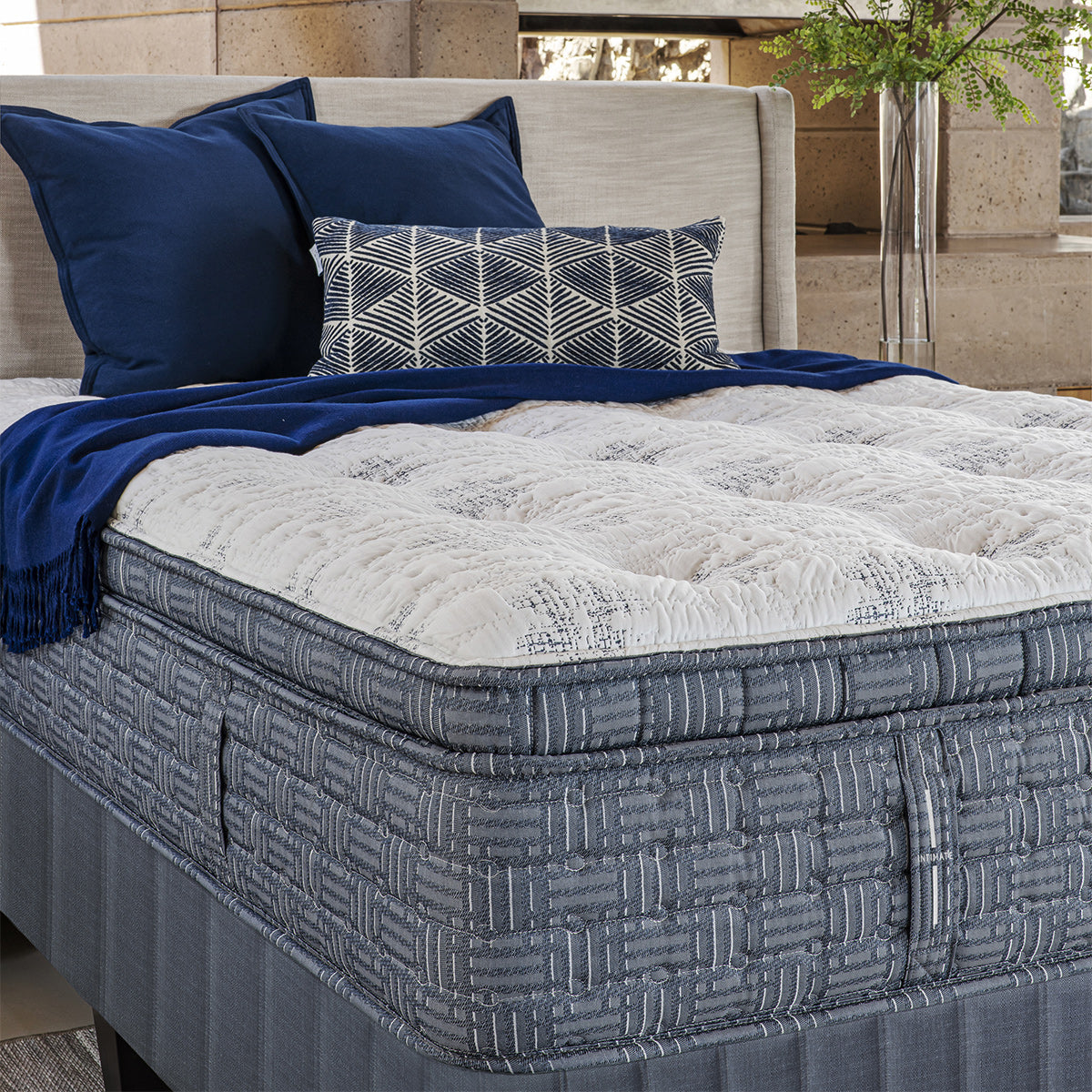
Navigating the crowded mattress market requires a systematic, analytical approach. Follow this structured roadmap to evaluate your sleep profile, filter out marketing noise, and secure a Euro top mattress tailored to your exact physical requirements.
Navigating Common Pitfalls and Field-Tested Workarounds
Even experienced shoppers stumble into predictable traps when purchasing high-end luxury mattresses. Being aware of these pitfalls before handing over your hard-earned money will save you from years of discomfort and buyer's remorse.
Holistic Perspectives on Sleep Ergonomics and Long-Term Value
Related Posts
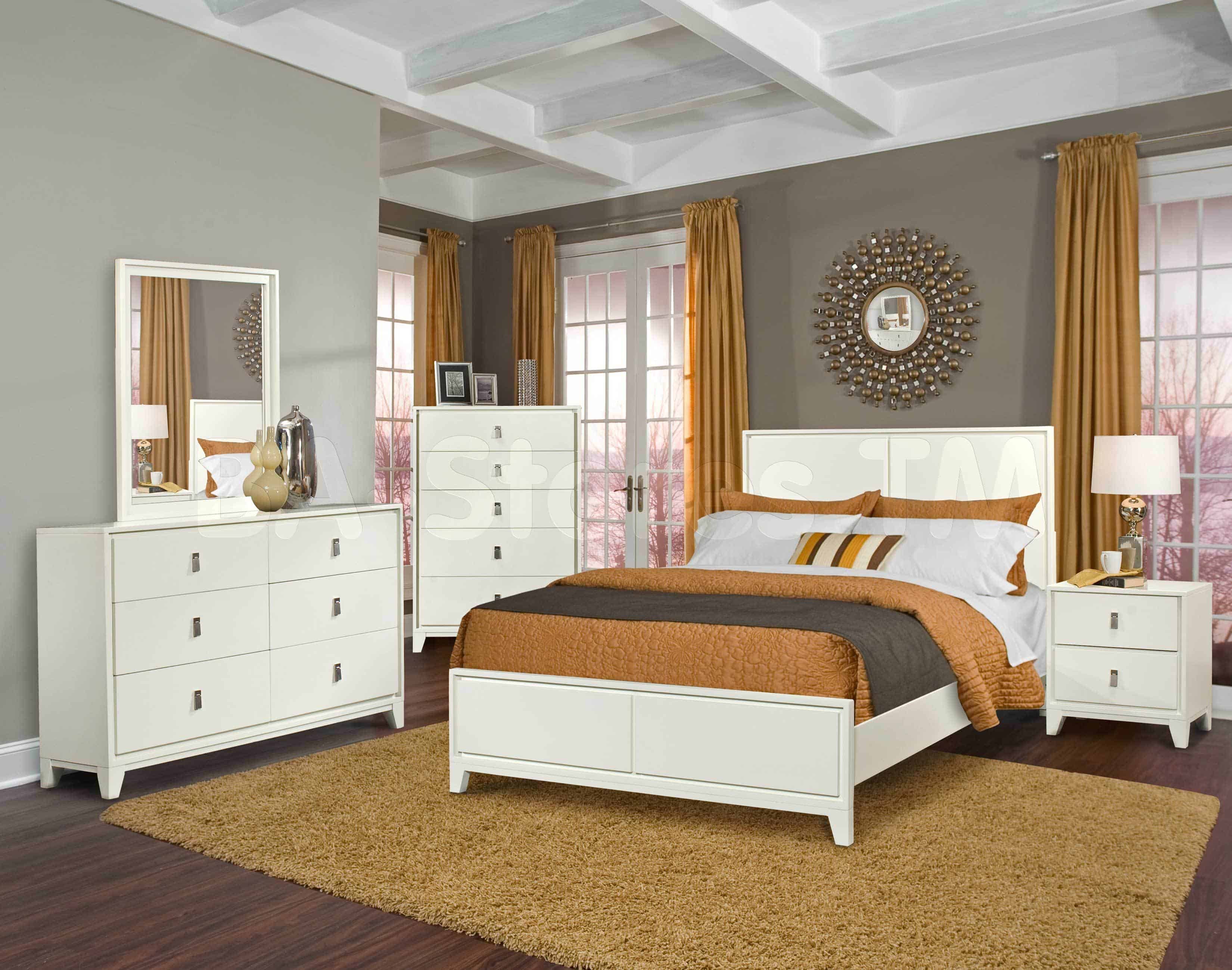
Bedroom furniture ideas that make small spaces feel calmer and more useful
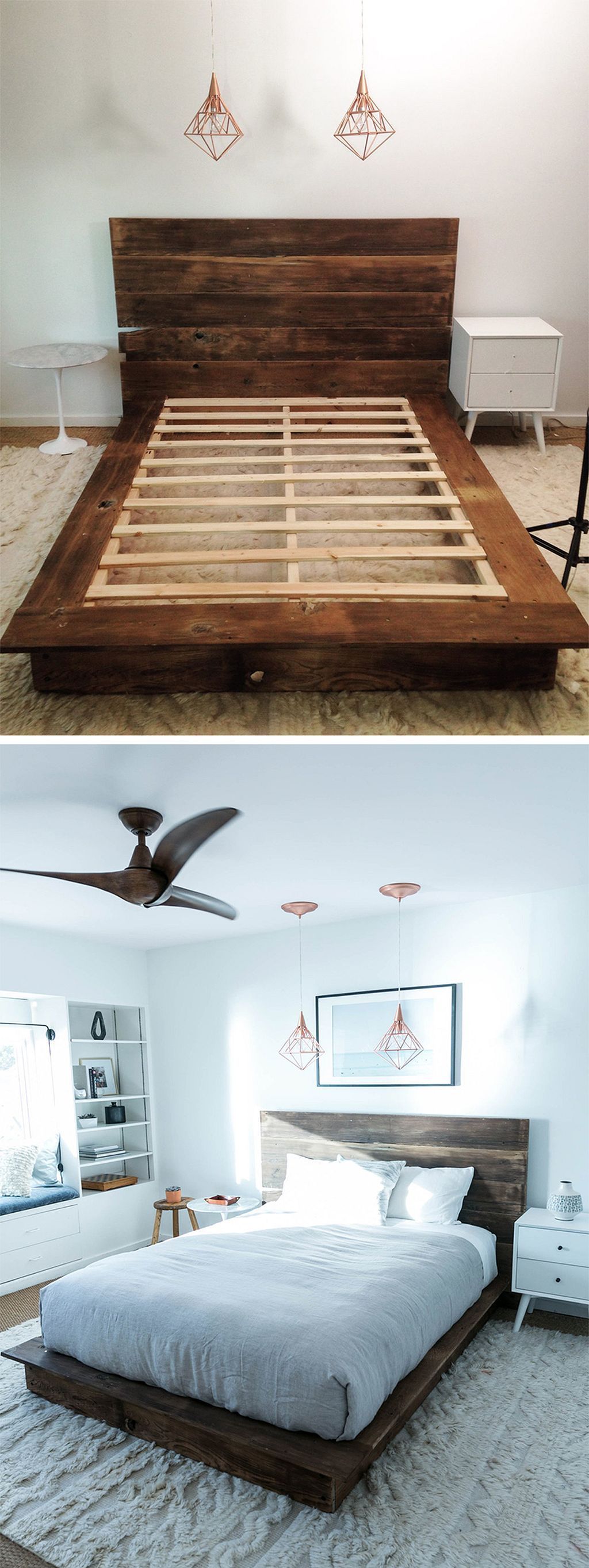
Understanding joinery and materials before you commit to a floating design
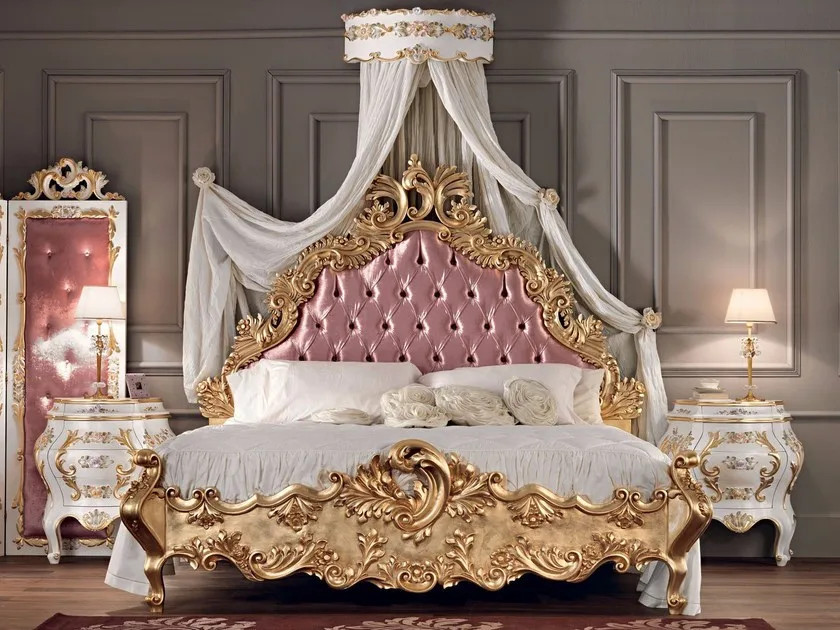
Navigating Regional Styles From Provence to Paris When Designing Your French Bedroom
Building a Peaceful Bedroom Environment Through Better Furniture Planning Methods
Understanding Air Valve Types to Prevent Leaks During Setup
The Real Truth About Putting a King Sized Comforter on a Queen Mattress
Investing in a quality Euro top mattress extends far beyond immediate comfort; it is a fundamental health and economic decision. Sleep quality directly governs immune function, cognitive performance, hormonal balance, and cellular repair. When a mattress fails to provide adequate pressure relief or spinal support, micro-awakenings disrupt deep and REM sleep stages, leaving individuals chronically fatigued despite spending eight hours in bed. The sophisticated multi-layer architecture of a well-crafted Euro top acts as a physiological buffer, minimizing pressure-induced tossing and turning to foster uninterrupted sleep architecture.
From an economic standpoint, viewing a mattress purchase through the lens of cost-per-night changes the entire valuation framework. A premium Euro top mattress priced at two thousand dollars may initially appear steep, but spread across a ten-year lifespan, the daily cost amounts to roughly fifty cents a day. Contrast this with buying a cheap, poorly constructed bed that degrades within thirty-six months, causing chronic back pain and requiring frequent replacement. High-end material sourcing—such as CertiPUR-US certified foams, GOLS-certified organic latex, and recycled steel coils—delivers superior durability that protects both your physical well-being and your financial investment.
Furthermore, the industry is seeing a notable shift toward sustainable manufacturing practices. Modern consumers increasingly demand transparency regarding chemical emissions, off-gassing, and end-of-life recyclability. Leading mattress brands now utilize water-based adhesives, organic wool flame retardants instead of toxic chemical sprays, and biodegradable comfort layers. Choosing a sustainably manufactured Euro top aligns personal restorative health goals with environmental stewardship, proving that uncompromising luxury and ecological responsibility can coexist within the bedroom.
Strategic Recommendations for Maximizing Your Mattress Investment
To extract maximum value and performance from your Euro top mattress, adopting a proactive maintenance mindset is non-negotiable. Treat your sleep system with the same analytical care you would apply to any high-performance ergonomic equipment.
The search for restorative, pain-free sleep often feels like an exhausting exercise in navigating misleading marketing and conflicting advice. Yet, once you understand the foundational engineering principles that separate a transient trend from a durable sleep system, the path forward becomes crystal clear. A Euro top mattress represents the harmonious intersection of plush surface contouring and robust structural support, bridging the gap between indulgent hotel luxury and orthopedic necessity.
As you step forward into the mattress market armed with technical insights regarding edge construction, material density, and spinal alignment, remember that your body is the ultimate diagnostic instrument. Take advantage of sleep trials, scrutinize internal specifications rather than surface aesthetics, and refuse to compromise on build quality. By making an informed, deliberate investment in your sleep architecture today, you lay the indispensable groundwork for vitality, wellness, and countless nights of deep, uninterrupted restoration in the years ahead.
