When it comes to creating a sophisticated atmosphere in your home or business, few materials can match the timeless appeal of onyx white polished porcelain tiles. These elegant surfaces bring together the classic beauty of natural stone with the durability and versatility that modern living demands. But with so many options available, how do you choose the right one for your specific needs? Let's explore everything you need to know.
Onyx white polished porcelain tiles have become increasingly popular in recent years, gracing kitchens, bathrooms, and living spaces across the country. Their striking appearance and practical benefits make them a favorite among designers and homeowners alike. The combination of their sleek, reflective surface and the subtle variations in color creates a look that's both luxurious and approachable. However, selecting the perfect tile involves more than just picking a pretty shade. There are several important factors to consider that will ensure your investment pays off for years to come.
Understanding Onyx White Porcelain Tile Characteristics
Onyx white polished porcelain tiles are made from fine clay and mineral materials that are fired at extremely high temperatures. This process creates a dense, durable surface that's resistant to scratches, stains, and moisture. The polishing process gives these tiles their signature glossy finish, which reflects light beautifully and makes spaces appear larger. What sets onyx white apart from other porcelain tiles is its distinctive veining pattern and subtle color variations. The white base often features gray, black, or beige undertones that create depth and visual interest. Unlike natural stone, porcelain tiles offer consistent quality and performance. They don't require sealing and are easy to clean with standard household cleaners. The polished surface adds an extra layer of sophistication while maintaining practicality. Some tiles feature a honed finish instead of polished, offering a softer, more matte appearance that's less likely to show fingerprints and water marks.
Key Factors to Consider When Buying
Before making your purchase, there are several crucial elements to evaluate. First, consider the size of your space and how the tile will affect the overall feel. Larger tiles can make small rooms appear bigger, while smaller tiles work better in detailed areas. Think about the room's function - high-traffic areas like entryways and kitchens need more durable options. Check the tile's slip resistance rating, especially for bathroom installations. The PEI rating system indicates wear resistance levels from 0 to 5, with higher numbers for commercial applications. Quality varies significantly between brands and price points, so research reputable manufacturers. Look for tiles with consistent color and pattern matching. Examine samples closely under different lighting conditions since the polished surface can change appearance dramatically. Also, consider the installation requirements and whether you'll need professional help or if DIY installation is feasible. Budget considerations extend beyond the tile cost to include installation materials and potential repairs.
Choosing the Right Size and Pattern
Tile dimensions play a major role in the final look and feel of your space. Standard sizes range from 4x4 inches to 24x24 inches, with larger formats becoming increasingly popular for contemporary designs. Larger tiles create fewer joints, which means less grout maintenance and a cleaner appearance. Smaller tiles work well for intricate patterns or when you want to add visual texture. The pattern itself matters too - some onyx white tiles mimic natural stone veins, while others have more uniform appearances. Consider how the pattern will interact with your existing décor and furniture arrangements. A bold, dramatic pattern might overwhelm a small space, while a subtle design works well in larger areas. For bathrooms, consider using different sizes to create visual interest without overwhelming the space. The direction of installation also affects how the pattern appears, so plan accordingly. Some manufacturers offer special collections designed for specific applications like backsplashes or accent walls.
Installation Tips and Best Practices
Proper installation is critical for achieving the best results with onyx white polished porcelain tiles. Start with a clean, level substrate - any imperfections will show through the polished surface. Use the appropriate thin-set mortar designed for porcelain tiles, as regular mortar may not provide adequate adhesion. The installation process requires careful attention to grout lines, which should be consistent and properly filled. For polished tiles, use unsanded grout to avoid scratching the surface during the grouting process. Allow proper curing time before applying any sealers or protective treatments. Professional installation is recommended for complex layouts or large projects. If doing it yourself, invest in quality tools and take your time. The polished surface requires gentle cleaning methods, so avoid abrasive scrubbers or harsh chemicals during installation. Plan for expansion joints in larger installations to accommodate movement. Proper preparation of the substrate prevents future issues like cracking or lifting.
Maintenance and Care Guidelines
Once installed, onyx white polished porcelain tiles require relatively simple maintenance to keep their beauty intact. Regular sweeping or vacuuming removes loose dirt and debris that could scratch the surface. For deeper cleaning, use pH-neutral cleaners specifically designed for porcelain tiles. Avoid acidic or alkaline cleaners that could damage the polish. Wipe up spills immediately to prevent staining, especially in kitchen areas. Place mats or rugs in high-traffic areas to reduce wear on the surface. Periodic reapplication of protective sealers may be necessary, though this is typically less frequent than with natural stone. Address any chips or scratches promptly to prevent further damage. The polished surface can show water marks and fingerprints, so regular wiping helps maintain the pristine look. Consider using coasters and trivets to protect against heat and moisture damage. Always follow manufacturer recommendations for specific care instructions.
Cost Analysis and Value Considerations
The price range for onyx white polished porcelain tiles varies significantly based on brand, quality, and where you shop. Basic options might cost $3-$5 per square foot, while premium brands can exceed $10 per square foot. Keep in mind that higher-priced tiles often offer better durability and consistency. Factor in the total project cost including installation, grout, and any additional materials. Consider the long-term value - these tiles are built to last decades with proper care. Compare prices from multiple retailers and consider buying in bulk for larger projects. Installation costs can vary from $5-$15 per square foot depending on complexity and location. Look for sales or seasonal discounts, especially during fall and winter months. Some manufacturers offer warranties that cover defects or fading, which adds value to your purchase. Remember that the initial investment often pays for itself through reduced maintenance and replacement costs over time.
Selecting the right onyx white polished porcelain tile for your space is both an art and a science. It requires balancing aesthetic preferences with practical considerations like durability, maintenance, and budget. By understanding the characteristics of these beautiful tiles, evaluating your specific needs, and considering all aspects of installation and care, you can make an informed decision that will serve you well for years to come. Whether you're renovating a single room or designing an entire home, these elegant tiles offer the perfect blend of style and substance. The key is taking the time to research and choose wisely, because once installed, these tiles will be part of your daily life for decades. With proper selection and care, onyx white polished porcelain tiles can transform any space into something truly special.


Related Posts

Kitchen Island vs Peninsula Compared for Flow Storage and Everyday Use
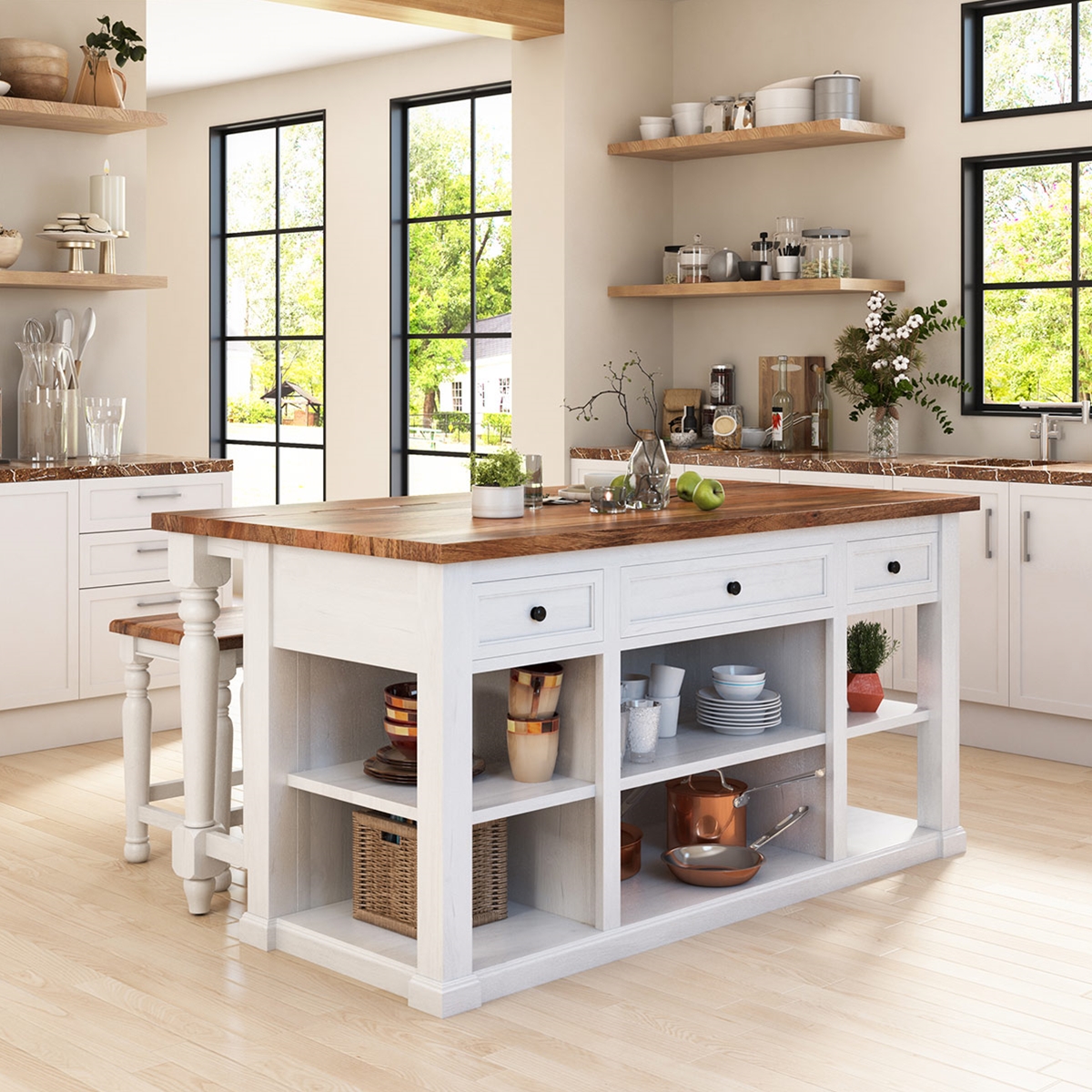
Smarter Ways to Plan a Functional Kitchen Island for Modern Living in 2026
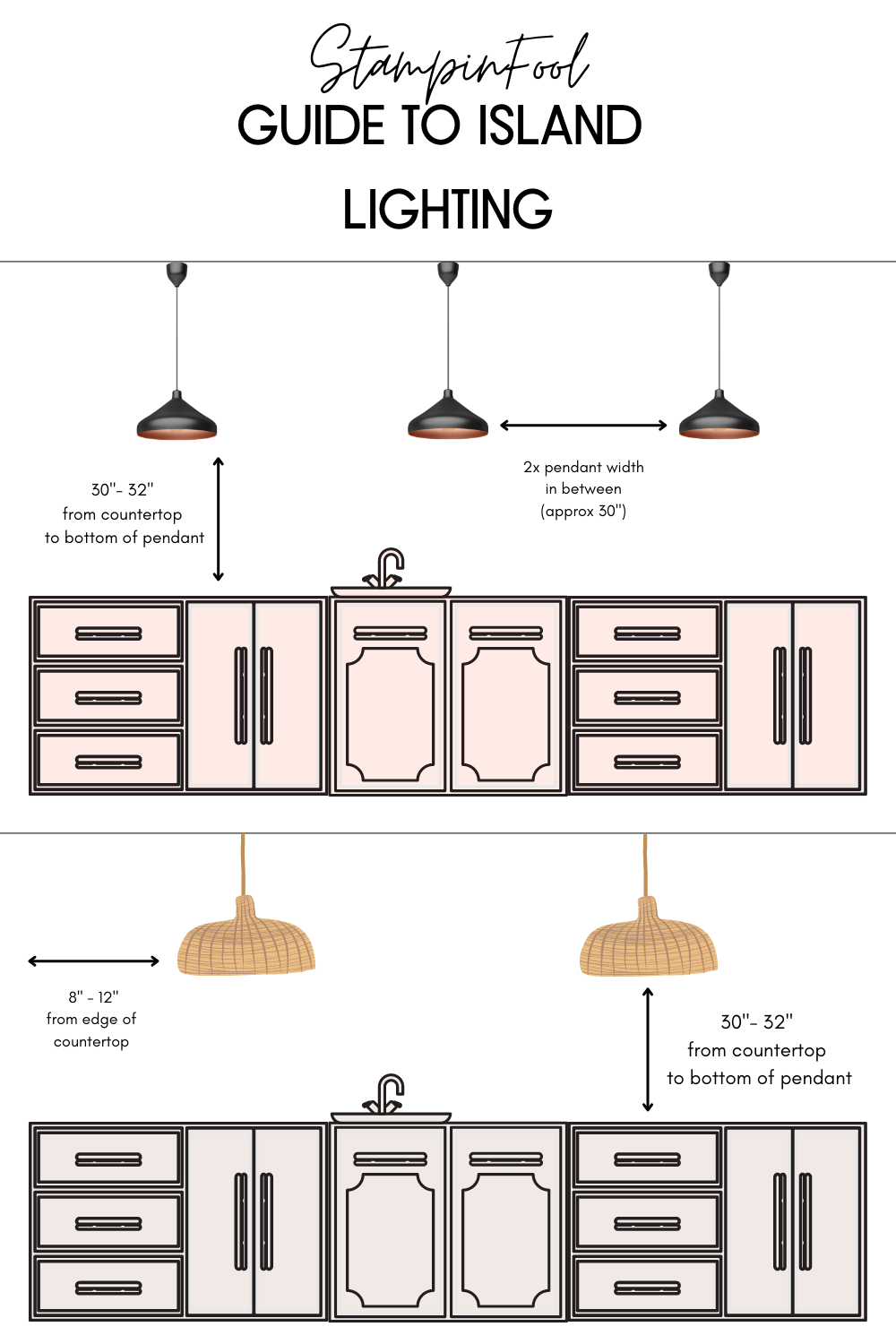
How to Layer Kitchen Island Lighting for Both Cooking and Gathering
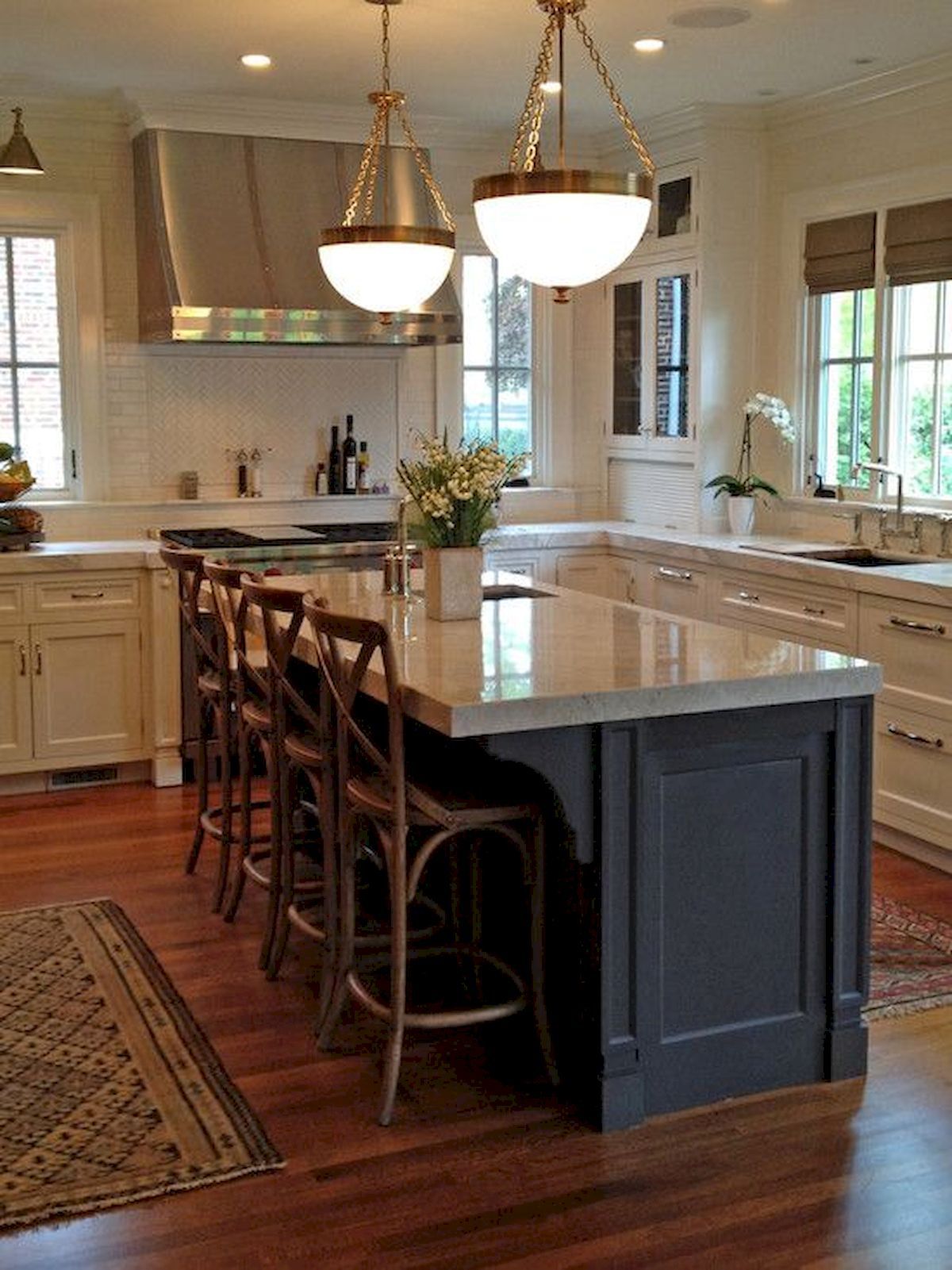
Rethinking Your Kitchen Island Layout With Ideas Grounded in Real Everyday Use

The practical benefits of using 24x48 porcelain stone effect tiles in homes

