There's something deeply satisfying about sitting down to dinner on a table that feels like it's been crafted by hand over decades. Dash walnut dining sets represent that perfect blend of traditional woodworking and modern design sensibilities. What makes these pieces so special isn't just their beautiful appearance, but the careful attention to detail that goes into each one. Every cut, every sanding, every finish tells a story of dedication and skill.
When you think about high-quality furniture, particularly dining sets, several things come to mind: durability, aesthetics, and most importantly, craftsmanship. Dash walnut dining sets have earned their reputation for excellence because they embody all three elements beautifully. But what exactly goes into creating these stunning pieces? Let's take a closer look at how skilled artisans transform raw walnut wood into functional works of art that will grace your dining room for generations.
The Foundation: Selecting the Perfect Walnut
The journey begins long before any saws start moving. Choosing the right walnut wood is crucial, and it's where the magic really starts. Good walnut comes from mature trees, typically at least 80 years old, which means the wood has had time to develop its characteristic rich grain patterns and deep coloration. Skilled lumbermen know that the best pieces often come from trees that have experienced some weathering, giving the wood natural character. When selecting logs, craftsmen look for straight grain lines and minimal knots, though some natural imperfections actually add charm. The wood must also be properly dried, usually taking months or even years depending on the piece. This slow drying process prevents warping and ensures the final product will hold up well over time. Some artisans prefer kiln-dried wood for consistency, while others prefer air-dried pieces that have developed subtle variations in moisture content that create unique textures. The choice reflects both practical considerations and aesthetic preferences.
Design Philosophy and Planning
Once the wood arrives, the real planning begins. Designers and craftspeople spend considerable time sketching ideas and considering proportions. A well-designed dining set balances form and function perfectly. The table top dimensions must accommodate guests comfortably while allowing space for serving dishes. Leg height, edge profiles, and overall silhouette all require careful thought. Many Dash designs incorporate traditional elements like curved edges or elegant aprons, but with contemporary touches that make them feel fresh and relevant. The design phase also considers how different woods might interact - some pieces use contrasting materials like brass hardware or leather accents. These choices aren't arbitrary; they reflect the philosophy that good design should enhance rather than compete with the natural beauty of the wood itself. Sometimes the challenge lies in making something simple look sophisticated, or making something ornate feel approachable. The balance between these competing demands requires experience and intuition that comes from years of practice.
The Cutting and Shaping Process
With the plan in place, the actual cutting begins. Modern tools make precision possible, but many craftspeople still rely heavily on hand tools for certain steps. The first cuts determine everything that follows. Using specialized saws, workers carefully slice the wood according to precise measurements. The grain direction matters enormously during this stage - cutting against the grain creates smoother surfaces, while following the grain provides better strength. Some pieces require multiple cuts and adjustments as craftsmen work to get exactly the right shape. The shaping phase involves using planes, chisels, and various sanding tools to gradually refine the wood's surface. This is where the true artistry shows. Even with precise measurements, the final look depends on the craftsman's touch. A slight variation in angle or pressure can dramatically change the final texture. Some pieces go through dozens of sanding sessions, each one bringing the wood closer to perfection. The attention to detail at this stage is remarkable - even the smallest imperfection can become visible under proper lighting.
Joinery Techniques and Structural Integrity
Perhaps nowhere is craftsmanship more evident than in joinery. The connections between pieces must be strong enough to support daily use while maintaining structural integrity over decades. Traditional mortise and tenon joints are common in high-end dining sets, offering exceptional strength and durability. These joints are often cut by hand, requiring incredible precision. The fit must be tight enough to prevent movement but loose enough to allow for natural wood expansion and contraction. Some craftspeople use traditional glue techniques mixed with modern adhesives for extra security. The legs of dining tables often feature elaborate joinery, sometimes incorporating decorative elements that serve both aesthetic and functional purposes. Hidden fasteners and clever internal supports are also part of the process. The goal is to create pieces that feel solid and substantial, even when you're not looking at the joints themselves. Quality joinery means the set will remain stable and secure through years of regular use, and that's something you can feel when you sit down to eat.
Finishing Touches and Surface Treatment
The finishing process brings out the wood's natural beauty while protecting it from damage. Different finishes can dramatically alter how the wood looks and feels. Some Dash sets use natural oils that enhance the wood grain without covering it up, while others apply protective coatings that give a more uniform appearance. The application process itself requires patience and skill. Multiple thin coats are generally preferred over fewer thick ones, allowing each layer to dry properly and providing better protection. Sanding between coats ensures smoothness and proper adhesion. Some craftspeople use traditional methods like hand-rubbing finishes, while others combine modern techniques with classic approaches. The final result should feel smooth to the touch and resist scratches and stains. The finish also affects how light reflects off the surface, changing the piece's appearance throughout the day. Some pieces are left unfinished to let the wood age naturally, developing a patina that many collectors find appealing. Others receive treatments that preserve their original appearance for decades.
Quality Control and Final Assembly
Before any set leaves the workshop, it undergoes rigorous quality checks. Each component is inspected for defects, proper alignment, and overall appearance. Tables are tested for stability, chairs for comfort and support, and all pieces are checked for dimensional accuracy. The assembly process requires careful attention to ensure everything fits together properly. Some pieces are assembled entirely by hand, with no power tools involved. This hands-on approach allows craftsmen to make small adjustments that improve the final result. The final inspection includes checking for any remaining imperfections, ensuring all hardware is properly installed, and verifying that the piece meets established standards. Some manufacturers even provide detailed care instructions to help owners maintain their investment. This attention to the final details ensures customers receive products that meet their expectations and will continue to look beautiful for years to come. The satisfaction of seeing a completed piece, knowing that every step was carefully considered and executed, makes all the effort worthwhile.
Dash walnut dining sets represent more than just furniture - they're expressions of craftsmanship, tradition, and dedication to quality. Every aspect of their creation, from selecting the right wood to applying the final finish, reflects a commitment to excellence that's becoming increasingly rare. These pieces tell stories of skilled artisans who understand that great furniture isn't just about making something that looks good, but about creating objects that will be used and appreciated for generations. When you choose a Dash walnut dining set, you're investing in more than just a table - you're supporting a tradition of craftsmanship that values quality over quantity, skill over speed, and beauty over mere functionality. The result is furniture that not only serves its purpose but also adds warmth and character to your home. Perhaps that's why these pieces have endured for so long - they remind us that the best things in life are worth taking time to create properly.


Related Posts

Kitchen Island vs Peninsula Compared for Flow Storage and Everyday Use
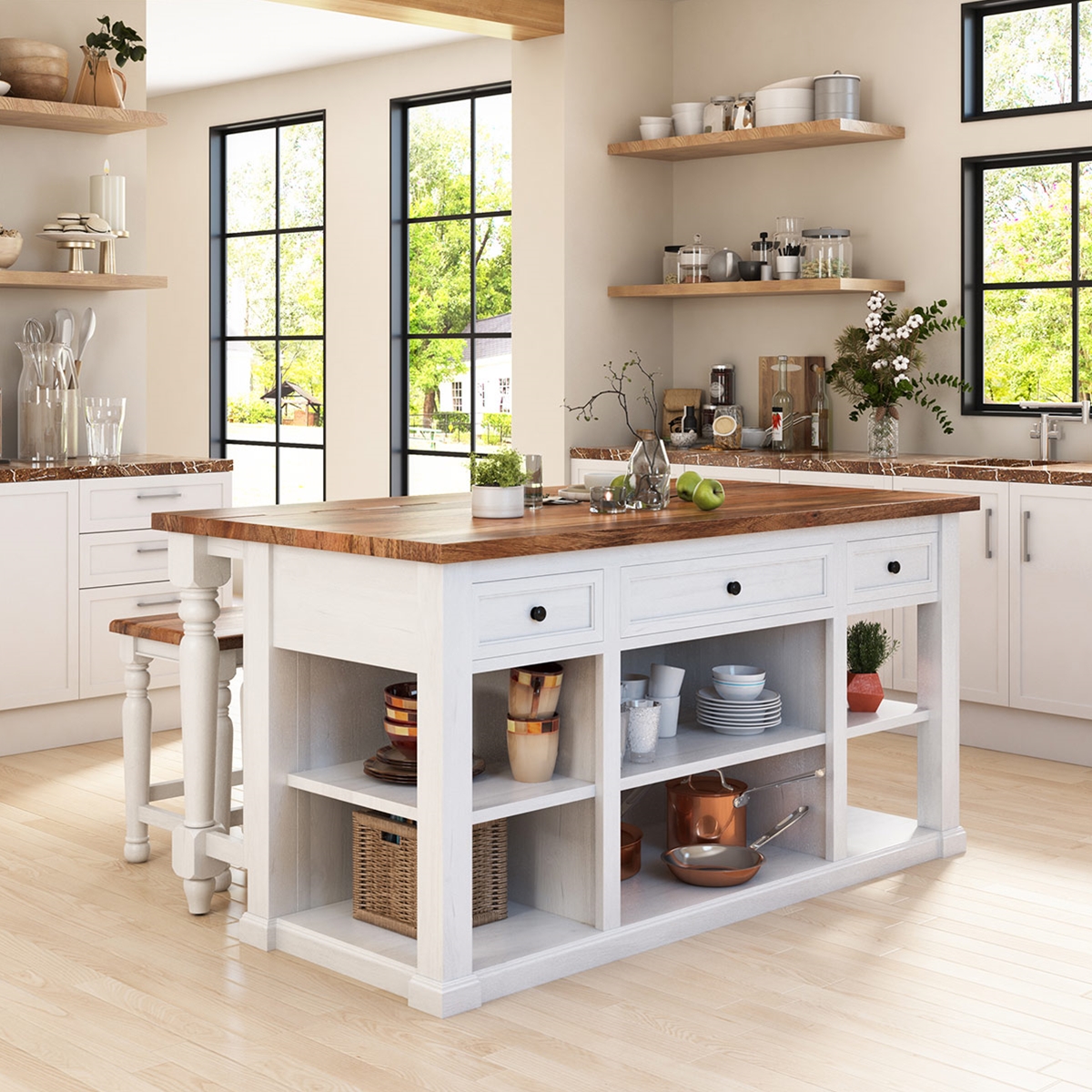
Smarter Ways to Plan a Functional Kitchen Island for Modern Living in 2026
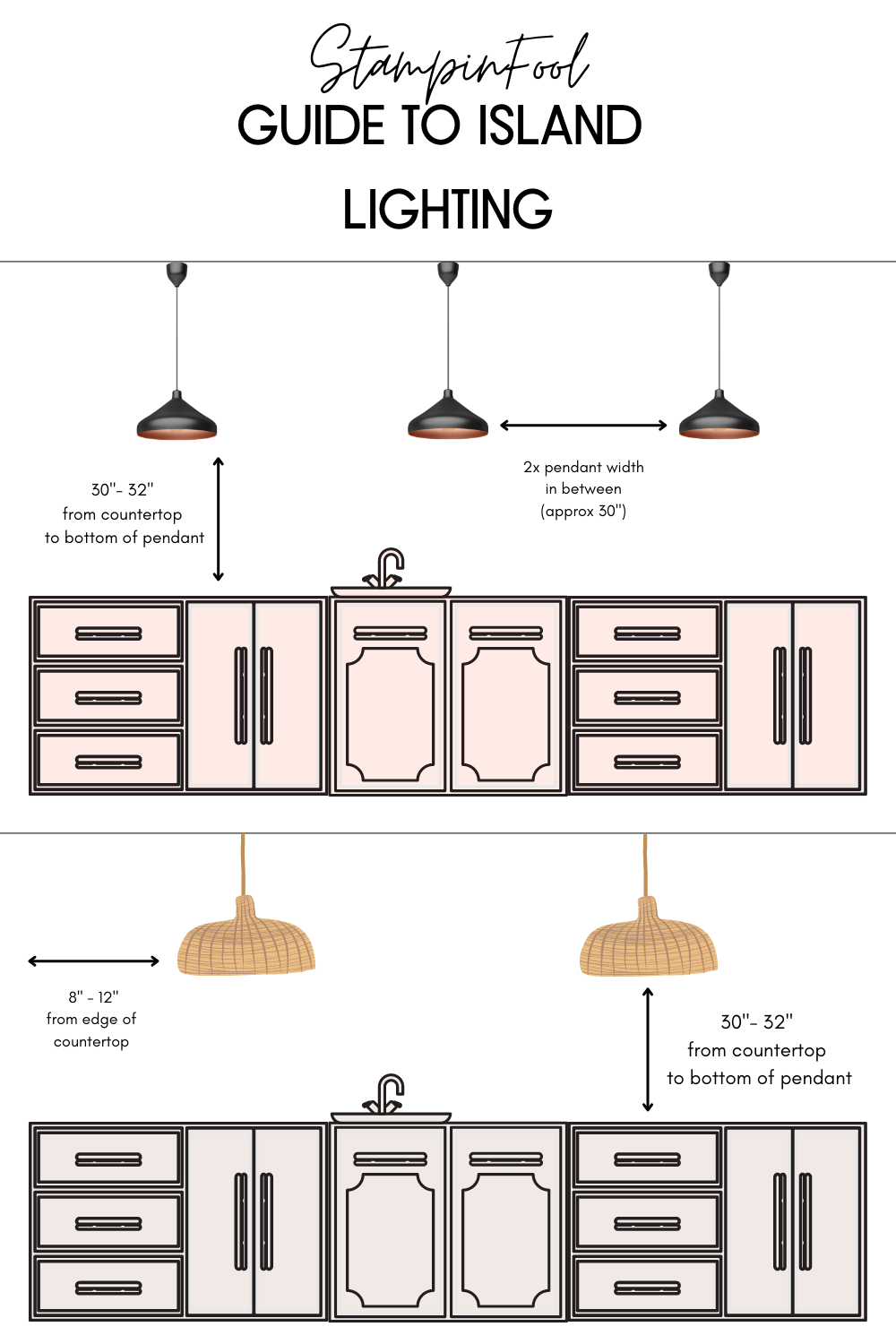
How to Layer Kitchen Island Lighting for Both Cooking and Gathering
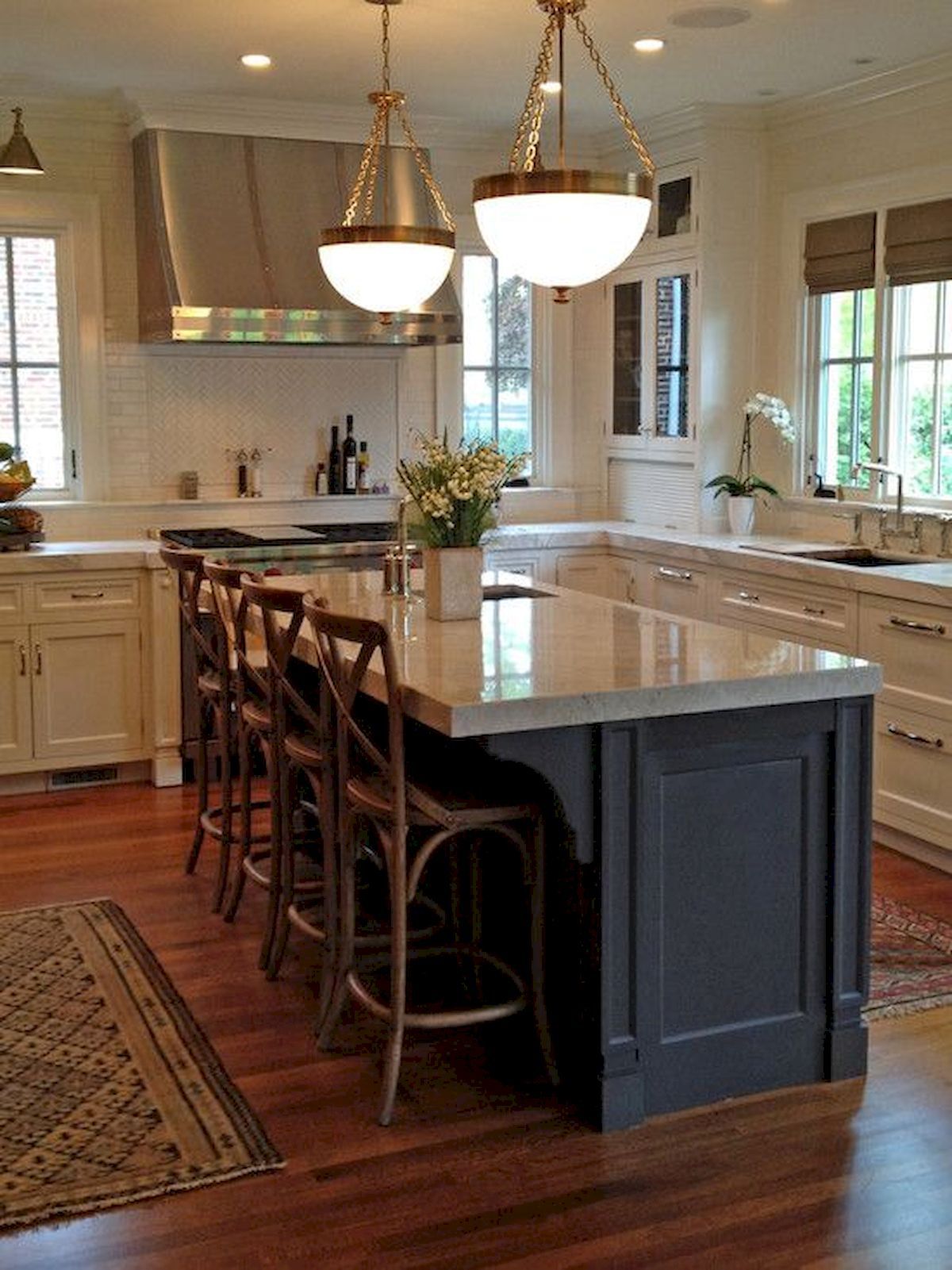
Rethinking Your Kitchen Island Layout With Ideas Grounded in Real Everyday Use

The practical benefits of using 24x48 porcelain stone effect tiles in homes