When it comes to updating your dining room, choosing the right material for your table can feel like picking the perfect pair of shoes. You want something that looks great, feels good, and stands up to daily use. But what happens when you're faced with a choice between classic leather and the modern leatherette? It's more than just a surface debate—it's about lifestyle, cost, and how you actually live.
Dining tables have always been the heart of family gatherings, holiday meals, and quiet evening conversations. In recent years, designers have pushed boundaries with new materials that promise to blend style with practicality. Leatherette, a synthetic alternative to genuine leather, has emerged as a popular choice for those wanting the look of leather without the price tag or maintenance hassles. But how does it really stack up against traditional materials? Let's take a closer look at what makes each option special—and whether they're worth the investment.
What Is Leatherette Exactly?
Leatherette might sound like a fancy word for fake leather, and honestly, it's close to that. It's a synthetic material made from polyurethane or PVC coatings applied over fabric or mesh backing. Think of it as leather's cheaper, more durable cousin. It mimics the appearance of real leather but with a few key differences. For starters, it's much easier to clean and maintain. You don't have to worry about conditioning it every few months or getting it repaired if it gets scratched. It also tends to be more stain-resistant, which is a big plus for families with kids or pets. But there's a catch—the synthetic nature means it won't age gracefully like real leather will. Instead, it may develop a plastic-like appearance over time.
Traditional Materials You Know and Love
Let's talk about the old-school standbys that have graced dinner tables for decades. Wood, metal, and genuine leather each bring their own unique character to a dining space. Wood tables offer warmth and natural beauty, often featuring grain patterns that tell a story. They're incredibly durable and can last generations with proper care. Metal tables, especially those with steel or aluminum frames, give a sleek, industrial vibe. They're easy to clean and resistant to scratches and stains. Genuine leather, meanwhile, offers unmatched comfort and elegance. It softens with use, develops a rich patina, and feels luxurious under your hands. But it also requires regular maintenance, and can be prone to fading or cracking if not properly cared for.
Durability: How Long Will It Last?
Durability is one of the biggest factors in choosing your dining table material. Leatherette holds its own in terms of wear resistance. It's tough enough to handle daily use without showing signs of damage quickly. However, it's not immune to wear. Over time, the coating can peel or crack, especially in high-use areas. Wood tables are legendary for their longevity. A well-made wooden table can last for decades, even with heavy use. The key is proper maintenance and avoiding extreme temperature changes. Metal tables are incredibly durable and can withstand almost anything thrown at them. They don't warp, fade, or get scratched easily. Leather, on the other hand, is a different story. While it can be very long-lasting, it needs attention. Regular conditioning keeps it supple and prevents cracking. Without care, it can become stiff and brittle.
Maintenance and Care Requirements
Here's where things get interesting. Each material has its own maintenance routine. Leatherette is a breeze to care for. A quick wipe-down with mild soap and water is usually all it needs. No special treatments required, no need for conditioners, and no worrying about staining. Wood tables require a bit more work. You'll want to use appropriate cleaners and avoid harsh chemicals. Some woods benefit from periodic oiling to keep them looking fresh. Metal tables are low maintenance, needing just a simple wipe-down. Leather, however, demands more attention. It needs regular cleaning and conditioning to prevent drying out. You'll also want to protect it from direct sunlight and heat sources to avoid fading.
Cost Considerations
Budget plays a huge role in material selection. Leatherette is typically the most affordable option, offering a premium look at a fraction of the cost of real leather. It's also often less expensive than wood or metal tables, making it a smart choice for those on a tight budget. Wood tables can vary widely in price depending on the species and craftsmanship. Solid hardwoods like oak or maple tend to be pricier but offer better value over time. Metal tables are usually mid-range in cost, with prices varying based on design and materials used. Genuine leather tables come with a premium price tag, reflecting both the material and the craftsmanship involved. But remember, quality leather tables often provide better long-term value due to their durability and timeless appeal.
Style and Aesthetics
Style matters. Your dining table isn't just functional—it's a statement piece. Leatherette brings a modern edge to any space, with its smooth texture and glossy finish. It works particularly well in contemporary settings and can make smaller rooms feel more polished. It's available in many colors and styles, from classic black to bold reds and blues. Traditional materials offer different aesthetic paths. Wood adds warmth and natural beauty, making spaces feel cozy and inviting. Metal brings a clean, minimalist look that fits well in modern kitchens. Genuine leather provides sophistication and luxury, perfect for formal dining areas. Each material brings its own personality to the table, so consider your home's overall style when choosing.
Choosing the right material for your dining table is a personal decision that depends on your lifestyle, budget, and design preferences. Leatherette offers a compelling middle ground, combining the visual appeal of leather with practical benefits like ease of care and affordability. Traditional materials like wood, metal, and genuine leather each bring their own strengths—durability, timeless style, and natural beauty. Ultimately, the best choice is one that fits your daily life and enhances your dining experience. Whether you go for the modern convenience of leatherette or stick with tried-and-true materials, the most important thing is that your table brings joy to your meals and memories to your home.


Related Posts

Kitchen Island vs Peninsula Compared for Flow Storage and Everyday Use
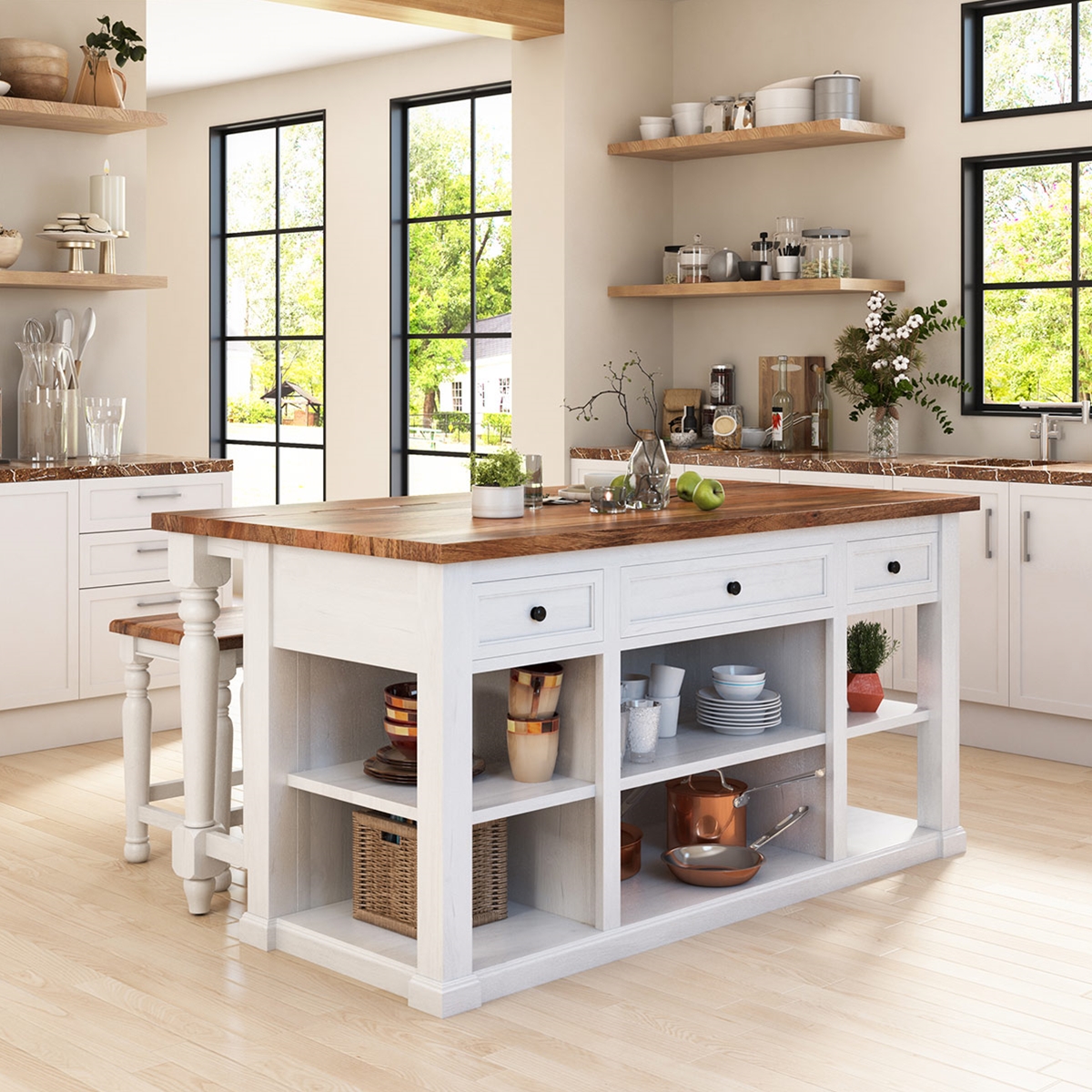
Smarter Ways to Plan a Functional Kitchen Island for Modern Living in 2026
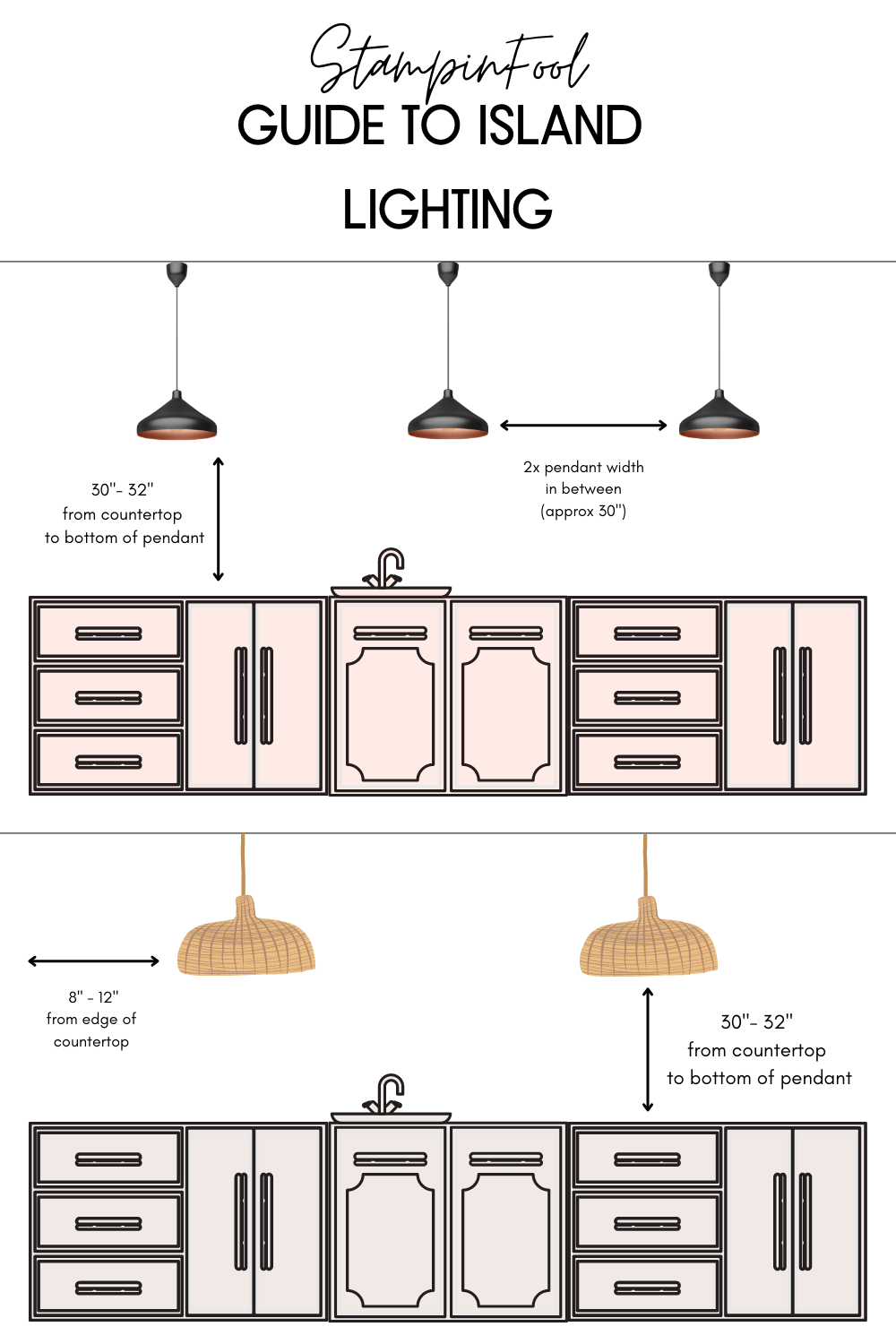
How to Layer Kitchen Island Lighting for Both Cooking and Gathering
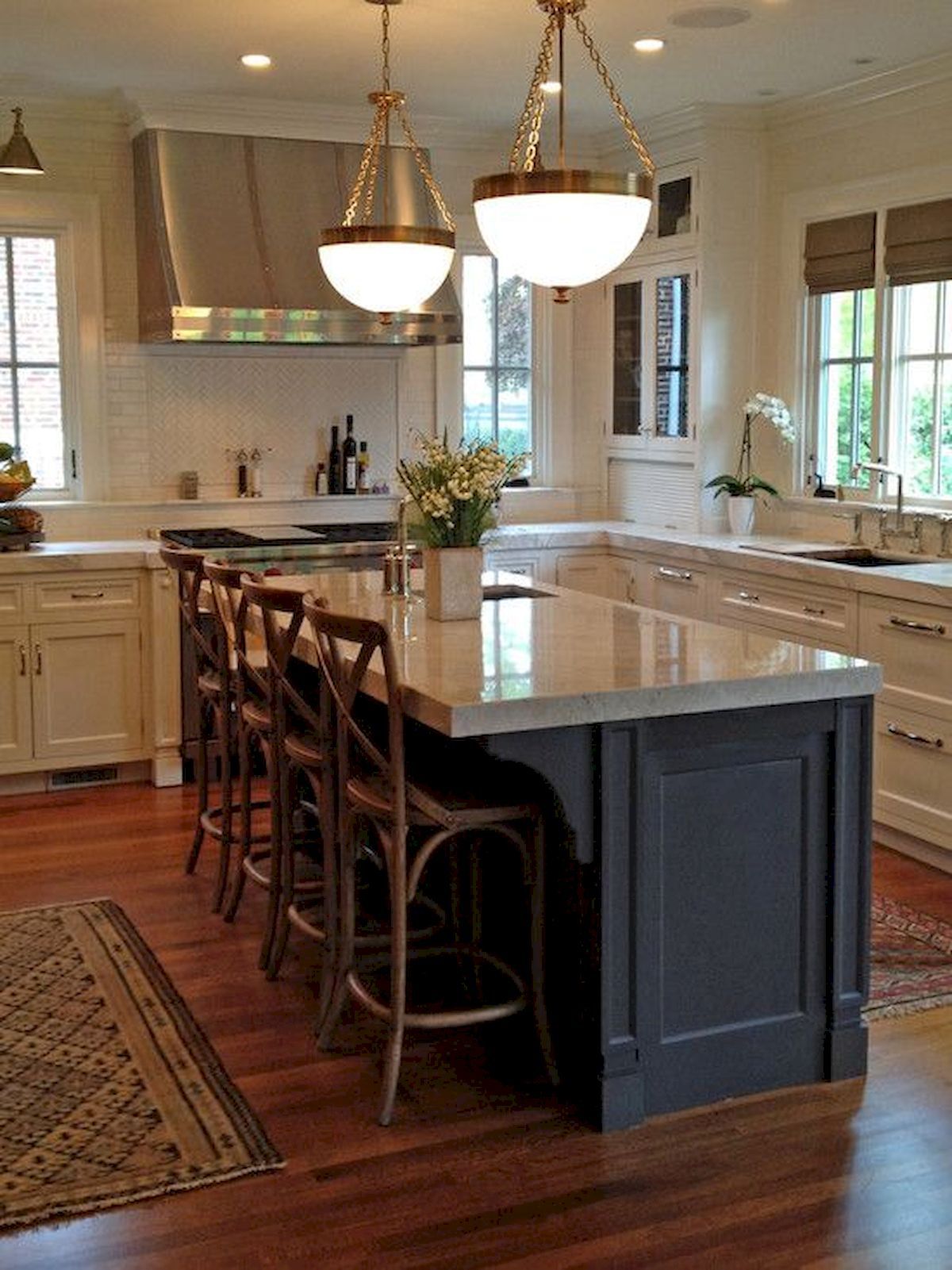
Rethinking Your Kitchen Island Layout With Ideas Grounded in Real Everyday Use

The practical benefits of using 24x48 porcelain stone effect tiles in homes