Imagine stepping onto a subway platform where every surface feels secure, every step is confident, and every glance brings comfort. This isn't just a dream - it's becoming reality through thoughtful design choices. When architects and designers focus on materials that offer both beauty and safety, they create spaces that people actually want to use. In transit systems around the world, one solution stands out for its remarkable ability to deliver on both fronts: matte white porcelain flooring and wall solutions.
Subway stations are more than just places to catch trains. They're public spaces where millions of people navigate daily routines, often under pressure or stress. The design choices made in these environments profoundly impact user experience. From the moment someone steps onto a platform, they're making subconscious judgments about safety, cleanliness, and overall quality. What if we could improve these perceptions through simple yet powerful material decisions? That's exactly what matte white porcelain offers. This unassuming material carries tremendous potential for creating spaces that feel both welcoming and secure. It's not just about aesthetics - it's about creating environments that support human well-being while standing up to the rigors of constant use.
Why Matte White Porcelain Stands Out
Porcelain tiles have been used in architecture for centuries, but the matte finish takes things to another level. Unlike glossy surfaces that can be slippery when wet, matte porcelain provides excellent traction even in challenging conditions. Think about it - when rain hits a subway platform, or someone spills a drink, the last thing you want is a surface that becomes treacherous. Matte white porcelain solves this problem beautifully. The texture naturally prevents slipping while maintaining a clean, modern appearance.
The color choice is equally important. White isn't just simple - it's powerful. It reflects light, making spaces feel larger and brighter. In underground environments where natural light is limited, this quality becomes essential. White also creates a sense of cleanliness and order that helps passengers feel more comfortable. The matte finish adds warmth to what might otherwise be stark concrete or metal surfaces.
Safety Features That Matter
Safety in transit design goes beyond just preventing falls. It includes visibility, durability, and psychological comfort. Matte white porcelain excels in all these areas. The non-slip properties are rated according to international standards, ensuring they meet the most demanding requirements. These aren't theoretical claims - they've been tested in actual subway environments with real-world usage patterns.
Consider the difference between a polished tile that looks beautiful but becomes dangerous when wet, versus a matte surface that maintains its grip regardless of conditions. This matters enormously in busy stations where people are moving quickly, carrying bags, and potentially distracted. The material's resistance to stains and fading means it keeps looking good over time, reducing maintenance costs and keeping the space inviting.
Additionally, the uniformity of the white color helps guide people's eyes along pathways, creating visual clarity that's especially helpful for those with visual impairments. The material's consistency makes it easier for people to understand where they should walk, where they should stop, and where they can safely move through the space.
Aesthetic Appeal and Modern Design Trends
Good design isn't just about functionality - it's about creating spaces that people enjoy being in. Matte white porcelain allows designers to achieve a clean, contemporary look that speaks to modern sensibilities. The subtle texture adds depth and character without overwhelming the eye. It's the kind of material that works whether you're designing a bustling urban terminal or a quiet suburban station.
This material can be used in countless ways. From large-format floor tiles that create seamless expanses to decorative accent walls that add personality, the possibilities are endless. Some stations feature full installations that transform entire platforms into bright, welcoming spaces. Others use the material strategically to highlight specific areas like ticket booths, waiting zones, or escalator landings.
The beauty of matte white porcelain lies in its versatility. It pairs well with natural materials like wood or stone accents, creating a balanced environment that feels both sophisticated and approachable. The material's ability to reflect light makes it ideal for spaces that need to feel open and airy, even when they're underground.
Practical Benefits for Station Operators
While end users might appreciate the aesthetic qualities, operators and facility managers care about practical outcomes. Matte white porcelain delivers impressive benefits in this area too. Maintenance requirements are minimal compared to many alternatives. The surface resists dirt buildup, making cleaning quick and efficient. This is crucial in high-traffic environments where time spent on maintenance directly impacts operational efficiency.
The durability factor cannot be overstated. These tiles are engineered to handle millions of footsteps annually without showing significant wear. They resist scratches, chips, and general deterioration that would compromise both safety and appearance. For operators managing tight budgets, this longevity represents significant cost savings over time.
Installation is another advantage. The tiles are designed for easy fitting, reducing labor costs and installation time. This is particularly valuable when working in existing stations where construction disruption needs to be minimized. The material's stability means it won't expand or contract significantly with temperature changes, ensuring consistent performance year-round.
Real-World Examples of Success
Several major transit systems have already embraced this approach with remarkable results. One European city transformed its central station by installing matte white porcelain throughout the main platform areas. The change was dramatic - passengers reported feeling more confident walking through the space, and the station saw fewer incidents of slips or falls. The material's ability to maintain its appearance despite heavy use impressed facility managers who noted reduced cleaning requirements.
In Asia, a metropolitan system integrated porcelain solutions into new construction projects, using them not just for floors but also for wall cladding in concourses. The result was a cohesive design language that made the entire station feel unified and purposeful. Passengers commented on how the space felt less institutional and more like a modern public amenity.
These examples show that the benefits extend far beyond simple aesthetics. When people feel safer and more comfortable in a space, they're more likely to use it regularly, which supports the overall effectiveness of the transit system.
Looking Forward: Future Applications and Innovations
The field continues to evolve rapidly. New manufacturing techniques are creating even better versions of matte white porcelain, with improved slip resistance and enhanced durability. Some manufacturers are experimenting with integrated lighting features within the tiles themselves, creating new possibilities for wayfinding and ambiance.
Smart materials are also entering the picture. Researchers are developing porcelain surfaces that can respond to environmental conditions, changing their properties based on temperature or humidity levels. These innovations promise to make subway environments even more comfortable and responsive to passenger needs.
Sustainability considerations are increasingly important. Many porcelain manufacturers now produce their products with recycled materials and sustainable processes. This aligns with growing environmental concerns among transit authorities and the communities they serve.
The future holds exciting possibilities for how these materials might be combined with other design elements to create truly transformative spaces. As cities continue to grow and evolve, the need for safe, attractive, and functional transit environments will only increase. The right material choices today can shape how these spaces serve communities for decades to come.
The journey toward safer, more appealing subway stations isn't just about adding pretty surfaces - it's about creating environments that genuinely support human activity and well-being. Matte white porcelain emerges as a powerful solution because it addresses fundamental needs: safety, durability, and aesthetic appeal. It's a material that works for everyone - passengers who want to feel secure, operators who need reliable infrastructure, and designers who want to create beautiful spaces.
When we think about the countless hours people spend navigating transit systems, we realize that small design decisions can have enormous impacts. The choice to use matte white porcelain isn't just about looking good - it's about creating spaces that make daily commutes more pleasant, safer, and more dignified. As cities continue to invest in their transportation networks, this material represents a smart, practical, and forward-thinking approach to public space design. The evidence from successful implementations around the world shows us that when we prioritize both form and function, we create transit experiences that truly serve people.


Related Posts

Kitchen Island vs Peninsula Compared for Flow Storage and Everyday Use
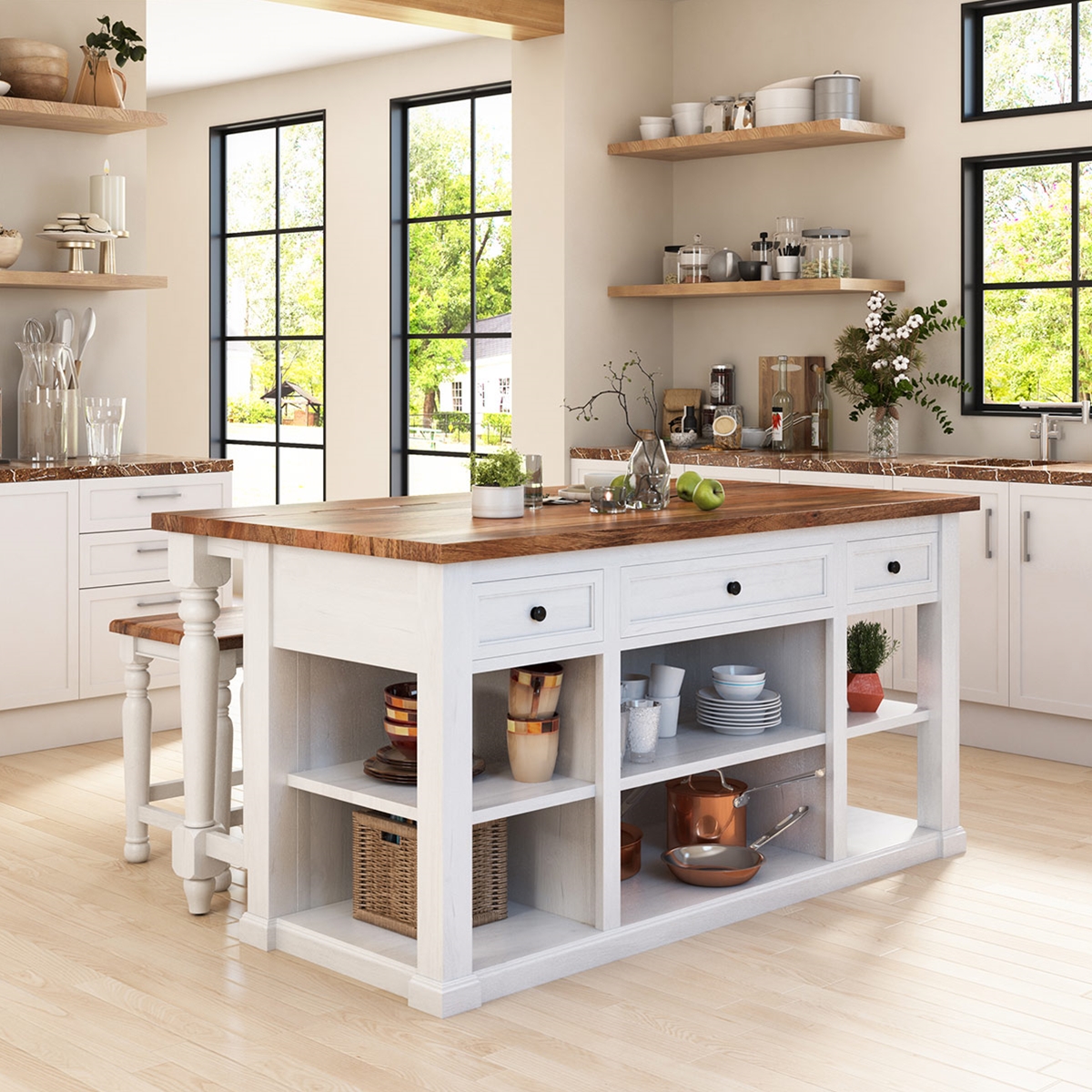
Smarter Ways to Plan a Functional Kitchen Island for Modern Living in 2026
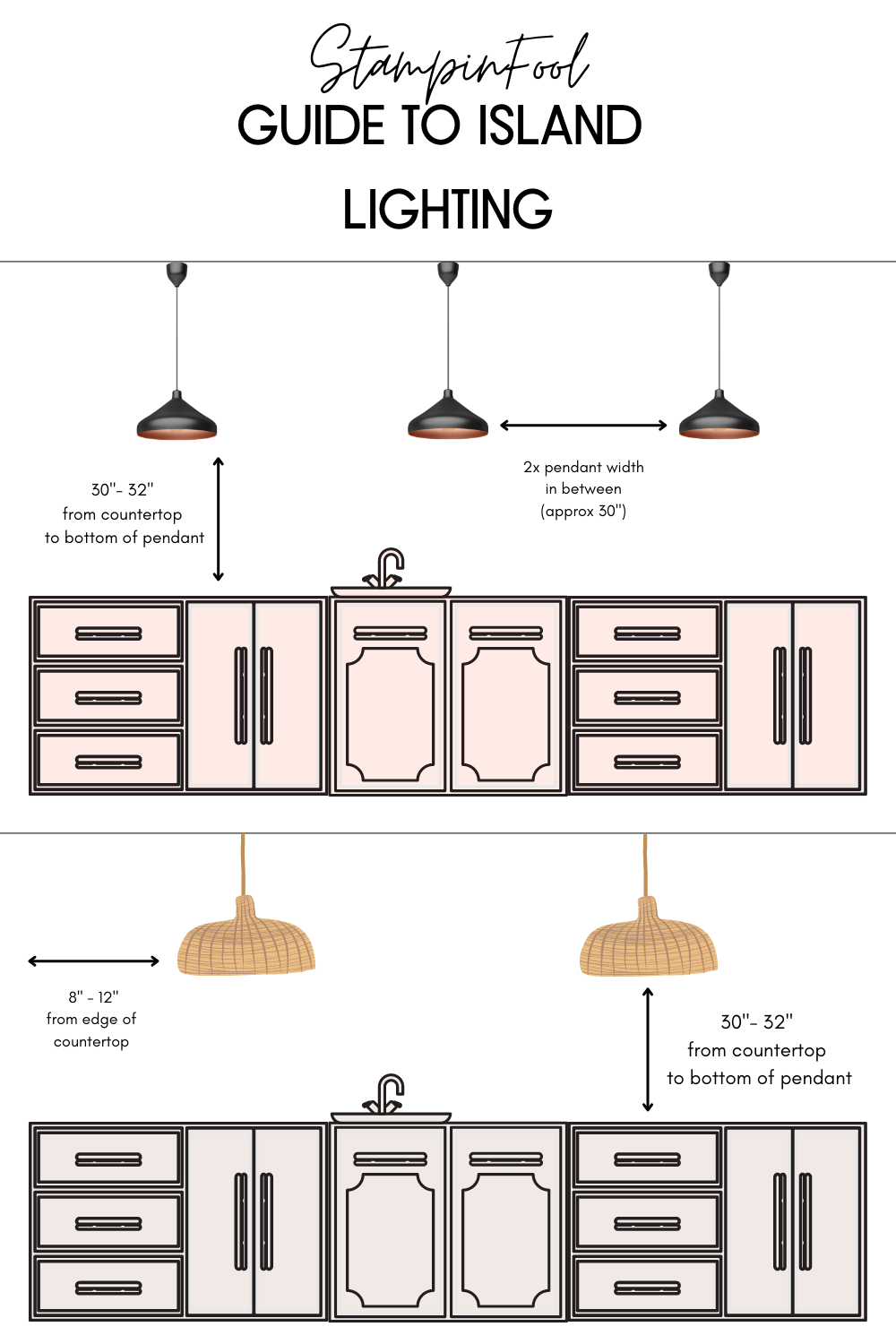
How to Layer Kitchen Island Lighting for Both Cooking and Gathering
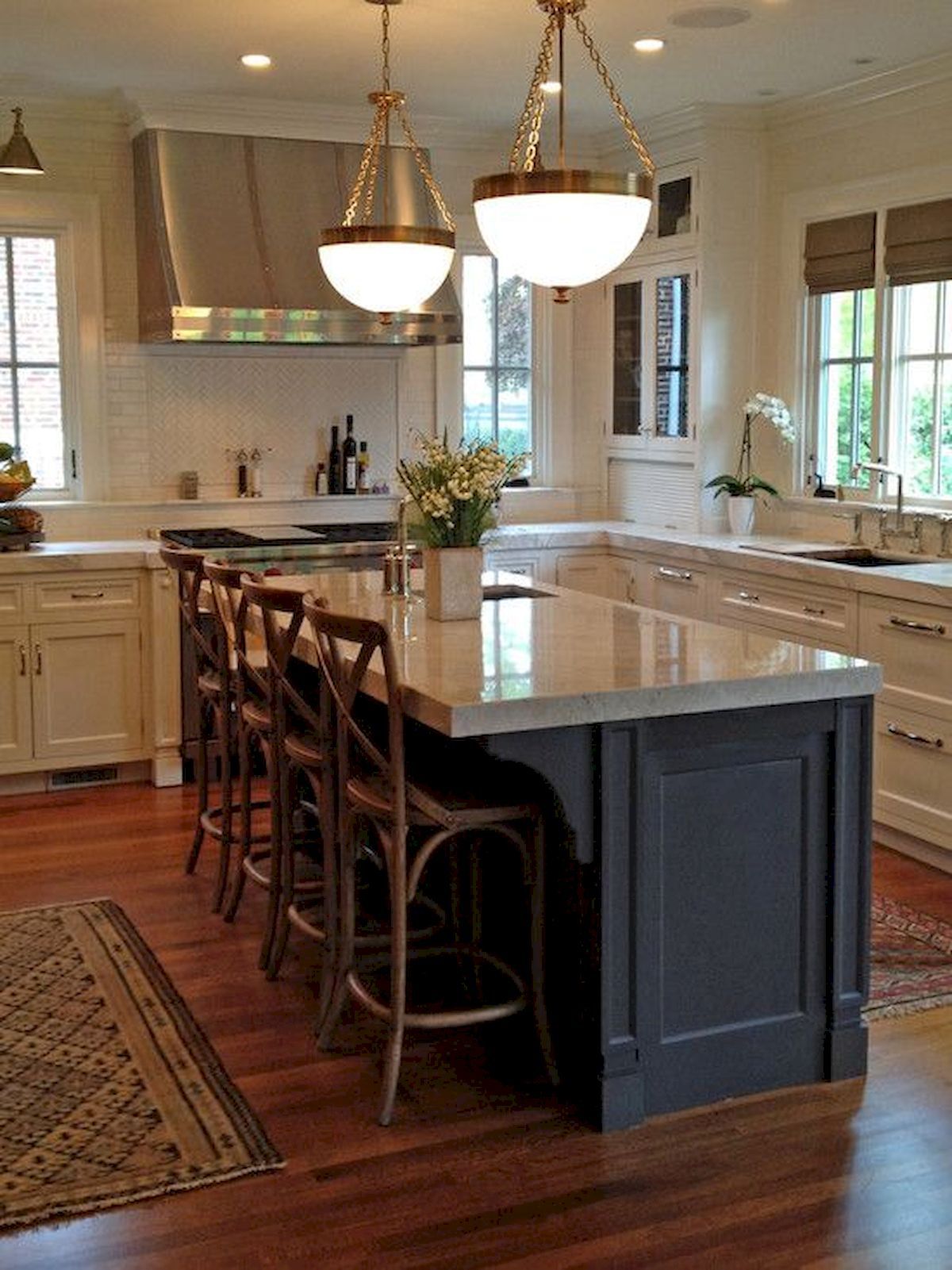
Rethinking Your Kitchen Island Layout With Ideas Grounded in Real Everyday Use

The practical benefits of using 24x48 porcelain stone effect tiles in homes

