When you step into a room adorned with Hudson Tangier mosaic tiles, you're not just looking at floor coverings - you're witnessing centuries of artistic tradition brought into contemporary spaces. These remarkable tiles tell stories of ancient techniques, cultural influences, and the meticulous craftsmanship that transforms simple materials into breathtaking works of art.
Hudson Tangier mosaic tiles represent more than just decorative elements in interior design. They embody a fusion of historical heritage and modern innovation that has captivated designers and homeowners alike for decades. What makes these tiles so special isn't just their visual appeal, but the intricate process behind their creation and the rich cultural narratives they carry. Whether you've admired them in a luxury bathroom or noticed them in a high-end restaurant, there's a fascinating story behind each tile that deserves exploration. These aren't just pieces of ceramic - they're small masterpieces that showcase the dedication of artisans who have perfected their craft over generations.
Origins and Cultural Heritage
The story of Hudson Tangier mosaic tiles begins in the ancient traditions of North African craftsmanship, particularly drawing inspiration from the historic city of Tangier in Morocco. This region has long been renowned for its distinctive tile-making techniques, passed down through generations of skilled craftspeople. The influence of various cultures - from Arab, Berber, and Islamic traditions - created a unique aesthetic that emphasized geometric patterns, vibrant colors, and exceptional attention to detail. These tiles were originally created for architectural embellishments, adorning palaces, mosques, and traditional homes. The cultural significance runs deep, with each pattern often carrying symbolic meanings related to protection, prosperity, and spiritual harmony. Today's Hudson Tangier collection pays homage to these roots while adapting to contemporary tastes and applications.
The Manufacturing Process
Creating Hudson Tangier mosaic tiles involves several stages that require both technical skill and artistic vision. The process starts with selecting high-quality clay and natural pigments, often sourced from specific regions known for their mineral content. Artisans then shape the individual tiles using traditional methods, some of which date back centuries. After shaping, the tiles undergo careful drying before being fired in specialized kilns at precise temperatures and durations. What makes these tiles truly special is the hand-painted finishing process, where skilled artists apply detailed designs and color schemes. The glazing technique adds both durability and the characteristic glossy finish that makes these tiles stand out. Quality control checks ensure each tile meets exacting standards before they reach the market. Some manufacturers even use traditional hand-cutting methods for certain patterns, maintaining the authentic feel that collectors prize.
Design Elements and Patterns
The beauty of Hudson Tangier mosaic tiles lies in their diverse range of patterns and design elements. Classic geometric motifs dominate many collections, featuring intricate combinations of triangles, hexagons, and diamond shapes that create mesmerizing visual effects when laid together. Floral and nature-inspired designs bring organic beauty to spaces, often incorporating olive branches, palm leaves, and other Mediterranean elements. The color palette ranges from earth tones that echo desert landscapes to bold blues and reds that pop against neutral backgrounds. Many tiles feature metallic accents or iridescent finishes that catch light differently throughout the day. The interplay between different sizes and shapes creates depth and movement, transforming flat surfaces into dynamic focal points. Designers often combine multiple patterns within a single installation, creating complex compositions that evolve as viewers move around the space.
Versatile Applications
While traditionally used for flooring, Hudson Tangier mosaic tiles have found their way into numerous creative applications throughout modern interiors. Bathrooms benefit tremendously from these tiles, where their water-resistant properties and elegant appearance create spa-like atmospheres. Kitchen backsplashes showcase the tiles beautifully, especially when combined with contrasting cabinetry or natural wood elements. Walls become canvases for artistic expression, whether as accent walls or entire room treatments. Outdoor spaces, including patios and pool areas, also embrace these durable tiles that can withstand weather conditions. The versatility extends to commercial applications too, with restaurants, hotels, and retail spaces using them to create memorable customer experiences. The key is understanding how to balance the boldness of the tiles with the overall design scheme to avoid overwhelming the space.
Maintenance and Care
Proper care ensures that Hudson Tangier mosaic tiles maintain their beauty and longevity for decades. Regular cleaning with mild soap and water works well for daily maintenance, though harsh chemicals should be avoided as they can damage the glaze. For deeper cleaning, specialized ceramic cleaners designed for mosaic installations work best. It's important to address spills quickly, especially acidic substances like lemon juice or wine, which can etch the surface if left unattended. Sealing the grout lines periodically helps prevent staining and makes cleaning easier. Professional cleaning services may be beneficial for large installations or those in high-traffic areas. The tiles themselves are quite durable, but the grout and joints require attention to preserve the overall appearance. Understanding the specific care requirements based on the finish type - whether matte, glossy, or textured - ensures optimal results.
Choosing the Right Tiles for Your Space
Selecting the perfect Hudson Tangier mosaic tiles requires considering several factors beyond personal preference. Size matters significantly - smaller tiles create more detailed patterns but require more grout lines, while larger tiles offer cleaner lines but less complexity. The intended use of the space affects color choices, with lighter tones working better in small bathrooms and darker shades adding drama to larger areas. Consider the lighting conditions, as the tiles will look different under natural versus artificial light. The existing décor style should guide your selection, ensuring the patterns complement rather than compete with surrounding elements. Budget considerations include not just the cost per square foot but also installation expenses, which can vary considerably based on complexity. Consulting with experienced designers or contractors familiar with mosaic installations can provide valuable insights for making informed decisions.
Hudson Tangier mosaic tiles represent far more than decorative elements in today's design landscape. They're vessels of cultural heritage, expressions of artistic excellence, and practical solutions for enhancing living spaces. Their enduring appeal comes from the perfect balance between historical authenticity and contemporary relevance. Whether you're planning a renovation project or simply appreciate fine craftsmanship, understanding the artistry behind these tiles adds appreciation for their true value. The journey from clay to finished tile showcases human creativity and skill that spans generations. These aren't just floor coverings - they're statements about taste, quality, and the desire to bring beauty and meaning into everyday environments. As trends change and new materials emerge, Hudson Tangier mosaic tiles continue to prove their staying power through timeless design principles and unmatched artisanal quality.


Related Posts

Kitchen Island vs Peninsula Compared for Flow Storage and Everyday Use
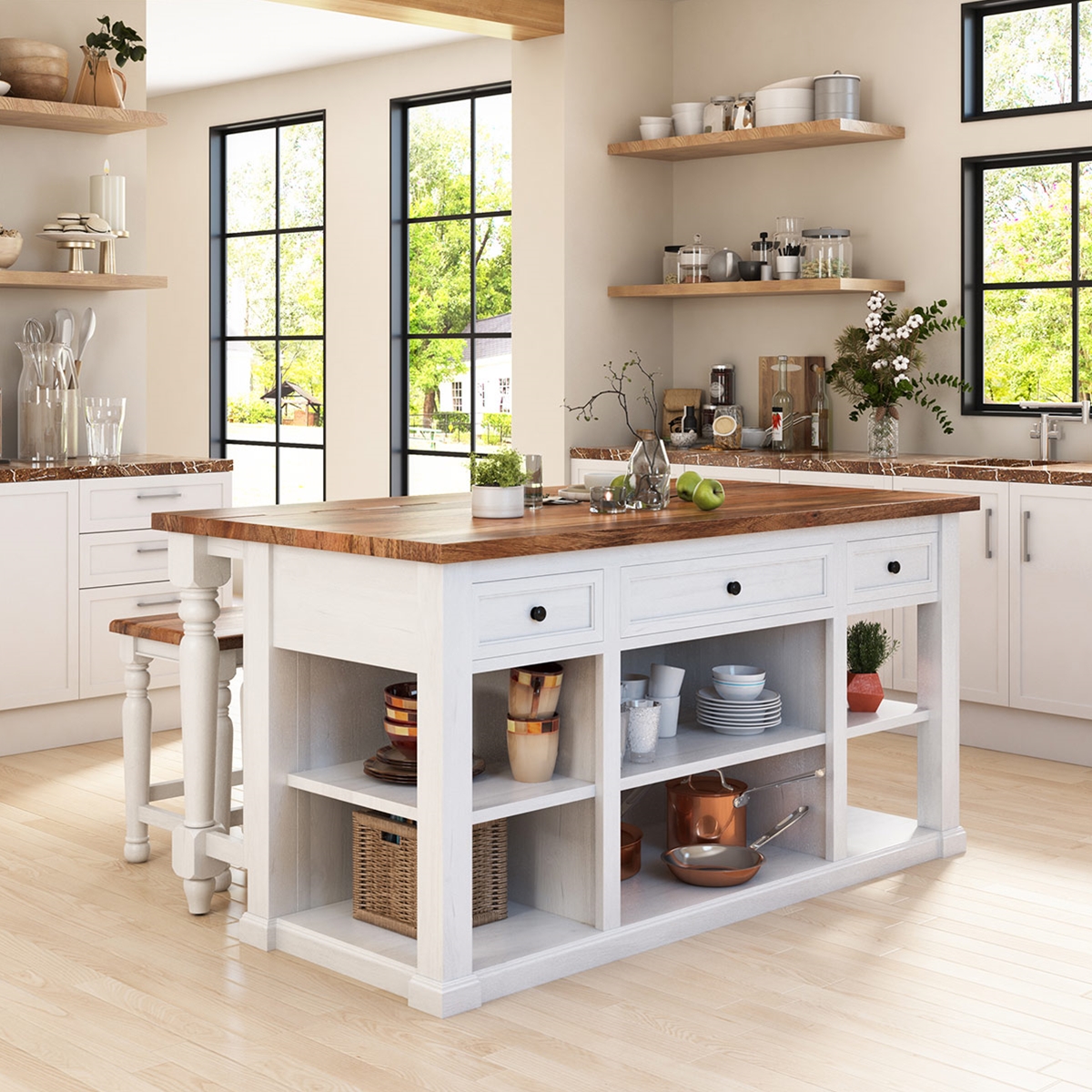
Smarter Ways to Plan a Functional Kitchen Island for Modern Living in 2026
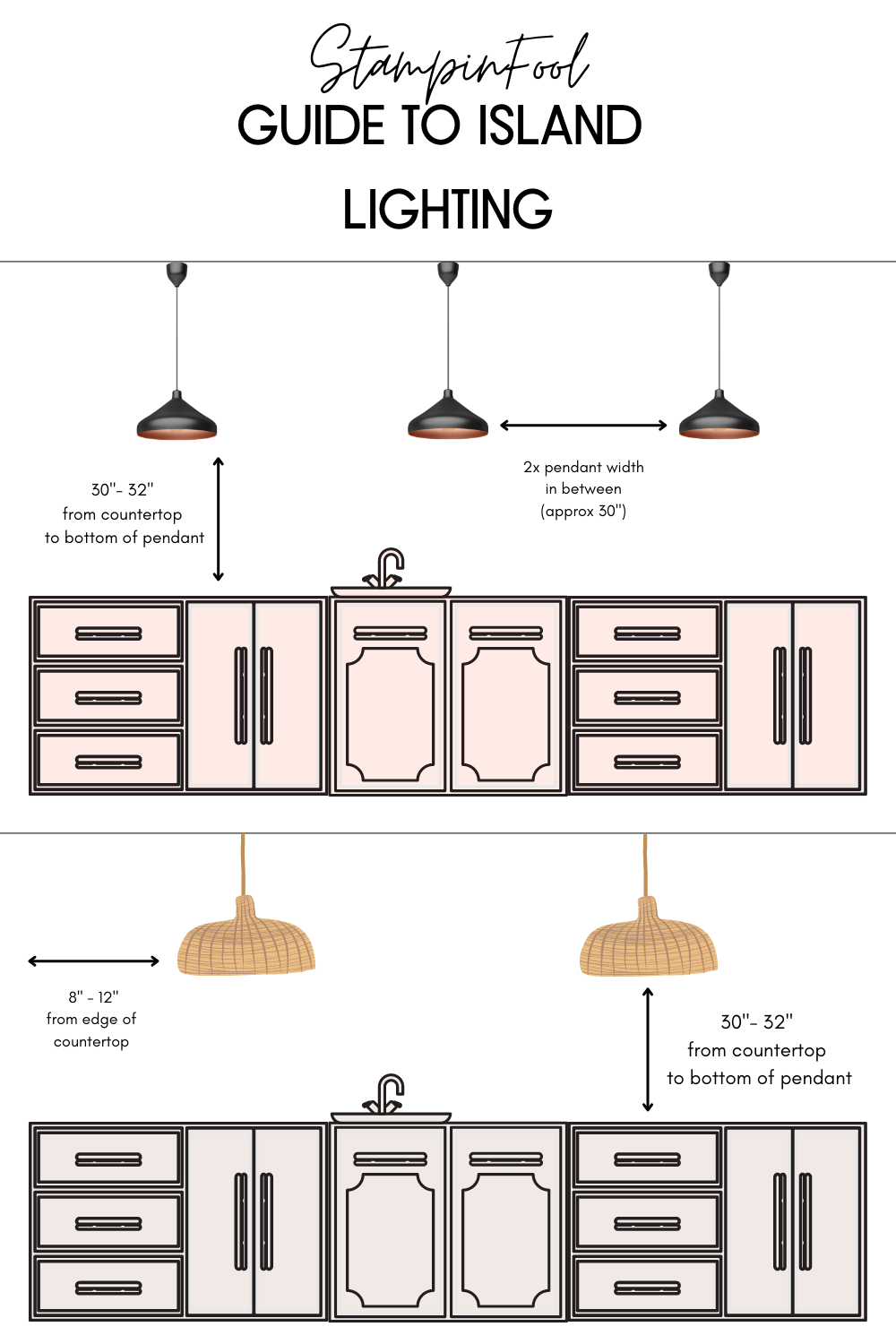
How to Layer Kitchen Island Lighting for Both Cooking and Gathering
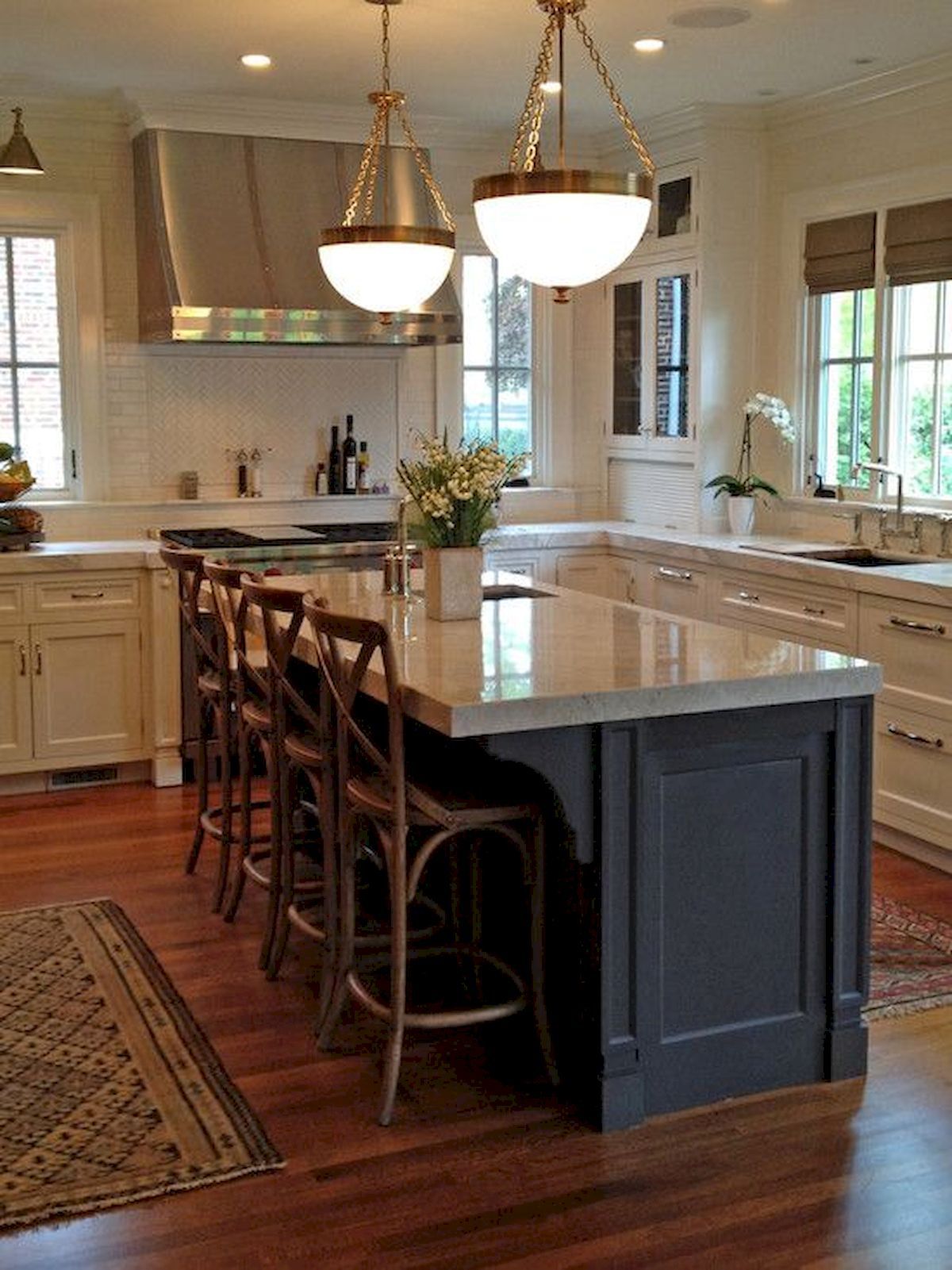
Rethinking Your Kitchen Island Layout With Ideas Grounded in Real Everyday Use

The practical benefits of using 24x48 porcelain stone effect tiles in homes