When you sit down to dinner with a set of Sterling 5-piece dining plates, you're not just enjoying a meal - you're participating in a tradition that spans generations. These elegant pieces have been gracing tables across continents for over a century, carrying stories of family gatherings, formal dinners, and quiet moments of connection. What makes these sets so special isn't just their beauty, but the way they've evolved with our changing tastes while maintaining their essential charm.
The story of Sterling 5-piece dining sets is more than just about dishes and tableware. It's about how we've learned to gather around tables, share meals, and create memories together. These sets represent more than functional objects - they embody the values of hospitality, family traditions, and the simple pleasure of eating together. Whether you own one from the 1950s or a newer version, each piece carries the weight of countless shared meals and conversations. The journey of these sets through time reveals fascinating insights into how our relationship with food and dining has changed.
Origins of Sterling's Distinction
Sterling's beginning dates back to the late 1800s when the company started producing high-quality silver-plated dinnerware. What made them stand out wasn't just their craftsmanship, but their commitment to making beautiful table settings accessible to more families. The company focused on creating pieces that were both elegant and durable, using techniques that would ensure longevity. Early sets often featured intricate patterns and designs that reflected the ornate tastes of the Victorian era. The name itself came from the quality of silver used in plating, which was considered premium during those times. You might wonder why these particular sets became so popular - it all comes down to balancing beauty with practicality. They weren't just decorative pieces, but functional items that could handle daily use while still looking impressive.
Design Evolution Through the Decades
Looking at Sterling's collection over time shows how design trends influenced their offerings. In the early 1900s, their sets featured elaborate floral patterns and detailed engravings that spoke to the ornate sensibilities of the period. As we moved into the mid-century, the aesthetic shifted toward cleaner lines and simpler motifs. This change reflected broader cultural shifts toward modernism and practicality. The 1950s brought a particularly notable evolution with sets featuring bold geometric patterns and vibrant colors. By the 1970s, many designs embraced a more minimalist approach, focusing on clean shapes and subtle textures. Each decade brought new innovations in materials and manufacturing techniques, allowing for more intricate designs and better durability. The transition from purely silver-plated to combinations of materials also occurred during this time, making these sets more affordable for average households.
Cultural Significance and Social Rituals
These dining sets didn't just serve a functional purpose - they played a role in shaping social customs and family traditions. When families gathered around a Sterling set, they weren't just sharing food; they were participating in rituals that connected them to their heritage. The act of setting the table with these pieces created anticipation and ceremony around meals. Many families passed down their sets through generations, making them heirlooms rather than just household items. The presence of these sets often indicated a certain level of social standing or attention to detail in household management. They became symbols of hospitality, showing that the host cared enough about guests to use their best dishware. In many homes, these sets were reserved for special occasions, reinforcing their status as important family treasures.
Modern Relevance and Market Trends
Today, Sterling 5-piece sets continue to hold strong appeal among collectors and everyday users alike. The nostalgia factor plays a big role - people seek out these sets because they remind them of childhood meals or family gatherings. Modern buyers often appreciate the craftsmanship and quality that went into older pieces, even though they may be decades old. The market has seen a surge in demand for vintage sets, with some pieces selling for significant amounts at auctions. Newer versions maintain the classic look while incorporating contemporary features like dishwasher safety and improved durability. The appeal extends beyond just aesthetics - many people value the fact that these sets can be used for both everyday meals and special occasions. The versatility makes them practical investments for those who want to maintain elegant table settings.
Preservation and Care Considerations
Taking care of these sets properly ensures they'll continue to bring joy for decades to come. The key is understanding that different eras used different materials and treatments, so care methods vary accordingly. For older pieces, gentle cleaning with appropriate products is essential to preserve their appearance. Many collectors invest in proper storage solutions to protect their sets from damage and tarnishing. Regular polishing helps maintain their shine, though it's important not to overdo it. Some people find that using them regularly actually helps preserve their condition better than storing them away. Proper handling during use prevents scratches and dents that can diminish their value. Learning about the specific characteristics of your set - whether it's silver-plated, ceramic, or another material - helps determine the best maintenance approach.
Collecting and Investment Value
For collectors, Sterling 5-piece sets offer a unique blend of historical significance and potential financial return. The value depends heavily on several factors including age, condition, rarity, and specific design elements. Sets from the 1940s through 1960s often command higher prices due to their popularity and limited production numbers. Vintage pieces with original packaging or documentation typically sell for more than those without such provenance. The condition of the set matters enormously - even small chips or scratches can significantly impact value. Some collectors focus specifically on particular designers or series, building specialized collections that can appreciate in value over time. The market has become increasingly sophisticated, with serious collectors using detailed research to identify valuable pieces and track price trends.
The legacy of Sterling 5-piece dining sets goes far beyond their physical presence on a table. They represent continuity in an ever-changing world, connecting us to past generations while serving our present needs. Whether you're considering adding one to your collection or simply enjoying a meal with an existing set, you're participating in a tradition that spans more than a century. These pieces remind us that the simple act of gathering around a table can create lasting bonds and memories. Their enduring appeal lies not just in their beauty, but in their ability to bring people together. As we continue to evolve our dining habits, these sets remain constant reminders of what makes meals meaningful - the company we keep and the stories we share over food.


Related Posts

Kitchen Island vs Peninsula Compared for Flow Storage and Everyday Use
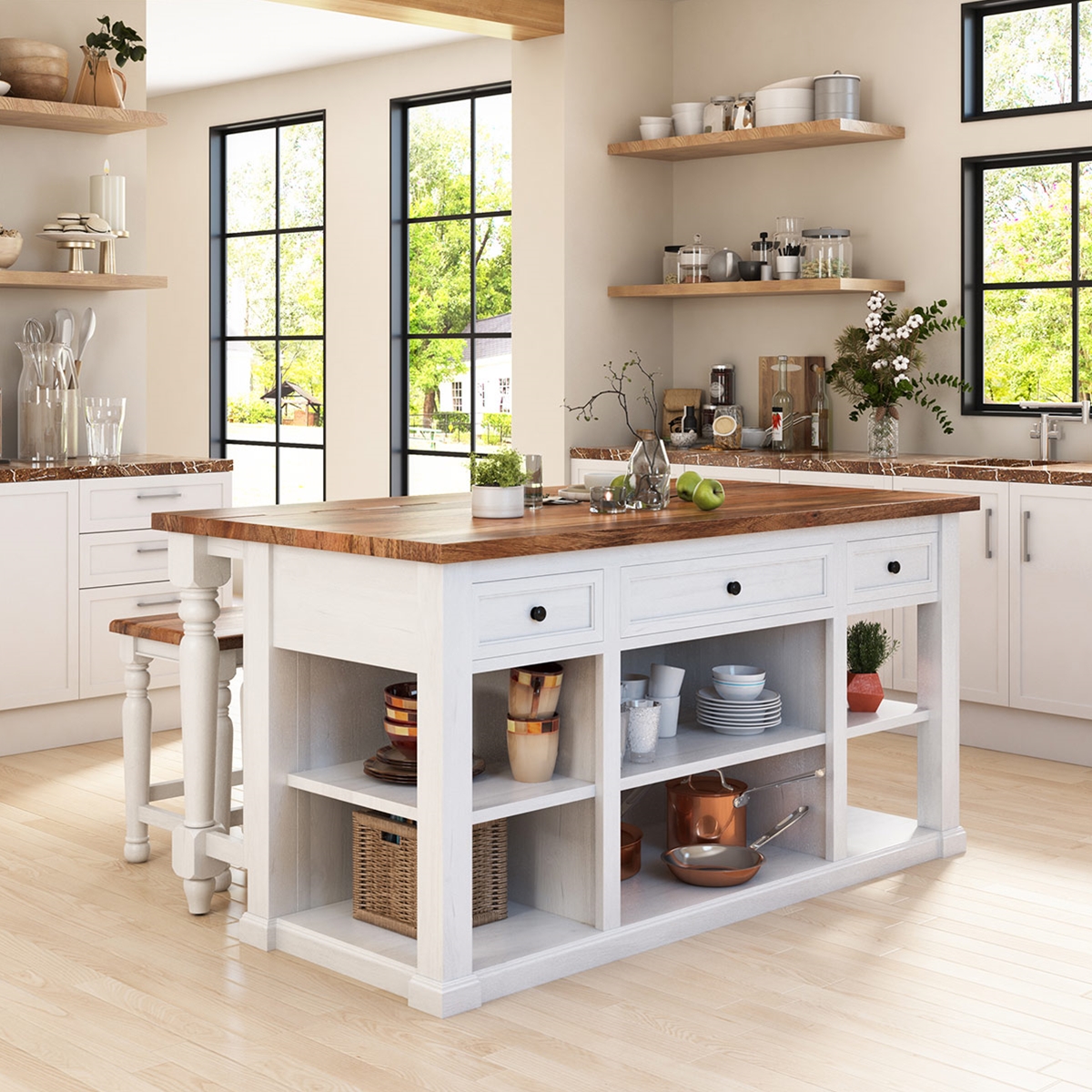
Smarter Ways to Plan a Functional Kitchen Island for Modern Living in 2026
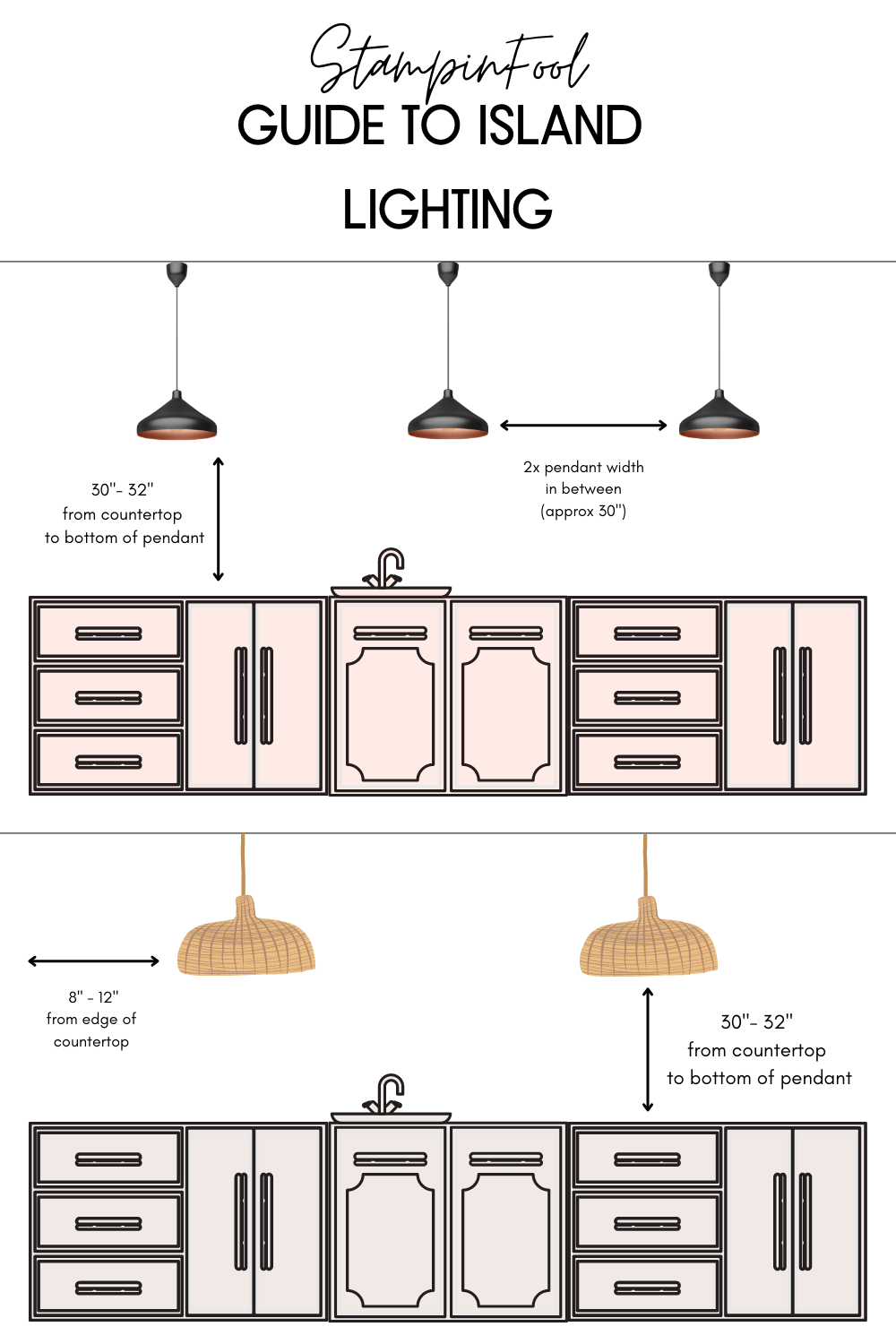
How to Layer Kitchen Island Lighting for Both Cooking and Gathering
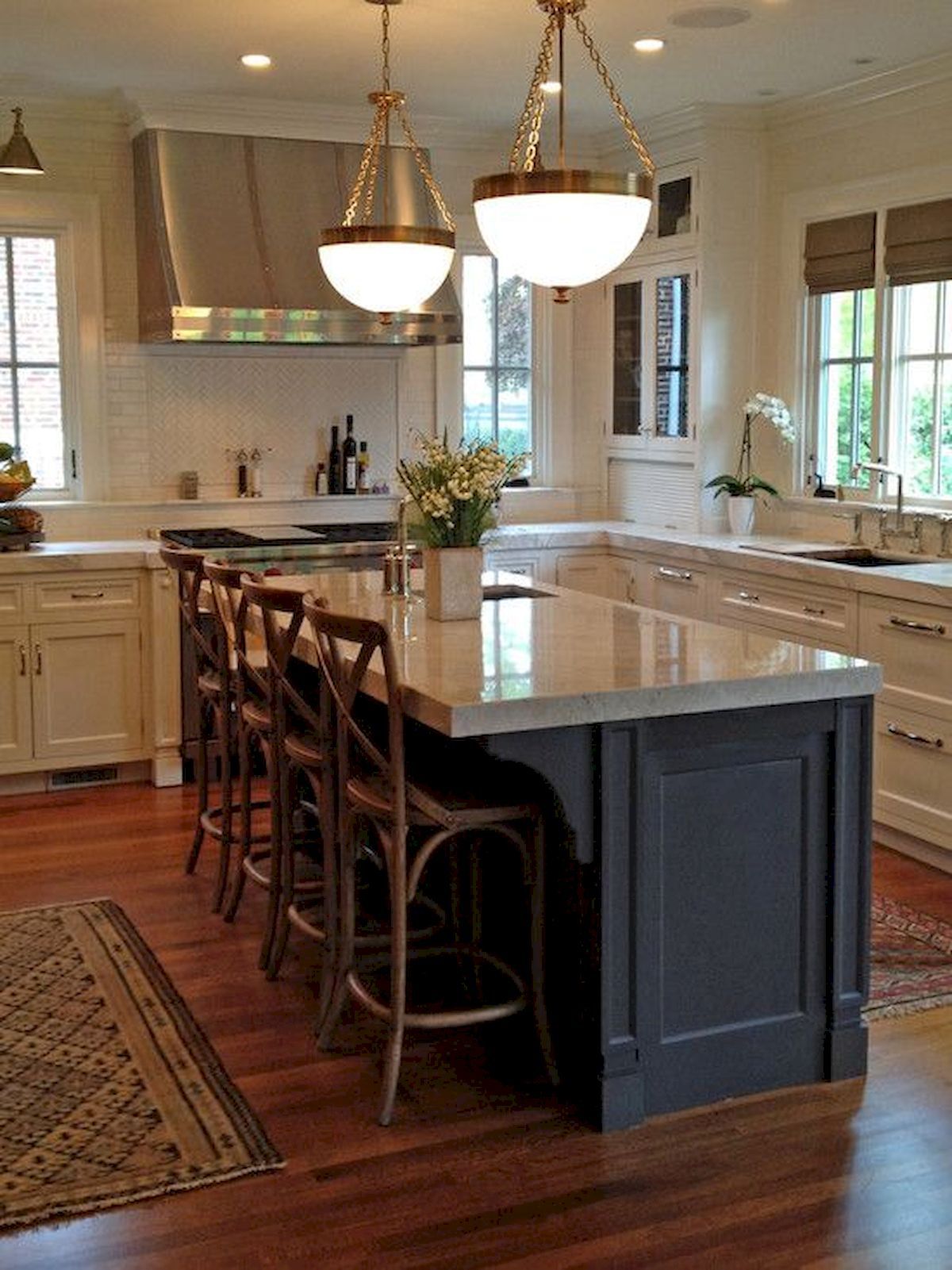
Rethinking Your Kitchen Island Layout With Ideas Grounded in Real Everyday Use

The practical benefits of using 24x48 porcelain stone effect tiles in homes