
There's something magical about sitting around a table that's been crafted by skilled hands, where every grain tells a story and every joint holds centuries of tradition. These aren't just pieces of furniture – they're heirlooms that connect us to our past while serving as anchors for our present moments.
When we think of dining rooms, we often picture the centerpiece that brings families together – the wooden dining table. But what makes these tables more than just functional pieces? The answer lies in their artistry. Every classic wooden dining table carries within it the legacy of master craftsmen, the soul of ancient woods, and the careful attention to detail that transforms simple materials into lasting treasures. These tables aren't just about eating; they're about gathering, about memories, about the stories that unfold around their surfaces.
The Craftsmanship Behind Timeless Design
Classic wooden dining tables represent the pinnacle of artisanal skill. Master woodworkers spend months, sometimes years, perfecting each piece. They understand that wood isn't just material – it's alive with character. The process begins with selecting the right timber, often oak, maple, or cherry, each type offering distinct properties and beauty. The grain patterns become part of the design itself. A table might feature a stunning cathedral-like arch or a simple yet elegant straight edge. The joints are crucial – mortise and tenon connections, dovetails, or even hand-carved details that ensure strength and beauty. These aren't mass-produced items; they're one-of-a-kind expressions of human creativity. Think about how many generations have sat around similar tables, feeling the same warmth and connection that you do today.
Historical Significance and Cultural Meaning
Each wooden dining table carries cultural weight. In colonial America, tables were symbols of prosperity and family unity. European traditions show tables that reflect regional styles – from English farmhouse designs to French provincial elegance. The size and shape often indicated social status. A large oak table might have been a family's pride, passed down through generations. These pieces embody cultural values like hospitality, community, and continuity. When you sit at a classic wooden table, you're participating in a tradition that spans centuries. You're not just eating dinner – you're joining a lineage of people who understood the importance of bringing others together around a shared meal.
Natural Materials and Their Unique Characteristics
What makes wooden tables special isn't just their appearance – it's the living nature of the materials themselves. Each piece of wood has its own personality. Some pieces might have knots that catch light beautifully, while others show interesting color variations. The wood ages gracefully, developing a patina that reflects wear and care. This aging process adds character rather than detracting from beauty. Different woods respond differently to environmental changes – they expand and contract slightly, which is part of their charm rather than a flaw. The natural imperfections, like slight warping or surface variations, make each table unique. No two tables are exactly alike, even if they appear similar at first glance. The wood's response to temperature and humidity creates subtle changes over time that add to the experience of ownership.
Design Elements That Define Classic Appeal
Classic wooden tables incorporate design principles that have stood the test of time. The proportions matter enormously – a table that's too tall or too short feels wrong to the eye. The legs often feature graceful curves or geometric shapes that balance both function and form. Many classic designs include elements like carved feet, decorative inlays, or contrasting wood strips. The surface finish – whether it's a traditional oil finish, shellac, or varnish – affects not just the look but also the feel of the table. Some tables feature elaborate carving or detailed work that showcases the craftsman's skill. Others embrace minimalism, letting the natural beauty of the wood shine through. The choice between a round or rectangular shape speaks to different cultural preferences and practical needs. Round tables promote conversation, while rectangular ones offer more seating options.
Maintenance and Care for Longevity
These beautiful pieces require thoughtful care to maintain their splendor. Regular cleaning with appropriate products helps preserve the wood's natural beauty. Many experts recommend using cutting boards and coasters to protect the surface from scratches and water damage. Periodic maintenance like re-oiling or re-finishing keeps the wood healthy and looking its best. Understanding how to handle seasonal changes – like moving the table away from direct sunlight during summer – protects against warping. Professional restoration may be needed after decades of use, but many tables can be revived with proper technique. The investment in care pays dividends in longevity and continued enjoyment. A well-maintained classic wooden table can serve multiple generations of family members, making it truly worthwhile.
Modern Relevance and Contemporary Appeal
Despite being rooted in tradition, classic wooden dining tables remain incredibly relevant today. They provide warmth and authenticity in modern homes that often feel too sterile or digital. People seek these natural elements to counterbalance the artificiality of contemporary life. The timeless design means they won't go out of style, unlike trendy furniture that quickly becomes dated. Many designers now blend classic wooden elements with modern aesthetics, creating pieces that honor tradition while meeting current needs. The versatility of these tables allows them to fit into various interior styles, from rustic to contemporary. They serve as focal points that anchor a room and create a sense of permanence. The fact that they can be easily updated with new accessories or settings makes them adaptable to changing tastes and lifestyles.
Classic wooden dining tables represent more than furniture – they're vessels of memory, expression, and connection. Every scratch, every grain, every carefully crafted joint tells a story of human creativity and dedication. These tables don't just provide a place to eat; they create a space for relationships to flourish. Whether you're drawn to the rich history, the natural beauty, or the craftsmanship, there's something deeply satisfying about owning a piece that connects you to both past and future. In our fast-paced world, these tables remind us of the importance of slowing down, gathering together, and appreciating the simple pleasures that make life meaningful. The artistry embedded in each classic wooden table continues to inspire and comfort us, year after year.


Related Posts

Kitchen Island vs Peninsula Compared for Flow Storage and Everyday Use
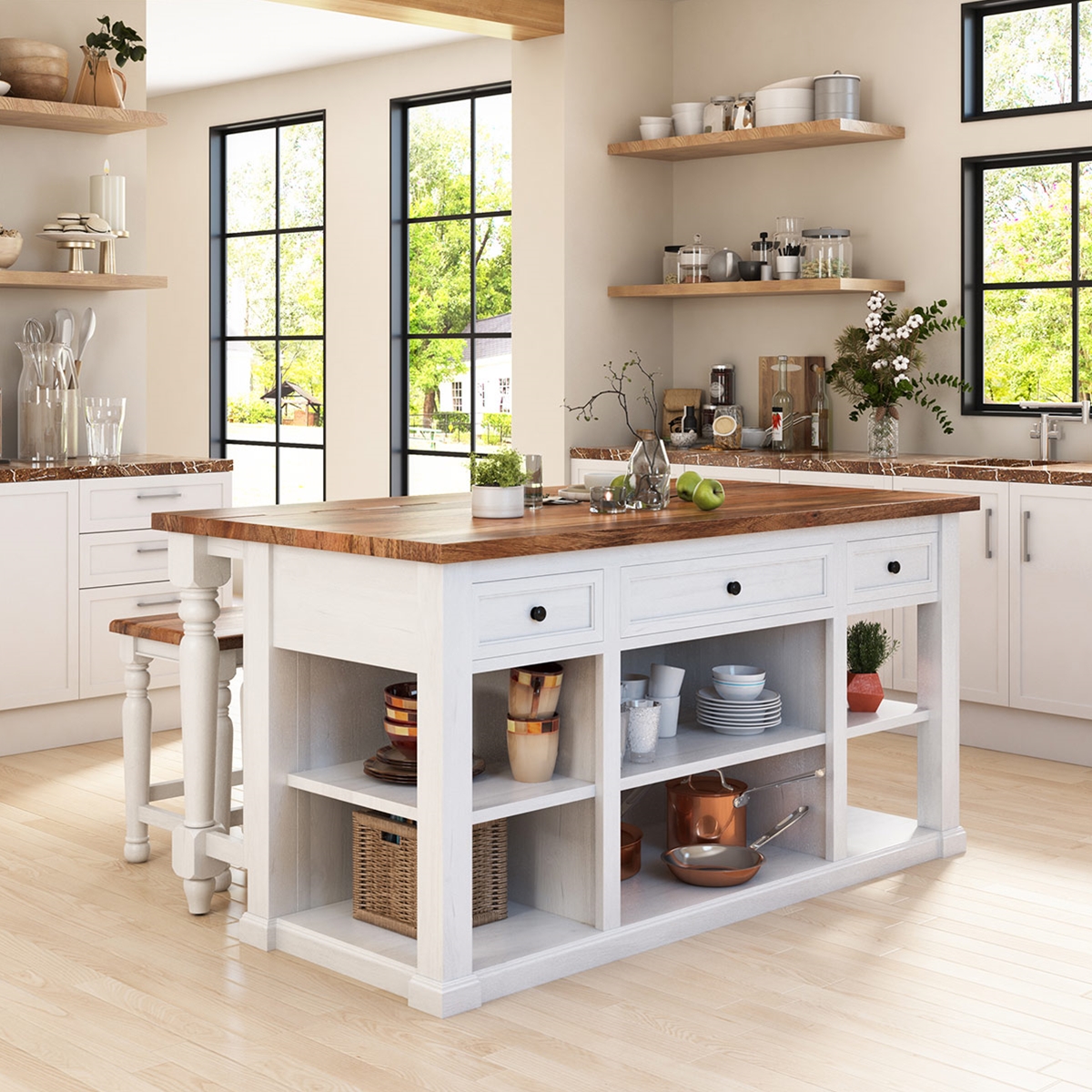
Smarter Ways to Plan a Functional Kitchen Island for Modern Living in 2026
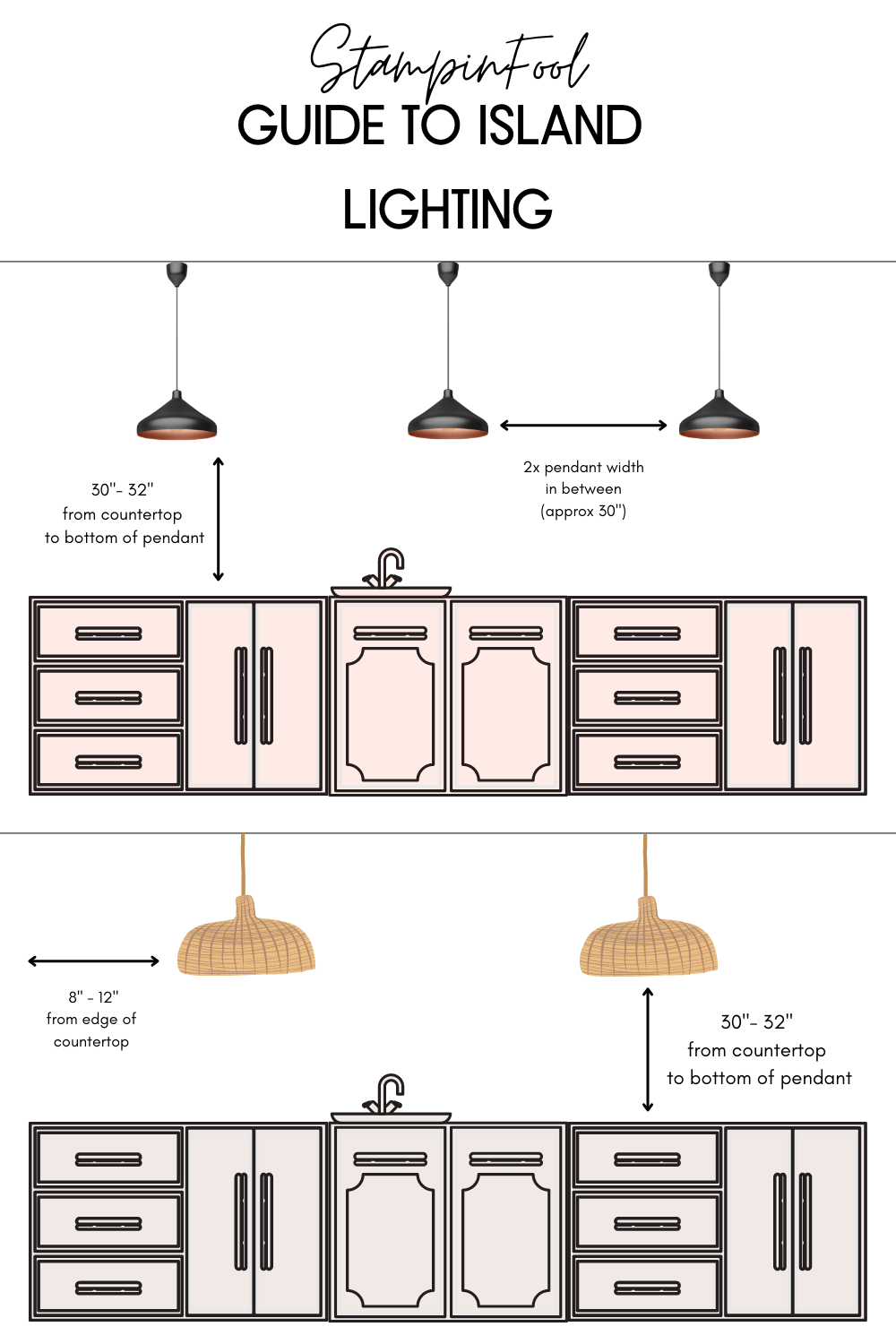
How to Layer Kitchen Island Lighting for Both Cooking and Gathering
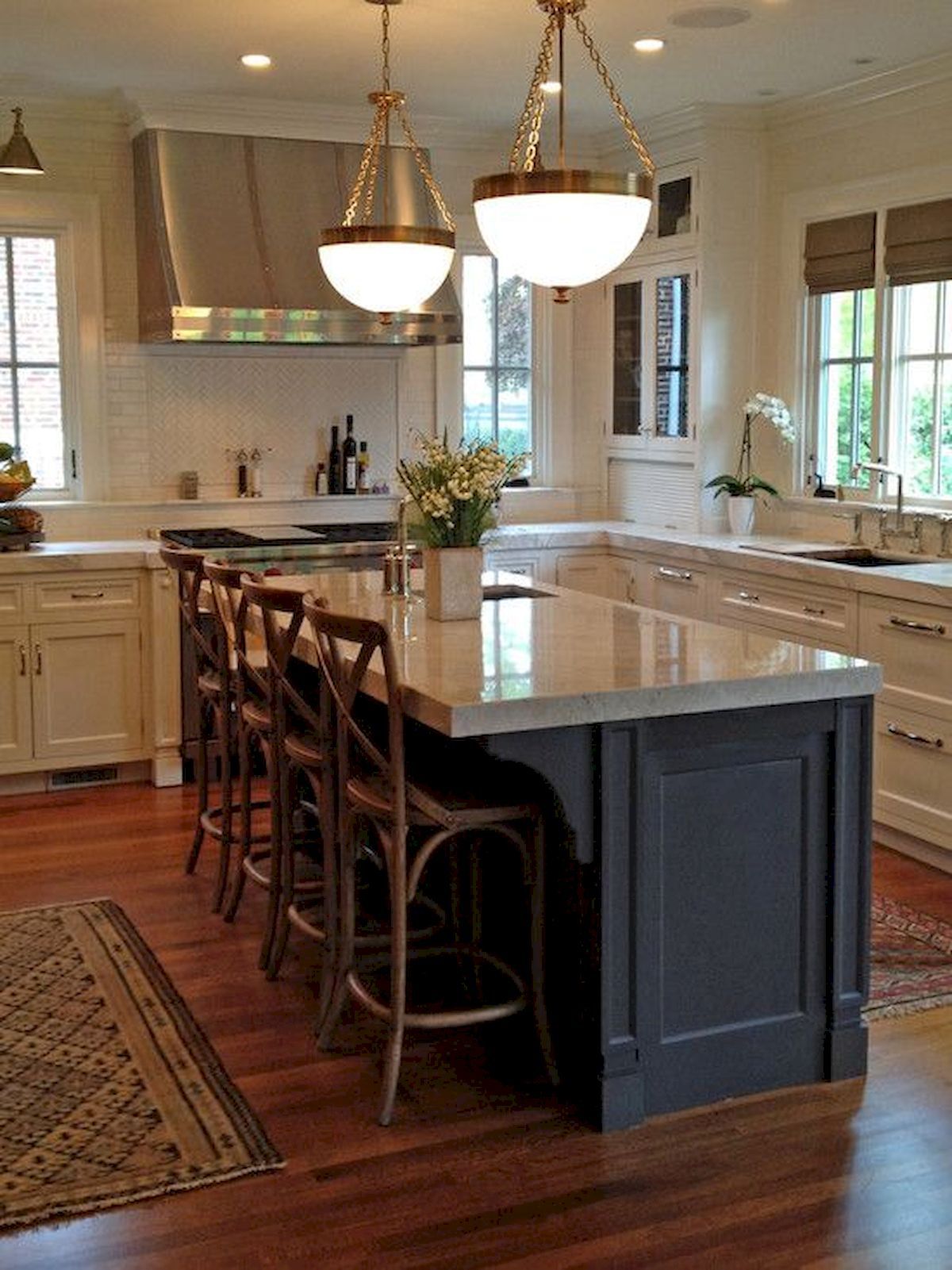
Rethinking Your Kitchen Island Layout With Ideas Grounded in Real Everyday Use

The practical benefits of using 24x48 porcelain stone effect tiles in homes

