You have lived in a space long enough to feel its friction. Maybe it is the drawer of a flat-pack dresser that has sagged so badly on its plastic tracks that you have to lift it at a precise forty-five-degree angle just to close it. Or perhaps it is the mattress frame that groans every time you shift your weight, a low metallic protest echoing through the quiet hours of midnight. Buying bedroom furniture often starts as a reaction to these daily irritations. We walk into a showroom, dazzled by the staged lighting and the smell of fresh stain, forgetting that a bedroom is not a museum gallery. It is the most intimate, heavily utilized sanctuary in your home.
Choosing the right pieces requires looking past the glossy veneer and examining the structural skeleton beneath. Over the past decade of working with custom woodworkers, reviewing interior ergonomics, and tearing down discarded commercial furniture to inspect its joinery, a hard truth has emerged: most people buy for the immediate visual rush rather than structural longevity. They prioritize a coordinated, match-it-all aesthetic over the slow-burn satisfaction of solid construction and functional utility.
Understanding how to choose bedroom furniture demands a shift in perspective. You are not just filling empty floor space; you are designing an ecosystem for recovery. Every piece—from the anchor of the bed frame down to the nightstand height relative to your mattress top—dictates the psychological and physical comfort of your private quarters. Let us break down the exact framework needed to curate a bedroom that balances tactile beauty, structural integrity, and enduring worth.
The modern furniture market is crowded with optical illusions. High-density fiberboard (HDF) wrapped in hyper-realistic paper veneers can easily pass for walnut or white oak under showroom halogen bulbs. Yet, understanding the baseline materials is the single most important defense against premature furniture obsolescence. Solid wood behaves like a living organism; it expands and contracts with seasonal humidity shifts, flexing gracefully without losing its structural integrity. Conversely, particleboard and medium-density fiberboard (MDF) are structural composites made of wood particles and resin bound under extreme pressure. While MDF has its place in stable, non-load-bearing applications like flat cabinet panels, using it for structural bed rails or heavy case goods invites structural failure the moment moisture or heavy weight enters the equation.
Beyond the raw material, joinery is the fingerprint of true craftsmanship. Walk up to any chest of drawers and pull out the bottom drawer. Look at the corners where the front meets the sides. If you see staples, hot glue, or a smooth butt joint, walk away. Quality case goods rely on dovetail joinery—interlocking wooden fingers that wedge together permanently, distributing stress across multiple surfaces without requiring metal fasteners. For bed frames, look for bolted mortise-and-tenon connections or heavy steel brackets anchored deep into solid hardwood posts, rather than flimsy cam-lock fasteners that strip out the moment you disassemble the bed for a move.
We must also address the chemical footprint of our sleeping quarters. Because we spend roughly a third of our lives breathing in the micro-environment directly surrounding our beds, material off-gassing matters profoundly. Many budget-friendly upholstered beds and engineered wood products emit volatile organic compounds (VOCs) like formaldehyde, which are used in glues, resins, and stain treatments. Choosing furniture finished with natural hard-wax oils, water-based lacquers, or certified formaldehyde-free engineered cores is a direct investment in indoor air quality and long-term respiratory health.
Decoding Spatial Psychology and Room Ergonomics
Floor plans dictate human behavior far more than we care to admit. When you cram a massive king-sized canopy bed, two oversized nightstands, a sprawling dresser, and a bench into a modest twelve-by-fourteen-foot bedroom, you choke the room's energetic flow. Spatial ergonomics in a bedroom are governed by clearance and sightlines. You need a minimum of twenty-four to thirty inches of clear walking path around the sides and foot of the bed to move comfortably in the dark without bruising your shins against protruding hardware.
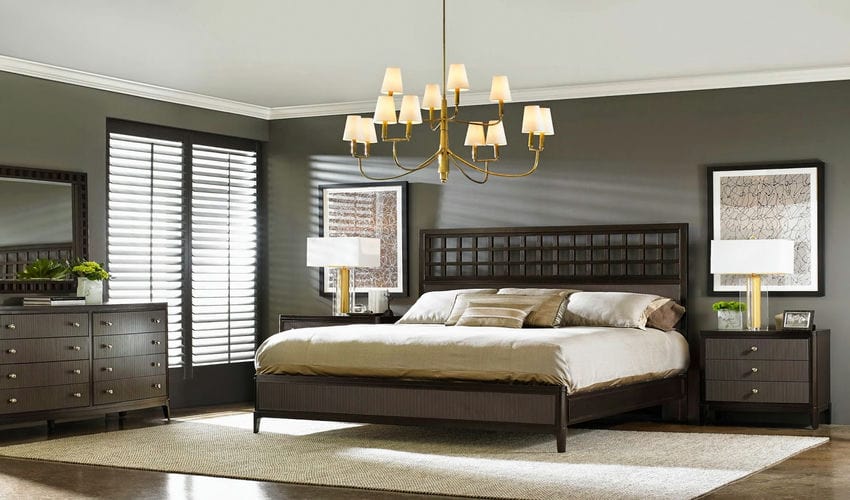
Visual weight is another critical dimension often ignored by amateur decorators. A dark, monolithic mahogany wardrobe reaching floor-to-ceiling will make a small, low-ceilinged room feel oppressive, no matter how exquisite the carving. Conversely, furniture raised on tapered legs creates a sense of negative space beneath the pieces, allowing light to travel uninterrupted across the floorboards and making the entire footprint feel more expansive. This principle of negative space is especially vital in urban apartments where square footage comes at a premium.
Traffic patterns should dictate the placement of your storage pieces. If your dresser blocks the natural swing of the closet door or forces you to squeeze sideways every time you walk from the bedroom door to the en-suite bathroom, the layout has failed. Take painters tape and map out the exact footprints of prospective furniture pieces directly onto your floor before spending a single dollar. Walk through the space at night with your eyes half-closed, mimicking your drowsy routine. If your shins hit tape, your furniture layout needs adjustment.
The Material Matrix: Hardwoods, Metals, and Upholstery Trade-Offs
When selecting the primary materials for your bedroom suite, you are choosing your tactile reality for the next twenty years. Each material carries distinct trade-offs in weight, maintenance, aging characteristics, and cost. Hardwoods like white oak, American walnut, hard maple, and cherry represent the gold standard of longevity. White oak offers incredible grain variation and high resistance to denting, making it an exceptional choice for households with active lifestyles or pets. Walnut brings a rich, chocolate warmth that deepens gracefully under UV exposure, though its softer cellular structure requires slightly more care against deep gouges.

Metal frames—ranging from blackened steel to brushed brass—introduce an industrial crispness that keeps a room from feeling overly heavy or rustic. However, not all metal is created equal. Hollow-tube steel with thin walls will dent easily and can develop an annoying structural squeak if the welded joints fail over time. Look for hot-rolled structural steel or solid cast iron components where weight translates directly into stability.
Upholstered beds offer unmatched softness and acoustic dampening, absorbing stray sound waves to create a cocoon-like quiet. Yet, upholstery is a magnet for dust mites, pet hair, and oils from skin and hair. If you choose an upholstered headboard, prioritize high-performance contract-grade fabrics treated with stain-resistant finishes, or look for slipcovered designs that can be unzipped and professionally laundered. Avoid cheap faux-leather (polyurethane), which inevitably begins to peel and flake after a few years of friction against body heat and natural oils.
A Step-by-Step Practical Methodology for Curation
Navigating Common Pitfalls and Structural Mistakes
The Longevity Dividend: Sustainability and Economic Value
Buying furniture in the twenty-first century is increasingly tied to a reckoning with disposable consumer culture. Fast-furniture outlets churn out thousands of composite-wood dressers wrapped in paper foils that end up in landfills within three to five years when a single cam-lock snaps or a drawer bottom caves in. Investing in heirloom-quality furniture crafted from sustainably harvested, FSC-certified hardwoods requires a higher upfront capital expenditure, but it completely alters the economic equation over a twenty-year horizon.
A well-crafted white oak or walnut dresser can be sanded down, refinished, and repaired across multiple generations. It holds residual value in the secondary market, whereas flat-pack particleboard furniture loses eighty percent of its value the moment it leaves the warehouse and is virtually impossible to disassemble and reassemble without compromising its structural integrity. Furthermore, choosing regional makers who source timber locally reduces the carbon footprint associated with international shipping container transport.
True sustainability is not just about eco-labels; it is about durability. The greenest piece of furniture is the one you buy once and keep for forty years. By refusing to participate in the cycle of seasonal furniture trends, you protect your wallet while honoring the natural resources and human craftsmanship required to transform raw timber into a functional work of art.
Related Posts
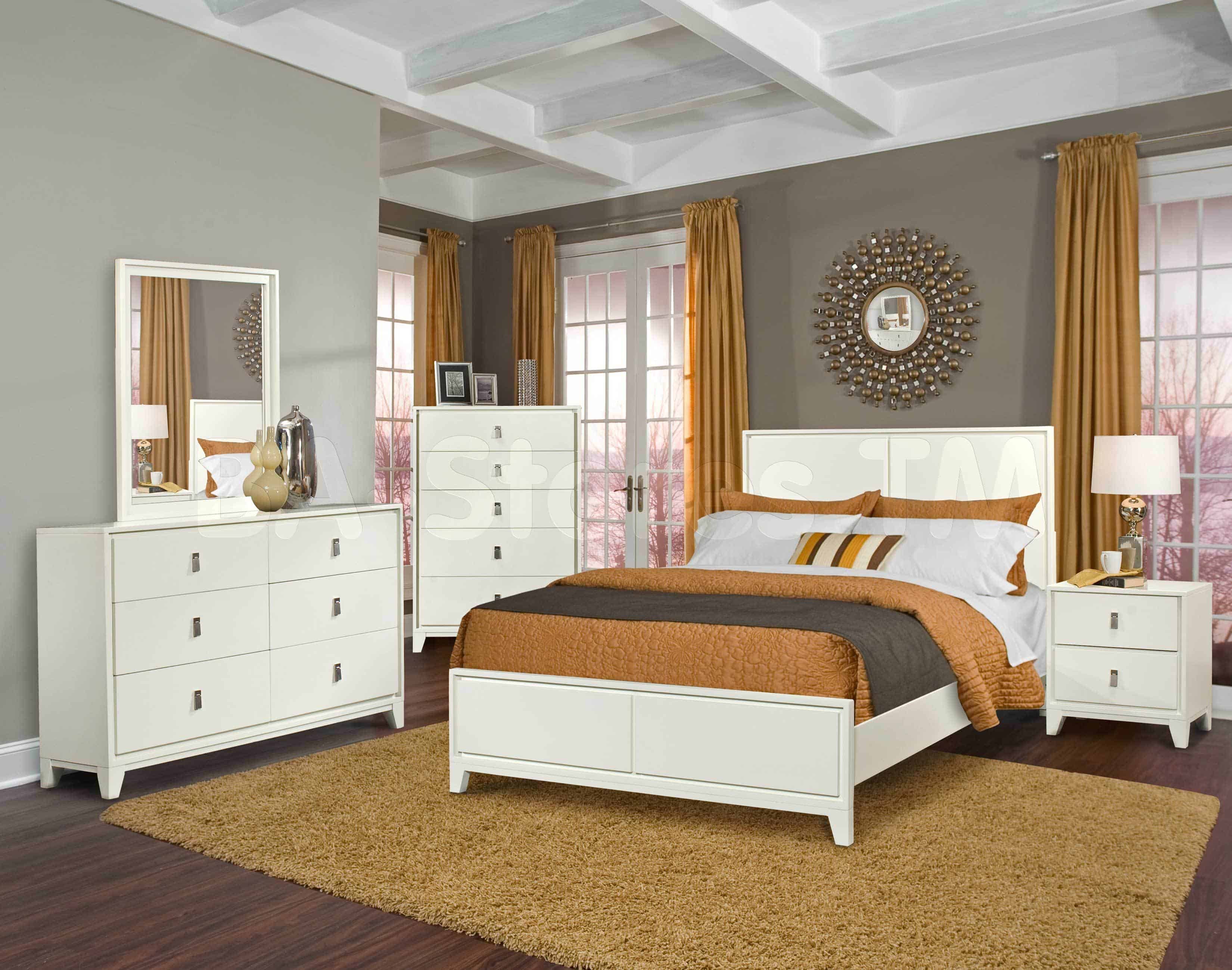
Bedroom furniture ideas that make small spaces feel calmer and more useful
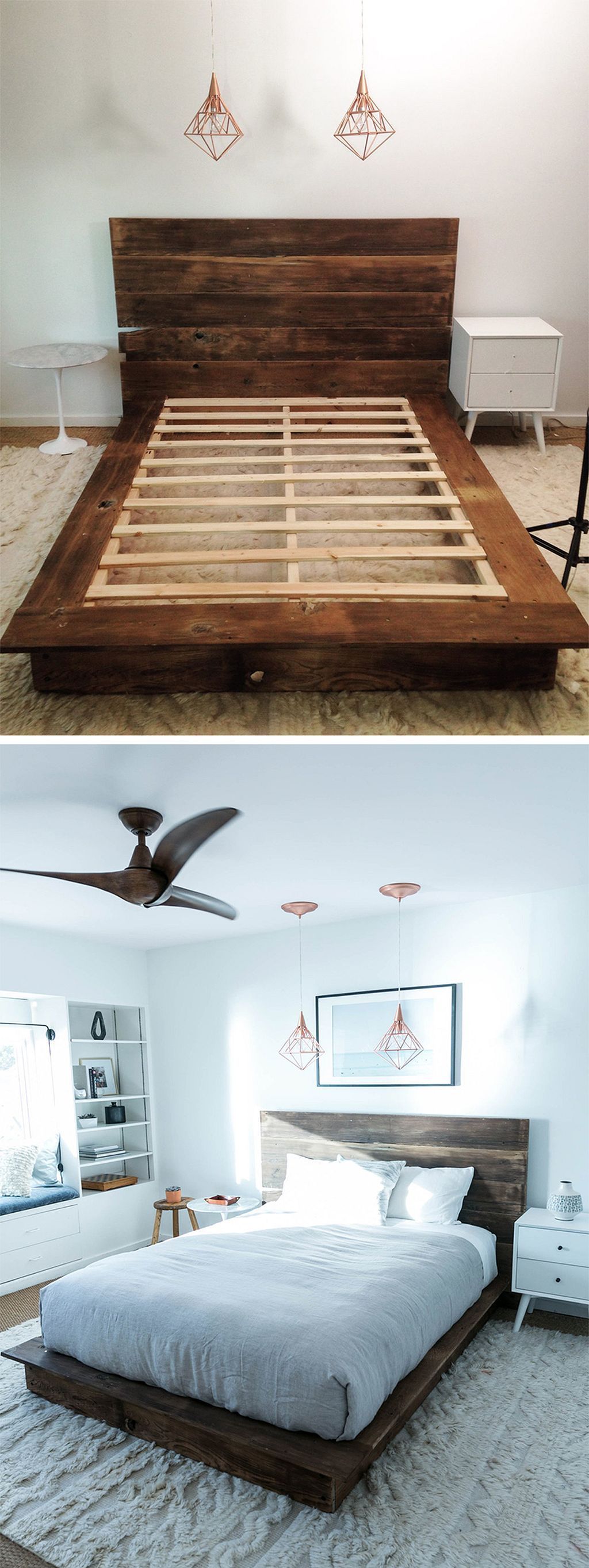
Understanding joinery and materials before you commit to a floating design

Navigating Regional Styles From Provence to Paris When Designing Your French Bedroom
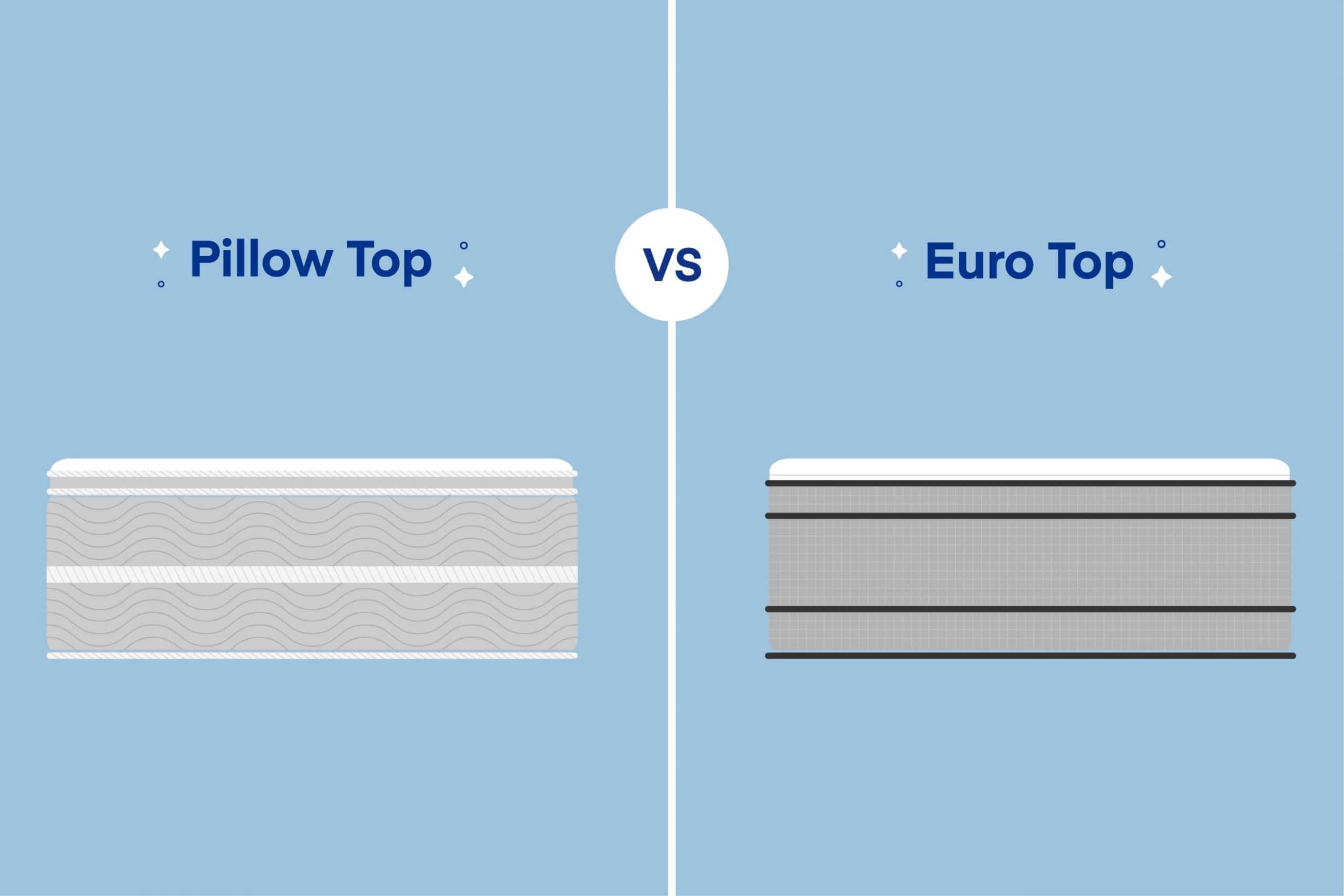
Navigating the Difference Between Flush Stitched Edges and Standard Pillow Tops

Understanding Air Valve Types to Prevent Leaks During Setup
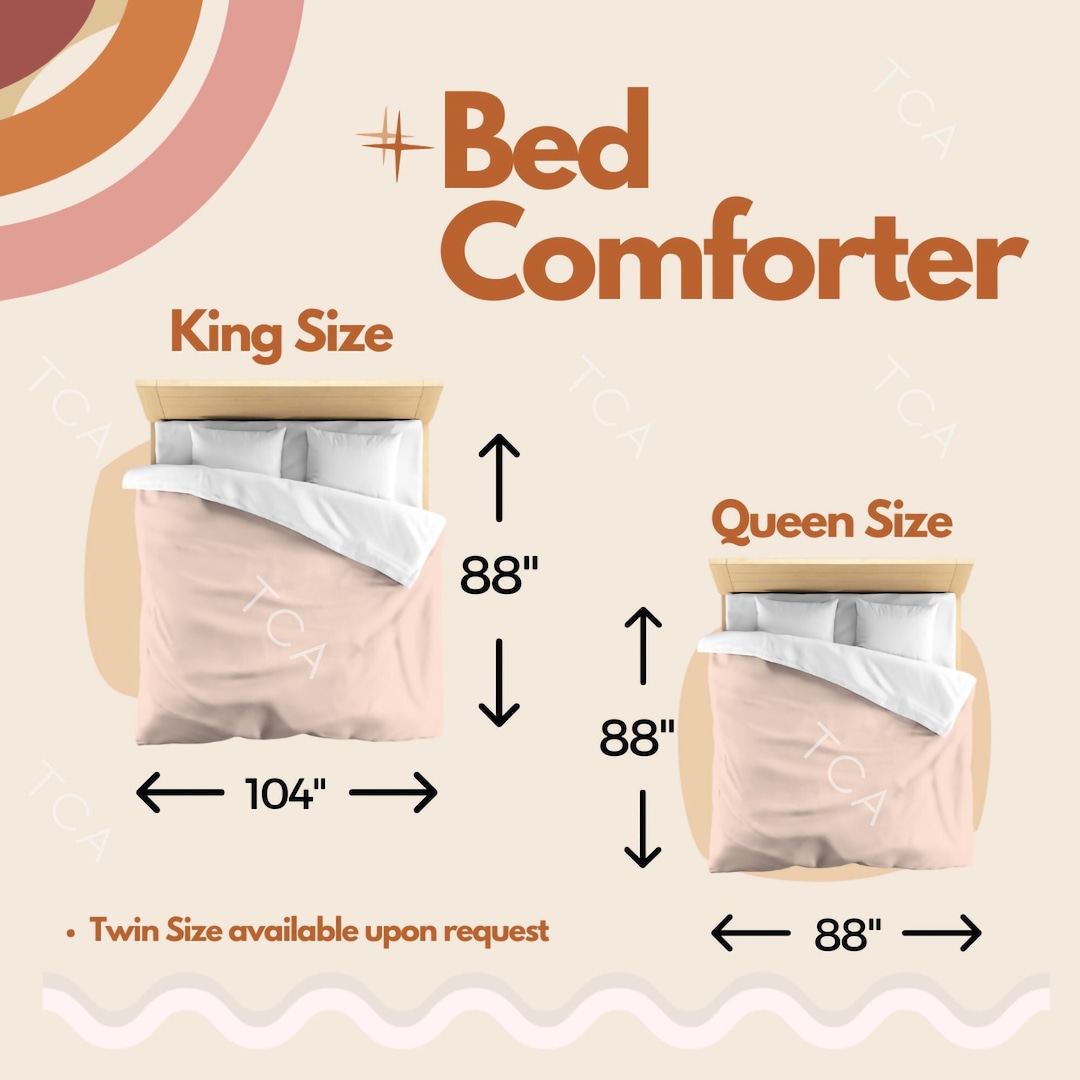
The Real Truth About Putting a King Sized Comforter on a Queen Mattress
Strategic Frameworks for Long-Term Interior Harmony
When curating your bedroom sanctuary, think in layers rather than final destinations. Start with the permanent architecture—the bed frame and primary storage—crafted from timeless materials that can adapt to changing wall colors, bedding styles, and rug choices over the years. Secondary pieces like accent chairs, bedside lamps, and decorative mirrors can be rotated or updated as your personal aesthetic evolves.
Consider how light interacts with your furniture throughout the day. Morning sun hitting a natural oiled walnut finish will reveal rich amber undertones, while artificial evening lighting will cast soft shadows across textured wood grain. Designing your bedroom furniture layout around these natural rhythms enhances the psychological tranquility of the space, turning your room into an effective decompression chamber after the demands of the working day.
Finally, do not rush the process. A deeply personal, functional bedroom is built over time through deliberate choices rather than impulse buys driven by weekend retail sales. Give yourself permission to live in the space for a few weeks with just a mattress and a basic lamp before deciding what storage and auxiliary surfaces you truly require.
Your bedroom should be your ultimate psychological buffer against an increasingly loud and hurried world. When you take the time to choose furniture based on structural integrity, tactile honesty, and thoughtful ergonomics, you are investing directly in the quality of your waking life. A well-chosen bed frame that never squeaks, a drawer that glides open with effortless silence, and a layout that honors your natural movement all combine to create a profound sense of grounded ease.
As you step forward to curate your own private sanctuary, let go of the pressure to achieve an instant, catalog-perfect look. Prioritize substance over surface, durability over disposability, and comfort over convention. By doing so, you build a space that not only withstands the physical demands of daily life but actively nurtures your capacity for rest, renewal, and deep peace.
