Water hammering quietly inside an old supply line always gives away a poorly planned bathroom renovation. You can spend thousands on handmade zellige tiles and custom walnut vanities, but if the brass beneath the sink groans, or if your handles wobble because the spread doesn't match the rough-in, the entire experience falls apart. Bathroom design lives in the tactile details—the weight of a lever in your palm, the smooth resistance of a ceramic disc cartridge, and the rich, living patina of a finish that refuses to look sterile. Among the vast array of architectural hardware options available, the oil rubbed bronze widespread faucet holds a distinct position. It is simultaneously nostalgic and modern, demanding precise planning and a high standard of craftsmanship.
When people talk about oil rubbed bronze, they often picture a uniform, dark chocolate coating. In reality, a high-grade oil rubbed bronze finish is a dynamic material expression. It is typically a chemically darkened copper or brass surface, sometimes hand-relieved along the edges to simulate decades of natural handling. Because it is a "living finish," it reacts to the oils in your skin, hard water minerals, and everyday humidity. Widespread configurations—where the two handles and the spout are independent units mounted directly into the countertop rather than a single-hole deck plate—magnify this character. They require three distinct bore holes, strict measurements, and an understanding of plumbing mechanics that goes far beyond simply tightening a flexible supply line.
Choosing this specific fixture configuration requires looking past glossy catalog photos and confronting the gritty realities of interior architecture. You have to think about valve bodies, ceramic valve rotations, countertop thickness limits, and the exact coordination of pop-up drain assemblies. Plumbers hate rushing a widespread installation because alignment mistakes become glaringly obvious the moment you step back to look at the sink deck. This guide breaks down everything required to get it right the first time, ensuring your investment enhances your home for decades.
The Anatomy and Engineering Behind Widespread Bronze Fixtures

A widespread bathroom faucet is an assembly of engineering precision disguised as a piece of decorative art. Unlike centerset models that cram the spout and dual handles onto a single six-inch metal base, a widespread setup separates the components. Typically designed for three-hole basins or countertops with standard eight-inch centers (though adjustable valve bodies can range anywhere from six to sixteen inches), this layout requires independent hot and cold valve bodies mounted beneath the counter. These bodies connect to the central spout via flexible braided stainless steel lines or rigid copper piping, depending on the manufacturer's engineering specifications and your local building codes.
At the heart of any quality bronze fixture is the core material: solid forged brass. Cheap zinc alloy substitutes are common in the budget market, but they lack the structural integrity required to withstand the torque of tightening mounting nuts and the continuous water pressure changes over years of use. Brass acts as an exceptional substrate for oil rubbed bronze treatments because copper alloys accept chemical oxidation processes naturally. Manufacturers apply layers of electroplated finishes—often starting with a nickel or copper flash base, followed by a dark bronze chemical conversion coating, and sealed with a protective clear coat or left entirely unlacquered to age organically.
Valve technology dictates the daily performance of the fixture. Modern high-end widespread faucets rely almost exclusively on ceramic disc cartridges. Inside these cartridges, two polished ceramic plates slide against one another to control water flow and temperature. Ceramic is diamond-hard, meaning it is virtually impervious to mineral scaling, grit, and the erosive forces of high-velocity water. When you turn an oil rubbed bronze handle, you are feeling the micro-tolerance calibration of these ceramic plates. Understanding this internal machinery helps you appreciate why certain fixtures command a higher price tag and why they resist the frustrating drips that plague older compression-washer designs.
Matching Finishes and Navigating the Living Patina Reality

One of the most common pitfalls in bathroom design is the assumption that all oil rubbed bronze looks identical. Walk into three different plumbing showrooms, and you will find three distinct interpretations of the finish. Brand A might lean heavily toward a deep, charcoal-black tone with faint copper highlights peeking through the edges. Brand B might present a warm, reddish-brown chocolate hue with heavy brushing. Brand C could offer a matte finish that feels almost industrial. When you are pairing your widespread faucet with matching drawer pulls, shower trims, sconces, and mirror frames, these tonal variances become glaringly apparent under bright vanity lighting.
To maintain visual harmony, experienced designers recommend sourcing all hard surfaces within a single collection from the same manufacturer whenever possible. If budget constraints or design desires force you to mix brands, you must request physical finish samples. Look at them in natural daylight and under your bathroom's specific LED color temperature—whether that is a warm 2700K bulb or a crisp 4000K light. The underlying undertones of the bronze will shift dramatically depending on the Kelvin rating of your illumination, sometimes revealing surprising green or violet undertones in inferior electroplating jobs.
The concept of the "living finish" also demands a mindset shift from the homeowner. If your faucet features an unlacquered or oil-rubbed surface designed to age, it will change over time. Frequent contact points—like the underside of the cross-handles or the tip of the lever—will slowly wear down to reveal the gleaming brass or copper base metal underneath. This is not a manufacturing defect; it is the intended aesthetic of traditional bronze hardware. However, if you prefer a static, unchanging look, you must actively search for manufacturers who apply a durable, baked-on physical vapor deposition (PVD) clear coat that locks the dark coloration in place, shielding it against chemical wear from hand soaps and lotions.
Step-by-Step Installation Protocol for Widespread Basin Configurations

Installing a widespread faucet is a methodical exercise in patience and alignment. Rushing the process leads to crooked handles, leaking under-counter connections, and scratched deck surfaces. Before opening any boxes, verify that your countertop thickness falls within the manufacturer's specified range—usually between one and two inches. Undersink clearance is another critical factor; make sure structural vanity framing or pull-out drawers do not interfere with the mounting hardware or the vertical lift rod for the drain stopper.
Navigating Common Pitfalls and Field-Tested Workarounds
Even experienced DIYers and professional installers encounter frustrating hurdles when dealing with oil rubbed bronze widespread bathroom faucets. The most frequent issues stem from spatial constraints, water chemistry, and finish preservation errors during the installation phase. Anticipating these roadblocks saves hours of troubleshooting and prevents costly damage to custom cabinetry or expensive natural stone countertops.
The Long-Term Economics and Sustainable Value of Quality Hardware

When evaluating plumbing fixtures, the temptation to cut costs upfront is strong. A hundred-dollar big-box store special looks identical on a computer screen to a six-hundred-dollar architectural specialty piece. However, the long-term economic reality of bathroom hardware is harsh. Cheaply manufactured faucets use thin-gauge metals, plastic internal components, and low-grade plating that begins to pit, peel, and flake within eighteen months of exposure to bathroom humidity and cleaning chemicals. Replacing a failed widespread faucet involves not just the cost of a new unit, but potential plumbing labor fees and the risk of damaging expensive custom stone countertops during extraction.
Investing in solid brass construction with a robust bronze finish represents a commitment to circular longevity. High-end manufacturers typically offer lifetime mechanical warranties, meaning that if a ceramic cartridge fails twenty years down the line, replacement parts are shipped free of charge. This eliminates the disposable consumer cycle that generates unnecessary waste. Furthermore, premium widespread faucets are designed with water conservation in mind, often featuring high-efficiency aerators that limit flow rates to 1.2 gallons per minute (gpm) or lower without sacrificing the perceived pressure and tactile satisfaction of the user experience.
The aesthetic durability of oil rubbed bronze also contributes to sustainable interior design. Unlike ultra-trendy finishes that quickly look dated as design cycles shift, oil rubbed bronze has roots stretching back centuries. It anchors a space with a sense of historical permanence and warmth that polished chrome or stark matte black often fail to achieve. By choosing a timeless configuration and maintaining its finish properly, you reduce the psychological and financial urge to renovate prematurely, aligning your home maintenance strategy with genuine environmental and economic stewardship.
Strategic Maintenance Frameworks for Preserving Bronze Patinas

Related Posts

Bedroom furniture ideas that make small spaces feel calmer and more useful
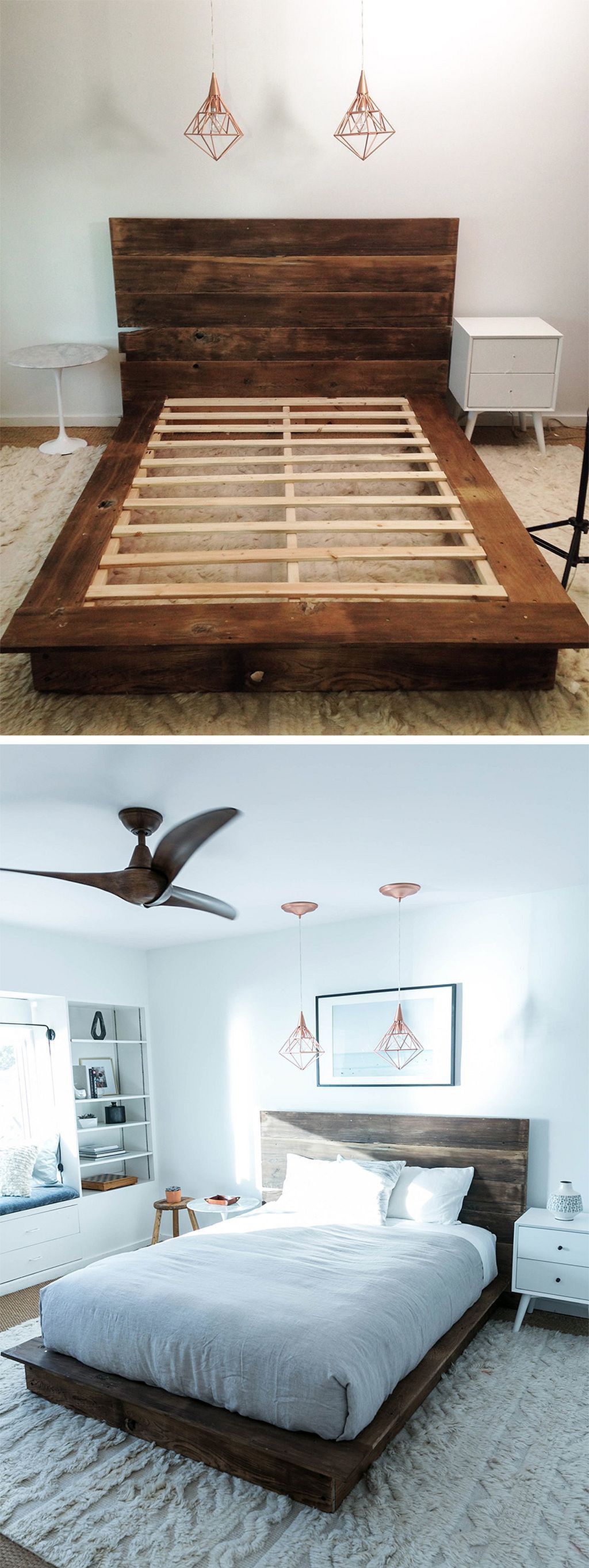
Understanding joinery and materials before you commit to a floating design

Navigating Regional Styles From Provence to Paris When Designing Your French Bedroom

Building a Peaceful Bedroom Environment Through Better Furniture Planning Methods
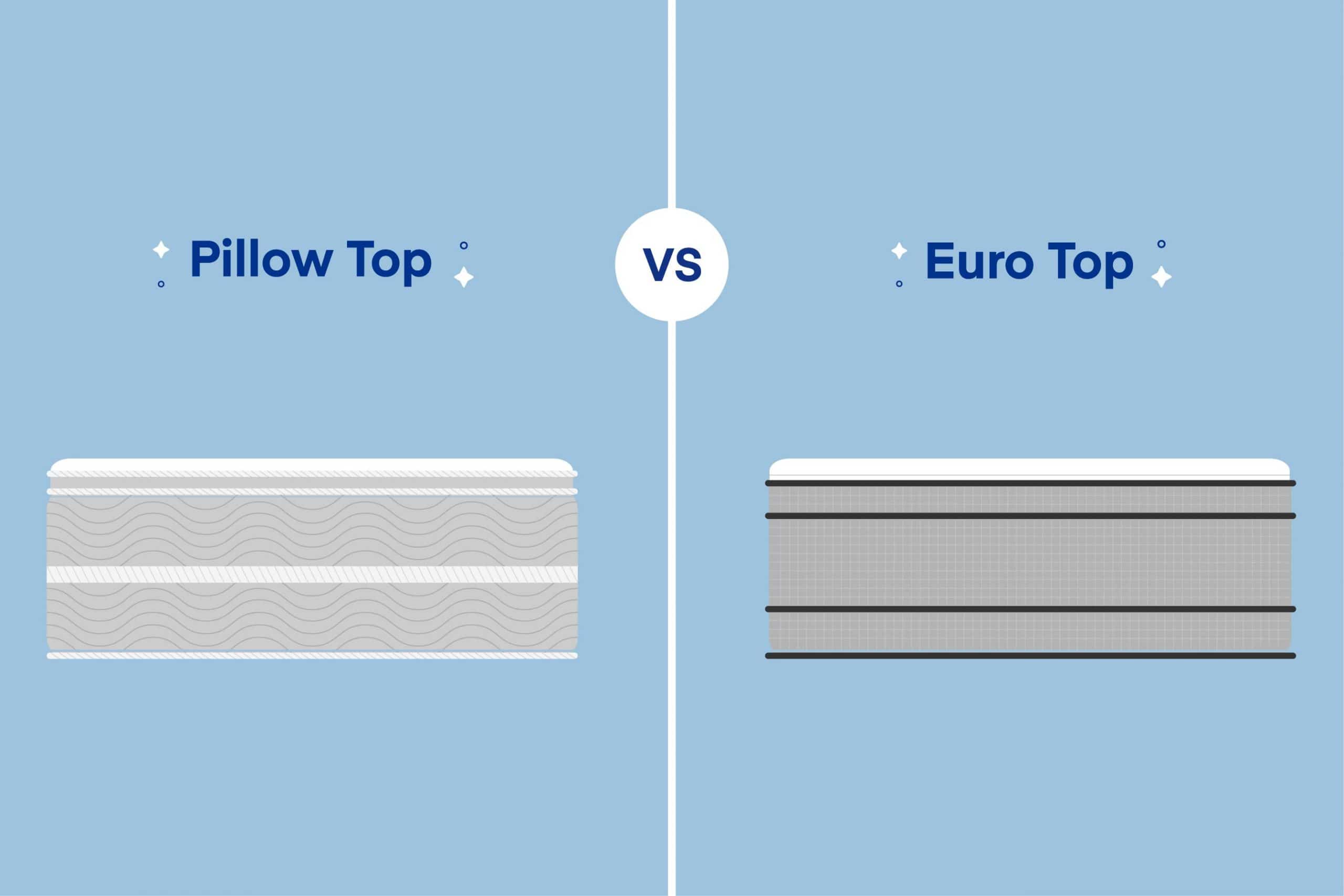
Navigating the Difference Between Flush Stitched Edges and Standard Pillow Tops
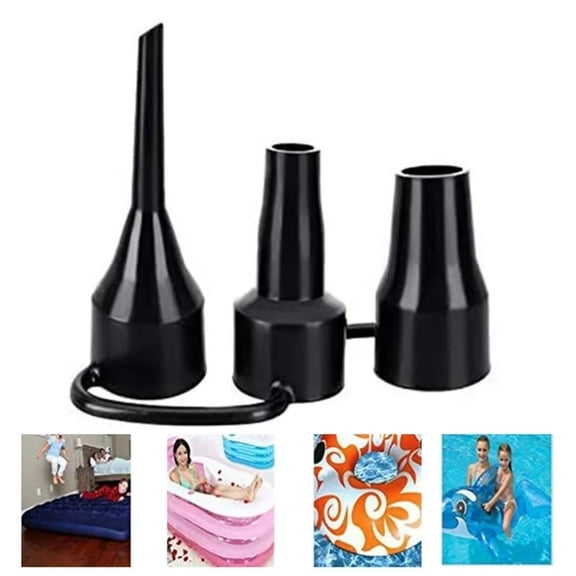
Understanding Air Valve Types to Prevent Leaks During Setup
Maintaining an oil rubbed bronze bathroom faucet requires a completely different approach than caring for stainless steel or chrome. Because many bronze finishes rely on a delicate chemical conversion coating or an unlacquered surface, harsh chemical cleaners will strip the finish right down to the bare brass in a matter of seconds. Bleach, ammonia, abrasive scouring powders, and acid-based toilet bowl cleaners are absolute enemies of this hardware. Using them even once can create permanent, unsightly bright spots that ruin the aesthetic harmony of the fixture.
A proper maintenance protocol relies on gentle, pH-neutral care habits. The daily routine should be as simple as wiping down the faucet bodies and handles with a soft microfiber cloth after use to prevent water spotting and soap scum accumulation. Hard water minerals, if allowed to dry repeatedly on the surface, will etch into the finish over time. For weekly cleaning, use mild dish soap diluted in warm water, applying it with a soft cloth and rinsing thoroughly with clean water before buffing the metal completely dry.
To protect the living finish and enhance its natural depth, periodic waxing is an industry-secret practice used by master restorers and hardware collectors. Applying a micro-thin coat of Renaissance Micro-Crystalline Wax—a specialized formula used in museums to preserve metal artifacts—creates a breathable, moisture-repellent barrier over the bronze. Buffing the wax after it dries provides a soft, satin sheen that repels water droplets, resists fingerprint oils, and slows down aggressive wear patterns on high-contact handle areas. This simple step transforms routine cleaning from a chore into a restorative ritual that keeps the fixture looking exceptional for decades.
The decision to install an oil rubbed bronze bathroom faucet in a widespread configuration is ultimately an investment in tactile architecture. It acknowledges that our homes are physical spaces meant to be touched, used, and experienced through all our senses. By looking past superficial trends and focusing on the mechanical realities of brass substrates, ceramic disc valves, and precise installation geometries, you ensure that your investment performs flawlessly beneath the surface.
As interior design trends continue to oscillate between sterile minimalism and expressive maximalism, warm, living metals retain a steady, grounding presence. They invite us to slow down, appreciate craftsmanship, and accept the gentle evolution that comes with daily life. Take your time with the measurements, respect the tolerances of the installation process, and establish a gentle care routine. Done right, your widespread bronze faucet will stand as a quiet testament to thoughtful design and enduring quality in your home.