There is a distinct, deeply frustrating sound that a poorly engineered bed frame makes. It is not the sudden snap of catastrophic failure, but something far more insidious: a low, metallic groan, a rhythmic squeak that begins the moment you shift your weight, and the slow, creeping separation of your headboard from the rest of the sleep surface. If you have ever chased down midnight creaks or watched a mattress slowly sag into a V-shape because the side rails couldn't maintain tension, you already know the quiet misery of an unstable bed frame.
For anyone anchoring a double or full-size mattress—whether setting up a guest room for visiting family, outfitting a growing teenager's room, or curating a vintage aesthetic with a cherished antique headboard—the hardware connecting the pieces matters just as much as the furniture itself. Enter the unsung hero of structural bedroom ergonomics: full size bed rails with hooks. These deceptively simple steel or wooden beams do the heavy lifting of bridging your headboard and footboard, using gravity, angled wedge plates, and precision pins to create a rigid, self-tightening joint that bolt-on systems often struggle to replicate.
Yet, buying and installing hook-on bed rails is far from a one-size-fits-all errand. Pin-to-pin measurements vary wildly between manufacturers, wood headboards expand and contract with seasonal humidity, and load capacities dictate whether your frame can support active sleepers or heavy hybrid mattresses without buckling. Navigating these variables requires moving past generic product listings and looking at the mechanics of structural load, material integrity, and precision sizing. This guide breaks down everything required to select, fit, and maintain the ideal hook-on rail system for your full-size bed.

Decoding the Anatomy of Hook-On Bed Rails and Structural Mechanics
At its core, a hook-on bed rail serves a singular, high-stress architectural purpose: holding two heavy vertical furniture panels parallel while sustaining hundreds of pounds of vertical weight and lateral shifting. Unlike bolt-on rails that rely on threaded fasteners and hex nuts—which inevitably loosen over months of micro-vibrations—hook rails utilize a wedge-lock principle. The rail's endplate features downward-facing steel hooks (typically featuring two or three heavy-duty prongs) that slide vertically into matching mortise slots or pin brackets pre-installed on your headboard and footboard legs.
When downward pressure is applied to the rail—either by the weight of the box spring, mattress, and sleepers—the hooks bite deeper into the vertical slots, wedging themselves tighter rather than loosening. This self-tightening mechanic is why antique wooden beds and high-end modern furniture alike have relied on hook systems for generations. However, this relies entirely on precise geometric alignment. The distance between the hanging pins inside the headboard slots must match the hook spacing on the rail down to the millimeter. Misalignment by even a sixteenth of an inch prevents the hooks from seating fully, leaving the joint vulnerable to lateral torque and annoying frame wobbles.

Material composition further dictates performance. Heavy-gauge carbon steel—often finished with a black powder coat to prevent rust—stands as the industry standard for durability, frequently boasting load capacities exceeding 350 to 500 pounds when paired with proper center support legs. Meanwhile, solid wood rails crafted from dense hardwoods like oak or maple offer a traditional aesthetic for visible side rails, though they require integrated steel reinforcement plates at the hook joints to prevent the wood from splitting under shear stress. Understanding these foundational engineering traits ensures you don't buy a visually appealing rail that lacks the structural backbone for daily residential use.
The Critical Importance of Precise Measurement Before Purchase
The single most common mistake buyers make when acquiring replacement or aftermarket bed rails is assuming that "Full Size" is a universally standardized dimension. While mattress manufacturers agree that a standard full-size mattress measures 54 inches wide by 75 inches long, furniture manufacturers adhere to no such universal blueprint for frame geometry. Headboard post placements, slot depths, and overall rail lengths fluctuate dramatically between mass-produced imported frames, domestic heritage furniture, and custom builds.

Before clicking purchase or visiting a showroom, you must arm yourself with a reliable tape measure and take specific dimensional inventories. Start by measuring the exact distance from the center of the top mounting slot on your headboard to the center of the top slot on your footboard. This pin-to-pin distance dictates the required length of your rail. Next, measure the thickness of your headboard posts and the width of the mortise slots. Standard hook plates feature specific hook configurations—most commonly double-claw or triple-claw designs spaced at standard vertical intervals—and your headboard's receiving brackets must accommodate these prongs without forcing or shaving away wood.
Ignoring these measurements leads to a cascading series of installation failures. Rails that are too short will leave a gap between the mattress and the footboard, or worse, fail to reach the mounting slots entirely. Rails that are too long will force the headboard and footboard apart, warping the side joints and stripping the anchor pins out of the wood. Furthermore, check the height of the bed frame off the floor. Standard rails position the mattress at a conventional height, but if you intend to use modern under-bed storage bins or a high-profile hybrid mattress, you must factor in the clearance required between the bottom of the rail and the floor.
Step-by-Step Installation Methodology for a Secure, Squeak-Free Fit

Installing hook-on bed rails is deceptively straightforward, but executing the process with methodical care separates a wobbly, noisy bed from an architectural anchor that remains dead-silent for years. Rushing the assembly often results in improperly seated hooks that gradually warp under load. Follow this field-tested sequence to guarantee a rock-solid foundation.
Navigating Common Pitfalls and Field-Tested Workarounds
Even with careful installation, minor environmental and manufacturing variables can introduce frustrating issues. Wood expands and contracts with seasonal humidity changes, causing previously snug joints to loosen and develop annoying squeaks. Recognizing these early warning signs allows you to apply targeted workarounds before permanent structural damage occurs to your furniture.

Related Posts
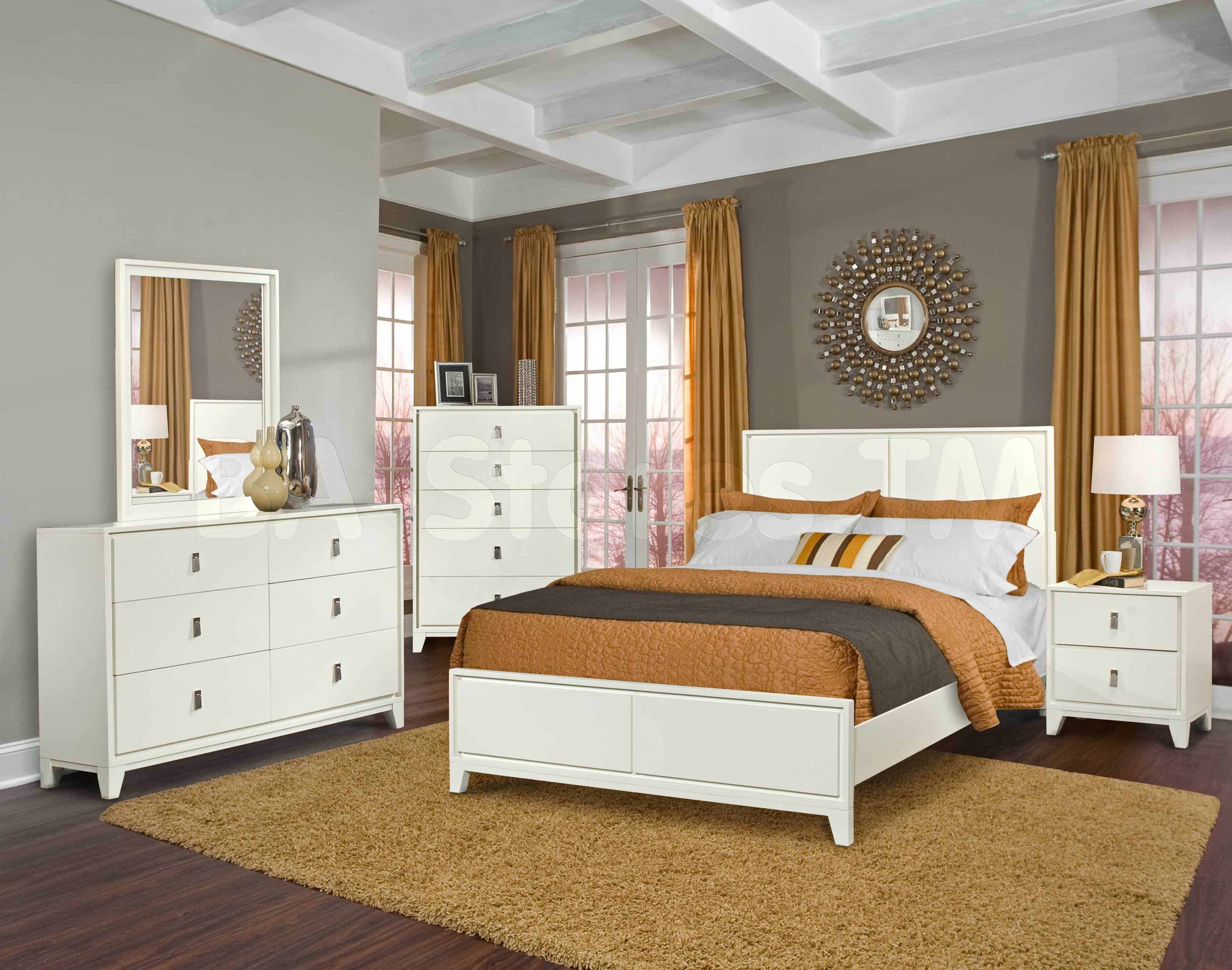
Bedroom furniture ideas that make small spaces feel calmer and more useful
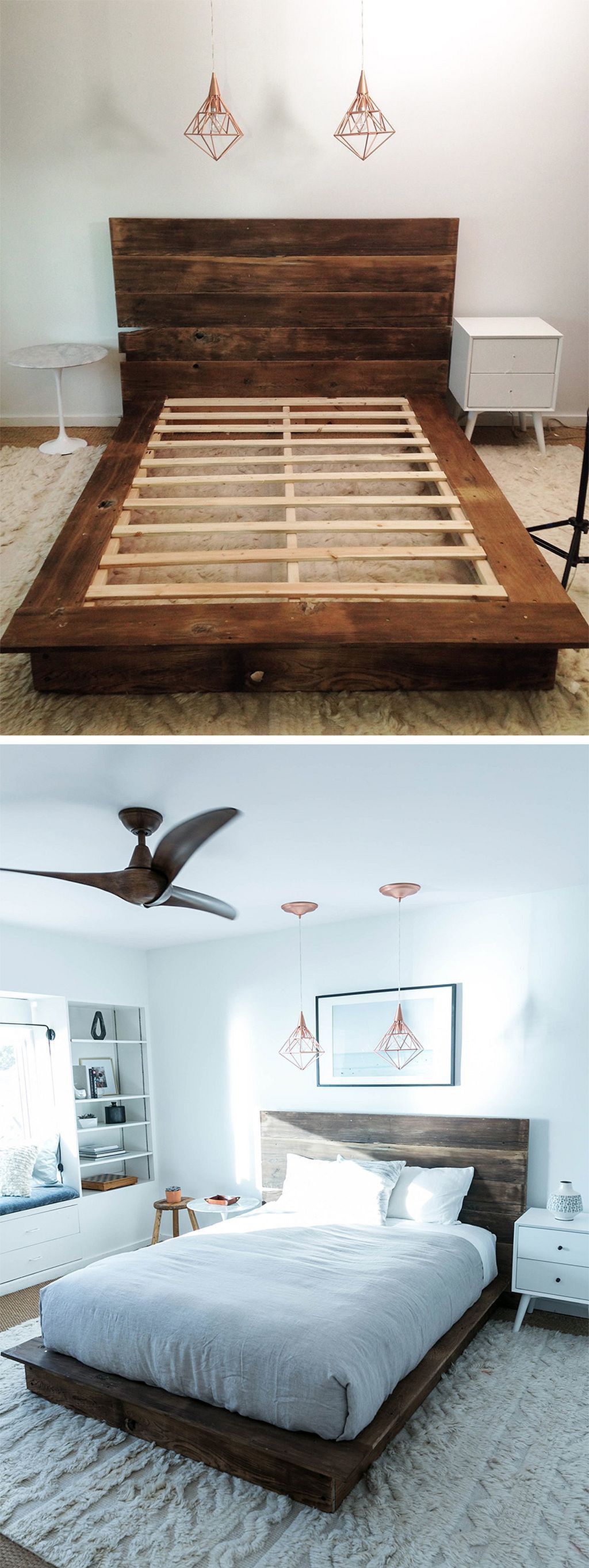
Understanding joinery and materials before you commit to a floating design

Navigating Regional Styles From Provence to Paris When Designing Your French Bedroom

Building a Peaceful Bedroom Environment Through Better Furniture Planning Methods
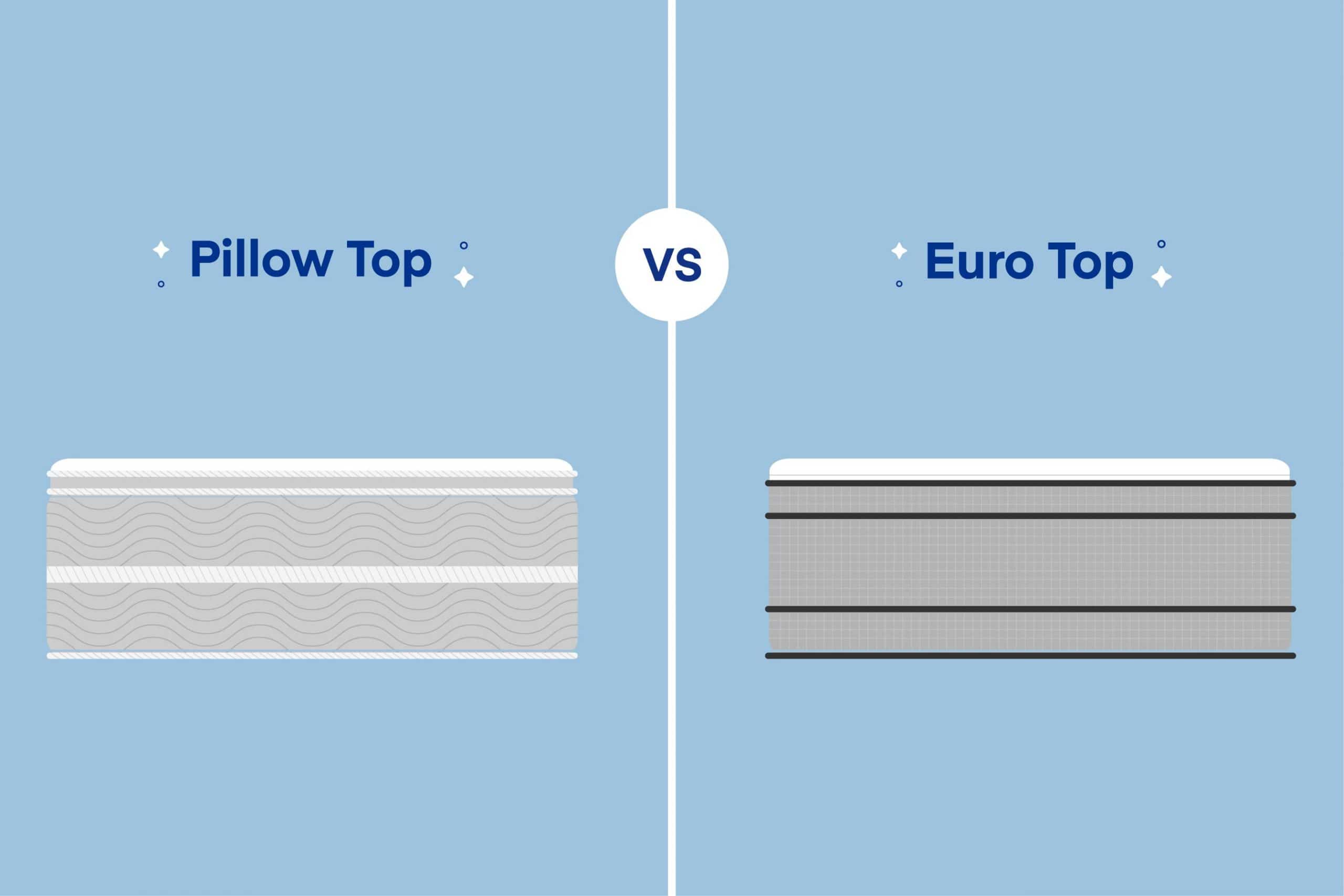
Navigating the Difference Between Flush Stitched Edges and Standard Pillow Tops
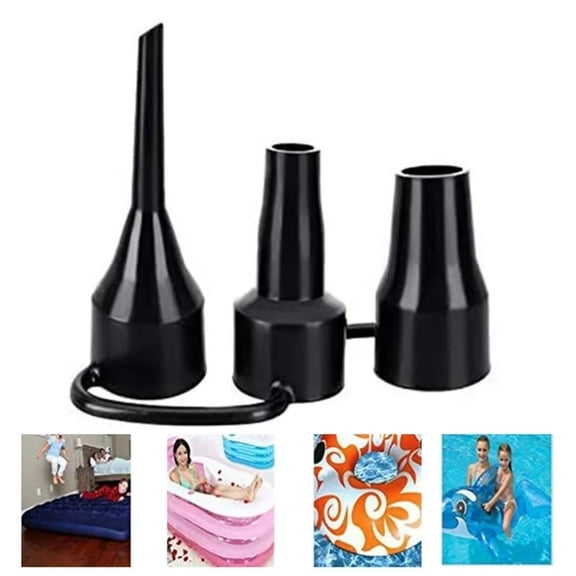
Understanding Air Valve Types to Prevent Leaks During Setup
The Long-Term Value of Investing in Heavy-Gauge Bed Hardware
When furnishing a bedroom, budgets are frequently allocated toward aesthetic focal points: decorative headboards, high thread-count linens, and supportive mattresses. The underlying bed frame hardware is rarely considered until it fails. Yet, viewing bed rails as a long-term investment in structural integrity changes the longevity calculus of your entire sleep setup. High-grade carbon steel hook rails treated with anti-corrosive powder coating do not bend, warp, or fatigue under decades of standard residential wear.
Furthermore, selecting robust hardware protects your antique or designer furniture investment. When cheap, flimsy side rails flex under load, they transfer destructive shear stress directly to the wooden mortise and tenon joints of your headboard and footboard. Over time, this repetitive strain splits expensive hardwood legs and ruins vintage heirlooms. Investing in rigid, precision-engineered hook rails preserves the structural health of the surrounding furniture, ensuring that a cherished family headboard remains stable and functional for generations.
Sustainability also plays a quiet role in hardware selection. Choosing durable, repairable steel frames rather than disposable, particle-board bed bases reduces furniture turnover and landfill waste. A quality set of hook rails can be uninstalled, moved across multiple homes, and adapted to different mattresses over decades, proving that the most sustainable home goods are simply those built well enough to never need replacing.
Actionable Recommendations for Selecting Your Ideal Rail Setup
To synthesize the technical details into a clear roadmap for your purchase, keep a practical evaluation framework in mind. Whether shopping major online platforms or specialty furniture suppliers, filter your options through specific performance criteria rather than marketing claims alone.
A restful night of sleep is built on unseen foundations. We obsess over mattress firmness ratings, pillow loft, and room temperature, yet all of those environmental comforts rely entirely on the quiet, unyielding stability of the frame holding them off the floor. Full size bed rails with hooks represent an elegant marriage of traditional furniture mechanics and modern structural reliability—a system that uses gravity and smart engineering to stay tight, quiet, and secure.
By taking precise measurements, understanding the nuances of material strength, and performing mindful installations, you eliminate the minor frustrations that disrupt deep rest. Whether you are reviving a family heirloom headboard or securing a dependable guest room setup, the right hardware transforms your bed from a wobbly compromise into a rock-solid sanctuary. Approach your frame assembly with patience and precision, and enjoy the profound peace of mind that comes with a bed built to last.
