The bedroom is dead silent except for the low hum of the ceiling fan and the soft rhythm of your breathing. It is three in the morning, and you wake up to a familiar, frustrating domestic cold war: the person beside you has rolled over, taking ninety percent of the bedding with them. You are left clutching a narrow wedge of fabric, shivering while your shoulders freeze in the open air. This nightly tug-of-war is played out in millions of homes every single night, turning peaceful slumber into a battle for square inches of cotton and down.
Enter the perennial bedroom hack that promises to end midnight blanket thievery once and for all: throwing a king-size comforter onto a queen-size mattress. It sounds simple, almost too simple—just upsize everything and watch your sleeping sanctuary transform into a luxurious cloud. Yet, anyone who has ever wrestled an oversized duvet into a standard washing machine or watched a heavy comforter pool awkwardly on the dusty hardwood floor knows there is a vast difference between theoretical comfort and real-world bedroom design.
Bedding industry standards have long dictated a strict one-to-one pairing of mattress sizes to linens, but modern sleepers increasingly reject these rigid rules in favor of comfort and aesthetic drama. The interior design world has embraced the "oversized drape" look, where lush, floor-skimming textiles give standard beds the opulent feel of a boutique hotel suite. But before you drag a king comforter across your bedroom threshold, you need to understand the physics of fabric, the exact geometry of your mattress, and whether your laundry room can actually handle the extra square footage.
The tension between mattress dimensions and textile manufacturing has existed for decades. Historically, mattress makers and bedding brands kept measurements standardized to ensure tidy packages and predictable retail displays. A standard queen mattress measures roughly 60 inches wide by 80 inches long, while a standard queen comforter hovers around 86 to 88 inches wide and 96 to 100 inches long. Meanwhile, a standard king mattress spans 76 inches wide by 80 inches long, with king comforters stretching anywhere from 102 to 110 inches wide and 92 to 96 inches long. When you place that expansive king textile onto the narrower queen frame, you instantly introduce an extra 16 to 20 inches of width into the equation, completely rewriting how your bed looks, feels, and functions.
Decoding the Math: Exact Mattress and Comforter Dimensions Explained

Understanding the physical reality of a king comforter on a queen bed begins with a hard look at the numbers. A standard queen mattress gives you a modest 60 inches of width and 80 inches of length. Standard queen comforters are engineered to provide about 13 to 14 inches of overhang on each side, leaving you with roughly 86 inches of total width. If you have a traditional, low-profile mattress from twenty years ago, that standard overhang looks neat and tailored. However, modern mattresses have grown significantly thicker due to multi-layered pillow-tops, memory foam cores, and integrated hybrid springs, often measuring 12 to 16 inches deep instead of the old-school 8 inches.
When you mount a modern mattress thickness onto a standard queen frame, your vertical drop eats up those precious inches of comforter overhang. Suddenly, your standard queen comforter barely clears the top edge of the box spring, exposing the mattress side panels and creating an unpolished, skimpy aesthetic. This is precisely why many sleepers turn to king-size comforters, which typically measure 102 to 106 inches wide by 92 inches long. When centered over a 60-inch queen mattress, a king comforter provides a dramatic 21 to 23 inches of overhang on both the left and right sides, completely hiding the mattress depth and cascading downward toward the floor.
The length presents a slightly different geometric puzzle. A queen mattress is 80 inches long, and a king comforter is usually around 92 to 96 inches long. Because king comforters are sometimes designed to be wider than they are long (or square, depending on the manufacturer), you have to manage the excess fabric at the foot and head of the bed. If you pull the comforter all the way up to the headboard to cover your sleeping pillows, you will find a massive cascade of fabric pooling at the footboard. Alternatively, if you fold the top down to create a crisp hotel-style turn-back, the overall proportions begin to look balanced and intentional rather than sloppy and oversized.
Material composition and fill weight further complicate these physical dimensions. Down comforters, synthetic microfiber fills, and heavy wool batting behave entirely differently when draped over a smaller frame. A feather-light down-alternative fill will loft easily, draping softly over the edges of a queen bed without looking excessively bulky. Conversely, a high-loft, heavy-fill winter comforter may refuse to conform to the tighter margins of a queen mattress, bunching up at the corners and creating stiff, awkward folds that resist gravity and look visually heavy in a modest-sized bedroom.
The Aesthetic and Functional Pros of Going Oversized

Choosing to scale up your top layer brings immediate, tangible benefits that go far beyond mere aesthetics. The single greatest advantage is the absolute end of the midnight blanket tug-of-war. In a shared bed, standard comforters often leave a dangerous gap where cold air sneaks in whenever one person shifts their weight. A king comforter on a queen bed creates a wide safety buffer of fabric; even if your partner rolls like a log wrapped in a cocoon, you will still have more than enough surplus material to stay wrapped in warmth until morning. This simple upgrade has saved countless marriages from sleep-deprived squabbles over duvet custody.
From a design perspective, the oversized king comforter creates that coveted "hotel bed" look that interior stylists charge thousands of dollars to curate. Modern bedrooms often feature minimalist architecture, neutral walls, and clean lines, which can sometimes make the space feel sterile or unwelcoming. A lush, cascading comforter introduces texture, warmth, and visual weight to the center of the room. When the fabric hangs low enough to obscure the bed frame, side rails, and box springs, it eliminates visual clutter and creates a sleek, monolithic block of color and softness that anchors the entire room design.
Thick, modern mattresses are notoriously difficult to dress with standard-sized linens. If you own a luxury hybrid mattress that sits 14 or 16 inches high, standard queen comforters leave an awkward strip of raw mattress ticking exposed on both sides. A king comforter easily accommodates these extra-deep profiles, draping gracefully down the sides to completely conceal the mattress perimeter. You no longer have to worry about buying expensive "deep pocket" bedding sets or fussing with ill-fitting skirts that slide out of place every time you change the sheets.
Furthermore, oversized bedding offers superior versatility if you frequently host guests or plan to upgrade your bed frame in the future. If you decide to transition from a queen to a king bed down the road, your comforter collection can make the jump right along with you. Buying a king comforter for your current queen setup is essentially a future-proof investment in your home textiles. You get to enjoy maximum comfort and luxury right now, without worrying that your bedding investment will become obsolete the moment you decide to upsize your mattress.
Potential Drawdowns, Practical Hurdles, and Aesthetic Traps

Despite the undeniable comfort of an oversized top layer, going up a size comes with a few hidden friction points that catch many homeowners off guard. The most immediate issue is floor clearance. If your queen bed sits on a low-profile platform frame or a minimalist floor-hugger base, a king comforter’s generous 21-inch drop will likely pool directly onto the floor. Fabric dragging on the floor collects dust bunnies, pet hair, and stray lint within hours, turning your clean bedding into a magnet for bedroom debris. It also looks messy, destroying the crisp, tailored aesthetic you were aiming for in the first place.
Laundry day transforms into an Olympic-level endurance event when you introduce king-sized textiles to a standard residential washing machine. A standard queen comforter can already strain the capacity of a typical 3.5 to 4.0 cubic-foot washer, preventing the water and detergent from circulating freely. Stuffing a bulky king comforter into that same drum means the fabric will twist into a dense, waterlogged knot. Your washing machine will likely throw an out-of-balance error mid-cycle, and your dryer will require multiple grueling cycles to bake the moisture out of the interior batting, risking scorched fabric or damp, mildew-prone stuffing.
Proportion and scale within the bedroom space can also suffer if you are not careful. Interior design relies heavily on balance; if your bedroom is on the smaller side—say, 10 by 11 feet—a massive, billowing king comforter can visually overpower the entire room, making the bed look disproportionately large like an iceberg dominating a narrow shipping channel. Matching pillow shams present another logistical hurdle. King-size shams measure roughly 20 by 36 inches, whereas queen pillows measure 20 by 30 inches. If you put standard queen pillows inside king shams, you will end up with six inches of empty, floppy fabric sagging awkwardly at both ends of your pillows.
Finally, sleeping temperature regulation can become a challenge. King comforters contain significantly more fill material and surface area than queen comforters. If you live in a warm climate or sleep hot, trapping yourself beneath the massive thermal mass of a king-sized winter down comforter on a queen bed can turn your mattress into a humid microclimate. You may find yourself kicking the heavy layers off in the middle of the night, defeating the cozy purpose of the oversized upgrade.
Step-by-Step Implementation: How to Style a King Comforter on a Queen Bed

Successfully pulling off the king-comforter-on-queen-bed look requires a deliberate approach to styling and positioning. You cannot simply throw the textile onto the mattress and walk away; you have to manage the excess fabric so it looks intentional and luxurious rather than accidental and sloppy. Follow this field-tested methodology to achieve a polished, designer-grade finish.
Common Pitfalls and Field-Tested Workarounds
Even with careful planning, homeowners often stumble into a few classic traps when experimenting with oversized bedding. Recognizing these mistakes early saves you time, money, and laundry frustration.
Holistic Perspectives: The Economics and Sustainability of Bedding Choices
Stepping back from the immediate mechanics of bedroom decor reveals broader questions about consumer habits, manufacturing standards, and home economics. The textile industry traditionally relies on strict sizing silos designed to drive consumption; consumers are conditioned to discard entire bedding sets the moment they switch mattress heights or upgrade room layouts. By learning how to cross-utilize sizes—such as applying a king comforter to a queen bed—you actively participate in a more resourceful, adaptable approach to household management.

Related Posts
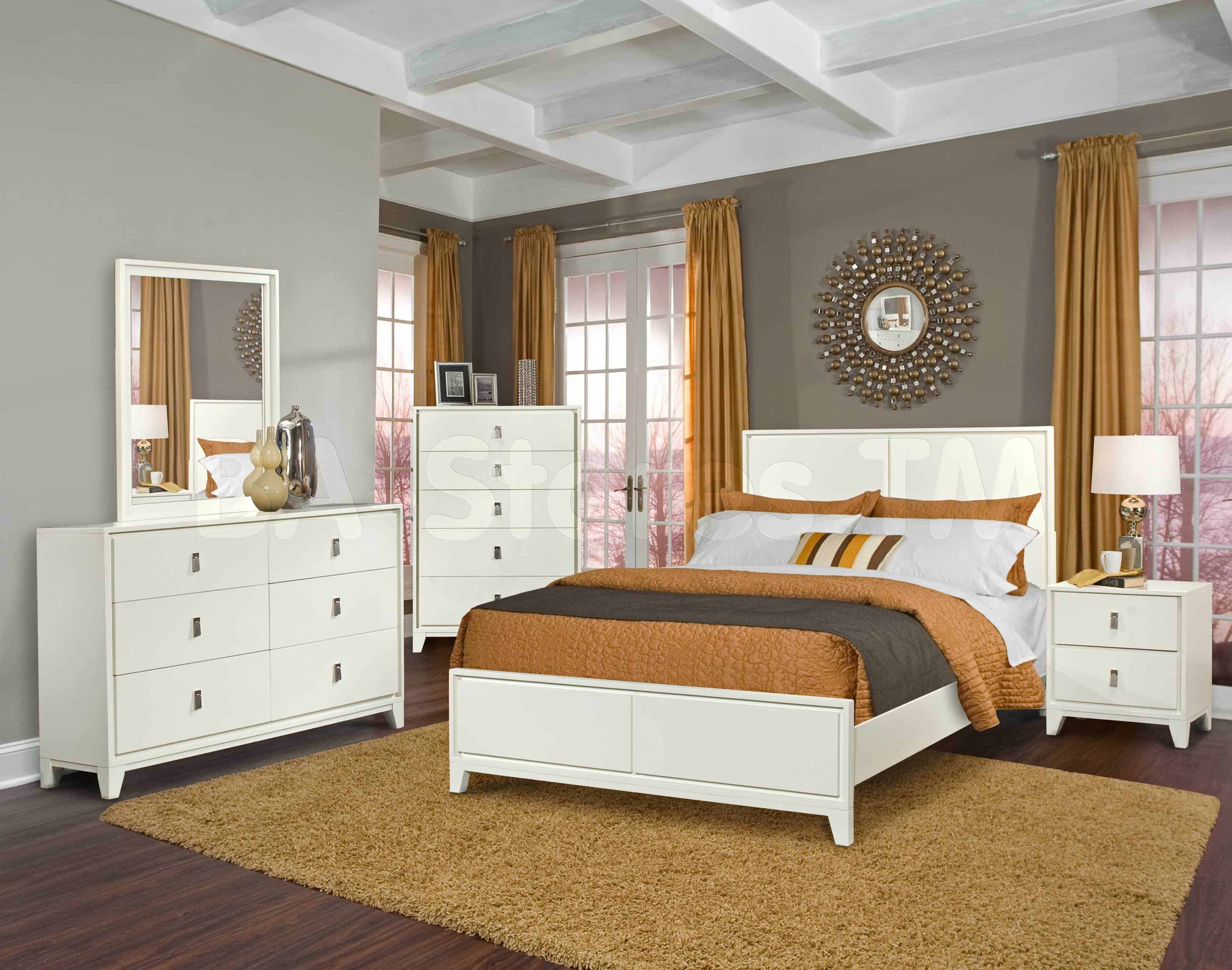
Bedroom furniture ideas that make small spaces feel calmer and more useful
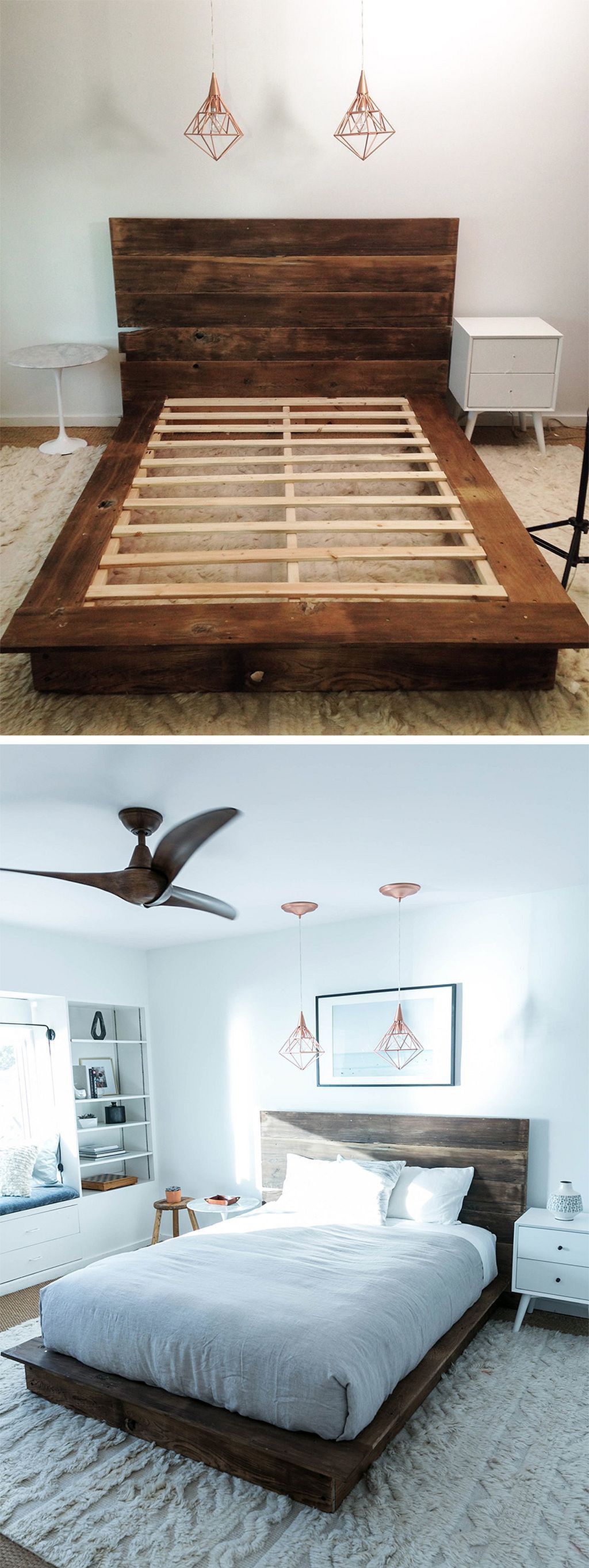
Understanding joinery and materials before you commit to a floating design

Navigating Regional Styles From Provence to Paris When Designing Your French Bedroom
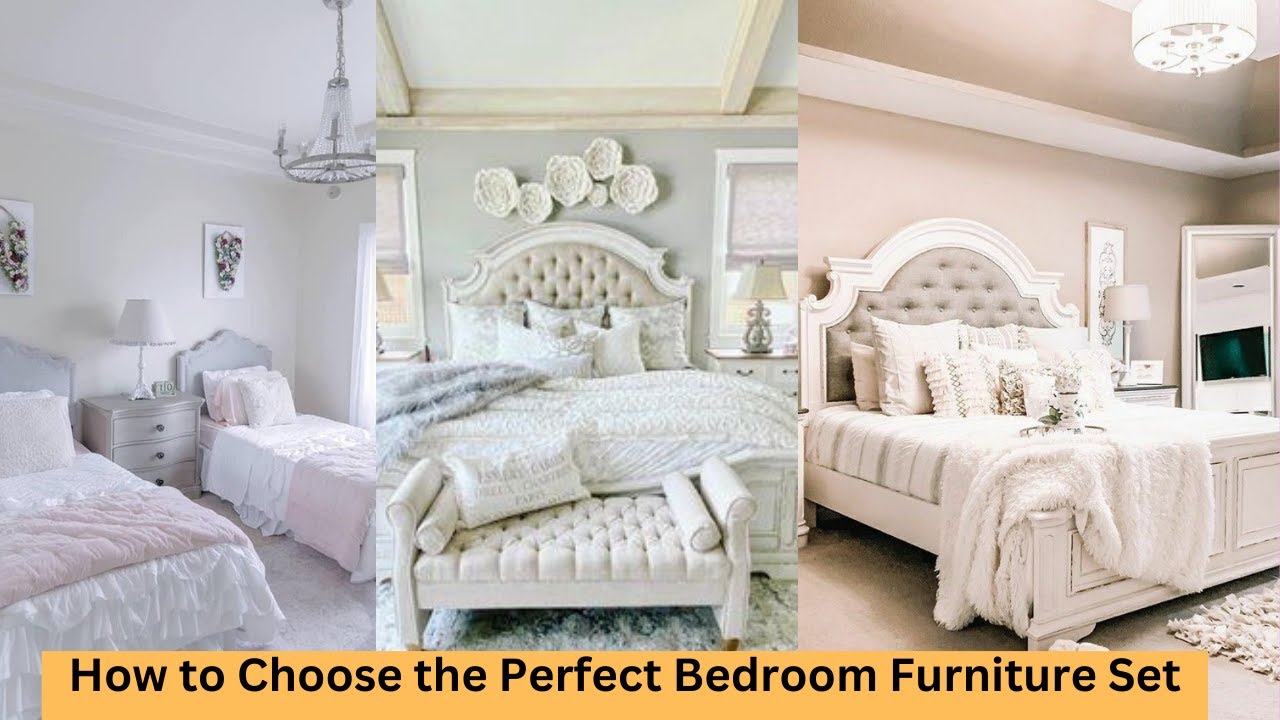
Building a Peaceful Bedroom Environment Through Better Furniture Planning Methods
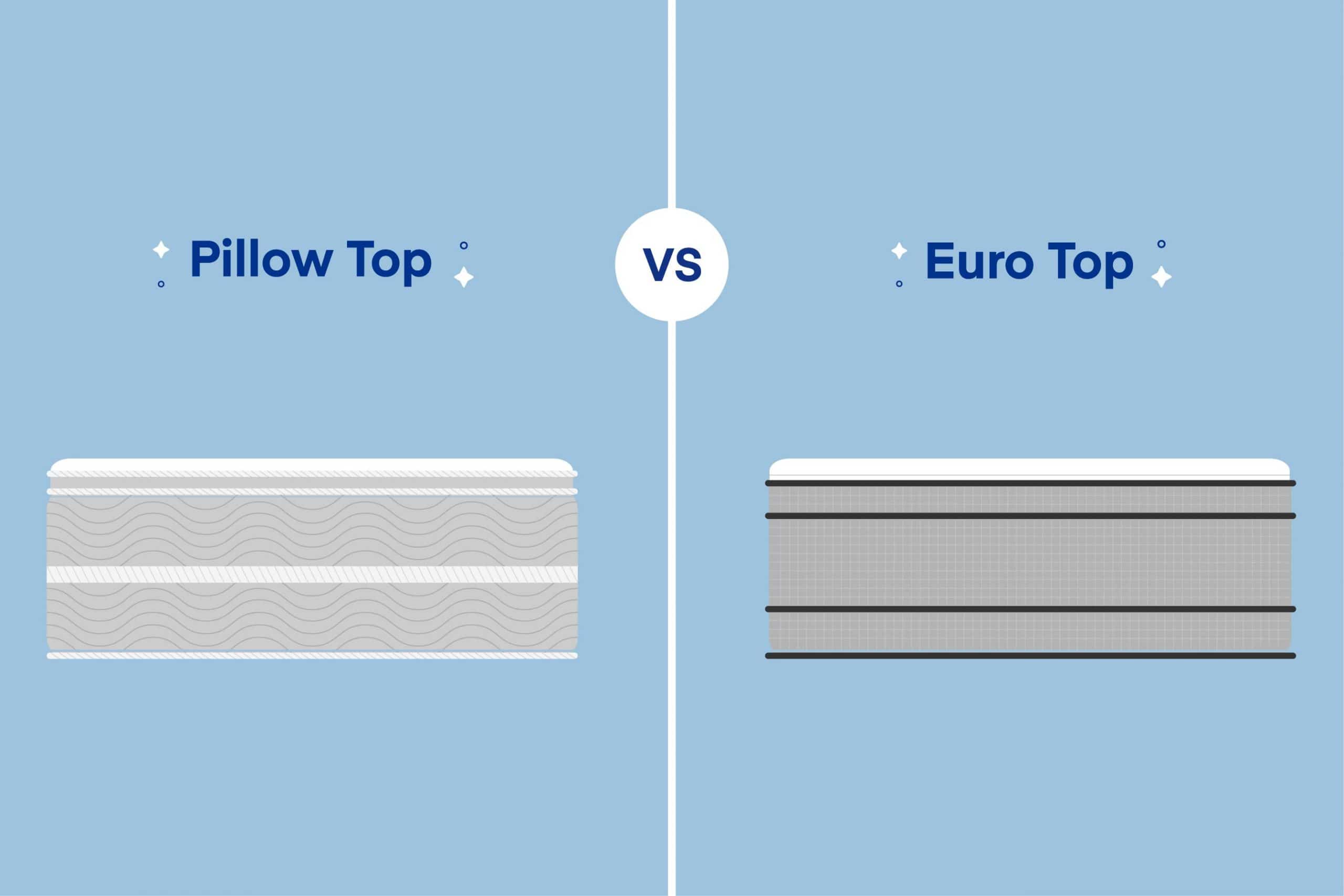
Navigating the Difference Between Flush Stitched Edges and Standard Pillow Tops
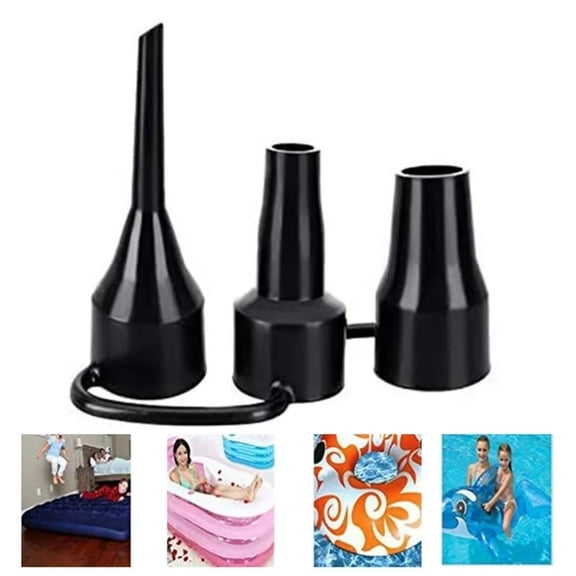
Understanding Air Valve Types to Prevent Leaks During Setup
From an economic standpoint, purchasing a king comforter for a queen bed is often a clever financial hedge. High-end bedding represents a significant investment, with luxury sets easily running into hundreds of dollars. If you buy a queen comforter today and decide to upgrade your master bedroom to a king-size bed in two years, that queen comforter becomes instantly obsolete, forcing you to buy an entirely new set. Buying the king comforter first means your investment travels with you through future life stages and furniture upgrades, maximizing the lifespan of the textile.
Environmental sustainability also enters the equation when we examine textile waste. Millions of pounds of bedding end up in landfills annually, driven by fast-home-decor trends that treat linens like disposable fashion. Making intentional, flexible choices about your home textiles—such as selecting versatile oversized pieces that adapt to changing furniture configurations—reduces unnecessary consumption. Furthermore, investing in durable, high-quality natural fibers like long-staple cotton or ethically sourced down ensures that your oversized comforter withstands the rigors of commercial laundering and years of daily use without degrading.
Ultimately, your bedroom should serve as a restorative sanctuary tailored to your unique physical needs rather than a rigid showroom bound by arbitrary rules. If you sleep restlessly, toss and turn, or share your mattress with an energetic partner or pets, standard sizing guidelines matter far less than your actual comfort. Adapting a king comforter to fit your queen bed bridges the gap between high-end interior design and uncompromising personal comfort, proving that sometimes the best design choices break the traditional rules.
Actionable Recommendations and Key Takeaways
Mastering the art of putting a king comforter on a queen bed comes down to balancing practical mechanics with deliberate aesthetic choices. To ensure your bedroom upgrade succeeds without turning into a frustrating daily chore, keep these core principles front and center:
The modern bedroom is no longer just a place to sleep; it is a carefully curated sanctuary designed to insulate us from an increasingly chaotic world. Every detail, from the thread count of your sheets to the weight and drape of your comforter, contributes to your overall physical and mental restoration. Choosing to break traditional sizing rules by placing a king comforter on a queen bed is a small rebellion against standard industry constraints, driven by the universal human desire for comfort, warmth, and peace of mind.
As home design continues to evolve toward hyper-personalization, the rigid boundaries separating bed sizes will likely blur even further. Sleepers are prioritizing tactile luxury and functional practicality over ancestral rules of interior arrangement. By approaching your bedding choices with creativity, precise measurements, and a clear understanding of fabric dynamics, you can craft a sleeping environment that feels both indulgently luxurious and effortlessly practical.
Take a moment tonight to evaluate your own bedroom setup. If you find yourself constantly tugging at skimpy blankets or wishing for that elusive hotel-quality drape, do not be afraid to size up. Measure your space, choose your textiles wisely, and embrace the oversized comfort you deserve. Your sleep sanctuary is yours to design—make sure it fits your life.